






What Is a Butt Plug? A Beginner’s Guide to Safe, Confident First-Time Use
Content
- What Is a Butt Plug and How Does It Work?
- Why People Use Butt Plugs: Purpose, Sensation, and Benefits
- Safety Basics: Flared Bases, Body-Safe Materials, and Who Should Wait
- How to Choose Your First Butt Plug: Size, Shape, and Material
- Lubricant Compatibility: Which Lube to Use With Each Material
- How to Use a Butt Plug for the First Time, Step by Step
- Pain, Warning Signs, and What to Do in an Emergency
- Cleaning, Storage, and Knowing When to Replace Your Plug
- Emotional Readiness, Anxiety, and Talking to a Partner
A butt plug is an anal toy designed to be inserted and held in place by the body — and this guide covers everything a first-time adult user needs to know, from choosing the right size and material to lubrication, safe insertion, cleaning, and what to do if something feels wrong.
- A flared base is non-negotiable — it prevents the toy from traveling internally.
- Beginners do best starting with a smooth plug under 1 inch in diameter.
- Body-safe materials such as medical-grade silicone, glass, and stainless steel are the recommended choices.
- The anus doesn’t self-lubricate — generous lube is required every time.
- Clean your plug thoroughly after every use; inspect it before each one.
What Is a Butt Plug and How Does It Work?
A butt plug is an anal toy designed to be inserted into the anus and stay in place, providing a sensation of fullness and internal pressure rather than being thrust in and out. That “stay in place” design is what separates it from every other anal toy category, and it shapes everything about how a plug is built.
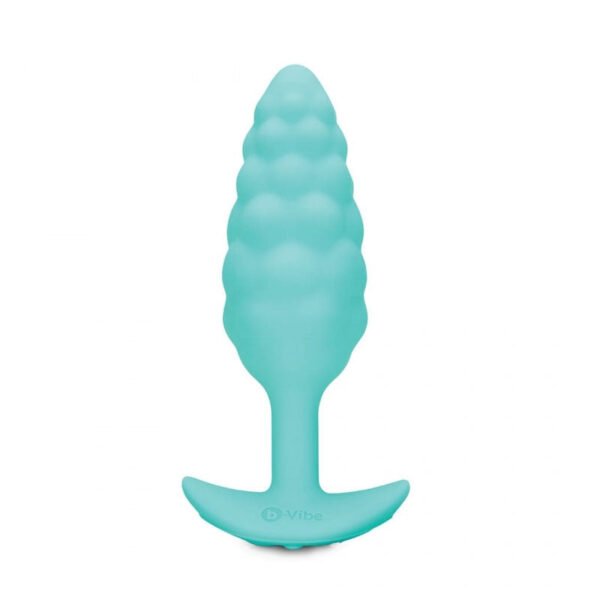
The shape does most of the work. A classic butt plug has four distinct parts working together:
- Tapered tip. The narrow point at the top makes initial insertion easier, letting the body open gradually rather than all at once.
- Bulbous body. The widest part of the plug, which creates the feeling of fullness once it passes the entrance.
- Narrow neck. The indented section just below the body. This is the mechanical key to how the toy works: once the body clears the sphincter, the muscle closes around the neck and holds the plug comfortably in place.
- Flared base. The wide, flat, or T-bar section at the bottom that sits outside the body. It is a required safety feature, explained fully in the Safety section below.
The anal sphincter is a strong, involuntary muscle. When a plug is properly sized and inserted, that muscle grips the neck naturally, which is what keeps the toy from shifting during wear. No effort required on your part. The body does it on its own.
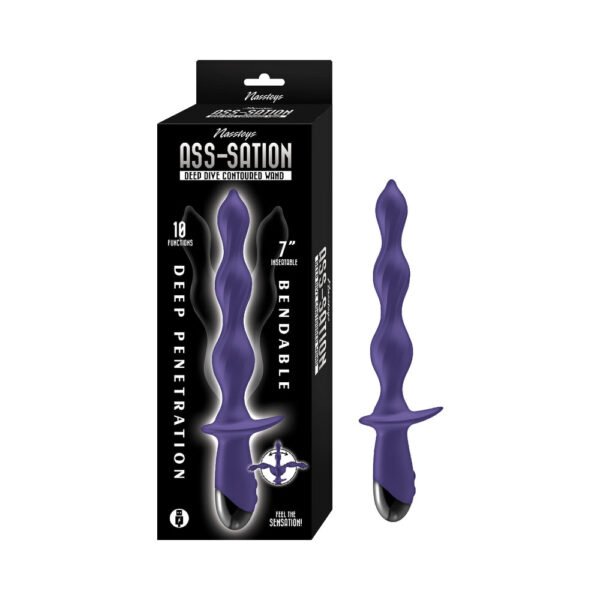
Understanding where butt plugs sit among other anal toys helps clarify what they are actually for. Anal dildos are designed for thrusting, not staying put. Anal beads use a graduated series of spheres to create stimulation through movement and removal. Prostate massagers are curved specifically to reach and press against the prostate. A butt plug does none of those things by design. It sits still, and that stillness is the point.
Within the plug category itself, there are several common form factors worth knowing before you shop:
- Classic plug. Smooth, non-vibrating, simple teardrop or tapered shape. The standard starting point for most beginners.
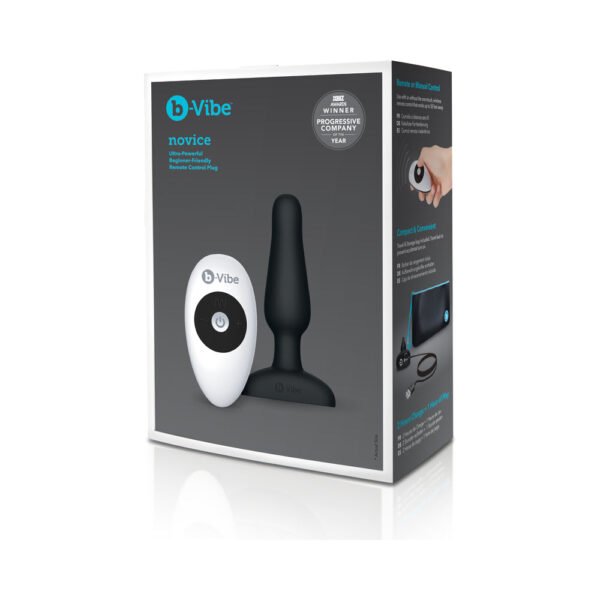
- Vibrating plug. Adds a motor for internal vibration, which intensifies sensation and can be remote-controlled or app-controlled.
- Jeweled or decorative plug. A classic plug shape with an ornamental base, typically made from stainless steel or glass.
- Weighted plug. Slightly heavier construction that creates a distinct sense of pressure and movement during wear.
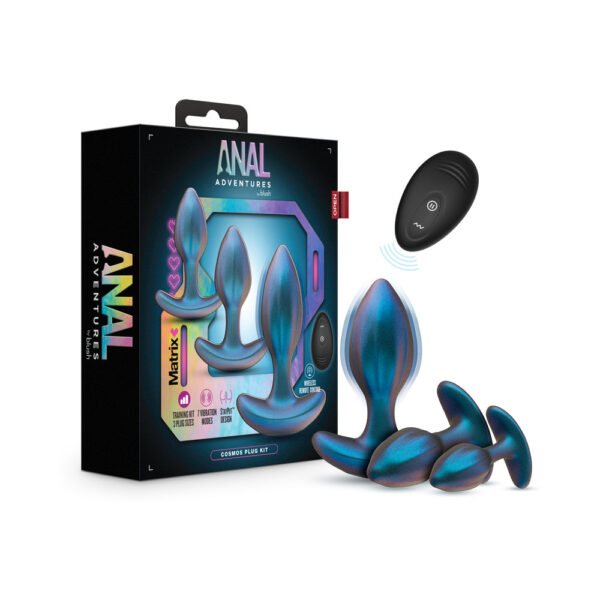
- Anal training set. A graduated kit of two or three plugs in increasing sizes, designed to help the body adjust comfortably over time.
Body-safe materials matter for any toy that goes inside your body, and plugs are no exception. The specific materials and how to choose between them are covered in the Choosing section.
The practical takeaway for this section: a butt plug works because of its shape, not because of any active mechanism. The taper gets it in, the body holds it at the neck, and the base keeps it from going anywhere it shouldn’t.
Why People Use Butt Plugs: Purpose, Sensation, and Benefits
People use butt plugs because anal stimulation feels genuinely good, and a plug is one of the most accessible ways to explore it. The reasons range from simple curiosity to specific physical goals, and all of them are valid.
What a Butt Plug Actually Feels Like
The most immediate sensation is fullness. Once a plug is seated comfortably, the anal canal and sphincter muscles register a steady, even pressure that many people find deeply satisfying on its own. It is a different quality of sensation from anything else in the body.
That response makes sense anatomically. The anus and the tissue surrounding it are packed with sensitive nerve endings. A plug that sits in place stimulates those nerve endings continuously, which is why even a small, stationary toy can produce noticeable arousal without any thrusting or movement involved.
For people with a prostate, the effect can be more targeted. The prostate gland sits close to the anterior wall of the rectum, and a plug exerts indirect pressure against it. That pressure is what gives prostate stimulation its reputation for intensity. Readers interested in more direct P-spot contact may also want to look at prostate massagers, which are curved specifically for that angle.
For people without a prostate, anal play still adds meaningful sensation. The shared nerve pathways between the anus and the genitals mean that stimulation in one area tends to amplify what is happening in the other. Many people report that wearing a plug during vaginal penetration makes the experience feel fuller and more intense, and that orgasms feel stronger with a plug in place.
The Range of Reasons People Use Them
There is no single profile of someone who enjoys butt plugs. Anyone with an anus can find value in them, regardless of gender, orientation, or relationship status. Here are the most common purposes:
- Solo pleasure. A plug adds anal stimulation to masturbation without requiring a partner or a complicated setup. Many people find it meaningfully enhances their solo sex life.
- Enhanced orgasm. Wearing a plug during any kind of stimulation, including vaginal or penile, tends to heighten arousal and increase orgasm intensity for many users.
- Foreplay and partnered use. Plugs work well as part of foreplay, either worn by one partner while the other receives attention, or used together as part of shared exploration.
- Warm-up before anal sex. Inserting a plug before anal intercourse helps the sphincter relax gradually, which makes the transition to penetration more comfortable and reduces discomfort.
- Anal training over time. Some people use plugs systematically to build comfort with anal play at a relaxed pace, working through progressively larger sizes across multiple sessions. Anal training kits are designed specifically for this purpose, offering a set of graduated sizes in one purchase.
- Vibration and added intensity. Vibrating butt plugs layer motor stimulation on top of the pressure sensation, which some people find significantly more arousing. Vibrating anal toys cover that category in more detail.
One practical note worth keeping in mind: starting small makes it much easier to actually enjoy these sensations, especially early on. The Choosing section covers beginner sizing in detail. Lube is also non-negotiable every single time, and the Lubricant section explains which type to use with each material.
The short version is this: butt plugs are for pleasure, preparation, and exploration, and they work across a wide range of bodies and contexts. That is the whole point of them.
Safety Basics: Flared Bases, Body-Safe Materials, and Who Should Wait
Two things determine whether a butt plug is safe to use: its physical design and what it’s made of. Get both right, and anal play is straightforward. Get either one wrong, and the risks are real.
Why a Flared Base Is Non-Negotiable
A flared base is the single most important safety feature on any anal toy. The rectum creates negative pressure that can draw objects inward, and unlike the vagina, the anal canal has no natural stopping point. A toy without a properly sized base can travel fully inside the body, which is a medical emergency requiring a hospital visit to resolve.
Anal sex toys used as butt plugs should always include a flared base, large ring, or pull cord to prevent the toy from being drawn fully into the rectum.
A safe base has one defining characteristic: its width must be noticeably greater than the widest insertable diameter of the plug. A base that is only slightly wider than the body of the toy is not adequate. You want a clear, stable flange that sits flush against the body and cannot slip past the external sphincter.
Retrieval loops and rings serve the same function and are a legitimate alternative to a traditional flared base, provided the ring is rigid or semi-rigid enough to resist being pulled through. A thin, flexible loop on a soft toy does not offer the same protection.
This is also why toys not designed specifically for anal use are dangerous, regardless of their shape or size. A smooth cylindrical object, a toy designed only for vaginal use, or anything without a dedicated base or retrieval feature should never be used anally. Anal dildos designed for thrusting are built with retrieval in mind, but they are not designed to be held in place the way a plug is, which is a meaningful difference in how the base functions during wear.
Health Conditions That Require a Doctor’s Clearance First
Butt plugs are safe for most healthy adults, but several health conditions change that picture. If any of the following apply to you, talk to a healthcare provider before using any anal toy.
- Hemorrhoids. Inflamed or prolapsed hemorrhoids are easily irritated by insertion. Even a small, smooth plug can worsen swelling or cause bleeding.
- Anal fissures. An open or healing fissure is a tear in the anal tissue. Insertion before it has fully healed risks reopening it and significantly slowing recovery.
- Rectal prolapse. This condition, where rectal tissue protrudes from the anus, requires medical evaluation before any anal penetration is considered.
- Recent anal or rectal surgery. Tissue needs time to heal fully. Your surgeon is the only person who can tell you when it is safe to resume anal activity.
- Inflammatory bowel disease (IBD), Crohn’s disease, or ulcerative colitis. Active inflammation makes the rectal lining more fragile and vulnerable to irritation or injury.
- Active rectal infection. Any current infection in the anal or rectal area should be fully resolved and cleared by a clinician before use.
- Pelvic radiation history. Radiation treatment can affect tissue integrity and sensitivity in ways that are not always visible or immediately obvious.
- Nerve disorders affecting the pelvic region. Conditions that reduce sensation in the pelvic floor or anal area are a particular concern, because pain is your primary signal that something is wrong.
That last point connects to one of the most important safety rules in anal play: never use a numbing lubricant. Desensitizing products that contain benzocaine or lidocaine block the pain signals that tell you when pressure is too much, when tissue is being strained, or when something has gone wrong. Discomfort during anal play is information. Removing that signal does not make the activity safer; it removes your ability to respond to injury in real time.
A note on materials before the next section covers them in full: the distinction between nonporous and porous materials is a safety issue, not just a quality preference. Porous materials, including rubber, jelly, PVC, TPE, TPR, and cyberskin-style blends, have microscopic surface channels that harbor bacteria even after washing. They cannot be fully sanitized between uses. Body-safe options for anal toys are medical-grade silicone, borosilicate glass, stainless steel, and certified hard ABS plastic. These are nonporous, meaning they can be cleaned thoroughly and do not degrade in ways that introduce contamination. Lube compatibility and size selection matter too, and both are covered in the sections that follow.
| Material | Nonporous | Fully Sanitizable | Verdict |
|---|---|---|---|
| Medical-grade silicone | Yes | Yes | Recommended |
| Borosilicate glass | Yes | Yes | Recommended |
| Stainless steel | Yes | Yes | Recommended |
| Certified hard ABS plastic | Yes | Yes | Recommended (verify manufacturer) |
| TPE / TPR | No | No | Avoid |
| Rubber / jelly / PVC | No | No | Avoid |
| Cyberskin / realistic blends | No | No | Avoid |


How to Choose Your First Butt Plug: Size, Shape, and Material
The right first plug is small, smooth, tapered, and made from a nonporous body-safe material. Those four qualities cover most of what makes the difference between a comfortable first experience and one that puts you off anal play entirely. Here is how each factor plays out in practice.
Size is the place to start. Beginners do best with a plug that has an insertable diameter at or under 1 inch. That range is genuinely comfortable for most people who are new to anal toys, and it gives the sphincter time to relax and adjust without strain. Anything marketed as a “beginner plug” but listed without a specific diameter measurement is worth skipping until you can confirm the actual number.
Shape matters just as much as size. A tapered tip allows for gradual, controlled insertion because the body can ease onto the toy incrementally rather than encountering the full width all at once. Once the plug is inside, a narrow neck is what makes wearing it comfortable. The neck sits at the sphincter, and a well-proportioned narrow section means the muscles can rest in a natural position rather than staying stretched around a wide shaft. A plug that skips the neck and stays roughly the same diameter throughout will be noticeably less comfortable during wear.
Surface finish is a simple call for first-timers: smooth over textured. Ridges, bumps, and ribs add sensation that experienced users often enjoy, but for a first insertion they can make relaxation harder and increase friction. Start smooth, and explore texture once you know what feels right for your body.
If you are comparing two plugs and one has a diameter listed and one does not, choose the one with the data. A product listing that omits insertable diameter and base width is giving you less information than you need to buy safely.
On the firmness question: flexible plugs, particularly silicone ones, have some give during insertion and tend to feel forgiving. Firm plugs, like glass or stainless steel, do not flex at all, which means insertion requires more attention to angle and relaxation but also produces a fuller, more defined sensation during wear. Neither is wrong; they simply feel different, and most beginners find flexible easier to start with.
Body-Safe Materials Compared: Silicone, Glass, and Stainless Steel
The three most recommended materials for butt plugs are medical-grade silicone, borosilicate glass, and stainless steel. All three are nonporous and body-safe when manufactured properly. (Lube compatibility differs between them, covered in detail in the lubricant section.) Here is how they feel in practice.
| Material | Firmness | Temperature | Weight | Best for |
|---|---|---|---|---|
| Medical-grade silicone | Soft to medium; flexible | Warms to body temperature quickly | Light | Most first-time users; forgiving during insertion |
| Borosilicate glass | Firm; no flex | Temperature-responsive; can be warmed or cooled | Medium | Users who want firm, smooth sensation or temperature play |
| Stainless steel | Rigid; no flex | Temperature-responsive; holds temperature longer | Heavier | Users who enjoy weight and pressure; weighted sensation |
Silicone is the most popular choice for beginners because it is soft, flexible, and warms to body temperature within seconds of contact. It has a slight drag compared to glass or metal, so lube application is especially important. Medical-grade silicone is the label to look for; avoid listings that say only “silicone” without specifying grade, since material quality varies by manufacturer.
Borosilicate glass (sometimes sold under the Pyrex name) is completely smooth and firm, which many people find produces a very clean, precise sensation. It is also temperature-responsive: a few minutes in warm water makes it feel noticeably different from room temperature. Glass plugs are easy to inspect for chips or cracks before use, which is a practical safety advantage.
Stainless steel plugs are heavier than the other two options, and that weight creates a distinct internal pressure that some people find intensely satisfying and others find too much for a first session. If you are curious about the weighted sensation, it is worth knowing about before you buy rather than after.
Avoid plugs made from rubber, jelly, PVC, TPE, TPR, or any blended “realistic feel” material. These are porous materials that harbor bacteria even after cleaning, and many contain additives that are not appropriate for internal use.
Beginner Size and Feature Checklist
Before buying, pull up the product listing and look for these specific details. If a listing does not provide them, look for a different product.
- Insertable diameter listed explicitly. For a first plug, look for approximately 1 inch or under. Do not rely on size labels like “small” without a measurement to back them up.
- Base width wider than the insertable diameter. The base must extend beyond the widest point of the plug to prevent internal displacement. This is a brief reminder here; the safety section explains the anatomy in full.
- Tapered tip. A gradual taper at the insertion point makes first-time use significantly more comfortable.
- Narrow neck. Confirms the plug is designed for wear, not just insertion.
- Smooth surface. Textured plugs are better suited to experienced users.
- Material certification. Look for “medical-grade silicone,” “borosilicate glass,” or “stainless steel” stated clearly, not vague terms like “body-safe rubber” or “premium material.”
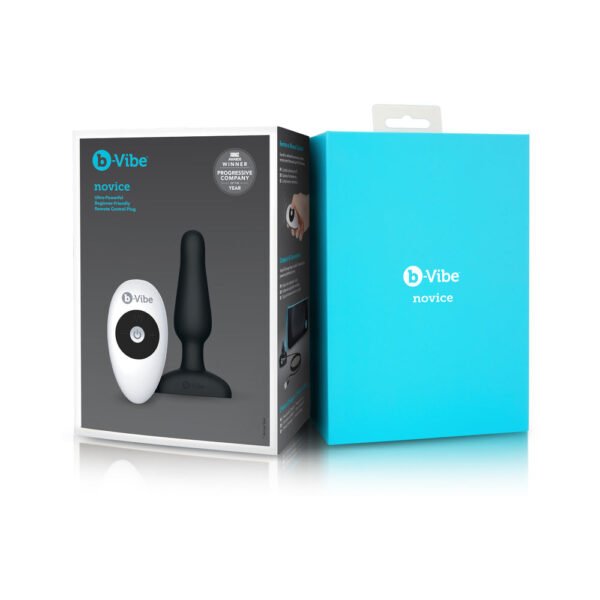
One buying strategy worth considering: anal training kits include a set of graduated plugs in two or three sizes, typically starting at a beginner diameter and stepping up incrementally. Buying a set costs less than purchasing plugs individually at each size, and it removes the guesswork about when you are ready to move up. For anyone planning to explore anal play beyond a single session, a training kit is a practical starting point.
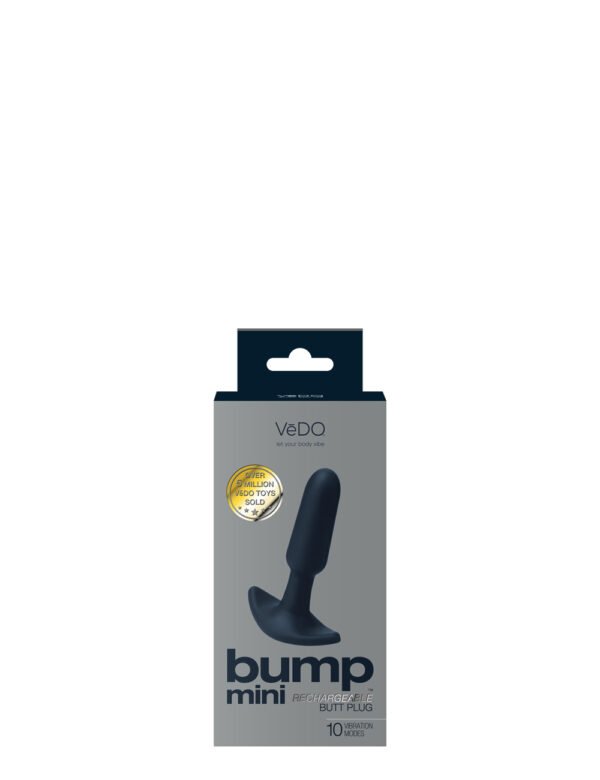
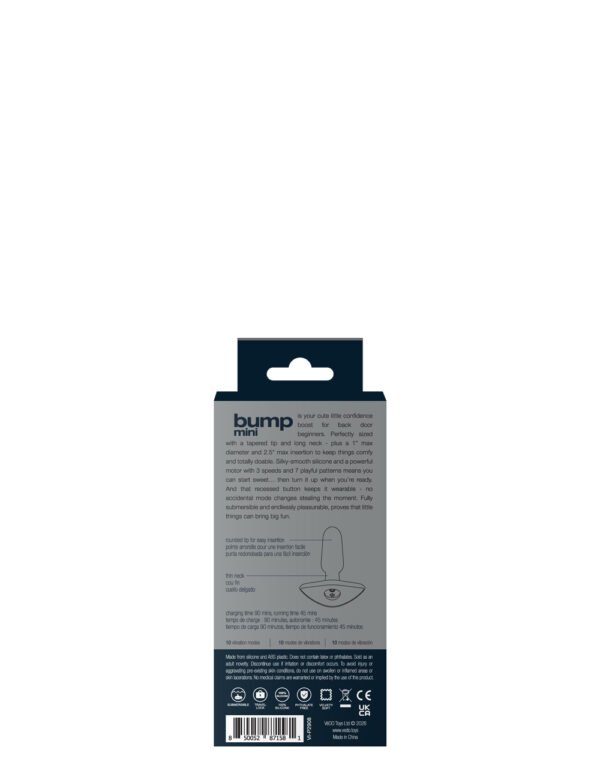
On the vibration question: vibrating plugs add a layer of sensation that many people enjoy, and they are not inherently more difficult to use than non-vibrating ones. That said, a non-vibrating plug gives you clearer feedback about pressure, fit, and comfort during your first session, which is useful information. If vibration appeals to you, it is a reasonable choice from the start; just prioritize size and shape over features. You can browse vibrating anal toys once you have a sense of the size and shape that works for your body.
One thing to skip entirely: any plug described as a “beginner” toy that does not include size data, material certification, or a visible flared base in the product images. The label means nothing without the specifications to support it.
Lubricant Compatibility: Which Lube to Use With Each Material
The anus does not self-lubricate, so lube is not optional for anal play. generous lubrication is essential for anal insertion, and the type of lube you use depends entirely on what your plug is made of.
Your material choice, covered in the previous section, is the single factor that determines which lubes are safe to use. Here is how each type breaks down:
| Lube Type | Silicone Plug | Glass Plug | Stainless Steel Plug | Notes |
|---|---|---|---|---|
| Water-based | Yes | Yes | Yes | Safe with all materials; may need reapplication |
| Silicone-based | Avoid | Yes | Yes | Can degrade silicone toy surfaces |
| Oil-based | Avoid | Yes | Yes | Incompatible with latex; not a first-choice for beginners |
Water-based lube is the safest starting point for most beginners. It works with every plug material, including silicone toys, and is easy to clean up. The trade-off is that it absorbs and dries out faster, so you may need to reapply during use.
Silicone-based lube lasts longer and stays slick without reapplication, which makes it appealing for glass or stainless steel plugs. The firm rule: do not use it with silicone toys. Silicone lube can bond with and break down the surface of a silicone plug, creating microscopic texture changes that make the toy harder to clean properly.
If you are unsure whether your silicone toy is compatible with a specific silicone-based lube, there is a simple patch test: apply a small amount to an inconspicuous part of the plug, wait a few minutes, then check for tackiness, stickiness, or any change in texture. If the surface feels different, skip that lube.
Oil-based lube is compatible with glass and stainless steel, but it degrades latex condoms and is not the easiest option for beginners to work with. Most first-time users do not need to consider it.
Specialty lubes deserve a quick word. Warming, cooling, or flavored lubes may contain ingredients that irritate sensitive anal tissue. Check the ingredient list before using any of them anally. And numbing lubes should be avoided entirely: discomfort during anal play is information your body is giving you, and removing that signal is not a safety shortcut.
For application, use more than you think you need. Apply lube to both the tip of the plug and directly to the anal opening before insertion. If you feel any friction or resistance during use, add more. Explore anal-specific lubricants if you want formulas designed for the thicker consistency that anal play benefits from. Insertion itself is covered step by step in the next section.
How to Use a Butt Plug for the First Time, Step by Step
A successful first session comes down to three things: preparation, patience, and paying attention to what your body is telling you. Rush any of those, and the experience suffers. Take your time, and most people find it goes more smoothly than they expected.
Start by choosing a moment when you have genuine privacy and no time pressure. Feeling relaxed matters more than any technique. Some people find it helpful to have a bowel movement beforehand, which reduces any mental distraction and makes the experience more comfortable. A warm bath or shower before you begin can also help your muscles loosen up naturally.
Before you reach for the plug itself, warm up with one or two fingers. Apply lube to your fingers and gently massage the outside of the anus first, then slowly introduce one fingertip. This is not optional prep work. The sphincter is a muscle, and like any muscle, it responds better to gradual engagement than to sudden pressure. Spend a few minutes here. When one finger feels comfortable, you can try two. By the time you pick up the plug, your body is already familiar with the sensation.
Insertion, Wear Time, and Safe Removal
Insertion works best when you are in a position that reduces tension in the pelvic floor. Three positions tend to work well for beginners: lying on your side with your knees drawn toward your chest, squatting with your feet flat on the floor, or kneeling on all fours. Try one and see what feels most natural. There is no single correct answer.
Apply lube generously to both the plug and the opening before you begin. (Full lube compatibility guidance is in the lubricant section, but the short version: never skip it, and never use too little.) Then bring the tapered tip to the opening and apply slow, steady outward pressure. Do not push. Let the sphincter open around the toy rather than forcing the toy through it.
When you feel resistance, pause. Breathe slowly and consciously relax the sphincter on the exhale. That moment of resistance is the widest point of the plug approaching the muscle ring. When correct insertion happens, you will feel a mild stretch that eases almost immediately as the widest point passes through and the plug settles into place. The body draws it inward slightly, and the flared base rests against the outside. That snug, full sensation is normal and is exactly what the toy is designed to create.
For a first session, keep wear time to 20 to 30 minutes. The sphincter is not designed to hold tension indefinitely. Wearing a plug for too long can cause muscle fatigue, put sustained pressure on rectal tissue, and temporarily dull sensation. Sleeping while wearing a plug is not recommended: you lose the ability to monitor how your body is responding, and extended wear overnight significantly increases the risk of discomfort and tissue stress.
To remove the plug, reverse the process. Apply steady, slow outward pressure on the base while relaxing the sphincter on an exhale. Let the widest point exit gradually. Never yank the plug out quickly. A slow, controlled removal is just as important as a slow insertion. If you are working with a partner, clear communication about pace and pressure makes the whole process easier and more comfortable for everyone involved.
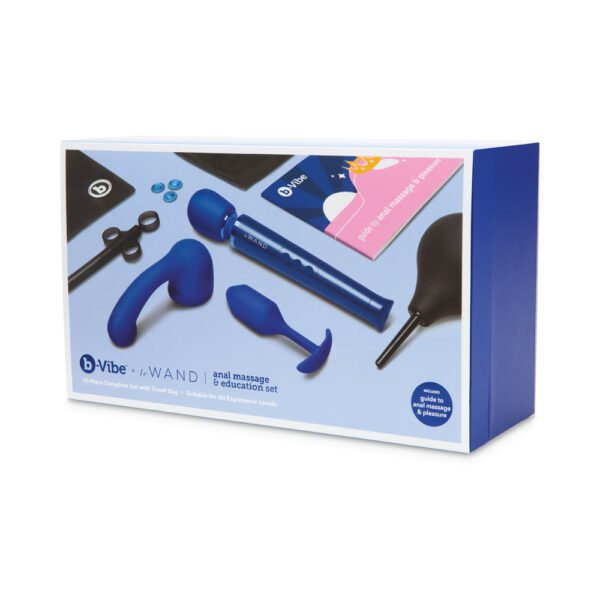
After your session, clean your plug thoroughly before storing it. A dedicated sex toy cleaner makes that step quick and reliable.
Common Beginner Mistakes to Avoid
Most first-time discomfort traces back to one of a handful of predictable errors. Knowing them in advance makes them easy to sidestep.
- Rushing insertion. The sphincter needs time to relax and adjust. Moving too fast causes the muscle to tighten further, which makes insertion harder and uncomfortable. Slow down more than you think you need to.
- Using too little lube. This is the most common mistake. The anus does not self-lubricate, and friction without lube causes irritation. Apply more than feels necessary, and reapply if you pause.
- Choosing a plug that is too large. Bigger is not better for a first session. A beginner plug with an insertable diameter under 1 inch gives the body a chance to adjust. If you want to work up to larger sizes over time, anal training kits offer a graduated progression that takes the guesswork out of sizing.
- Ignoring pain signals. Mild stretch is expected. Sharp, burning, or persistent pain is not. Stop immediately if you feel sharp pain, and do not try to push through it. (The Pain and Warning Signs section covers what to do next.)
- Using a toy without a flared base. Any anal toy without a flared base, wide retrieval ring, or retrieval loop is not safe for anal use, full stop. The rectum can draw objects inward, and a toy without a proper base can travel beyond reach.
- Using numbing lube. Desensitizing lubricants mask the feedback your body uses to tell you something is wrong. Pain exists for a reason. Use a standard lubricant and stay present with the sensation instead.
Pain, Warning Signs, and What to Do in an Emergency
Some discomfort during a first experience with anal play is normal. Sharp pain, burning, or bleeding is not. Knowing the difference protects you and makes the whole experience more enjoyable.
A mild sense of stretch, pressure, and fullness during insertion is expected. Once the widest point of the plug passes the anal opening, most people feel that sensation ease noticeably. That shift is normal. If it does not ease, or if the feeling intensifies, stop and reassess.
Stop immediately if you notice any of the following:
- Sharp or stabbing pain. This is your body signaling that something is wrong. Pain during insertion is not something to push through. Remove the plug slowly and do not continue that session.
- Burning or stinging. This can indicate a small tear or irritation in the tissue. Stop, remove the plug, and let the area rest.
- A sudden change in pressure. If the sensation shifts abruptly in a way that feels wrong rather than relieving, treat it as a warning.
- Loss of sensation. Numbness around the anus or plug is a red flag. Remove the plug immediately and seek medical evaluation if the feeling does not return quickly. (This is also one reason numbing lubes are risky: they mask exactly these signals.)
Any rectal bleeding requires stopping and medical evaluation, full stop. A small amount of blood can look alarming but still have a minor cause, such as a tiny fissure. It can also indicate something that needs prompt attention. Either way, a healthcare provider should assess it. Do not continue use until you have been evaluated.
Mild tenderness after removal, similar to the feeling after any new physical activity, can be normal and typically fades within a day. Persistent pain, swelling, or soreness that lasts longer than 24 hours warrants a call to a doctor.
If a plug cannot be retrieved, stay calm. Panic causes the muscles to tighten, which makes retrieval harder. A flared base prevents most retention situations from happening at all, but if you are having difficulty:
- Relax your body. Lie down, take slow breaths, and let the muscles soften.
- Bear down gently. Use the same light effort as a bowel movement. This engages the muscles in the right direction.
- Apply additional lube. Work a little more lube around the base of the plug if you can reach it. This reduces friction and helps the plug move.
If calm attempts do not work, or if you experience sharp pain, bleeding, or any loss of sensation during retrieval, go to an emergency room. Retained anal objects are a common ER situation. Medical staff handle these cases routinely and without judgment. Getting help quickly is always the right call.
Cleaning, Storage, and Knowing When to Replace Your Plug
Clean your plug after every single use, no exceptions. Anal toys carry fecal bacteria, and skipping a cleaning session creates real pathogen risk, including the transmission of Shigella and STIs if a toy is shared without being sanitized first.
The standard method works for all body-safe materials: wash with warm water and a mild, unscented soap, rinse thoroughly, then air dry or pat dry with a clean cloth. Make sure lube residue is fully removed during this step, since it can trap bacteria if left behind. A pH-balanced sex toy cleaner spray is a useful supplement for between washes or when you travel, but it does not replace soap and water.
Nonporous materials, including medical-grade silicone, borosilicate glass, and stainless steel, can be sanitized more thoroughly because they have no surface pores for bacteria to hide in. For non-motorized plugs made from these materials, you can boil them for a few minutes or run them through the dishwasher on the top rack without detergent, provided the manufacturer specifically permits it. Check the instructions before doing either.
Porous materials such as rubber, jelly, TPE, and TPR cannot be fully sanitized regardless of how thoroughly you wash them. If you own a plug made from one of these materials, use a condom over it every time. This is the only reliable barrier option for porous toys.
For storage, keep each plug in its own individual pouch or bag, away from other toys. Different materials can react when they touch, causing surface degradation over time. Store plugs away from direct sunlight and heat sources, which can break down silicone and compromise coatings.
For shared living spaces or travel, lockable cases and opaque pouches keep things discreet without requiring any explanation.
Inspect your plug before every use. Signs that it needs to be replaced vary by material:
- Silicone. Replace if you notice tackiness, discoloration, surface breakdown, or any tears. These are signs the material is degrading.
- Glass or stainless steel. Replace immediately if you see chips, cracks, or any surface damage. Even a small chip on glass is a sharp edge against delicate tissue.
When in doubt, replace it. A worn plug is not worth the risk, and these are normal purchases with a normal lifespan.
Emotional Readiness, Anxiety, and Talking to a Partner
Feeling curious and nervous at the same time is completely normal before trying anal play for the first time. Both feelings can exist together, and neither one means you should push through discomfort or stop entirely.
Most first-time anxiety falls into a few recognizable categories: fear of pain, fear of injury, fear of permanent damage, or simple embarrassment. These are worth addressing directly. Mild pressure or a stretching sensation during a first attempt is normal and not a sign that something is wrong. Anal tissue is resilient. Stopping when something feels sharp or wrong is always the right call, and that decision protects you rather than limits you.
Shame is also common, and it usually comes from cultural messaging rather than anything true about anal exploration itself. Many adults are curious about butt plugs. Curiosity is not unusual, and exploring your own body is a reasonable, private thing to do.
Solo exploration is often the lowest-pressure starting point. When you are alone, you control the pace, the timing, and the stop signal without any social layer involved. Many people find that trying a small plug solo first makes partnered use feel much more relaxed later, because you already know what to expect from your own body.
When you are ready to bring a partner into the conversation, timing and tone matter more than the exact words. Choose a calm, neutral moment outside of a sexual situation. Keep the language simple and direct: what you want to try, what you are curious about, and what you need to feel comfortable. If you plan to use a plug together, agree on a stop signal or safe word before you start. This is practical, not dramatic. It gives both of you a clear way to pause without guessing.
Accidents happen occasionally during anal play, and they are not emergencies or reasons for embarrassment. Handling them matter-of-factly keeps the experience from feeling bigger than it is.
After a session, check in with yourself or your partner. A little soreness can be normal; emotional flatness or unexpected feelings can also show up. Both are worth acknowledging. Comfort and confidence build gradually, across multiple sessions, not all at once. If you want to explore butt plugs as part of a wider partnered practice, sex toys for couples or couples toy kits can be a useful next step once you both feel ready.
FAQ
Can a butt plug get stuck inside you?
Can a butt plug get stuck inside you?
A plug with a proper flared base cannot travel fully inside you, because the base sits outside the body and prevents that from happening. If a plug feels difficult to remove, try relaxing the pelvic floor, applying additional lubricant around the base, and bearing down gently as you exhale. If you cannot retrieve it after a calm, unhurried attempt, or if you experience pain, bleeding, or swelling, go to an urgent care clinic or emergency room. Medical staff handle this situation routinely, without judgment.
Is it safe to wear a butt plug during movement or everyday activity?
Is it safe to wear a butt plug during movement or everyday activity?
Many people do wear a plug while moving around, but a few practical points matter. Choose a smaller, well-fitted plug with a slim neck and a stable base that sits comfortably between the cheeks; a toy that shifts or presses awkwardly during movement is a signal it does not fit well enough for wear outside of stationary use. Keep wear time reasonable, check in with how your body feels every so often, and remove the plug immediately if you notice discomfort, numbness, or any sign of irritation. Vigorous exercise, extended wear beyond an hour or two, and wearing a plug while alone in a situation where getting help would be difficult are all worth reconsidering.
How do you know when a butt plug needs to be replaced?
How do you know when a butt plug needs to be replaced?
Inspect your plug before each use and look for these specific signs of material fatigue:
- Surface changes on silicone. Stickiness, tackiness, or a texture that feels different from when the toy was new usually means the material is breaking down and the plug should be retired.
- Discoloration or cloudiness on glass or steel. Permanent clouding, pitting, or any crack, chip, or scratch on a hard-material plug means it is no longer safe to use.
- Persistent odor. A smell that does not go away after thorough cleaning can indicate that bacteria have taken hold in surface degradation you may not be able to see.
- Structural changes. Any warping, softening in unexpected areas, or a base that no longer sits flat and stable is a reason to replace the plug.
When in doubt, replace it. Anal tissue is sensitive, and a degraded surface carries real irritation and infection risk that is not worth the cost of a new toy.