


Article
Beginner Butt Plug Guide: What a Butt Plug Is, How It Works, and How to Use One Safely05/20/2026

Deals
Bestsellers
+39
Most-Loved Picks
Customer favorites for comfort, care, and everyday pleasure
Shop BestsellersSale · up to 40% off

+895
Soft Savings
Limited-time offers on body-safe essentials and feel-good favorites
View SaleSeasonal edit


+268
Seasonal Comfort Edit
Curated picks for holidays, date nights, gifting, and cozy nights in
Explore the EditFeatured
 Discreet Packaging
  Secure Checkout
  Body-Safe Materials
 Anal lubes are personal lubricants formulated specifically for anal use, with a thicker, higher-viscosity consistency that stays in place rather than running off during application. That extra body is the defining difference from a standard personal lubricant.
The two things that actually matter most are base type and toy compatibility. Water-based formulas rinse clean and work with every toy material and latex condom. Silicone-based formulas last longer without reapplication but are not safe with silicone toys. Hybrid formulas split the difference, though you should still confirm silicone toy compatibility on the specific product label before use.
Anal lubes come in several base types, and the one that works best depends on your toys, how long you play, and how your skin responds to ingredients. Here is a plain breakdown of what each type offers.
Water-based anal lube is the most versatile option in this category, compatible with every toy material including silicone, glass, and metal, as well as with latex and polyurethane condoms. Formulas made for anal use are noticeably thicker than standard water-based lubes, with a cushioned gel texture that stays where you put it. The main trade-off is that water-based formulas can dry out during longer sessions, so having the bottle within reach for reapplication makes sense.
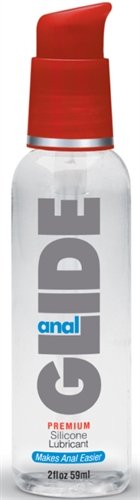
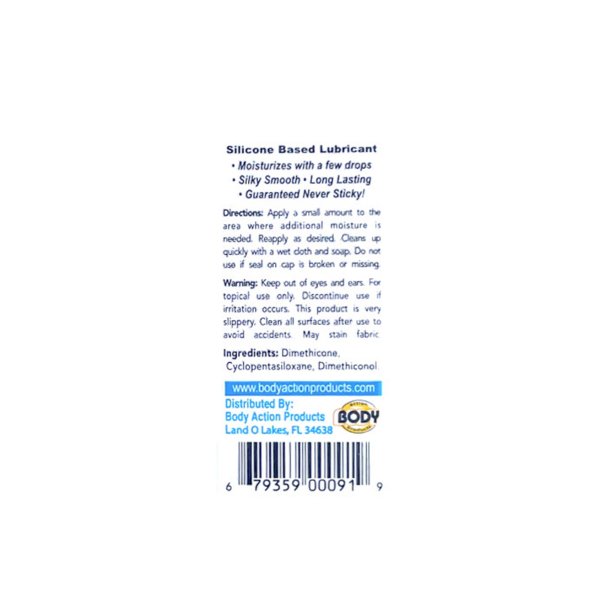
Silicone anal lubricant is built for longer sessions: it does not absorb into skin or evaporate the way water-based formulas do, so the glide lasts without constant reapplication. The texture is silky and lightweight rather than thick and gel-like, which some people prefer. Silicone-based formulas are not compatible with silicone toys, so pair them with glass, stainless steel, or hard plastic instead.
Hybrid anal lube blends a water base with a smaller amount of silicone to get closer to the longevity of a silicone formula while still rinsing away with water. The consistency tends to be thicker and creamier than a pure silicone lube. Most hybrids are safe with platinum-cured silicone toys, but the silicone content varies by product, so checking the label on each one before use is the right move.
Thick gel anal lube is a texture category rather than a base type, and it can be water-based or hybrid. The defining quality is a high-viscosity, non-drip consistency that provides extra cushioning and stays in place during use. This format is a practical starting point for anyone new to anal play, and it suits butt plugs and other toys that benefit from a lube that coats and holds rather than runs.
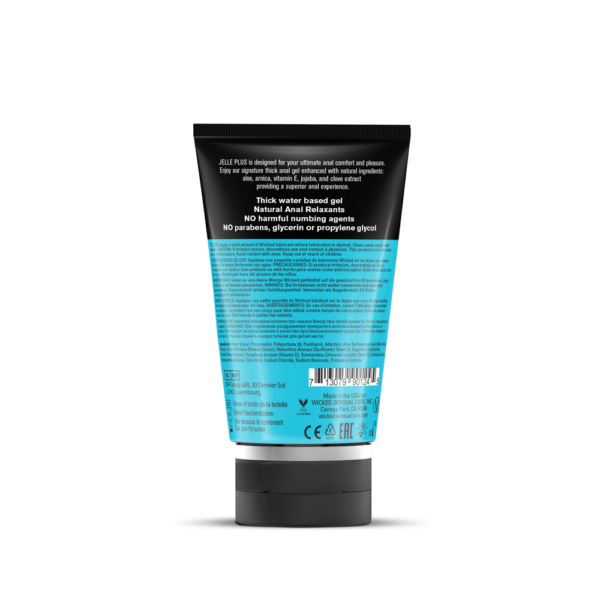
Glycerin-free anal lube is worth seeking out for anyone with sensitive skin or a history of reactions to standard formulas, since glycerin can cause irritation in some people. Paraben-free formulas address a separate concern about preservatives. Many water-based and hybrid anal lubes are now made without both, and the ingredient list on each product is the clearest way to confirm what is and is not included.
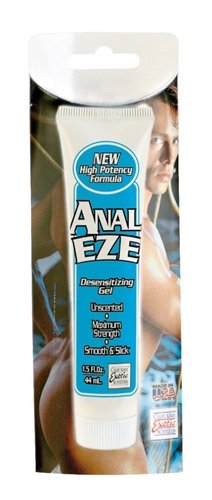
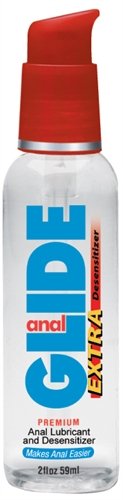
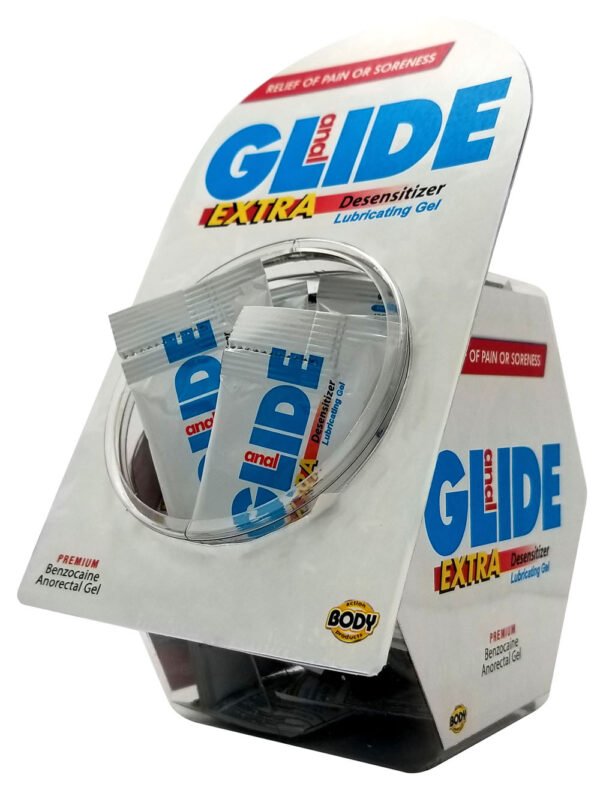
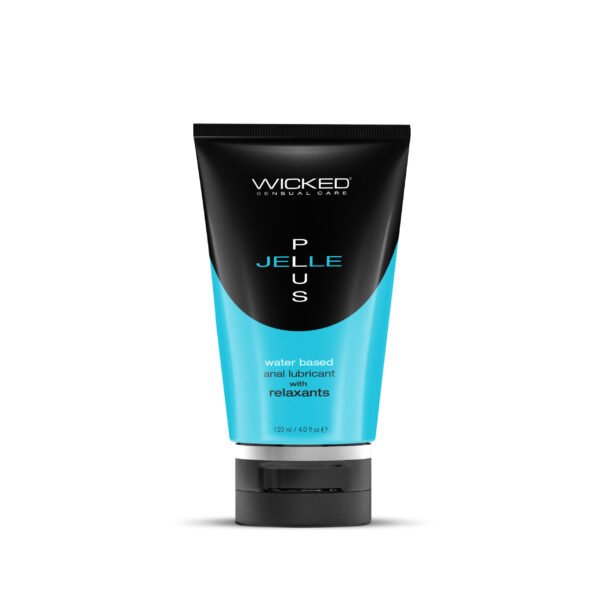
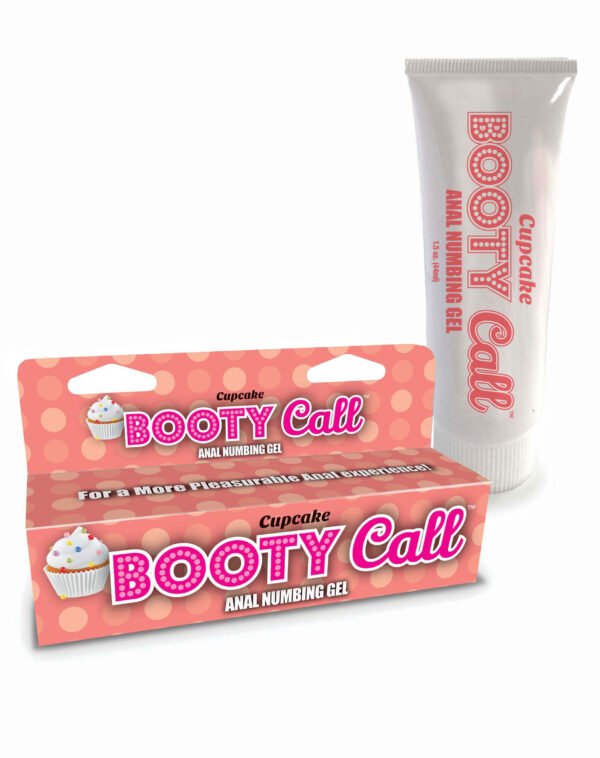
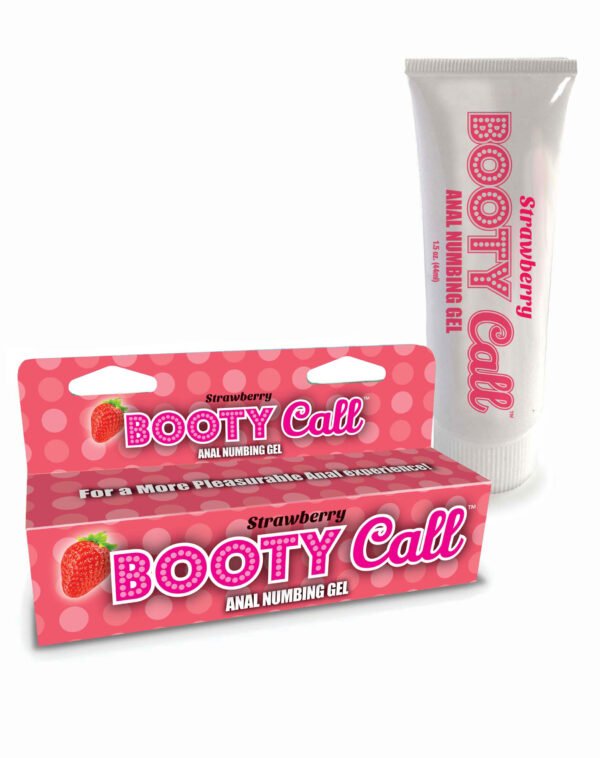
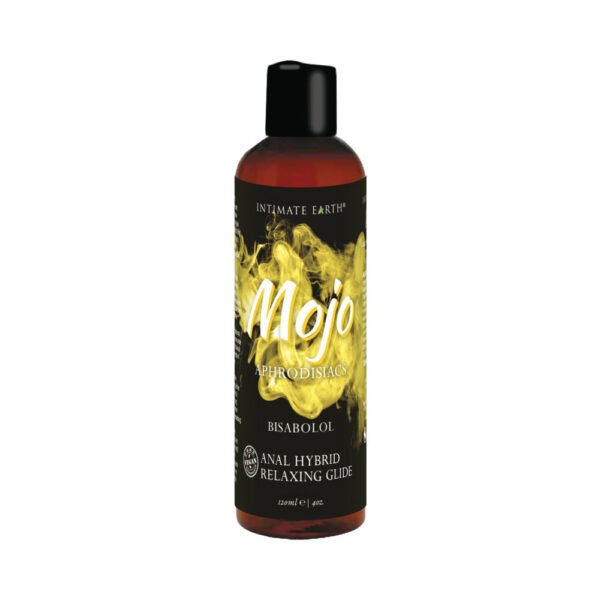
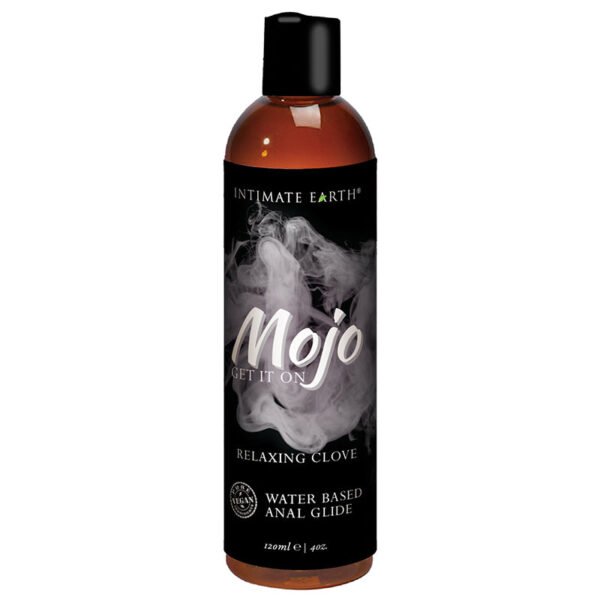
Anal relaxer lubes are formulated with botanical ingredients, most often clove oil or bisabolol, that are designed to help the area feel more at ease without blocking sensation the way a topical anesthetic does. Non-numbing formulas are generally the safer choice because they allow you to stay aware of how your body is responding during use. These are a distinct category from products containing lidocaine or benzocaine, which reduce feeling and can mask discomfort that the body uses as a signal to slow down or stop.
The best anal lube for you comes down to a few practical questions: what toys or condoms are involved, how long the session tends to run, and whether your skin has any ingredient sensitivities. Getting those answers first makes the choice straightforward.
A few things are worth thinking through before you pick a formula. Compatibility and texture matter most, but dispenser format and ingredient list can quietly make or break the experience too.
| Product | Base Type | Viscosity / Texture | Latex Condom Safe | Silicone Toy Safe | Size (fl oz) |
|---|---|---|---|---|---|
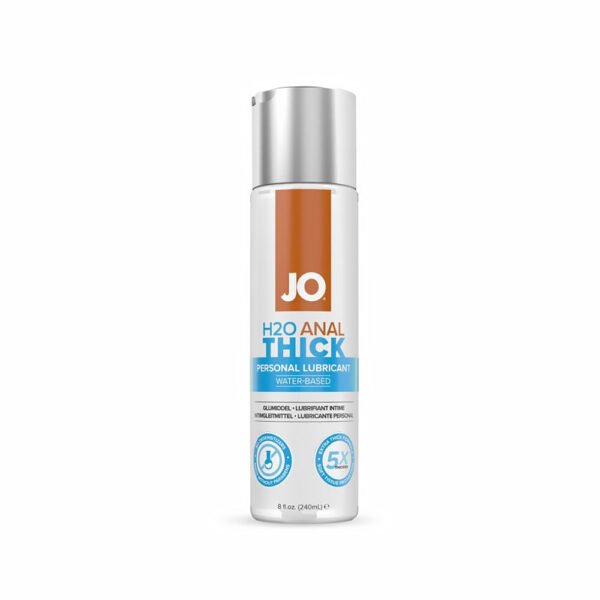
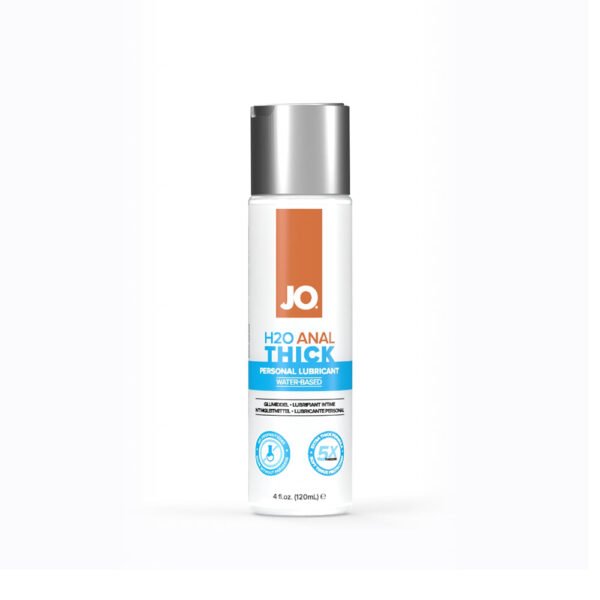
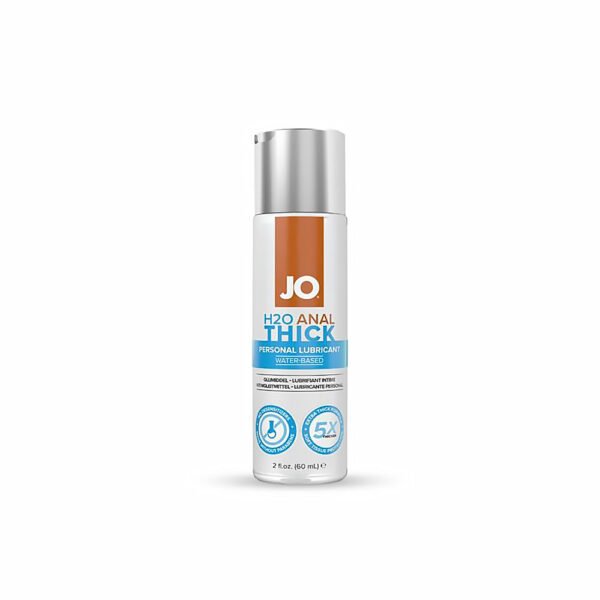
| JO H2O Anal Thick Water-Based Personal Lubricant 4 fl oz | Water-based | 5x thicker than standard; cushioned gel | Yes | Yes | 4.0 |
| JO Premium Anal Silicone-Based Personal Lubricant 4.5 fl oz | Silicone-based | Buttery smooth; lightweight; long-lasting | Yes | No | 4.5 |
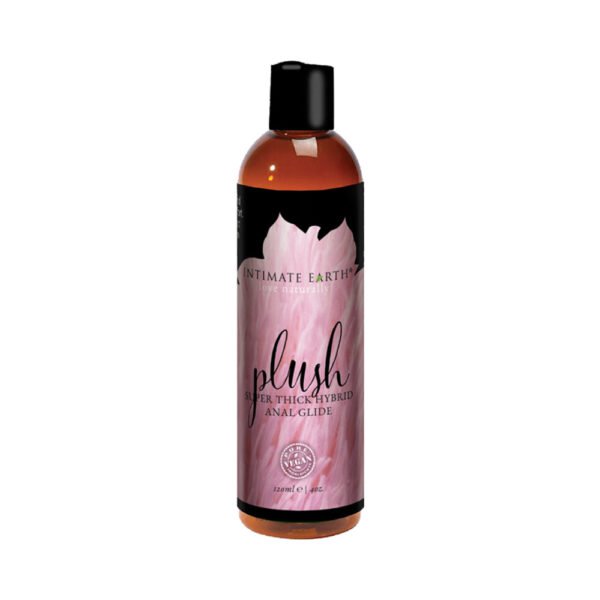
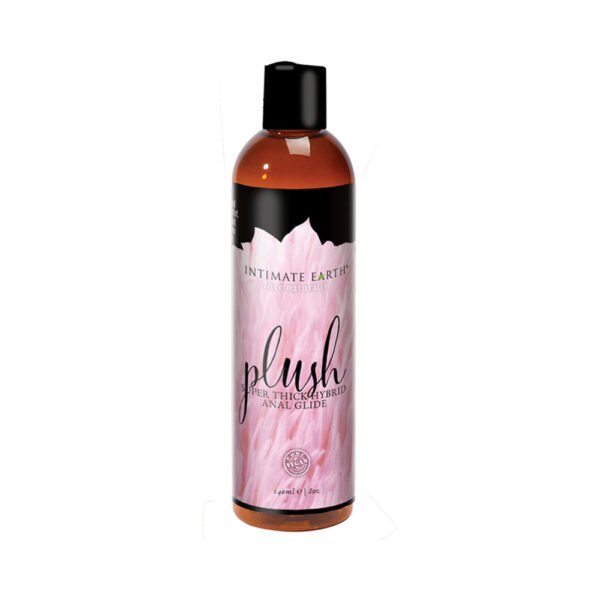
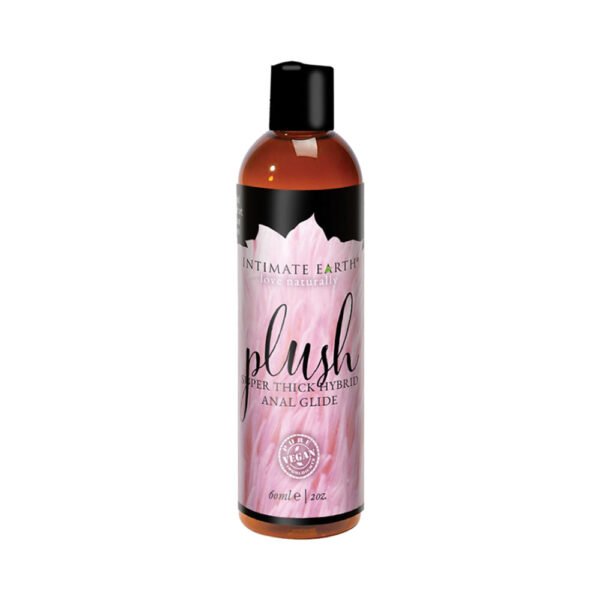
| Intimate Earth Plush Super Thick Hybrid Anal Glide 4 fl oz | Hybrid (water + silicone) | Thick, creamy; long-lasting | Yes | Yes (platinum-cured) | 4.0 |
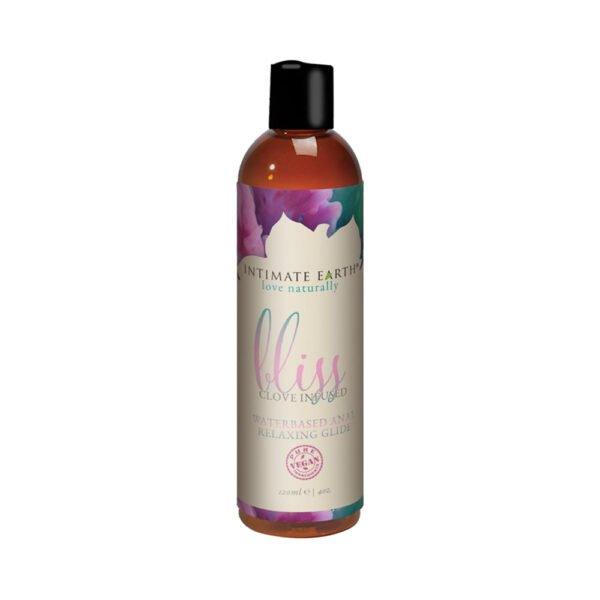
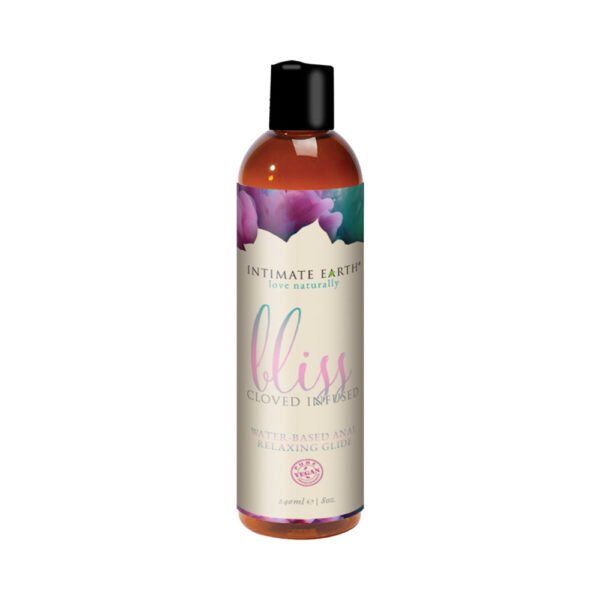
| Intimate Earth Bliss Clove Infused Water-Based Anal Relaxing Glide 4 fl oz | Water-based | Thick, non-drip; clove oil formula | Yes | Yes | 4.0 |
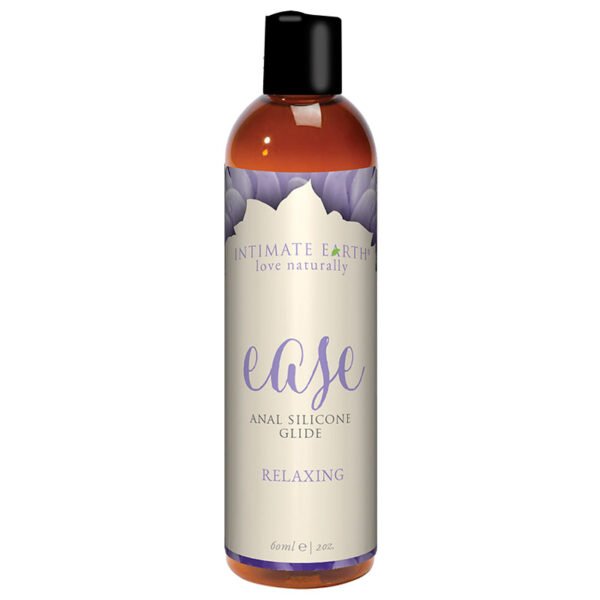
| Intimate Earth Ease Relaxing Bisabol Anal Silicone Lubricant 4 fl oz | Silicone-based | Long-lasting glide; lightweight | Yes | No | 4.0 |
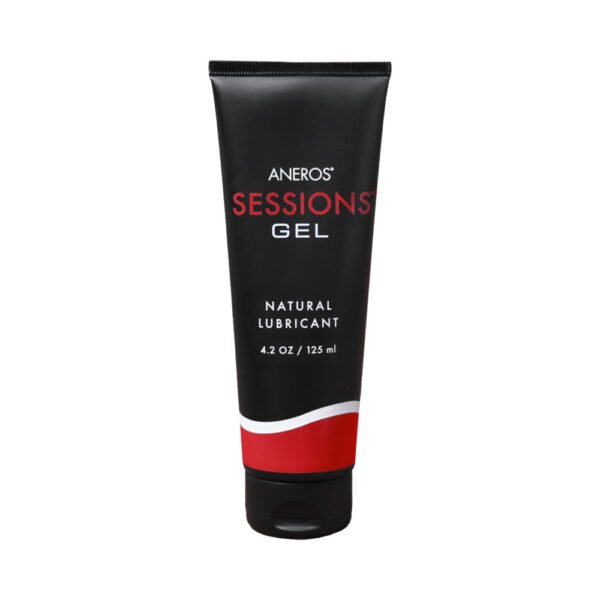
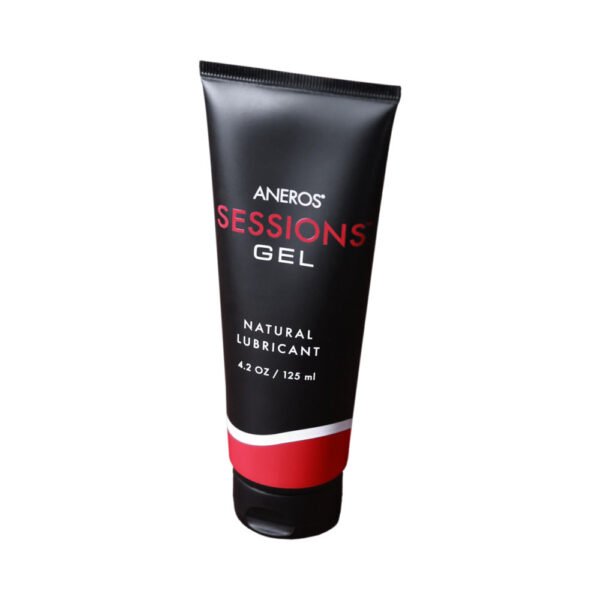
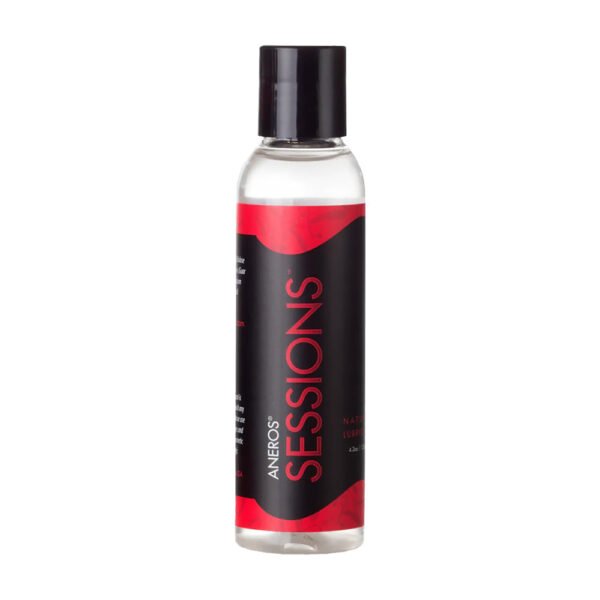
| Aneros Sessions Gel Water-Based Personal Lubricant 4.2 fl oz | Water-based | Thicker gel; non-sticky; hypoallergenic | Yes | Yes | 4.2 |
| Sensuva Ultra-Thick Anal Hybrid Personal Moisturizer 3.4 fl oz | Hybrid (water + silicone) | Ultra-thick; silky; continuous glide | – | – | 3.4 |
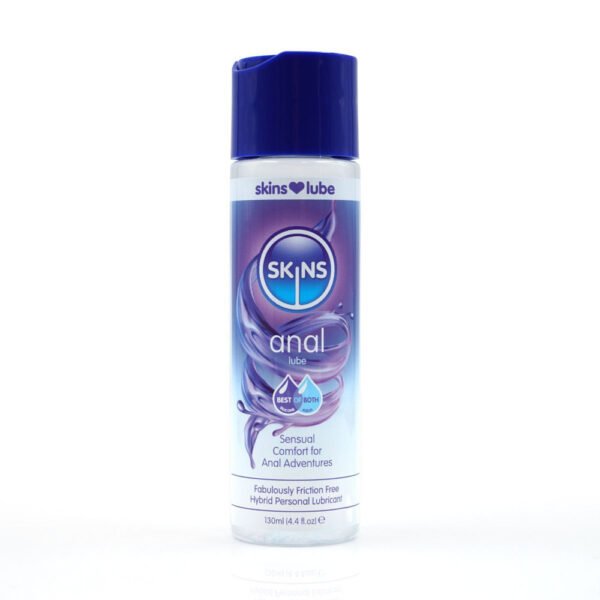
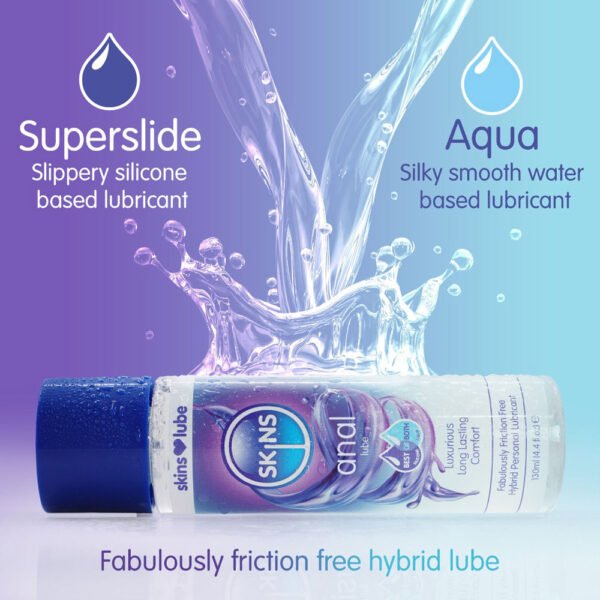
| Skins Anal Hybrid Silicone and Water-Based Personal Lubricant 4.4 fl oz | Hybrid (water + silicone) | Thick; extended glide; rinses with water | Yes | Yes | 4.4 |
| Fist It Extra Thick Water-Based Personal Lubricant 16.9 fl oz | Water-based | Extra-thick gel; glycerin-free | Yes | Yes | 16.0 |
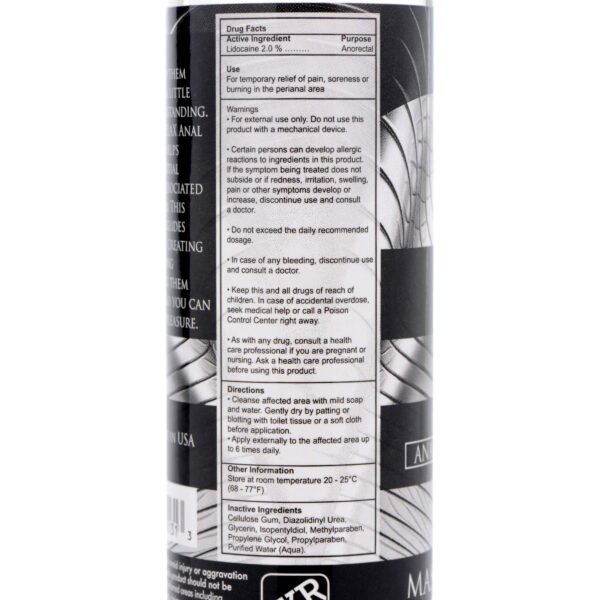
| Master Series Fisting Lubricant Water-Based with Lidocaine 16 fl oz | Water-based | Smooth; long-lasting; contains 2% lidocaine | Yes | Yes | 16.0 |
These anal lube picks are grouped by what actually drives the choice: base type, session length, and ingredient priorities. Each collection pulls from formulas we carry that genuinely fit the scenario.
Apply anal lube generously to the external area before play, and reapply as often as needed throughout the session. Water-based and hybrid formulas rinse away with water; silicone formulas may need a little soap for complete removal. If you are using an applicator nozzle for internal application, follow the individual product’s directions and use only the amount recommended on the label.
Store anal lubes at room temperature, away from direct sunlight, and check the expiry date before each use. Oil-based formulas and some silicone-based formulas are not compatible with latex condoms, which can degrade the material and reduce protection. Silicone-based lubes should not be used with silicone toys unless the specific product label confirms compatibility. Discontinue use if any reaction occurs and consult a physician. Keep all products out of reach of children.
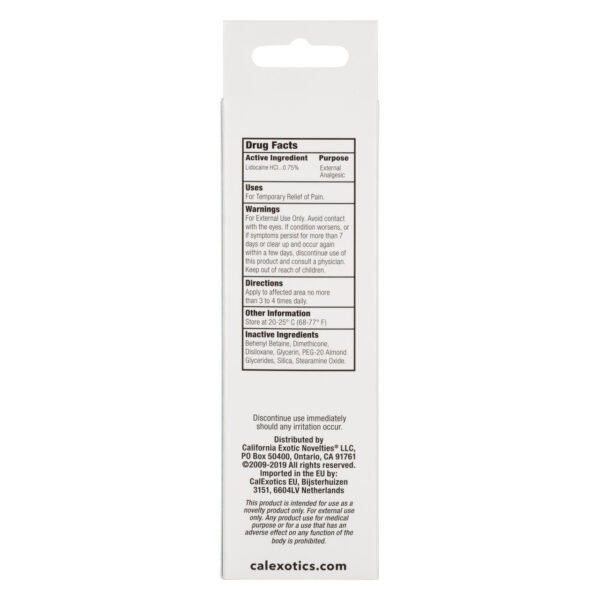
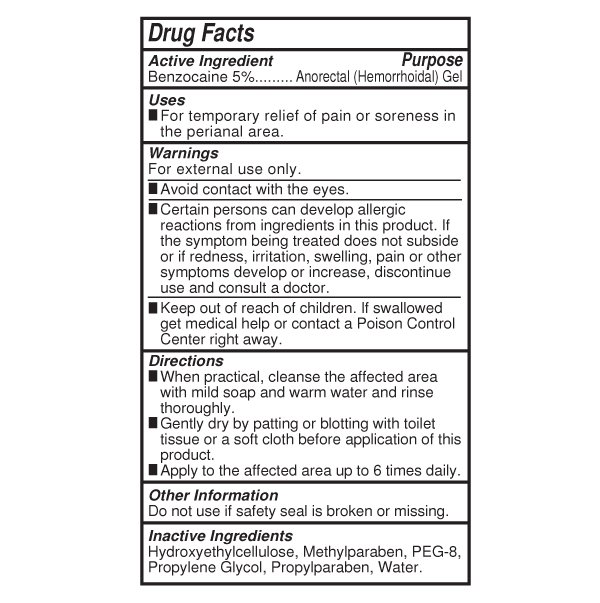
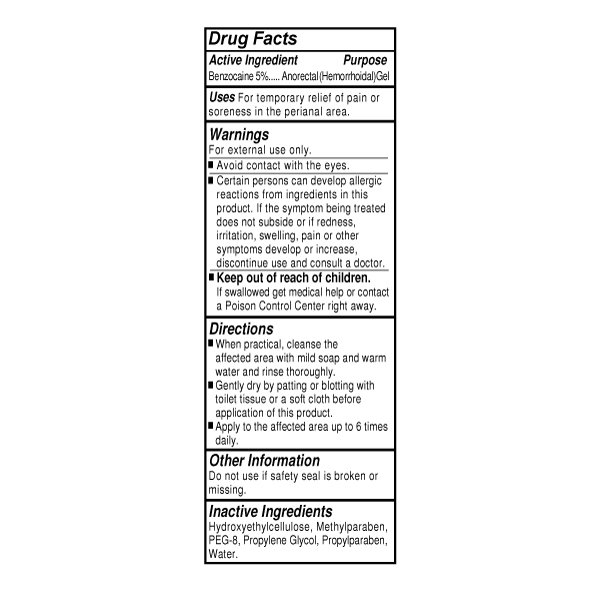
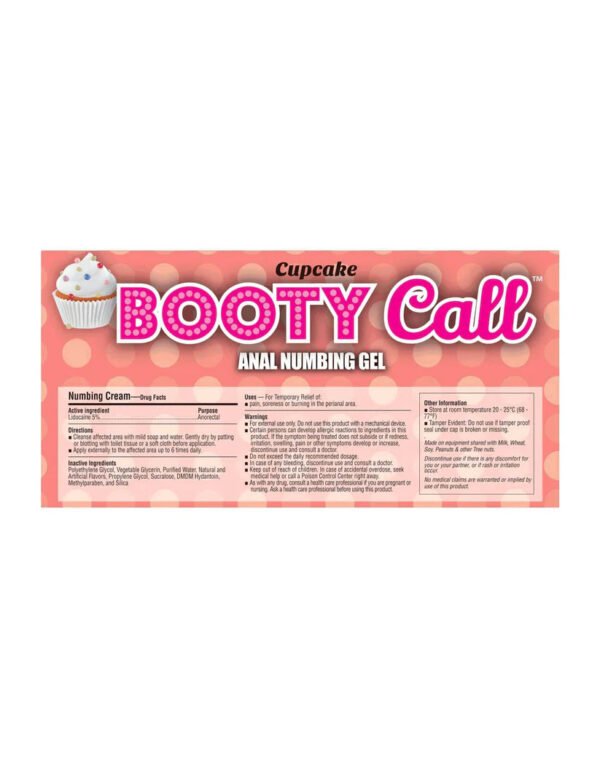
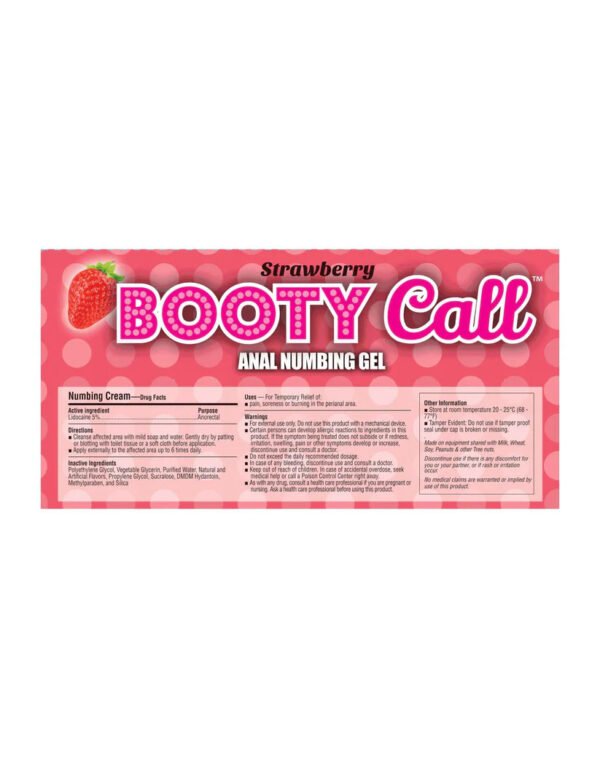
Non-numbing anal lubes are the safer choice for most people, and the reason is straightforward: discomfort during anal play is your body’s signal to slow down, adjust, or stop. Numbing agents like benzocaine and lidocaine suppress that feedback. When you can no longer feel what is happening, you lose the information you need to protect yourself from tissue stress. The Intimate Earth Daring product description puts it plainly: numbing agents “can prevent the body from feeling pain and potentially lead to tissue damage.” That is not a fringe concern; it is basic physiology.
What actually creates comfort is not chemical desensitization but generous lubrication, patience, and pacing. Some formulas use botanical ingredients such as clove oil or bisabolol, which are not anesthetics and do not block sensation. If a formula lists benzocaine, lidocaine, or any “-caine” ingredient, read it as a trade-off, not a feature. For most people, a thick, well-chosen non-numbing formula does the job better and more safely.
Reading an anal lube ingredient list matters more than it might seem, because rectal tissue is highly permeable and absorbs what you put near it. Three categories come up most often in body-safe discussions: glycerin, parabens, and osmolality.
Glycerin is a humectant that draws moisture and can ferment in warm, moist environments, which may disrupt the natural microbial balance of rectal tissue. Many people with sensitivities do better with a glycerin-free formula. Parabens are preservatives that have raised questions in health research; paraben-free options are widely available and easy to find on the label. Osmolality refers to a formula’s concentration relative to body tissue. A high-osmolality lube pulls moisture out of rectal cells, which can leave tissue more vulnerable over time. The World Health Organization has flagged this in guidance on personal lubricants. Look for formulas described as iso-osmolar or low-osmolality, and check for glycerin-free and paraben-free claims on the packaging before you buy.
Applying anal lube correctly means covering three surfaces, not just one. Start with the external area, applying a generous amount and giving it a moment to settle. Then coat the toy, finger, or whatever is being used, making sure the full length that will be inserted is covered, not just the tip. For internal application, some formulas come with a narrow applicator nozzle designed for this purpose; if yours does, follow the product’s specific directions and use only the recommended amount.
How much is enough? More than you think you need, especially for a first session or a longer one. A common mistake is starting with too little and adding more only after friction builds. Begin generously, reapply freely throughout, and do not wait for resistance to tell you it is time. Lube that stays thick and in place reduces the need for constant reapplication, which is one reason high-viscosity gel formulas are popular for anal use over thinner, runnier options.
Water-based anal lubes are generally non-staining and wash out of most fabrics with a normal laundry cycle. Silicone-based formulas can leave a residue on some materials, and a few hybrid products may do the same depending on their silicone content, so checking the product label for a staining note is a good habit. If you want to be certain, a dark towel or a dedicated sheet underneath is a simple precaution.
Most anal lubes are formulated to be fragrance-free and tasteless, since the priority is skin compatibility rather than flavor. Some formulas do include botanical ingredients like clove oil or lemongrass extract, which can carry a faint natural scent. If scent or taste is a consideration for your use, checking the ingredient list before buying is the most reliable approach.
Water-based and silicone-based anal lubes are generally compatible with polyurethane and nitrile condoms, which are the most common latex-free options. Oil-based formulas are the exception: they can degrade both latex and some non-latex condom materials, so they should be avoided when barrier protection is part of the plan. When in doubt, the product label will state which condom types it is tested with.
Anal lubes are personal care products and travel with them the same way you would any liquid or gel. For carry-on bags, TSA’s 3-1-1 rule applies: containers must be 3.4 fl oz (100 mL) or under and fit in a single quart-sized clear bag. Many formulas in this category come in 2 to 4 fl oz sizes that fit comfortably within that limit; larger bottles are fine in checked luggage without restriction.
Silicone-based anal lubes are water-resistant and hold up well in the shower or bath because they do not dissolve on contact with water. Water-based formulas wash away quickly in wet environments, which means they need more frequent reapplication and are generally less practical for water use. Hybrid formulas vary, since the water-based component will thin out while the silicone component stays put.
Osmolality is a measure of a formula’s concentration relative to the body’s own fluids. A lube with very high osmolality can draw moisture from delicate tissue over time, which is why some shoppers and health-focused brands pay attention to it. Formulas described as iso-osmolar or low-osmolality are closer to the body’s natural balance. The World Health Organization has published guidance recommending lower-osmolality lubricants for rectal use, so it is a real consideration if ingredient sensitivity is a priority for you.
Every order ships in plain, unmarked packaging with no indication of the contents on the outside. Your billing statement shows a neutral “XR. LLC” charge, not the store name or any product description. Claim Night does not sell customer data, so your purchase stays between you and us.
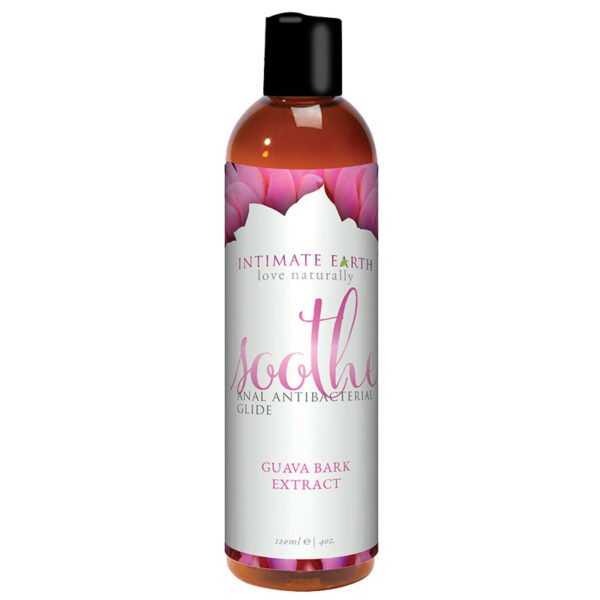
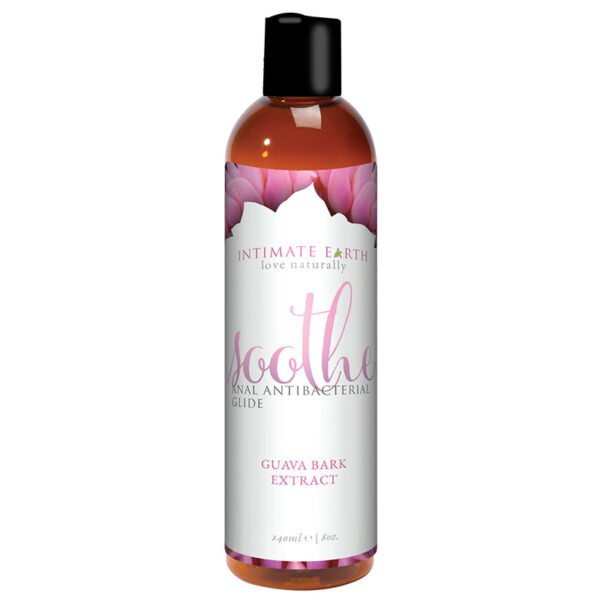
Many anal lubes are formulated specifically with sensitive skin in mind, using short ingredient lists, no added fragrance, and no parabens or glycerin. If you have a known sensitivity to a specific ingredient, reading the full ingredient list before buying is the most reliable step. Patch testing a small amount on the inner forearm first is a reasonable precaution for anyone with reactive skin, and discontinuing use if any reaction occurs is always the right call.

Helpful guides, product tips, and simple explanations to help you find what feels right.
No account yet?
Create an Account