


Article
Beginner Butt Plug Guide: What a Butt Plug Is, How It Works, and How to Use One Safely05/20/2026

Deals
Bestsellers

+39
Most-Loved Picks
Customer favorites for comfort, care, and everyday pleasure
Shop BestsellersSale · up to 40% off

+891
Soft Savings
Limited-time offers on body-safe essentials and feel-good favorites
View SaleSeasonal edit


+267
Seasonal Comfort Edit
Curated picks for holidays, date nights, gifting, and cozy nights in
Explore the EditFeatured
 Discreet Packaging
  Secure Checkout
  Body-Safe Materials
 Oil-based personal lubricants use plant or mineral oils as their base instead of water, which is what gives them their slow absorption rate and lasting slip. The two things worth checking before you buy: the base oil itself (coconut, jojoba, sweet almond, and grapeseed each have slightly different textures and skin feels), and what toys and condoms you plan to use alongside. Oil degrades latex on contact, so these formulas pair with polyurethane or polyisoprene condoms only.
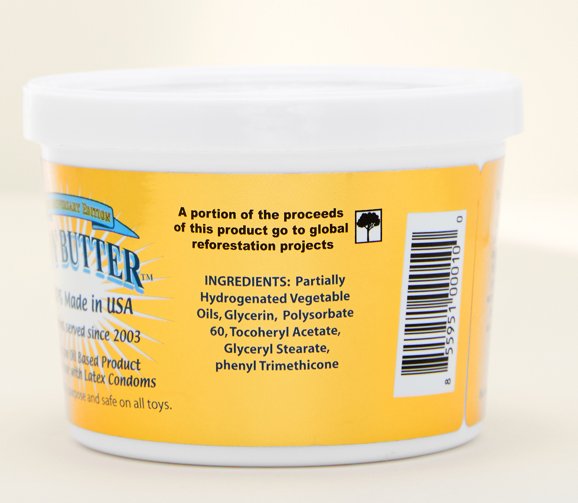
A short, readable ingredient list is a reliable sign of a well-made formula, especially for sensitive bodies.
Oil-based lubes occupy a specific middle ground: they last longer than water-based formulas and feel more natural on skin than silicone, but they come with compatibility rules that the other two types do not. Knowing where each one fits makes the choice straightforward.
Water-based lubes absorb into skin and evaporate, which means most people reapply them at least once during a session. Oil-based formulas stay on the surface much longer, so reapplication is rarely needed. That difference matters most for anal play, extended sessions, and use in the shower, where a water-based formula washes away almost immediately.
Cleanup is the one area where water-based has a clear edge: it rinses off with water alone. Oil-based lubes need soap and warm water to remove fully, and they can leave marks on fabric. Neither is a dealbreaker, just something to plan for.
Toy compatibility is identical between the two: both are safe with glass, stainless steel, and hard ABS plastic. The difference is that water-based formulas are also safe with silicone toys, while oil-based ones are not.
Silicone lubes are the longest-lasting option of the three and are waterproof by nature. They also tend to feel very slick, almost frictionless, in a way some people love and others find too slippery. Oil-based lubes have a richer, more skin-like feel, closer to the natural texture of skin itself, and many people find them more comfortable for extended skin-to-skin contact or massage.
Ingredient transparency is another real difference. Most oil-based formulas carry short, readable ingredient lists built around recognizable plant oils. Silicone lubes use synthetic compounds that are body-safe but less familiar to someone reading a label for the first time. If a minimal, plant-derived ingredient list matters to you, oil-based is usually the clearer choice.
On toy safety, silicone lubes can degrade silicone toys over time, so they are limited to glass, metal, and hard plastic as well. Oil-based lubes share that same restriction. Neither type is the right pick for silicone toy users; water-based is the one to reach for there.
For anal play, oil-based lubes are widely preferred because the tissue there does not self-lubricate and a formula that stays put without constant reapplication makes a real difference. For shower or bath use, oil-based is the practical choice since it resists water. And for anyone who wants a lube that doubles as a massage medium, the texture of a good plant-oil formula feels at home in both contexts in a way silicone and water-based options generally do not.
The right oil-based lubricant comes down to a few practical questions: what you are using it with, what your skin tends to like, and how you plan to use it. A minute spent on those answers saves a lot of second-guessing.
Base oil and ingredient list are the two factors that narrow things down fastest, but consistency, scent, and format all play a role depending on your situation.
The table below compares a selection of oil-based lubes across base type, consistency, and key formula details to help you see the differences side by side.
| Product | Base Oil | Consistency | Key Formula Notes | Size |
|---|---|---|---|---|
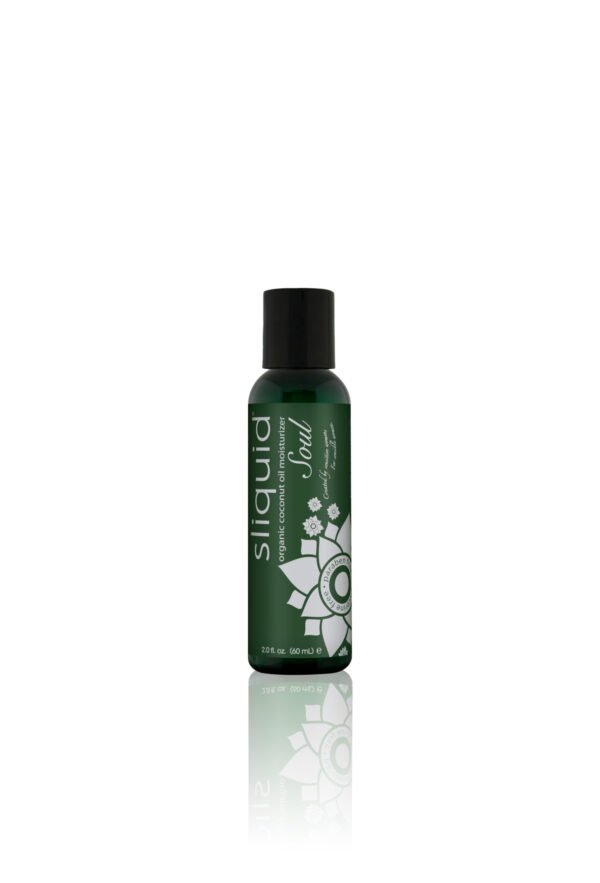
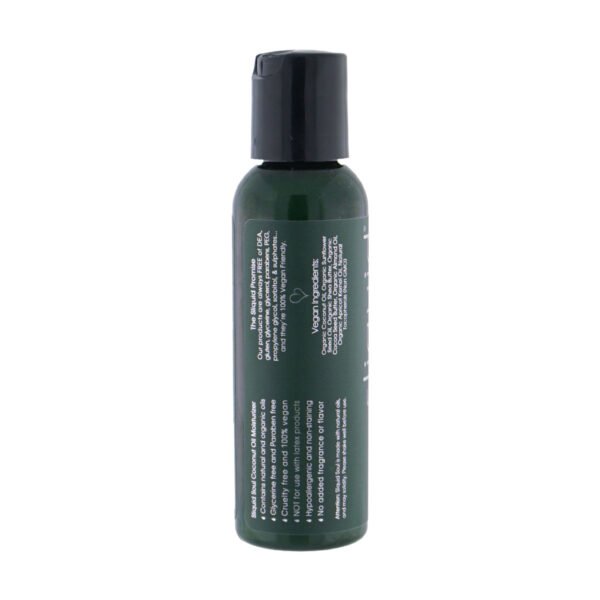
| Sliquid Soul | Coconut, apricot kernel, almond | Creamy | Glycerin-free, paraben-free, vegan, fragrance-free, hypoallergenic, non-toxic; not for use with latex | 2 fl oz |
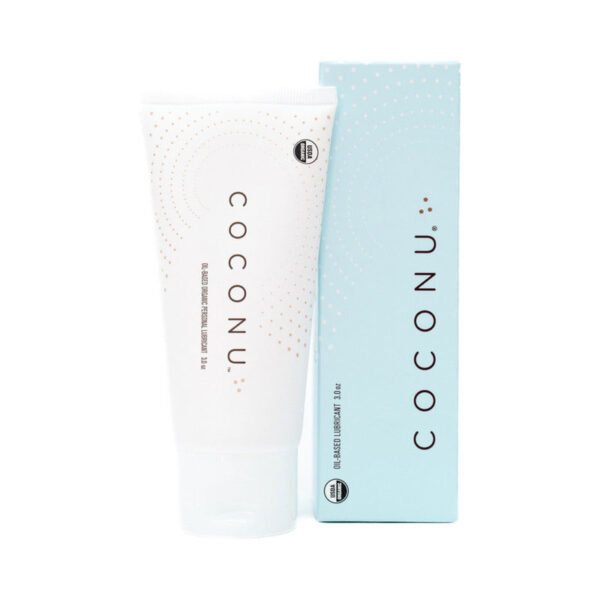
| Coconu Oil-Based | Sunflower, coconut, sweet almond, kukui, sea buckthorn | Rich, emollient | Organic plant oils with beeswax; alcohol-, petroleum-, paraben-, fragrance-, and dye-free; 100% edible; also suitable as massage oil | 3 fl oz |
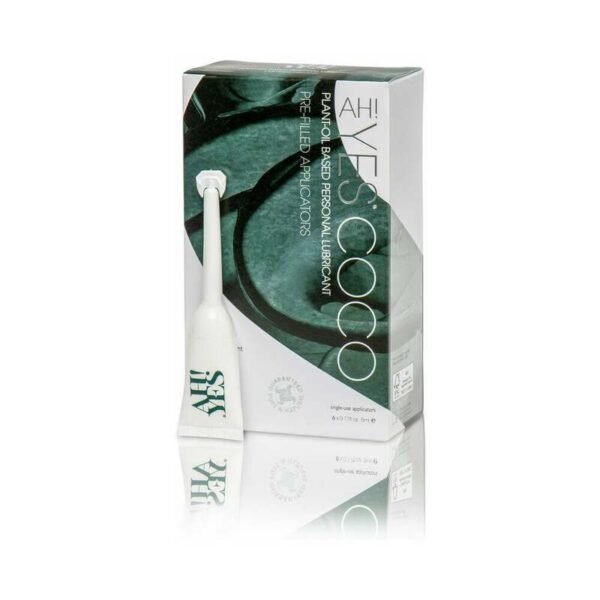
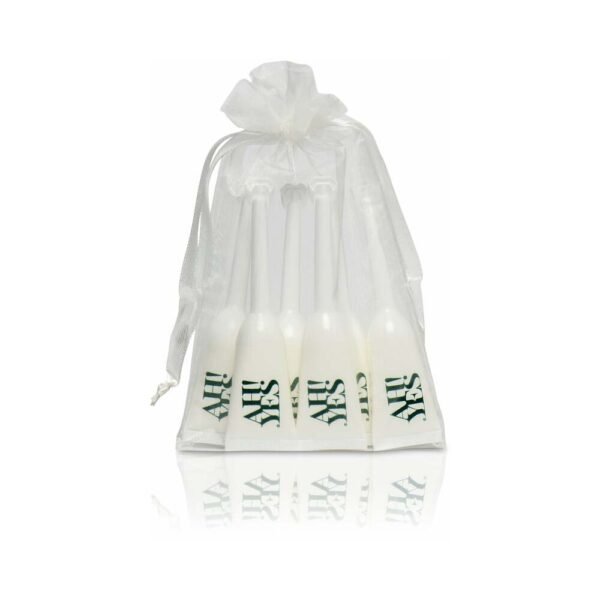
| AH! YES COCO | Certified organic coconut, sunflower, jojoba, grapeseed | Lightweight, silicone-like texture | Glycerin-, hormone-, paraben-, and gluten-free; vegan; single-use applicators for targeted vaginal use | 6-pack, 0.17 fl oz each |
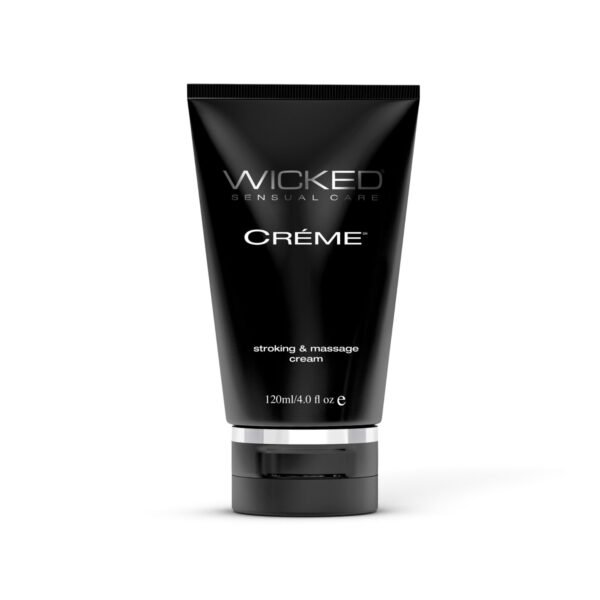
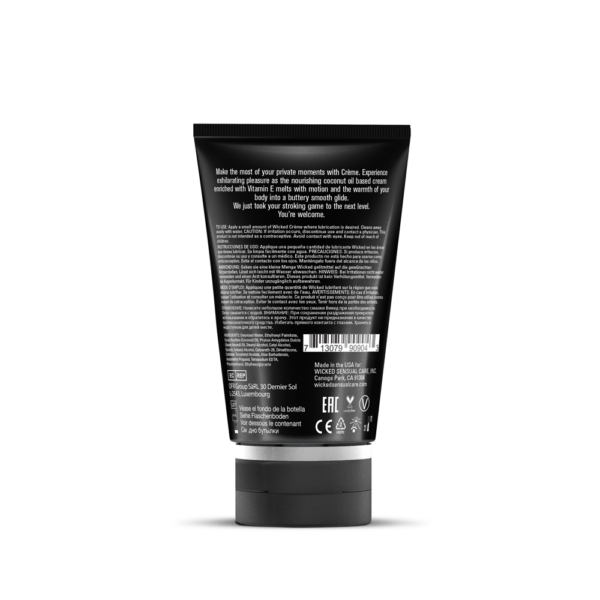
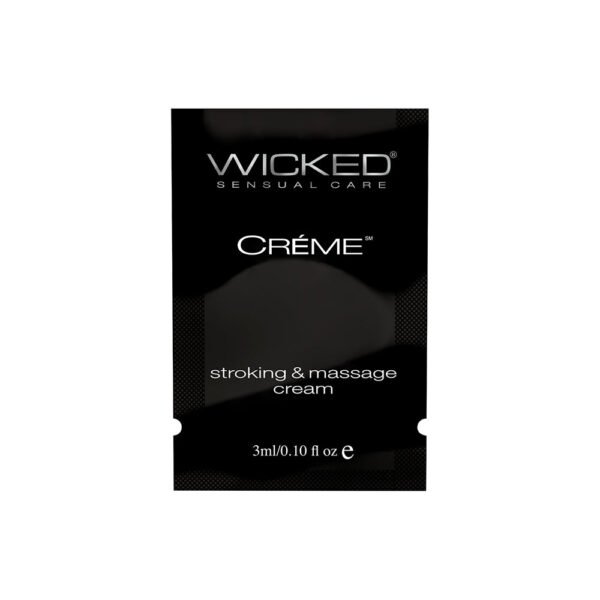
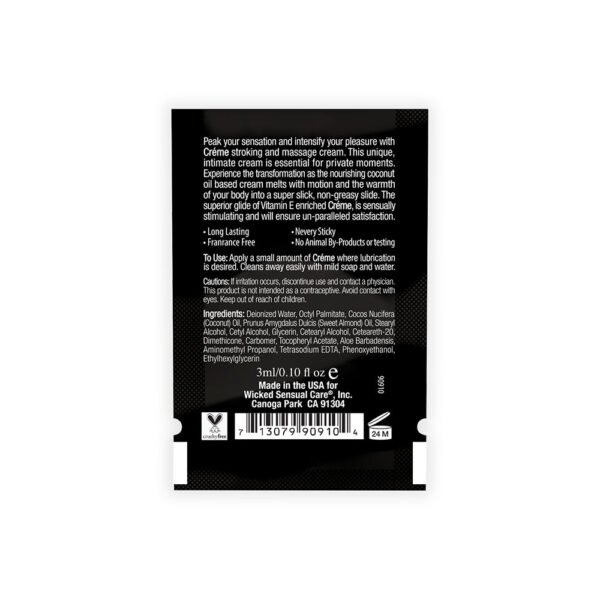
| Wicked Creme | Coconut, sweet almond | Thick cream, liquefies with body heat | Enriched with vitamin E; fragrance-free; vegan; functions as a moisturizer; rinses with water | 4 fl oz |
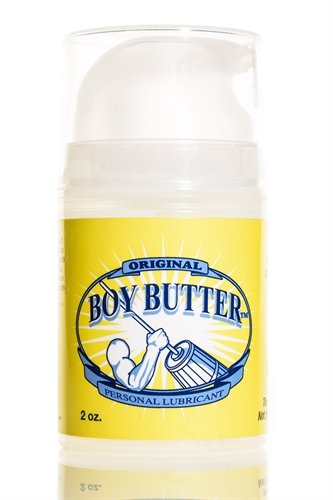
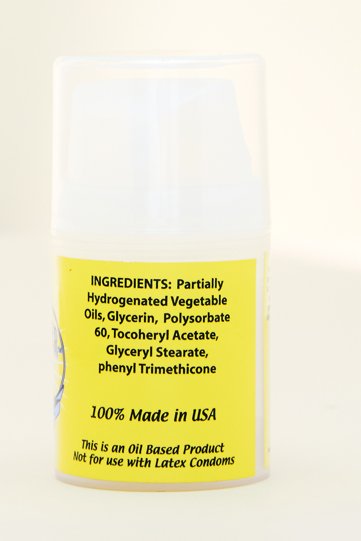
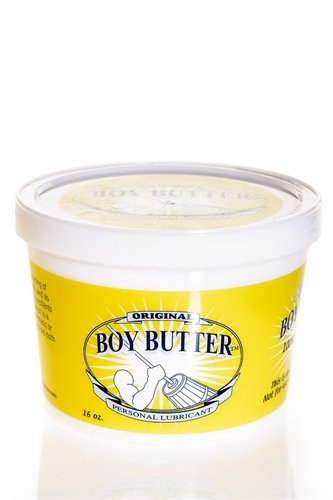
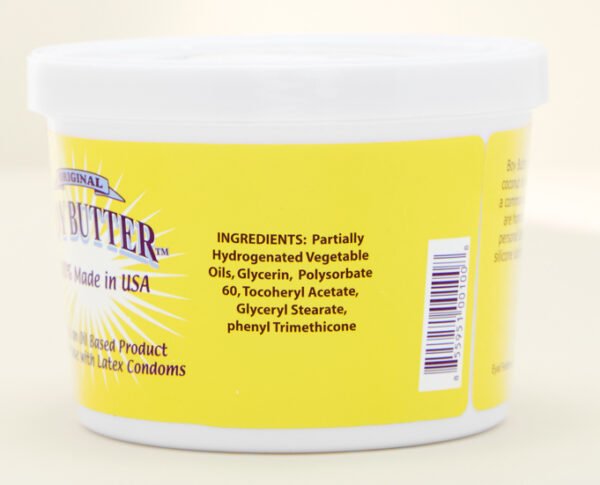
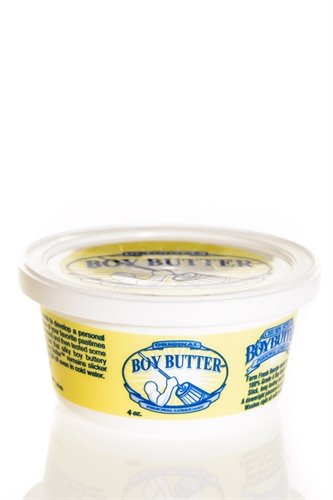
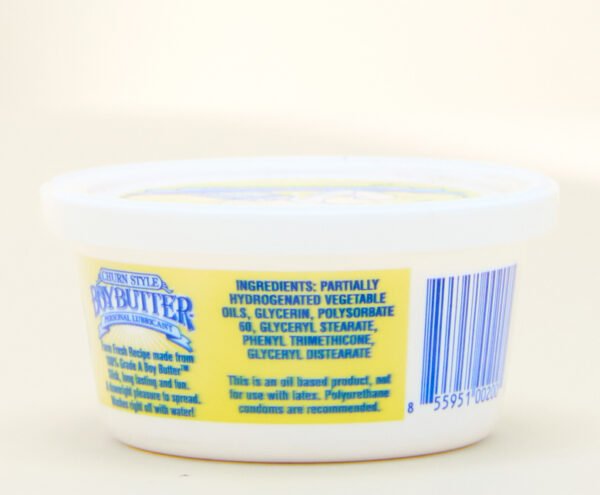
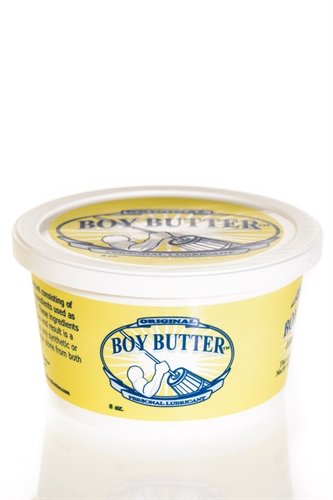
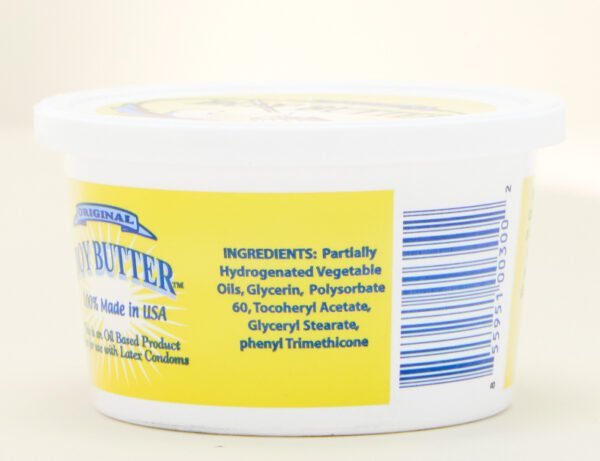
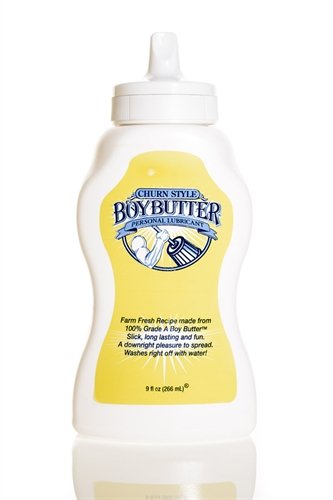
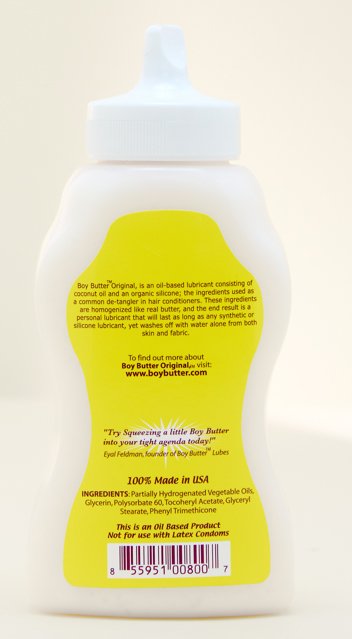
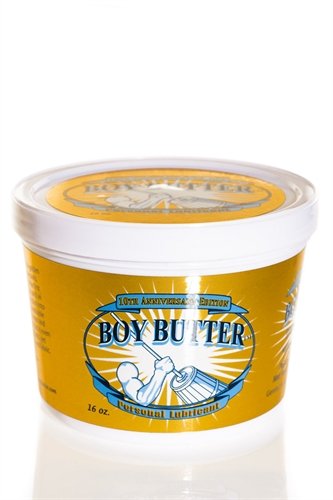
| Boy Butter Original | Coconut oil (homogenized) | Creamy, goes clear on skin | 100% plant-based; edible, non-toxic; silicone toy-safe; washable with water alone; not latex condom-safe | 4 oz |
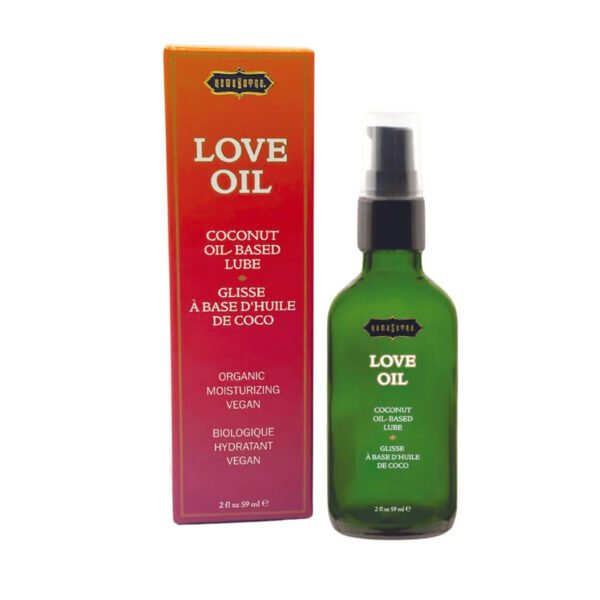
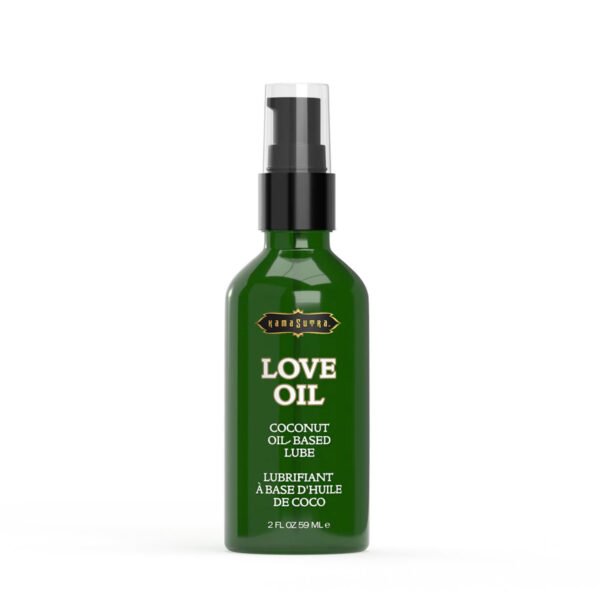
| Love Oil | Organic coconut, avocado, sea buckthorn | Lightweight, pump-dispensed | 100% natural and organic; vegan; earth-friendly; doubles as an all-over body glide | 2 fl oz |
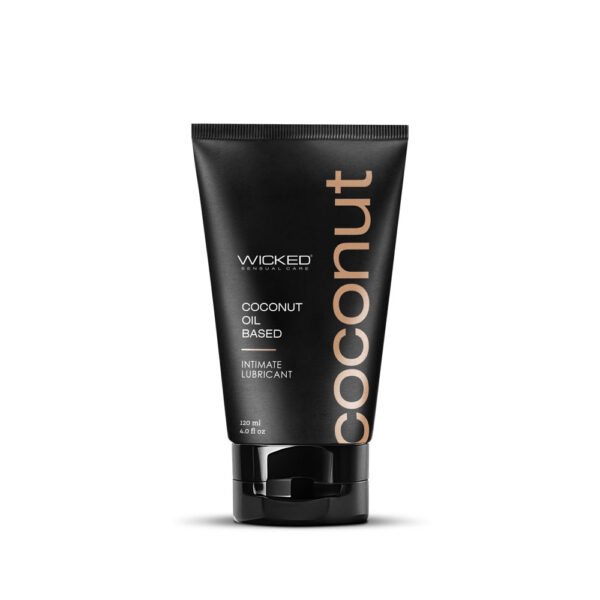
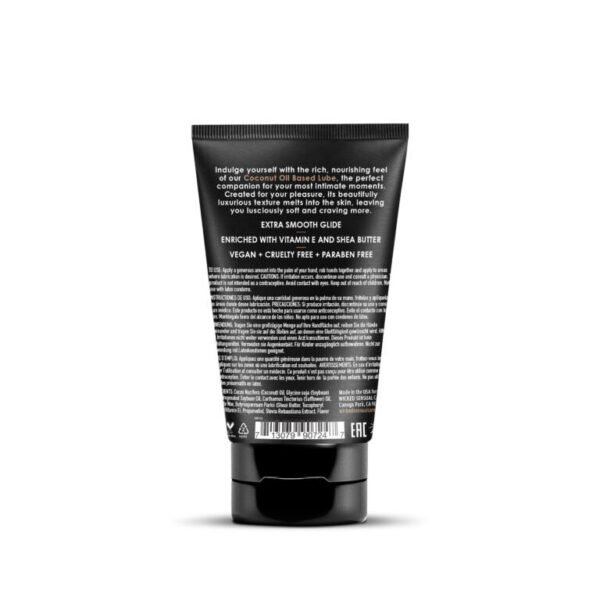
| Claim Night Coconut Oil Lube | Coconut oil with shea butter and vitamin E | Rich, velvety | Light vanilla coconut scent; suitable for massage and vulva moisturizing; washes away with water; made in the US | 4 fl oz |
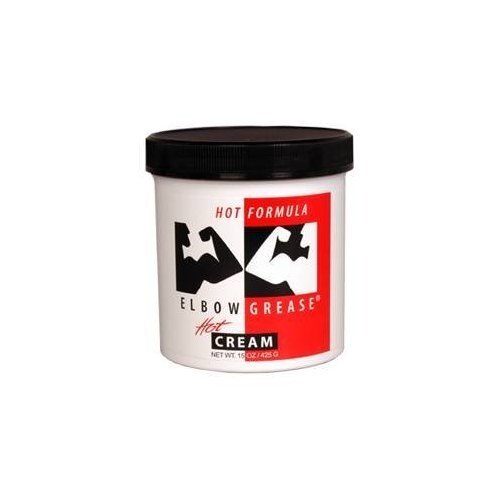
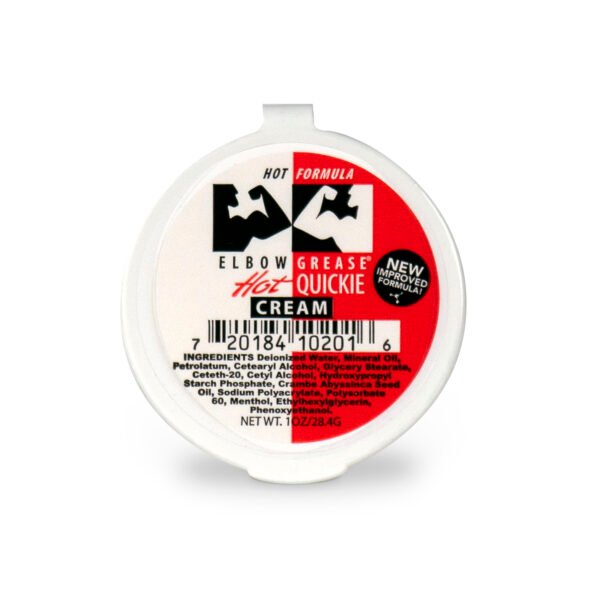
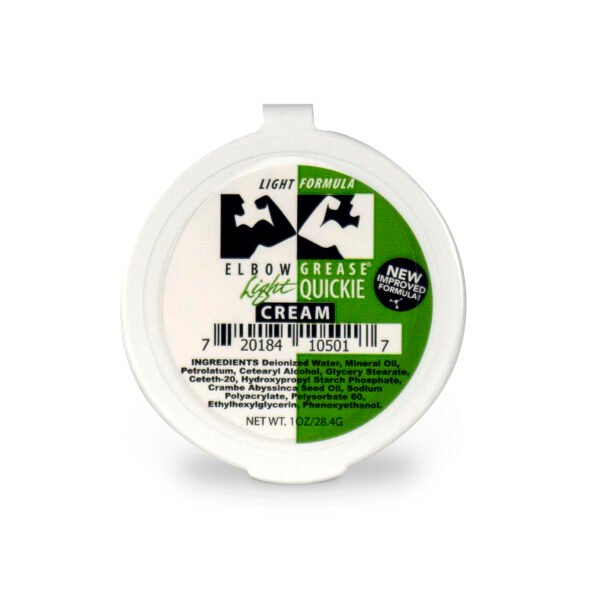
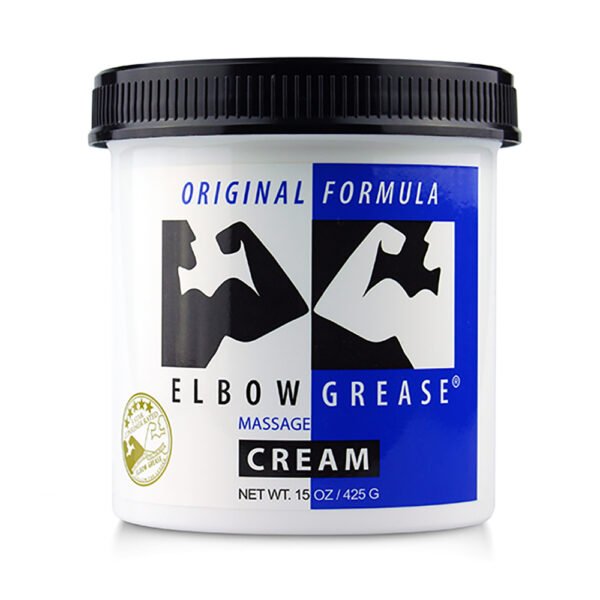
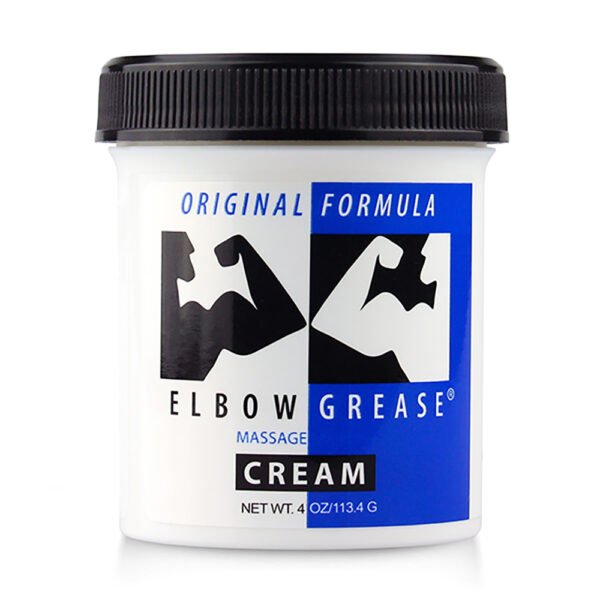
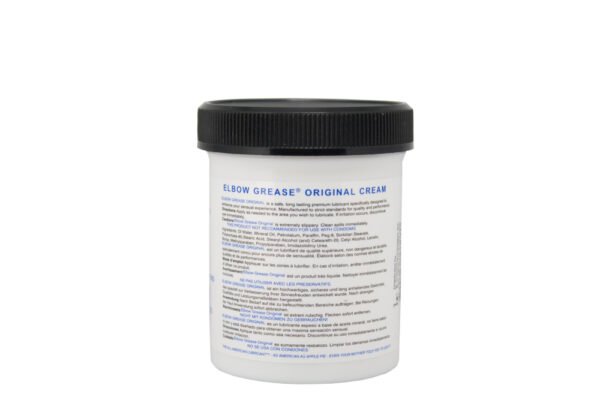
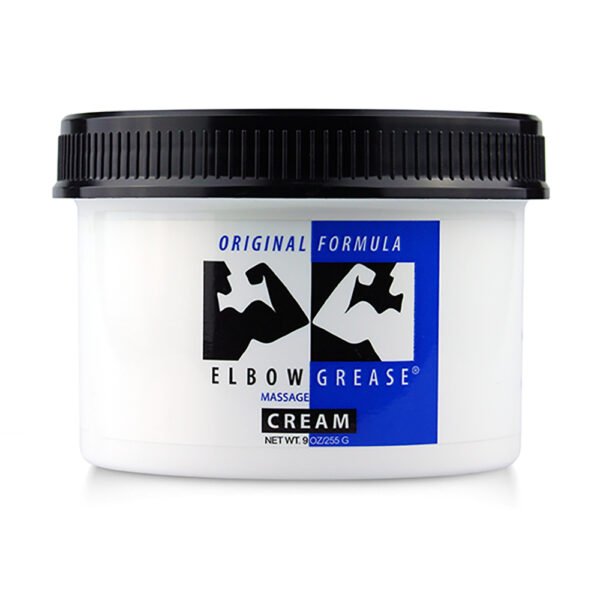
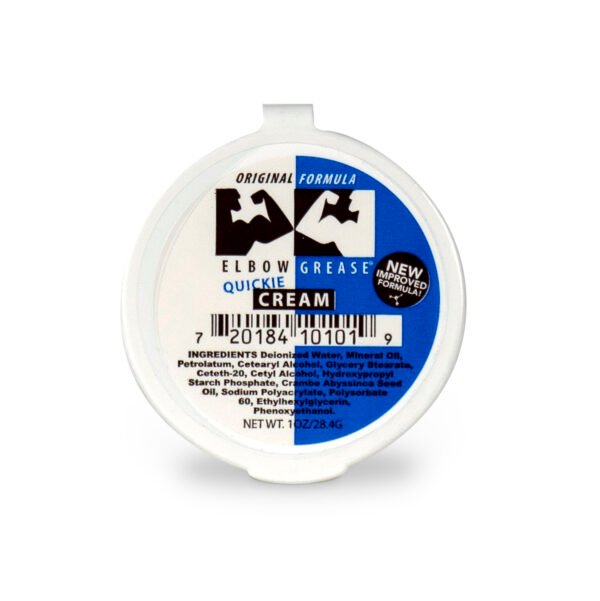
| Elbow Grease Original Cream | Mineral oil | Thick cream | Mineral oil base; not compatible with latex condoms; long-established formula | 4 fl oz |
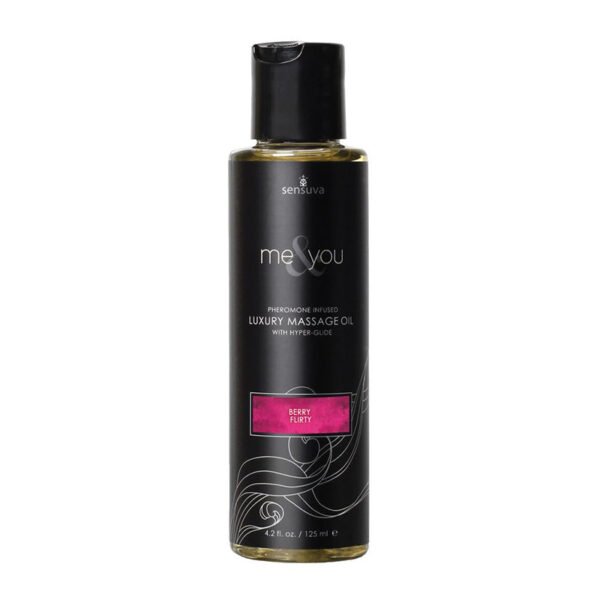
| Sensuva Me & You | Fractionated coconut, safflower, apricot kernel | Lightweight oil | Pheromone-infused; includes silicone hyper-glide component for extended surface slip; natural vitamin E and essential oil blend; rinses with water | 4.2 fl oz |
If you are pairing an oil-based lube with anal toys, the anal lubes category covers additional options including thicker formulas designed specifically for that use. For latex-free barrier options that work alongside oil-based formulas, non-latex condoms are worth a look.
Oil-based lubes cover more ground than a single use case. These collections group the options by what actually matters: ingredients, format, and how you plan to use them.
Apply a small amount to the desired area before or during use and reapply as the session calls for. Because oil-based formulas absorb slowly, you will generally need far less product than you might expect. They work well for solo play, partnered intimacy, and massage, and hold up in water without washing away. Use them with glass, stainless steel, or hard ABS plastic toys only.
Store oil-based lubes in a cool, dry place away from direct sunlight, and check the expiry date before use. Natural plant-oil formulas can solidify in cool temperatures; a gentle shake or brief warming in your hands brings them back to a pourable consistency. Soap and warm water are needed to remove oil fully from skin and fabric, so plan ahead if that matters to you. Oil-based formulas degrade latex on contact and can break down silicone and rubber toys over time, so pair them only with polyurethane or polyisoprene condoms. Discontinue use if irritation occurs and consult a physician.
Oil-based lubricants break down latex at the molecular level, weakening the material quickly enough that the condom can fail during use. This applies to all oil formulas, including those made from plant-derived or organic oils. The good news is that two other condom materials hold up fine: polyurethane and polyisoprene condoms are fully compatible with oil-based lubes and offer reliable protection. If you are not sure what your condoms are made from, check the box. Most non-latex condom packaging states the material clearly. Pairing the right condom type with an oil-based formula takes about ten seconds of label-reading and removes the compatibility concern entirely.
Oil-based lubes are safe with non-porous, hard toy materials: glass, stainless steel, and hard ABS plastic all hold up without any degradation. The materials to avoid are silicone, rubber, and latex. Oil can break down the surface of silicone toys over time, compromising both the texture and the body-safety of the material. If you are unsure what your toy is made from, the safest approach is to check the manufacturer’s documentation or choose a water-based formula instead. For anyone building a collection around glass or metal toys, oil-based lube is a genuinely good pairing.
Cleaning up oil-based lube from skin takes soap and warm water, the same way you would wash off any oil. A regular body wash or hand soap works well; water alone will not cut through the formula. For fabric and sheets, treat the area with a small amount of dish soap or a grease-cutting laundry pre-treatment before washing. Acting before the fabric dries makes a real difference in how completely the oil comes out. Most people who use oil-based lubes regularly keep a dedicated set of darker sheets or a towel nearby, which sidesteps the concern altogether. The cleanup step is slightly more involved than with water-based formulas, but for longer sessions or anal play, most users find the trade-off straightforward.
Oil-based personal lubricants are generally made from body-safe, non-toxic ingredients and are used by people across all life stages. That said, pregnancy is a time when many people prefer to run any new product past their midwife or OB before using it internally. A short ingredient list with recognizable plant oils is a reasonable starting point for that conversation.
Oil-based lubes can leave marks on fabric, and some plant oils may leave a lasting stain if left to set. Treating the spot promptly with a grease-cutting dish soap before laundering gives you the best chance of full removal. Using a dedicated towel or keeping one nearby is a practical habit that most people settle into quickly.
Most dental dams are made from latex, which means oil-based formulas will degrade them in the same way they affect latex condoms. If you use a dental dam for safer oral sex, a water-based lube is the compatible choice. Polyurethane dental dams, where available, hold up with oil-based formulas, so checking the material before use is worthwhile.
Oil-based lubes do not contain water, so they do not carry the osmolality concerns associated with some water-based formulas. However, any substance introduced to the vaginal environment can affect its natural balance in ways that vary from person to person. Fragrance-free, paraben-free formulas with minimal ingredients are generally the gentler choice for internal vaginal use, and discontinuing use if anything feels off is always the right call.
Oil-based lubes are liquids for TSA purposes, so the standard 3.4 oz (100 mL) carry-on rule applies. Anything larger belongs in checked luggage. Single-use applicator formats and smaller bottles are a convenient option for travel, since they stay within the liquid limit and take up minimal space.
Fragrance-free, unflavored oil-based lubes made from plant oils tend to have a very mild, neutral scent that most people barely notice. Some single-oil formulas, like coconut oil, carry a faint natural scent from the oil itself rather than any added fragrance. If scent or taste is a consideration, checking whether a formula is labeled fragrance-free and unflavored will tell you what you need to know before buying.
The overlap is real: many oil-based lubes are genuinely dual-purpose and work well for both massage and intimate use. The practical difference is that products marketed specifically as lubricants are formulated with intimate use in mind, meaning they have been considered for skin contact in sensitive areas and typically carry clearer ingredient disclosures. A massage oil with added fragrance, essential oils, or warming agents may not be appropriate for use on mucous membranes, so reading the label before using any oil product internally is a good habit.
Some of the most common base oils in oil-based lubes, including sweet almond oil and coconut oil, come from tree nuts, and secondary oils like grapeseed or apricot kernel are also worth checking if you have known sensitivities. The ingredient list is your clearest guide: look for formulas built around oils you already know your skin tolerates. If you have a serious nut allergy, it is worth discussing any new topical product with your allergist before use.

Helpful guides, product tips, and simple explanations to help you find what feels right.
No account yet?
Create an Account