


Article
Beginner Butt Plug Guide: What a Butt Plug Is, How It Works, and How to Use One Safely05/20/2026

Deals
Bestsellers


+39
Most-Loved Picks
Customer favorites for comfort, care, and everyday pleasure
Shop BestsellersSale · up to 40% off

+891
Soft Savings
Limited-time offers on body-safe essentials and feel-good favorites
View SaleSeasonal edit


+267
Seasonal Comfort Edit
Curated picks for holidays, date nights, gifting, and cozy nights in
Explore the EditFeatured
 Discreet Packaging
  Secure Checkout
  Body-Safe Materials
 Body molds for intimate use are casting kits that capture a precise physical impression of the body in a skin-safe molding compound, typically alginate (a seaweed-derived powder mixed with water) or platinum-cure silicone, which sets around the body part, is removed, and then filled with plaster, resin, or wax to produce a permanent three-dimensional replica. The process has two distinct stages: making the mold and casting the fill. Alginate sets quickly and is single-use; platinum silicone cures more slowly but yields a reusable, more durable mold shell. Most kits are designed for external body areas and require no special equipment beyond what is included.
Body mold kits for intimate casting use one of two main compounds: platinum-cure silicone or alginate. Both capture fine surface detail well enough to produce a true-to-life impression, but they work differently, feel different against skin, and suit different goals. Knowing which one fits your situation makes the whole process a lot smoother.
Alginate is a seaweed-derived casting powder that you mix with water to form a soft gel. It sets quickly, usually within a few minutes, which keeps skin contact time short and makes it a practical choice for first-timers or anyone who wants a straightforward process. Alginate is widely considered the gentler option for sensitive skin, since it is non-toxic, odorless, and rinses off cleanly. The trade-off is that an alginate mold is single-use: once it sets and you pour your fill material, the mold itself breaks down. It is also best paired with plaster or plaster-based fills rather than resin or wax, since its water content can interfere with some casting compounds. If you want one clean impression and a finished keepsake, alginate does that job well.
Platinum-cure silicone is a two-part compound that cures into a flexible, durable mold shell. Set time is longer, typically 20 to 45 minutes depending on the formula, so it requires more patience and stillness during the casting session. The payoff is a reusable mold that holds its shape and captures very fine surface detail. Because the cured shell is stable and non-porous, it is compatible with a wider range of fill materials, including resin, wax, and plaster. Platinum silicone is also phthalate-free and body-safe at skin contact, though anyone with known silicone sensitivities should check the specific product formulation before use. This option makes the most sense if you plan to pour multiple fills from the same mold or want the sharpest possible detail in the finished piece.
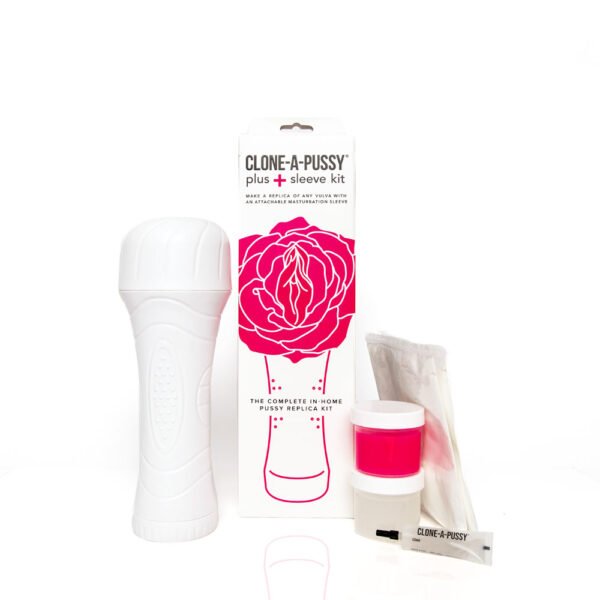
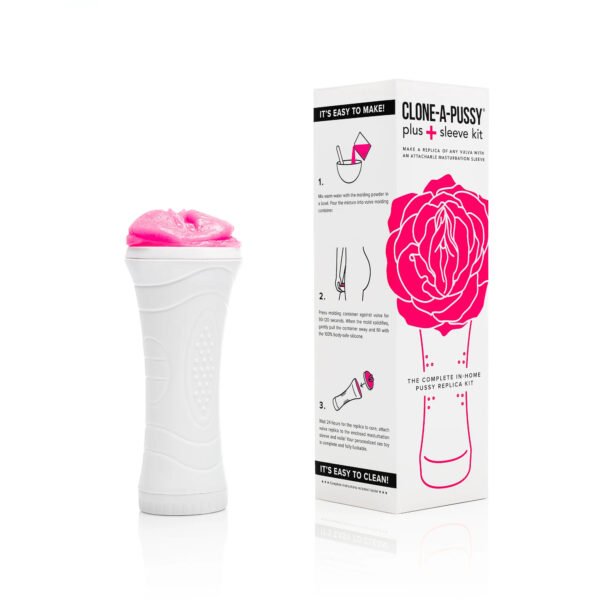
For a first casting session, or any time simplicity and skin comfort are the priority, alginate is the more forgiving starting point. For a reusable mold, a wider choice of fill materials, or the finest detail reproduction, platinum silicone is worth the longer setup. Some couples use both: alginate to practice the process and get comfortable with positioning, then platinum silicone for the final keepsake cast. Either way, check that the kit you choose lists its materials explicitly and confirms they are formulated for skin contact, not just general art casting use. That one detail matters more than anything else on the label. If you are also exploring Clone-A-Pussy kits, those typically use alginate-based compounds and follow a similar single-use process.
The right kit comes down to two things: the material touching your skin and how much detail you want the finished cast to hold. A few clear criteria make the decision straightforward.
Body mold kits vary more than they look at first glance. Mixing ratios, set times, fill compatibility, and skin sensitivity all affect whether the process goes smoothly and whether the result is worth keeping.
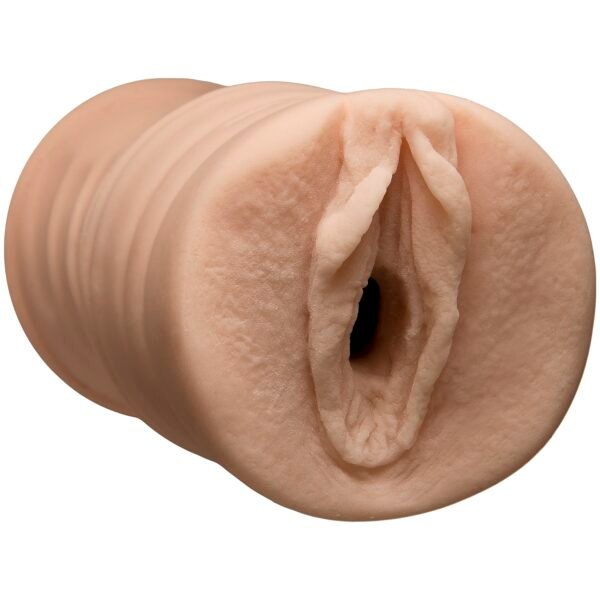
If you are also exploring finished products molded from real bodies rather than DIY casting, the Clone-A-Pussy and porn star molds categories carry ready-made options alongside the kits.
The product shortlist for this category does not include body mold kits with directly comparable spec data across three or more items, so a side-by-side table would not give you reliable information here. The criteria above will serve you better than a table built on incomplete numbers.
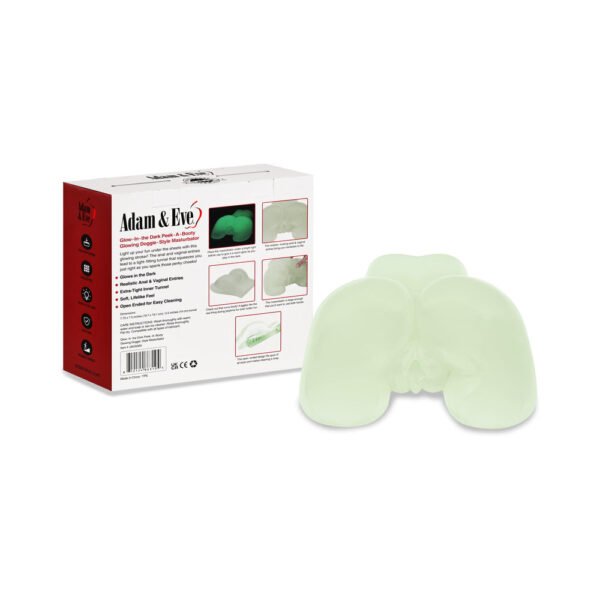
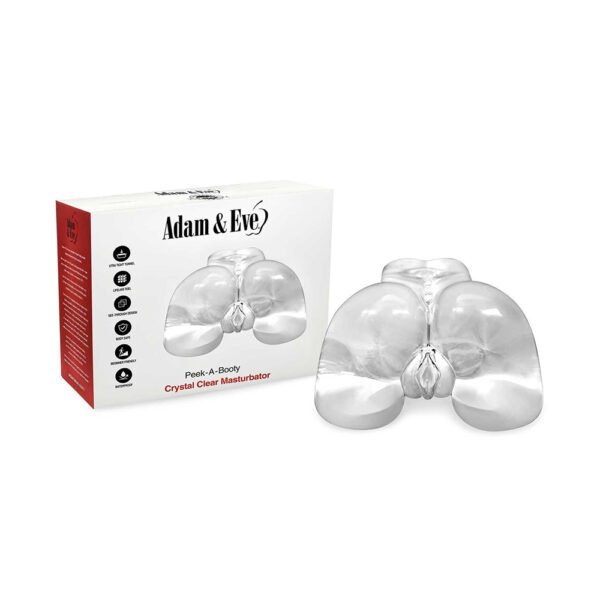
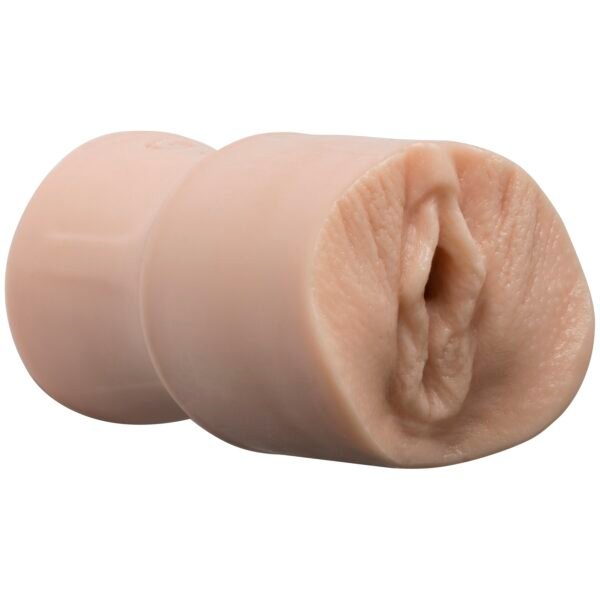
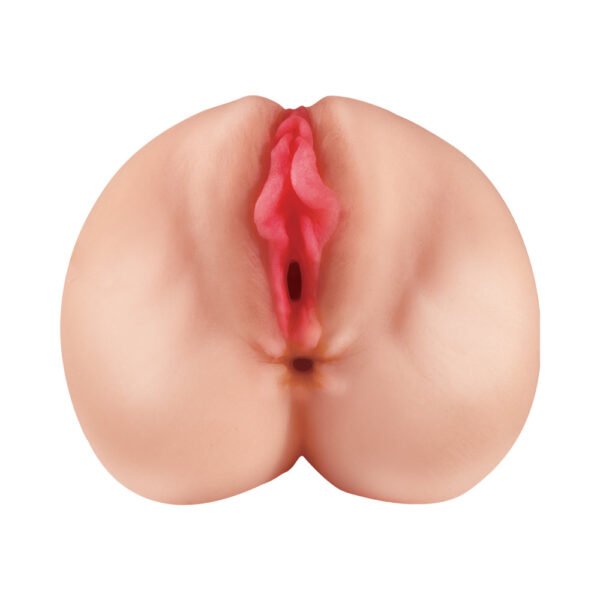
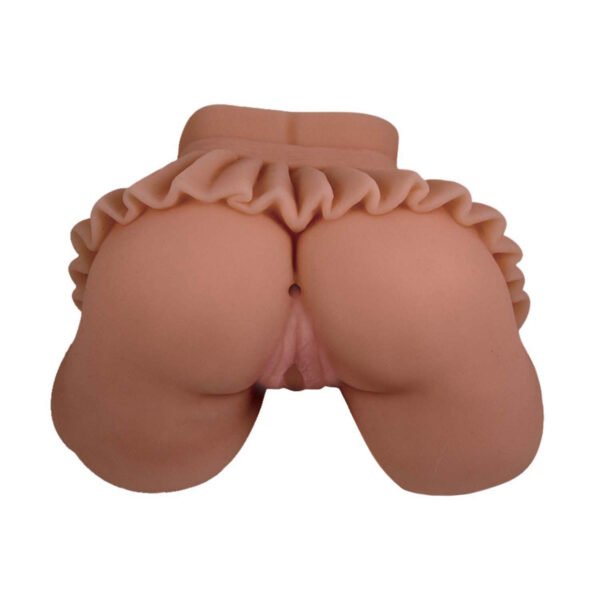
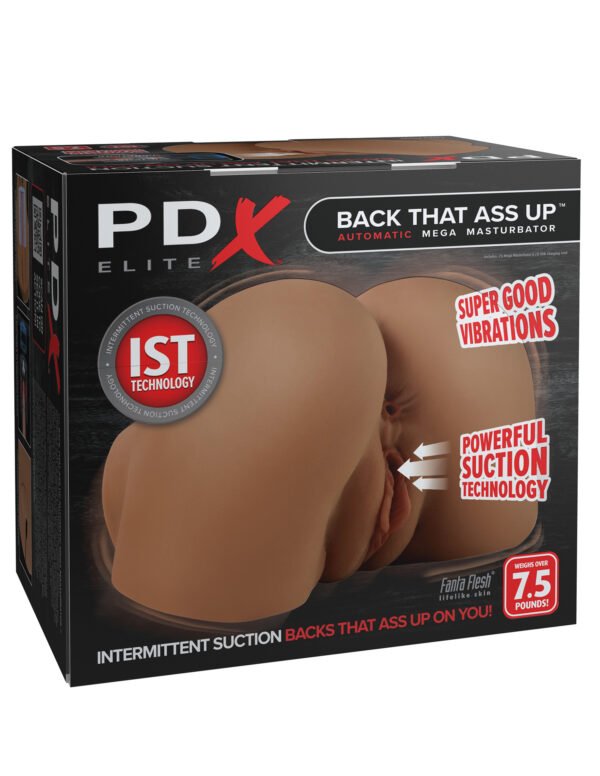
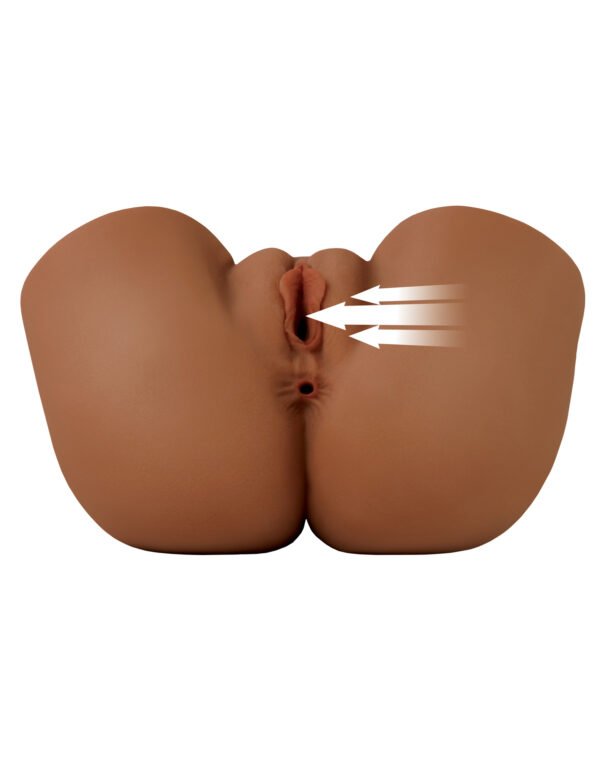
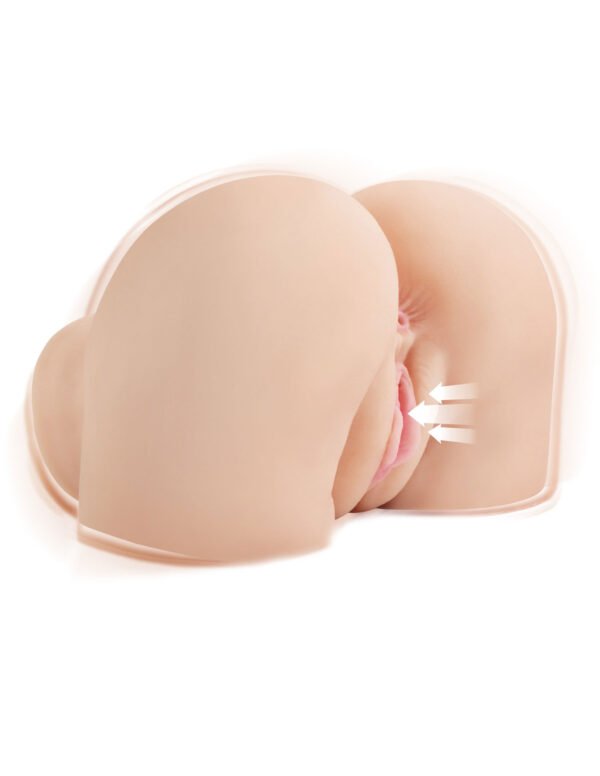
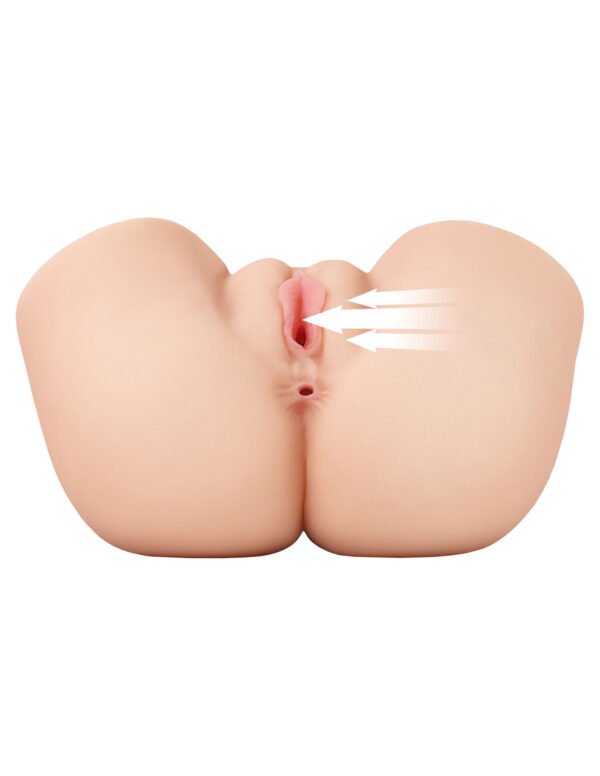
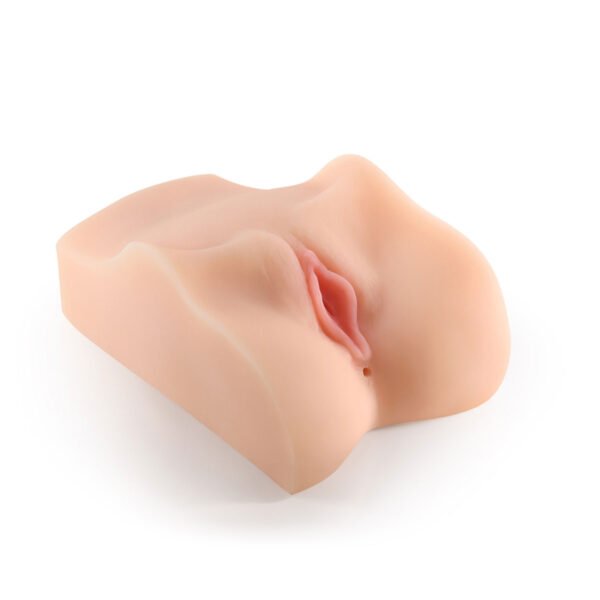
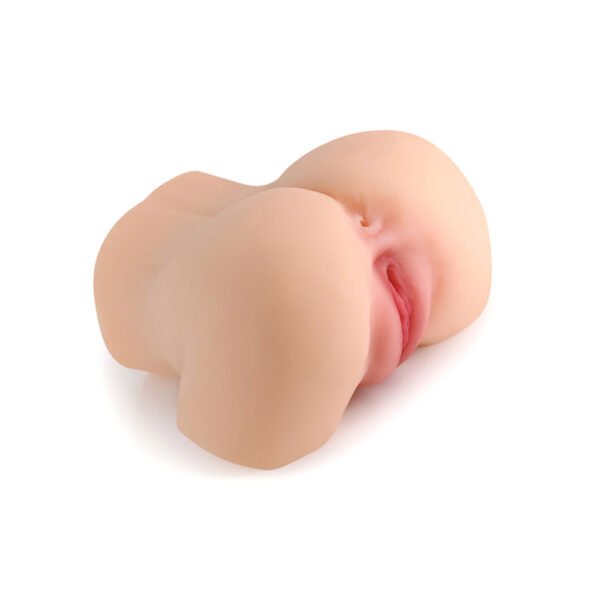
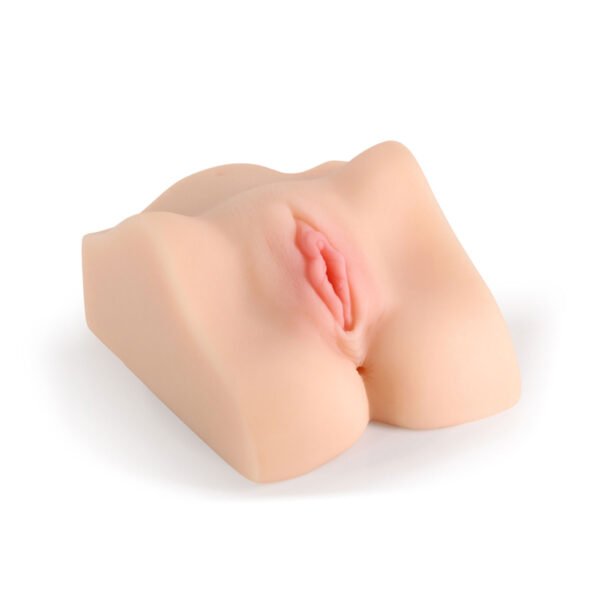
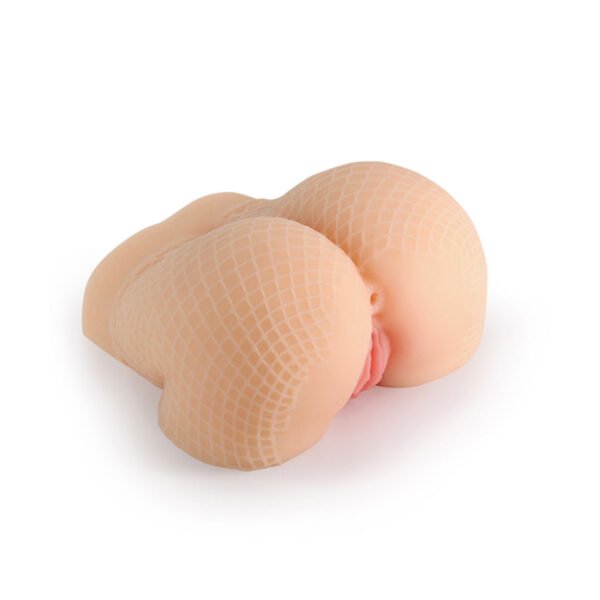
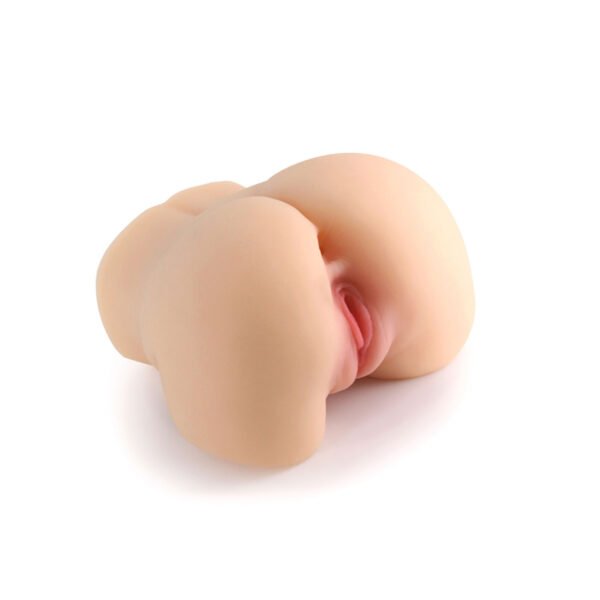
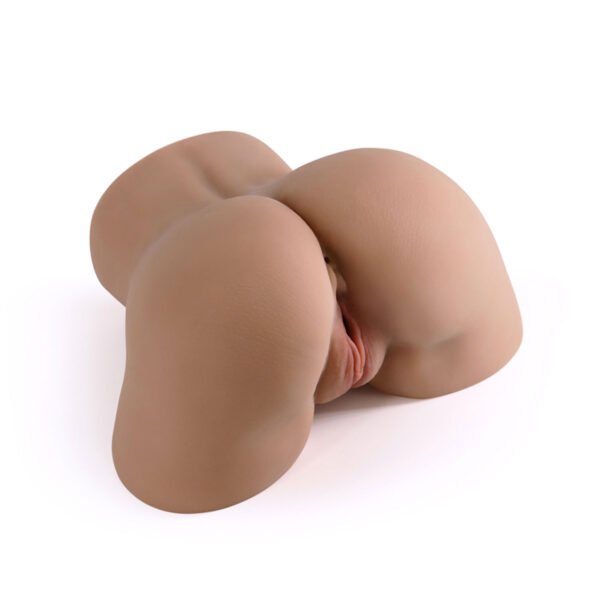
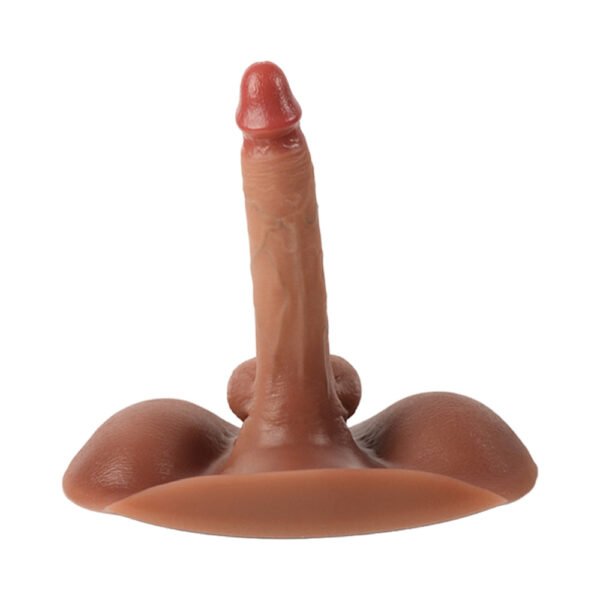
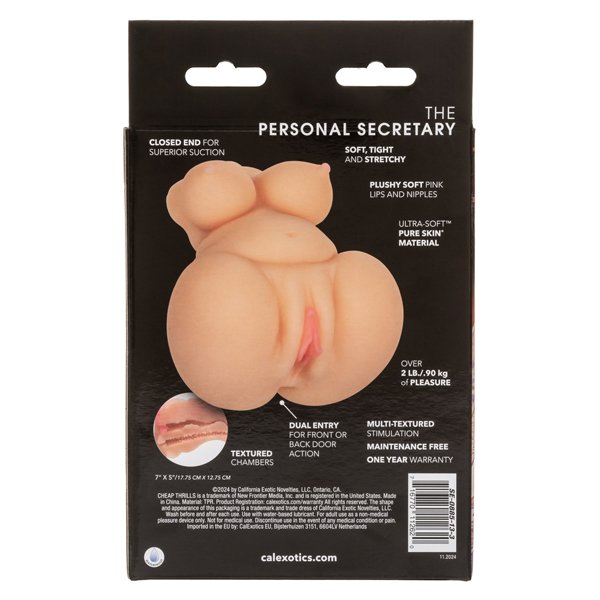
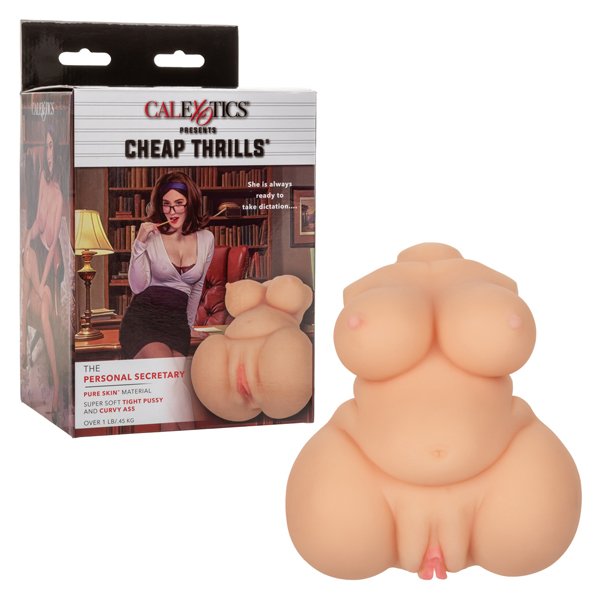
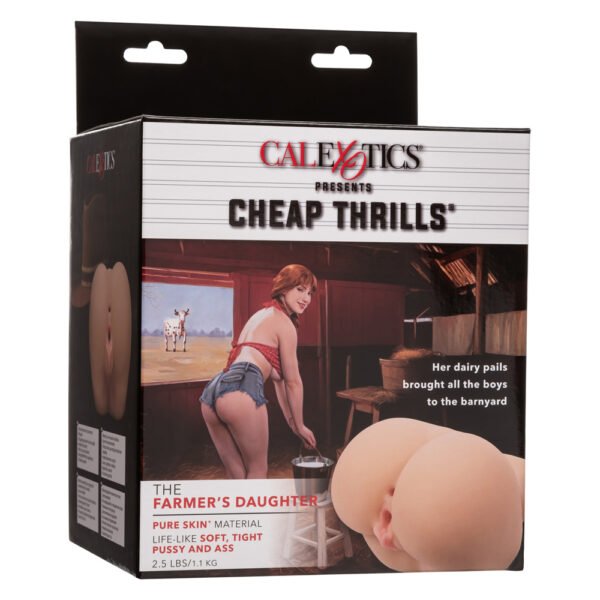
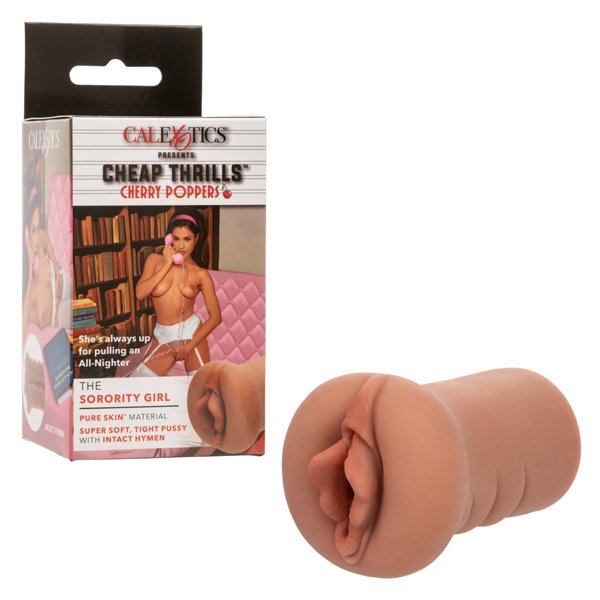
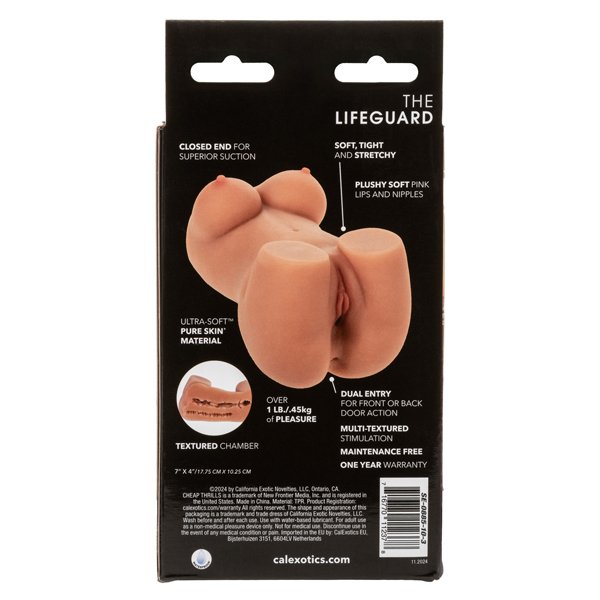
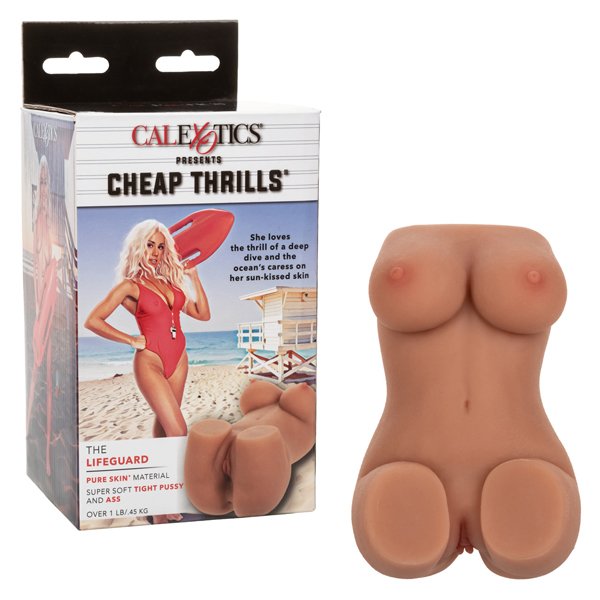
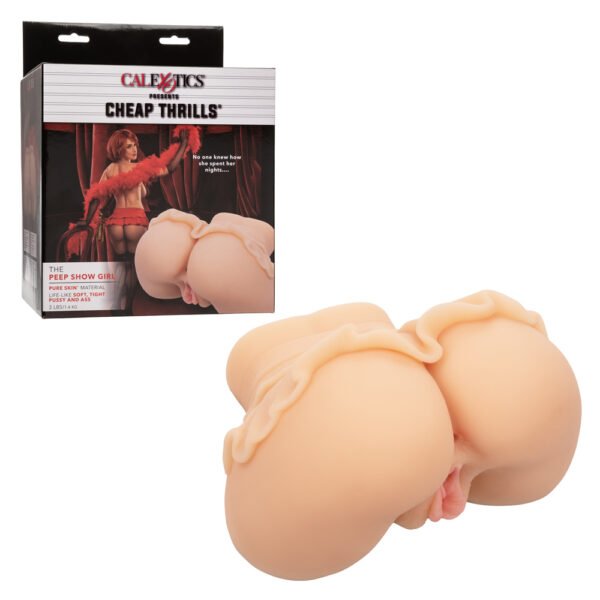
The products on this page fall into two honest categories: performer-cast intimate products molded directly from real bodies, and realistic torso and form products built around anatomical detail. Neither is a DIY casting kit. The collections below group them by what actually matters to a shopper: how they are used, how much surface area they cover, and whether a specific performer’s form is part of the appeal.
Body molds work by mixing a casting compound, typically alginate powder with water, or a two-part platinum-cure silicone, to a smooth consistency and applying it to the area you want to capture. The compound sets in a matter of minutes, conforming closely to surface contours and fine detail. Once firm, it releases cleanly from the skin. You then fill the resulting mold with plaster, resin, or wax to produce the finished cast. Most kits include a precise mixing ratio system and clear instructions, so prior casting experience is not required. Working at a comfortable room temperature and having everything measured and ready before you mix will make the process noticeably smoother.
Alginate molds are single-use by design, so cleaning is not a concern for the impression itself. The finished cast, once fully cured, can be wiped down gently with a damp cloth. For platinum-silicone mold shells, rinse with warm water and a mild, fragrance-free soap, then allow to air-dry completely before storing. Never store a silicone mold while it is still damp, as trapped moisture can degrade the material over time. Keep unmixed casting compound sealed in its original packaging, away from heat and humidity, to preserve its shelf life. A cool, dry drawer or storage box works well for both finished casts and reusable components.
A first at-home body casting session is more straightforward than most people anticipate, and knowing what you will feel helps a lot. The molding compound, whether alginate powder mixed with water or a two-part silicone gel, typically feels cool and slightly thick when it first contacts skin, then warms gradually as it sets. Most formulas firm up within two to eight minutes, so the main job during that window is simply staying as still as you can, because movement is the most common reason a mold loses fine detail. Some people feel a mild pressure as the compound thickens around the skin, which is normal. Nerves are common, and they tend to settle once the compound is on and the countdown begins. Having a partner talk you through it, or playing music in the background, makes the stillness feel much easier to hold.
Most people find the casting process surprisingly calm once they settle in. The molding compound is applied at room temperature or slightly warm, sets quickly, and releases cleanly without pulling at skin or hair. First-timers often say the hardest part is simply holding still, and even that is usually only a few minutes. Going in with a clear sense of the steps and a relaxed pace makes a real difference.
Some body mold kits are genuinely designed for solo use, with compact coverage areas and self-contained mixing systems that one person can manage without help. Others, particularly those covering larger surface areas, are easier with a second set of hands. The product listing will usually make this clear, and if it does not, a smaller kit is the safer starting point for solo sessions.
Alginate is a seaweed-derived casting powder with a long history of safe use in dental and medical settings, and it is generally well tolerated by sensitive skin. That said, individual reactions vary, and anyone with a known seaweed or iodine sensitivity should check the ingredient list before use. If you are unsure, a small patch test on the inner arm before a full session is a reasonable step.
Alginate and most skin-safe molding compounds release from body hair without pulling, so shaving is not strictly required. Very dense or long hair can occasionally trap air and reduce fine surface detail in the finished cast. Trimming the area beforehand tends to produce a cleaner impression, but it is a matter of preference rather than a hard rule.
The most common fill materials for intimate body molds are platinum-cure silicone, casting resin, plaster, and wax. Platinum silicone produces a flexible, durable result closest to skin feel, while plaster and resin give a firmer keepsake. Not every mold compound is compatible with every fill material, so check the kit’s compatibility notes before choosing a filler, particularly if you plan to use silicone.
A properly cured platinum silicone cast is stable for many years and does not degrade under normal indoor conditions. Plaster and resin fills are similarly long-lasting when kept dry and away from direct heat or sunlight. The mold itself, if made from alginate, is single-use and should be filled promptly after setting, as alginate begins to shrink and distort once it dries out.
All orders from Claim Night ship in plain, unmarked packaging with no indication of the contents on the outside. Your billing statement shows a neutral merchant name rather than anything product-specific. The kit itself, once opened, is compact enough to store discreetly at home.
For many couples, the casting session itself becomes part of the appeal, something unhurried and a little playful that requires genuine attention to each other. The process tends to feel less like a project and more like a moment, particularly when both people go in without pressure to get it perfect on the first try. Treating it as an experience rather than a task, with room to laugh if something goes sideways, is usually the approach that works best.

Helpful guides, product tips, and simple explanations to help you find what feels right.
No account yet?
Create an Account