


Article
Beginner Butt Plug Guide: What a Butt Plug Is, How It Works, and How to Use One Safely04/05/2026

Deals
Bestsellers
+39
Most-Loved Picks
Customer favorites for comfort, care, and everyday pleasure
Shop BestsellersSale · up to 40% off
+895
Soft Savings
Limited-time offers on body-safe essentials and feel-good favorites
View SaleSeasonal edit


+268
Seasonal Comfort Edit
Curated picks for holidays, date nights, gifting, and cozy nights in
Explore the EditFeatured
 Discreet Packaging
  Secure Checkout
  Body-Safe Materials
 Non-piercing nipple jewelry holds by tension, not a needle, so the fit is everything. Clip-on and clamp styles should grip firmly enough to stay put during movement but release without discomfort. Adjustable tension screws or spring mechanisms let you dial in the pressure rather than accepting a fixed setting, which matters especially for first-time wearers finding their comfort range.
Shields and hoop styles size by diameter, typically around 1.5 inches, and sit flat against the areola rather than pinching the nipple tip. Magnetic styles depend on the orb’s pull strength staying balanced against skin sensitivity. Most styles in this collection fit a broad range of body types by design, with adjustability built in as the primary sizing tool rather than numbered sizing charts.
Nipple jewelry comes in several distinct styles, and the differences between them are practical, not just aesthetic. What suits someone depends on how they want it to feel, how long they plan to wear it, and the look they are going for.
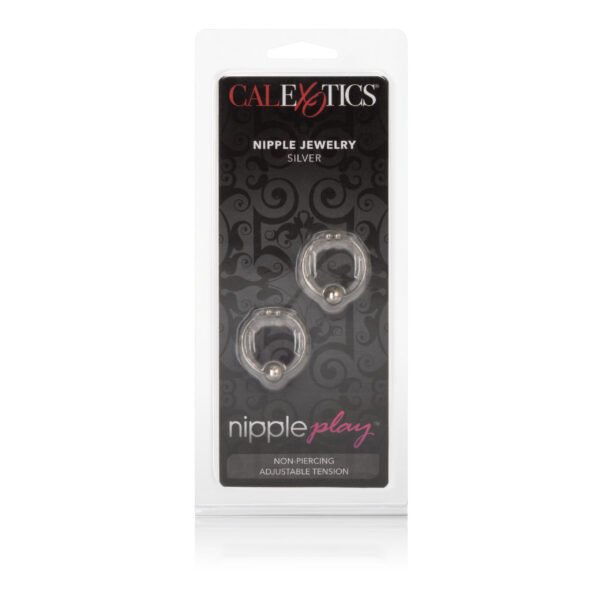
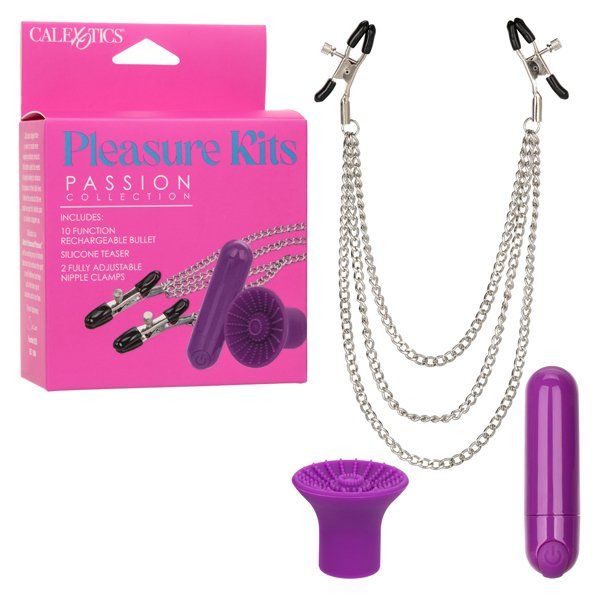
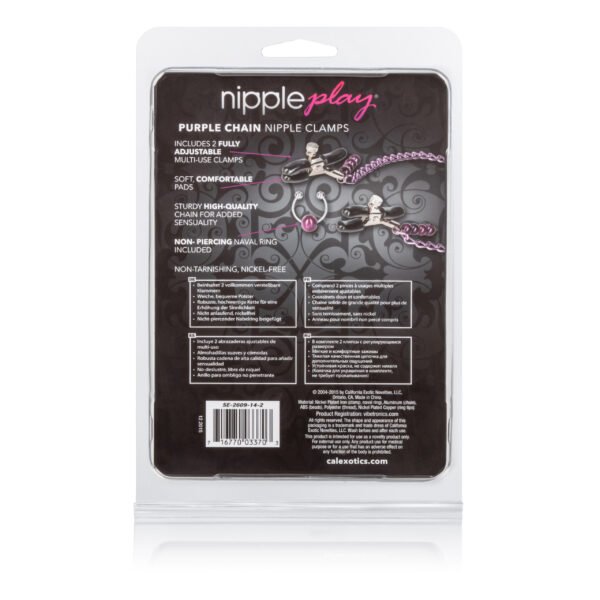
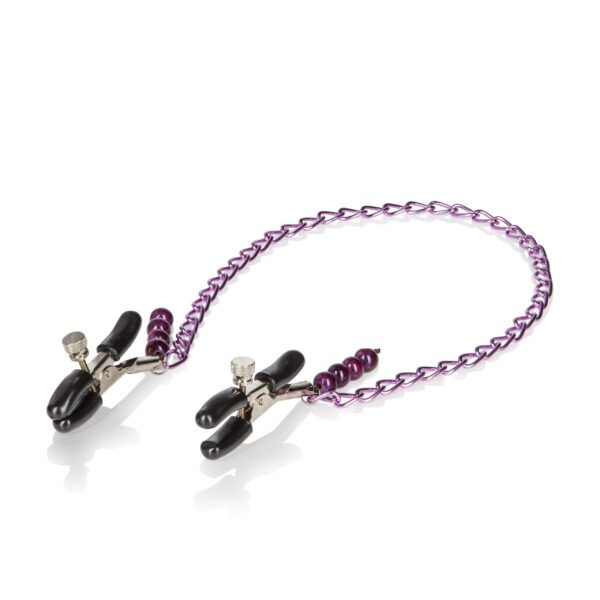
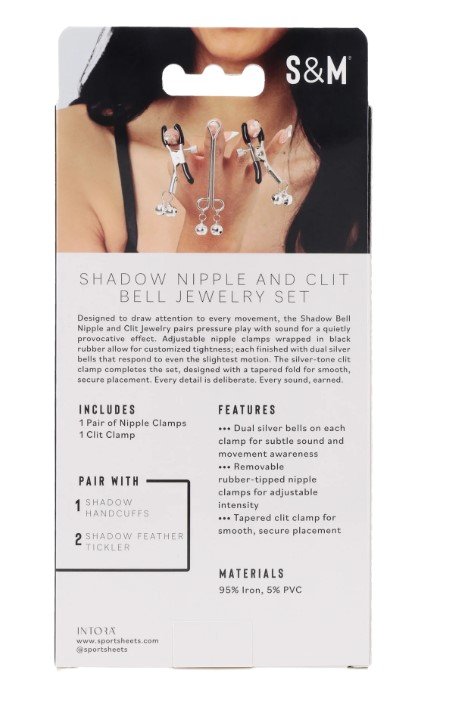
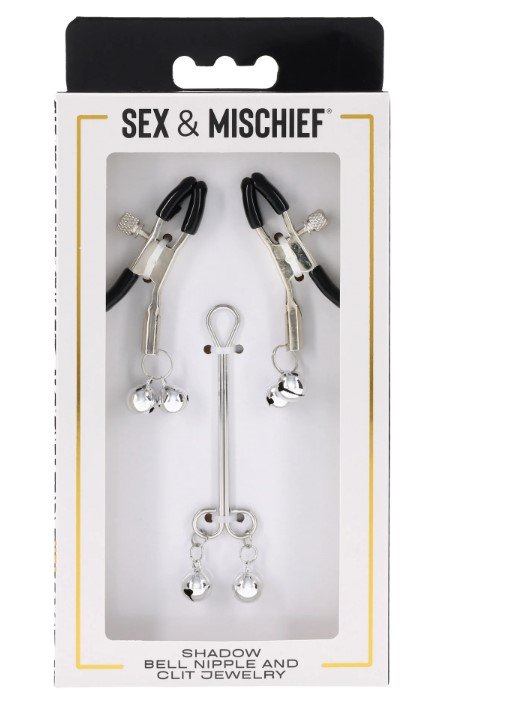
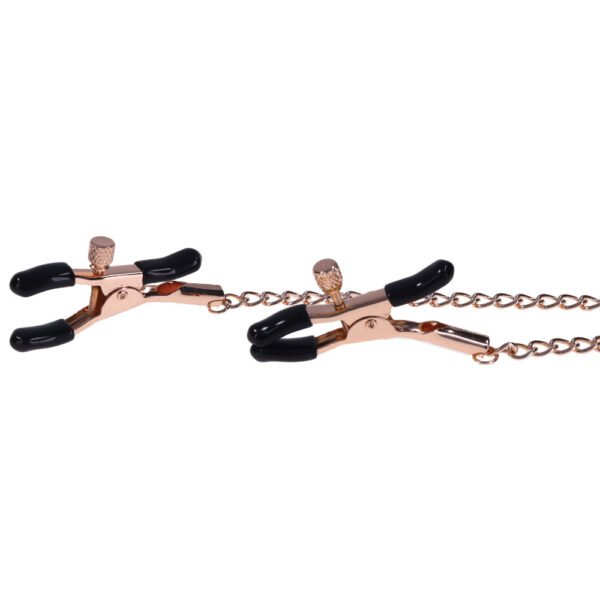
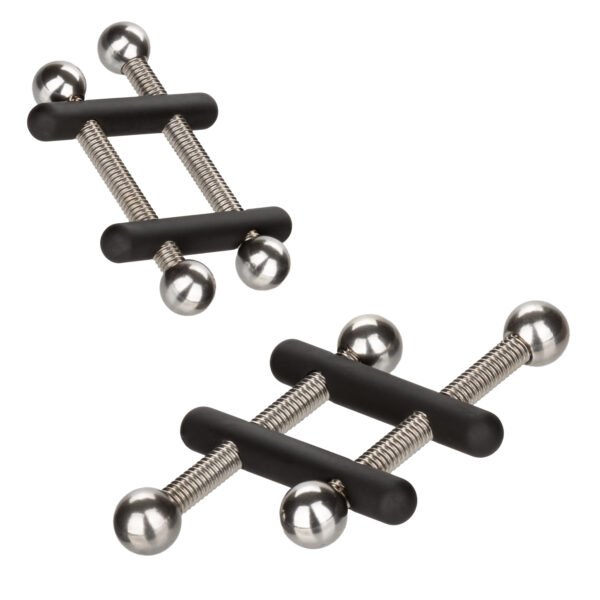
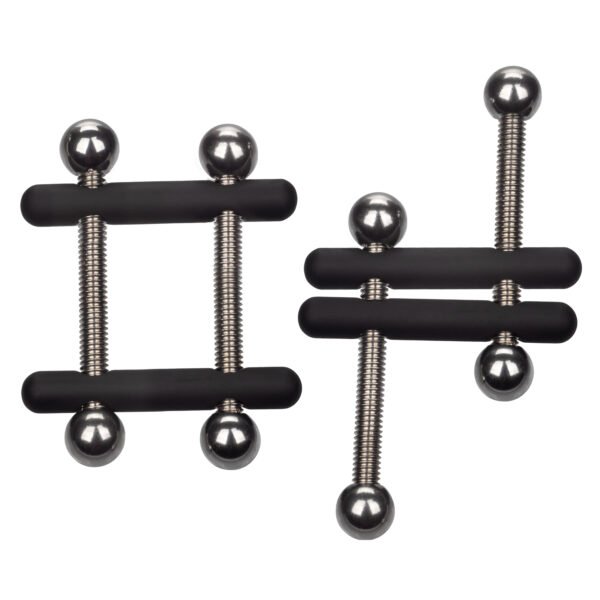
Clip-on nipple jewelry uses a spring-loaded or screw-tension mechanism to grip the nipple without any piercing. Adjustable clamp styles let you dial in exactly how firm the hold is, which makes them a good starting point for anyone new to nipple jewelry. The range runs from lightweight decorative clips to more pressure-focused designs for sensation.
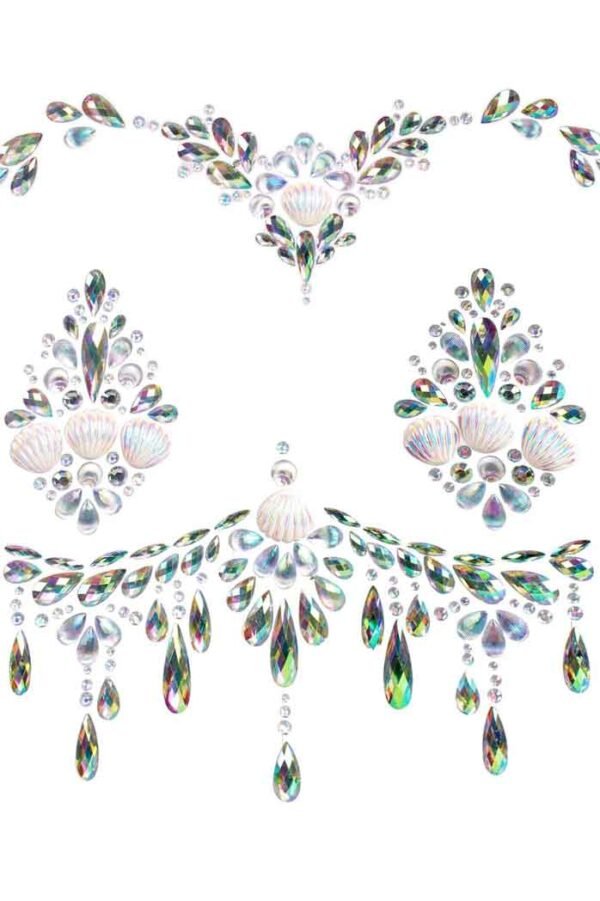
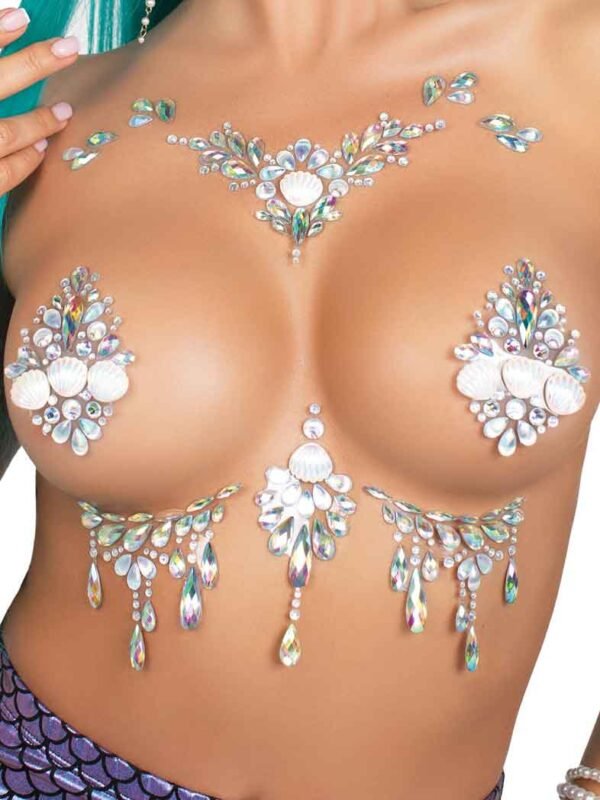
A nipple shield is a larger, frame-style piece of nipple jewelry that surrounds the nipple rather than just gripping it. The shield design creates a bold visual effect and sits flat against the skin, making it a popular choice under sheer or open-cut tops. Most nipple shields hold by gentle tension or a small clip at the base, so they stay in place without feeling restrictive.
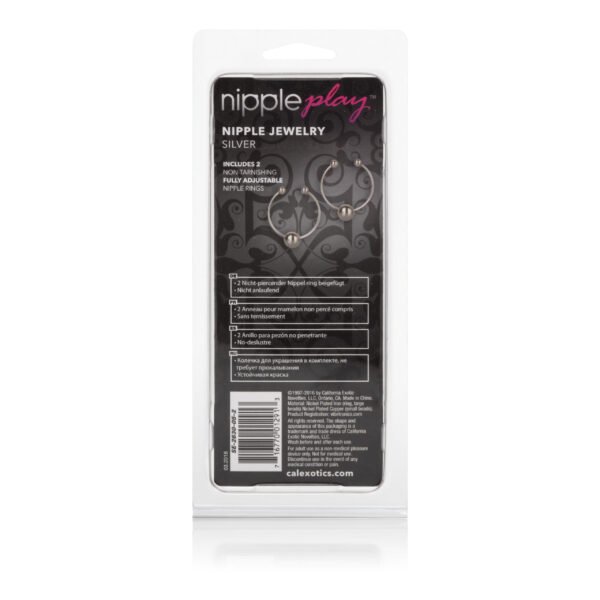
Fake nipple rings and faux barbells are non-piercing nipple jewelry designed to mimic the look of an actual piercing. They slide over or around the nipple and hold by light tension, giving the appearance of a real ring or barbell with no commitment and no healing time. This style tends to be the most discreet in terms of profile, which makes it easy to wear under clothing.
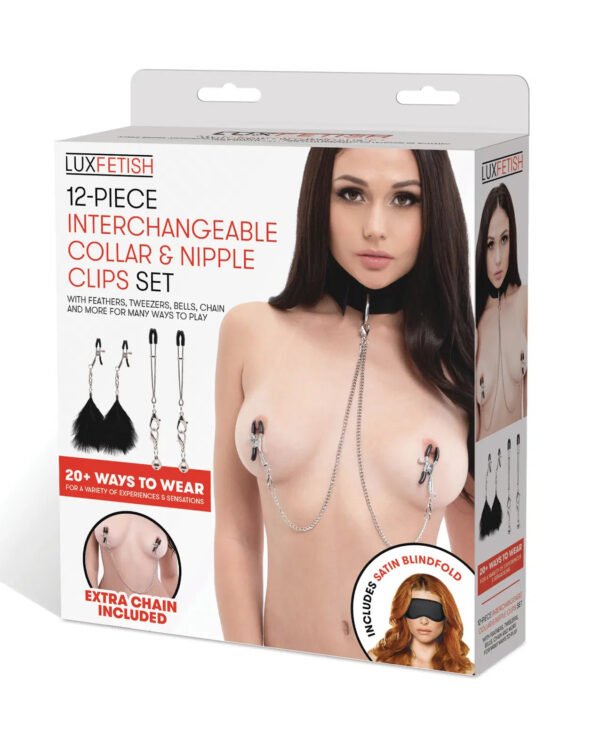
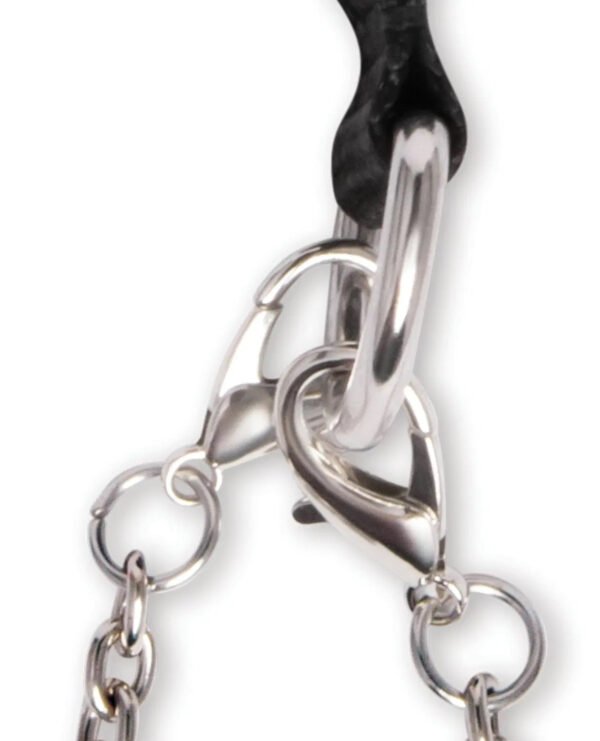
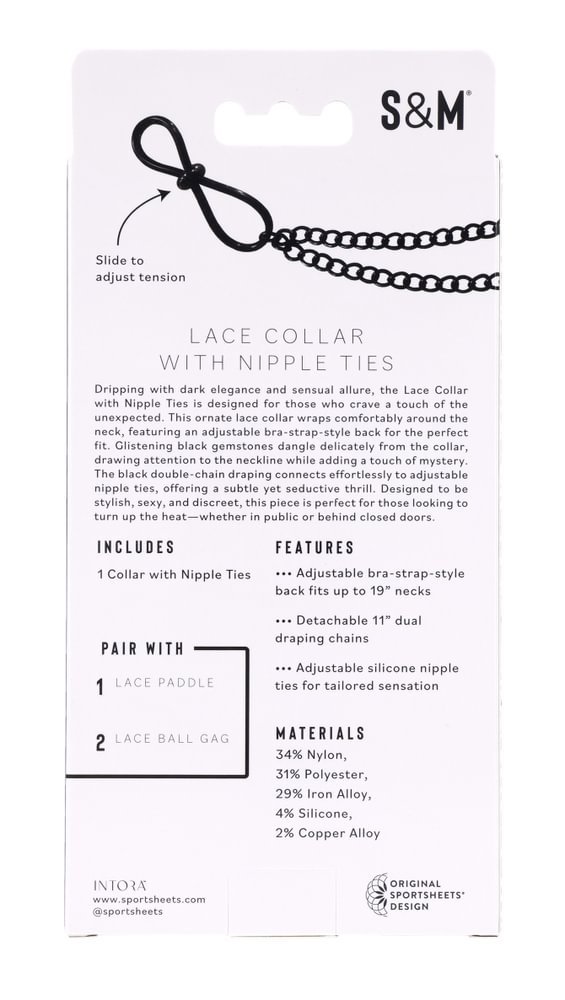
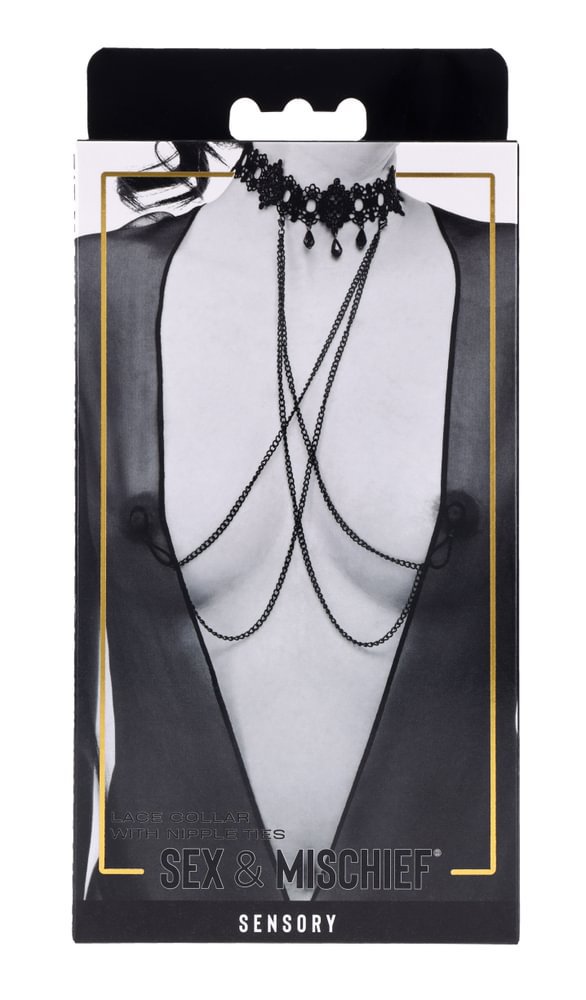
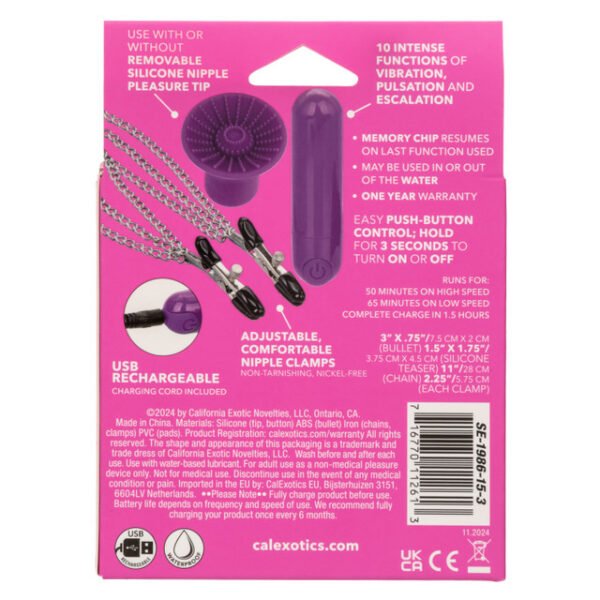
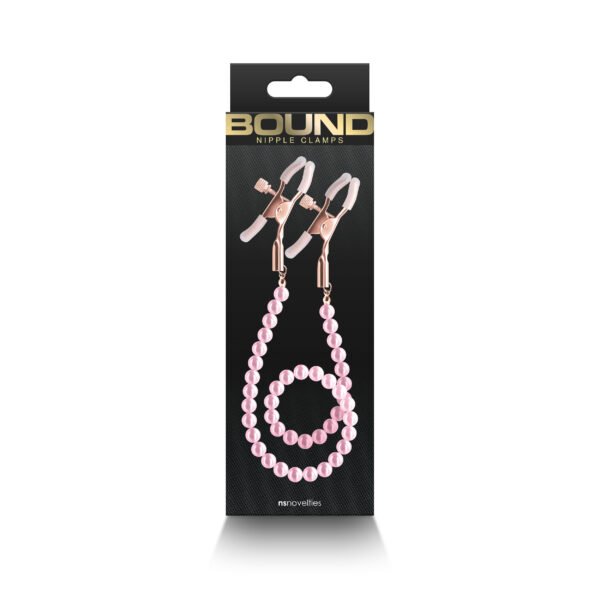
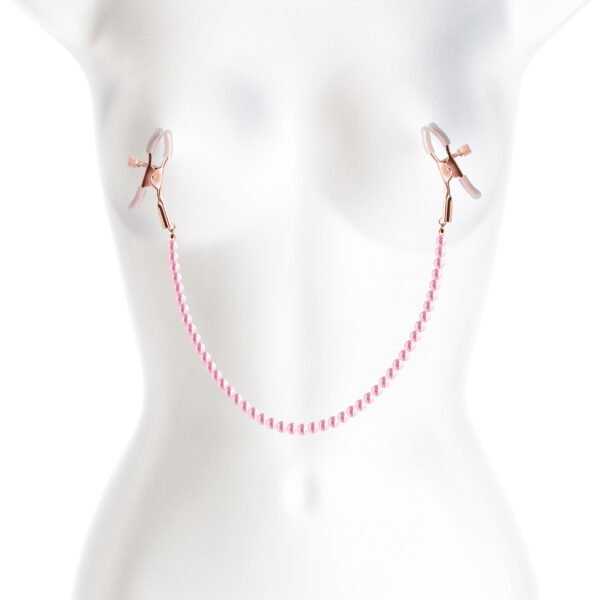
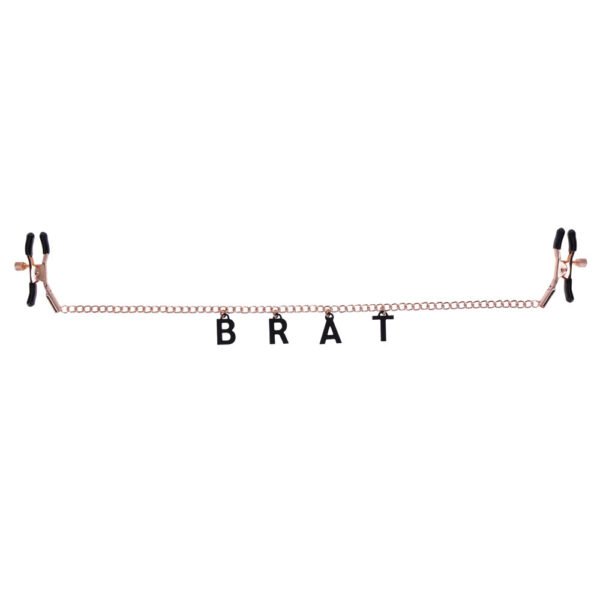
Nipple chain jewelry connects two nipple pieces with a decorative chain, sometimes extending further into a body chain or down to a clit clamp. The chain adds movement and visual drama, and the weight of it creates a gentle, continuous sensation during wear. Some sets include removable chains so the nipple pieces can also be worn on their own.
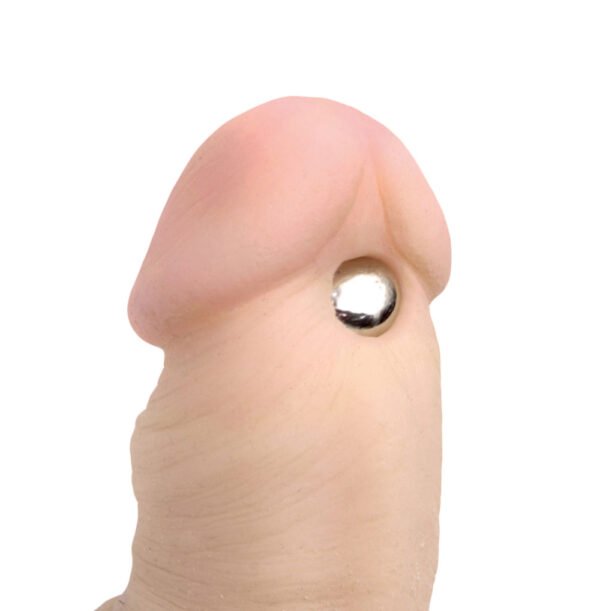
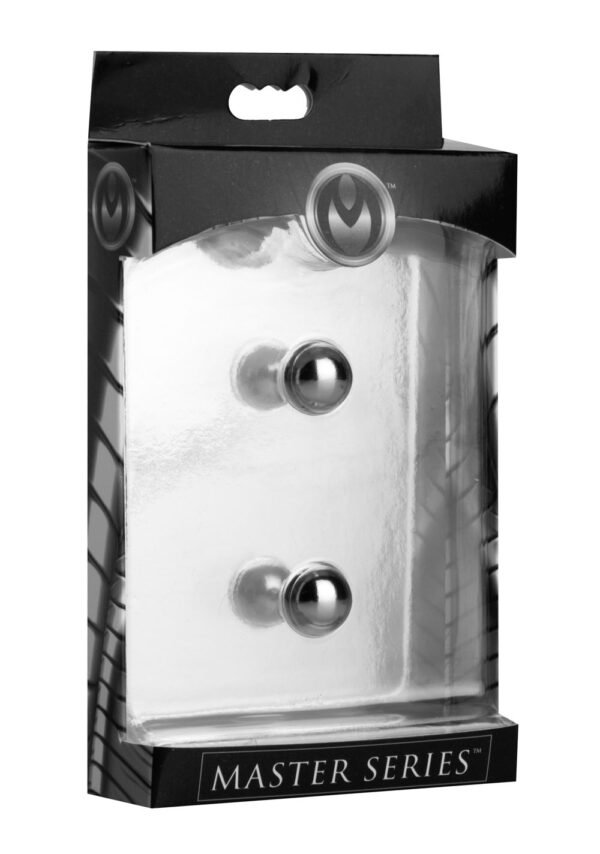
Magnetic nipple jewelry uses opposing magnets placed on either side of the nipple to hold the piece in position, with no clip, no screw, and no pressure point. The hold is even and consistent, which some people find more comfortable for longer wear. This style suits those who want a clean, minimal look without any visible hardware mechanism.
The right piece comes down to three things: what you want it to look like, how long you plan to wear it, and what your skin can handle. Getting those three aligned makes everything else easier.
Beyond style, a few practical details separate a piece you reach for again from one that sits in a drawer. Think through these before you buy.
Nipple jewelry sits against some of the most sensitive skin on the body, so material choice matters more here than it does for ear or wrist jewelry. Implant-grade titanium is the gold standard for anyone with reactive skin: it is nickel-free by definition, lightweight, and resists corrosion even with prolonged wear. Surgical steel (ASTM F138 grade) is a solid second choice for most people, though it does contain a small percentage of nickel, which can be a problem for those with confirmed nickel sensitivity.
Gold-plated and rose gold-plated options look beautiful, but the plating can wear thin over time, exposing the base metal underneath. If you go that route, look for pieces with a thick plating over a nickel-free base. Sterling silver tarnishes quickly against skin and is generally better suited to occasional wear than extended use. Whatever the finish, the phrase “nickel-free certified” on the product listing is a practical minimum to look for when buying body jewelry intended for direct skin contact.
Nipple jewelry works across a wider range of looks than most people expect from a single accessory. Under a sheer or low-cut top, a simple non-piercing nipple ring or shield adds visual interest without requiring anything underneath, and the effect reads as intentional rather than accidental. For a lingerie or boudoir look, pairing a delicate chain style with a matching harness lingerie piece creates a layered, cohesive feel without overcrowding the look.
For festival or costume styling, bolder shield designs or pieces with dangling charms work well as statement body jewelry on their own. Date night calls for something simpler: a clean hoop or a minimal faux barbell that catches light without competing with the rest of the outfit. The through-line in all of these is proportion. Smaller, finer pieces tend to layer well; larger, more ornate designs are better worn as the focal point.
Cleaning nipple jewelry after each wear is a straightforward habit that extends the life of the piece and keeps it comfortable against skin. Warm water and a small amount of unscented, gentle soap is enough for most metal styles; rinse thoroughly and pat dry with a clean cloth rather than leaving moisture to sit in any joints or chain links. Avoid alcohol-based cleaners on plated finishes, as they can strip the coating over time.
For storage, keeping pieces in a small pouch or a lined box prevents scratches and slows tarnish on silver and plated metals. Check the tension mechanism every few wears: screw-style adjusters can loosen gradually, and spring clips can fatigue with repeated use. If a piece no longer holds the tension you set, it is worth adjusting or replacing it before the next wear rather than relying on a weakened grip. A quick check takes only seconds and keeps both the piece and your skin in better shape over time.
Most clip-on and shield-style pieces sit close enough to the body that they stay discreet under a fitted top, though structured or padded styles create less visible outline than dangling chain designs. Thinner, low-profile shields and simple faux rings are the most clothing-friendly options. If you are wearing something sheer or lightweight, the visual effect becomes part of the look rather than something to hide, which is exactly how a lot of people style them.
Non-piercing nipple jewelry holds by gentle tension rather than puncturing skin, so most people find it comfortable for short to moderate wear when the fit is right. Discomfort usually means the piece is too tight, and adjustable styles let you dial that in. Silicone-tipped or rubber-coated clamps tend to feel softer against the nipple than bare metal, which makes them a practical starting point for anyone new to this type of jewelry.
Most people wear non-piercing nipple jewelry for anywhere from thirty minutes to a few hours at a stretch. Longer wear can cause mild soreness or increased sensitivity because sustained pressure on soft tissue adds up over time. Taking the pieces off, letting the area rest, and then returning to them is the most comfortable approach for extended occasions like a night out or a shoot.
Most nipple jewelry is sold as a matched pair, one piece for each side, so both look symmetrical when worn. Some sets go further and include interchangeable attachments such as chains, bells, feathers, or charms that clip on or detach from the base clamp. A small number of sets also bundle a coordinating clit clamp or collar piece for a complete intimate look, which is worth checking before you buy if you want everything to match.
Gold-plated, rose gold-plated, and rhodium-plated finishes are durable for regular use, but plating does wear gradually with friction, moisture, and contact with skin oils. Pieces described as non-tarnishing or made from solid surgical steel or implant-grade titanium tend to hold their finish longer than lightly plated brass. Keeping jewelry dry between uses and storing it away from other metal pieces slows any surface wear noticeably.
Non-piercing nipple jewelry is exactly that: a way to wear the look of a nipple piercing without any needle, healing period, or permanent change to your body. You get the same visual effect of a barbell, hoop, or shield, and you can take it off whenever you like. A lot of people use it to decide whether they actually want the aesthetic long-term before making a permanent choice, which is a completely reasonable way to approach it.
At Claim Night, every order ships in plain, unmarked packaging with no indication of the contents on the outside. Your billing statement shows a neutral company name rather than the store name, so there is nothing to explain to a housemate or anyone else who might see a package or a bank statement. Privacy is built into every order by default, not something you have to request.
Nipple jewelry and nipple pasties serve different purposes and are not usually combined. Pasties adhere to the skin and conceal the nipple area entirely, while non-piercing jewelry ornaments it and relies on the nipple itself for grip. Choosing between them comes down to whether you want coverage or decoration: pasties work best under clothing where you want no outline at all, and nipple jewelry is the choice when the piece itself is part of the look.

Helpful guides, product tips, and simple explanations to help you find what feels right.
No account yet?
Create an Account