


Article
Beginner Butt Plug Guide: What a Butt Plug Is, How It Works, and How to Use One Safely04/05/2026

Deals
Bestsellers
+39
Most-Loved Picks
Customer favorites for comfort, care, and everyday pleasure
Shop BestsellersSale · up to 40% off

+889
Soft Savings
Limited-time offers on body-safe essentials and feel-good favorites
View SaleSeasonal edit


+267
Seasonal Comfort Edit
Curated picks for holidays, date nights, gifting, and cozy nights in
Explore the EditFeatured
 Discreet Packaging
  Secure Checkout
  Body-Safe Materials
 Non-latex condoms are external condoms made without natural rubber, using synthetic materials instead. The two things that actually drive your choice are material and lubricant compatibility. Polyisoprene is softer and more elastic, with a feel closer to latex; polyurethane is thinner and firmer, and the only non-latex material that holds up with oil-based lubricants. Both offer protection against pregnancy and STIs when used as directed.
Fit matters too. Non-latex materials behave differently from rubber, so sizing and stretch vary by brand. If standard condoms have ever felt too tight or too loose, this is a good moment to try a different size alongside a different material.
Non-latex condoms come in a few distinct materials and formats, and the right one depends mostly on what you need from it: a specific feel, a lube compatibility, a size, or an allergy consideration.
Polyisoprene non-latex condoms are made from a synthetic rubber that mimics the softness and stretch of natural latex without the proteins that trigger reactions. The material conforms closely to body shape and transfers heat well, which is why people often describe the feel as more natural than standard latex. They work with water-based and silicone-based lubricants and provide protection against both pregnancy and STIs when used as directed.
Polyurethane non-latex condoms are made from a thin, firm plastic material that sits closer to the body with less stretch than polyisoprene. They tend to be odorless and colorless, and they are the only non-latex condom material compatible with oil-based lubricants. Like polyisoprene, they offer protection against pregnancy and STIs when used correctly.
Lambskin condoms, sometimes called natural membrane condoms, are made from the intestinal lining of sheep rather than any synthetic material. They are effective for pregnancy prevention, but the porous structure of the membrane does not block viruses, so they do not protect against STIs. They suit people with both latex and synthetic sensitivities who are in a mutually monogamous relationship where STI protection is not a concern.
Ultra-thin non-latex condoms are polyisoprene or polyurethane condoms built with a thinner wall than standard versions of the same material. The reduced thickness is designed to increase sensitivity while maintaining the same latex-free construction. They are a good option for anyone switching from latex who wants the closest possible feel alongside their allergy-safe material.
Large-fit non-latex condoms are sized longer and wider than standard condoms and are available in both polyisoprene and polyurethane materials. A proper fit matters for both comfort and reliability, and a condom that is too snug can be uncomfortable or more prone to breaking. If standard sizing has ever felt restrictive, a large-fit non-latex option is worth trying alongside the material change.
Non-latex internal condoms are worn inside the body rather than over a penis, and most are made from nitrile, a synthetic material that is free from both latex and natural rubber proteins. They offer an alternative for anyone who experiences reactions to external condoms, or for situations where the receptive partner wants to be in control of protection. Nitrile internal condoms are compatible with water-based, silicone-based, and oil-based lubricants.
The best non-latex condom is the one that fits well, works with your lubricant, and suits any allergy or sensitivity in the picture. A few clear criteria narrow it down quickly.
Most of the decision comes down to material and fit, but pack size and lube compatibility are worth thinking through before you buy.
The table below compares a selection of non-latex condoms by material, size, lubricant, and pack count to help you spot the right starting point.
| Product | Material | Size | Lubricant | Pack Count |
|---|---|---|---|---|
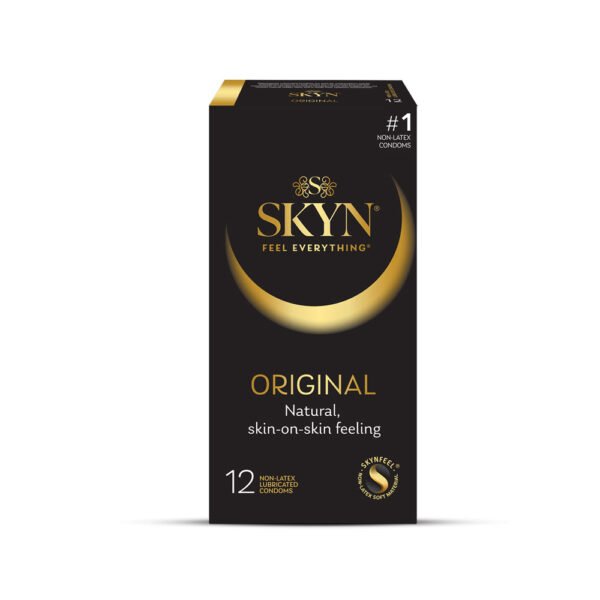
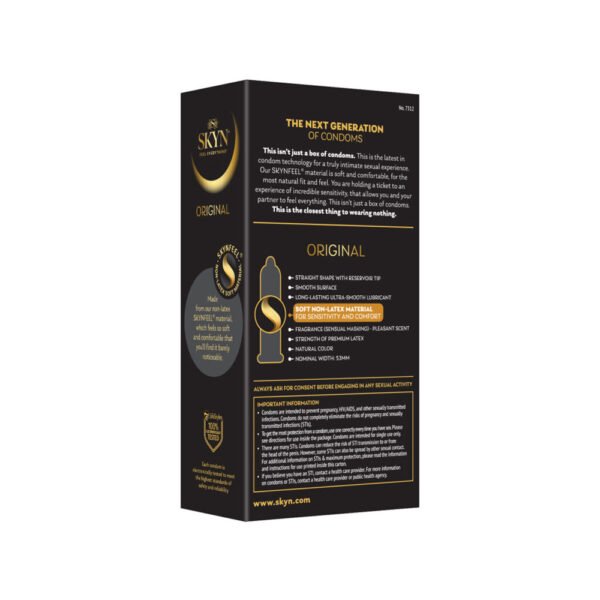
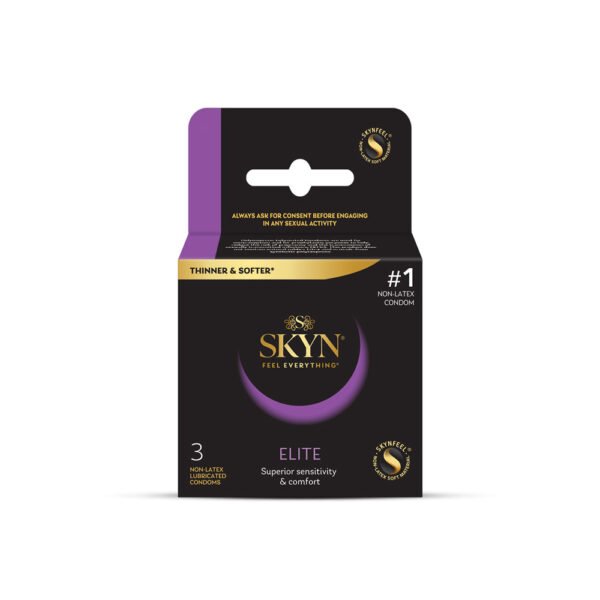
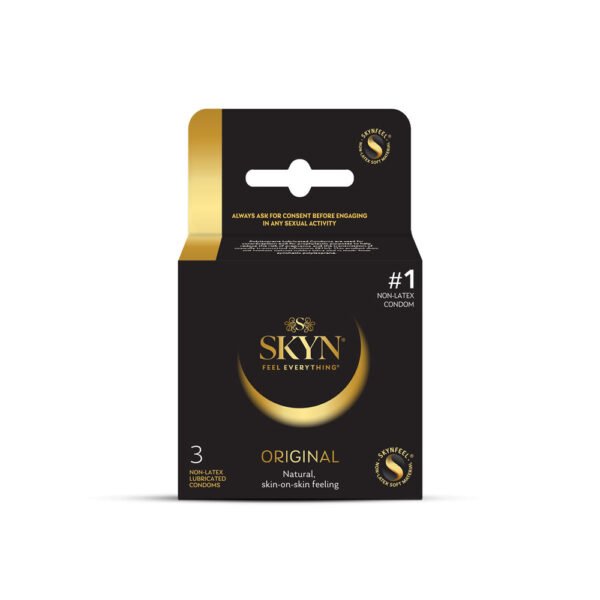
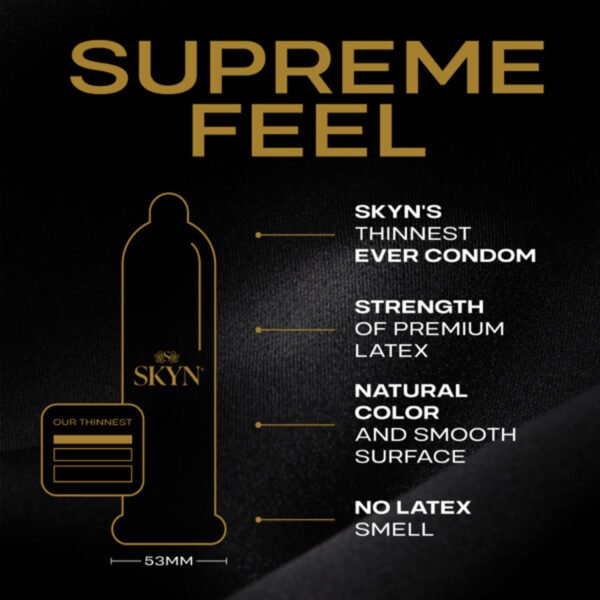
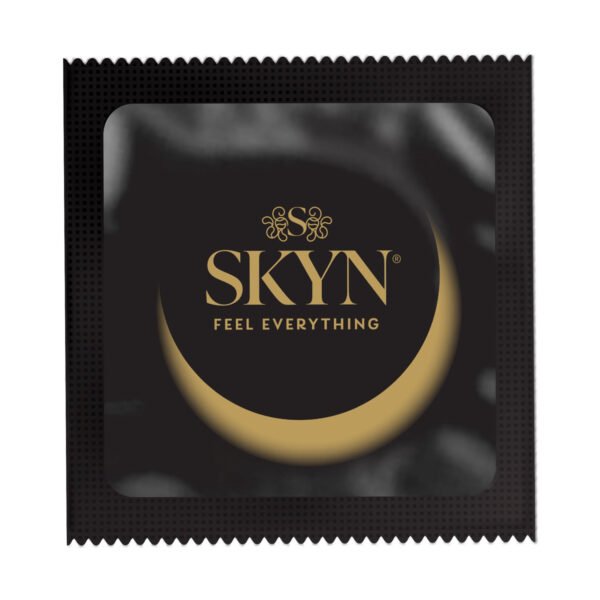
| Skyn Supreme Feel Polyisoprene Condoms | Polyisoprene (SKYNFEEL) | Standard | Ultra-smooth, water-based and silicone-based compatible | 3 |
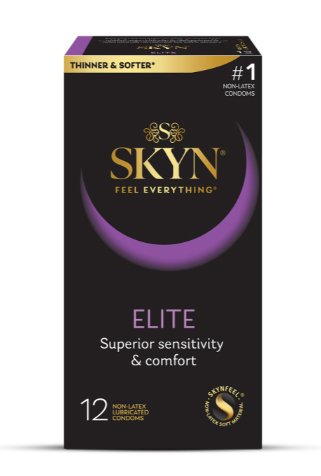
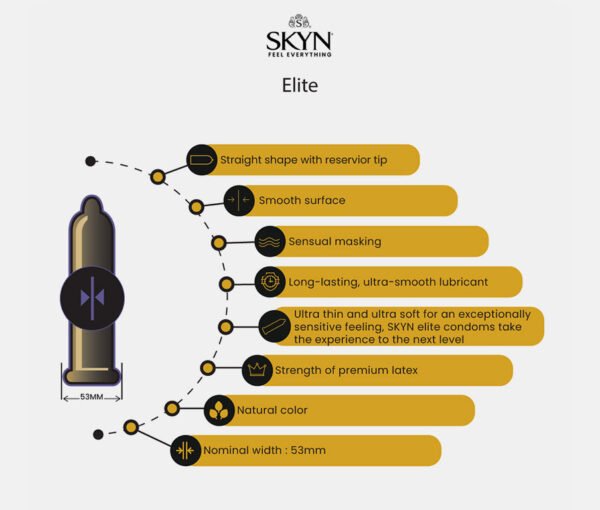
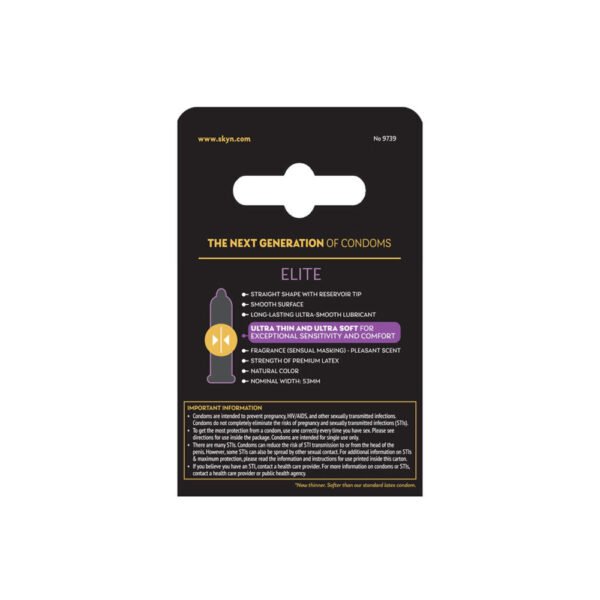
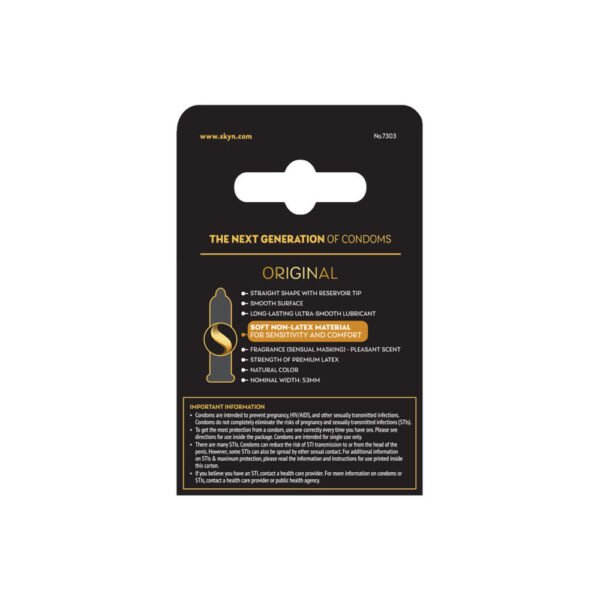
| Lifestyles Skyn Elite Condoms 12 Pack | Polyisoprene (SKYNFEEL) | Standard (53 mm) | Long-lasting ultra-smooth lubricant | 12 |
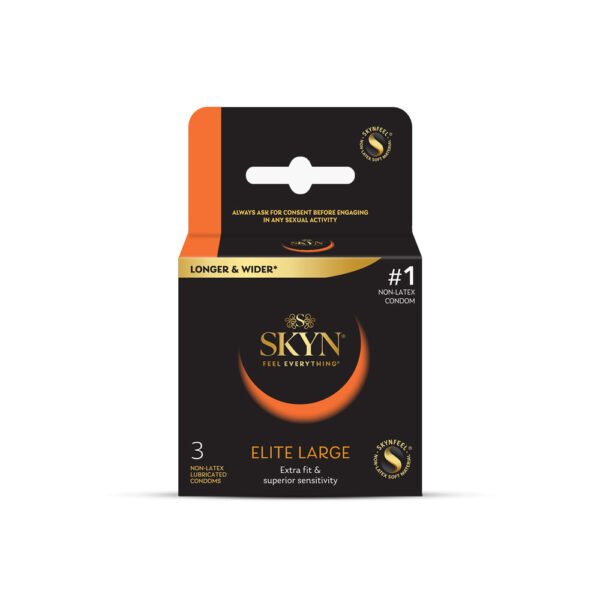
| Lifestyles Skyn Large Condoms 3 Pack | Polyisoprene | Large | Long-lasting ultra-smooth lubricant | 3 |
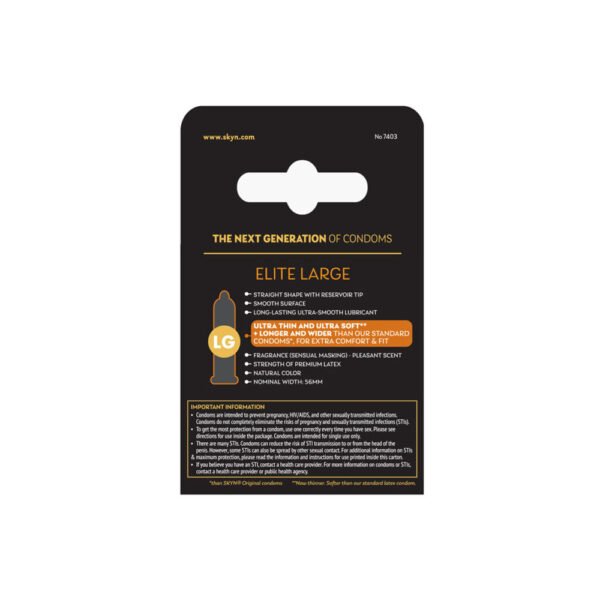
| Skyn Elite Large Non-Latex Condoms | Polyisoprene (SKYNFEEL), 15% thinner than Skyn Original | Large | Silky smooth lubricant | 1008 (bulk) |
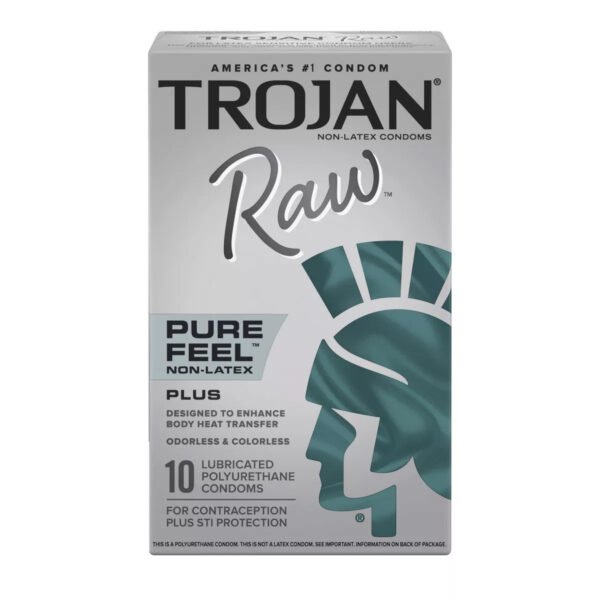
| Trojan Raw Non-Latex Condoms 10 Pack | Medical-grade polyurethane | Standard (tapered base) | Silky smooth; oil-based lube compatible | 10 |
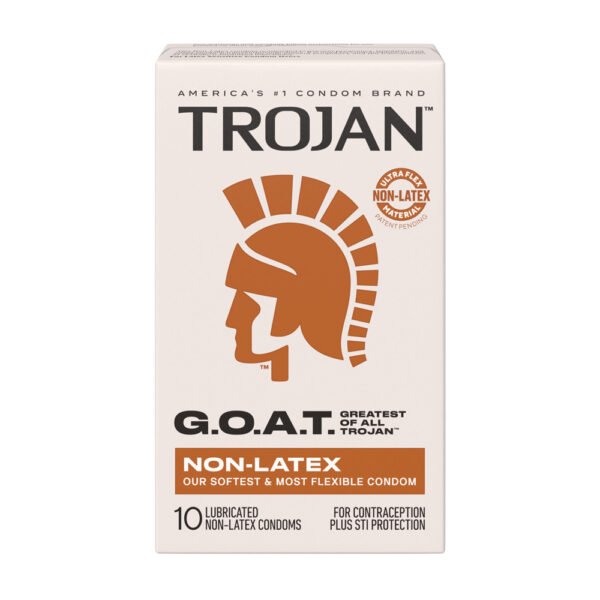
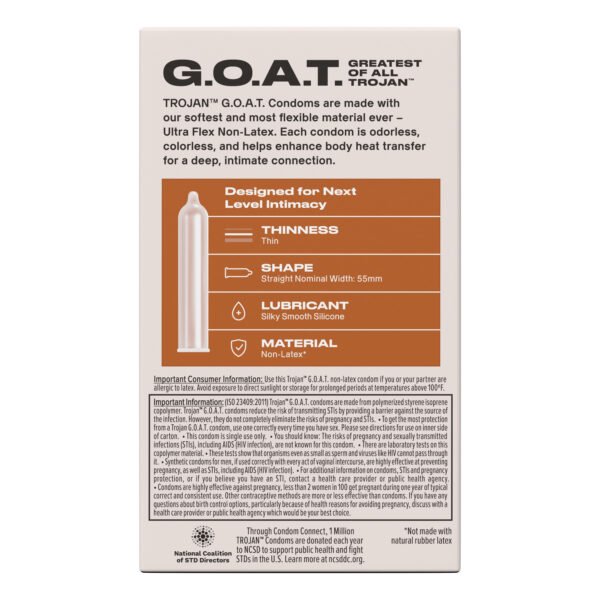
| Trojan G.O.A.T. Non-Latex Condoms 10 Pack | Ultra Flex Non-Latex (proprietary) | Standard (straight-walled) | Silicone lubricant | 10 |
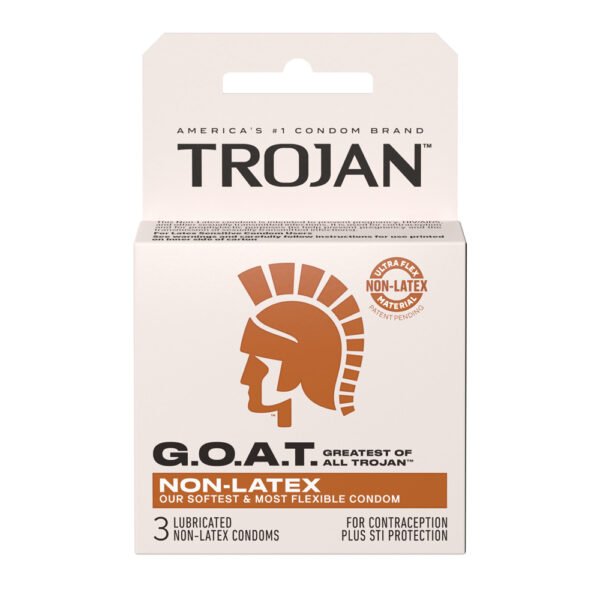
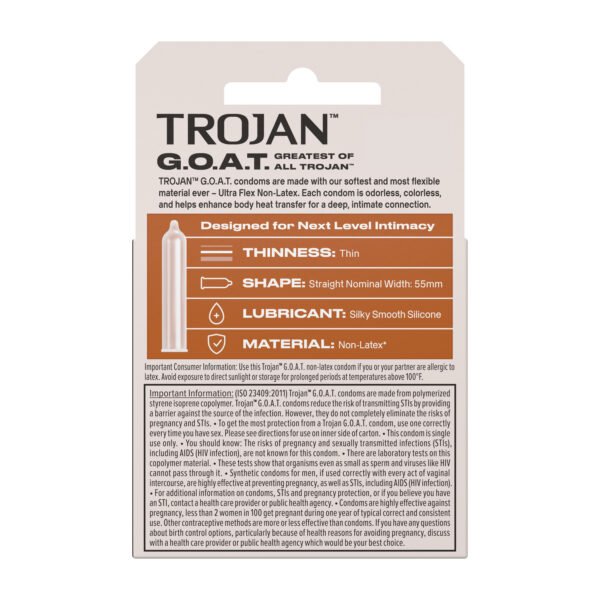
| Trojan G.O.A.T. Non-Latex Condoms 3 Pack | Ultra Flex Non-Latex (proprietary) | Standard (straight-walled) | Silicone lubricant | 3 |
| Lifestyles Skyn Non-Latex Condoms Bulk | Polyisoprene (SKYNFEEL) | Standard | Lubricated | 1008 (bulk) |
For the full selection, explore our Condoms.
These non-latex condom picks are organized by the situations that actually drive the decision: sensitivity, fit, and everyday volume.
Open the wrapper carefully, without teeth or scissors, and leave a small space at the tip before rolling the condom down. Use enough lubricant to reduce friction throughout, and add more if needed during use. Pairing your condom with a compatible lubricant matters: polyisoprene condoms work with water-based and silicone-based formulas, while polyurethane condoms are the one type that holds up with oil-based lubes as well.
Store non-latex condoms away from heat, direct sunlight, and sharp objects, including wallet edges and keys, which can weaken the material before you even open the pack. Always check the expiry date before use; an expired condom is less reliable regardless of how it looks. If you notice any irritation after use that does not settle quickly, it is worth speaking with a healthcare provider to rule out a sensitivity to the lubricant or another ingredient.
Lambskin condoms, also called natural membrane condoms, do not protect against STIs. The material comes from the intestinal lining of sheep and contains small natural pores that are large enough for viruses, including HIV and the herpes simplex virus, to pass through. Those pores do not affect sperm, which is why lambskin condoms can prevent pregnancy but cannot reliably block STI transmission. They are appropriate only for people in mutually monogamous relationships where both partners have confirmed STI-negative status and pregnancy prevention is the sole goal. If STI protection matters at all in your situation, polyisoprene or polyurethane is the right material. Lambskin is a niche choice, not a general alternative to synthetic non-latex options.
Lubricant compatibility with non-latex condoms depends on the specific material. Water-based and silicone-based lubricants are safe with all non-latex condom types, including polyisoprene. Oil-based lubricants are a different story: they degrade polyisoprene the same way they degrade latex, weakening the material and increasing the chance of breakage. Polyurethane is the only non-latex condom material that holds up with oil-based formulas, so if you use an oil-based lube regularly, polyurethane is the material to look for. When in doubt, a water-based lubricant is the safest pairing across the board. Check the lube you already have before opening a new pack of condoms, not after.
Latex allergy symptoms during intimacy can be easy to mistake for other kinds of irritation. Common signs include itching, redness, swelling, or a rash in the areas that contacted the condom, usually appearing within minutes to an hour of use. Some people notice a mild burning sensation or general discomfort that clears up on its own but returns every time a standard latex condom is used. That pattern, recurring irritation specifically tied to condom use, is a reasonable signal to try a non-latex alternative before assuming another cause. A confirmed latex allergy should be evaluated by a healthcare provider, but switching to a polyisoprene or polyurethane condom is a sensible first step. If the irritation disappears, the material was likely the issue. If it continues, the lubricant or another ingredient may be worth looking at instead.
Non-latex condoms are generally odorless or very close to it. Polyisoprene and polyurethane do not carry the rubber smell that some people find off-putting with standard latex condoms. The lubricant used on the condom may have a faint scent of its own, so if you are sensitive to fragrance, it is worth checking the product description before buying.
True allergies to polyisoprene or polyurethane are rare, but some people do react to the lubricant, spermicide, or other additives on the condom rather than the material itself. If you notice irritation after switching to a non-latex option, the condom material is often not the culprit. Trying an unlubricated version or a brand with a simpler ingredient list can help you narrow down the cause, and a healthcare provider can confirm a specific sensitivity if the issue continues.
Non-latex condoms are commonly used over dildos and other insertable toys to make cleanup easier and to add a layer of protection when sharing. Polyisoprene and polyurethane are both compatible with water-based and silicone-based lubricants, which covers most toy-safe formulas. The same compatibility rules that apply to partnered use apply here: check that your lubricant suits the condom material before use.
The condom material itself is colorless and unlikely to stain. The lubricant coating is a more likely culprit, particularly silicone-based formulas, which can leave a faint residue on some fabrics. Most marks wash out with a standard warm-water cycle, but if you use a lot of additional lubricant, a towel or a dark sheet is a simple precaution.
Non-latex condoms can be used during oral sex as a barrier, and their lack of rubber smell or taste makes them a more comfortable choice than standard latex for many people. They are not specifically designed or flavored for oral use, so if that is the main purpose, flavored condoms are worth considering alongside them. Either way, a condom used as a barrier during oral contact should be used as directed and not reused.
Yes. Non-latex condoms sold in the United States are regulated as medical devices by the FDA, the same as latex condoms. That means they go through testing and quality standards before reaching shelves. Buying from a reputable retailer and checking that the packaging is intact and undamaged is the simplest way to confirm you are getting a product that meets those standards.
At Claim Night, all orders ship in plain, unmarked packaging with no indication of the contents on the outside. Your billing statement will show a neutral charge under “XR. LLC,” not a store name or product description. Your personal data is never sold. Discretion is built into every order by default, with no extra steps required on your end.
Absolutely. Non-latex condoms are not only for people with allergies; plenty of people choose them simply because they prefer the feel, the lack of odor, or the lubricant compatibility. There is no requirement to have a diagnosed sensitivity to use them for everyday protection. They work the same way as any external condom and are a completely ordinary choice for anyone who finds them more comfortable.

Helpful guides, product tips, and simple explanations to help you find what feels right.
No account yet?
Create an Account