


Article
Beginner Butt Plug Guide: What a Butt Plug Is, How It Works, and How to Use One Safely04/03/2026

Deals
Bestsellers


+38
Most-Loved Picks
Customer favorites for comfort, care, and everyday pleasure
Shop BestsellersSale · up to 40% off

+888
Soft Savings
Limited-time offers on body-safe essentials and feel-good favorites
View SaleSeasonal edit


+265
Seasonal Comfort Edit
Curated picks for holidays, date nights, gifting, and cozy nights in
Explore the EditFeatured
 Discreet Packaging
  Secure Checkout
  Body-Safe Materials
 Female condoms, also called internal condoms, are soft pouches worn inside the body with a flexible inner ring that holds them in place and an outer ring that rests against the exterior. The two things that actually matter when choosing one are material and lubrication. Nitrile is the most widely available option; polyurethane is thinner and transmits heat more readily. Both are latex-free.
Most internal condoms come pre-lubricated, but you can add more. Unlike external latex condoms, oil-based lubricants are safe to use with nitrile and polyurethane. Always check the expiry date and use as directed.
The most straightforward difference is who puts it on. An external condom is worn on a penis; a female condom, or internal condom, is worn inside the vagina or anus by the receiving partner. That shift in who handles the barrier is the whole point for many people. Protection you place yourself does not depend on your partner being willing, prepared, or able to do it.
Material is another real distinction. Most external condoms are latex. Internal condoms are nitrile or polyurethane, both latex-free, which matters if either partner has a latex sensitivity. Latex also reacts badly with oil-based products, so external condom users are limited to water-based or silicone-based formulas. Internal condoms carry no such restriction.
Coverage works differently too. An internal condom lines the walls of the vagina and has an outer ring that sits against the external genitalia, covering a broader surface area than a condom worn on a penis typically does. Some people find that difference meaningful for STI protection; others simply notice a different sensation during use. Neither option is universally more comfortable, and that comes down to the individual.
Timing is where internal condoms have a clear practical edge. An external condom goes on at the moment of penetration. An internal condom can be placed well before things get started, so there is no pause required. For anyone who finds that interruption a barrier in itself, that alone can make internal condoms the more workable choice. If you are also exploring lubricants to use alongside either type, the compatibility rules above are worth keeping in mind when you shop.
The right internal condom comes down to a few practical factors: material, lubrication, and how you plan to use it. Getting those three things right makes a noticeable difference in comfort and confidence.
Most people narrow their choice quickly once they know what to look for. These are the criteria worth thinking through before you add to cart.
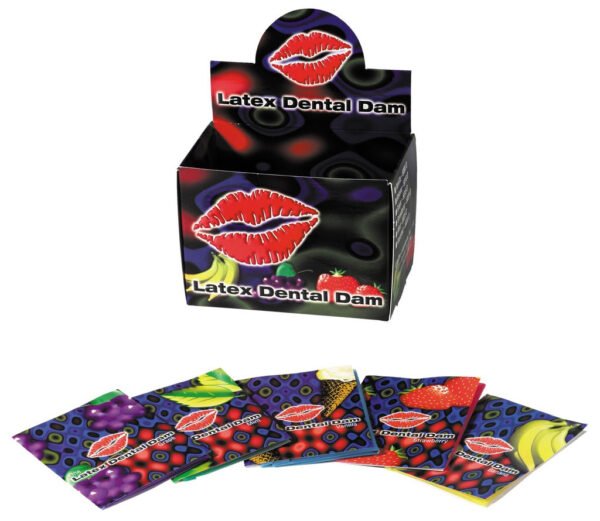
Only one product in our current shortlist falls into the broader barrier category, and it is a dental dam rather than an internal condom, so a side-by-side comparison table would not give you useful data here. If you are weighing internal condoms against other barrier options, the most meaningful comparison is material and coverage area: internal condoms line the full vaginal wall and cover external genitalia, while non-latex external condoms are worn on a penis and cover less surface area. For most people choosing an internal condom, the deciding factor is simply whether they want nitrile or polyurethane, and which pack size fits their routine.
For the full selection, explore our Condoms.
Getting comfortable with an internal condom takes one or two tries for most people. The inner ring compresses for insertion, then springs open to hold the pouch in place, and the outer ring stays outside the body throughout. You can insert it well ahead of time, which removes any pressure to pause. Use as directed on the packaging, and make sure the pouch is not twisted before you begin.
Store internal condoms at room temperature, away from direct sunlight, sharp objects, and wallets or bags where friction can wear down the packaging over time. Always check the expiry date before use, and discard any condom whose wrapper is torn, brittle, or shows signs of damage. Internal condoms are single-use only; do not wash or reuse them. If you are adding extra lubricant, any formula works with nitrile and polyurethane, though the packaging will confirm compatibility for the specific product you have.
Internal condoms are FDA-cleared for vaginal use, and that is the use case the clearance covers. For anal sex, the insertion technique needs some adjustment: the inner ring, which anchors the pouch inside the vagina, is typically removed before anal use since there is no cervix to hold it in place. The outer ring still sits at the opening to provide surface coverage. Because the anatomy is different, the pouch can shift more easily, so checking that it stays in position matters more here than in vaginal use. Many people do use internal condoms for anal protection, and they remain a latex-free barrier option worth knowing about; just follow the specific guidance on the packaging and use as directed.
Every internal condom on the market is made from nitrile or polyurethane, which means latex is not part of this category at all, not as a material, not as a coating. For anyone who experiences redness, itching, or swelling with standard external condoms, switching to an internal condom removes latex from the equation entirely without requiring a special search or a filtered product list. It is worth distinguishing a true latex allergy from general irritation, since fragrance, spermicide, or an incompatible lubricant can cause similar symptoms in people who tolerate latex fine. If irritation persists after switching materials, checking the lubricant and any other products in contact with the skin is a reasonable next step. A healthcare provider can help confirm whether a latex allergy is actually involved. For non-latex condoms more broadly, this category is a reliable starting point.
An internal condom can be inserted up to eight hours before sex, which is one of the more practical things about this barrier method. That window means protection does not have to be tied to a specific moment, and nothing needs to pause or interrupt once things are underway. Inserting ahead of time also gives you a chance to get comfortable with the fit without any time pressure, which is especially useful the first few times. The pouch stays in place on its own once the inner ring is seated correctly, so there is no need to check or adjust repeatedly. The main thing to confirm before you begin is that the pouch is not twisted, and that the outer ring is sitting flat against the body. After that, it is simply there when you need it.
Using an internal condom and an external condom simultaneously is not recommended. The friction between the two can cause either one to slip, bunch, or tear, which reduces rather than improves protection. Choosing one barrier method and using it correctly as directed is the more reliable approach.
Most people find the outer ring easy to ignore once they have tried it once or twice. It rests flat against the external genitalia and is soft enough that many partners do not notice it at all. First-time users often find that a short practice insertion before the occasion itself makes the experience feel much more natural.
Some people notice a rustling sound, particularly if the condom is on the drier side. Adding a small amount of lubricant inside the pouch before insertion typically resolves it. The pre-lubrication on most internal condoms helps too, and the sound tends to disappear once things are underway.
Internal condoms are a barrier method, and there is no general contraindication to using them during pregnancy for STI protection. That said, any specific health questions during pregnancy are best directed to a healthcare provider who knows your situation. Use as directed on the packaging, and check the expiry date as you would at any other time.
Each internal condom arrives individually wrapped in a sealed foil or plastic packet, similar to an external condom. Orders from Claim Night ship in plain, unmarked packaging with no indication of the contents on the outside, and your statement will show a neutral “XR. LLC” rather than any store name.
An internal condom lines the vaginal walls and is designed for use during penetration, so introducing a toy at the same time is not a standard use case and could displace the pouch. If barrier protection alongside toy use is a priority, a separate barrier approach is worth discussing with a sexual health provider. For partnered play without penetration, other barrier options such as dental dams may be more practical.
Most internal condoms have a faint clinical or neutral scent from the manufacturing process and the pre-applied silicone-based lubricant, but it is generally mild and not noticeable once in use. They are not flavored, so oral contact with the outer ring may carry a slight lube taste. If that is a concern, wiping the outer ring and adding an unflavored water-based lubricant externally is a simple fix.
The pouch itself sits inside the body, so clothing contact is not a concern once it is inserted. The outer ring rests against the skin externally, and normal underwear or clothing will not compromise it. The main things to avoid are sharp objects and excessive heat, both of which are more relevant to storage before insertion than to wearing the condom once it is in place.

Helpful guides, product tips, and simple explanations to help you find what feels right.
No account yet?
Create an Account