


Article
Beginner Butt Plug Guide: What a Butt Plug Is, How It Works, and How to Use One Safely05/20/2026

Deals
Bestsellers
+39
Most-Loved Picks
Customer favorites for comfort, care, and everyday pleasure
Shop BestsellersSale · up to 40% off

+895
Soft Savings
Limited-time offers on body-safe essentials and feel-good favorites
View SaleSeasonal edit


+268
Seasonal Comfort Edit
Curated picks for holidays, date nights, gifting, and cozy nights in
Explore the EditFeatured
 Discreet Packaging
  Secure Checkout
  Body-Safe Materials
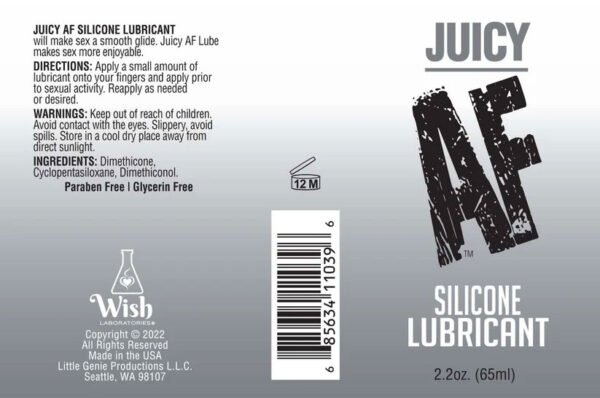
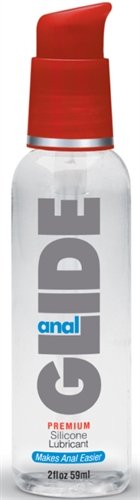
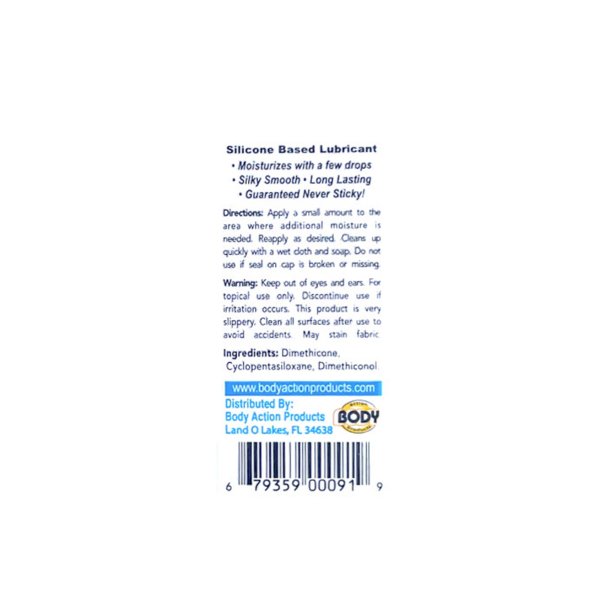
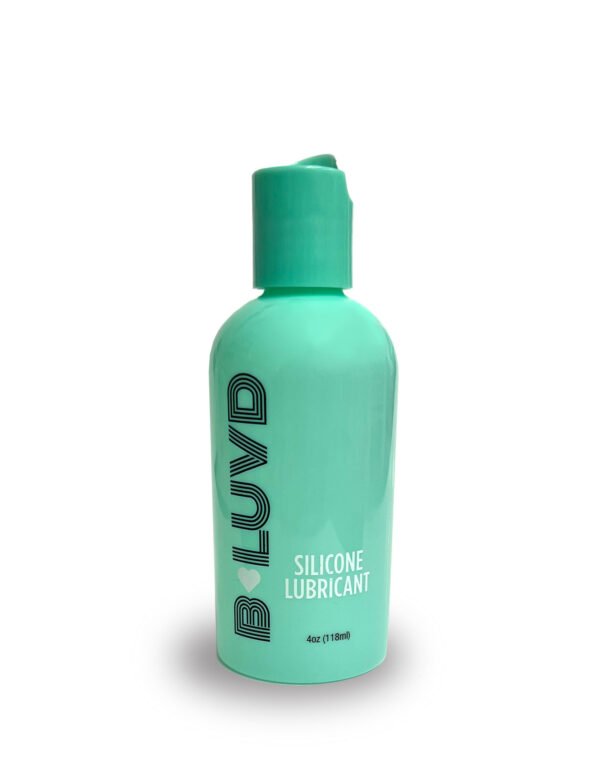
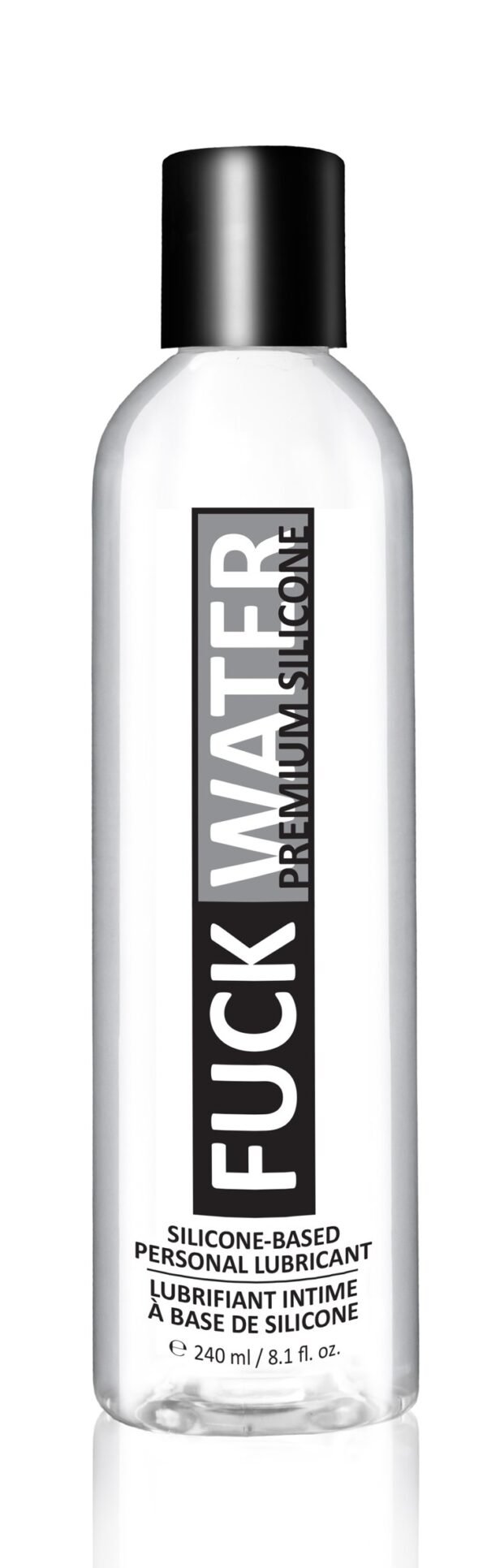
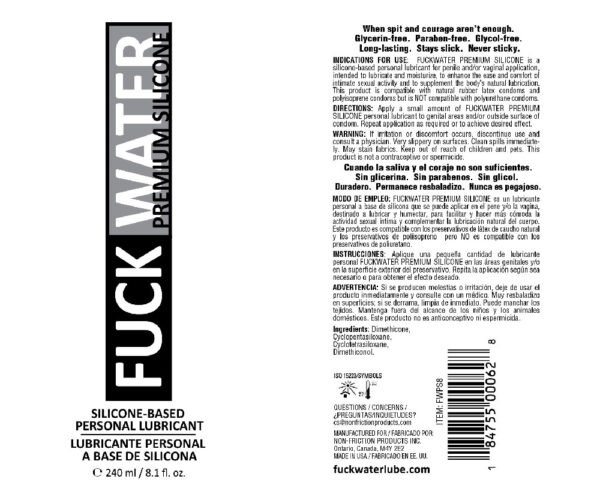
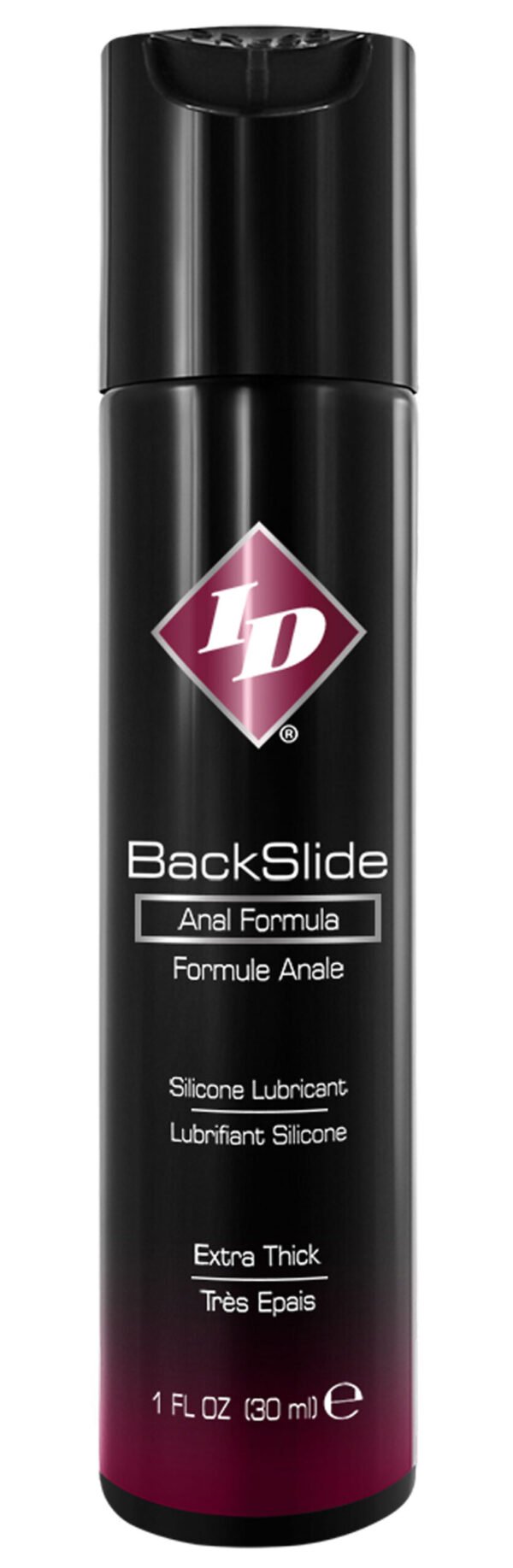
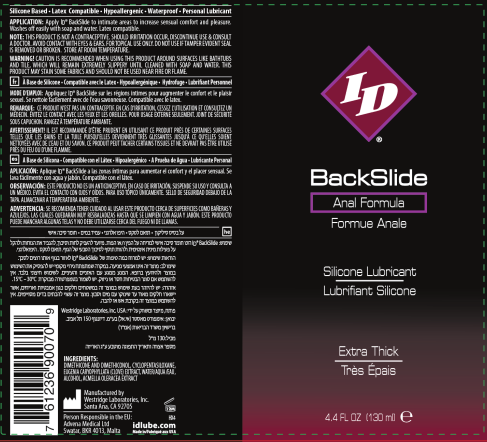
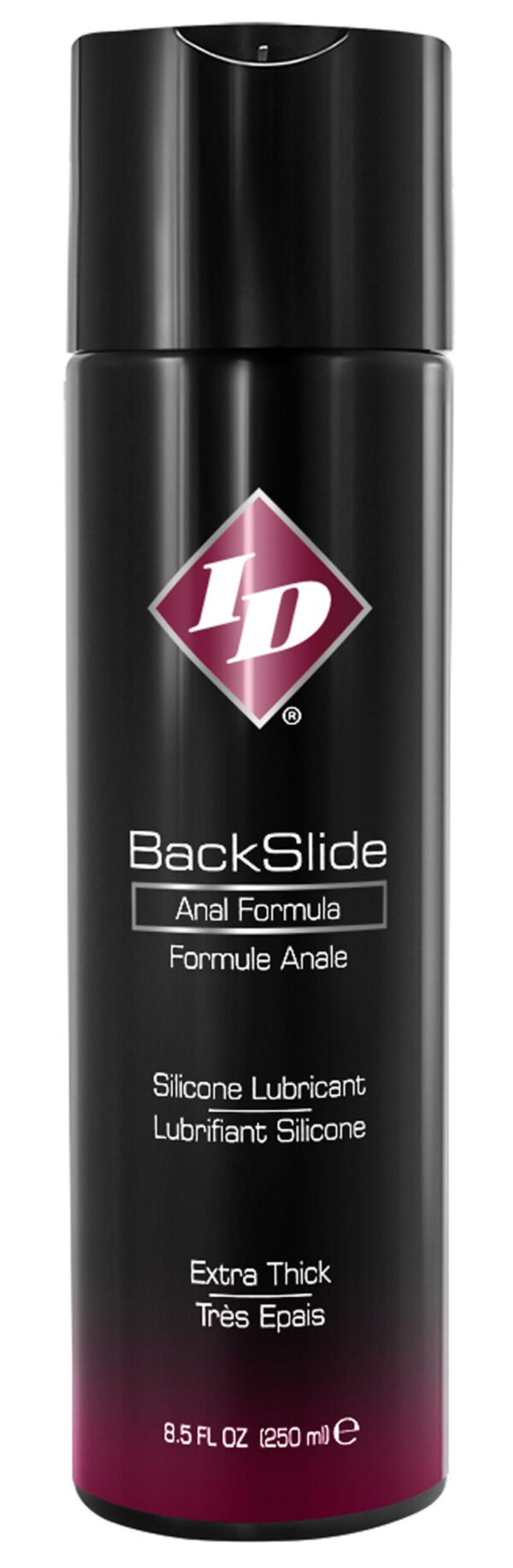
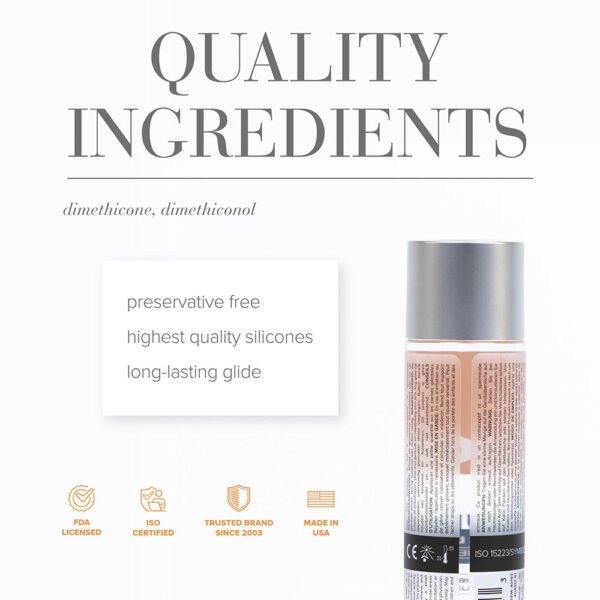
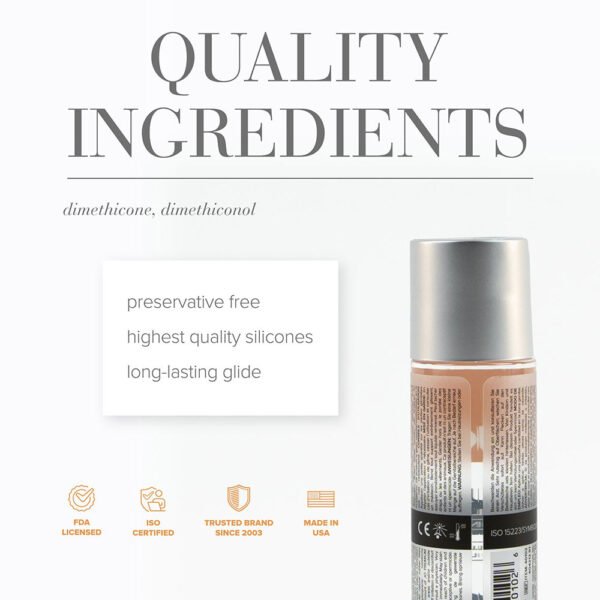
 Silicone-based lubricants are built around inert silicone polymers, most commonly dimethicone and dimethiconol, that do not break down with friction or wash away in water. What separates a good one from a forgettable one comes down to two things: ingredient simplicity and viscosity. A shorter ingredient list means fewer variables for sensitive skin; viscosity determines whether you want a lightweight, skin-like slip or a thicker formula better suited to anal play.
Toy compatibility is the other real decision point. Most silicone lubes are not safe with silicone toys, though a handful of formulas are verified exceptions. Check that before you buy.
The choice between a silicone-based lubricant and a water-based lube comes down to three practical questions: how long do you need it to last, what toys are you using, and where are you using it? Neither base type is universally better. They just solve different problems.
Silicone lubes hold their glide through extended use without needing a refresh. The formula does not evaporate or thin out the way a water-based one does, so longer sessions and anal play tend to go more smoothly with silicone. Water-based formulas feel lighter and closer to the body’s own texture, which many people prefer for everyday partnered or solo use. They do require reapplication more often, especially if things run long.
Silicone stays slick in the shower or bath because it does not mix with water. A water-based formula breaks down quickly when wet, so it is not the right call for water play. The trade-off is cleanup: water-based rinses off easily with water alone, while silicone needs soap. On toys, the situation reverses entirely. Water-based lube is the safe choice with silicone toys; silicone lube can degrade silicone toy surfaces over time. Glass, metal, and ABS plastic toys work fine with either.
Reach for silicone when you want something that lasts, holds up in water, or provides sustained glide for anal play. Reach for water-based when you are using silicone toys, want something that rinses clean without effort, or prefer a lighter, more familiar feel. Some people keep both around for different occasions, which is a perfectly reasonable approach.
The best silicone-based lubricant for you depends on a few practical details: what you’re using it with, how long you need it to last, and whether your skin has any sensitivities. Getting those right matters more than brand or price.
A few things are worth thinking through before you pick a formula. Viscosity and ingredient count tend to be the deciding factors for most people, but toy compatibility and condom type can make or break the choice.
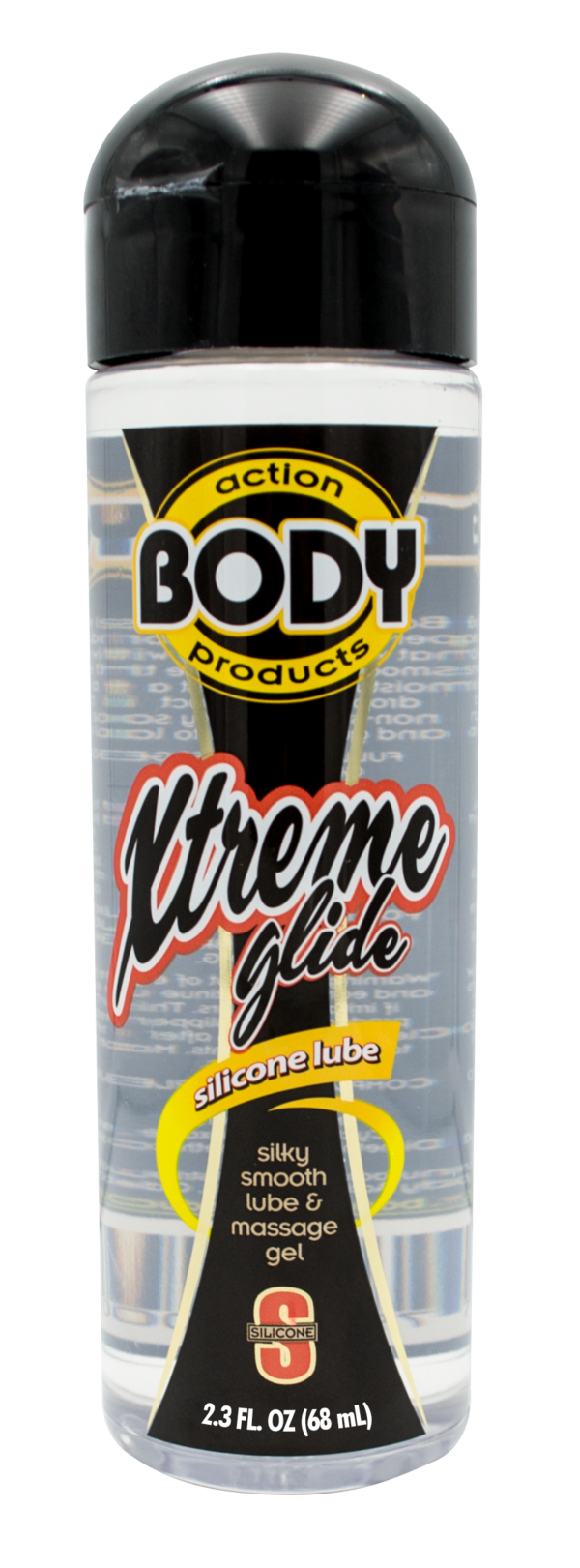
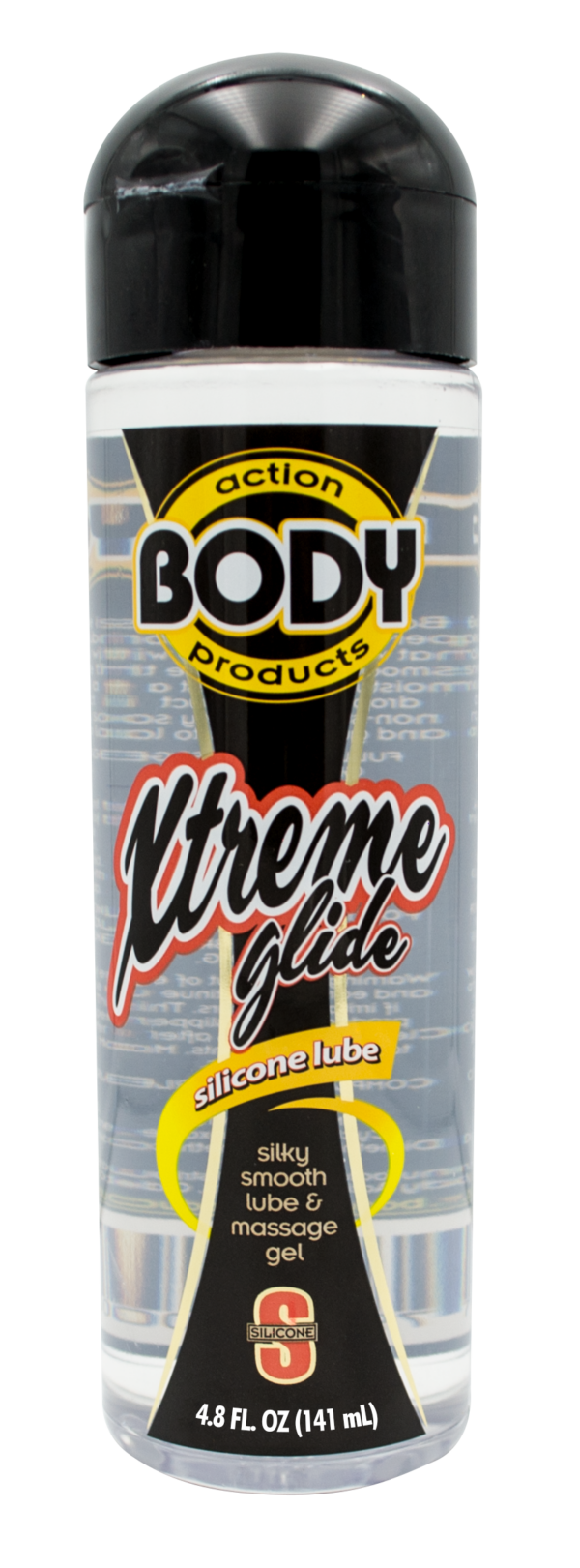
The table below compares a selection of silicone-based lubricants across the specs that matter most for choosing: base ingredients, volume, condom compatibility, and notable formula details.
| Product | Volume | Key Ingredients | Condom Compatible | Notable Formula Detail |
|---|---|---|---|---|
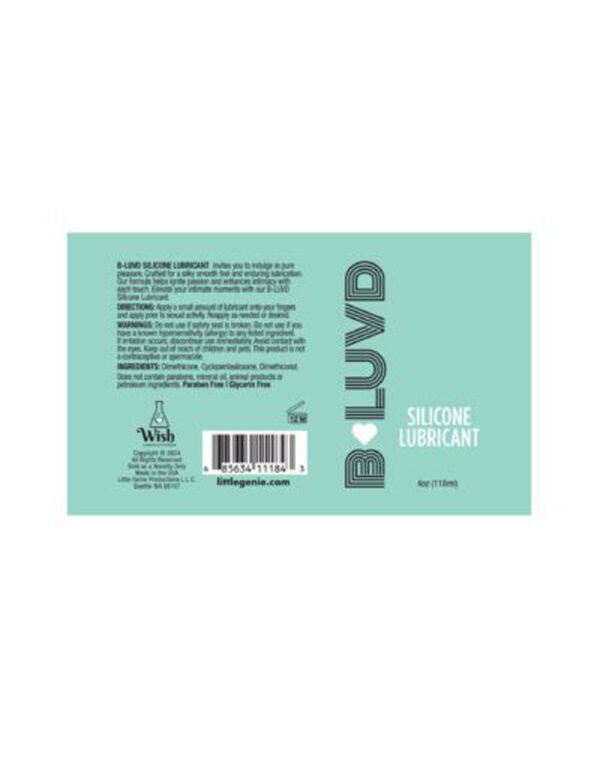
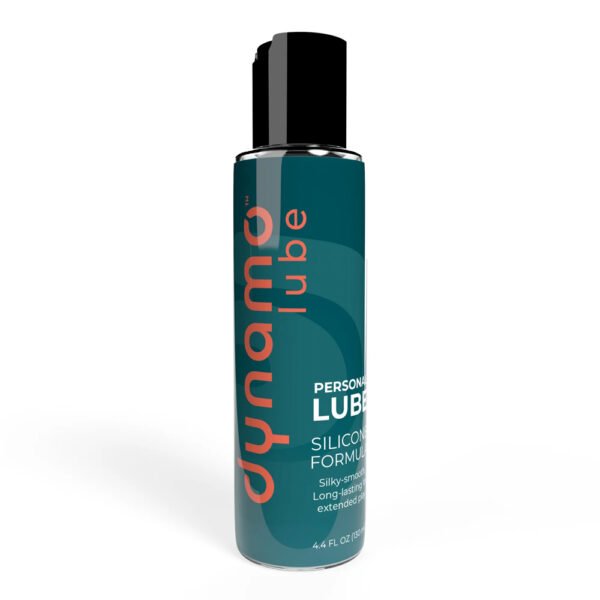
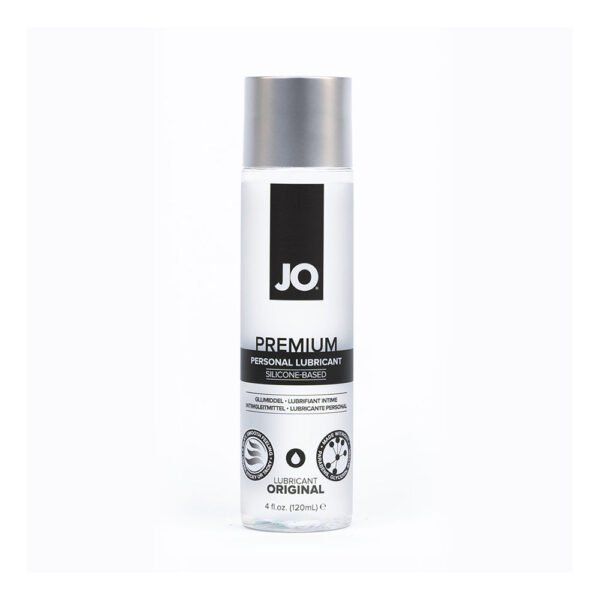
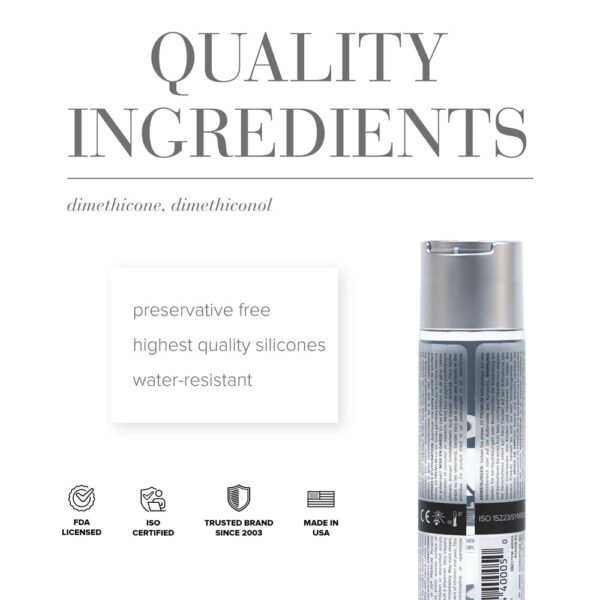
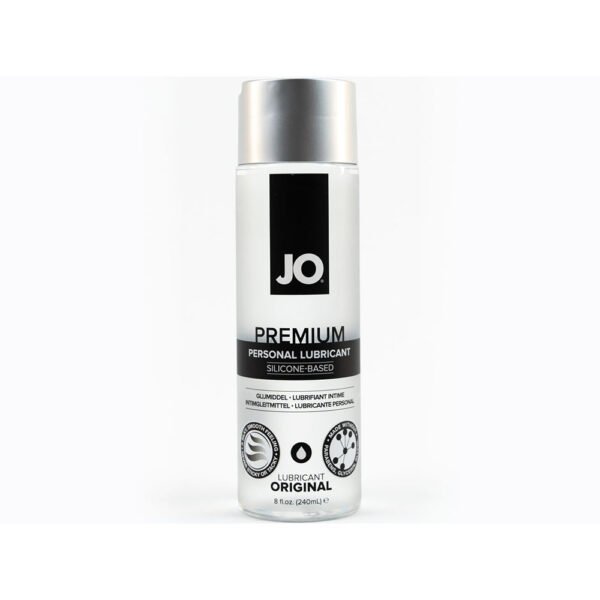
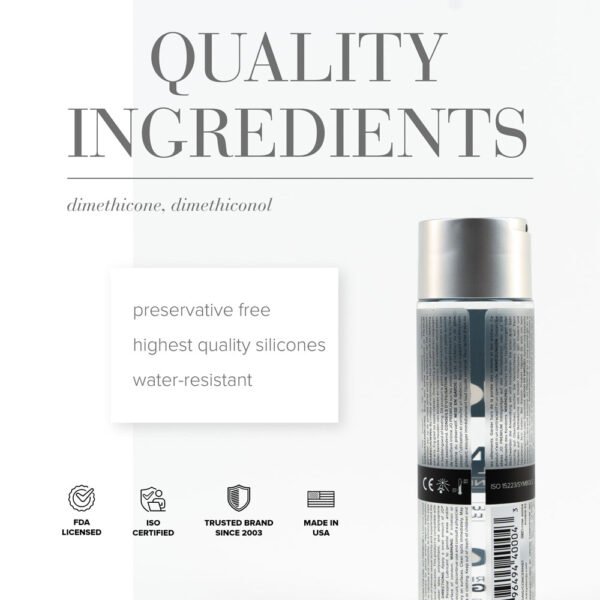
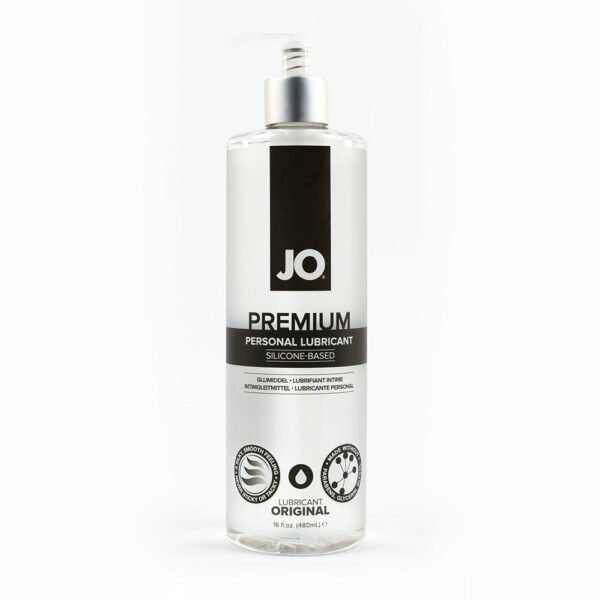
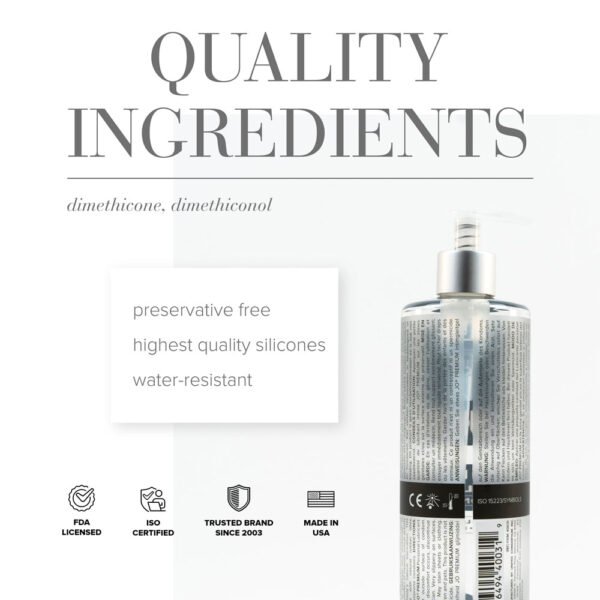
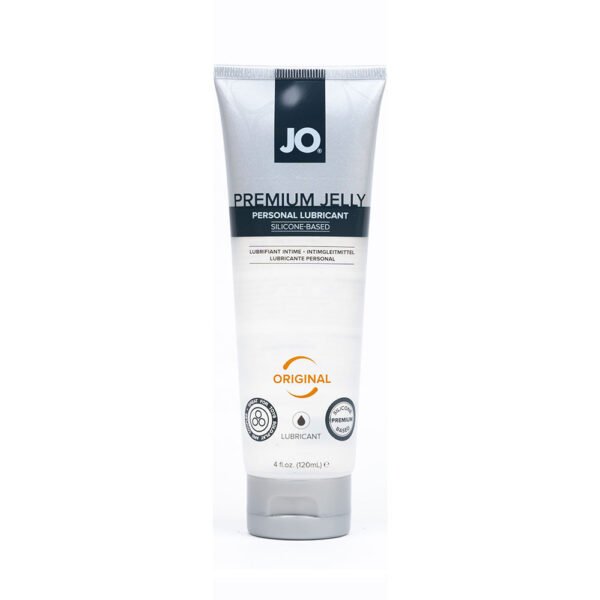
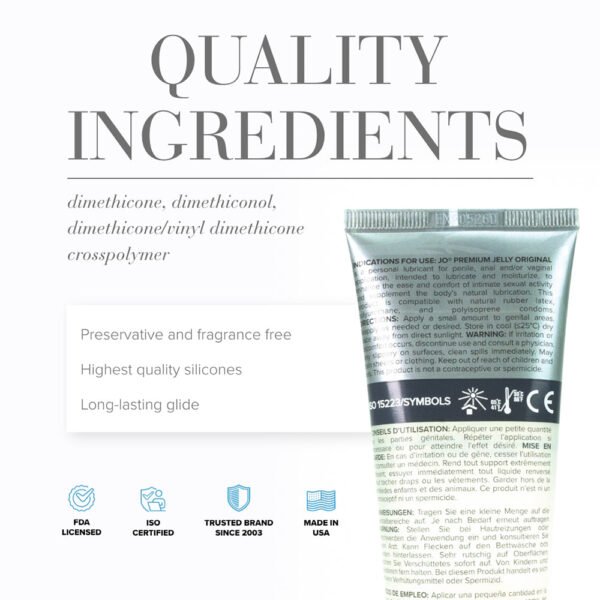
| JO Premium Silicone-Based Personal Lubricant | 4.5 fl oz | Dimethicone, dimethiconol | Most condoms; not polyurethane | Glycerin-free, paraben-free, preservative-free; FDA-licensed, made in USA |
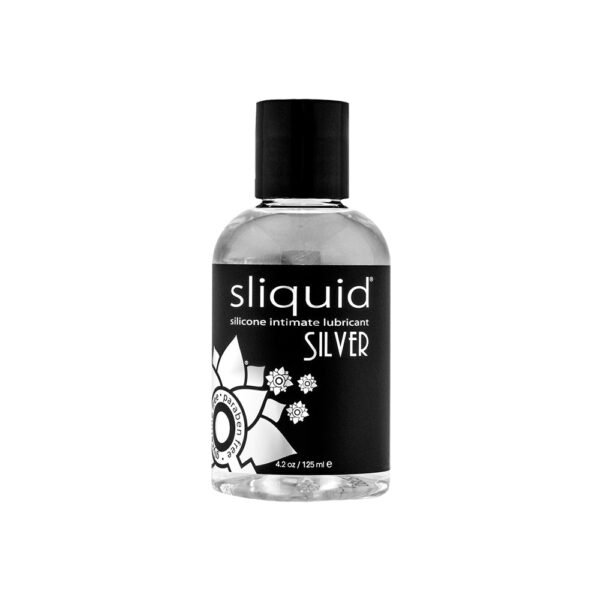
| Sliquid Silver Silicone Personal Lubricant | 4.2 fl oz | Pharmaceutical-grade silicones | Latex, rubber, plastic | Free of glycerin, glycol, parabens, PEG, sulfates; vegan, hypoallergenic |
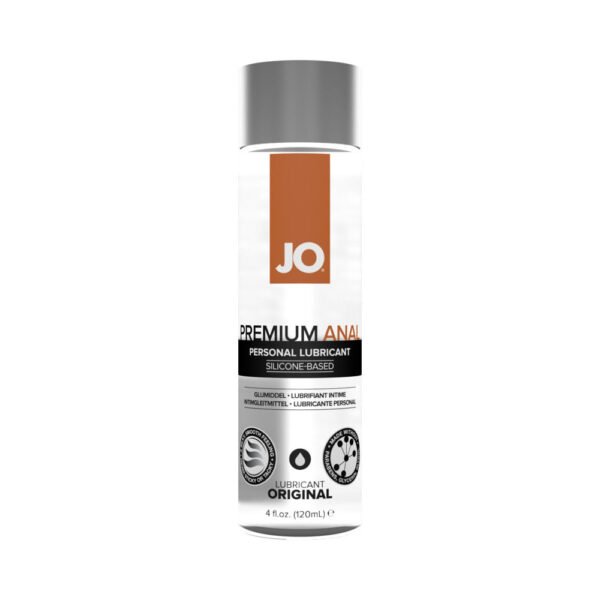
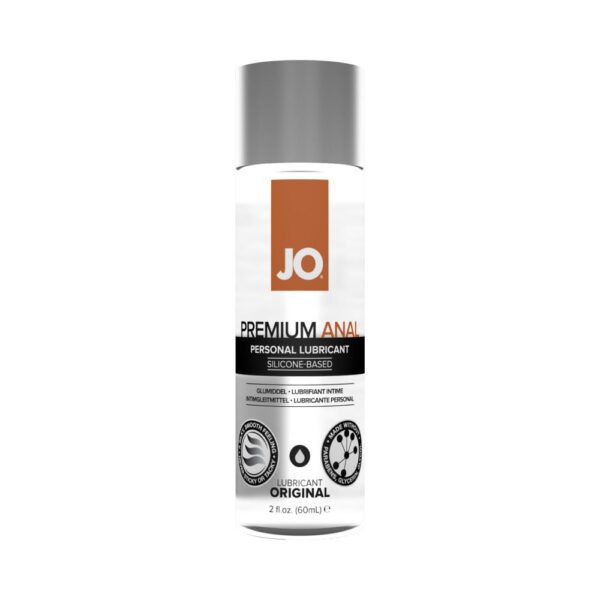
| JO Premium Anal Silicone-Based Personal Lubricant | 4.5 fl oz | Dimethicone, dimethiconol | Most condoms | Buttery smooth texture; preservative-free; FDA-licensed, ISO certified |
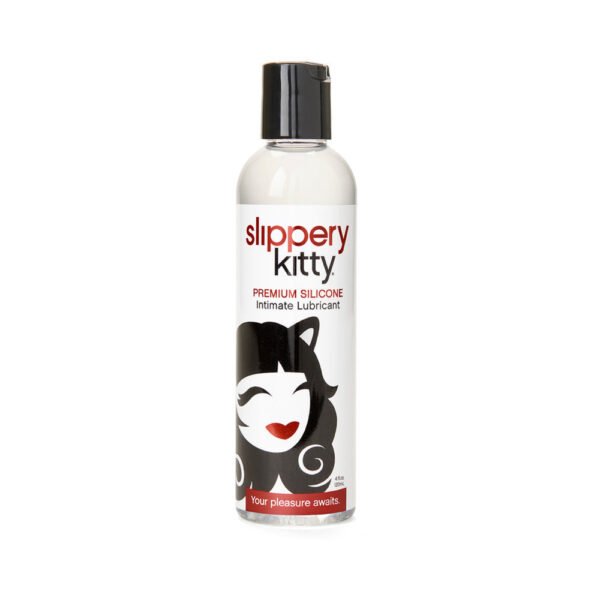
| Slippery Kitty Medical-Grade Silicone Lubricant | 4 fl oz | Medical-grade silicone | Latex; most toys | Paraben-free, glycerin-free, fragrance-free; vegan, cruelty-free, made in USA |
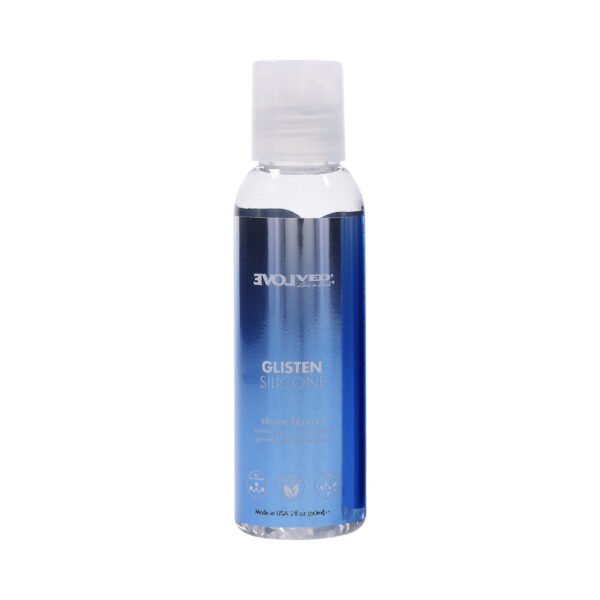
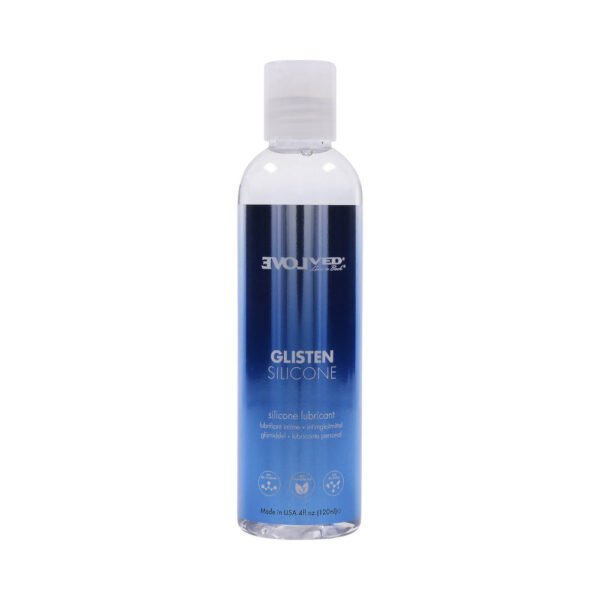
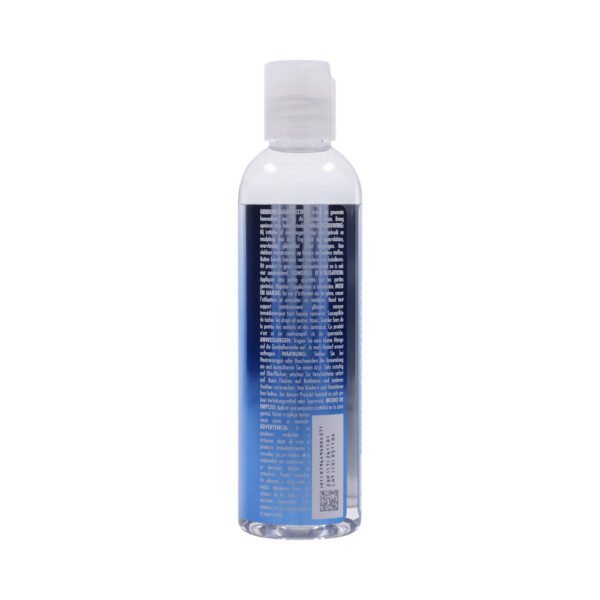
| Evolved Glisten Silicone-Based Personal Lubricant | 4 fl oz | Dimethicone, dimethiconol | Latex, polyisoprene; not polyurethane | Clear, fragrance-free; cleans with soap and warm water |
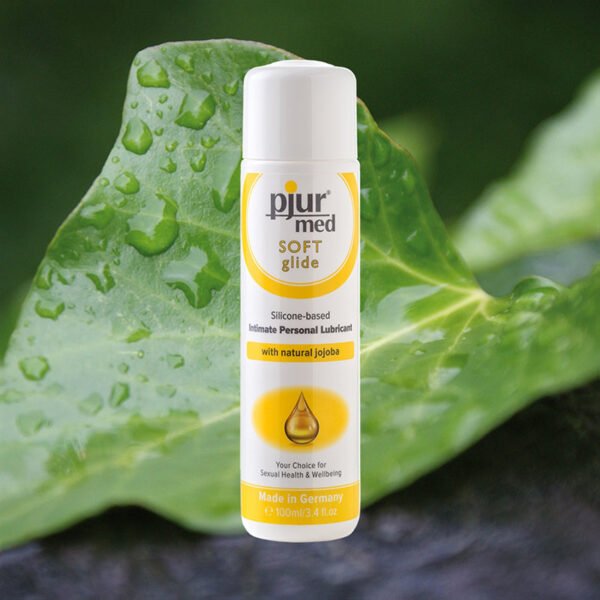
| Pjur Med Soft Glide Silicone-Based Personal Lubricant | 3.4 fl oz | Silicone base with jojoba oil | – | Concentrated formula with jojoba; formulated for very dry and sensitive tissue |
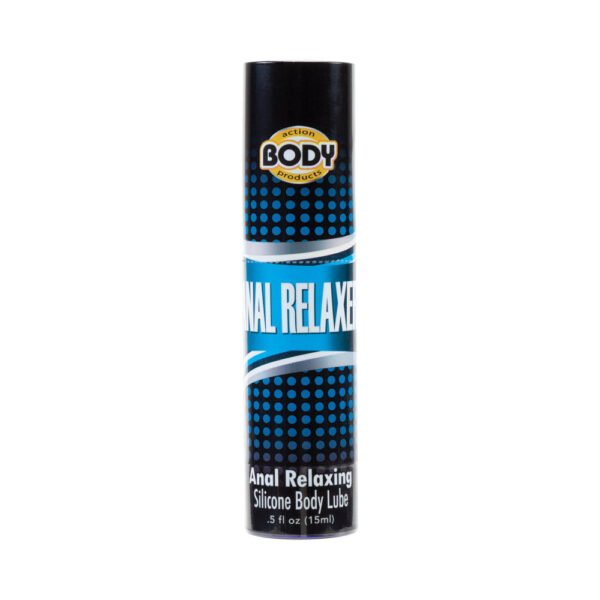
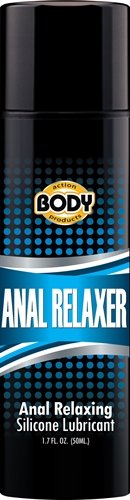
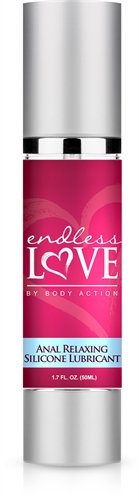
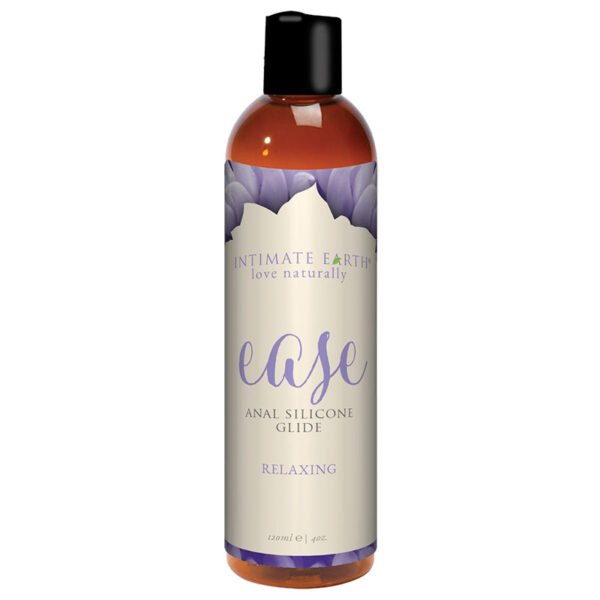
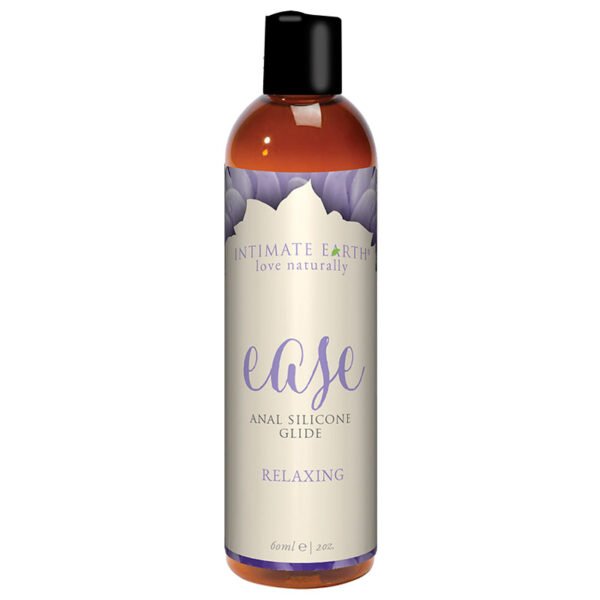
| Intimate Earth Ease Relaxing Bisabolol Anal Silicone Lubricant | 4 fl oz | Silicone base with bisabolol | – | Bisabolol from chamomile; formulated specifically for anal use |
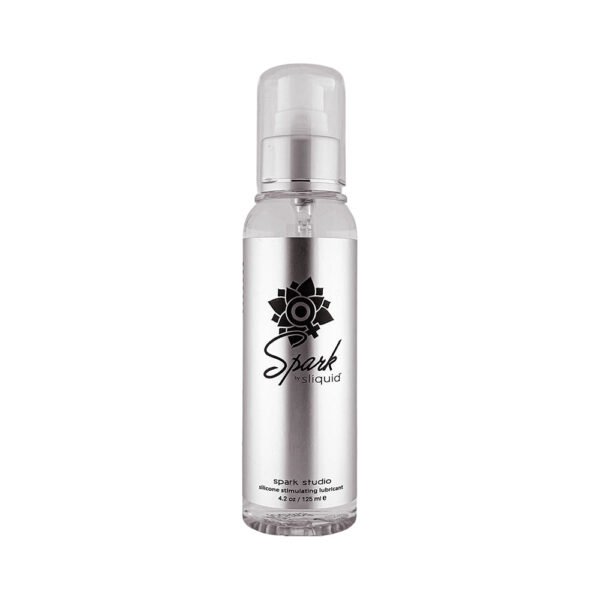
| Sliquid Studio Collection Spark Stimulating Silicone Lubricant | 4.2 fl oz | Dimethicone, dimethiconol, food-grade menthol | Latex, rubber, plastic | Cooling-to-warming sensation; glycerin-free, paraben-free, vegan, hypoallergenic |
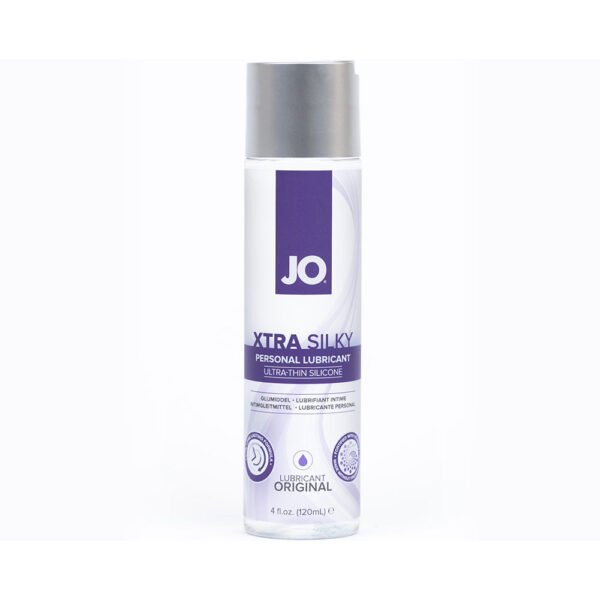
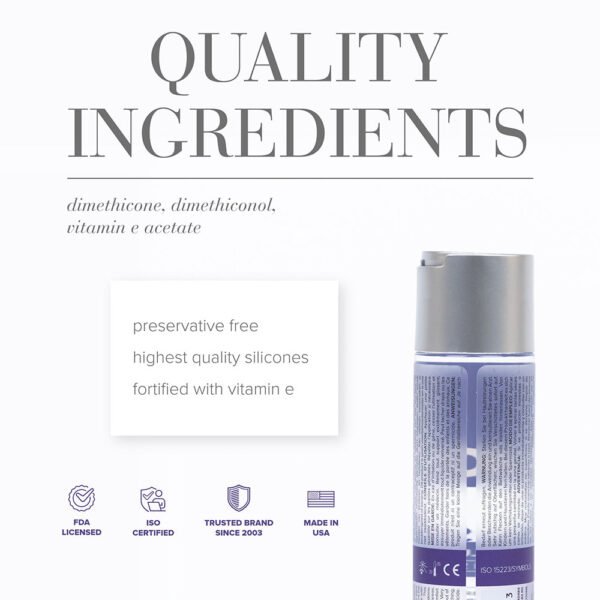
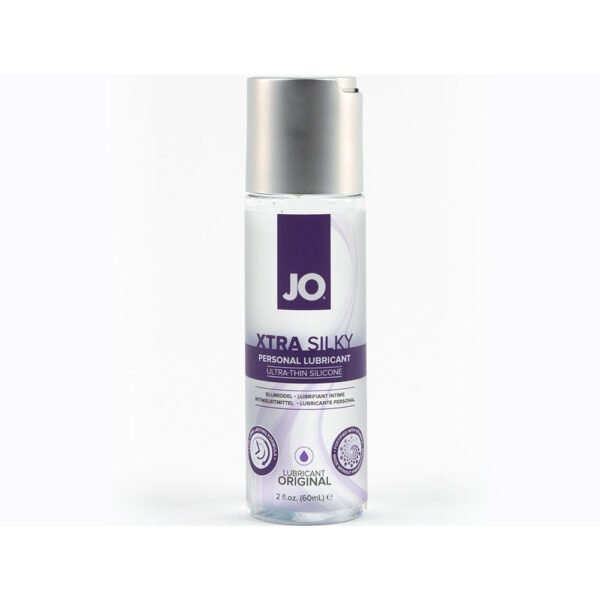
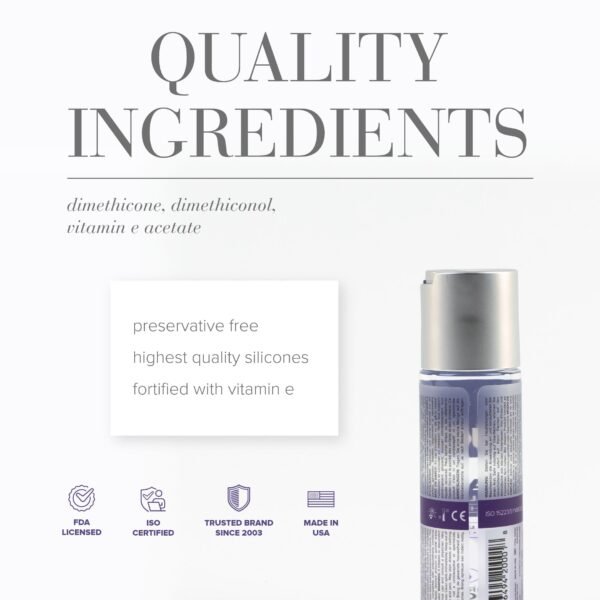
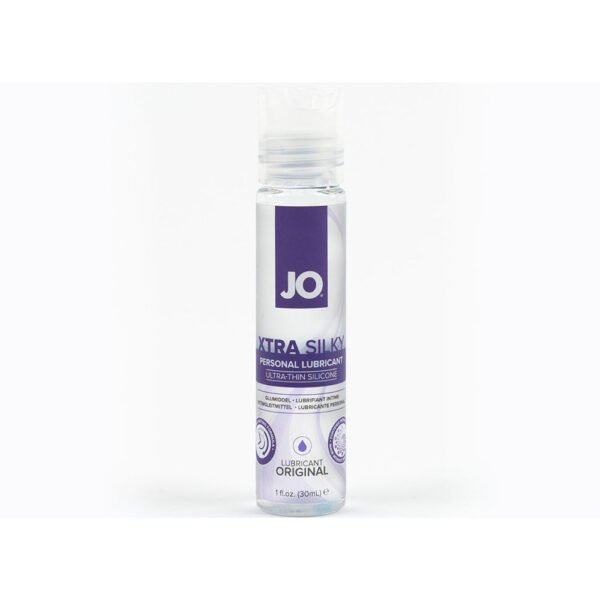
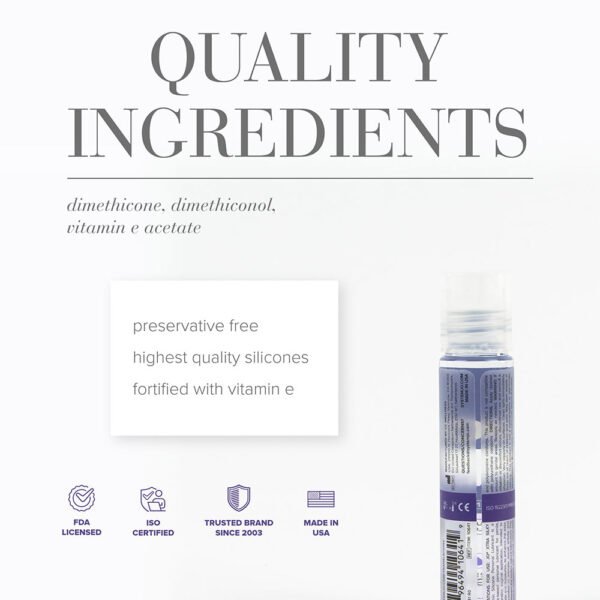
| JO Xtra Silky Silicone-Based Personal Lubricant | 4 fl oz | Dimethicone, dimethiconol, vitamin E acetate | Most condoms; not polyurethane | Thin texture with soft-touch finish; preservative-free; FDA-licensed, made in USA |
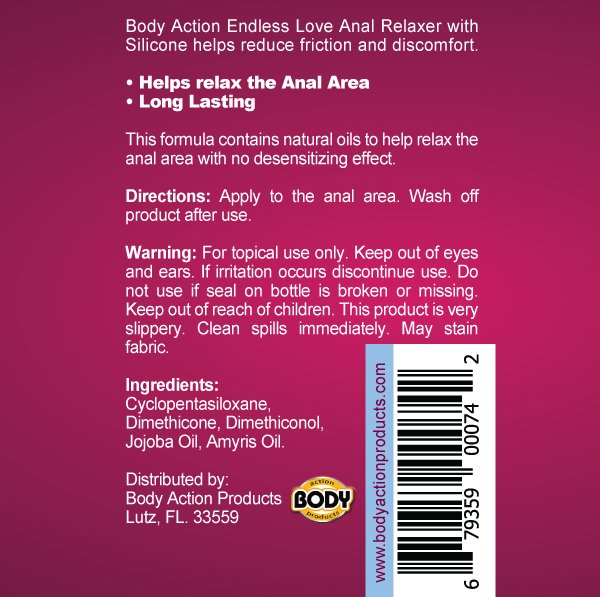
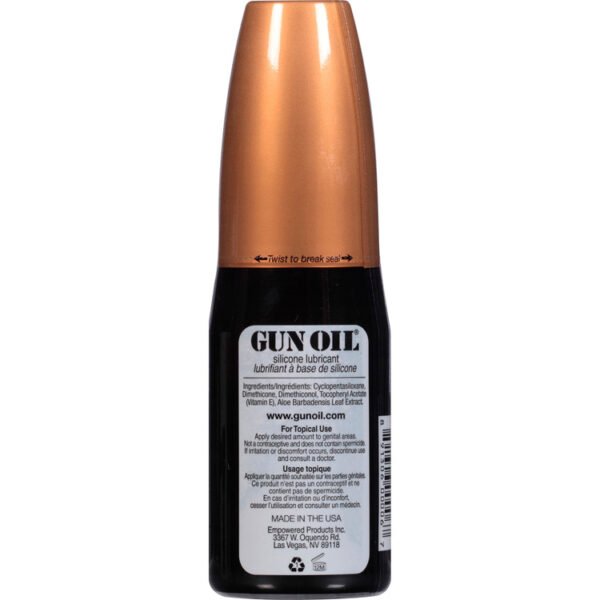
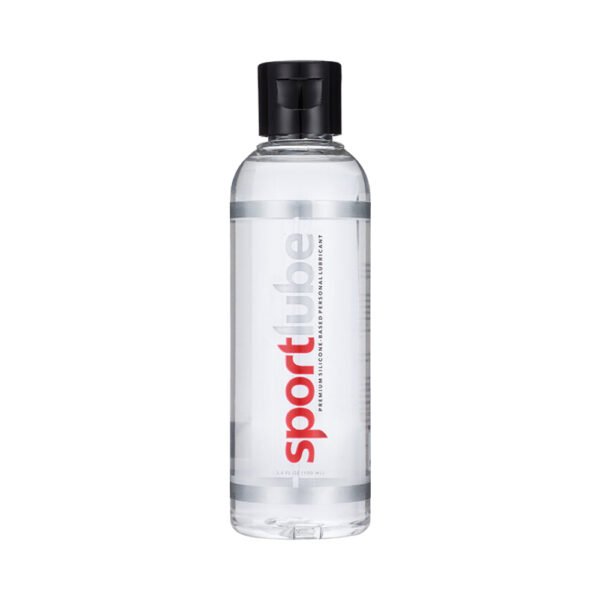
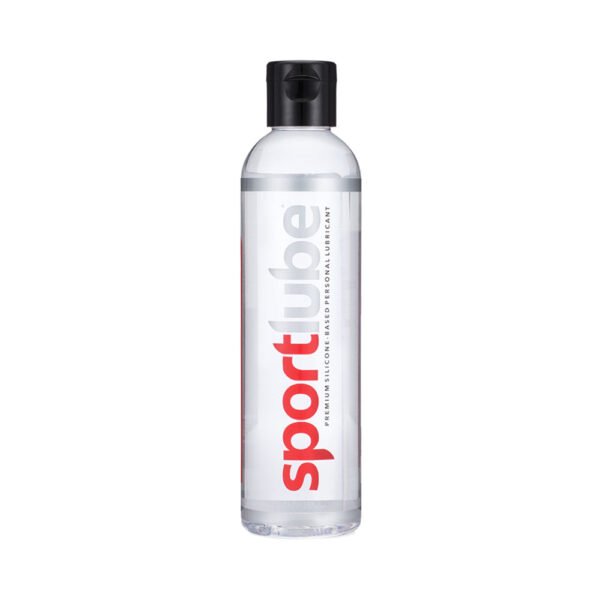
| SportLube Silicone-Based Personal Lubricant | 3.4 fl oz | Cyclopentasiloxane, dimethicone, dimethiconol | Latex | Fragrance-free, colorless; suitable for sensitive skin; waterproof |
If you’re pairing a silicone lube with safer-sex supplies, our condoms category includes latex, polyisoprene, and non-latex options so you can confirm compatibility in one place.
Silicone-based lubes are not one-size-fits-all. These curated picks make it easier to find the right formula for how you actually use it.
A small amount goes further than most people expect, so start with less than you think you need and add more as you go. Apply directly to the body, to a partner, or to a non-silicone toy before or during use. Because the formula stays slick without evaporating, reapplication is rarely urgent, though you can always add a drop if the glide starts to feel lighter. Silicone lube holds up in the shower or bath, so it works well for water play without any adjustment to how you apply it.
To clean up, use soap and warm water rather than water alone. Store your lube at room temperature, away from direct heat and sunlight, and check the expiration date before use. Do not use silicone-based lubricants with silicone toys, as the formula can degrade the toy’s surface over time. Keep away from eyes, and discontinue use if any irritation occurs.
Silicone-based lubricant can degrade silicone toy surfaces because the two silicone materials interact at a molecular level, softening or breaking down the toy’s finish over time. The risk is real, but it is not always immediate or uniform. Some toys are made with denser, higher-grade silicone that holds up better; others show damage quickly. The only reliable way to know is a patch test: apply a small amount of the lube to an inconspicuous spot on the toy, wait a few minutes, and check for tackiness, stickiness, or any change in texture. If the surface feels different, skip that combination. Toy materials that carry no compatibility risk with silicone lube include glass, stainless steel, and hard ABS plastic. Those surfaces do not react with silicone polymers, so they pair cleanly with any silicone-based formula.
Silicone-based lubricant does not dissolve in water because the silicone polymer is hydrophobic, meaning water simply runs off rather than lifting the formula from skin or fabric. On skin, soap and warm water break down the silicone effectively; work the soap in before adding water, the same way you would remove an oil-based product. On fabric, the story is harder. Silicone lube can leave a residue on sheets or clothing that a standard wash cycle may not fully clear. Pre-treating the fabric with a small amount of dish soap or a dedicated stain remover before laundering gives the best result. This cleanup reality is worth factoring into your choice: if easy rinse-off matters to you, a water-based formula is genuinely simpler to manage, even if it does not last as long.
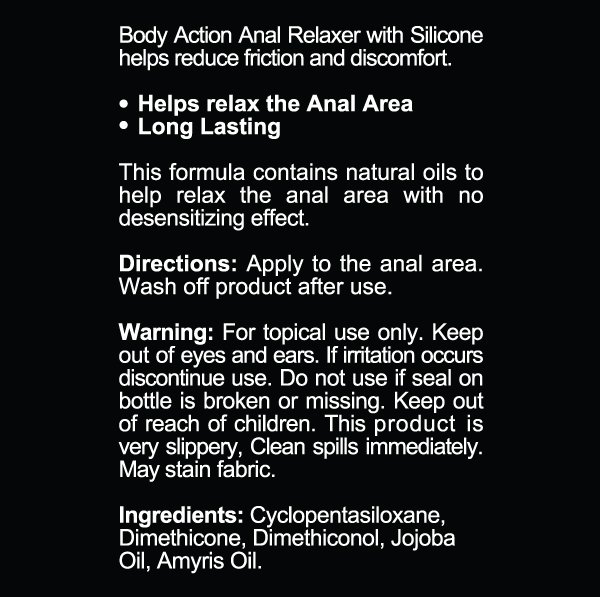
Silicone-based lubricants are often well-tolerated by sensitive skin because the core silicone polymers, dimethicone and dimethiconol, are inert and do not feed the microbiome or cause the osmotic imbalance that glycerin can. That said, not every silicone formula is equally clean. Glycerin, when present in a hybrid or blended formula, can contribute to yeast overgrowth in people who are prone to it. Parabens are preservatives some people prefer to avoid on general precaution. Added fragrance is the most common contact irritant in personal care products and has no functional role in a lubricant. Cyclopentasiloxane, a carrier silicone used in some formulas, is under ongoing regulatory review in certain markets, so shoppers who prefer to minimize exposure can look for formulas that list only dimethicone and dimethiconol as the silicone components. A short, fragrance-free, paraben-free ingredient list is the clearest signal that a formula is built with sensitive skin in mind.
Silicone-based lubricants can leave a residue on fabric, and some formulas are more likely to stain than others. Washing the item promptly with a standard detergent usually handles it, though older or set-in stains are harder to lift. Using a towel or keeping one nearby is a simple habit that makes cleanup easier on bedding.
Silicone-based lubricants are generally compatible with latex and polyisoprene condoms, but polyurethane condoms are a different case: some silicone formulas are not recommended with them, and a number of products in this category explicitly note that incompatibility. If you use polyurethane condoms, check the specific product’s compatibility statement before pairing it with a silicone lube.
Most silicone-based lubricants are odorless and tasteless by nature, since the silicone polymer base itself is neutral. Some formulas do include added fragrance or flavoring, so if that matters to you, checking the ingredient list for parfum or added flavor is worth a moment. Fragrance-free and unscented options are widely available in this category.
Silicone-based lubricants are generally considered body-safe and are free from common irritants like glycerin and parabens, which makes them a reasonable option for many people during pregnancy. That said, individual circumstances vary, and checking with a healthcare provider is a sensible step if you have any specific concerns or sensitivities during that time.
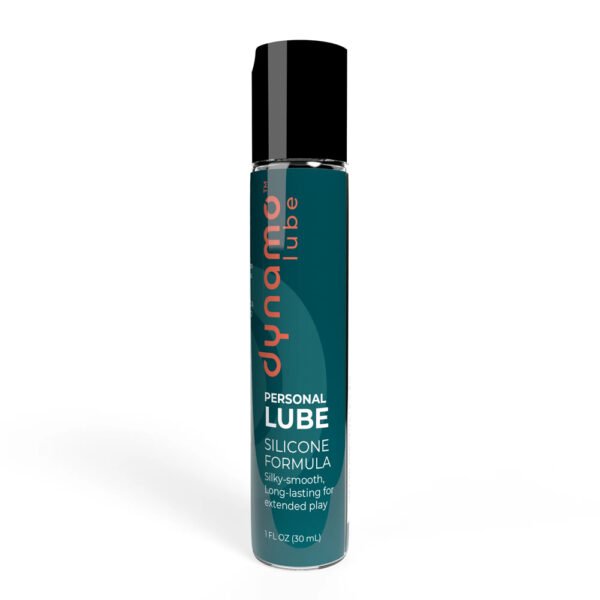
Silicone-based lubricant counts as a liquid under TSA rules, so the standard 3.4 fl oz (100 mL) per container limit applies for carry-on bags. Several brands offer 1 fl oz and 3.4 fl oz sizes that fit neatly within those limits. Larger bottles are fine in checked luggage without restriction.
Silicone-based lubricants are generally safe to use alongside latex gloves, since the same latex compatibility that applies to condoms extends to other latex products. Nitrile gloves are also typically unaffected. If you are using gloves for anal play or any other purpose where material integrity matters, the same general rule holds: silicone is fine with latex and nitrile, and the concern is specifically with silicone toy surfaces.
Silicone is a common ingredient in many moisturizers, primers, and body lotions, and layering products that both contain silicone is generally fine on skin. The concern about silicone-on-silicone degradation applies specifically to silicone toy materials, not to other personal care products. If you use a silicone-containing skincare product in the same area, there is no known interaction that affects how the lubricant performs.
Every order from Claim Night ships in plain, unmarked packaging with no indication of the contents on the outside. Your billing statement shows a neutral “XR. LLC” rather than any store name or product description. Privacy is built into how every order is handled, not offered as an add-on.

Helpful guides, product tips, and simple explanations to help you find what feels right.
No account yet?
Create an Account