


Article
Beginner Butt Plug Guide: What a Butt Plug Is, How It Works, and How to Use One Safely05/21/2026

Deals
Bestsellers
+39
Most-Loved Picks
Customer favorites for comfort, care, and everyday pleasure
Shop BestsellersSale · up to 40% off

+895
Soft Savings
Limited-time offers on body-safe essentials and feel-good favorites
View SaleSeasonal edit


+268
Seasonal Comfort Edit
Curated picks for holidays, date nights, gifting, and cozy nights in
Explore the EditFeatured
 Discreet Packaging
  Secure Checkout
  Body-Safe Materials
 Condoms are thin, sheath-shaped barriers worn over the penis or placed inside the vagina during sex to reduce the risk of unintended pregnancy and sexually transmitted infections when used as directed. They work by physically blocking the exchange of fluids and skin-to-skin contact at the point of use.
Material, fit, and lubrication are the three variables that determine how a condom actually performs in practice. Options span natural rubber latex, polyisoprene, polyurethane, and nitrile, each suited to different bodies, preferences, and lube types. Always check the expiry date before use.
Condoms come in several distinct types, and the best one depends on material preferences, fit, and how you plan to use them. Here is a plain breakdown of the most useful categories.
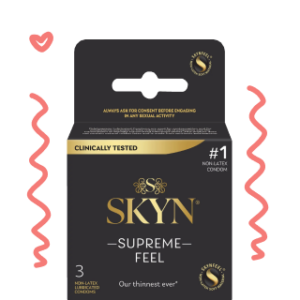
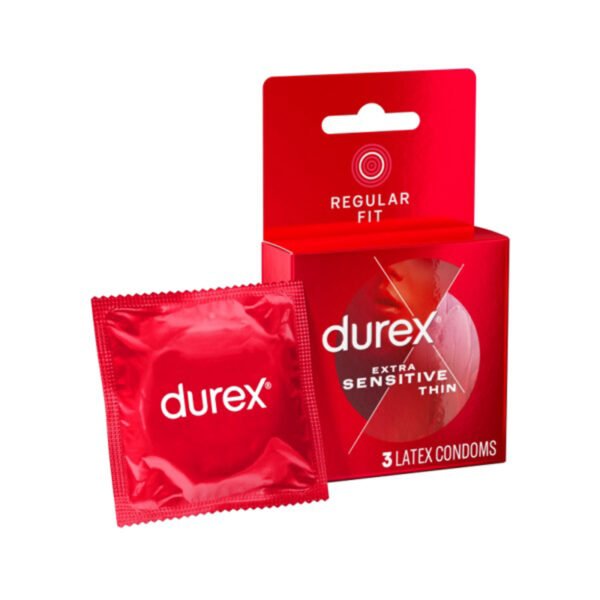
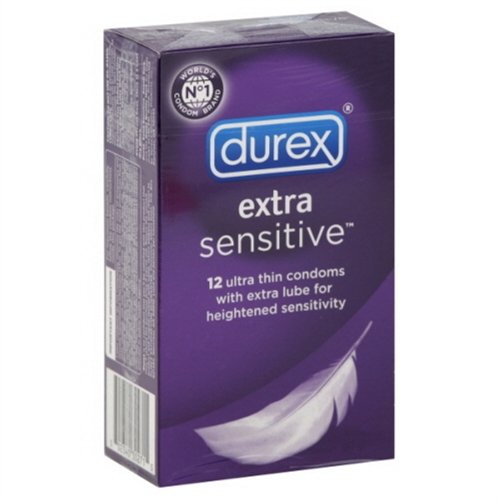
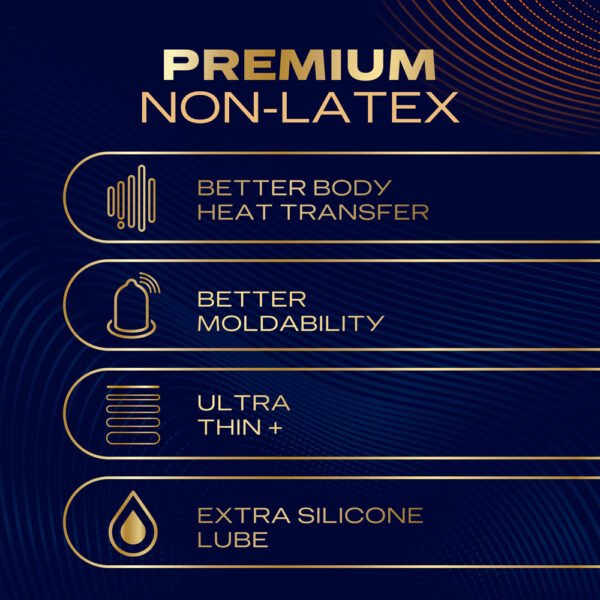
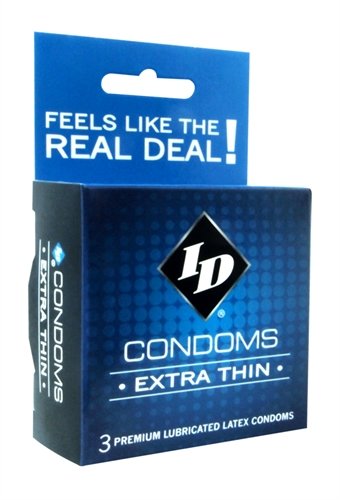
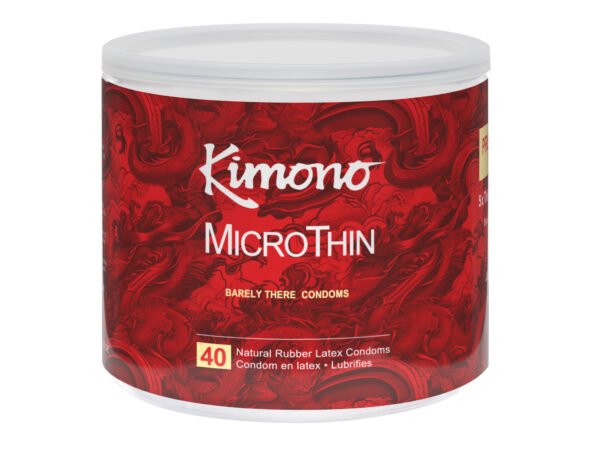
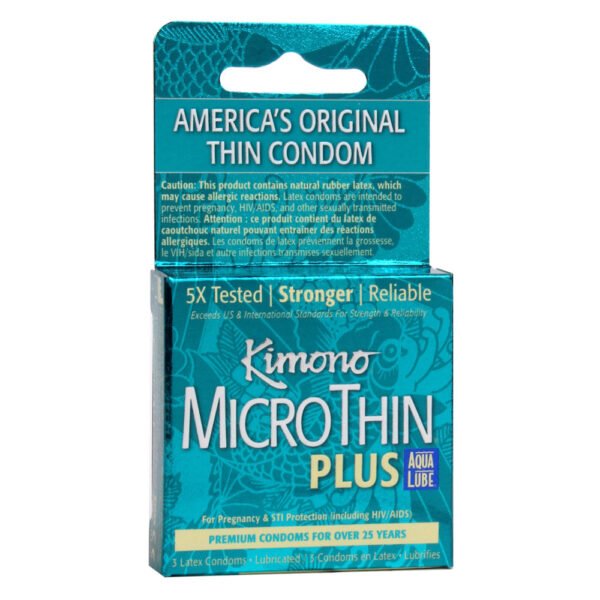
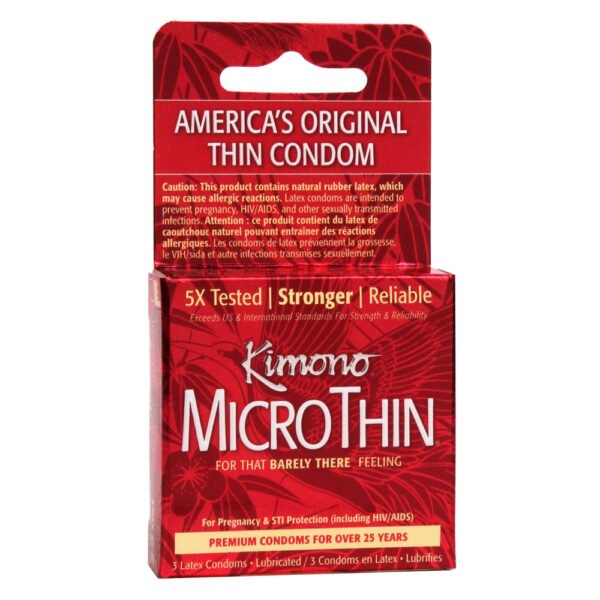
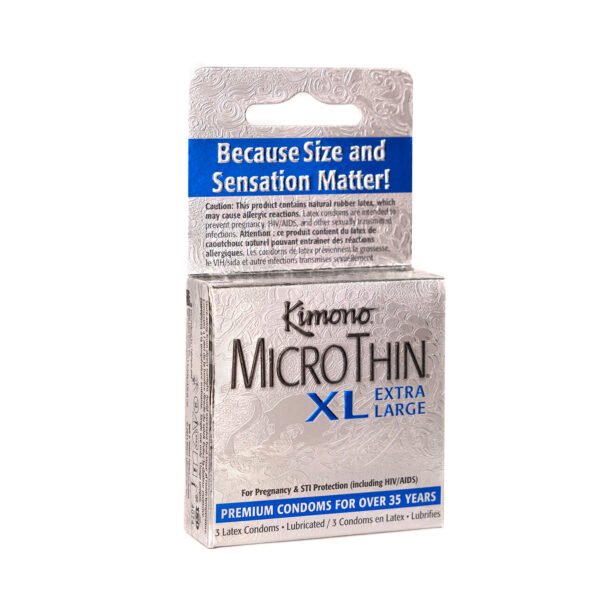
Ultra-thin condoms are latex or non-latex barriers made with a reduced wall thickness to maximize sensation while still providing protection when used as directed. They suit people who find standard condoms noticeably intrusive and want a closer, more natural feel during sex. Most ultra-thin options are just as durable as standard condoms; the difference is in microns, not in reliability.
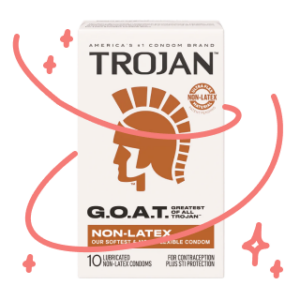
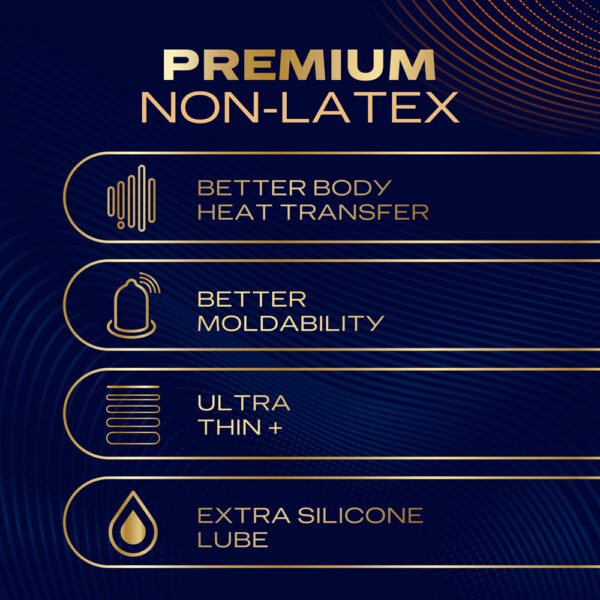
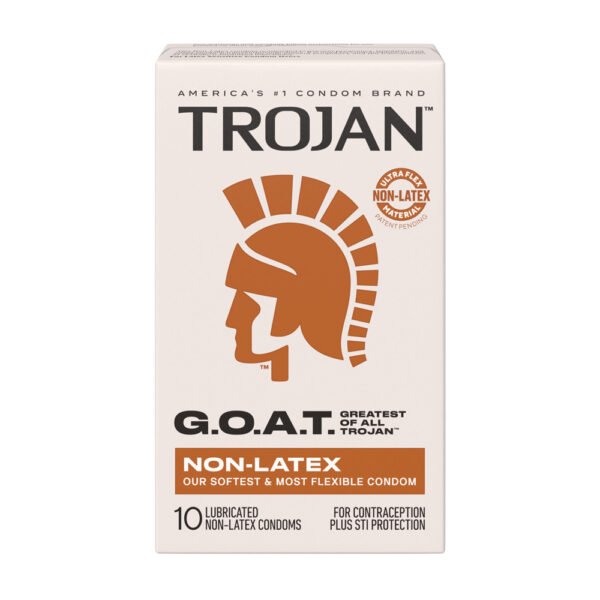
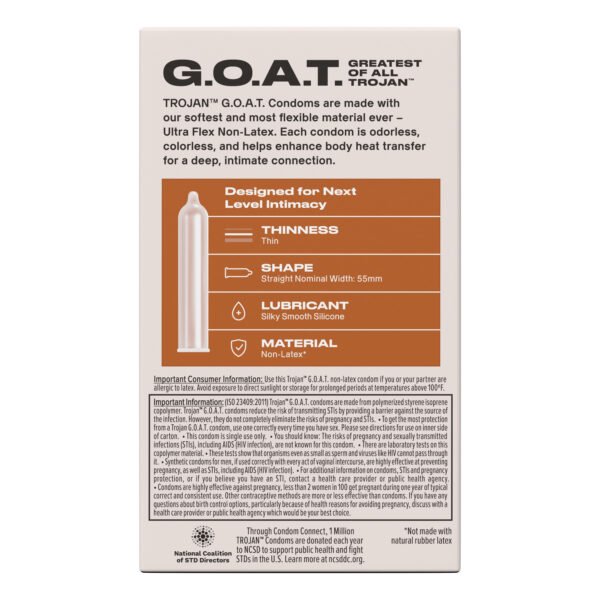
Non-latex condoms are made from polyisoprene, polyurethane, or nitrile rather than natural rubber, making them the right choice for anyone with a latex allergy or sensitivity. Polyisoprene stretches and conforms similarly to latex, while polyurethane and nitrile are thinner and firmer, with slightly different heat transfer. All three are compatible with water-based and silicone-based lubricants.
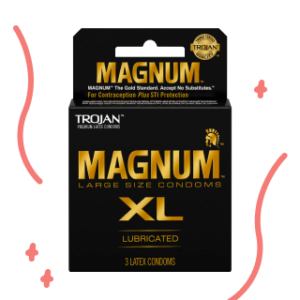
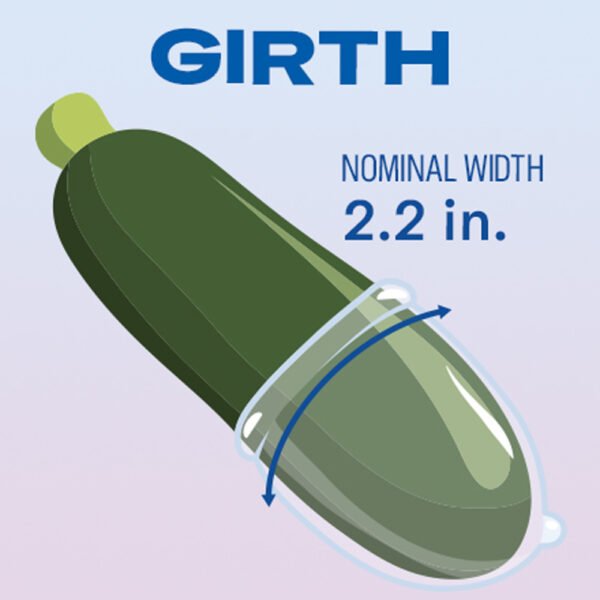
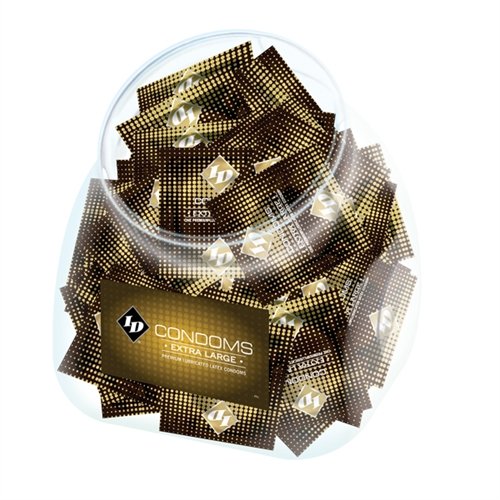
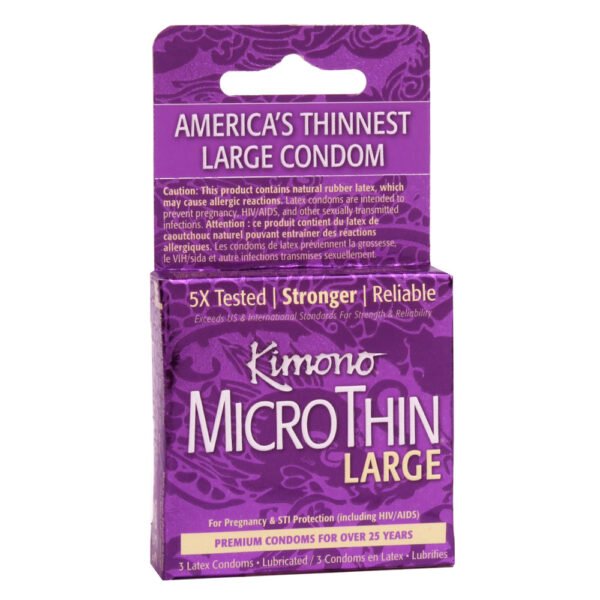
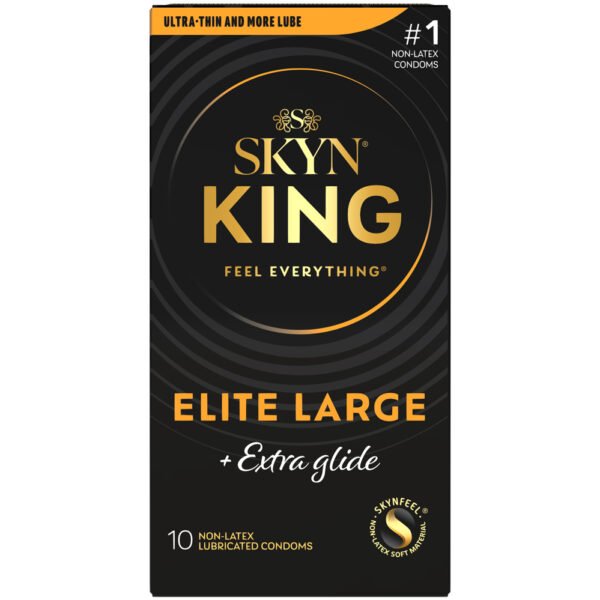
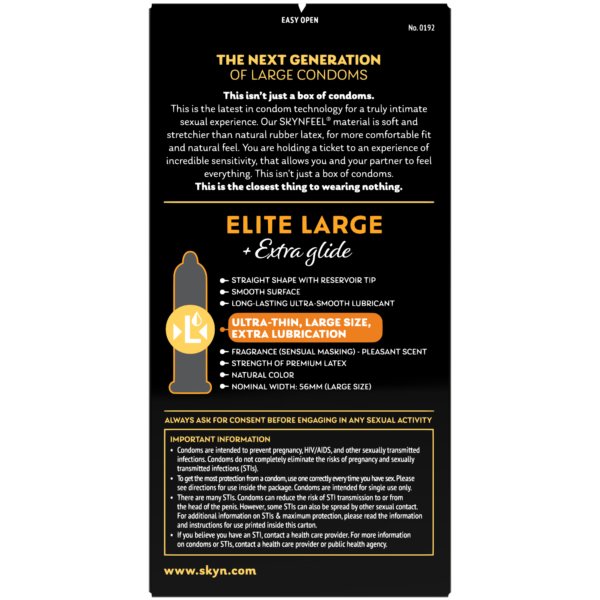
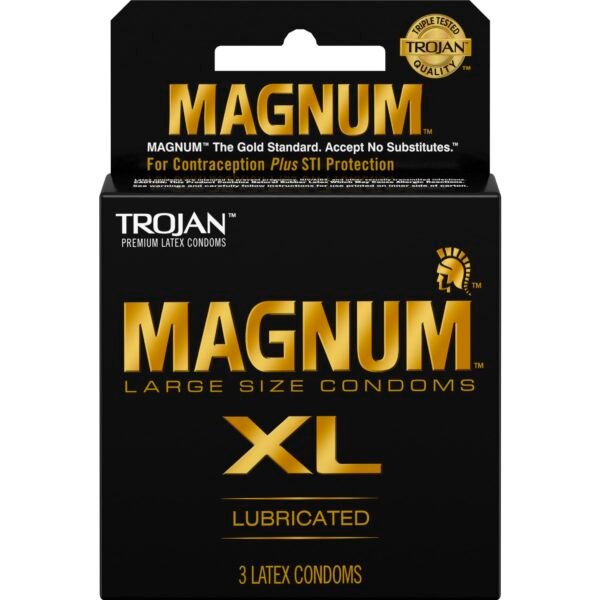
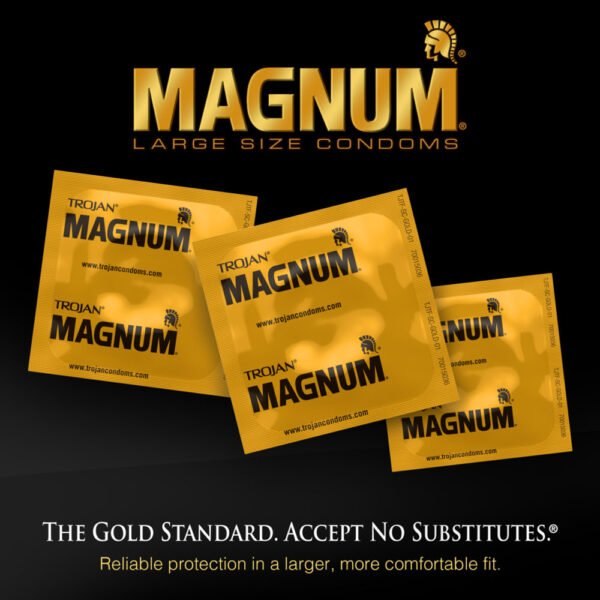
Large-size condoms are condoms with a wider nominal width and often greater length than standard options, designed for a comfortable, secure fit when standard sizing feels too tight. A condom that fits well is less likely to slip or bunch, so getting the size right is a practical decision, not just a preference. Several brands offer XL and large fits in both latex and non-latex materials.
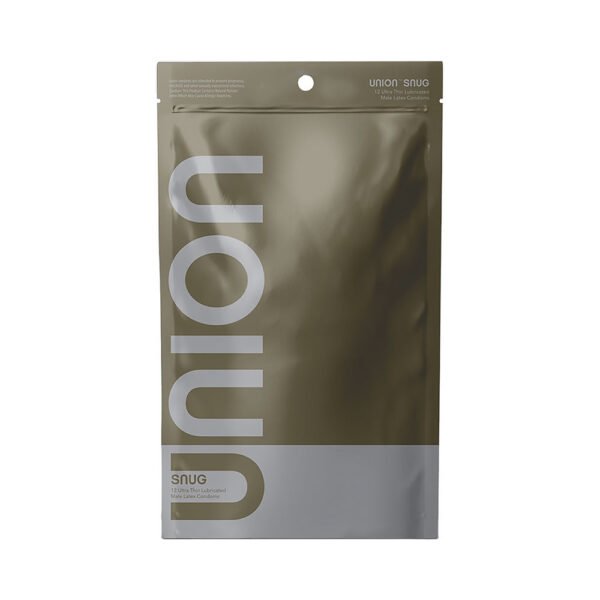
Snug-fit condoms are narrower in nominal width, typically around 49 mm, for people who find standard condoms loose or prone to slipping. A closer fit can improve sensation and reduce movement during use, which matters for both comfort and reliability. They are available in latex and are worth trying if standard sizing consistently feels too roomy.
Lubricated condoms come pre-coated with either a water-based or silicone-based lubricant to reduce friction and make application easier. Most condoms sold today are pre-lubricated, but the amount and type of lubricant varies by brand. Oil-based lubricants degrade latex and polyisoprene, so if you plan to add extra lube, stick to water-based or silicone-based formulas.
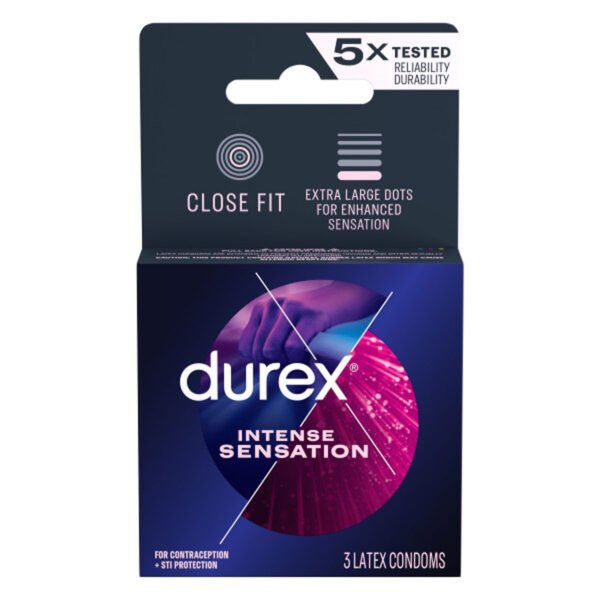
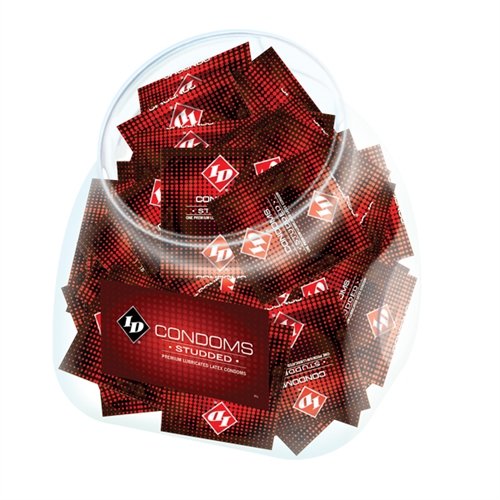
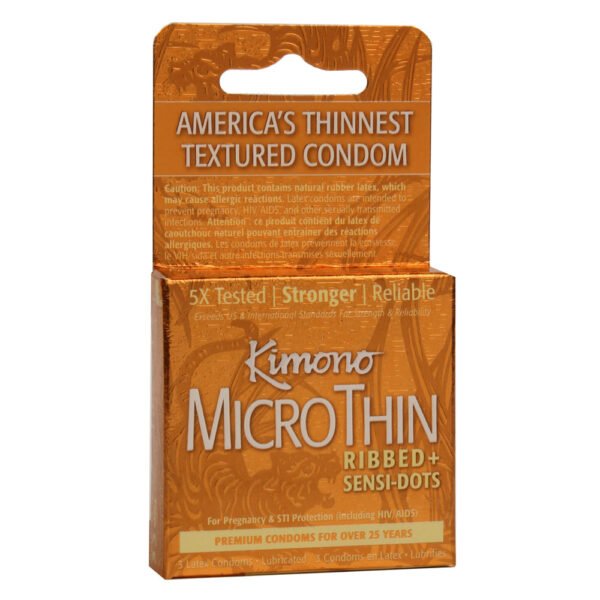
Ribbed and textured condoms are latex barriers with raised ribs, dots, or contoured shapes on the outer surface, designed to add sensation for one or both partners during sex. The texture does not affect the protective function of the condom when used correctly. They are a straightforward option for people who want something beyond a standard smooth surface without changing material or fit.
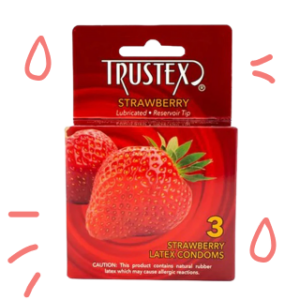
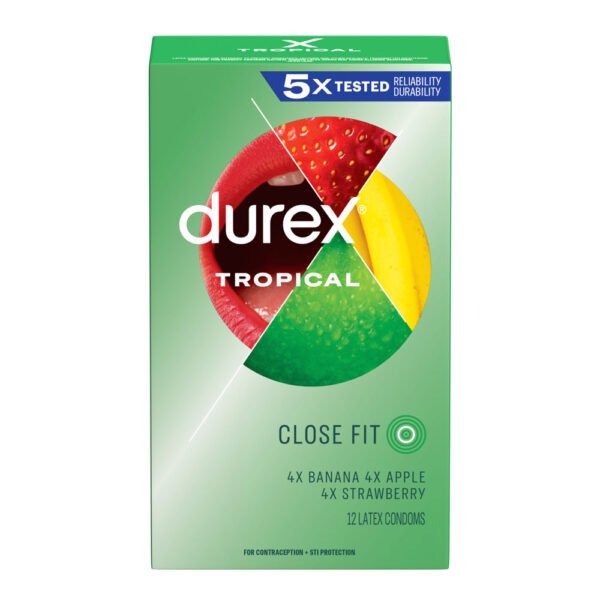
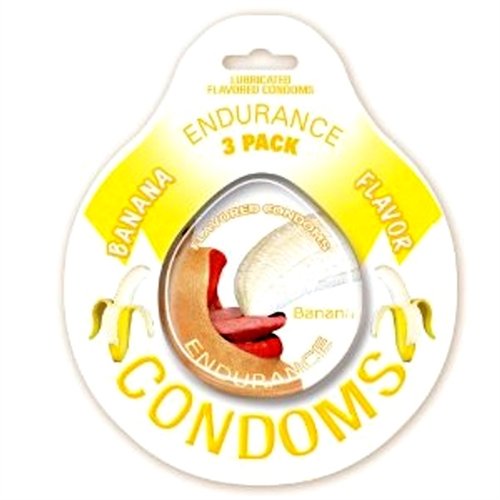
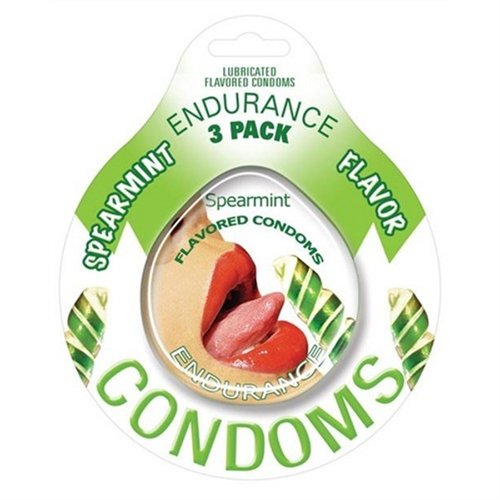
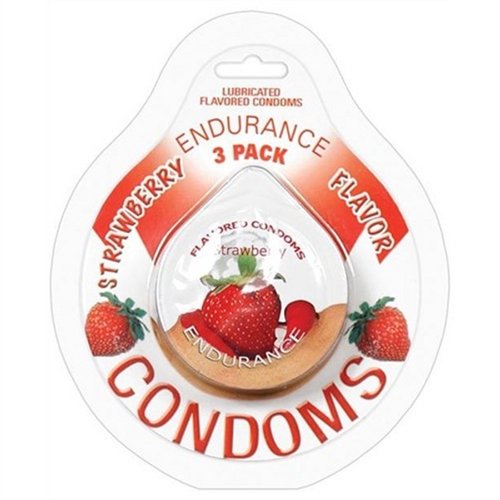
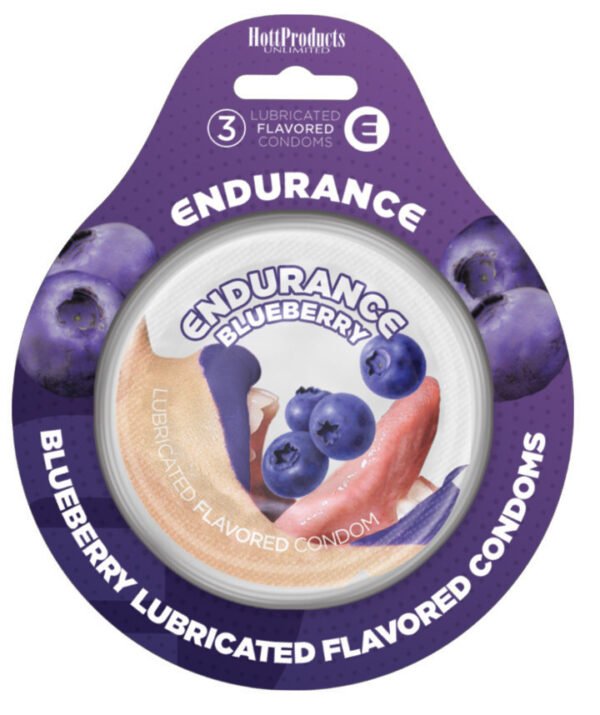
Flavored condoms are latex barriers coated with food-grade flavoring, intended for oral sex rather than vaginal or anal use. They make barrier protection during oral contact more appealing and are available in a range of flavors, from fruit to mint to vanilla. If you plan to use a flavored condom for penetrative sex, check that the flavoring is sugar-free to avoid disrupting vaginal pH.
The best condom is the one that fits well, suits your body, and works with the lube you already use. A few clear criteria narrow it down quickly.
Start with material and fit, since those two factors affect comfort and compatibility more than anything else. From there, the remaining decisions are mostly about personal preference.
The table below compares a cross-section of condoms by material, fit, and key features to help you see the differences side by side.
| Product | Material | Fit / Width | Wall Thickness | Lubrication | Notable Feature |
|---|---|---|---|---|---|
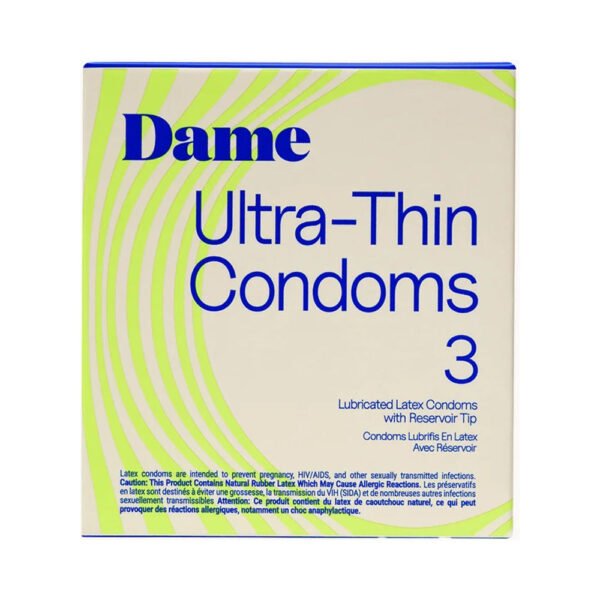
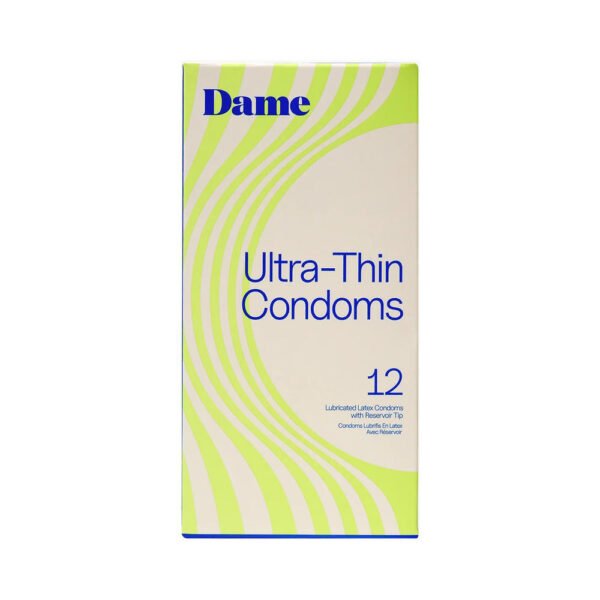
| Dame Condom 12-Pack | Natural rubber latex | Standard | Ultra-thin | pH-balanced, pre-lubricated | Vegan-friendly; odor-free; easy-tear foil |
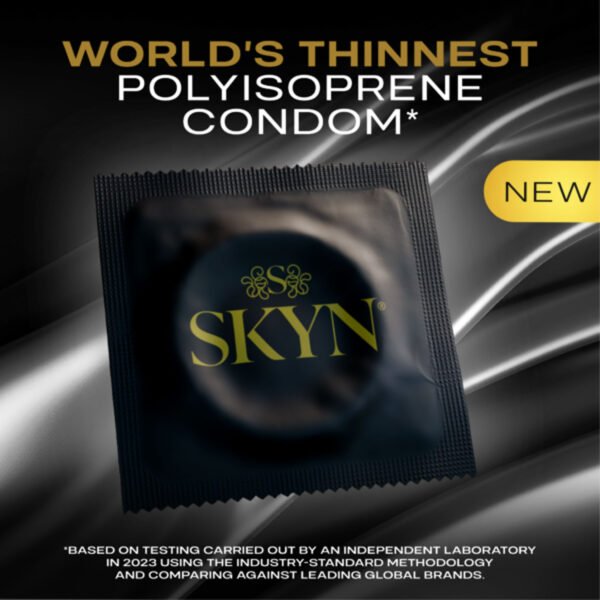
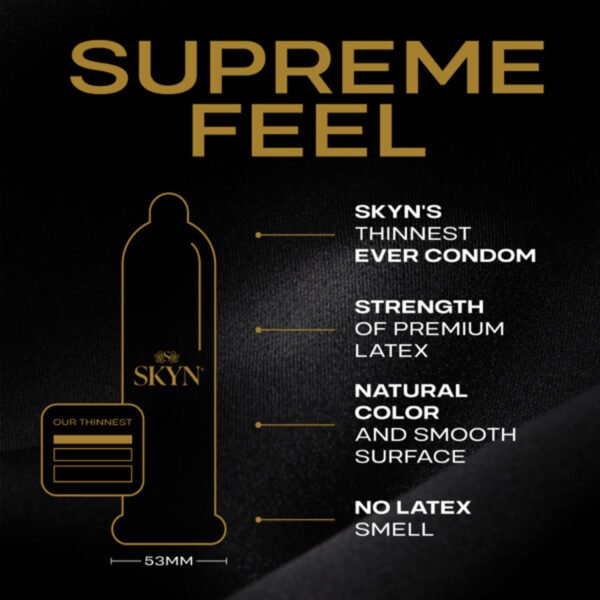
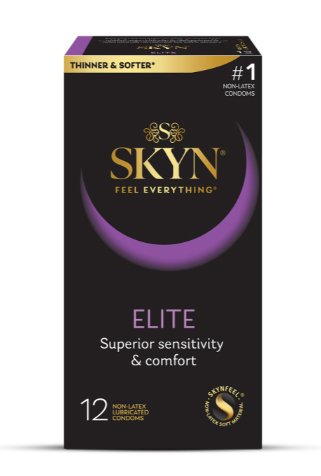
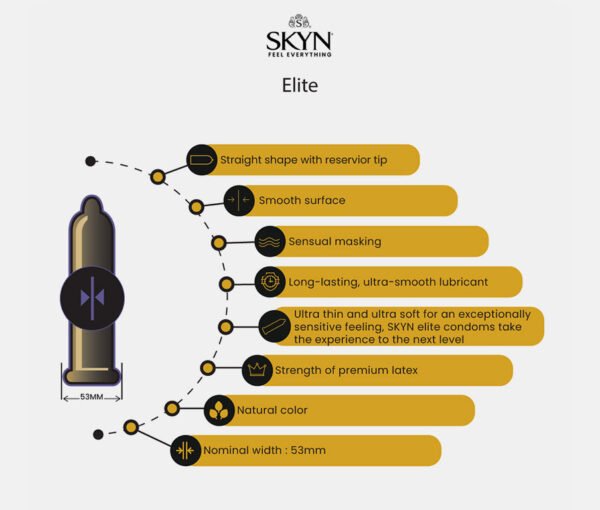
| Skyn Elite Non-Latex 30-Pack | Polyisoprene (SKYNFEEL) | Standard, 53 mm | 15% thinner than Skyn Original | Silky-smooth, pre-lubricated | Latex-free; soft, close-fitting feel |
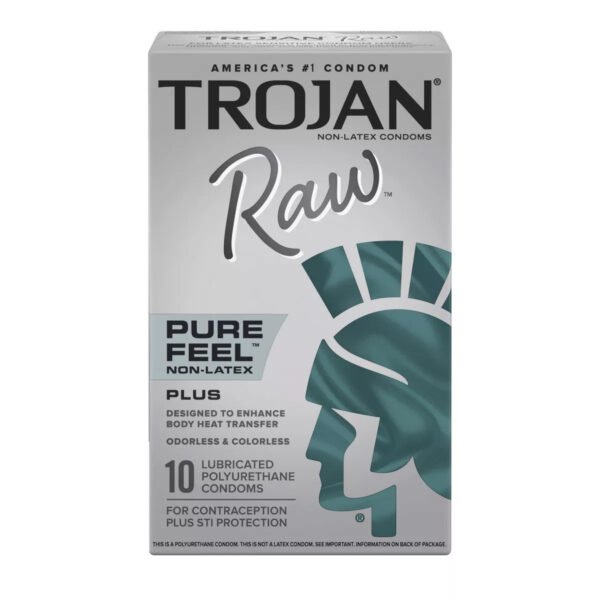
| Trojan Raw Non-Latex 10-Pack | Polyurethane | Standard; tapered base | Ultra-thin | Silky smooth, pre-lubricated | Odorless; heat-transferring; latex-free |
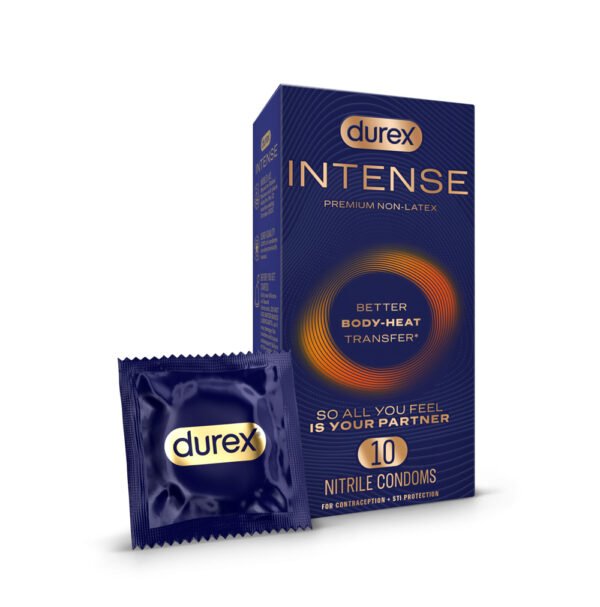
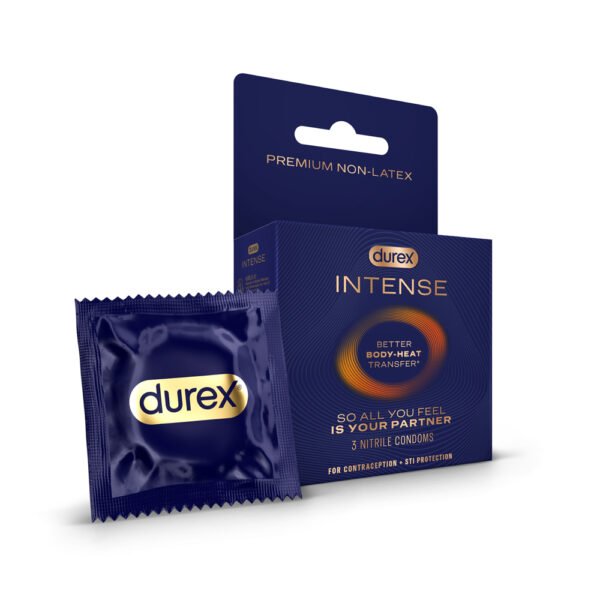
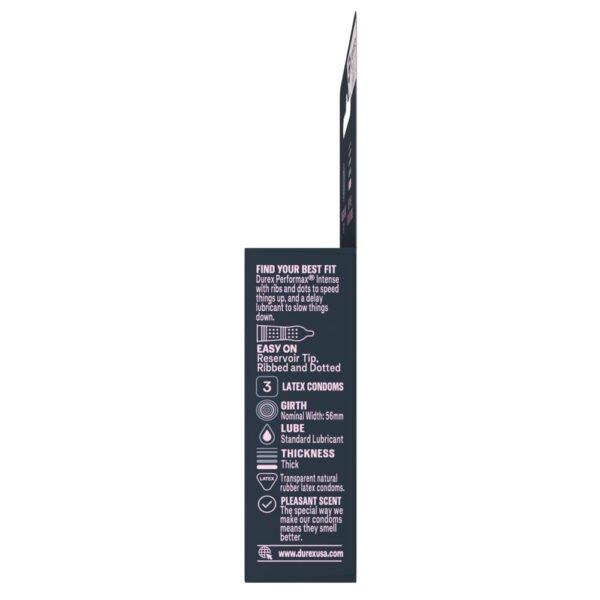
| Durex Intense Nitrile 10-Pack | Nitrile | 56 mm nominal width | Ultra-thin | Silicone lubricant, pre-lubricated | Latex-free; 100% electronically tested |
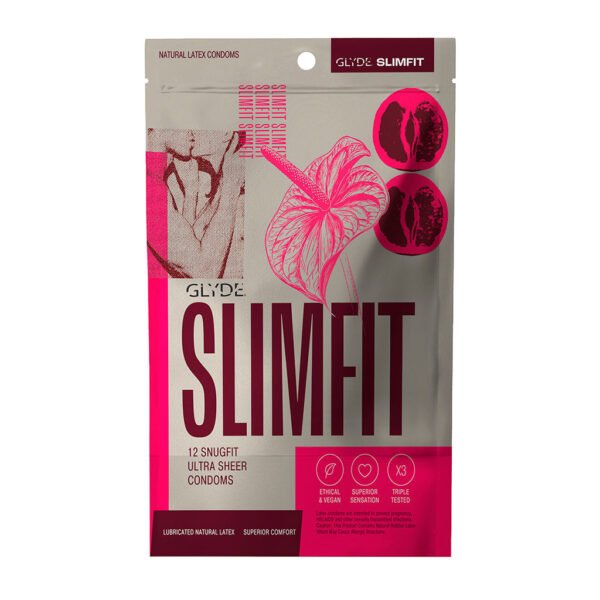
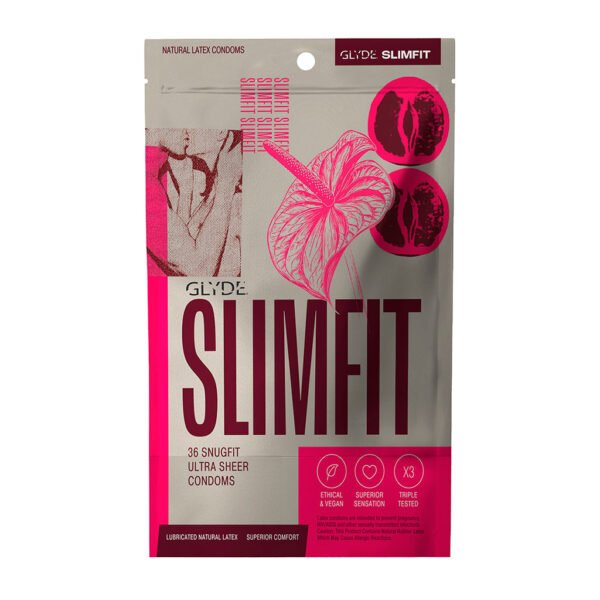
| Glyde Slimfit 12-Pack | Natural rubber latex | Snug, 49 mm | Ultra-thin | Lightly lubricated | Vegan; Fair Trade; casein-free |
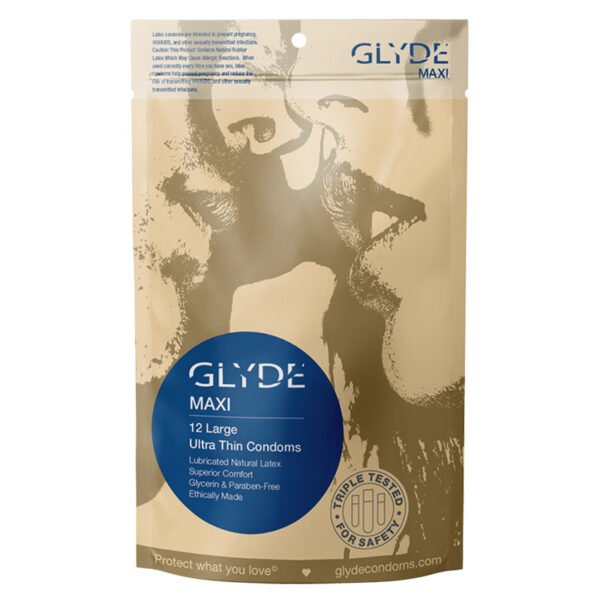
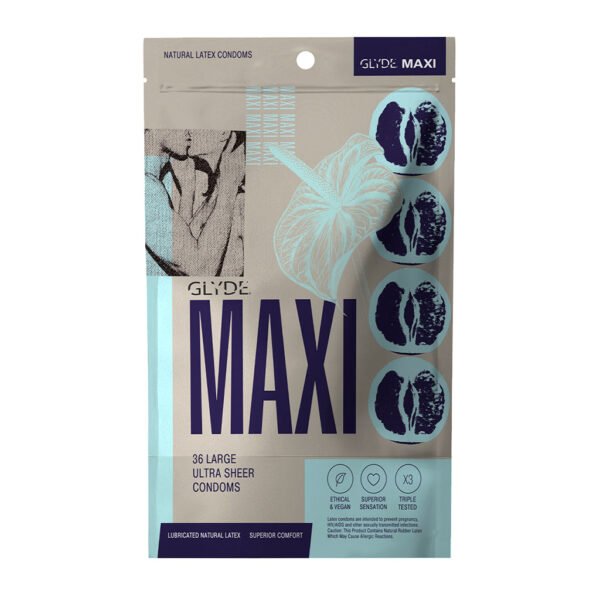
| Glyde Maxi 36-Pack | Natural rubber latex | Large, 56 mm (largest FDA-approved size) | Ultra-thin | Lightly lubricated | Vegan; no casein, talc, parabens, or spermicide |
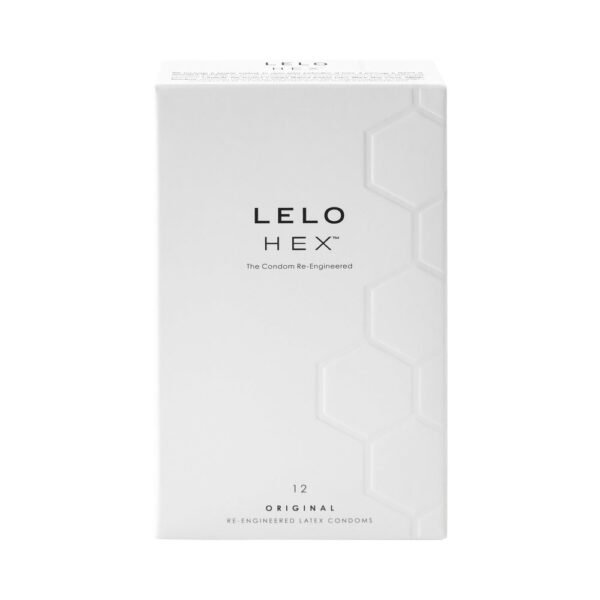
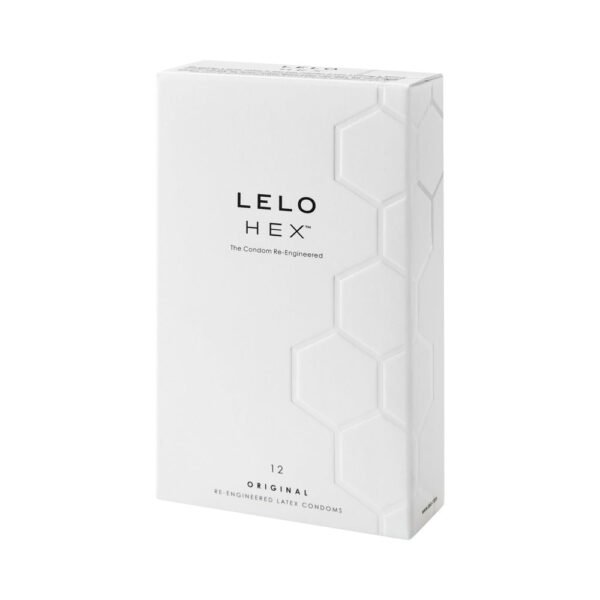
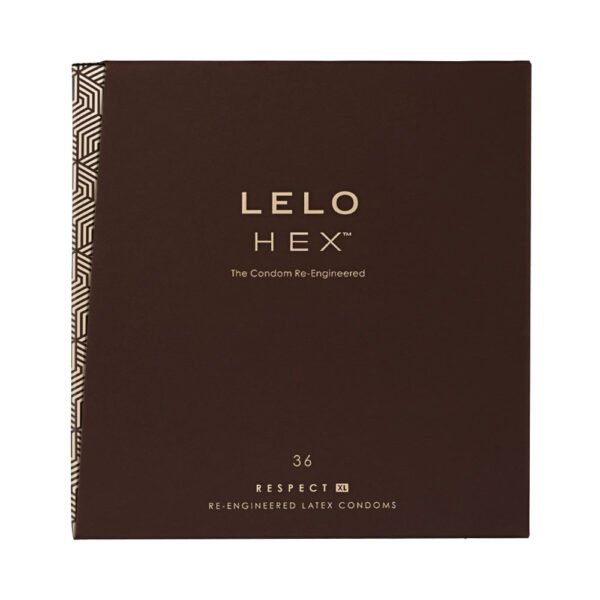
| LELO HEX Original 12-Pack | Natural latex | Standard, 54 mm | 0.045 mm | Lightly lubricated | Hexagonal structure for strength and stretch |
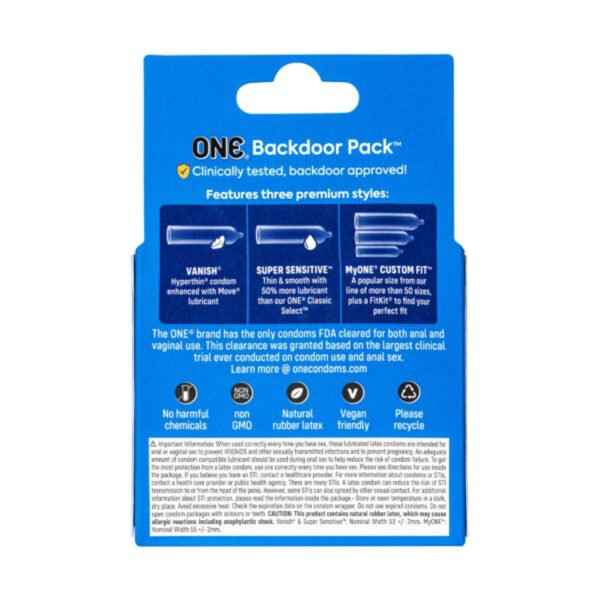
| One Backdoor 3-Count | Latex | Multiple sizes available | Standard to hyper-thin options | 50% more lubricant on Super Sensitive option | First FDA-cleared condom for anal use |
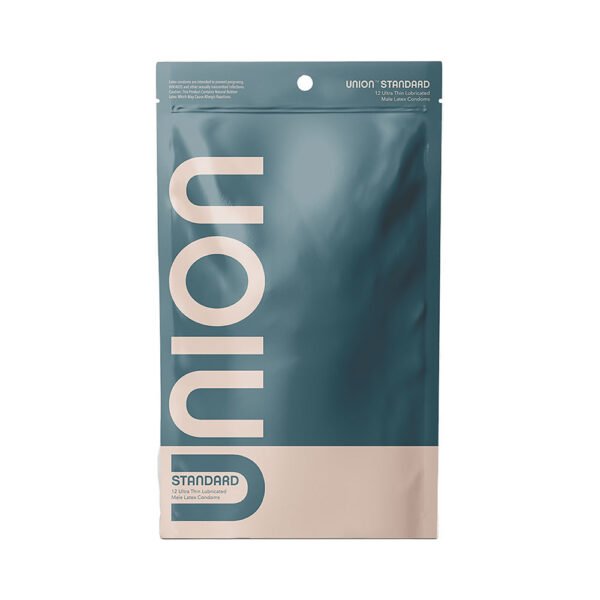
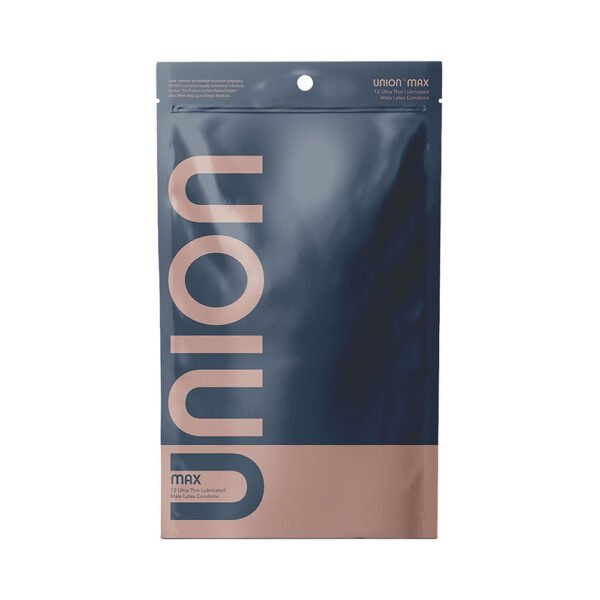
| Union Max 12-Pack | Non-GMO natural latex | Large; 60 mm shaft diameter | 0.060 to 0.080 mm | Medical-grade silicone lubricant | Spermicide-free; vegan; electronically triple-tested |
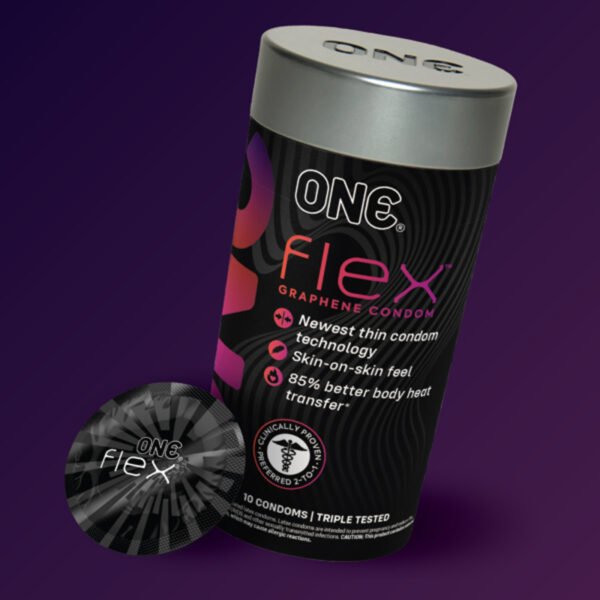
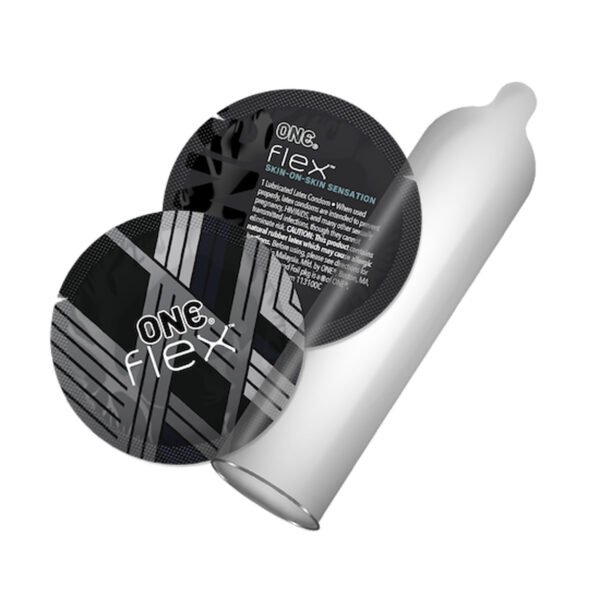
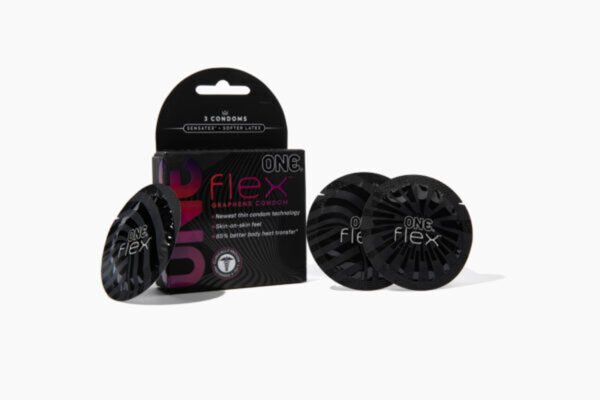
| One Flex Graphene 10-Count | Latex with graphene | Standard | Ultra-thin | – | 85% more heat transfer than standard latex; odorless |
If you are still working out which fit feels right, the lubricants you plan to use alongside your condom are worth choosing at the same time, since compatibility between the two affects both comfort and reliability.
Condoms work best when the material, fit, and purpose all line up. These collections pull the most useful options from the full range so you can find what fits your situation without sorting through everything at once.
Condoms are most effective when applied before any genital contact, with the rolled edge facing outward and a small space left at the tip to collect fluid. Use a new condom for each act of sex, and if you add lubricant, apply it to the outside of the condom rather than before putting it on. For anal sex or toy use, a generous amount of compatible lubricant helps reduce friction and the chance of breakage.
Store condoms in a cool, dry place away from direct sunlight and sharp objects; a wallet or glove compartment is too warm for long-term storage. Oil-based lubricants degrade latex and polyisoprene, so stick to water-based or silicone-based formulas with those materials. Polyurethane and nitrile tolerate a broader range of lubricants, but water-based is always a safe default. Check the expiry date on every wrapper before use; an expired condom is more likely to fail.
Lubricant compatibility depends entirely on the condom material you are using. Water-based lubricants are safe with every condom material, including latex, polyisoprene, polyurethane, and nitrile, making them the most versatile default. Silicone-based lubricants are also safe with latex, polyurethane, and nitrile. Oil-based lubricants break down the molecular structure of latex and polyisoprene, causing the material to weaken and become more likely to tear during use; this includes coconut oil, massage oil, body lotion, and petroleum-based products. Polyurethane and nitrile are more chemically stable and generally tolerate oil-based formulas, though water-based or silicone-based options remain the simpler, lower-risk choice across the board. If you are unsure what is in a lubricant, check the ingredients before pairing it with any condom.
Placing a condom on a shared sex toy is a straightforward way to reduce cross-contamination between partners or between different body areas during the same session. A standard latex or non-latex condom rolled over the shaft of a toy creates a barrier that can be removed and replaced between uses, which is especially useful for toys that are porous or difficult to fully sanitize. Use a new condom each time the toy changes hands or moves between partners. Adding a small amount of water-based lubricant to the outside of the condom reduces friction and makes the experience more comfortable; avoid silicone-based lubricant on silicone toys, as it can degrade the toy’s surface. Condoms used on toys do not need to be a specific type, though a well-fitting, non-lubricated option can be easier to handle in this context.
Condom shelf life varies by material: most latex and polyisoprene condoms last three to five years from the manufacture date, while polyurethane condoms can remain stable for up to five years, and condoms containing spermicide typically have a shorter window, often around three years. The expiration date is printed on each individual wrapper and on the outer box; always check the wrapper itself, since boxes can get separated from their contents. Heat, humidity, and friction are the main causes of early degradation. A wallet or back pocket generates enough sustained warmth and pressure to weaken a condom well before its printed date. Store condoms in a cool, dry location, such as a bedside drawer or a dedicated travel case, away from direct sunlight and sharp objects. If a wrapper looks damaged, discolored, or brittle, discard it regardless of the date.
Natural rubber latex has a distinctive scent that some people find off-putting. Many brands now use low-odor latex formulations or double-washing processes that significantly reduce it, and non-latex materials like polyisoprene and polyurethane are essentially odorless. Flavored condoms mask scent further with food-grade extracts, which can be useful for oral contact. If scent is a concern, it is worth checking the product description for “low odor” or “neutralized latex” language before buying.
Condoms remain intact in water, so using one in the shower or bath does not compromise the barrier itself. The practical issue is lubrication: water washes away natural moisture and water-based lubricants quickly, which increases friction and the chance of discomfort or slippage. A silicone-based lubricant holds up better in wet conditions and is compatible with latex, polyurethane, and nitrile condoms. Apply it before entering the water rather than trying to add it mid-session.
Spermicide-coated condoms add a chemical layer intended to reduce sperm motility, but the amount of spermicide on a condom is small compared to standalone spermicide products. For people with sensitive tissue, the spermicide (typically Nonoxynol-9) can cause irritation with repeated use, which may actually increase vulnerability rather than reduce it. Spermicide-free condoms are the more comfortable and widely recommended default for most people; those seeking additional contraceptive coverage often pair a condom with a separate method rather than relying on the coating alone.
External condoms are worn over the penis and are the most common type. Internal condoms, sometimes called female condoms, are inserted into the vagina or anus before sex and are held in place by a flexible ring at each end. Internal condoms are typically made from nitrile, making them a useful option for people with latex allergies regardless of anatomy. They can be inserted ahead of time, which some people find more convenient, and they are compatible with any lubricant type.
Yes, and the difference is real enough to matter for some people. Natural rubber latex is stretchy and conforms closely, which most people find comfortable and relatively natural. Polyisoprene behaves similarly but tends to feel a little softer. Polyurethane is thinner and firmer, transferring body heat more readily, which some people describe as closer to skin-on-skin contact. Nitrile sits between polyurethane and latex in terms of feel. Trying a small pack of a new material before committing to a larger quantity is a practical way to find what works for you.
At Claim Night, every order ships in plain, unmarked packaging with no indication of the contents on the outside. Your bank or card statement will show “XR. LLC” rather than any store name or product category. We do not sell or share your personal data. If discretion matters to you, it is built into every order by default, with nothing to opt into or request separately.
Flavored condoms are designed primarily for oral contact and are safe for that use. They can technically be used for vaginal or anal penetration, but it is worth checking whether the flavoring contains sugar or sugar-derived ingredients: sugar-based flavoring inside the vagina can disrupt pH balance and contribute to irritation or infection. Condoms flavored with food-grade, sugar-free extracts are the safer choice if you plan to use the same condom for both. The product description will usually specify the flavoring type.
Condoms are fine to pack in carry-on or checked luggage and do not require any special declaration at airport security. The main thing to watch is heat: leaving condoms in a checked bag that sits on a hot tarmac, or in a car in warm weather, can degrade the material over time even before the printed expiry date. A small travel case or the inside of a bag away from direct heat keeps them in good condition. Check the wrapper for any signs of damage or brittleness before use, especially after a long trip.

Helpful guides, product tips, and simple explanations to help you find what feels right.
No account yet?
Create an Account