


Article
Beginner Butt Plug Guide: What a Butt Plug Is, How It Works, and How to Use One Safely04/04/2026

Deals
Bestsellers
+39
Most-Loved Picks
Customer favorites for comfort, care, and everyday pleasure
Shop BestsellersSale · up to 40% off

+895
Soft Savings
Limited-time offers on body-safe essentials and feel-good favorites
View SaleSeasonal edit


+268
Seasonal Comfort Edit
Curated picks for holidays, date nights, gifting, and cozy nights in
Explore the EditFeatured
 Discreet Packaging
  Secure Checkout
  Body-Safe Materials
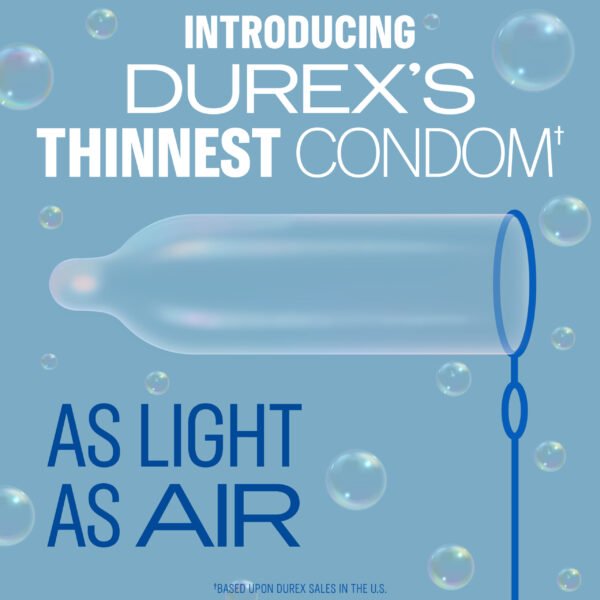
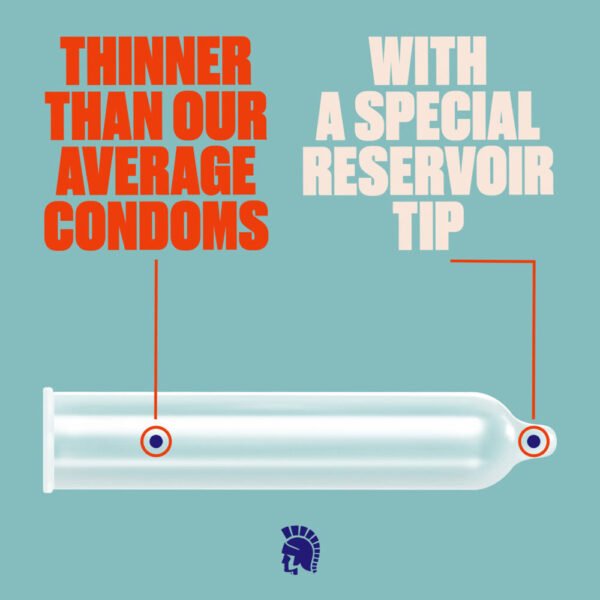
 Ultra thin condoms are standard barrier condoms manufactured with a noticeably reduced wall thickness, typically achieved through finer latex, polyisoprene, or polyurethane formulations, so more body heat and pressure pass through during use. The protective function is the same as a regular condom used correctly.
Material is the first real decision point. Latex is the most common base; polyisoprene stretches and conducts heat similarly but suits latex-sensitive users; polyurethane runs thinner still and works with silicone-based lubricant, though check the label before use. Water-based lubricant is safe with every material. Check the expiry date before opening any pack.
Ultra thin condoms come in several material and fit variations, and the right one depends mostly on skin sensitivity, size preference, and how you plan to use lubrication.
Ultra thin latex condoms are the most widely available type, made from natural rubber latex processed to a finer wall than standard condoms. They stretch well, hold their shape during use, and pair with water-based or silicone-based lubricants. Not suitable for anyone with a latex allergy or sensitivity.
Ultra thin polyisoprene condoms are a non-latex option that conducts body heat and stretches in a way that feels close to latex, which makes them a practical choice for latex-sensitive users who still want a soft, form-fitting feel. Water-based and silicone-based lubricants are both compatible with polyisoprene. Oil-based lubricants will degrade the material and should never be used with this type.
Ultra thin polyurethane condoms are another latex-free option and tend to run thinner than both latex and polyisoprene, which some people find transmits sensation more directly. They suit anyone with a latex allergy and are generally compatible with silicone-based lubricant, though checking the specific product label is always a good call. Water-based lubricant works safely with every polyurethane condom.
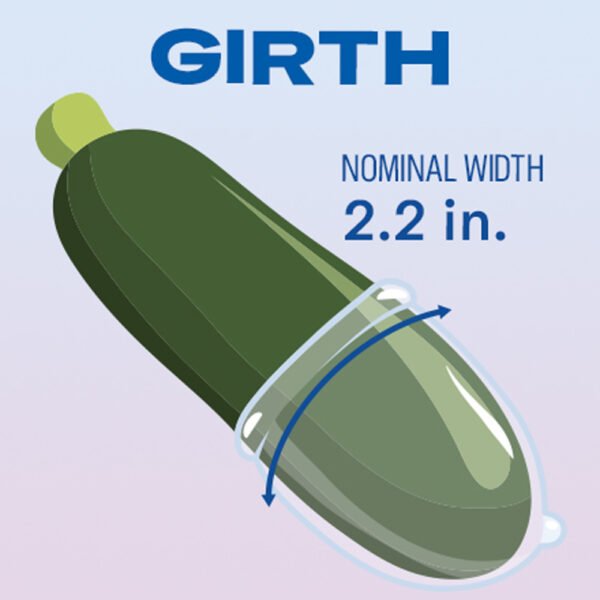
Ultra thin large-size condoms follow the same reduced-wall construction as standard ultra thin options but with a wider nominal width and more room at the head or shaft. A condom that fits well is less likely to slip or bunch, so size is a practical decision, not just a comfort one. These are available in latex and non-latex materials.
Most ultra thin condoms are spermicide-free, but a small number include a nonoxynol-9 coating. That coating can irritate genital tissue with repeated use, which is why many people actively look for formulas without it. If you or a partner have experienced irritation from spermicide-coated condoms, the spermicide-free versions in this category are the straightforward alternative. Browsing our lubricants alongside can help you add extra glide without that ingredient.
Ultra thin lubricated condoms come pre-coated on the outer surface, usually with a water-based or silicone-based formula, to reduce friction and make application easier. The amount of lubricant varies by brand, and adding a compatible personal lubricant on top is always an option. This type suits everyday partnered use where extra glide makes a noticeable difference in comfort.
The best pick comes down to four practical factors: material, fit, lubrication, and whether any spermicide ingredients are a concern for you or your partner.
Skin sensitivity and size are the two things most people underestimate. A condom that fits well and suits your skin is more comfortable and more reliable than one that is simply the thinnest on the shelf.
The table below compares a selection of ultra thin condoms across material, size, lubricant type, and notable features to help you narrow down the right option.
| Product | Material | Size | Lubricant Type | Notable Feature |
|---|---|---|---|---|
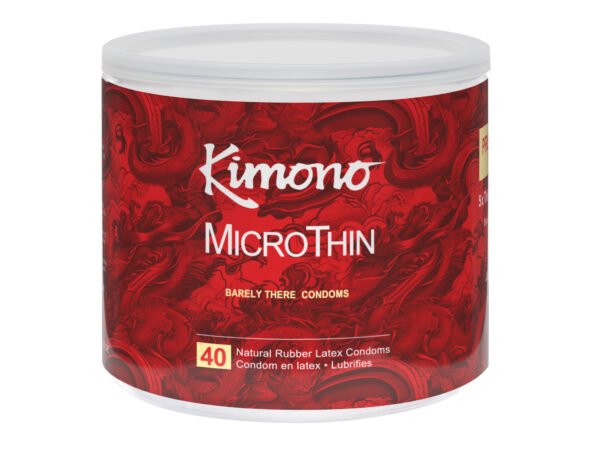
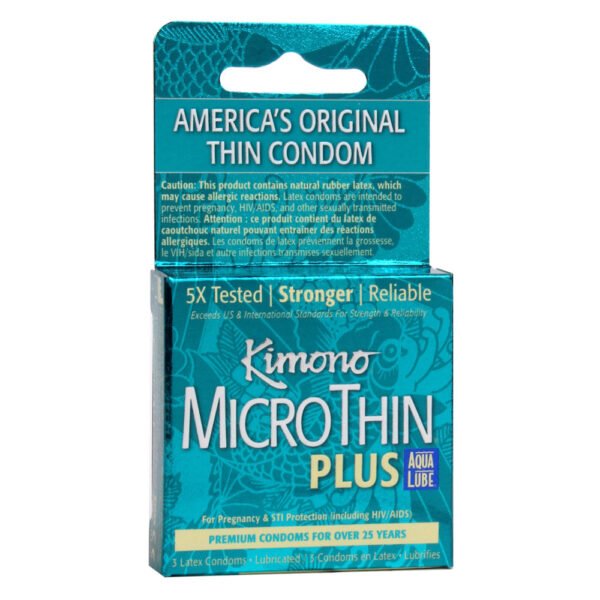
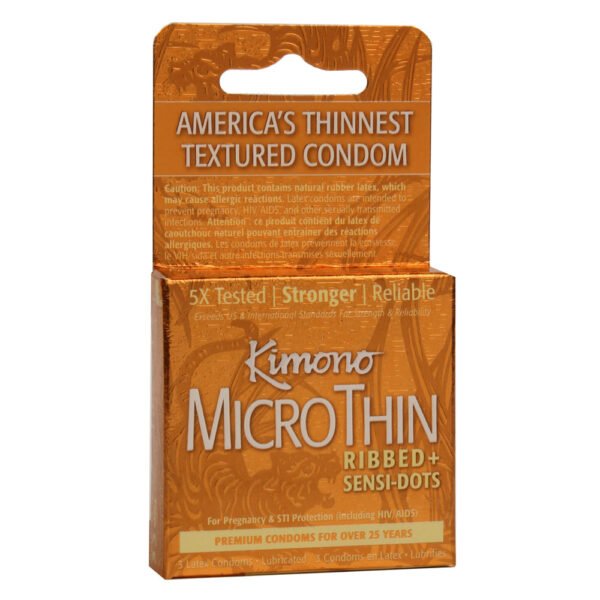
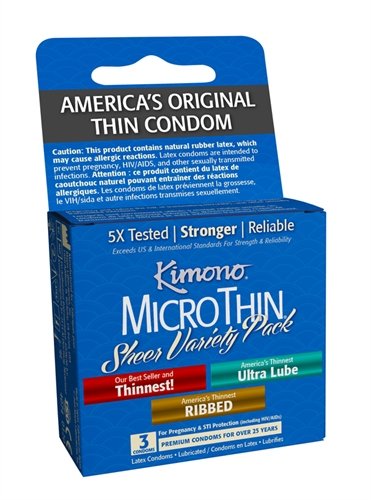
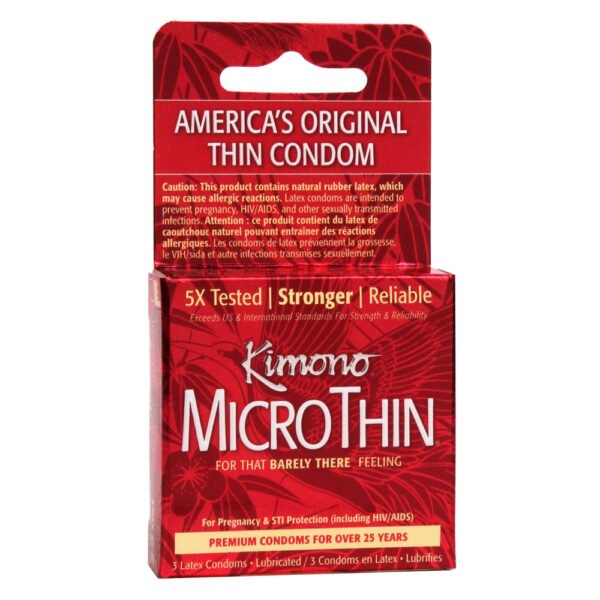
| Kimono Microthin Ultra Thin Condoms, 3 Pack | Natural rubber latex | Standard | Water-based or silicone-based | Japanese premium latex, among the thinnest profiles available |
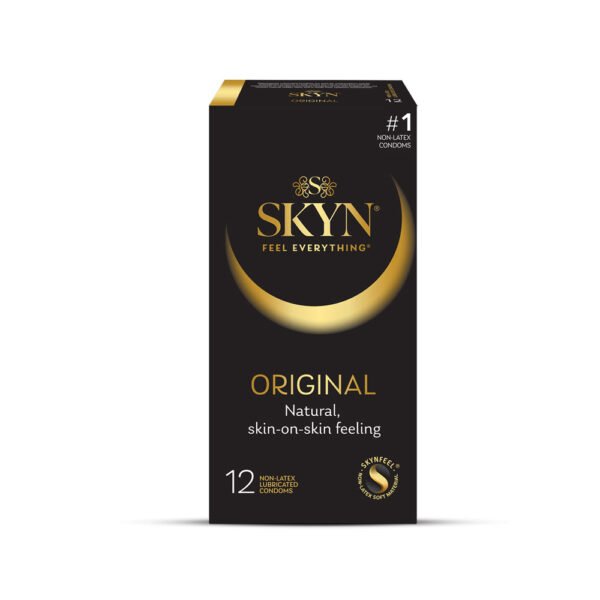
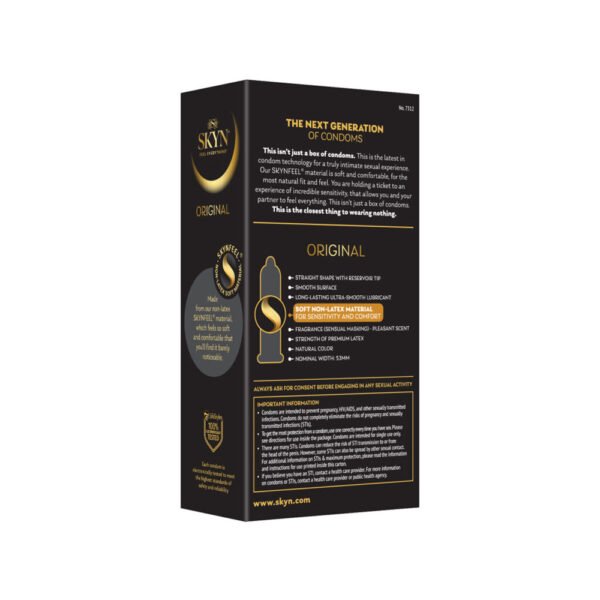
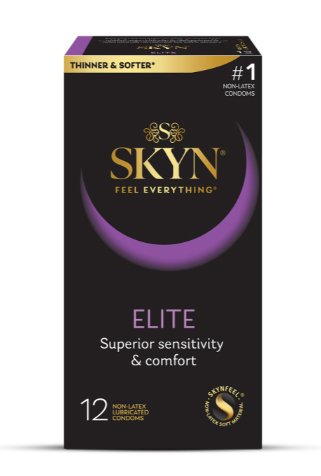
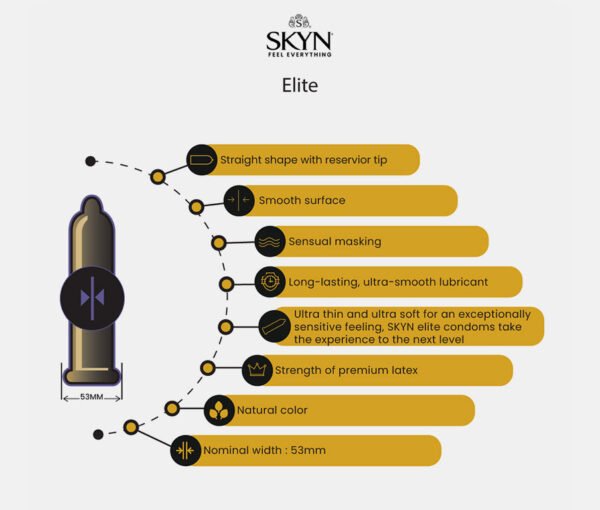
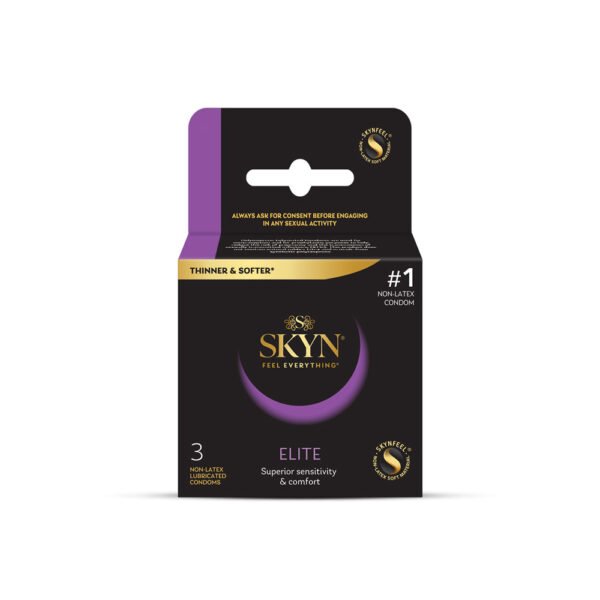
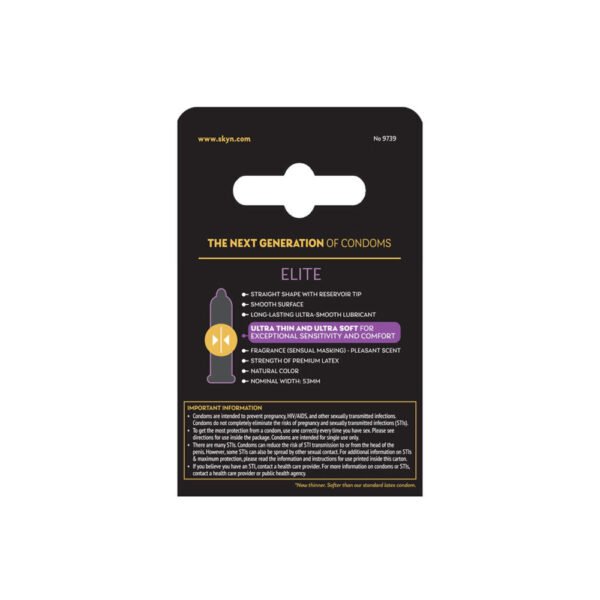
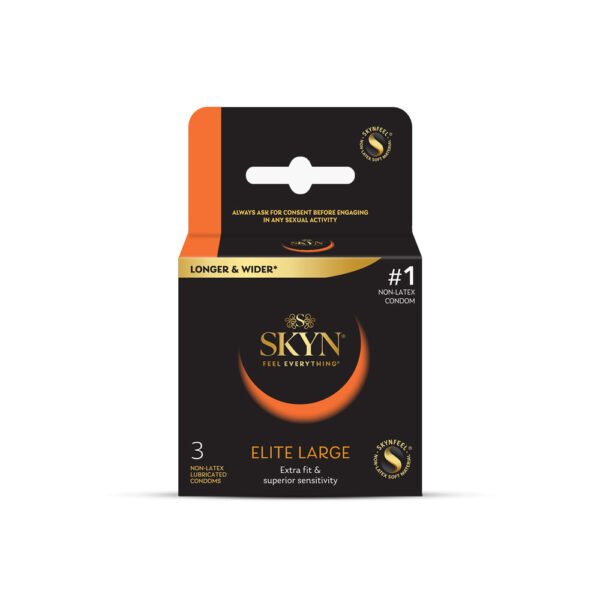
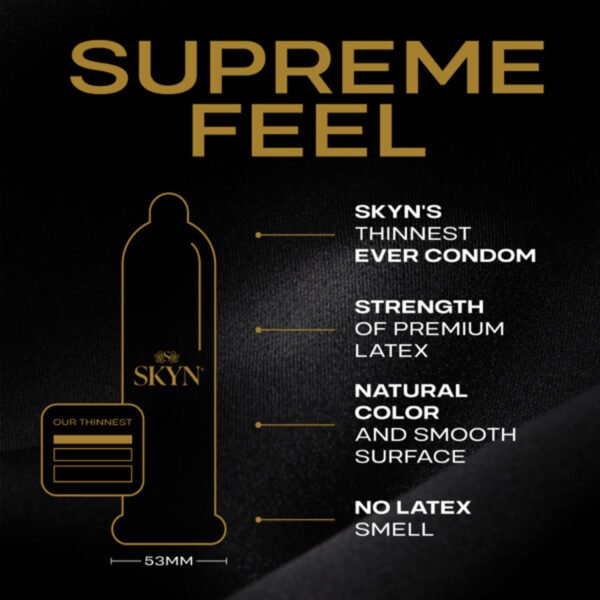
| Skyn Supreme Feel Polyisoprene Condoms 3 Count | Polyisoprene (non-latex) | Standard | Water-based or silicone-based | Among the thinnest in the Skyn line; no latex smell |
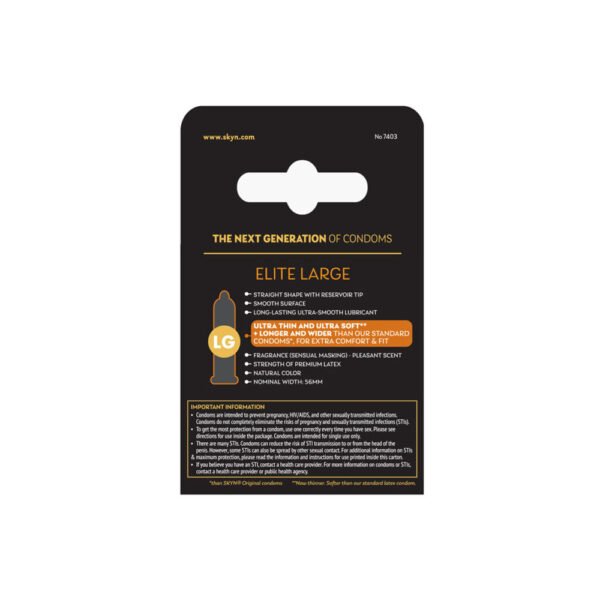
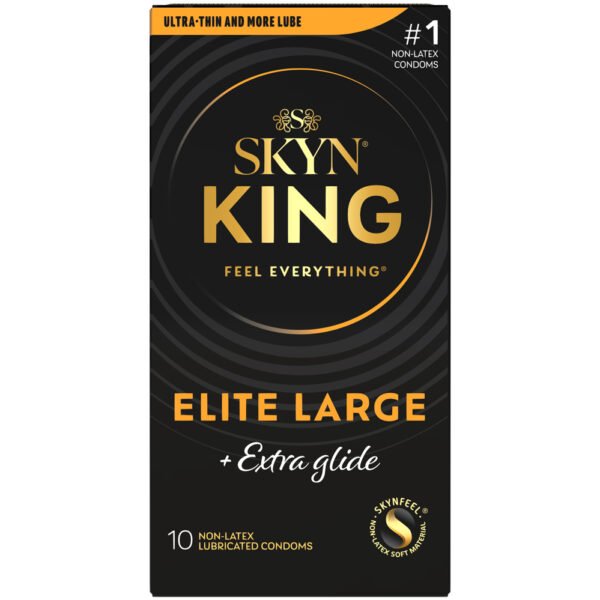
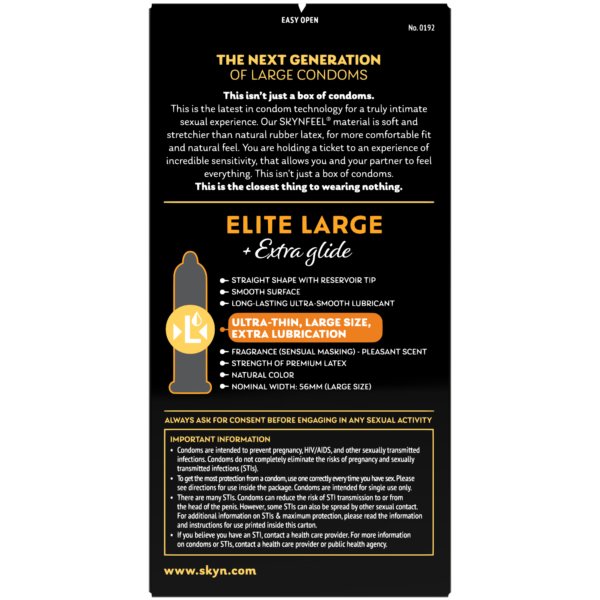
| Skyn King Ultra Thin and Extra Glide Latex-Free Condoms 10-Pack | SKYNFEEL polyisoprene (non-latex) | Large | Water-based or silicone-based | 40% more lubricant than standard; electronically tested |
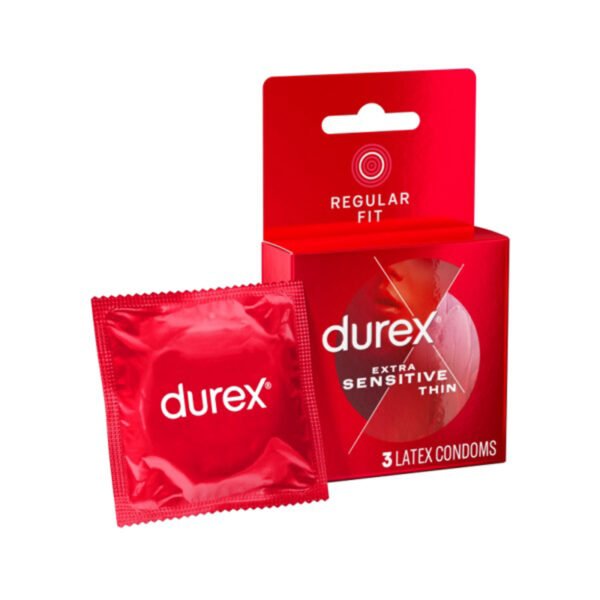
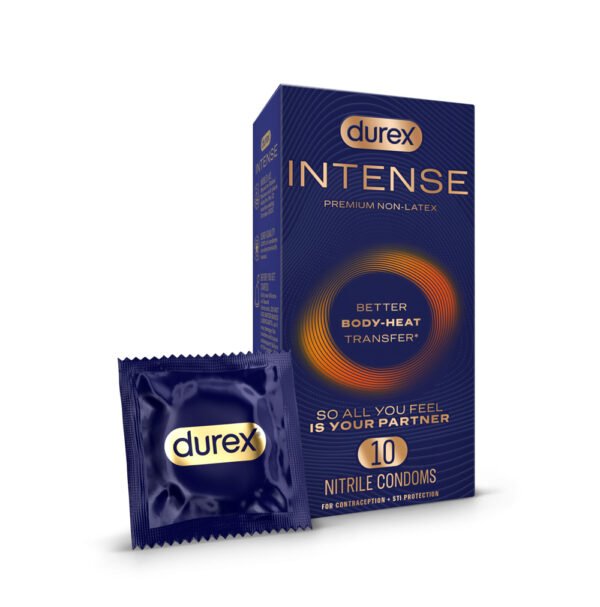
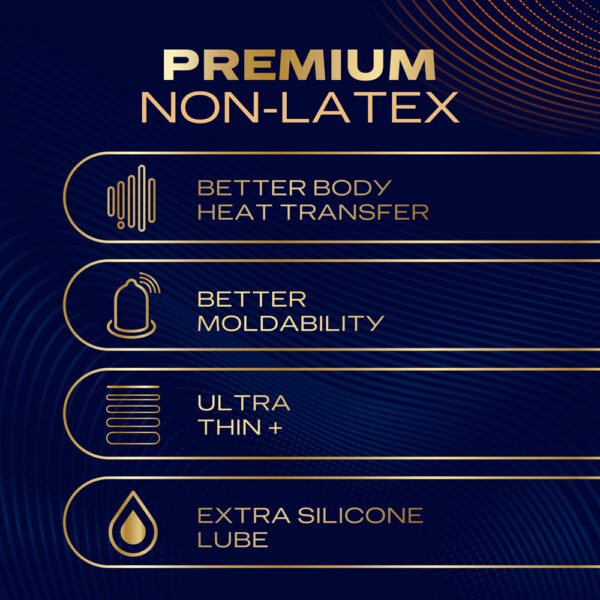
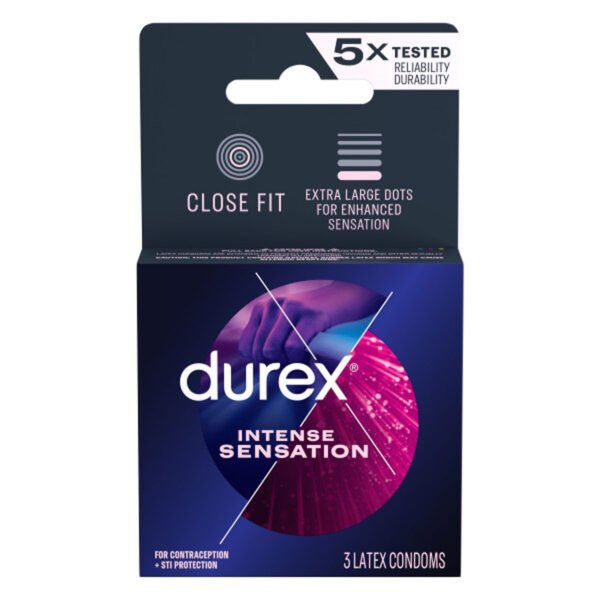
| Durex Intense Nitrile Condoms 10 Pack, Latex-Free | Nitrile (non-latex) | Standard (56 mm nominal width) | Silicone-based (pre-lubricated) | 100% electronically tested; suited to latex-sensitive users |
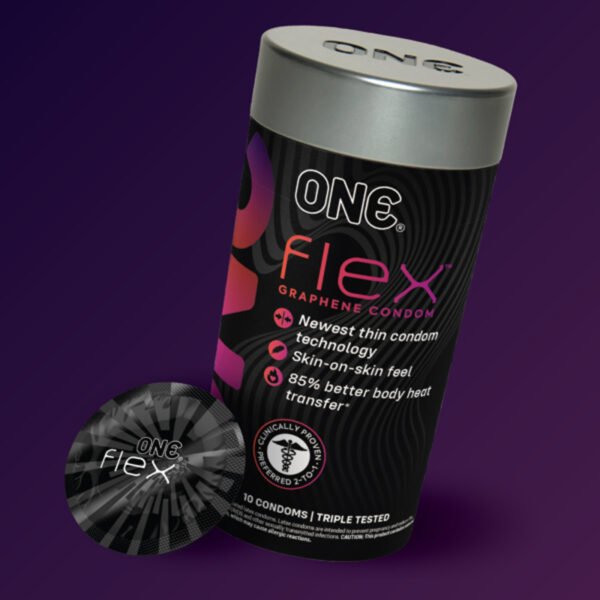
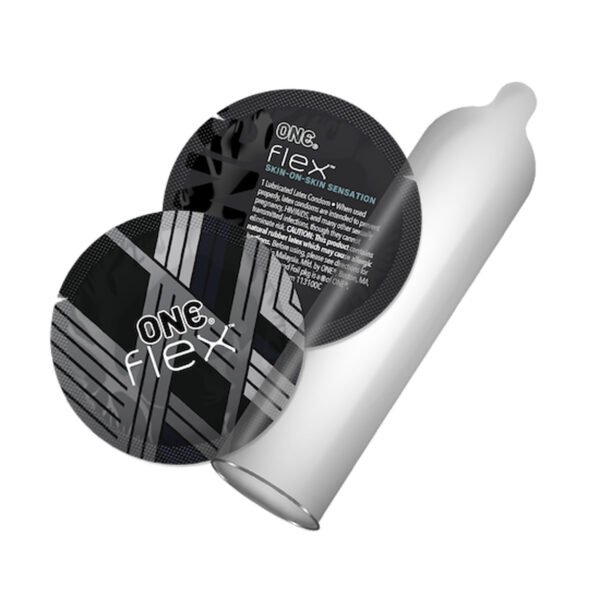
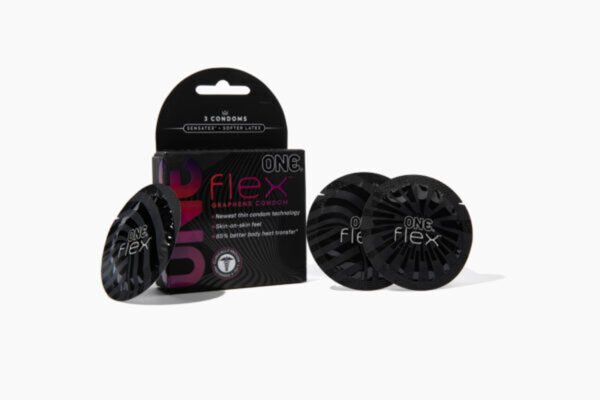
| One Flex Graphene Latex Condoms 10 Count | Latex with graphene | Standard | Water-based or silicone-based | 85% more heat transfer than standard latex; vegan-friendly; odorless |
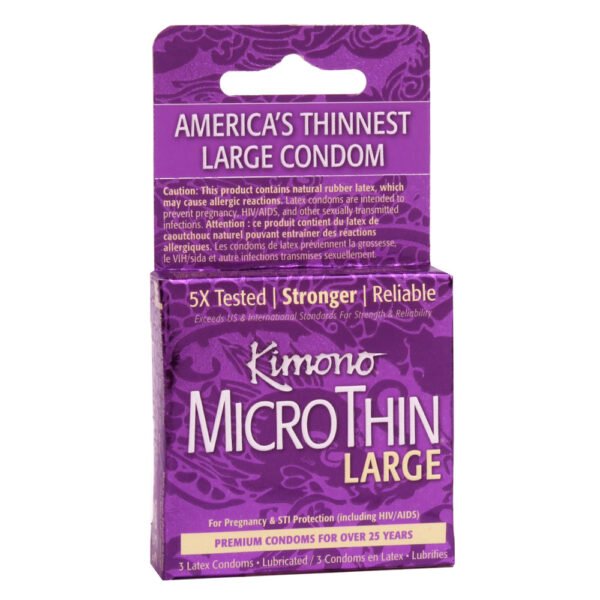
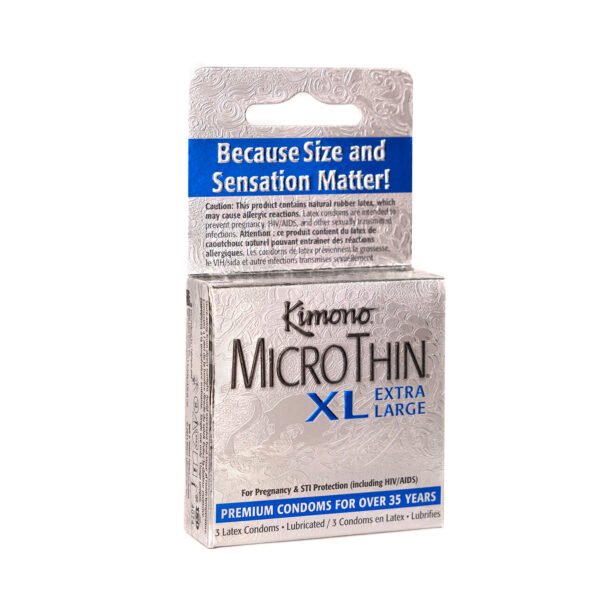
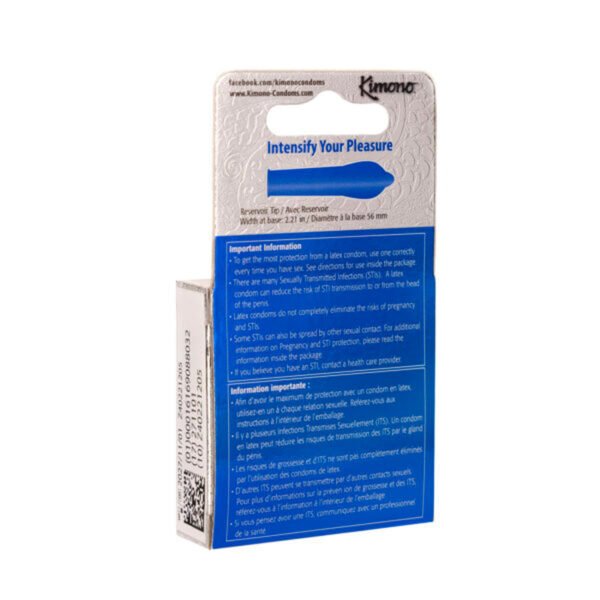
| Kimono Microthin XL Condoms, 3 Count | Natural rubber latex | XL (56 mm base, flare shape) | Water-based or silicone-based | No parabens, glycerin, spermicide or nitrosamines; vegan-friendly |
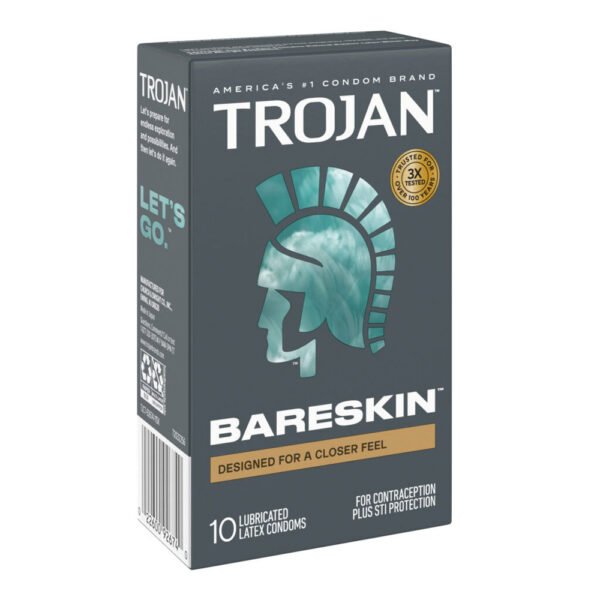
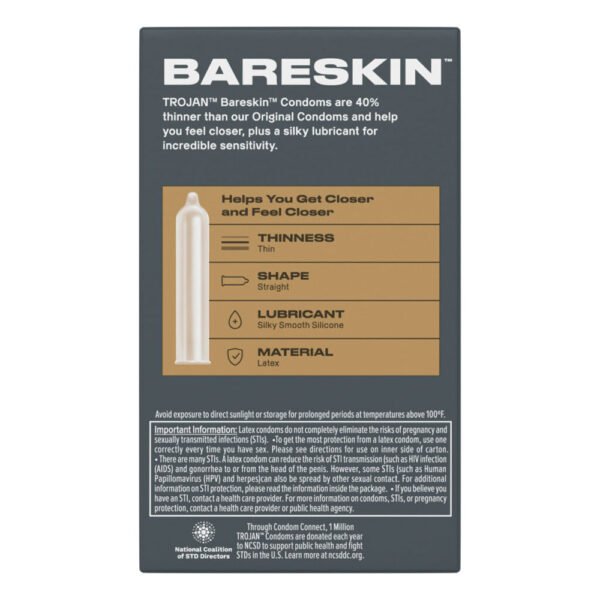
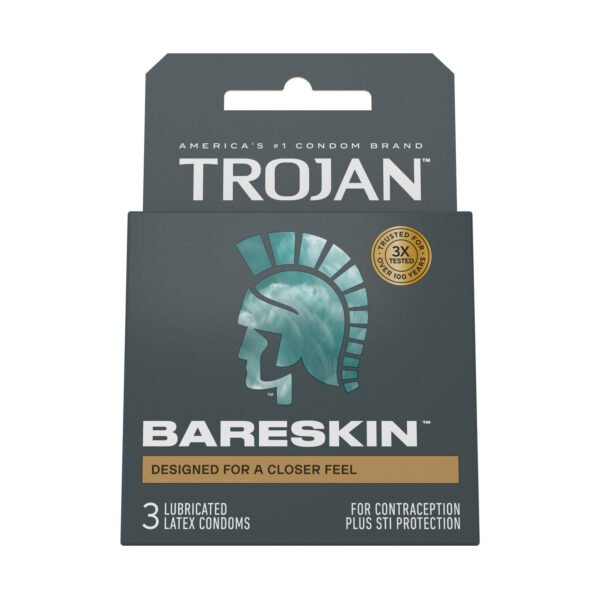
| Trojan Sensitivity Bareskin Lubricated Condoms, 10 Pack | Natural rubber latex | Standard | Water-based or silicone-based | 40% thinner than standard Trojan condoms; pre-lubricated |
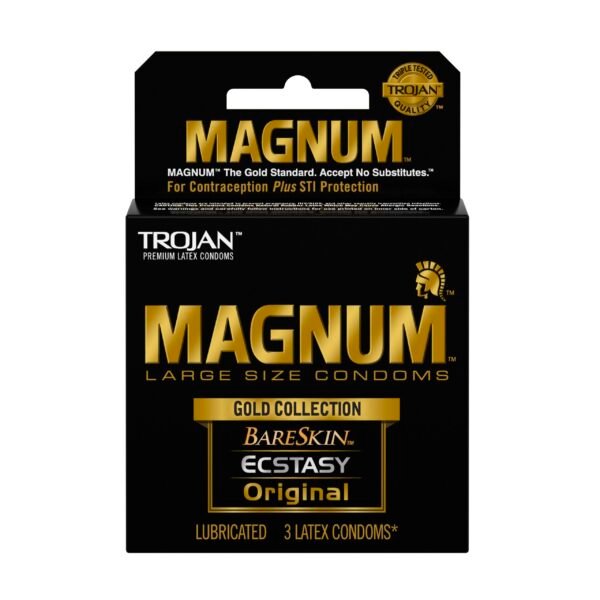
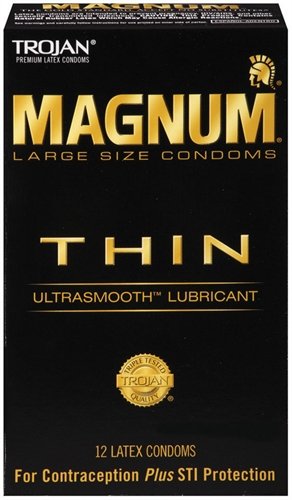
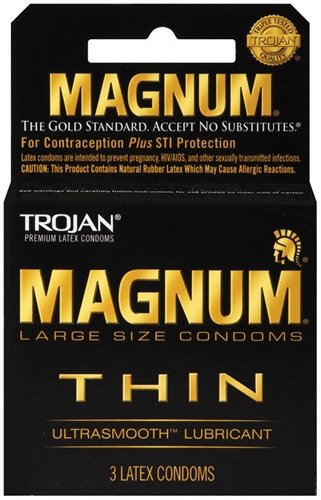
| Trojan Magnum Thin Large Size Lubricated Latex Condoms, 12 Pack | Natural rubber latex | Large | Water-based or silicone-based | Tapered base for secure fit; thinner than standard Magnum |
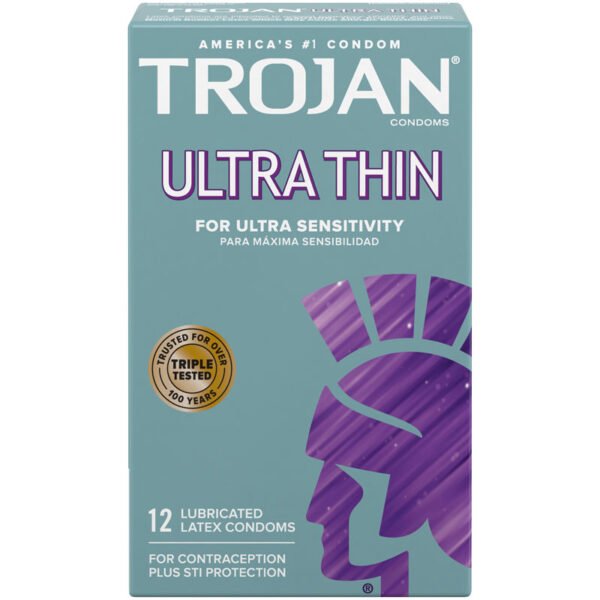
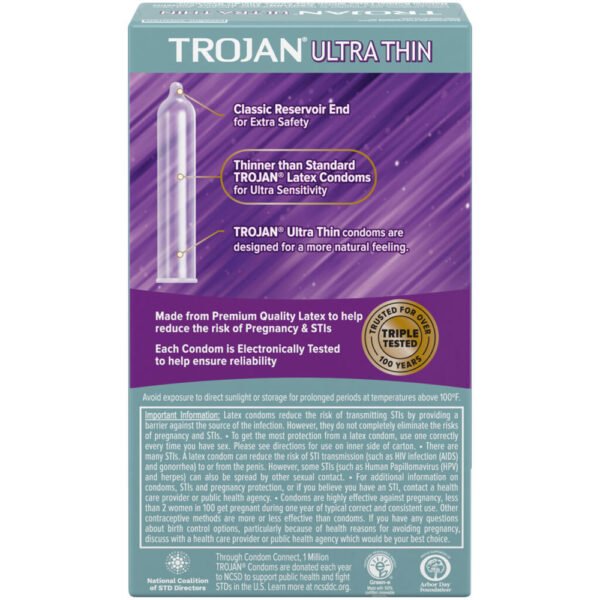
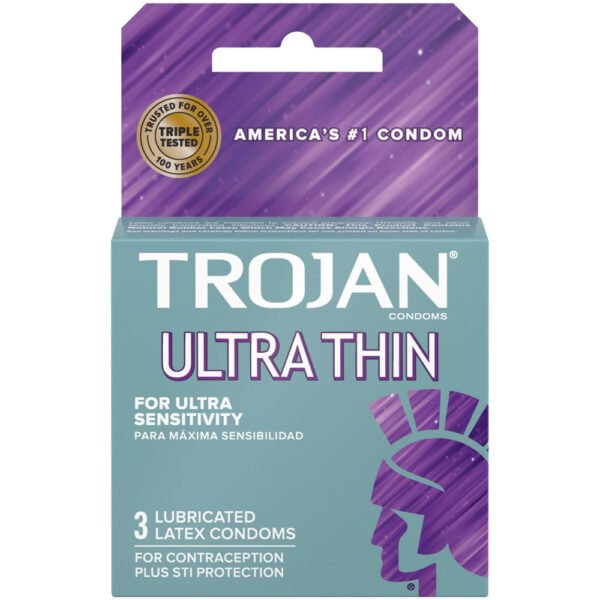
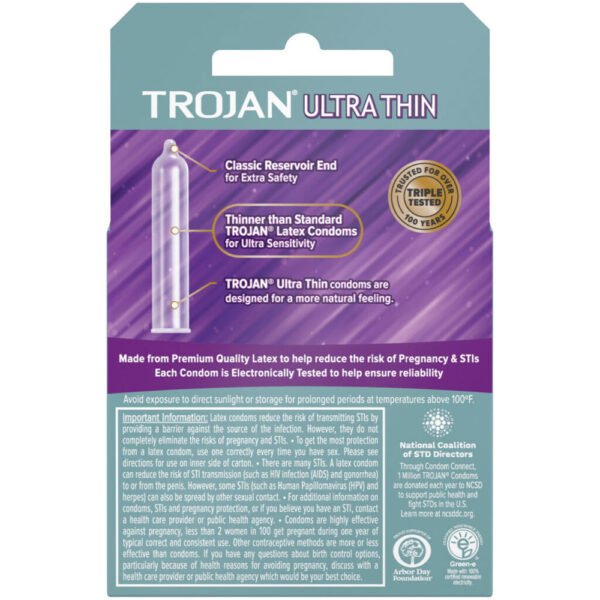
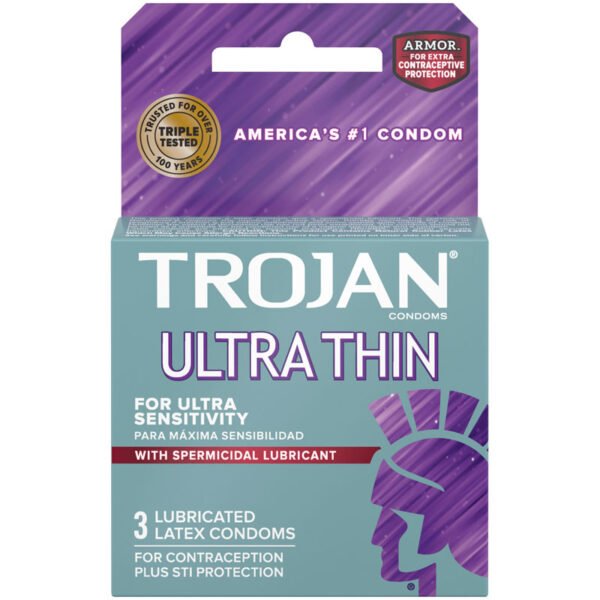
| Trojan Ultra Thin Armor Spermicidal Condoms, 3 Pack | Natural rubber latex | Standard | Water-based or silicone-based | Contains nonoxynol-9; may irritate sensitive tissue |
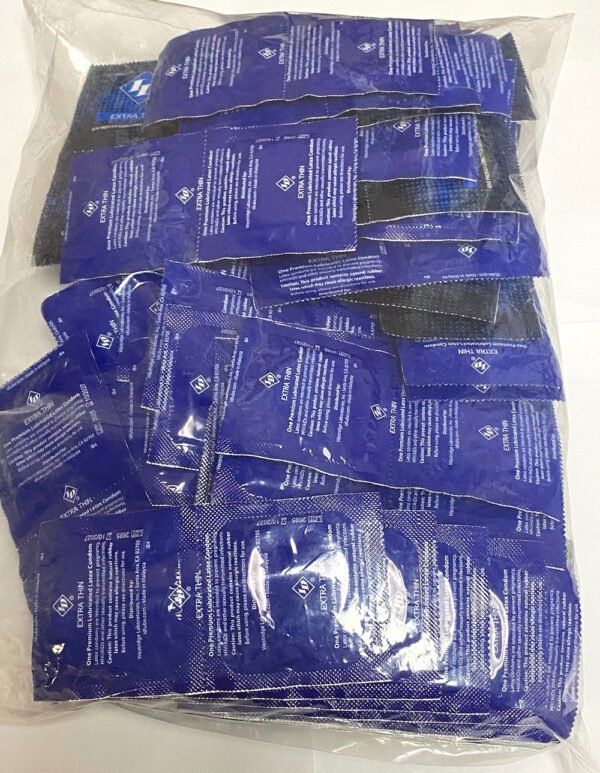
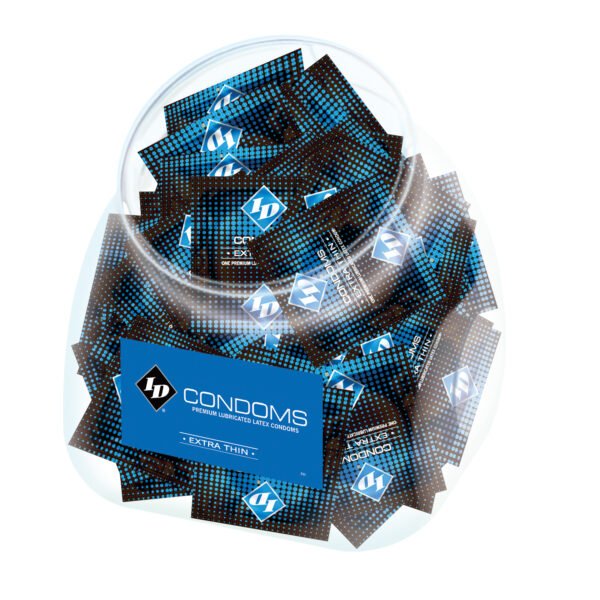
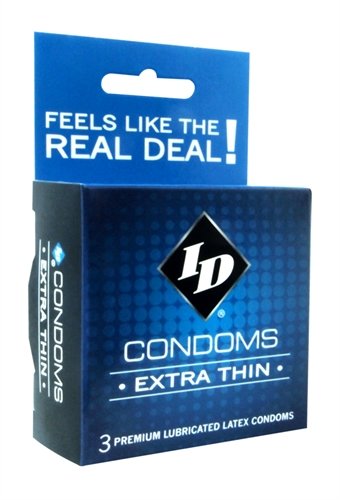
| ID Extra Thin Lubricated Condom Jar, 144 Pieces | Natural rubber latex | Standard | Water-based or silicone-based | 144-piece jar; good value for regular use |
If you are pairing any of these with additional personal lubricants, confirm compatibility with the condom material before use. And always check the expiry date on the pack before opening.
These ultra thin condoms are grouped by the situations where material, fit, or formulation actually makes a difference in which one you reach for.
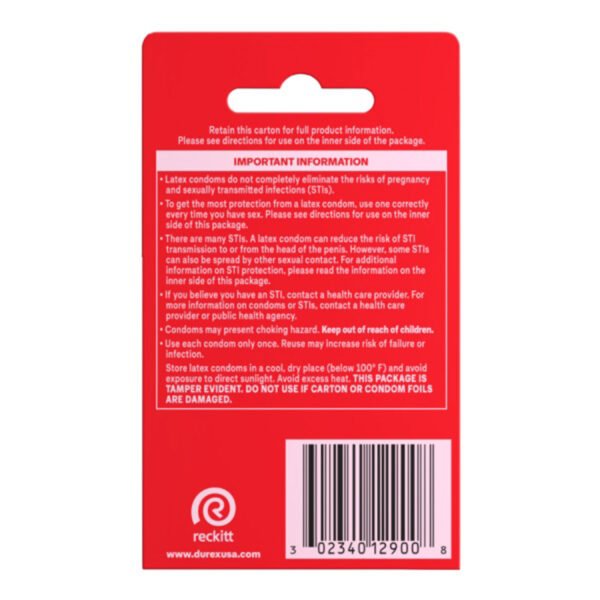
Open the wrapper carefully, without teeth or scissors, and check that the condom is oriented correctly before rolling it down. Leave a little space at the tip to avoid pressure buildup. If you add extra lubricant, apply it to the outside only. Water-based lubricant works with every material in this category. Silicone-based lubricant is fine with latex and polyisoprene; check the label for polyurethane. Use a new condom for every act, without exception. Oil-based products must never be used with latex or polyisoprene, as they break down the material.
Store condoms in a cool, dry place away from direct sunlight and sharp objects. A wallet is convenient but generates enough friction and heat over time to weaken the material, so a bedside drawer or a dedicated case is a better option. Always check the expiry date before use. Some formulations include nonoxynol-9 spermicide; this ingredient can cause irritation for some people and does not add meaningful pregnancy protection, so spermicide-free versions are worth considering if sensitivity is a concern.
Ultra thin condoms cleared by the FDA meet the same strength and reliability standards as standard condoms. Thinner does not mean weaker: manufacturers achieve a reduced wall by refining the latex or synthetic formulation itself, not by simply stretching the material further. Every condom in this category is electronically tested for pinholes and structural integrity before it leaves the production line. A thinner wall and a reliable barrier are not in conflict when the product is manufactured to spec. Most breakage in real-world use traces back to incorrect application, an expired product, or an incompatible lubricant, not to the condom’s thickness. Use as directed, check the expiry, and pair with a compatible lubricant, and an ultra thin condom performs the same protective function as any standard one.
Condom thickness is measured in microns (µm), and the numbers give a clearer picture than marketing terms alone. A standard latex condom typically runs between 70 and 100 µm. Thin condoms generally fall in the 50 to 70 µm range. Ultra thin condoms usually measure somewhere between 40 and 60 µm, with the thinnest options on the market sitting closer to 40 to 45 µm. Polyurethane formulations can run at the lower end of that range, while latex and polyisoprene ultra thin options tend to cluster in the mid-50s. These figures vary by brand and production batch, so the micron spec on the packaging is the most reliable reference point when comparing products directly. A lower number means more heat and pressure transfer through the wall during use.
For anyone with a latex allergy or reactive skin, the material label on the box matters more than the thickness claim. Polyisoprene and polyurethane are the two non-latex materials available in ultra thin versions; both deliver a genuinely thin feel without natural rubber latex. Polyisoprene tends to stretch and conform more closely to the body, while polyurethane typically runs thinner still. On packaging, look for “latex-free,” “non-latex,” or the specific material name. Spermicide-free is also worth seeking out for irritation-prone users: nonoxynol-9 can cause tissue irritation regardless of material, and its presence on a condom does not add meaningful pregnancy protection. If your skin reacts to standard condoms, the combination of a non-latex material and a spermicide-free formulation is the most straightforward place to start.
Completely normal, and honestly pretty common. There are a lot of options, and the differences between them are not always obvious from the packaging. A reasonable starting point is to pick a small 3-count pack in a material that suits your skin, try it, and adjust from there. No single condom works for every body, and finding the right fit usually takes a little experimentation without any pressure to get it right immediately.
Latex condoms carry some natural rubber scent, though many ultra thin latex formulations are manufactured with odor reduction as a specific goal, so the smell tends to be mild. Polyisoprene and polyurethane options are non-latex and have no rubber smell at all, which some people find more comfortable. If scent is a concern, non-latex ultra thin condoms are the straightforward solution.
Generally yes, though the material of the ring matters. Silicone and hard plastic cock rings are fine alongside latex or non-latex ultra thin condoms, provided the condom is applied first and the ring does not compress or bunch the condom against the skin. Avoid rings made with oil-based materials if you are using latex or polyisoprene, since oil contact degrades those materials over time.
The lubricant coating on most ultra thin condoms is water-based or silicone-based, and both rinse out of most fabrics without staining. Silicone-based lubricant can leave a faint oily feel on some materials and may need a second wash cycle, but it does not typically set as a permanent stain. Disposing of the condom properly and rinsing promptly keeps any residue minimal.
Yes, condoms are not restricted by TSA or international airport security and can travel in carry-on or checked bags without issue. The main thing to watch on any trip is temperature: prolonged exposure to heat, such as a bag left in a hot car or a coat pocket in direct sun, can degrade the material faster than normal. A small toiletry pouch kept in a climate-controlled bag is enough to protect them in transit.
Orders ship in plain, unmarked packaging with no indication of the contents on the outside. Your billing statement shows “XR. LLC” rather than Claim Night or any product description. We do not sell customer data. Discretion is built into every order by default, not something you have to request.
If one partner has a latex sensitivity and the other does not, the safest shared option is a non-latex ultra thin condom, since it works for both without risk of a reaction. Polyisoprene is a common choice in that situation because its stretch and feel are close to latex, so neither partner has to adjust much. When sensitivities differ, defaulting to the non-latex option protects both people without requiring separate products.
Some do. Traditional latex condoms are often processed using casein, an animal-derived protein, as part of the manufacturing step that smooths the latex surface. Vegan-certified ultra thin condoms skip that step and use plant-based alternatives instead. The product description or packaging will usually state “vegan-friendly” explicitly, so it is worth checking before buying if that matters to you.
Helpful guides, product tips, and simple explanations to help you find what feels right.
No account yet?
Create an Account