


Article
Beginner Butt Plug Guide: What a Butt Plug Is, How It Works, and How to Use One Safely06/13/2026

Deals
Bestsellers
+39
Most-Loved Picks
Customer favorites for comfort, care, and everyday pleasure
Shop BestsellersSale · up to 40% off

+895
Soft Savings
Limited-time offers on body-safe essentials and feel-good favorites
View SaleSeasonal edit


+268
Seasonal Comfort Edit
Curated picks for holidays, date nights, gifting, and cozy nights in
Explore the EditFeatured
 Discreet Packaging
  Secure Checkout
  Body-Safe Materials
 Tights size by height and weight together, not just waist measurement, so always check the brand’s size chart before ordering. The waistband should sit comfortably at your natural waist or hip without rolling, the gusset should reach fully into the crotch without pulling, and the leg fabric should lie smooth with no sagging at the ankle or bunching behind the knee. A too-small size strains the fabric and shortens the life of the tights; sizing up one step usually gives a better result for curvy or tall frames.
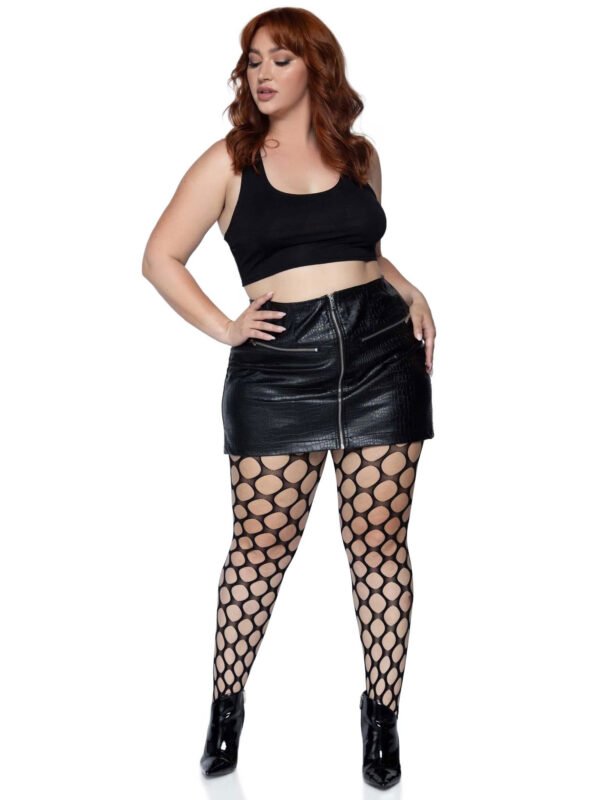
Nylon-spandex blends recover well and allow some flexibility across sizes, but petite and tall cuts make a real difference at the inseam. Claim Night carries sizes from XS through 4X, including plus and curvy fits, so there is a genuine range to work with rather than a single stretched-to-fit option.
Tights for women come in several distinct styles, and the best choice depends on the look you want, how you plan to wear them, and what you need from the fabric.
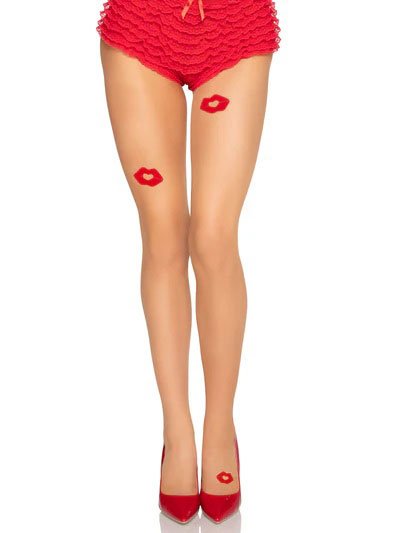
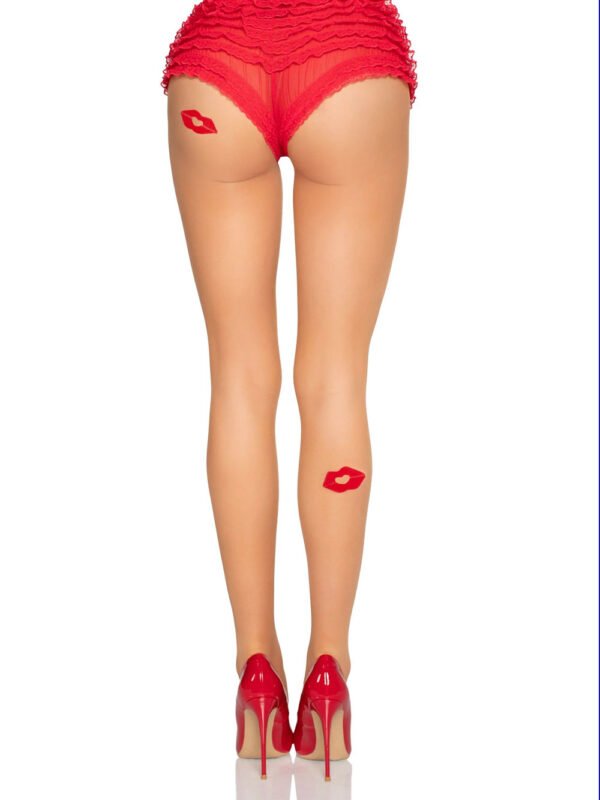
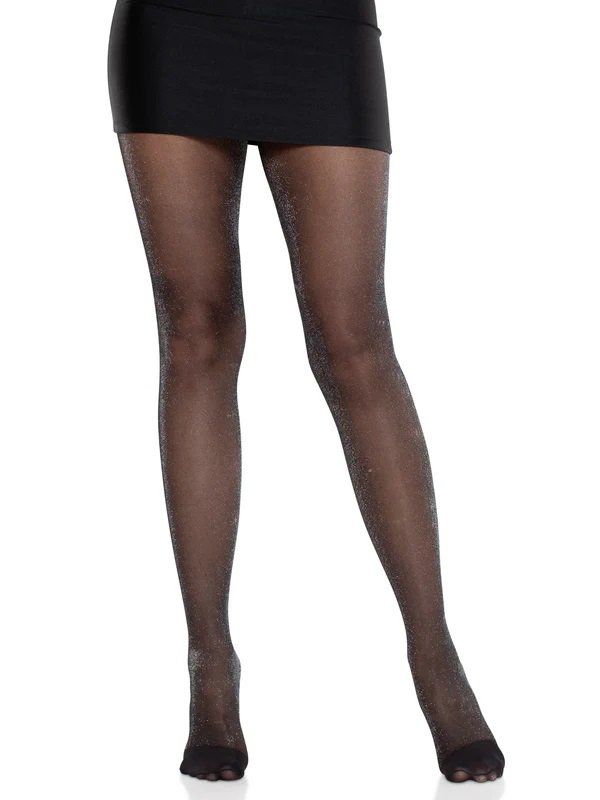
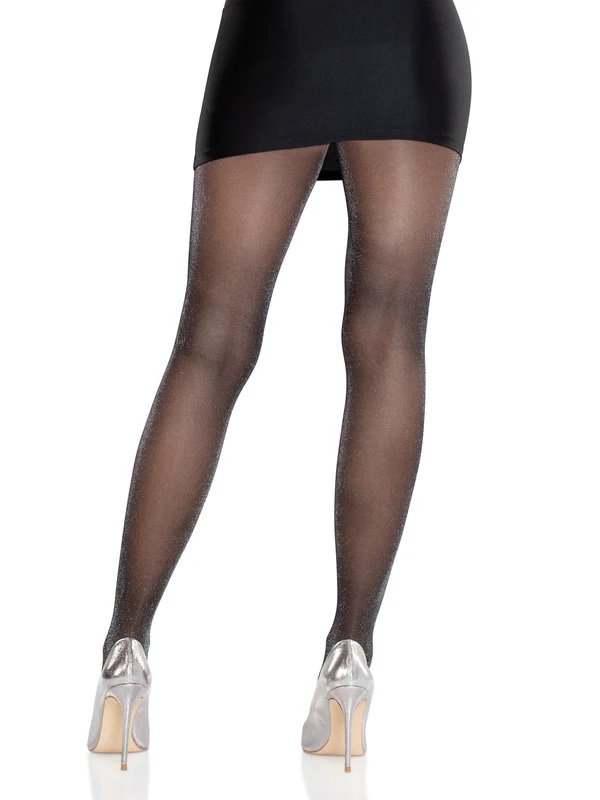
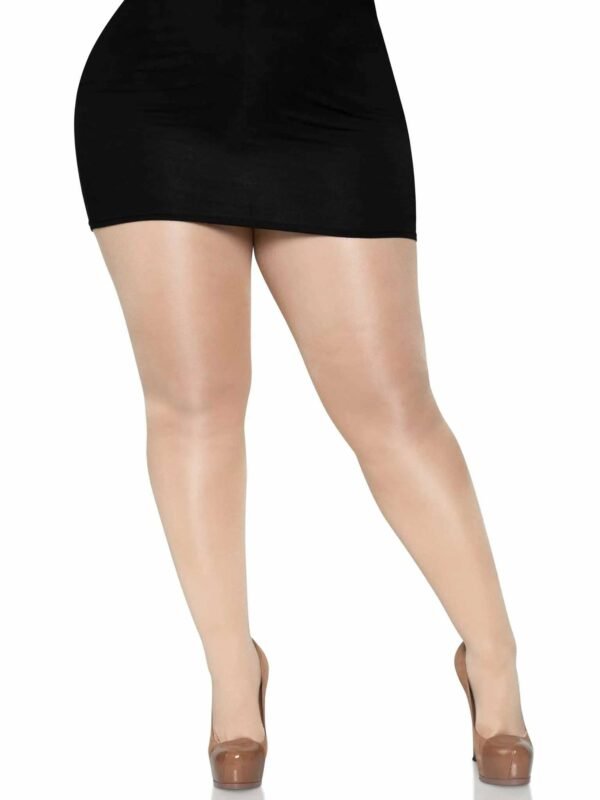
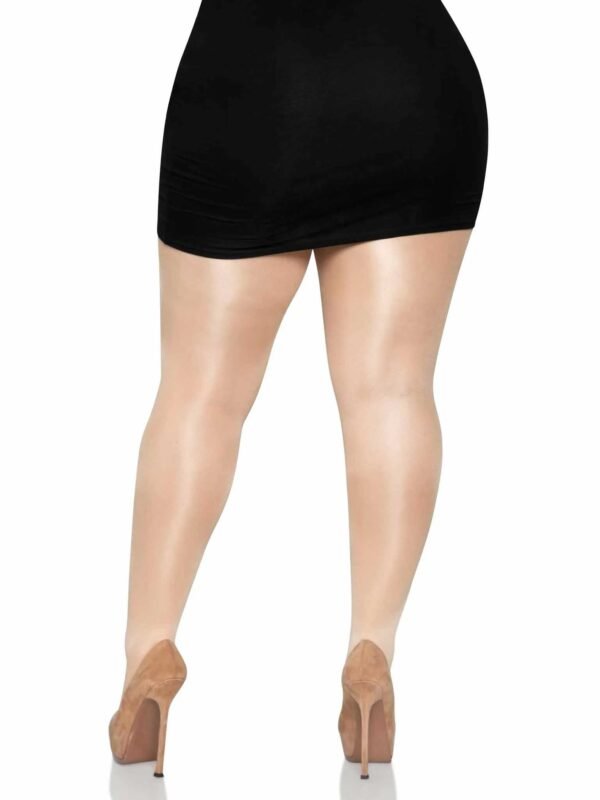
Sheer tights for women are made from fine, low-denier nylon that gives a barely-there finish while still smoothing the leg. They work well for polished or formal occasions where you want coverage without visible weight. The lower the denier, the more translucent the fabric, with most sheer styles falling in the 10D to 20D range.
Opaque tights for women use a heavier knit, typically 40 denier and above, that provides full coverage and a solid color finish. They are a practical choice for cooler days, office wear, or any outfit where you want the tights to read as a deliberate part of the look rather than a sheer layer. Higher-denier opaque styles also tend to be more run-resistant, which makes them a better investment for everyday wear.
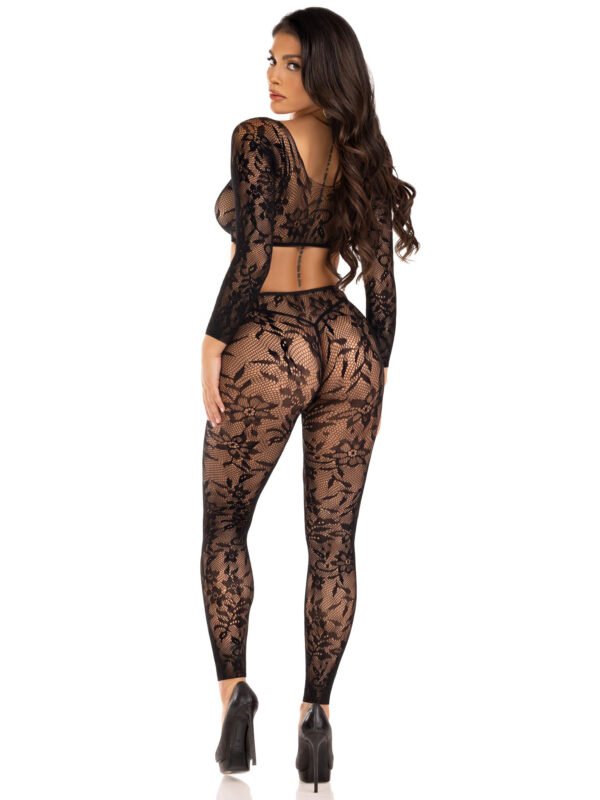
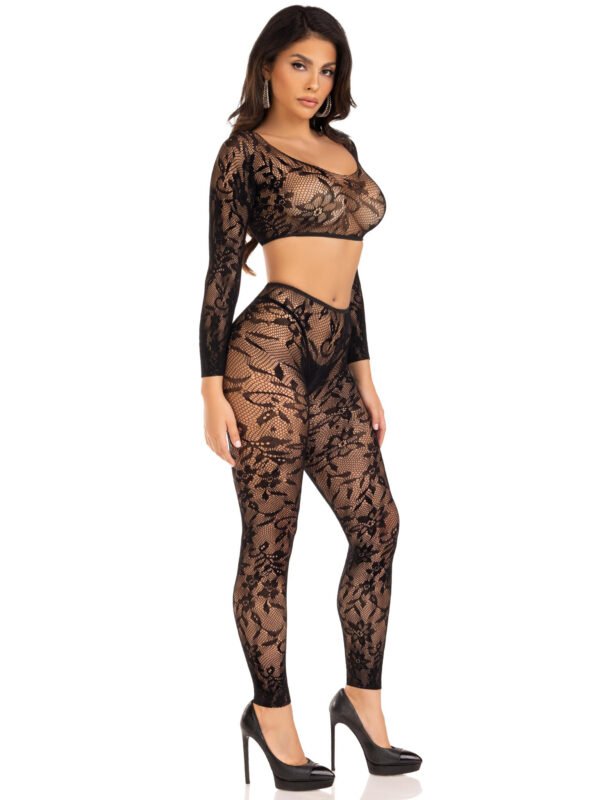
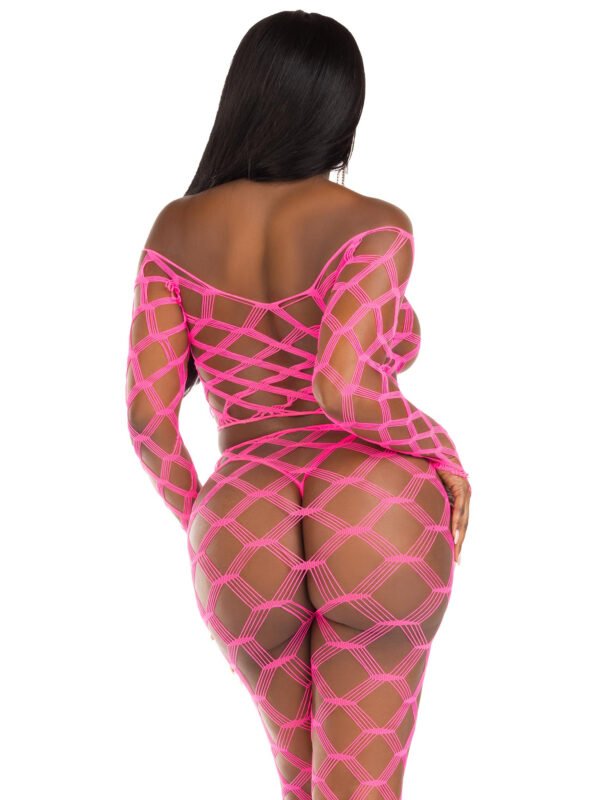
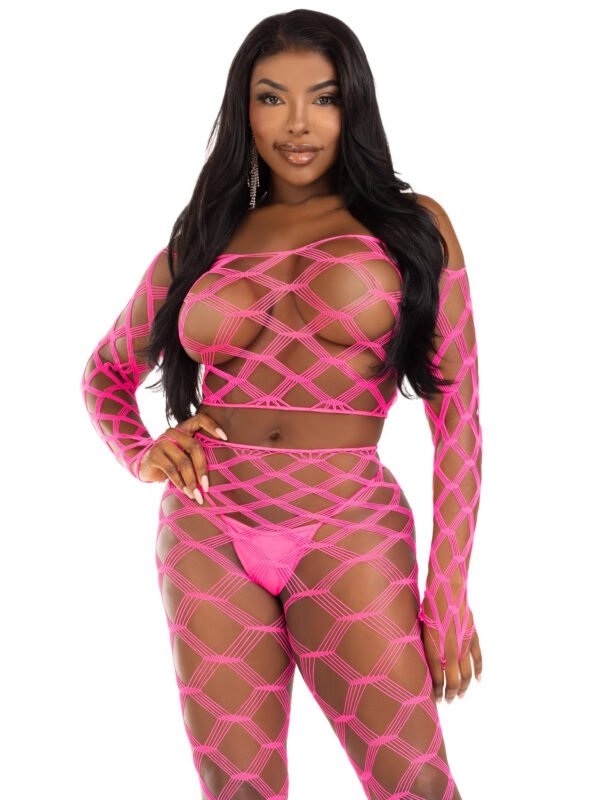
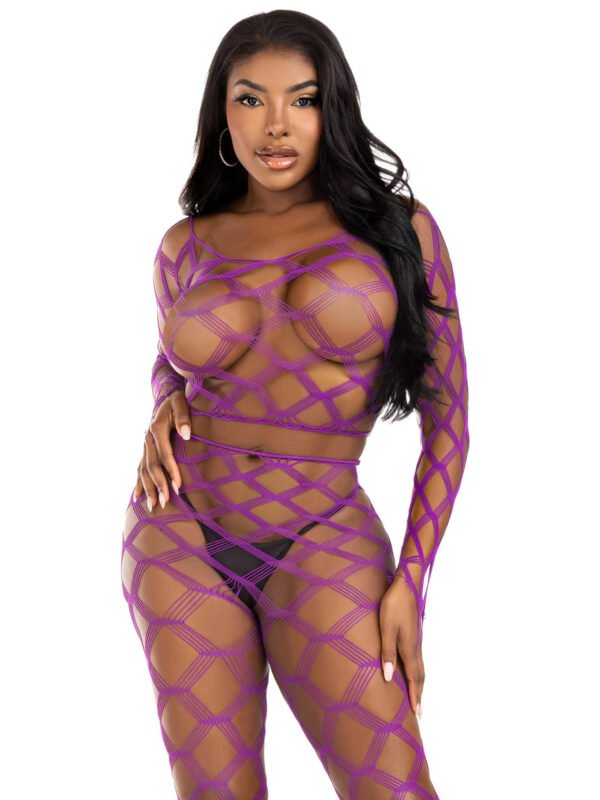
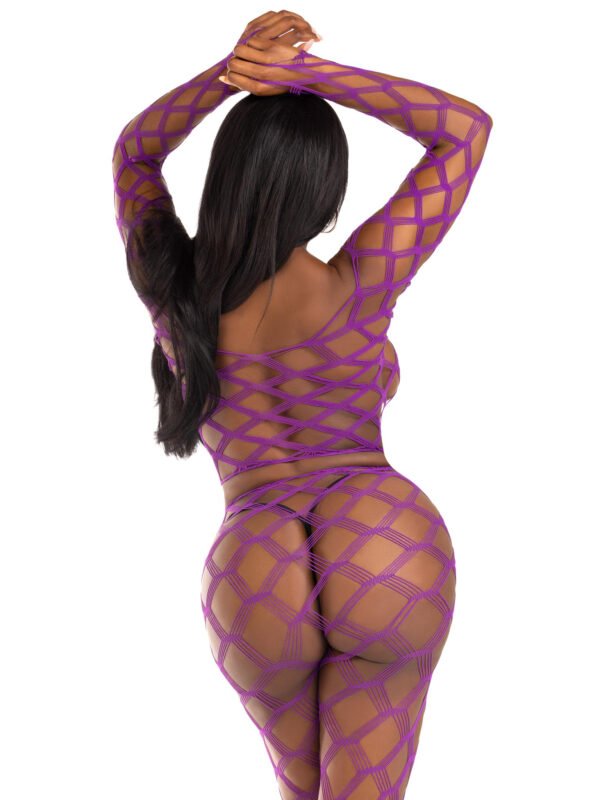
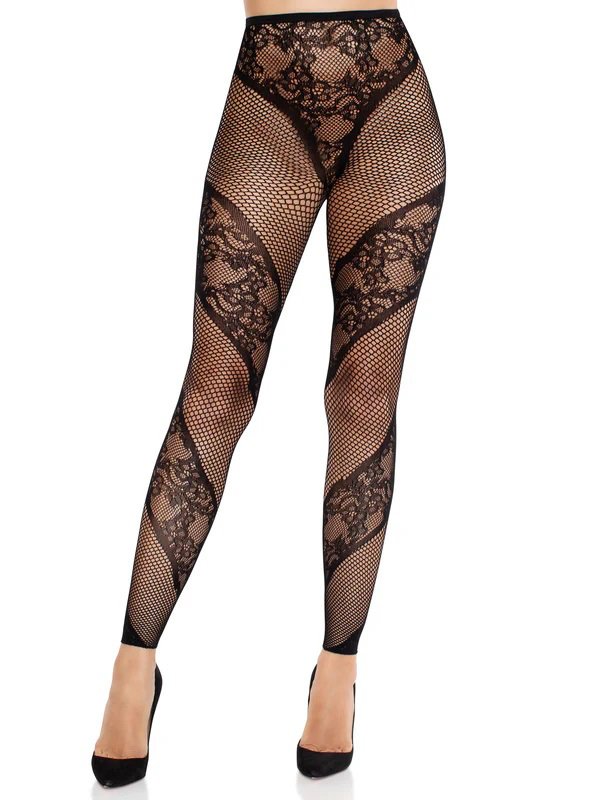
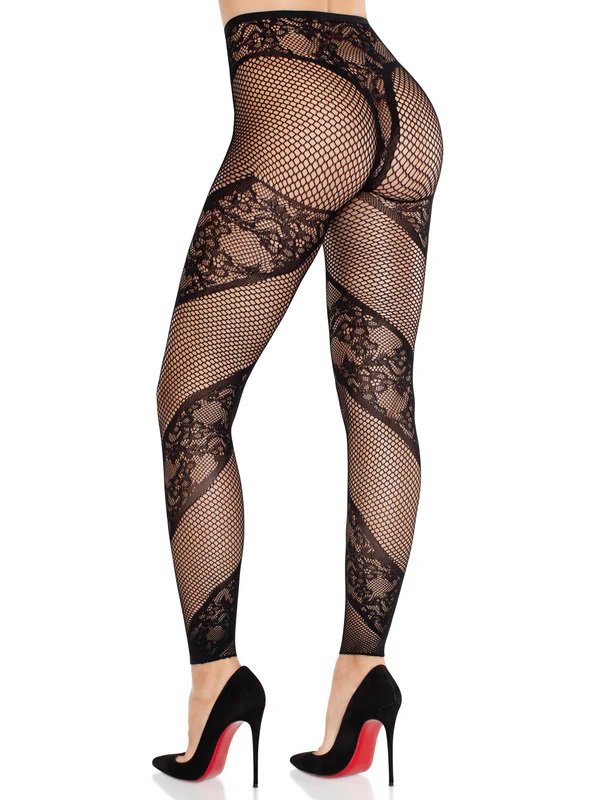
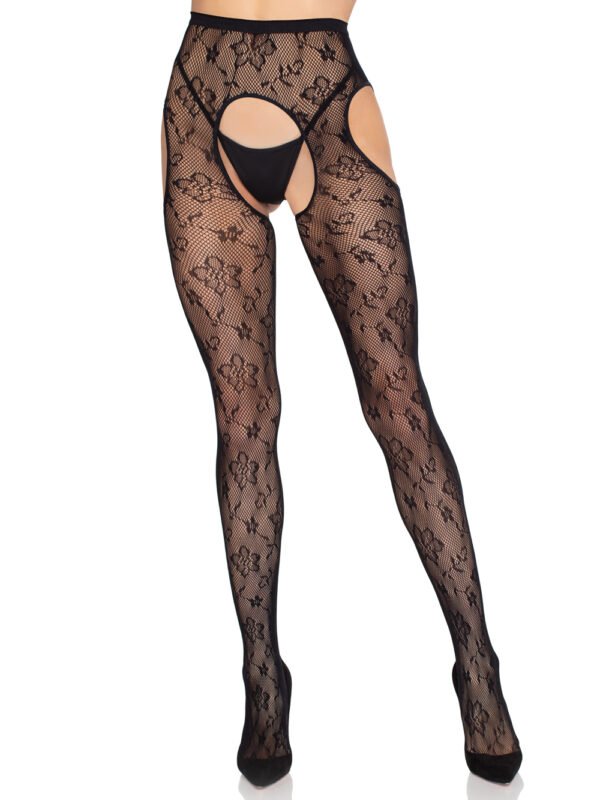
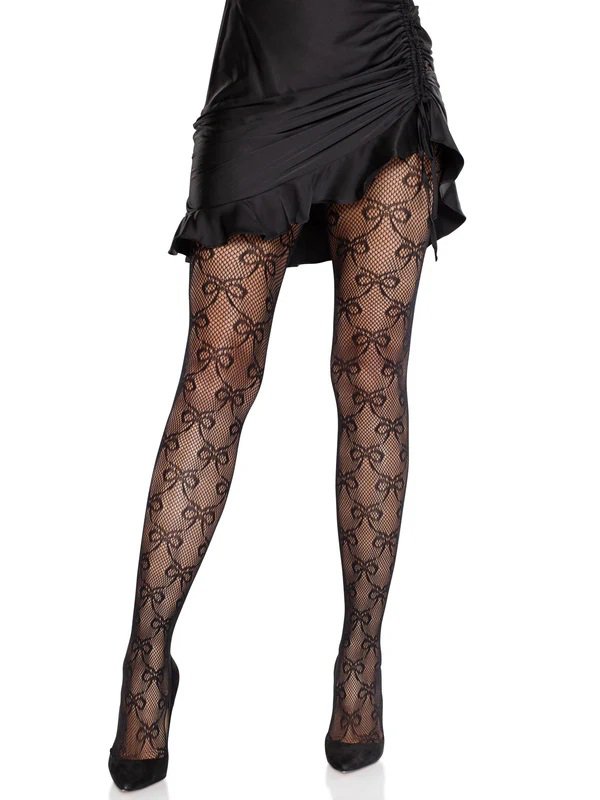
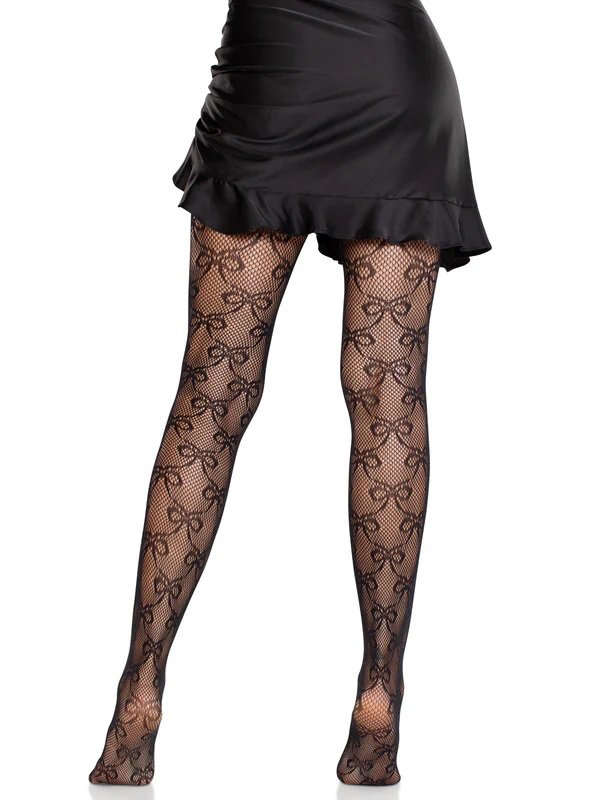
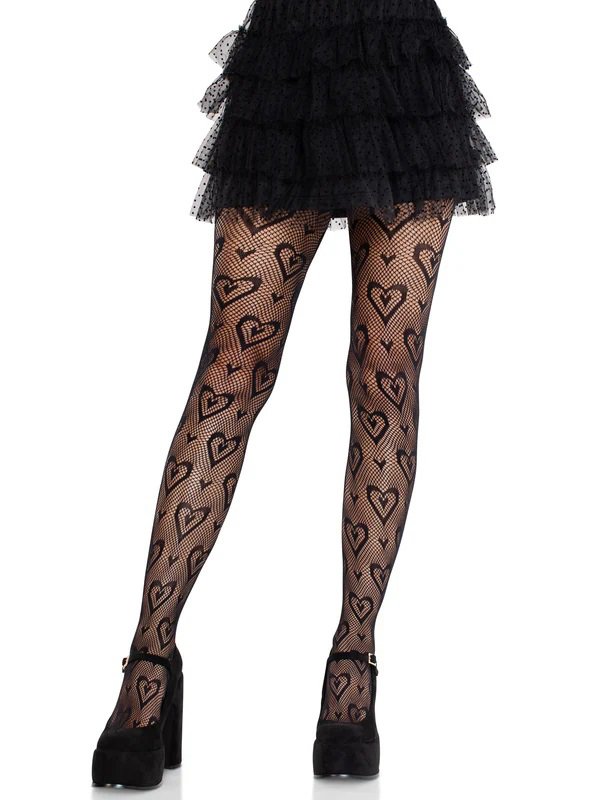
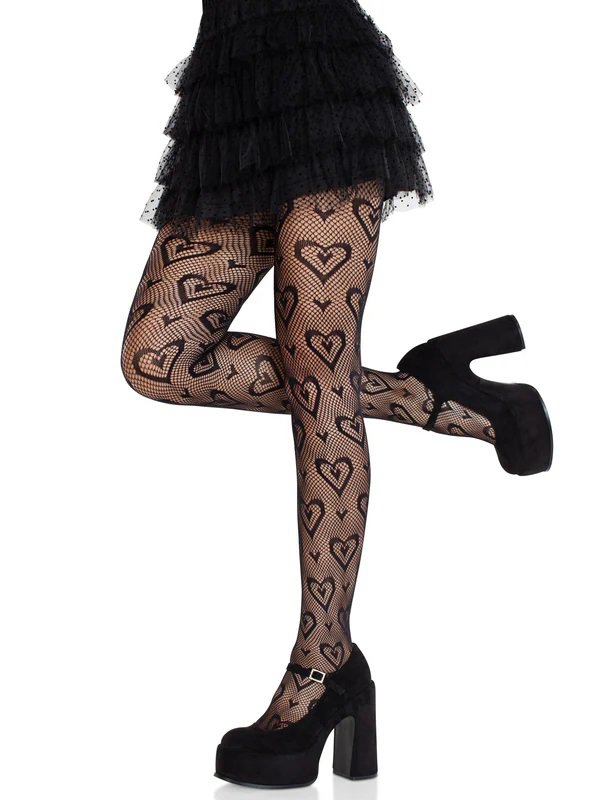
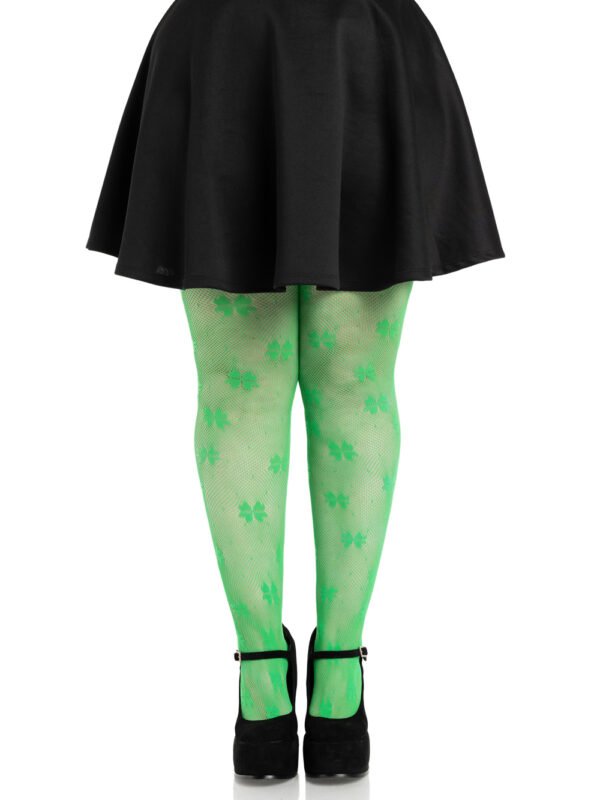
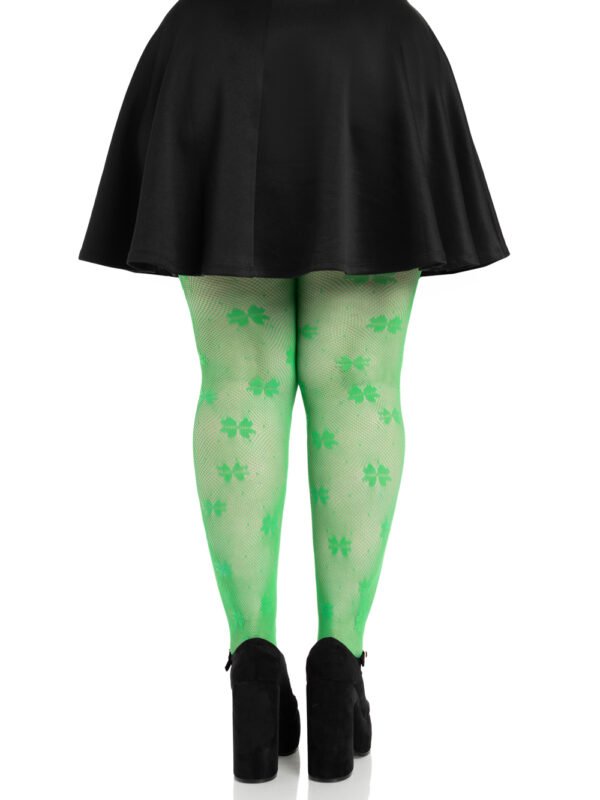
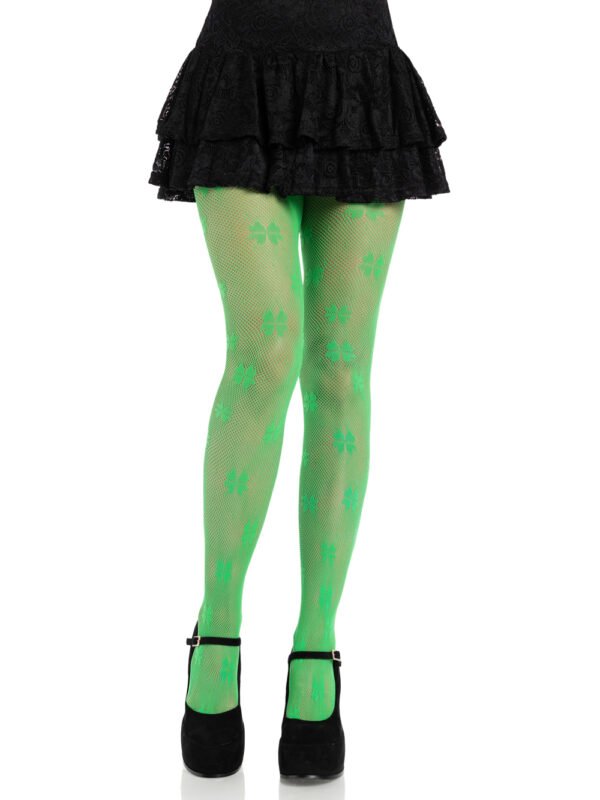
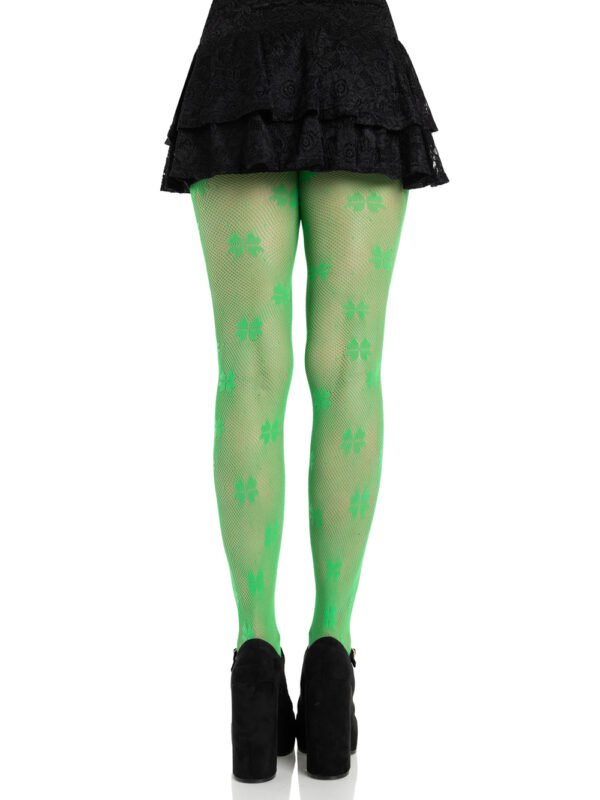
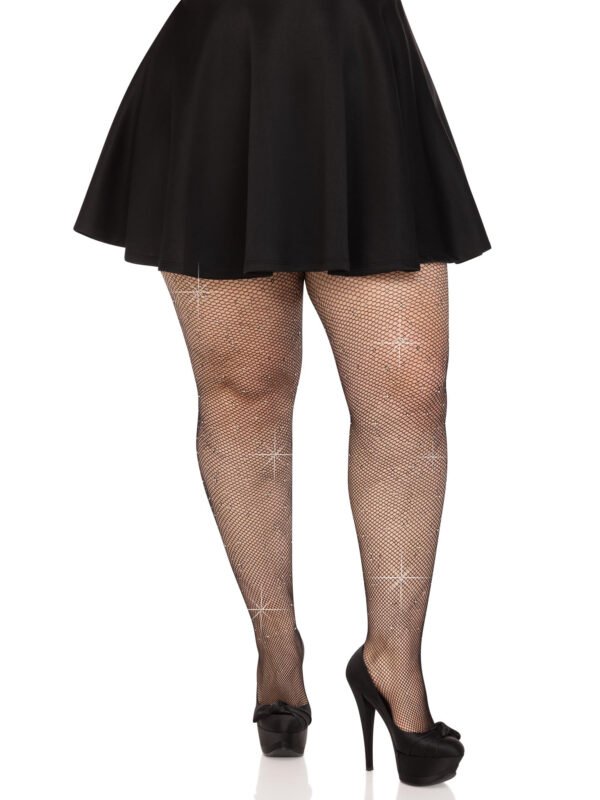
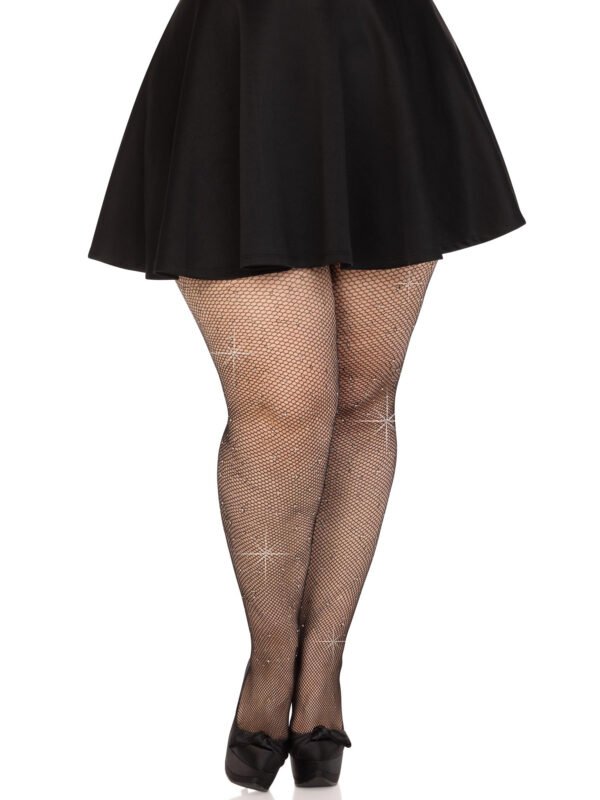
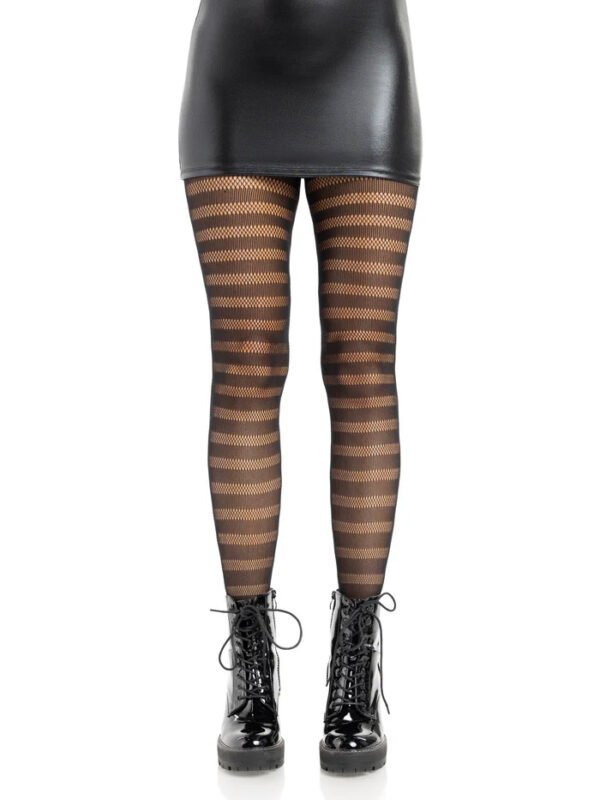
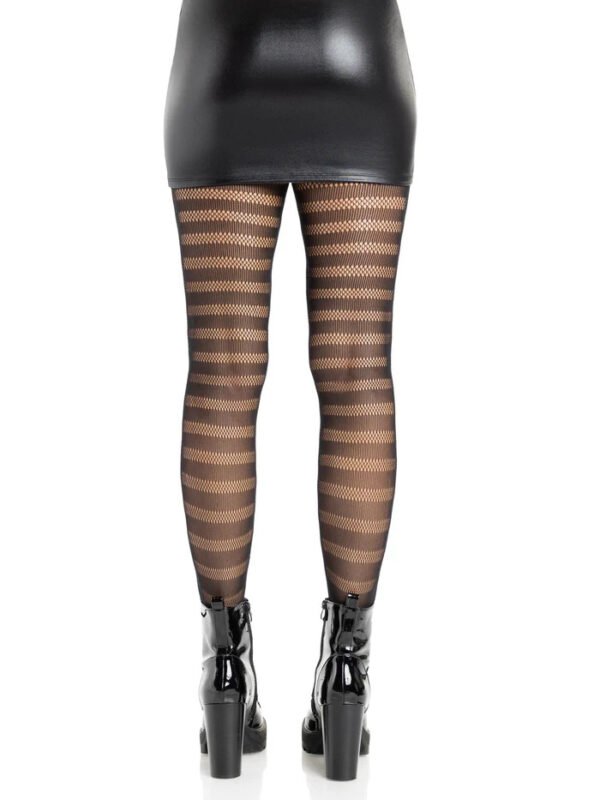
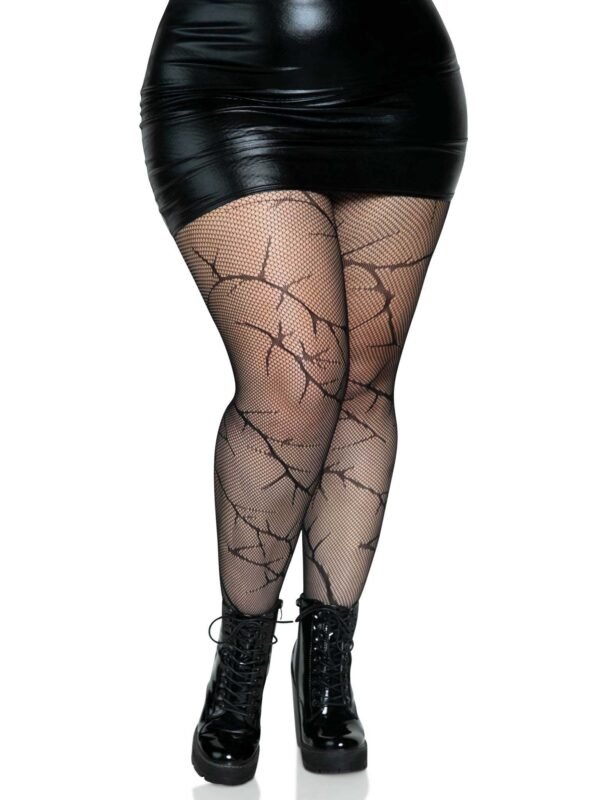
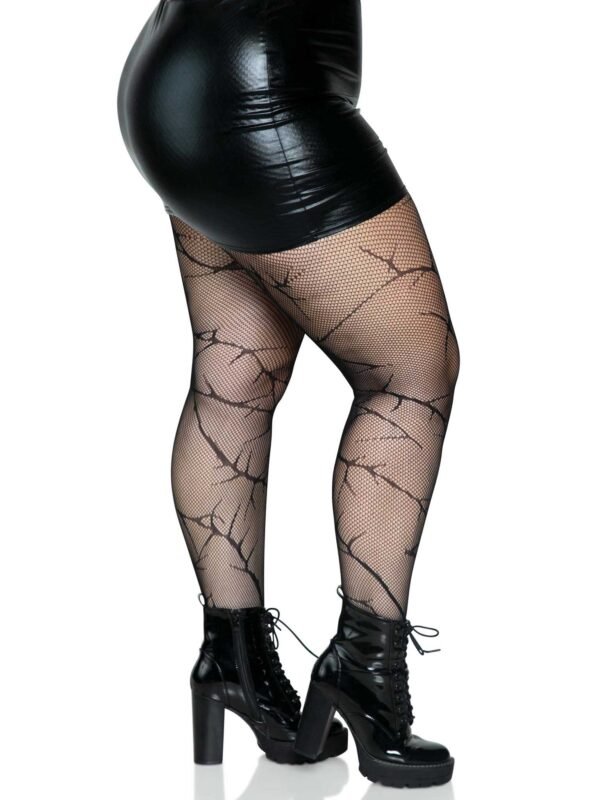
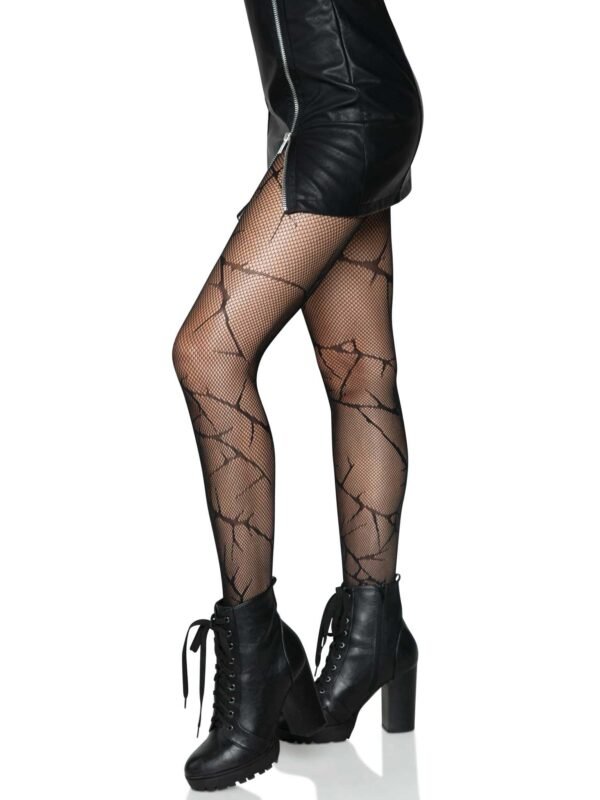
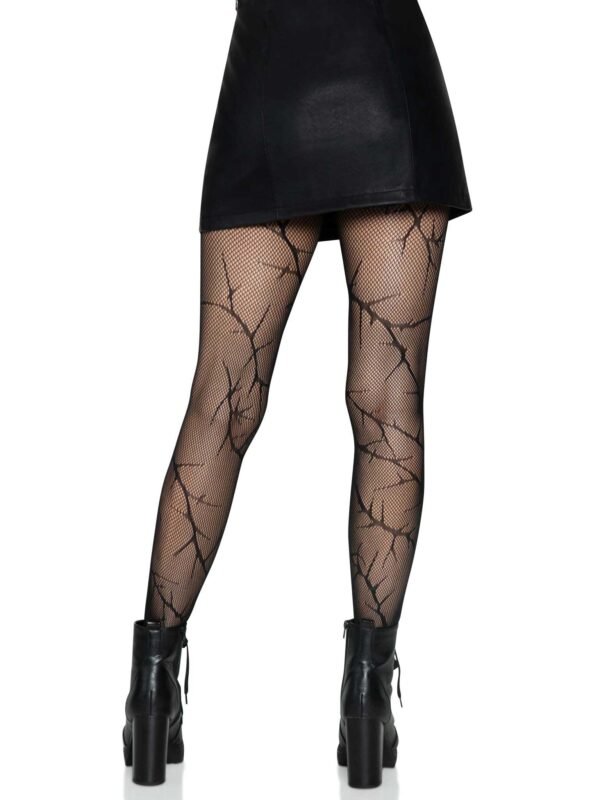
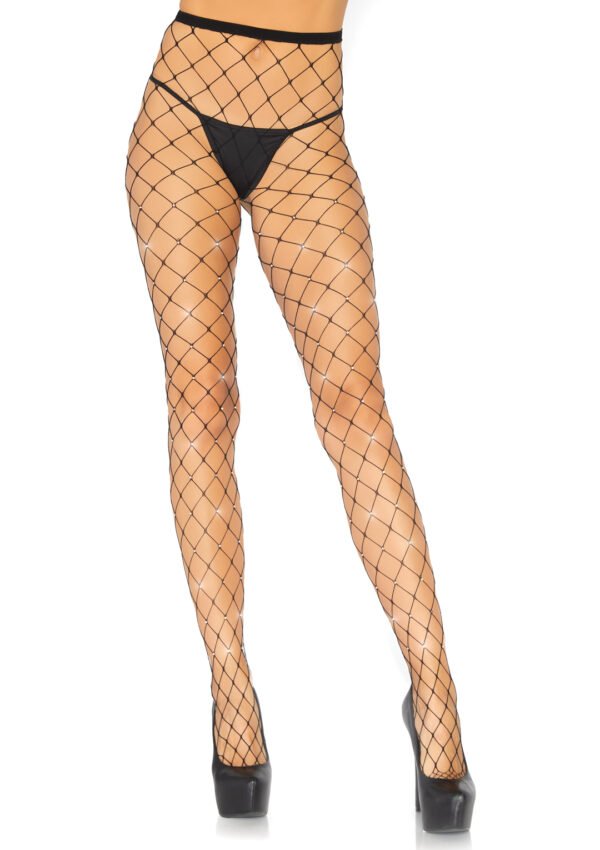
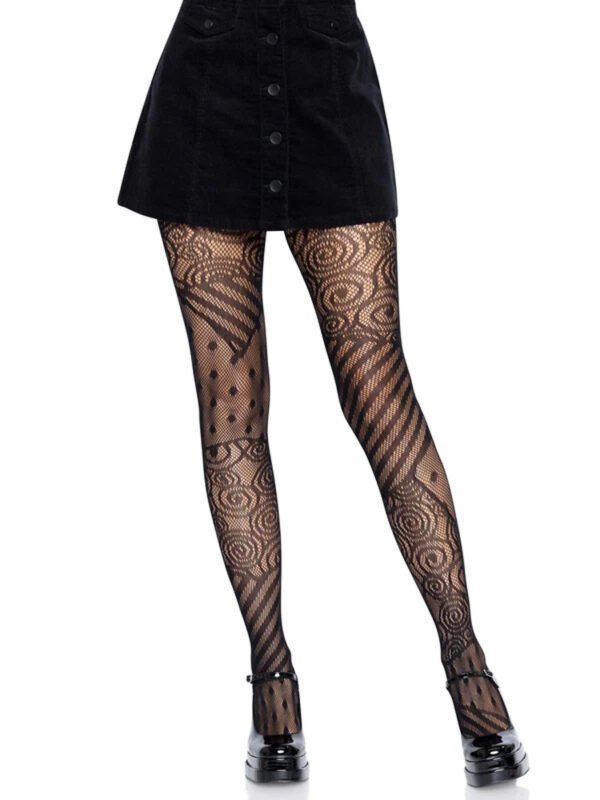
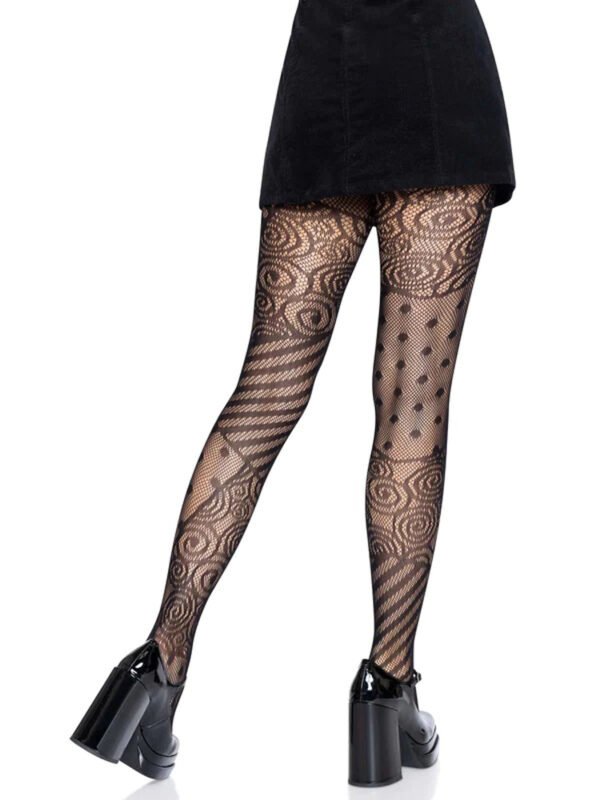
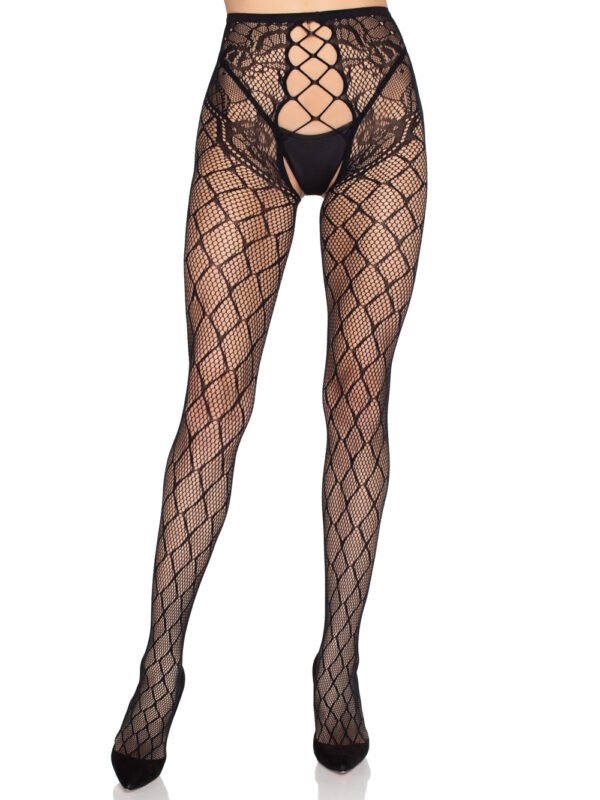
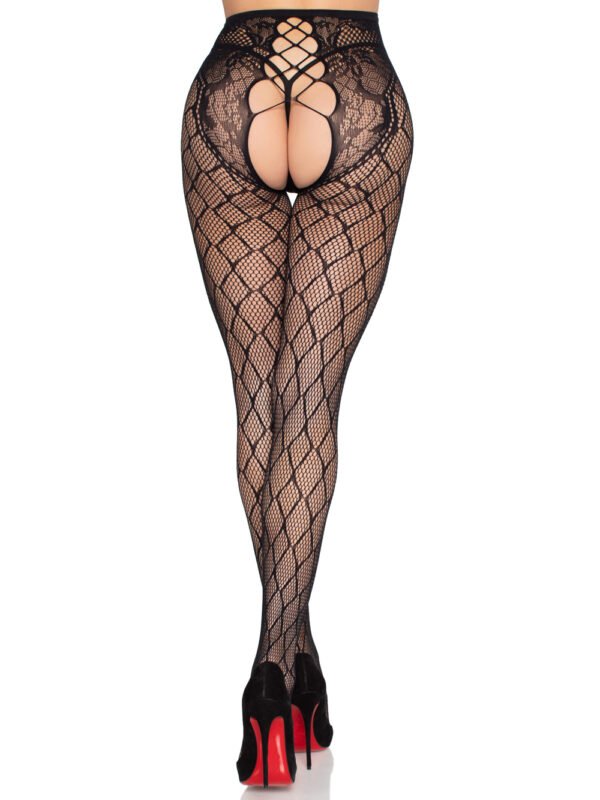
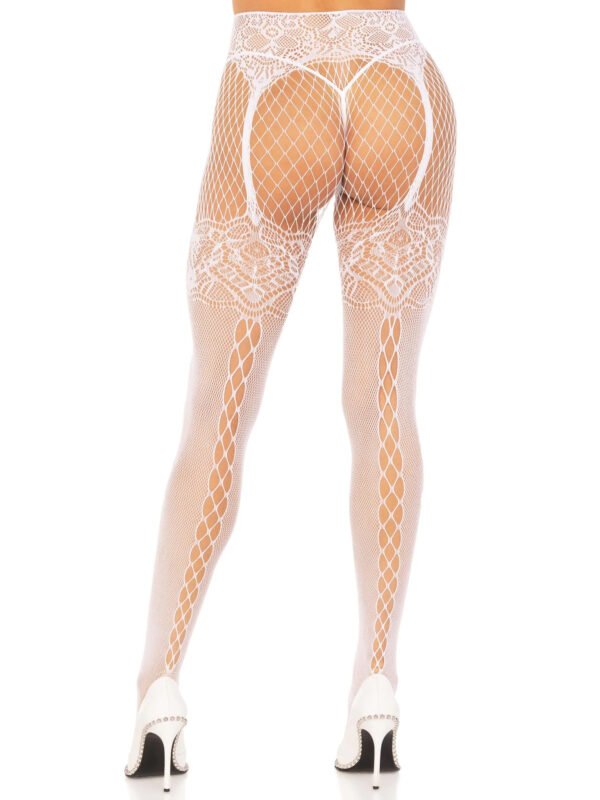
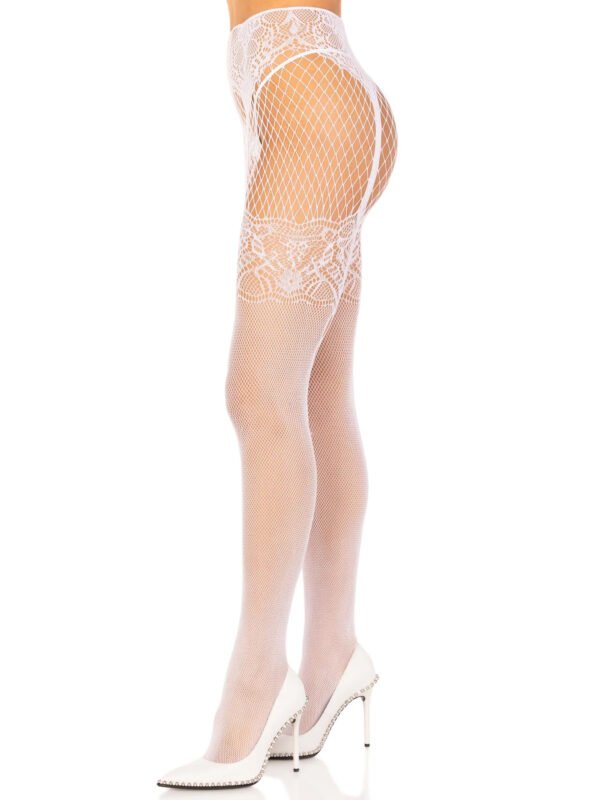
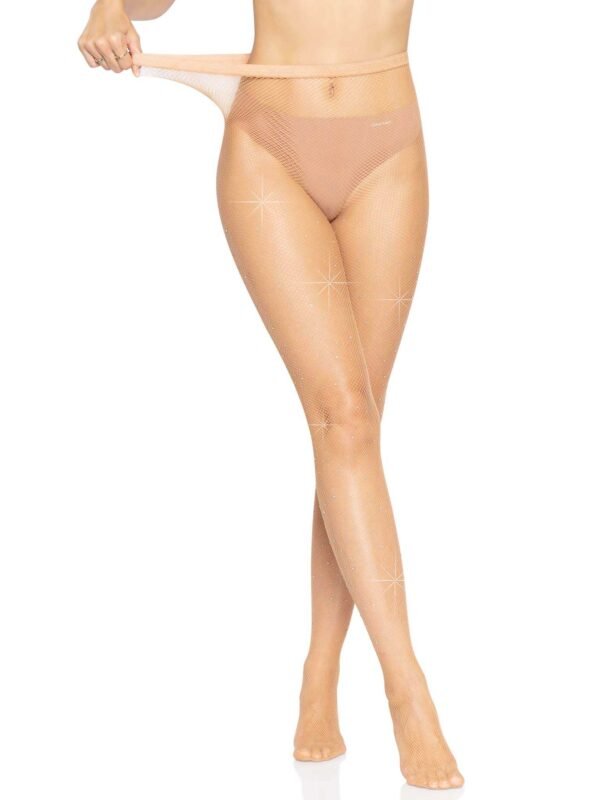
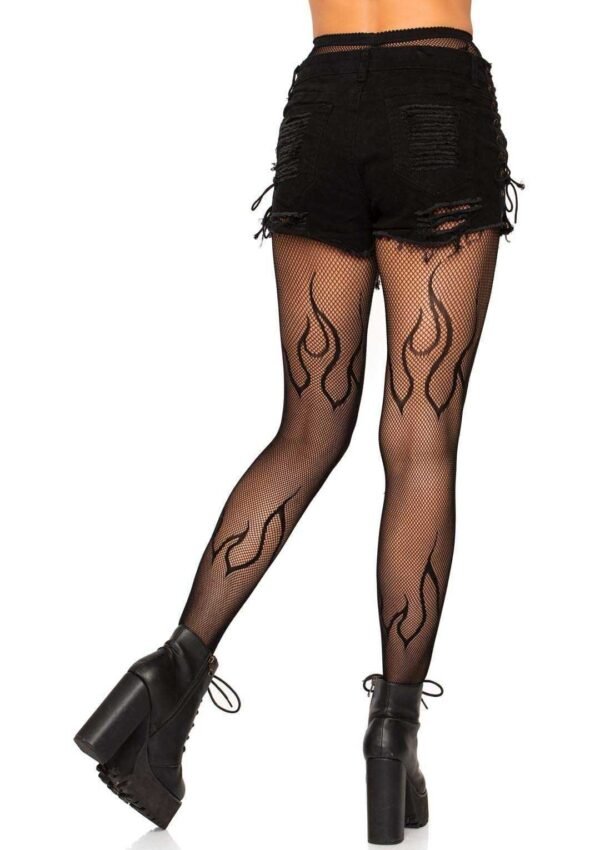
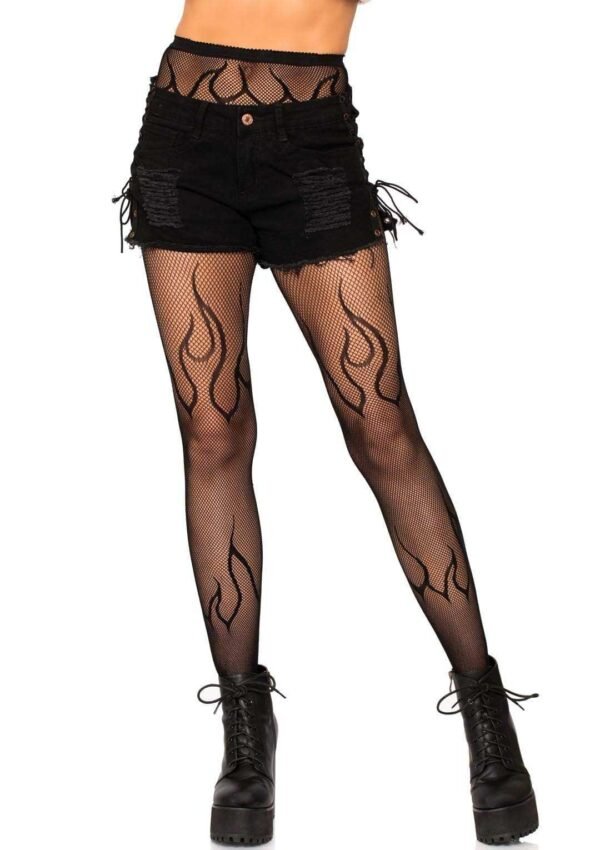
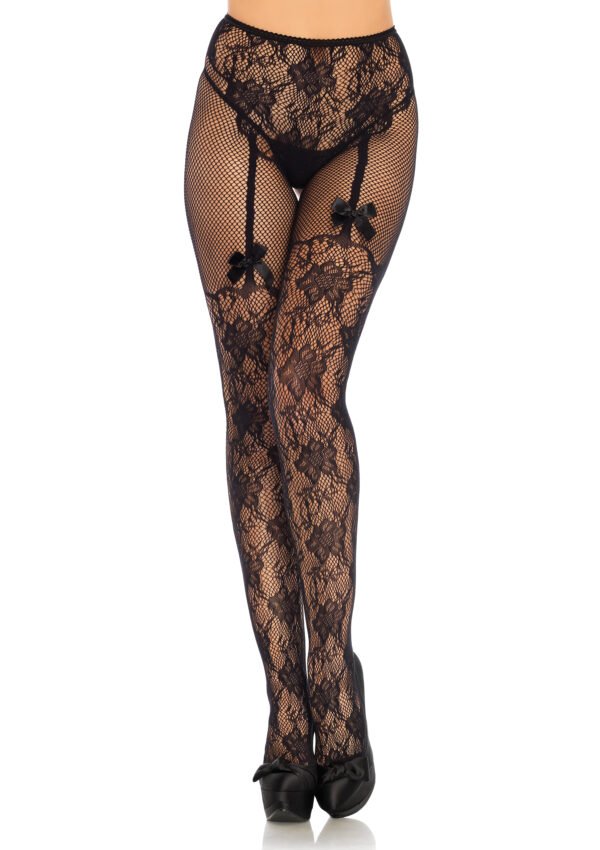
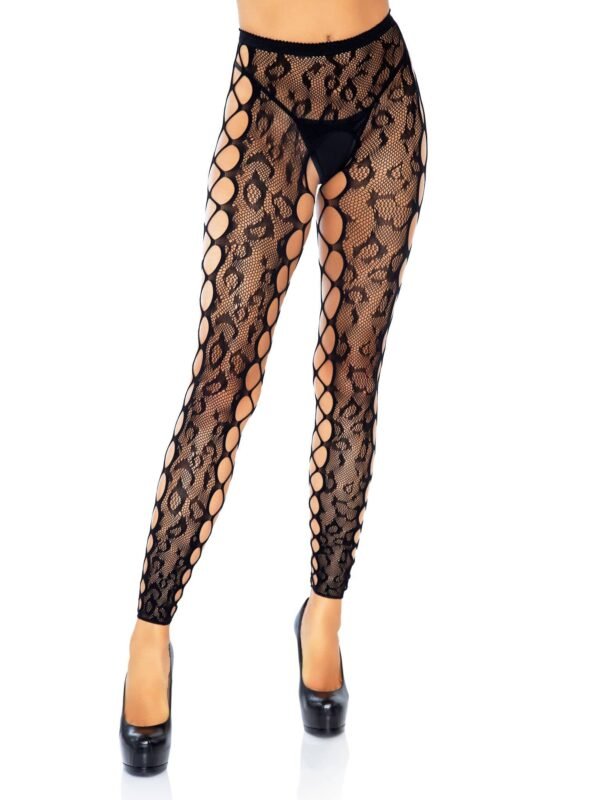
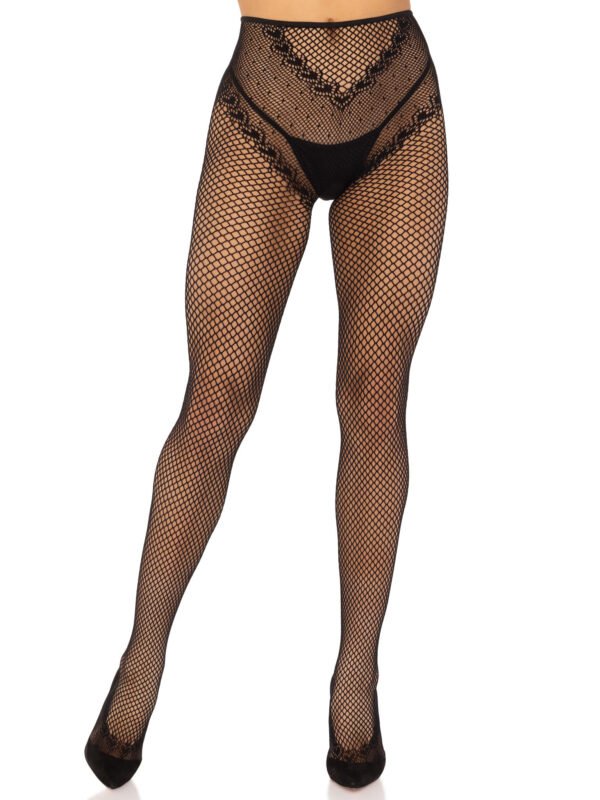
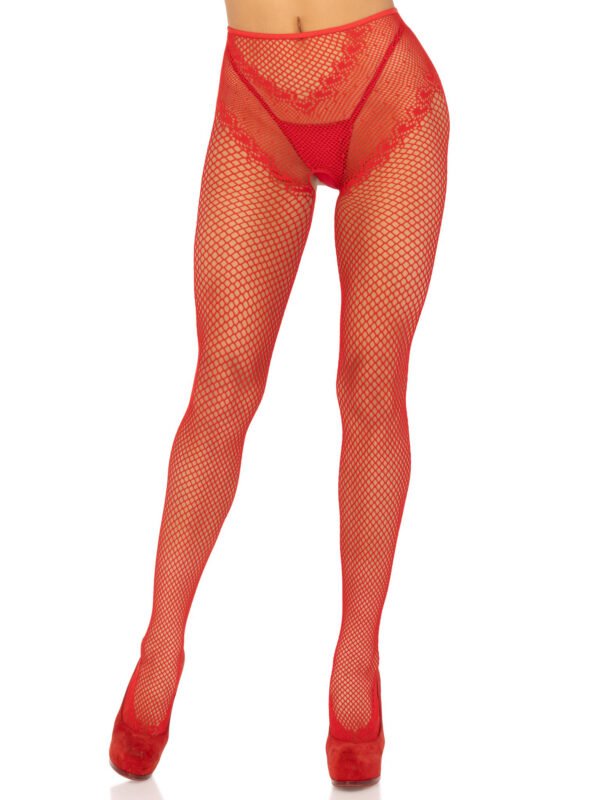
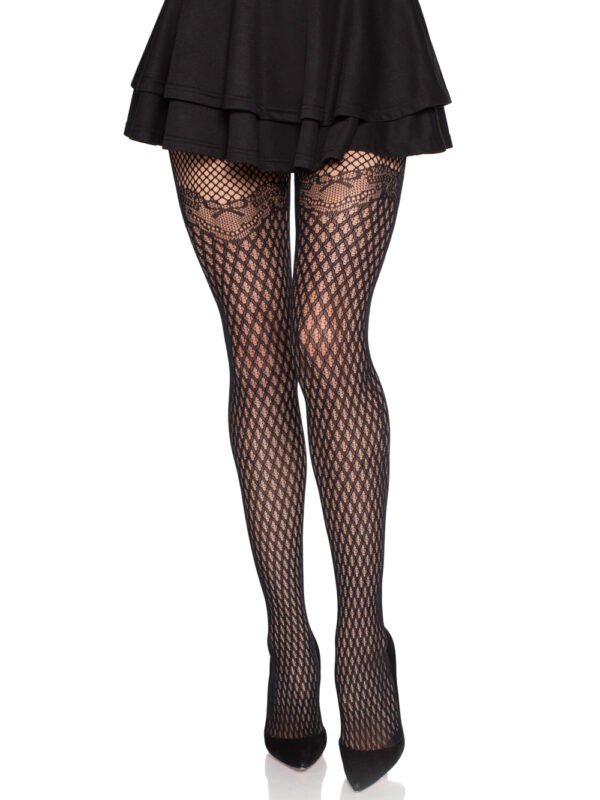
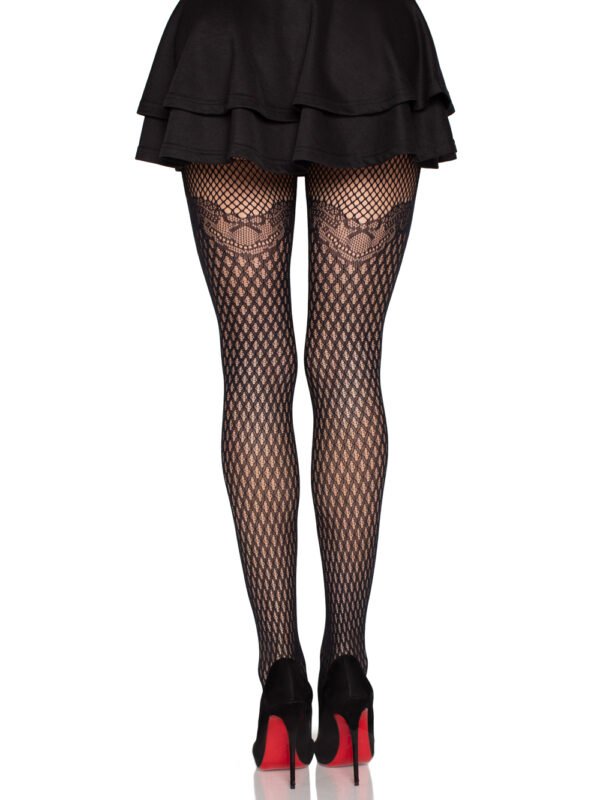
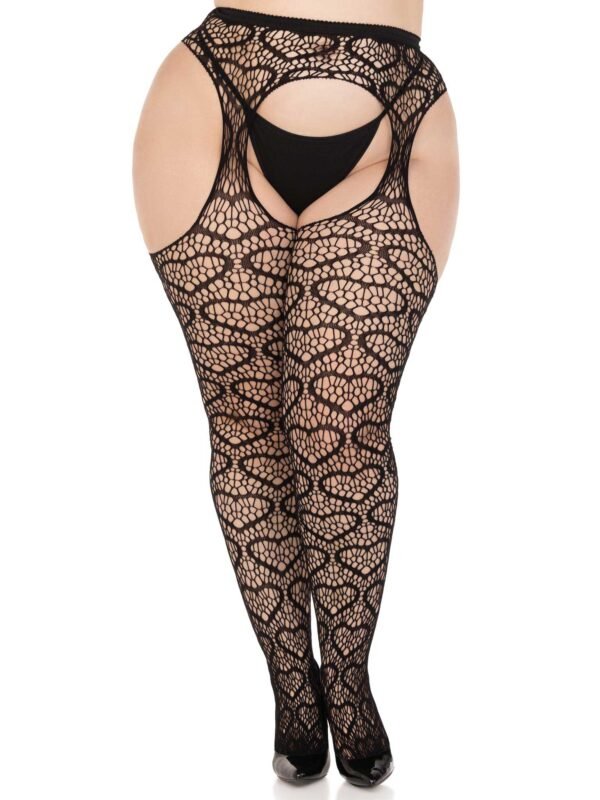
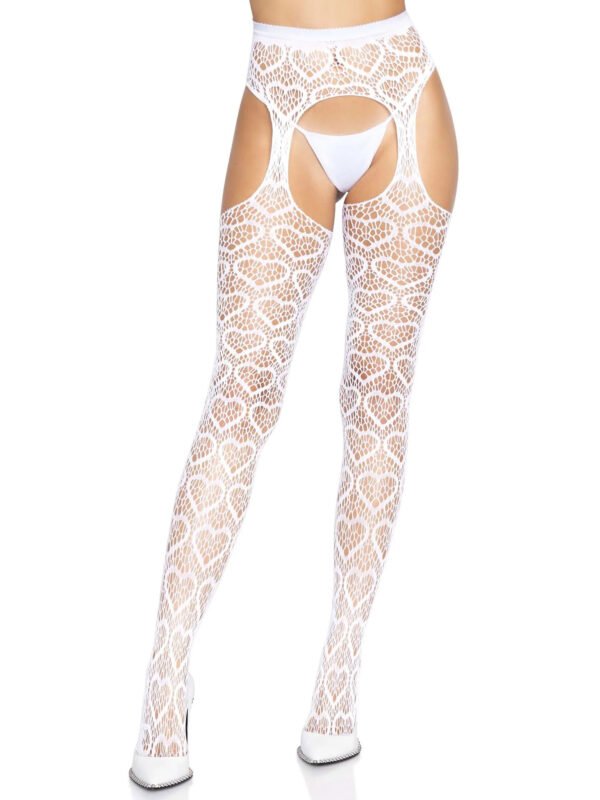
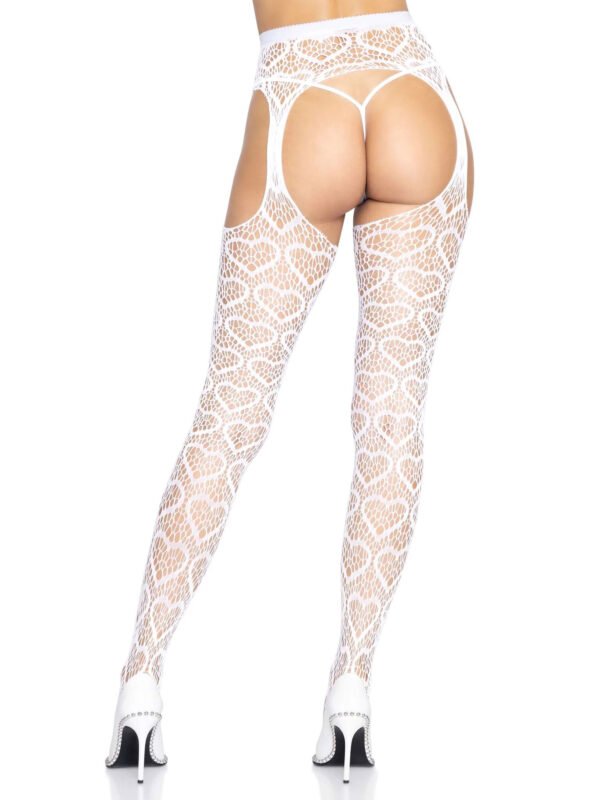
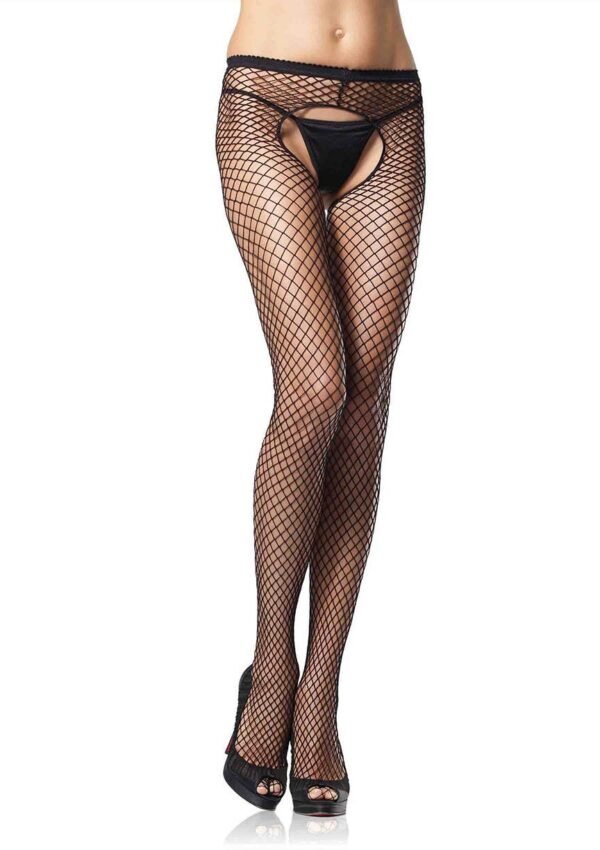
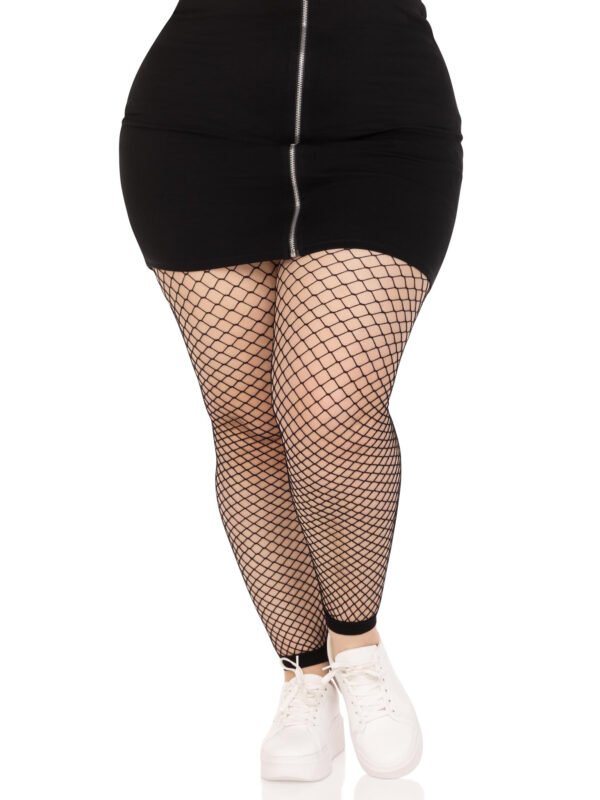
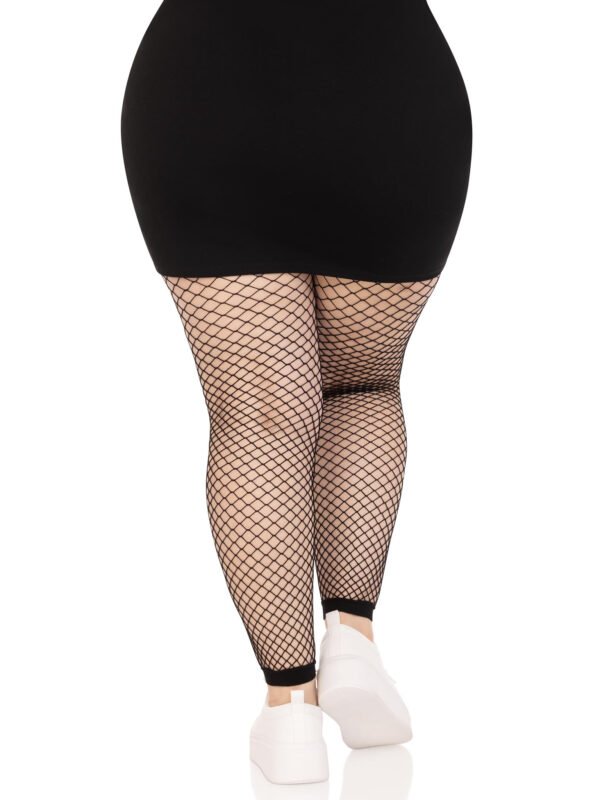
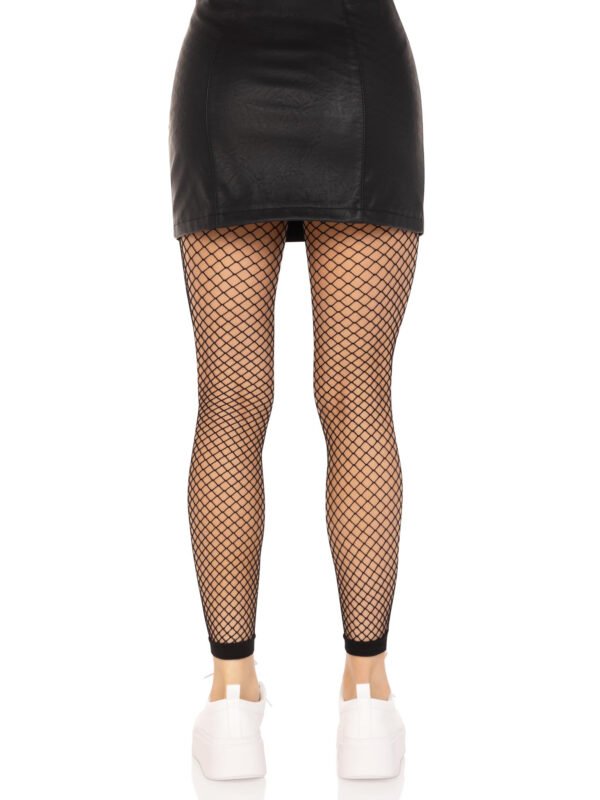
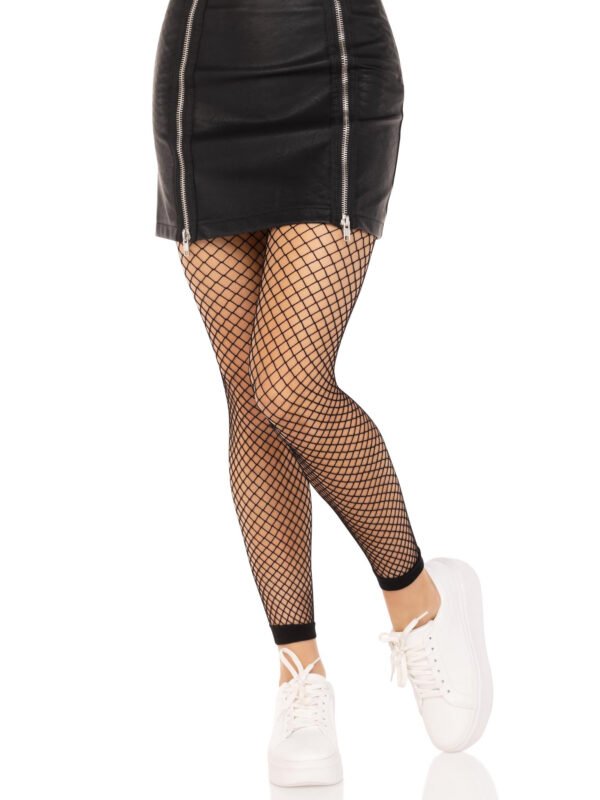
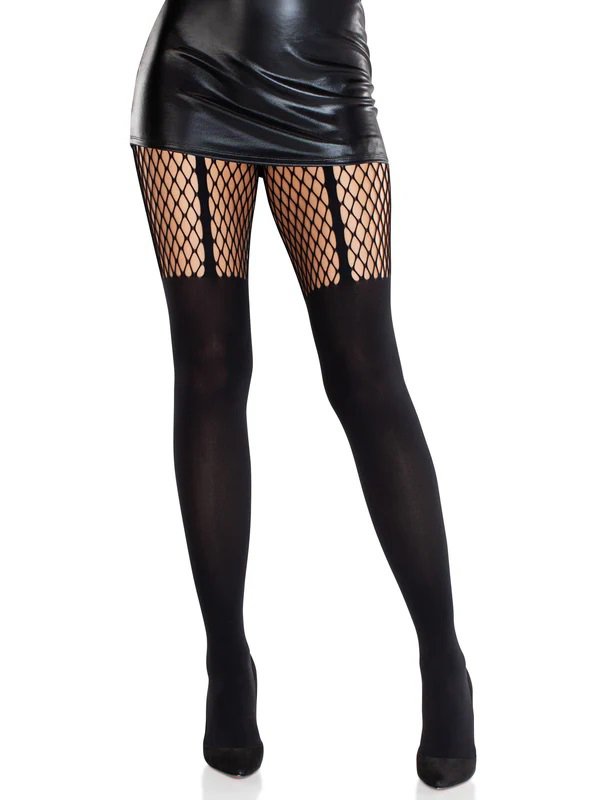
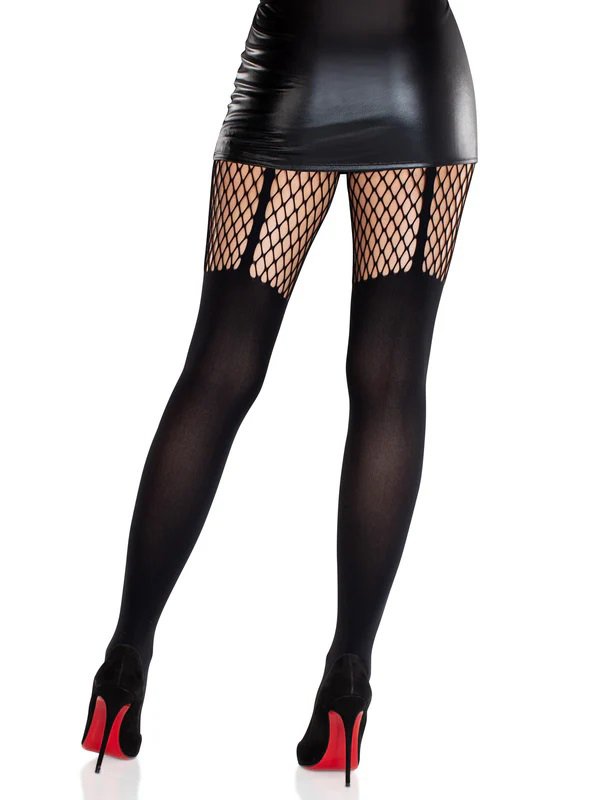
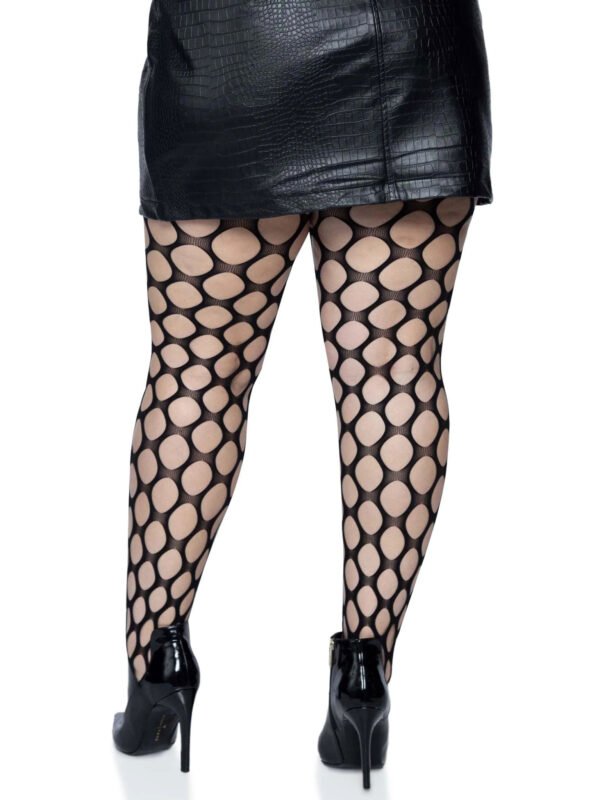
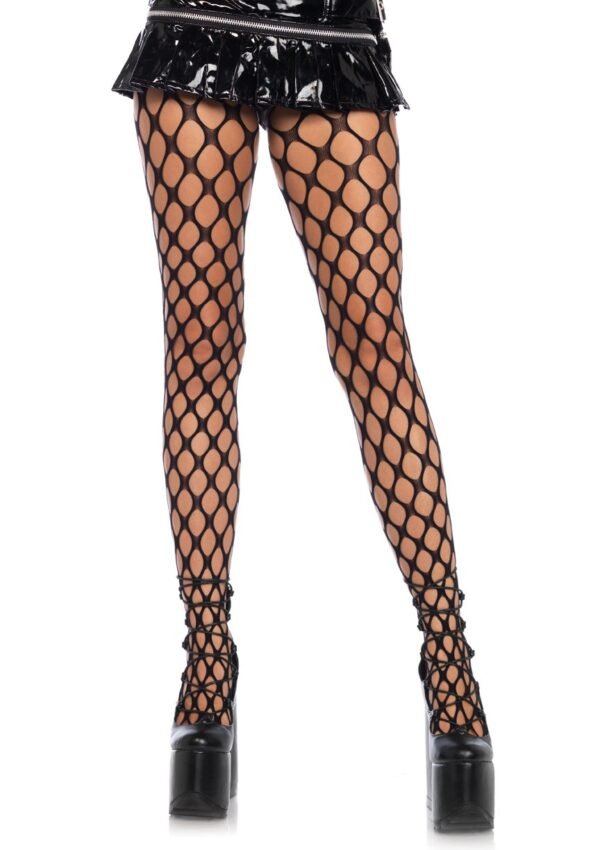
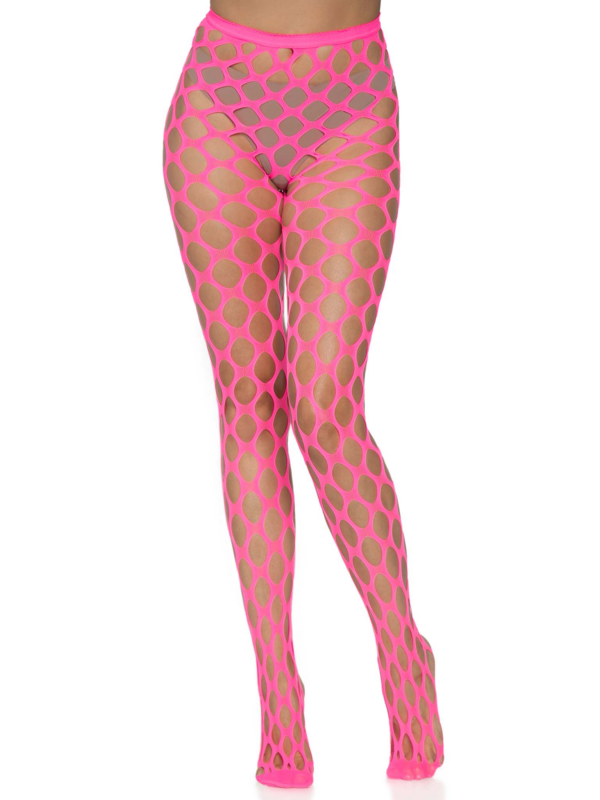
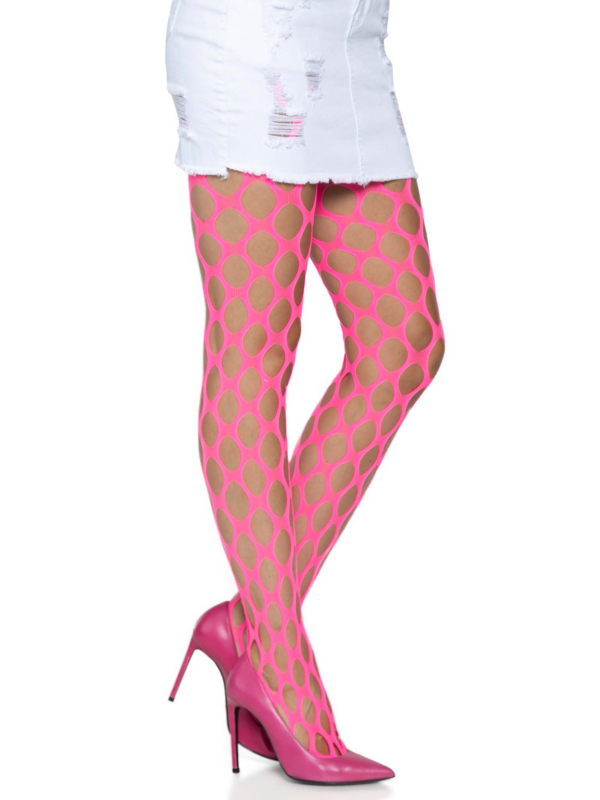
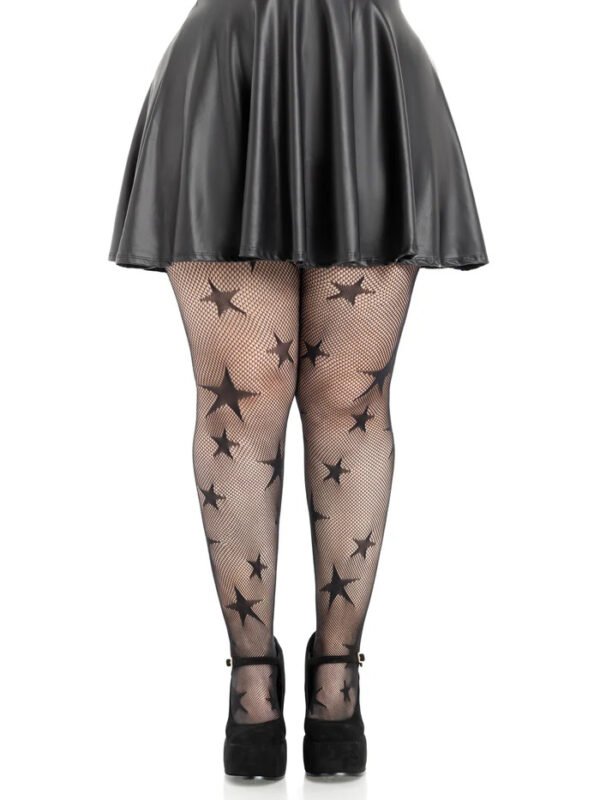
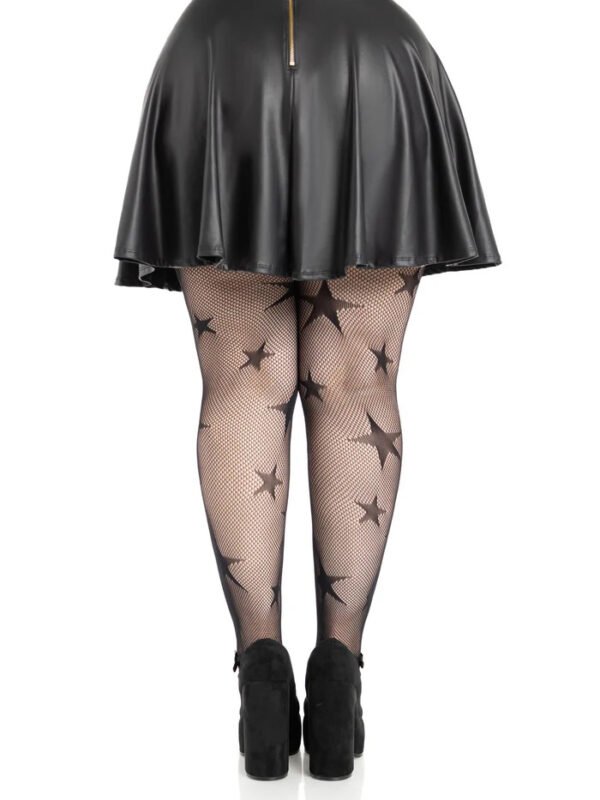
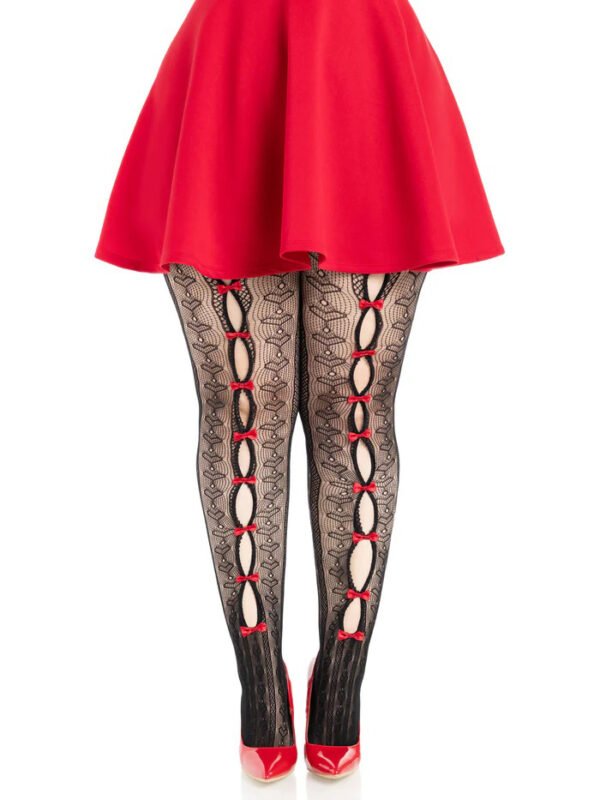
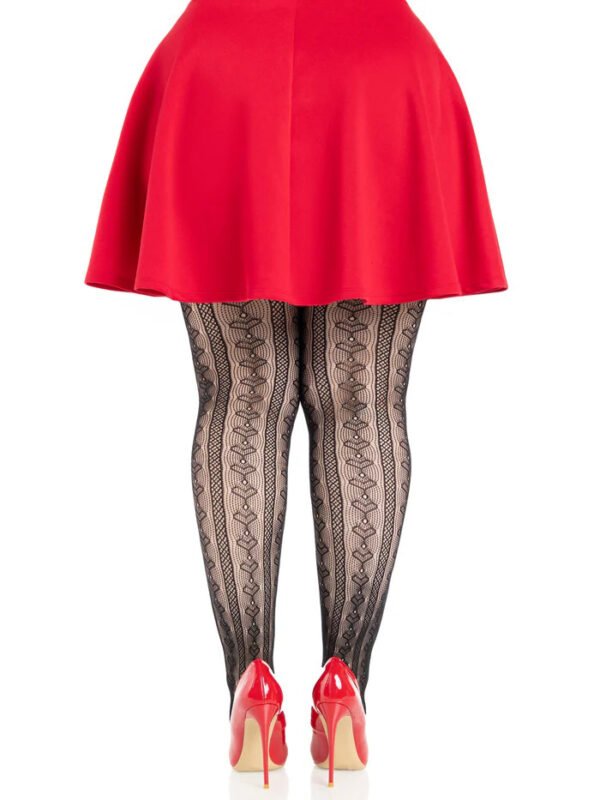
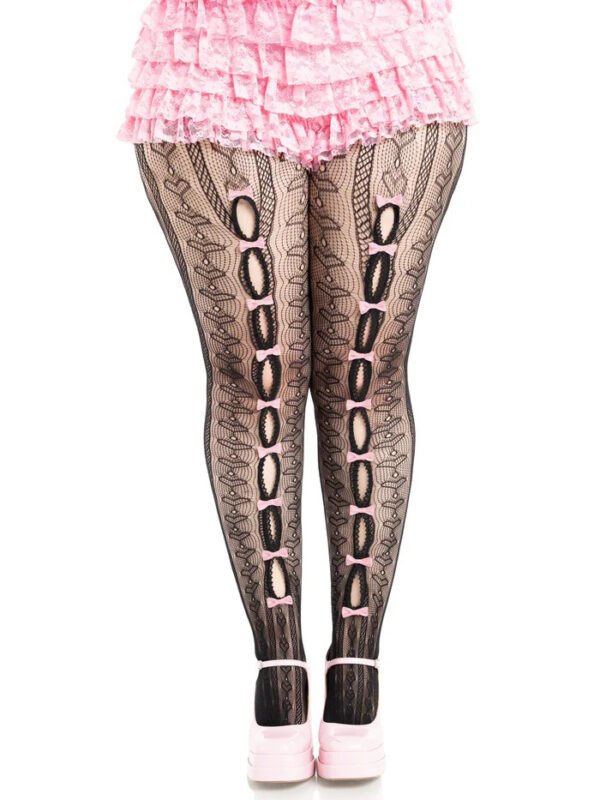
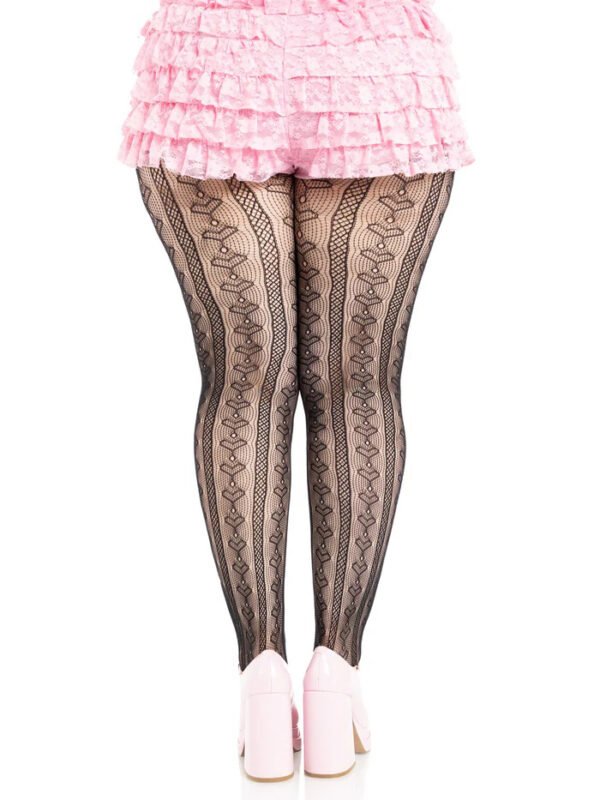
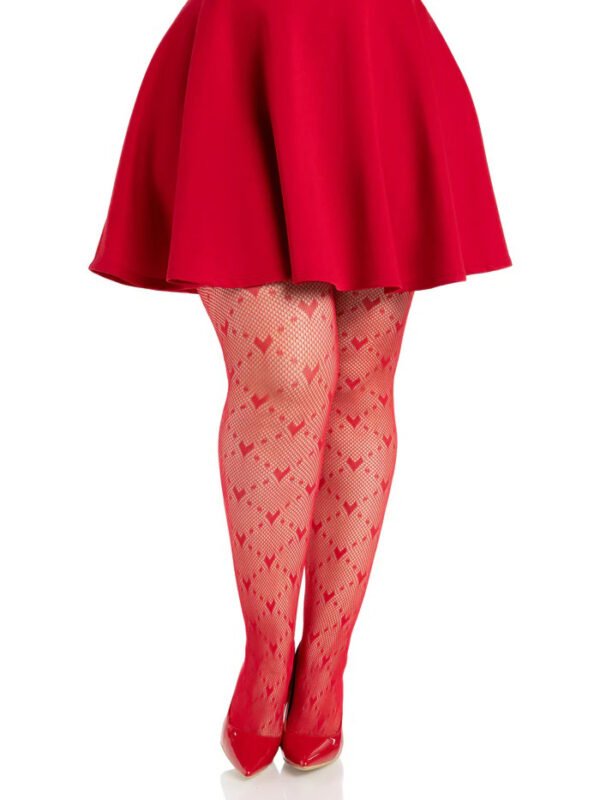
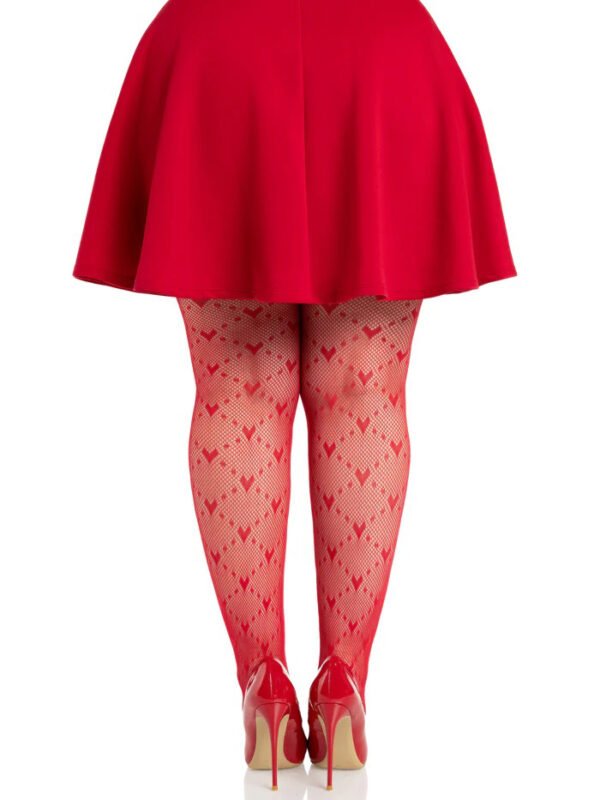
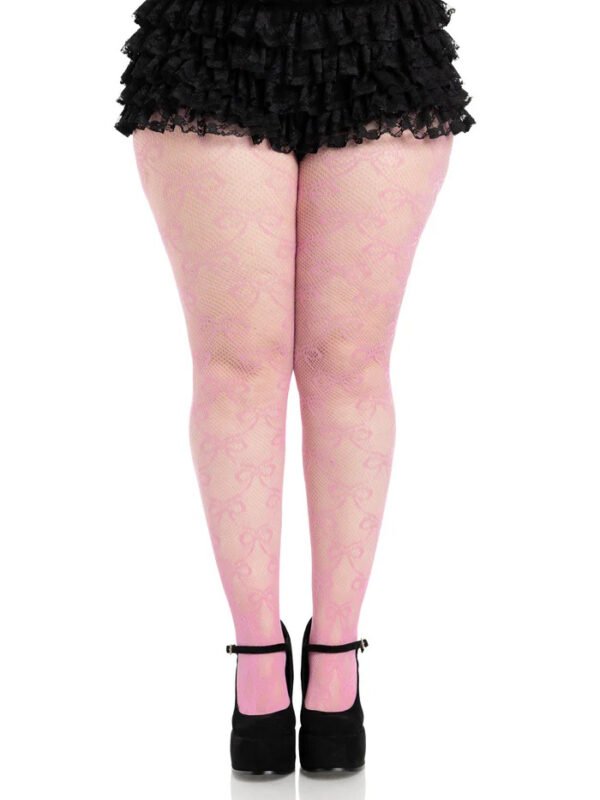
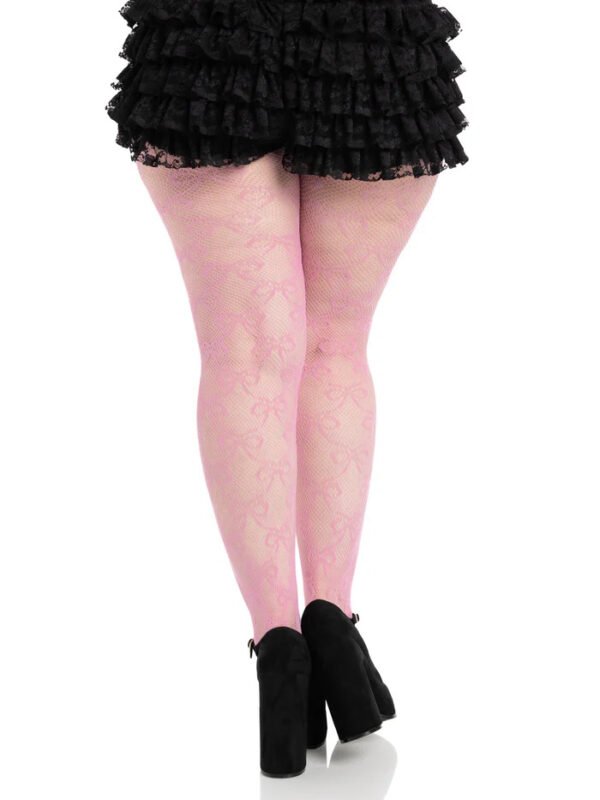
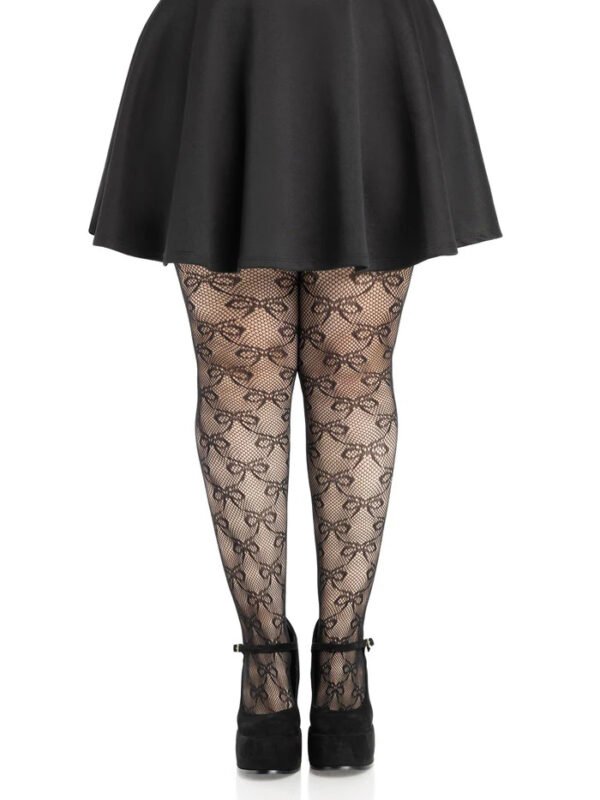
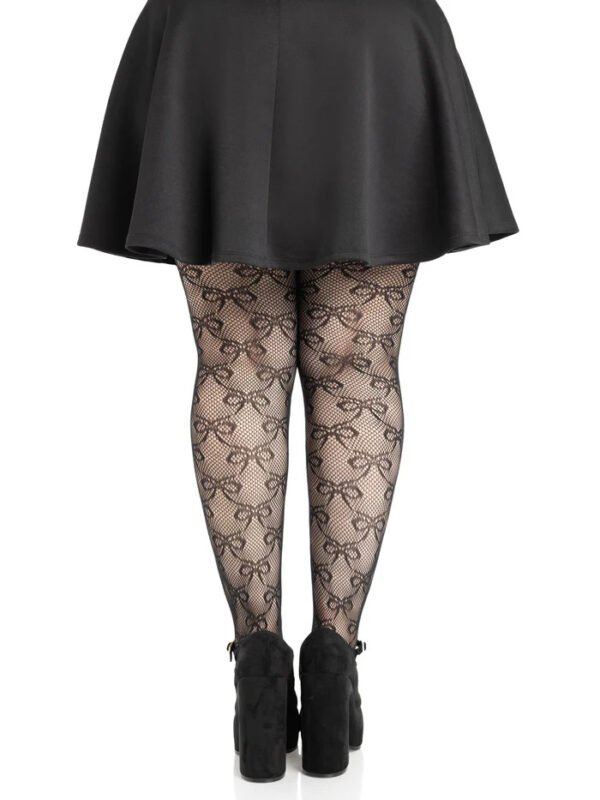
Fishnet and net tights for women feature an open-weave construction in a range of mesh sizes, from fine micronet to wide industrial grid patterns. The open weave makes them a natural choice for layering over other hosiery or under sheer skirts, and they are widely used in lingerie and intimate styling. Patterned net styles, such as diamond, heart, or striped weaves, add visual detail without extra weight.
Seamless tights for women are knitted without seams at the waist or leg, which removes the pressure points that can cause rolling or digging in during long wear. A control top panel adds a reinforced section at the waist and abdomen that smooths and shapes without restricting movement. These two features often appear together, making this style a go-to for all-day comfort and a clean silhouette under fitted clothing.
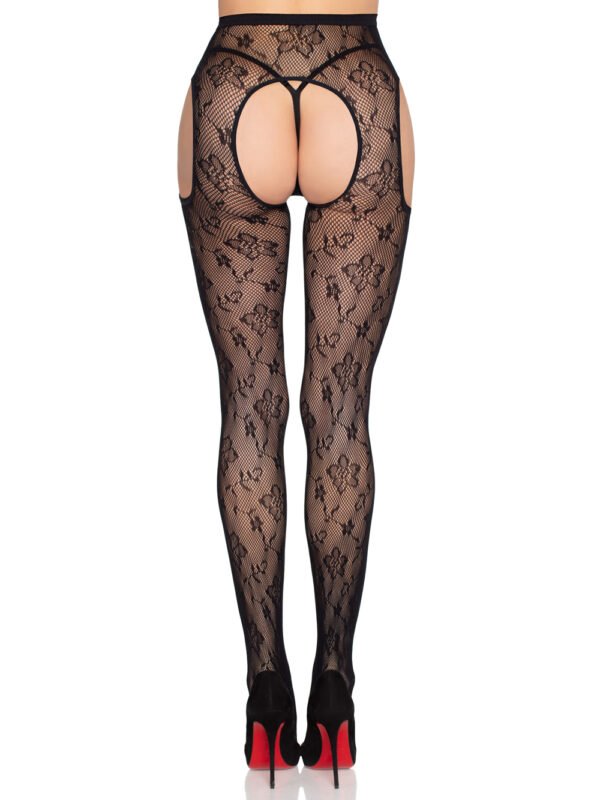
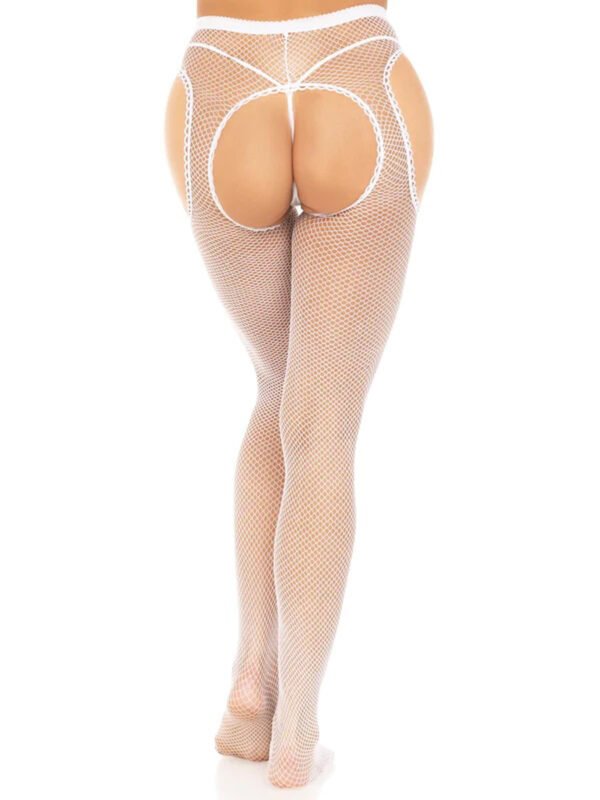
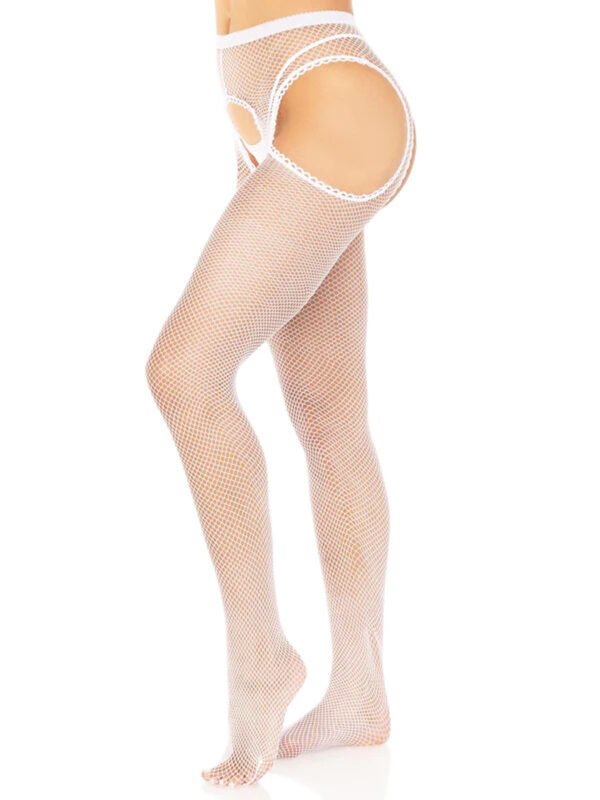
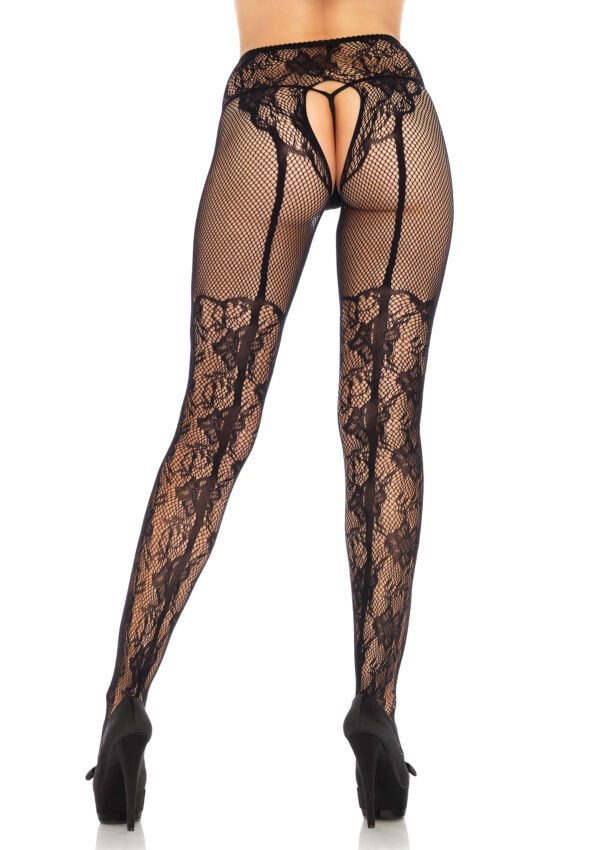
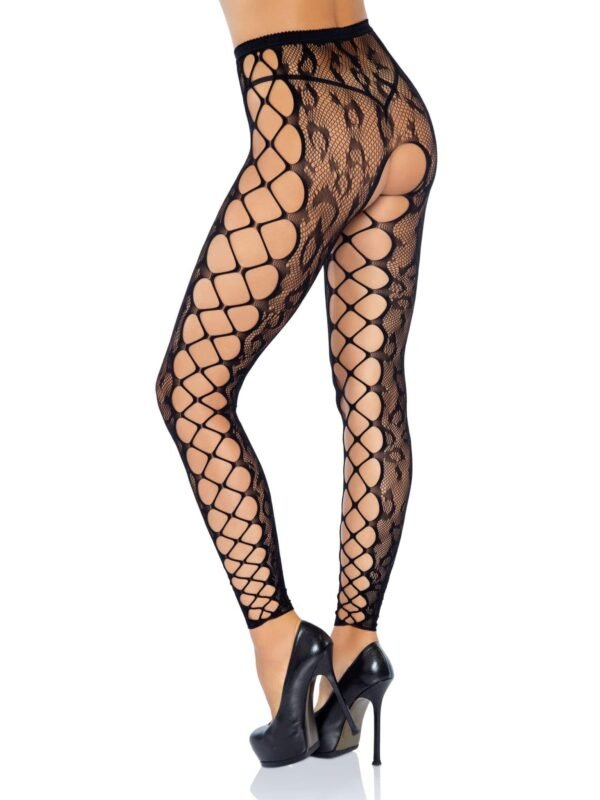
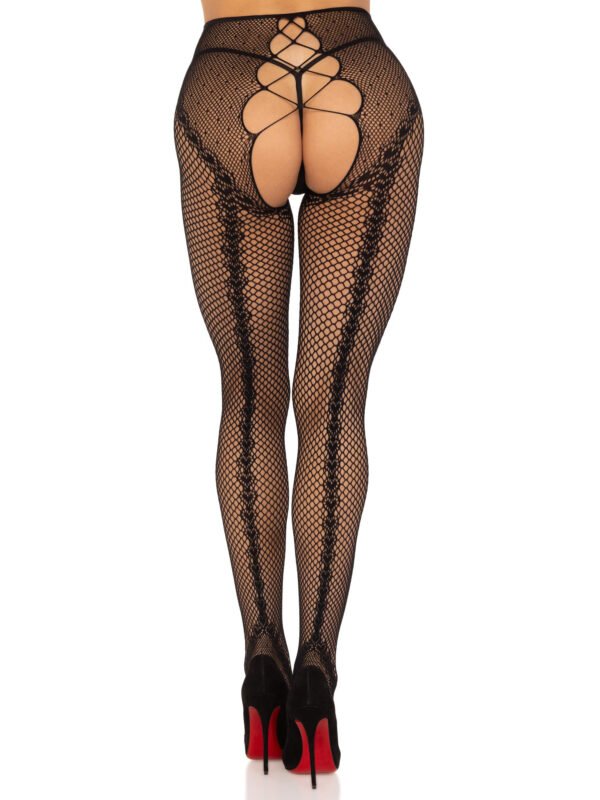
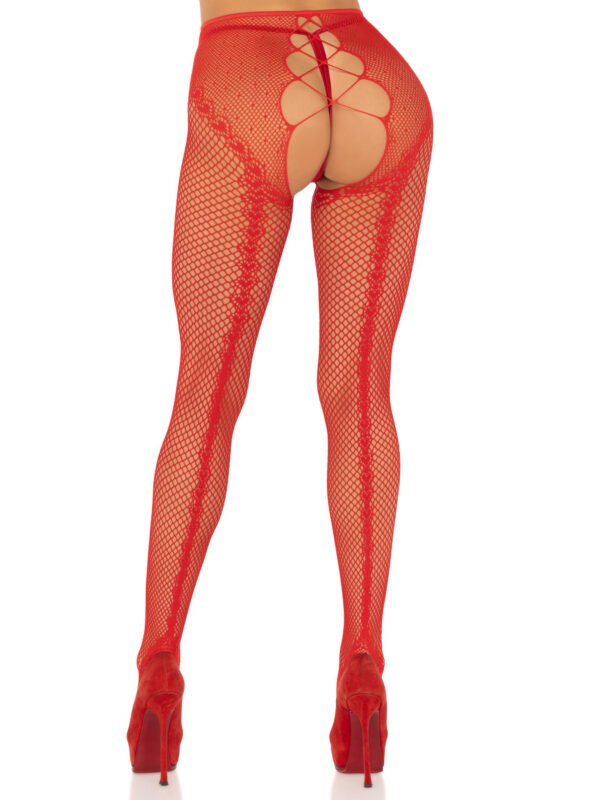
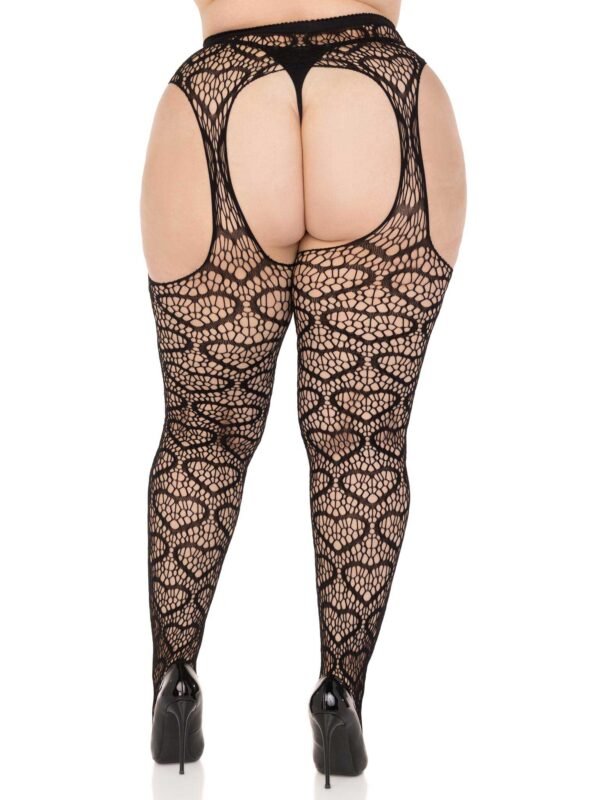
Crotchless tights for women are full-leg hosiery with an open gusset rather than a closed crotch panel. They are primarily used in intimate and lingerie contexts, and they pair naturally with crotchless lingerie and panties or as a standalone piece for evening wear. The construction otherwise follows standard tights, so fit and fabric quality still matter in the same way.
The right pair comes down to a handful of practical decisions: what you need the tights to do, how long you plan to wear them, and what fabric will feel good against your skin all day. Getting those three things right matters more than any single style detail.
Beyond fit, these are the axes worth thinking through before you choose.
The tights here are grouped by how and when you actually wear them, so it is easier to find what fits your moment rather than scrolling through everything at once.
Tights last significantly longer when you wash them gently. Hand washing in cool water with a mild detergent is the safest method, especially for delicate net patterns, embellishments like rhinestones, or any style with a high spandex content. If you prefer the machine, use a mesh laundry bag and set the cycle to delicate with cold water.
Heat is the main thing that breaks down elastane, so skip the dryer entirely. Lay tights flat on a clean towel to dry, reshaping them gently while damp. Wringing or twisting the fabric stresses the fibers at the knees and thighs, which is where runs tend to start. Treat them like you would a good bra: a little care each time adds up to a lot more wears.
Tights work across a wide range of looks, and the style you choose shapes the whole outfit. Sheer tights in a skin-tone shade sit cleanly under office dresses and tailored skirts, adding a polished finish without drawing attention to the hosiery itself. Opaque tights pair well with winter dresses, midi skirts, and boots, providing warmth and coverage while keeping the silhouette clean.
Fishnet and patterned net tights shift the tone toward evening or intimate styling. They layer naturally over crotchless lingerie and panties for a date-night look, or stand on their own with a simple bodysuit. Striped and novelty tights read as a deliberate style choice, so they tend to work best when the rest of the outfit is kept simple enough to let the pattern carry.
Denier is the unit used to measure how fine or heavy a hosiery yarn is, and it directly determines how sheer, opaque, and warm a pair of tights will feel. A lower number means a finer, more transparent fabric: 10D to 20D is barely-there sheer, the kind you wear when you want the look of bare legs with a little polish. The 30D to 50D range gives light coverage with a subtle matte finish, enough to even out skin tone without adding warmth.
From 60D upward, tights become noticeably more opaque and begin to provide real insulation. The 80D to 100D range is a practical all-day weight for cooler weather, while anything above 150D moves into thermal territory, dense enough to replace a light base layer under skirts and dresses. Matching denier to your actual conditions, rather than just the look you want, is the clearest way to stay comfortable through a full day of wear.
Colour affects how tights read on the skin more than most shoppers expect, especially at lower denier weights. Sheer and nude styles are designed to blend, but the result depends heavily on how well the shade matches your actual skin tone; a nude that works on one person can look stark or grey on another. Black and deep colours tend to be more predictable across skin tones because the contrast is intentional rather than a match attempt. Patterned and bold-coloured tights sidestep the issue entirely, since the design reads as its own statement rather than a skin approximation.
Many tights are designed to be worn without a separate pair of underwear, and a cotton gusset panel makes that more comfortable for all-day wear. Cotton is breathable and less likely to trap heat than a full nylon gusset, which is why gynecologists and sexual health professionals generally recommend it as a practical everyday choice. Net and fishnet styles typically have no gusset at all, so they are usually layered over underwear or lingerie rather than worn alone. If a product listing does not mention the gusset material, it is worth assuming it is the same fabric as the rest of the tight.
Hosiery sizing is not standardised across the industry, so a size B from one brand may be cut to entirely different height and weight parameters than a size B from another. Spandex content also plays a role: tights with a higher elastane percentage stretch further and can accommodate a wider range of bodies within a single size, while lower-stretch constructions are less forgiving. The weight range listed on the packaging is usually the most reliable guide, since it reflects how the manufacturer actually graded the pattern. Checking that number rather than relying on the size letter alone saves most of the guesswork.
Tights and pantyhose cover the same area of the body, but the terms signal different things about weight and opacity. Pantyhose is the older American term and typically refers to sheer, low-denier hosiery designed for a barely-there look under office or formal wear. Tights is a broader term that covers the full range from sheer to fully opaque, including heavier knits, patterned styles and net constructions. In practice the two words are often used interchangeably, so the denier and fabric description on the product listing tells you more than the label does.
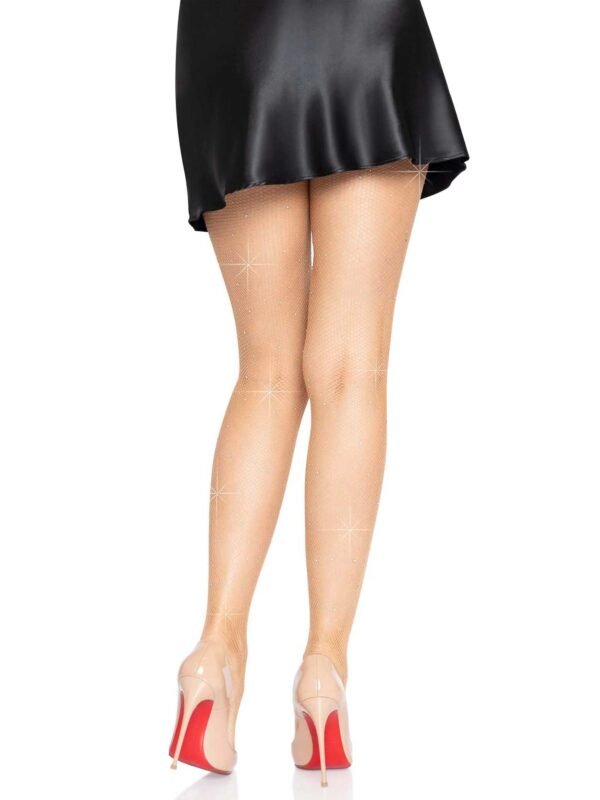
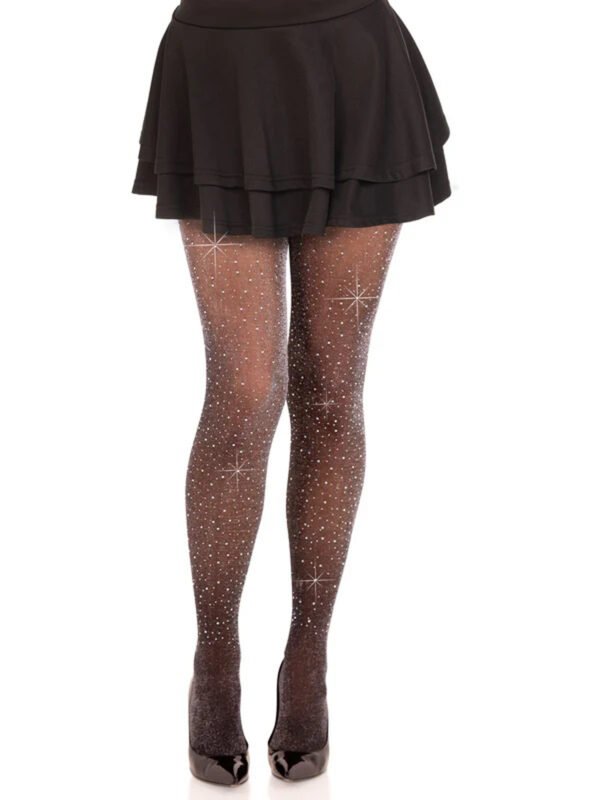
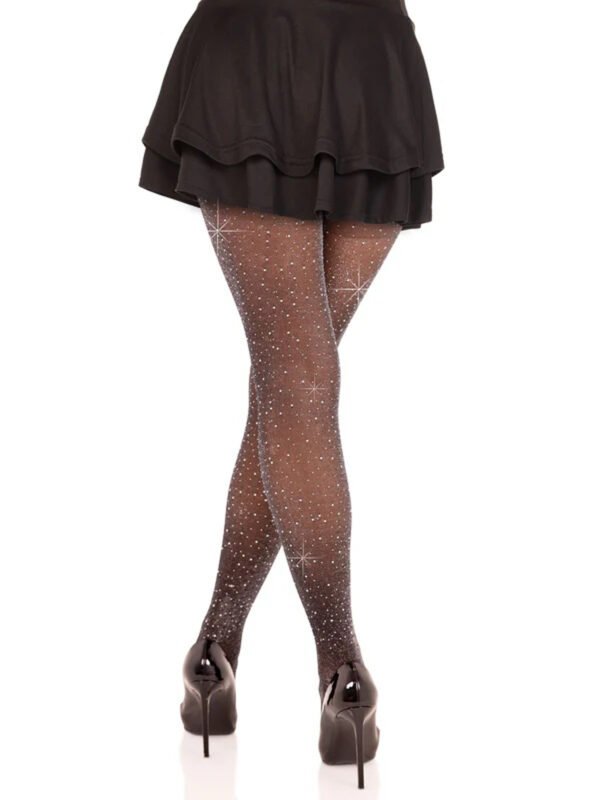
Fishnet and open-net tights are generally more durable in everyday handling than sheer hosiery because the open weave has natural give at every intersection rather than relying on a continuous fine thread. A snag in a sheer tight tends to run; a snag in a fishnet usually stays localised. That said, rhinestone or embellished net styles need more careful handling because the hardware can catch on fabric and stress the surrounding knit. Reinforced toes, where present, extend the life of any style by protecting the highest-friction point.
Every order from Claim Night ships in plain, unmarked packaging with no indication of the contents on the outside. The billing descriptor on your statement reads as XR. LLC rather than anything store-specific. Your data is never sold or shared. The same discretion applies whether you are ordering for yourself or as a gift.
Two-piece sets that pair tights with a crop top are sold as a coordinated unit, so both pieces arrive together and are designed to be worn as a complete look. The tights in a set are usually footless or high-waist styles rather than full-foot constructions, since they are intended for layering and styling rather than standalone hosiery wear. Sizing for sets is based on the fit of both pieces together, so the weight range listed applies to the whole look. Any additional items, such as a separate panty or garter belt, will be noted explicitly in the product description; if it is not mentioned, it is not included.

Helpful guides, product tips, and simple explanations to help you find what feels right.
No account yet?
Create an Account