


Article
Beginner Butt Plug Guide: What a Butt Plug Is, How It Works, and How to Use One Safely04/05/2026

Deals
Bestsellers
+39
Most-Loved Picks
Customer favorites for comfort, care, and everyday pleasure
Shop BestsellersSale · up to 40% off

+895
Soft Savings
Limited-time offers on body-safe essentials and feel-good favorites
View SaleSeasonal edit


+268
Seasonal Comfort Edit
Curated picks for holidays, date nights, gifting, and cozy nights in
Explore the EditFeatured
 Discreet Packaging
  Secure Checkout
  Body-Safe Materials
 Corsets and bustiers size by torso measurements, not dress size. Measure your natural waist and your bust before you shop, then check the size chart for each piece, because sizing varies by brand and closure type. A well-fitted corset should feel snug and supportive without digging into the ribcage or hips; you should be able to take a full breath comfortably. Lace-up backs give you the most room to fine-tune the fit after you put it on.
Fabric matters here more than in most lingerie. Rigid steel-boned styles offer little to no stretch, so accurate measurements are non-negotiable. Mesh and stretch-lace bustiers have more give, which makes sizing slightly more forgiving. Claim Night carries sizes from XS through 6X, with detailed fit ranges listed per style, so there is a real starting point for every body.
Corsets and bustiers come in several distinct cuts, and the right one depends mostly on how much coverage you want and how you plan to wear it. Here is a plain breakdown of the main types.
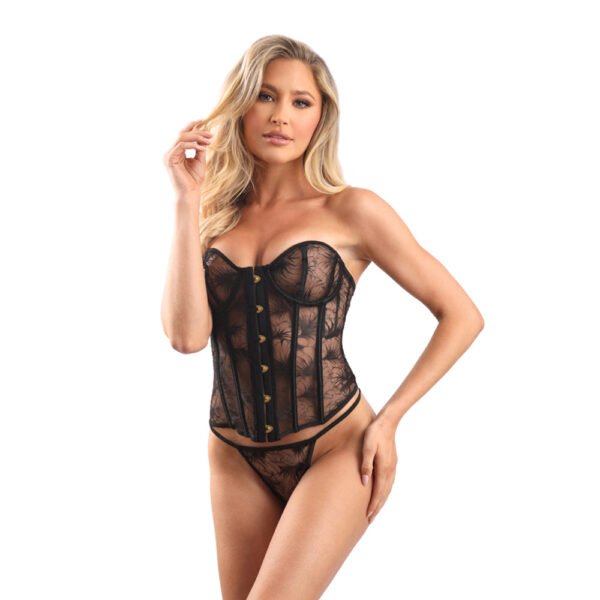
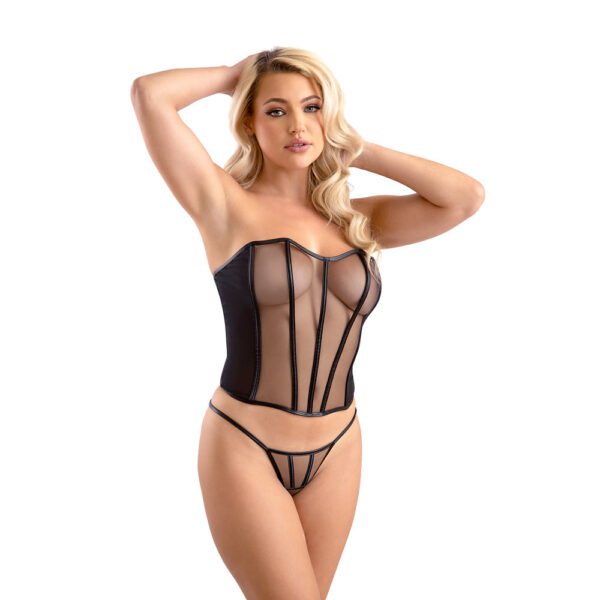
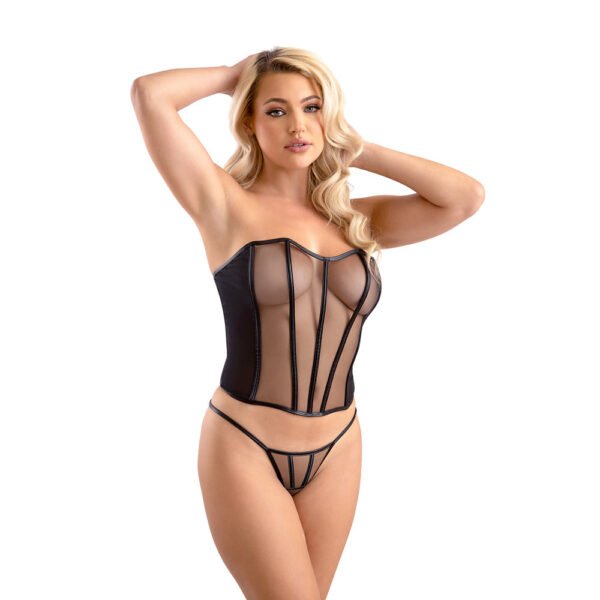
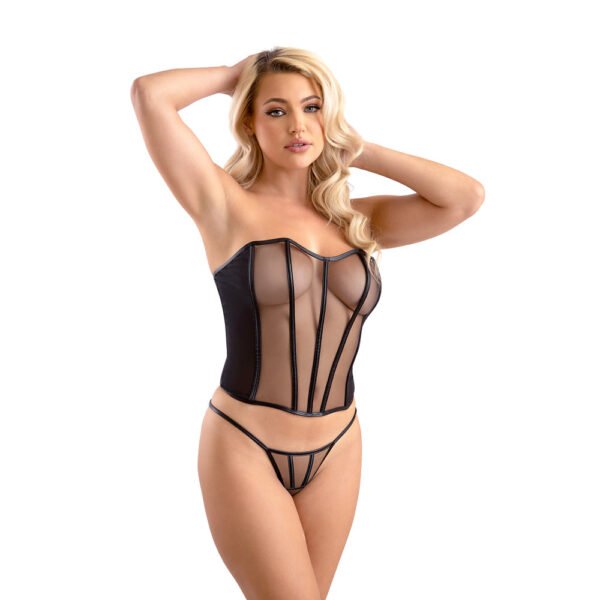
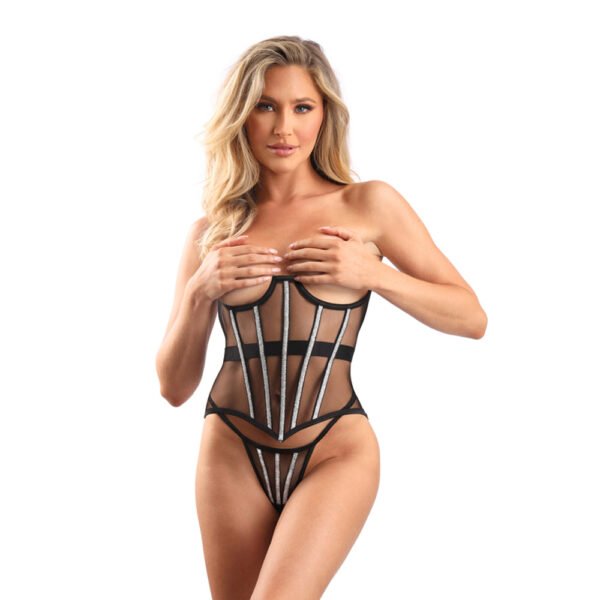
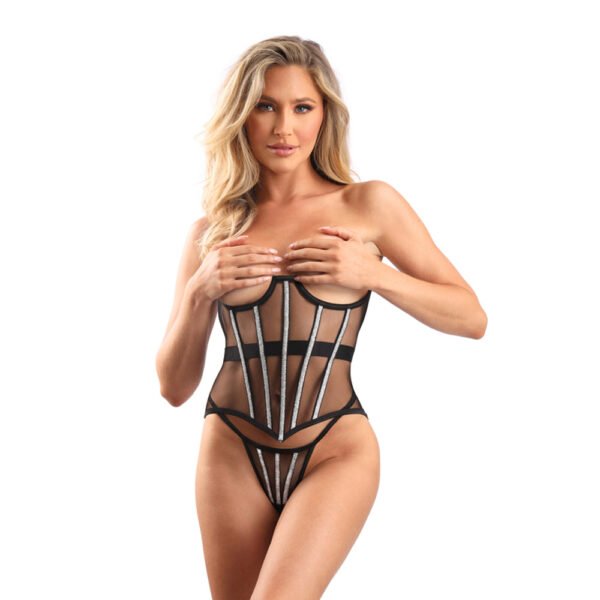
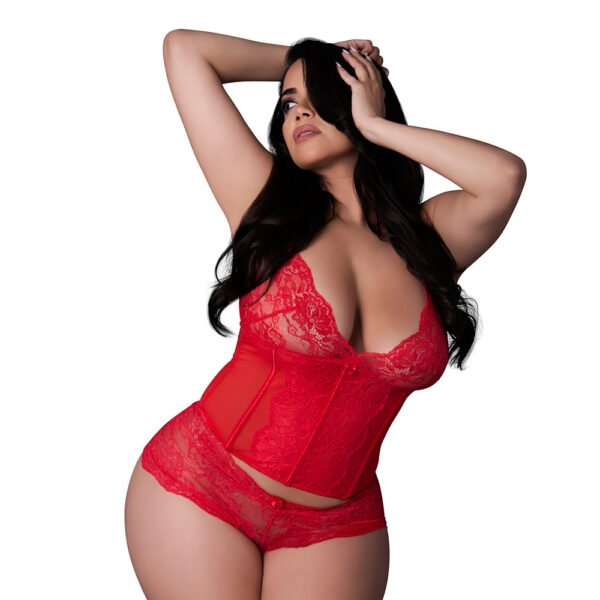
An overbust corset is a type of corset that covers and supports the bust as well as the waist, extending from the chest down to the hip line. It works as a standalone top, with no bra required, and the boning carries the structure through the full torso. This makes it a strong choice for bedroom wear or any occasion where you want one piece to do everything.
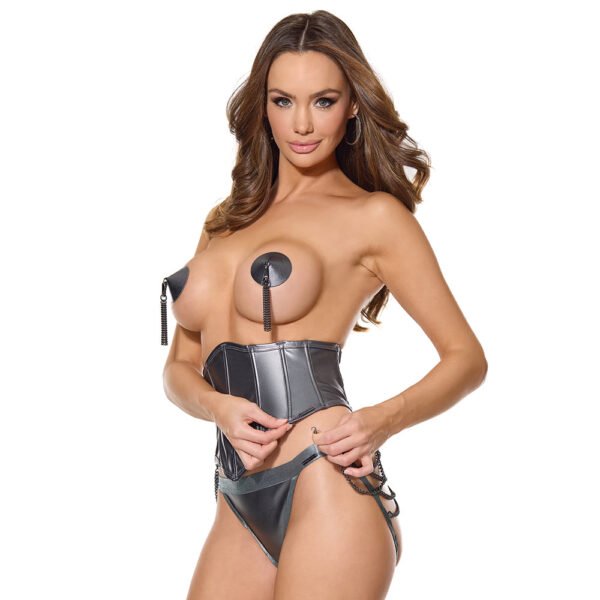
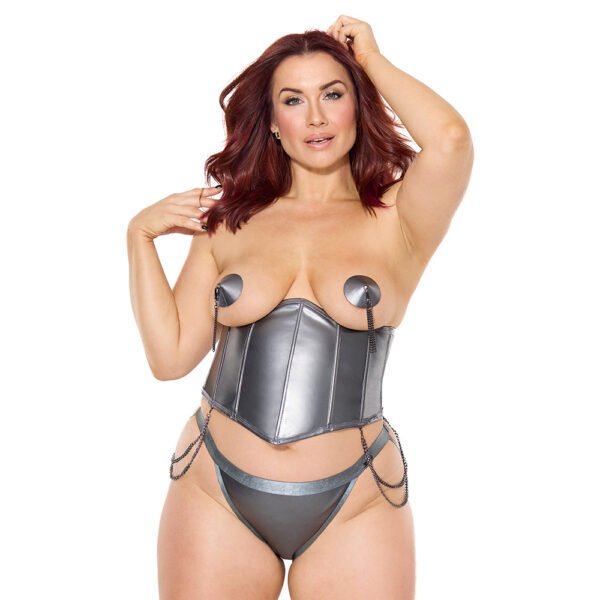
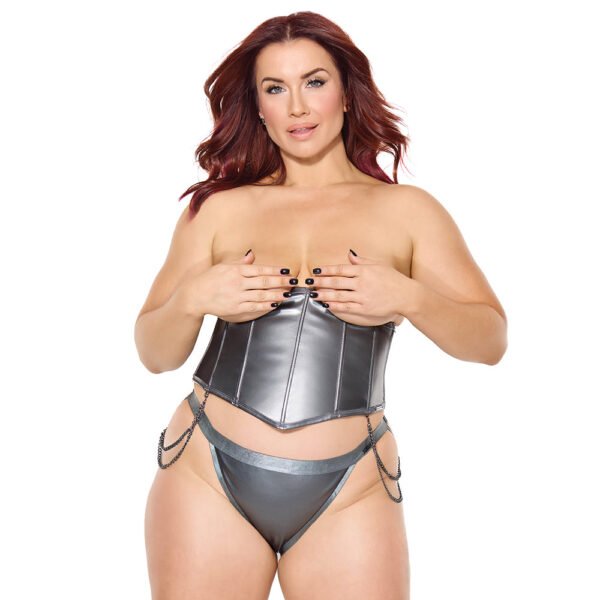
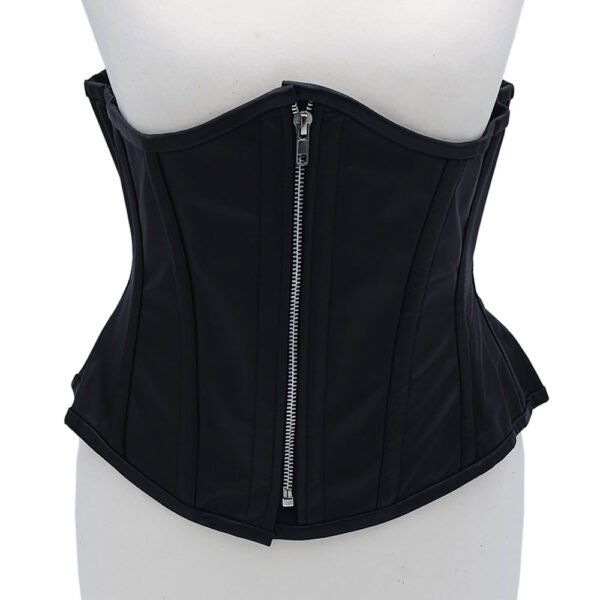
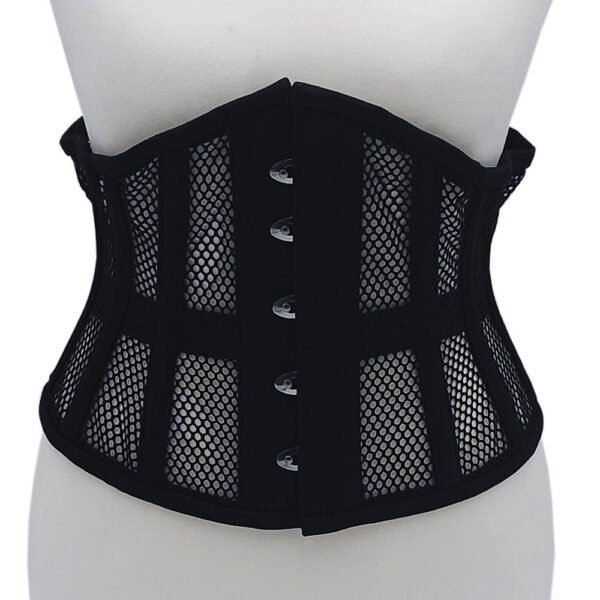
An underbust corset sits below the bust and cinches from the ribcage down, leaving the chest completely free. Because it pairs with whatever you wear on top, it works as a layering piece over a blouse or shirt, or as intimate wear on its own. The adjustable lace-up back means the fit can be dialed in closely, which is part of why this style is popular with first-time corset wearers.
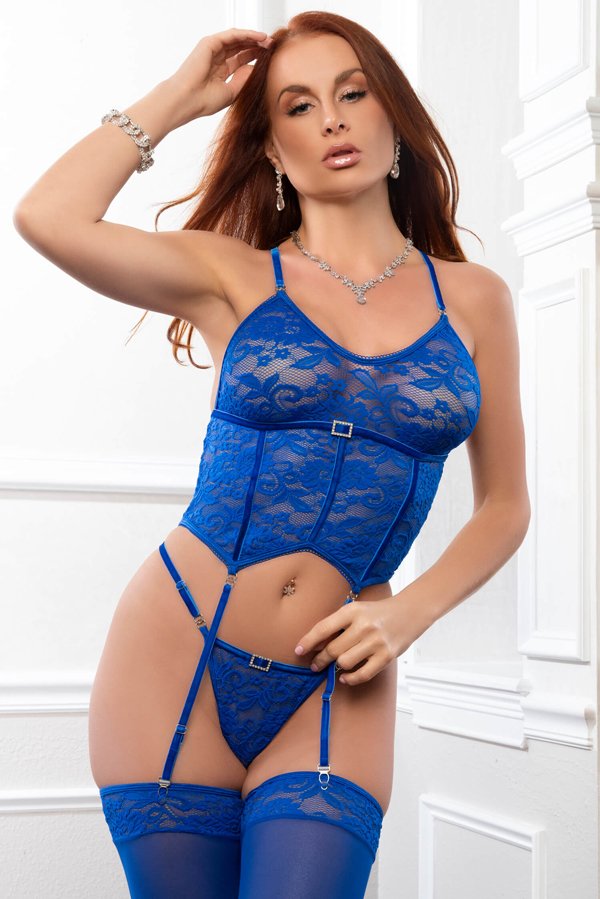
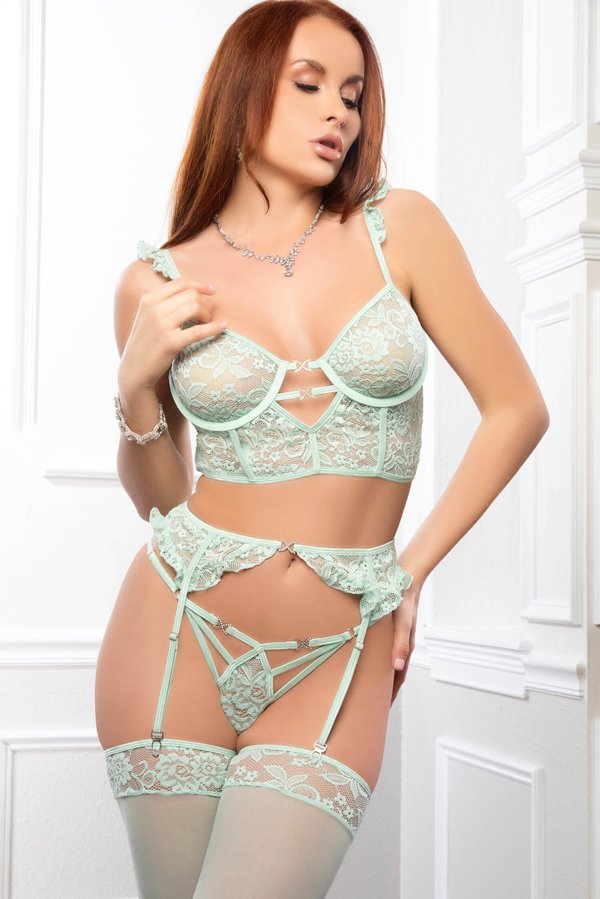
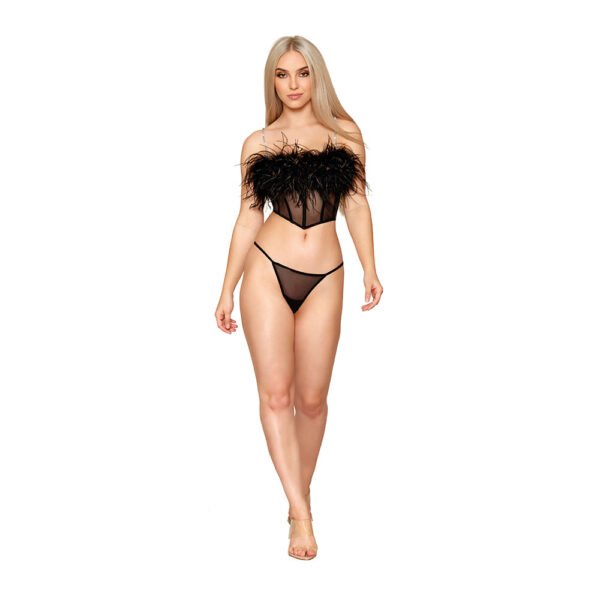
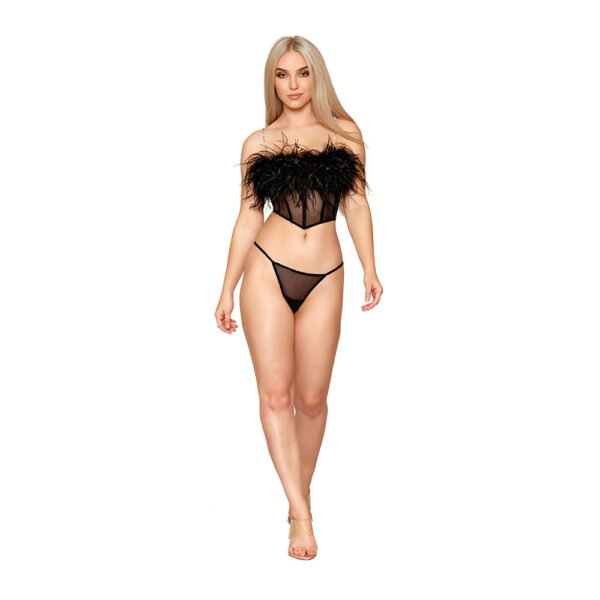
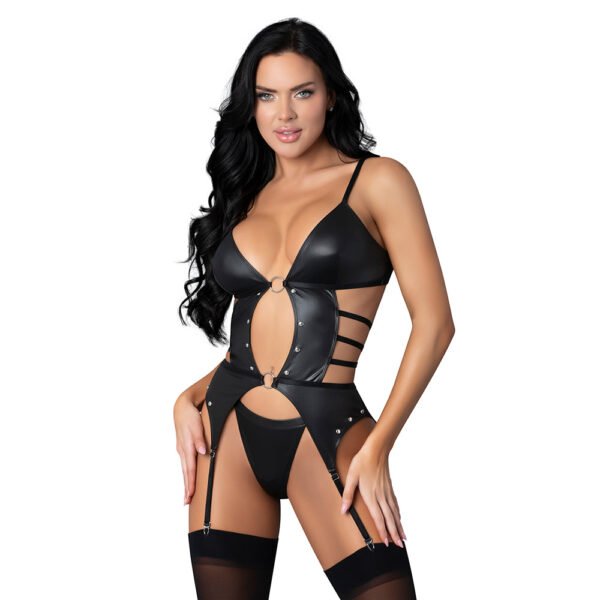
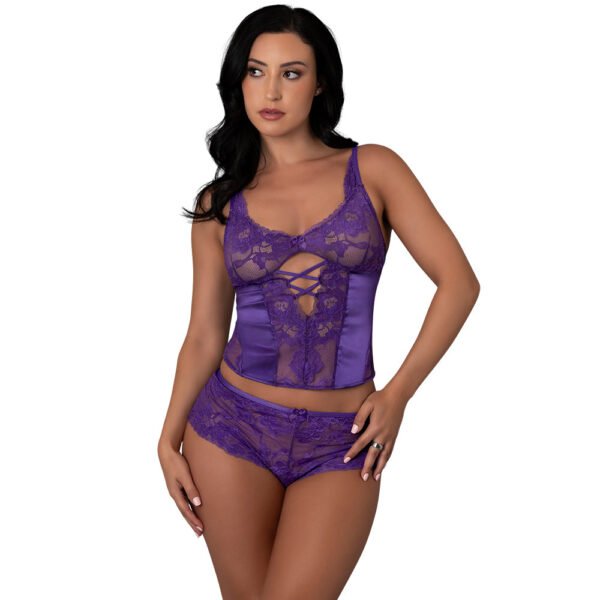
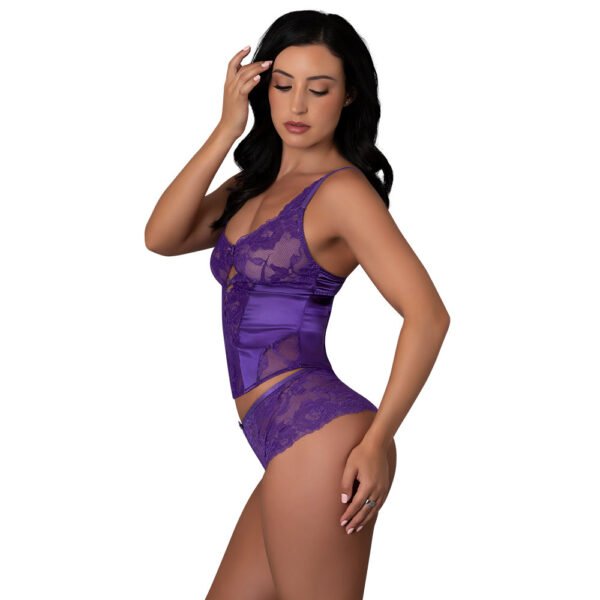
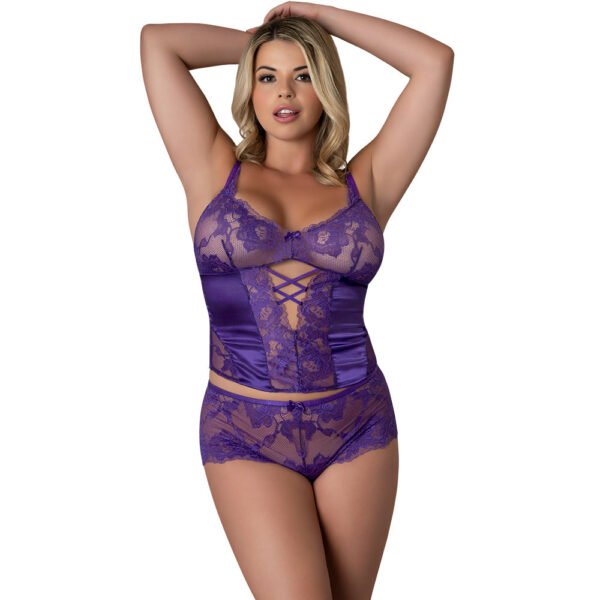
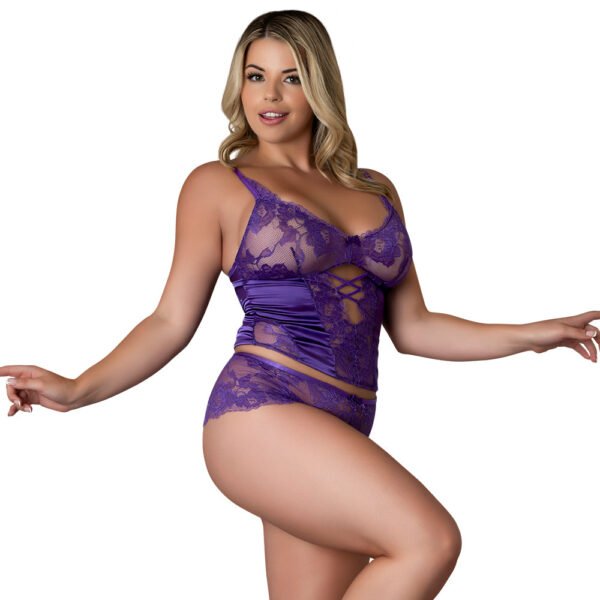
A bustier top is a shorter, lighter version of a corset, typically ending at or just below the natural waist, with built-in cups or a shelf for bust support. It usually relies on boning channels and a hook-and-eye back rather than a lace-up closure, so it goes on quickly and sits closer to a structured bra in feel. Bustier tops move easily between lingerie and outerwear, which is why they show up in date night outfits as often as they do in the bedroom.
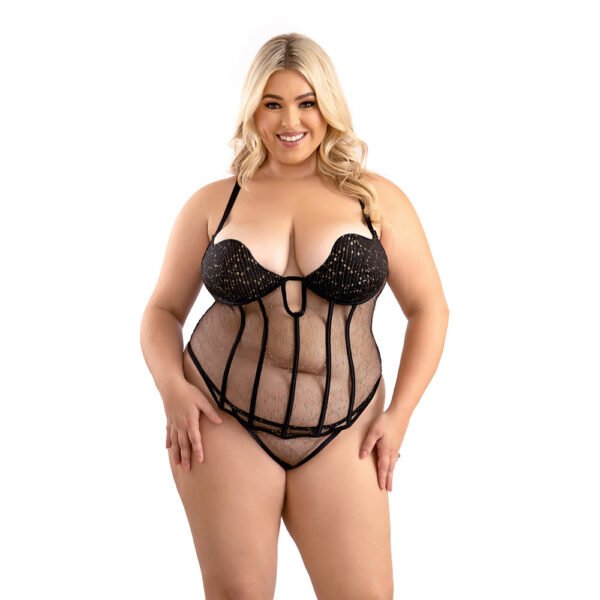
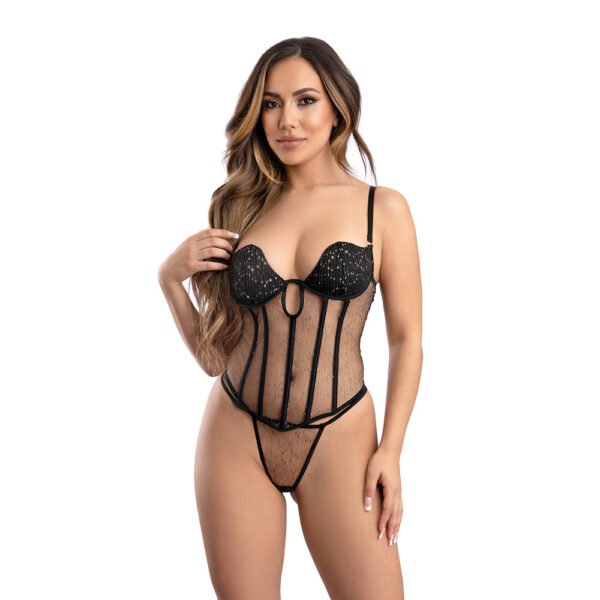
A corset bodysuit combines the structured boning of a corset with a full-body cut that snaps or hooks at the gusset, so there is no riding up and no gap at the waist. The all-in-one silhouette sits cleanly under high-waisted skirts or trousers, and it works just as well as a standalone intimate piece. If you want the waist-defining shape of a corset without any separate pieces to manage, this is the practical answer.
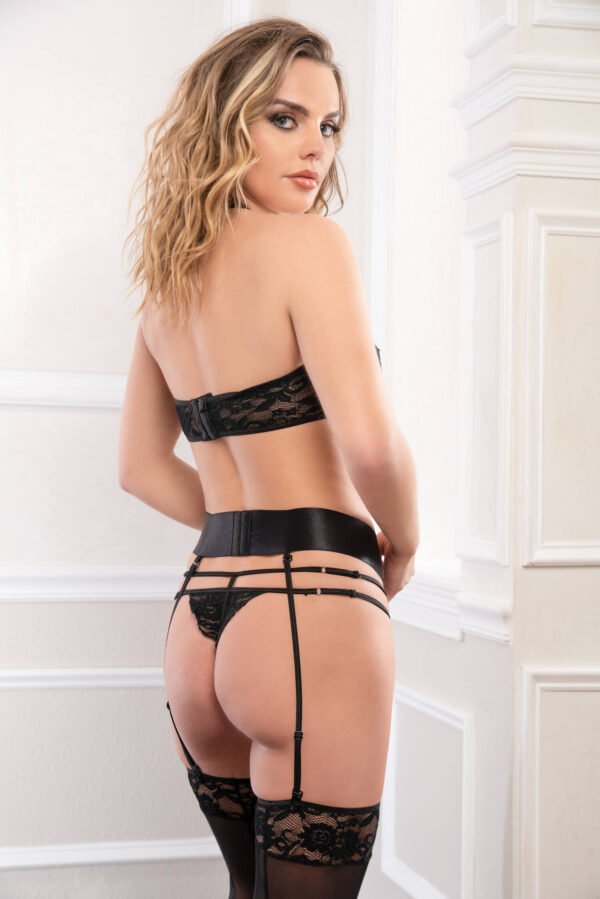
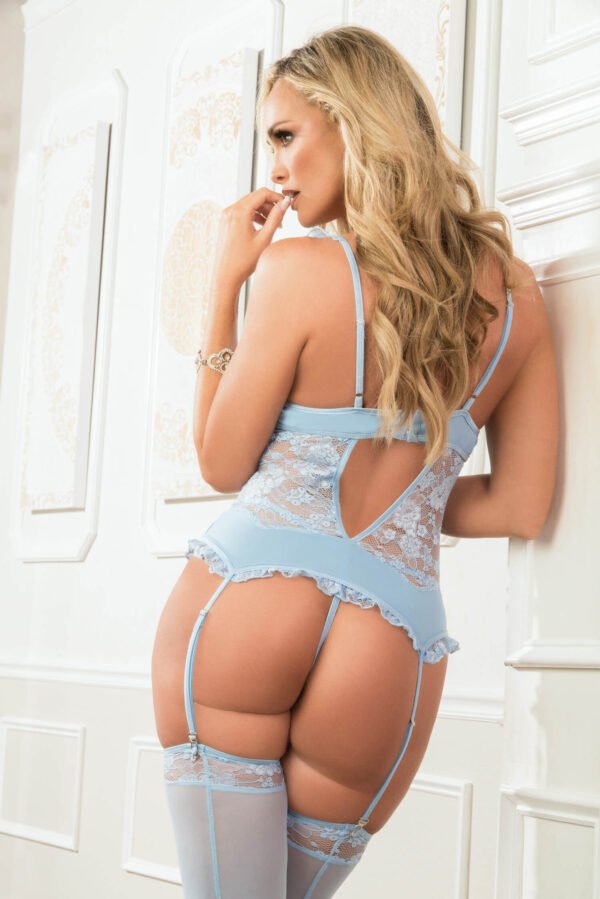
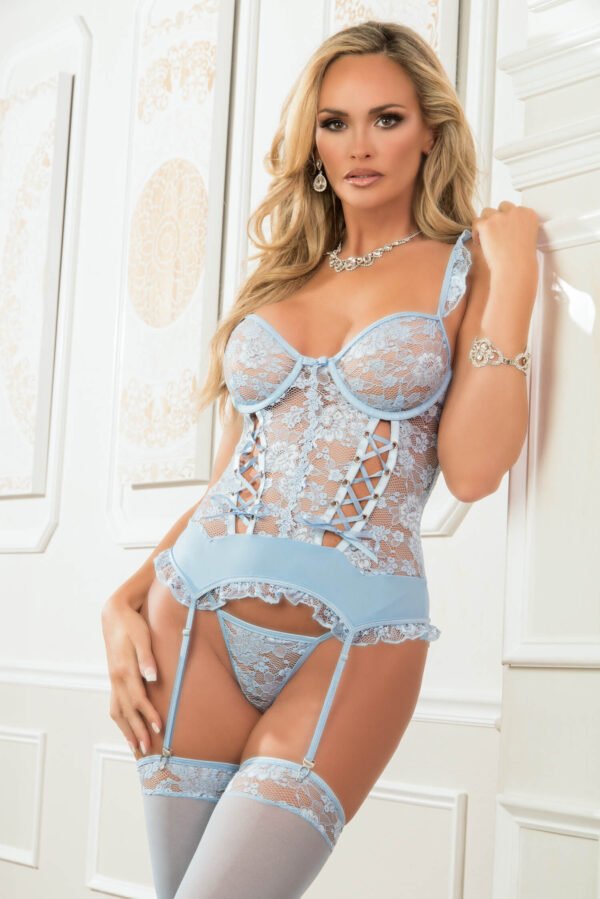
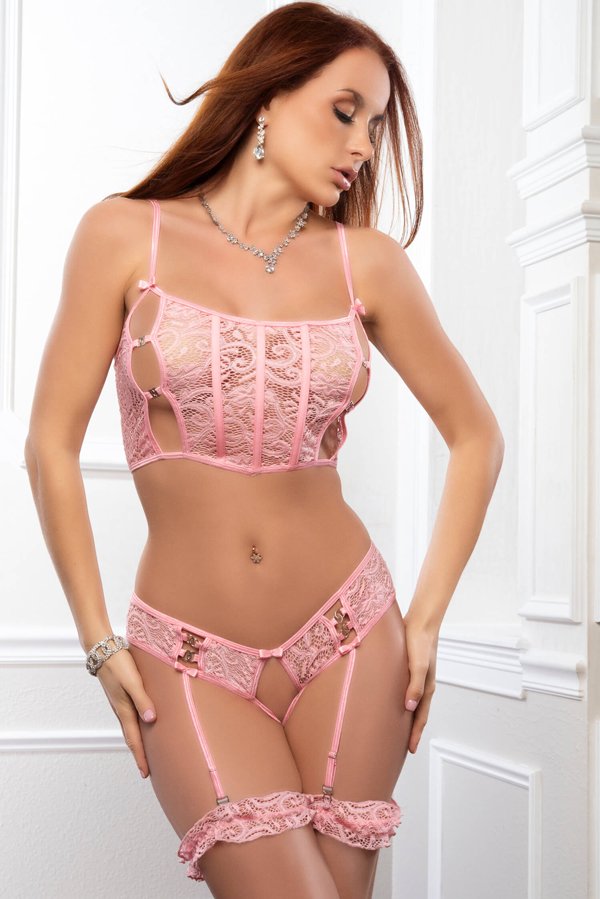
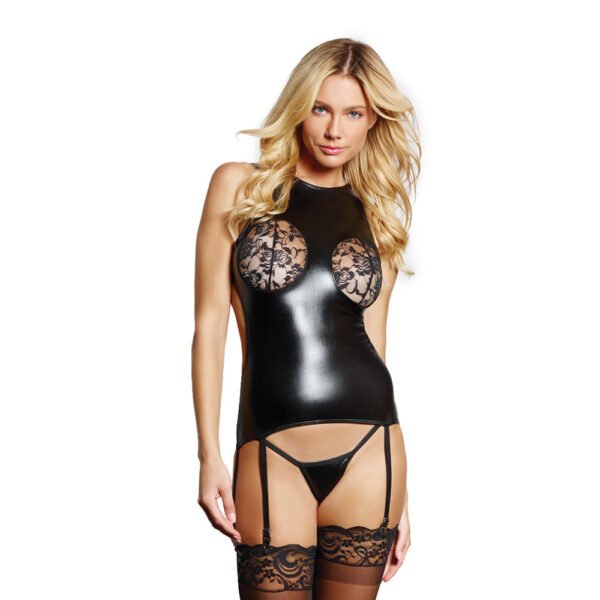
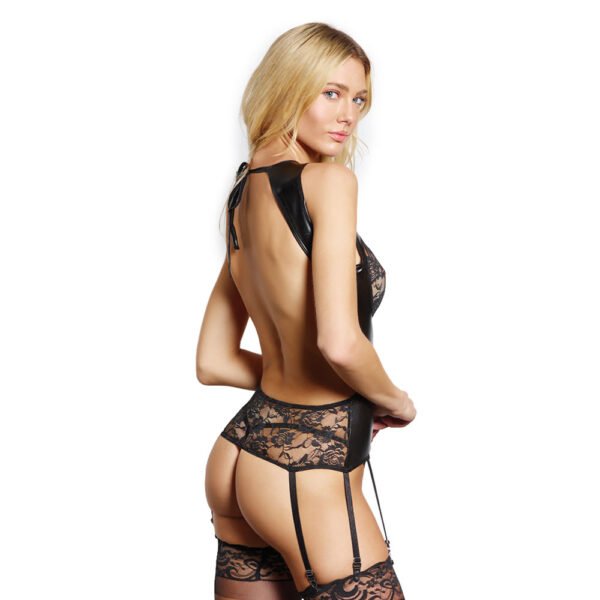
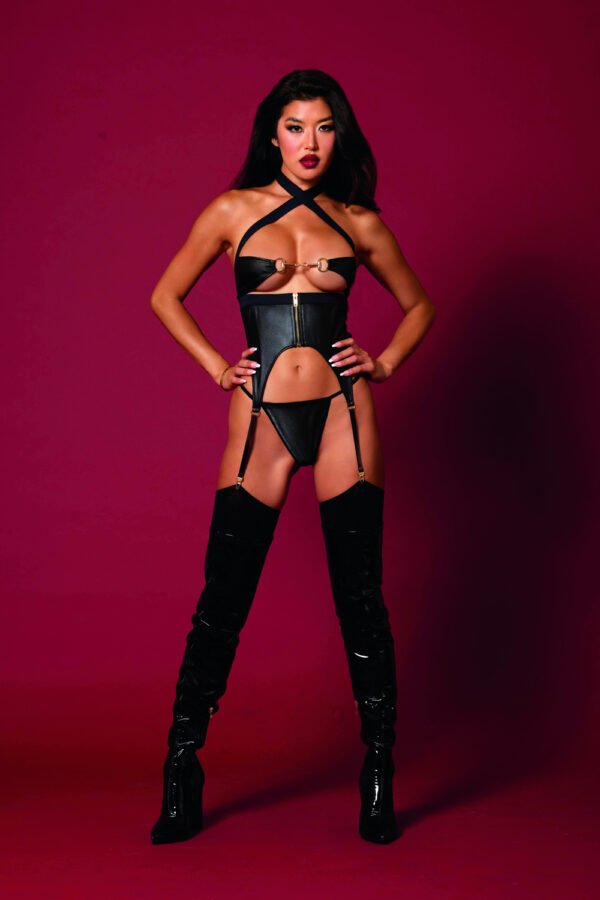
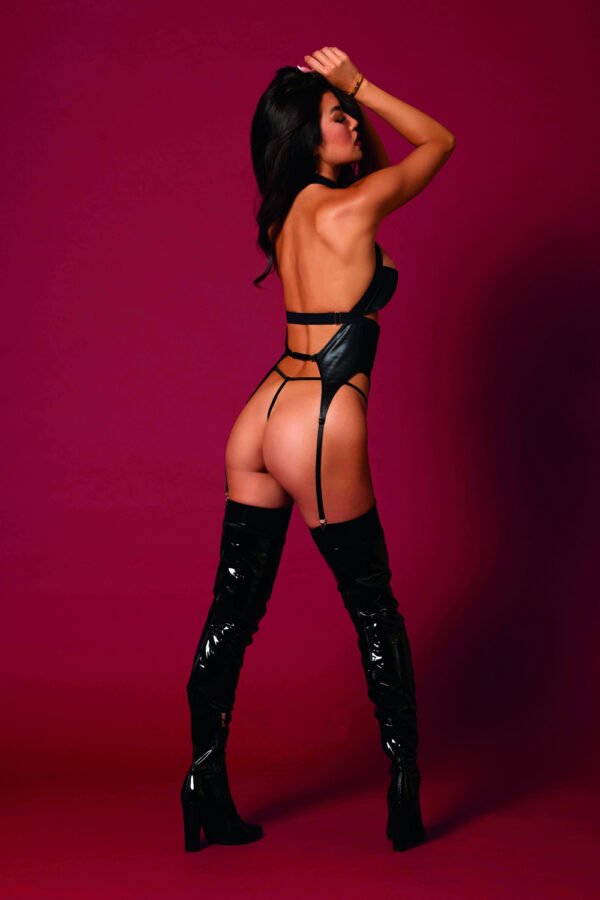
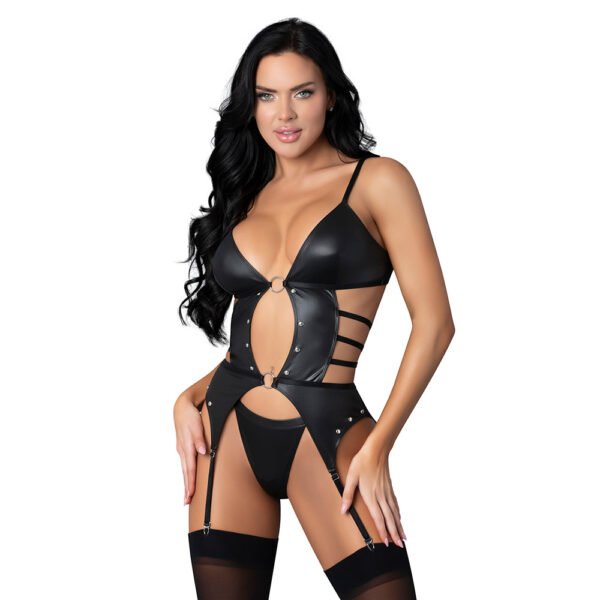
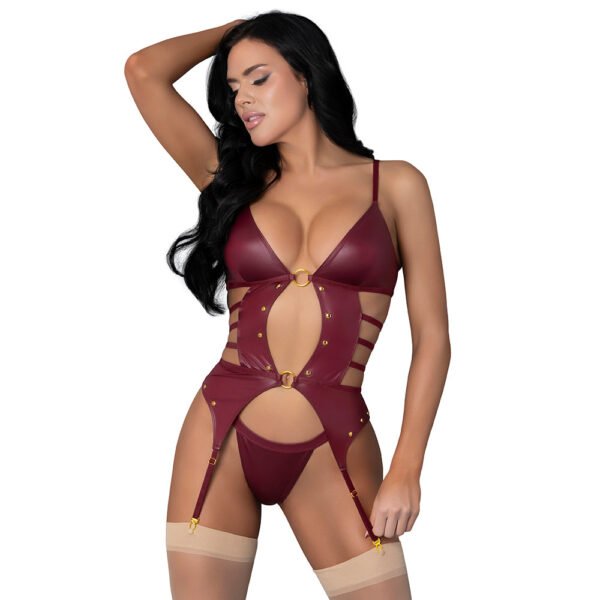
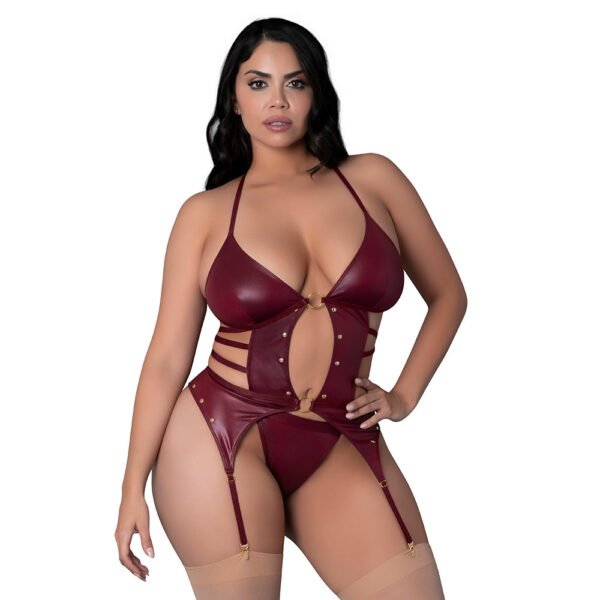
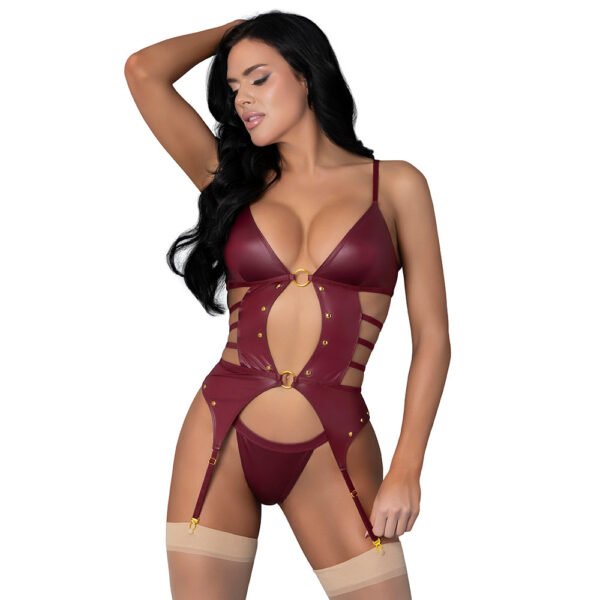
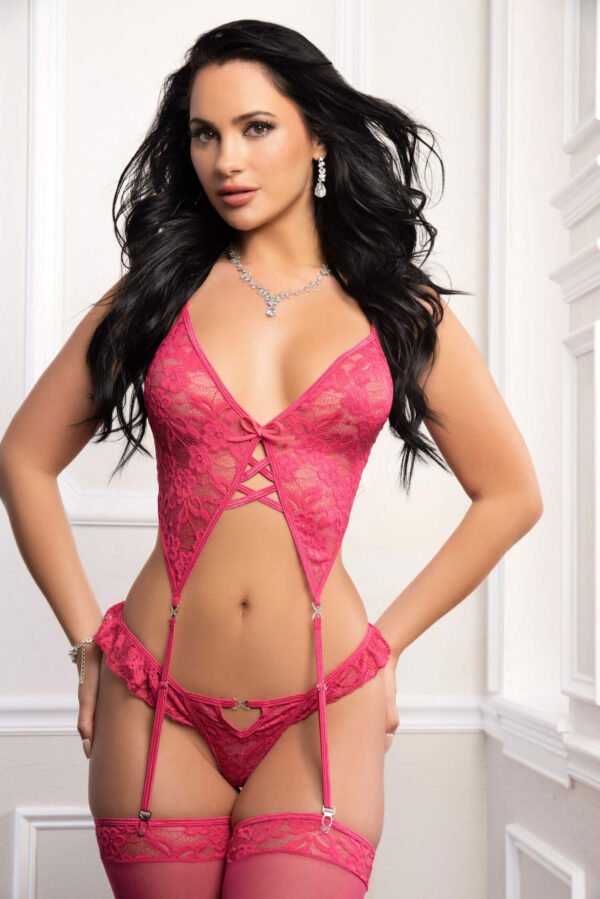
A basque is a longer-line bustier that extends past the waist and often includes attached garter straps for connecting stockings. The extra length gives more coverage over the hips and creates a smooth, continuous line from chest to upper thigh. It is a natural fit for boudoir looks or any occasion where you want a more complete, coordinated set.
The best corset or bustier is the one that fits your body, suits your occasion, and feels good to wear. A few practical questions narrow the field quickly.
Think about how long you plan to wear it and what you want it to do: define your waist, support your bust, work as outerwear, or all three. Those answers point you toward the right structure, fabric, and closure before you even look at style.
Style is the last filter, not the first. Once you know the structure and coverage you need, the choice between a coordinating lingerie set and a standalone corset top is mostly about how you want to wear it and what you want to feel.
Corsets & bustiers work across a wide range of moments, from a considered date night to a boudoir shoot to simply wanting something that fits and feels like you. These collections are organized by use case so you can go straight to what fits your situation.
Corset tops work well beyond the bedroom, and the styling options are more straightforward than most people assume. Over a fitted white blouse or a relaxed button-down shirt, an underbust corset adds structure without reading as lingerie. Paired with high-waisted jeans or a midi skirt, a lace corset top becomes a genuine going-out piece.
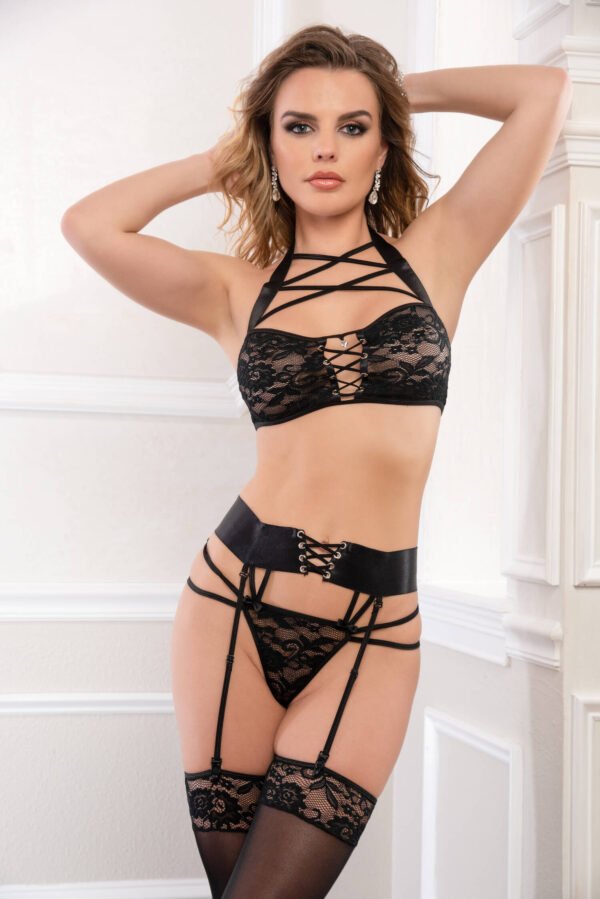
For a more intimate look that still has range, a satin or mesh corset pairs naturally with garters and garter belts or sheer hosiery. The lace-up back becomes part of the visual, so it works as a statement on its own. The same piece can move from a private moment to a dressed-up evening with little more than a change of bottoms and a jacket layered over it.
Lacing a corset correctly makes a real difference in how it feels and how long it lasts. Start with the laces loosened fully, fasten any front busk or hook-and-eye closure first, then tighten the lace-up back gradually from the middle outward toward the top and bottom, working in small increments rather than pulling hard from one point. The fit should feel snug and supportive, not tight enough to restrict a full breath.
New wearers benefit from starting with one to two hours at a time and building from there as the garment settles to the body. For care, hand-wash boned pieces in cool water with a gentle detergent, reshape them while damp, and store them flat or loosely rolled rather than folded at the bones. Steel boning can rust if left damp, so air-drying fully before storage matters.
Corset sizing varies more between brands than almost any other lingerie category. One brand’s size L may correspond to a natural waist of 28 to 30 inches, while another uses the same label for 31 to 34 inches. Always read the specific brand’s measurement chart rather than going by the size label alone. When two sizes are close, sizing up is usually the safer choice, since lace-up backs give you room to tighten but no room to let out a corset that is already too snug at the busk.
The longevity of a corset depends mostly on two things: the quality of its boning and how the closures are finished. Steel boning keeps its shape through repeated wear far better than plastic, which can warp or bow with heat and pressure. Hook-and-eye busks and grommets on lace-up backs are the points most likely to show wear first, so inspect them occasionally and avoid forcing a closure that feels strained. Pieces with reinforced boning channels and securely stitched grommets will outlast those where the hardware is simply glued or lightly sewn.
For sensitive skin, the inner lining matters more than the outer fabric. A corset or bustier with a soft cotton or jersey lining sits against your skin rather than the outer material, so even a satin or faux-leather exterior can be comfortable to wear for hours. Unlined mesh sits directly on the body and can cause friction along boning channels if worn for extended periods. If you run warm or have reactive skin, look for a lined interior and check that the fabric composition avoids rough synthetic weaves next to the torso.
Yes, and it matters most with mesh and lace fabrics. Darker colours, black in particular, tend to read as more opaque even in sheer constructions, because the contrast between the fabric and skin is lower. Lighter shades like white, lavender or nude can appear significantly more transparent against most skin tones, especially under bright light. If opacity is a priority for you, darker colourways in mesh or lace corsets will generally give you more coverage than the same style in a pale colour.
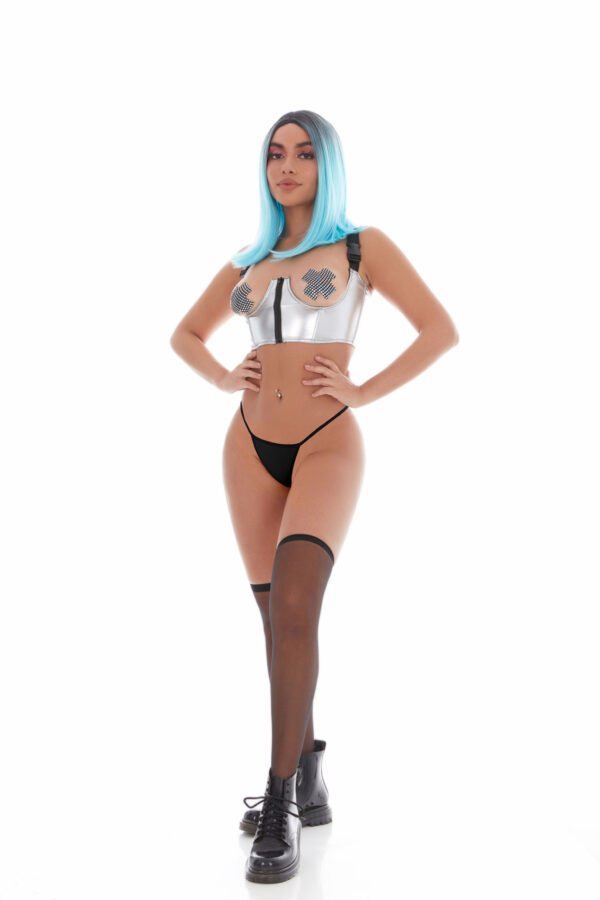
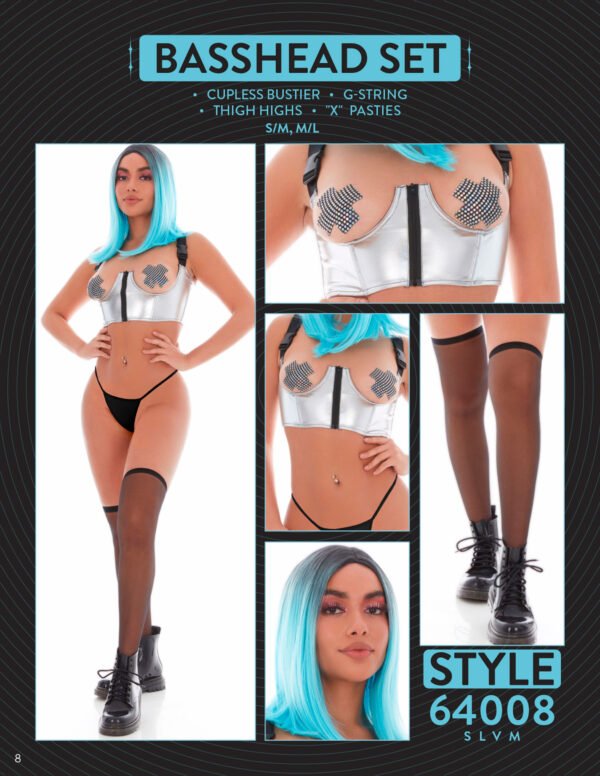
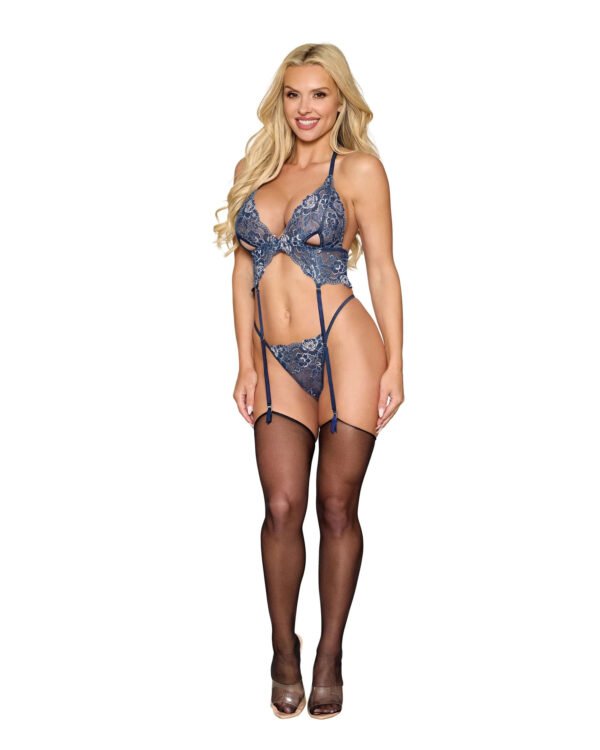
Most corset and bustier sets include a coordinating bottom, most often a G-string, thong, or boy short in the same fabric or colour. Some sets go further and add stockings, a garter belt, a choker, or detachable accessories like removable straps or chains. What counts as the “set” is always listed in the product description, so it is worth checking before you buy, especially if you are planning a complete look and counting on specific pieces being included.
Many people wear corset tops for several hours without discomfort, but the experience depends on fit and construction. A corset laced to its absolute tightest limit will feel restrictive by the end of the night; lacing it to a comfortable, breathable tension rather than maximum cinch makes a significant difference. Stretch-fabric bustiers and lightly boned styles tend to be the most forgiving for longer wear, while heavily structured steel-boned pieces are better suited to shorter, more intentional occasions. Breaking in a new corset gradually over a few shorter sessions also helps the fabric and boning conform to your shape.
All Claim Night orders ship in plain, unmarked outer packaging with no indication of the contents on the outside. The billing descriptor on your statement appears as a neutral “XR. LLC” rather than anything that identifies the store or the product category. Your order information is never shared or sold. If you have a specific question about packaging before you buy, you are welcome to reach out and ask.
A bustier or lightly boned corset top is one of the more accessible starting points in structured lingerie, because the fit is forgiving and the learning curve is low. Styles with hook-and-eye back closures are easier to put on and take off solo than full lace-up corsets, which can take a little practice to tension evenly. Starting with a stretch-fabric style in your measured size gives you the structure and silhouette of a corset without the commitment of a heavily boned piece. There is no wrong order to try things in, and a simpler first piece does not limit where you go from there.
Helpful guides, product tips, and simple explanations to help you find what feels right.
No account yet?
Create an Account