


Article
Beginner Butt Plug Guide: What a Butt Plug Is, How It Works, and How to Use One Safely04/03/2026

Deals
Bestsellers

+38
Most-Loved Picks
Customer favorites for comfort, care, and everyday pleasure
Shop BestsellersSale · up to 40% off

+881
Soft Savings
Limited-time offers on body-safe essentials and feel-good favorites
View SaleSeasonal edit


+265
Seasonal Comfort Edit
Curated picks for holidays, date nights, gifting, and cozy nights in
Explore the EditFeatured
 Discreet Packaging
  Secure Checkout
  Body-Safe Materials
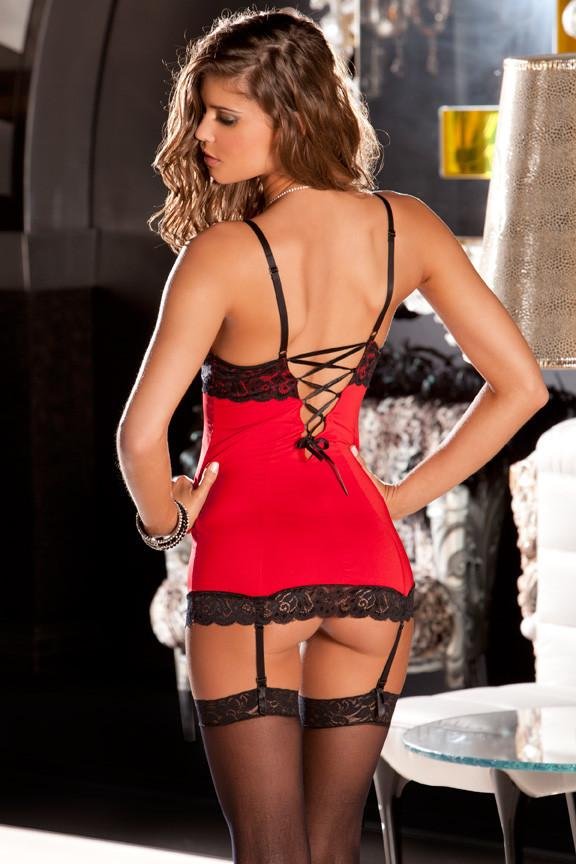
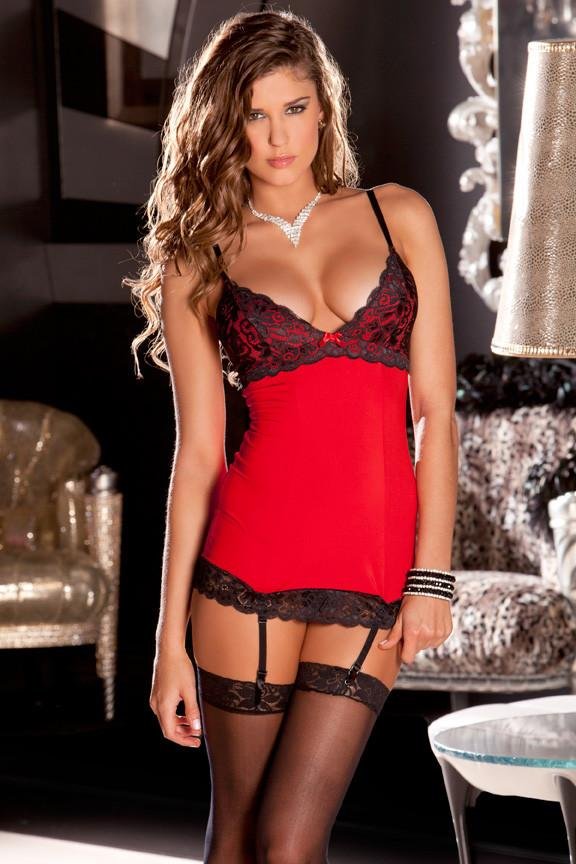
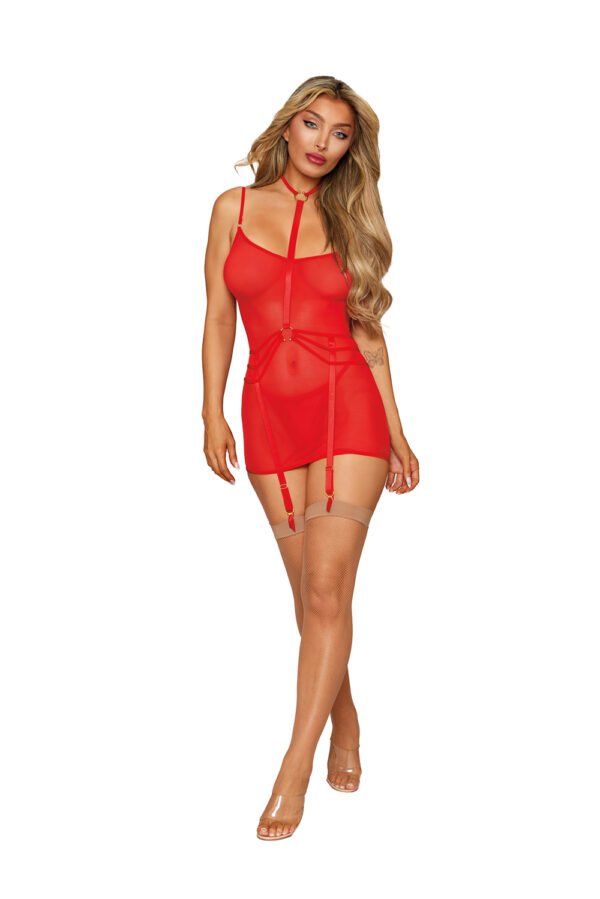
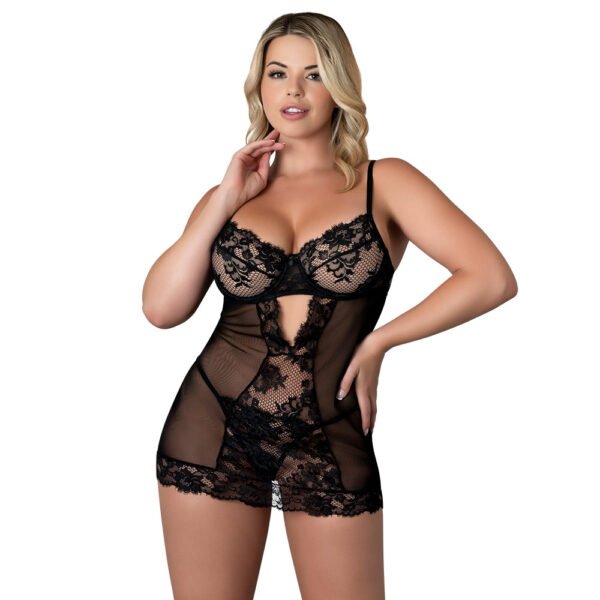
 Chemises are sized by bust and hip, not by a single number, so start with both measurements before checking a size chart. The bodice should lie flat against your chest without gaping or pulling at the cups, and the straps should sit comfortably on your shoulders with room to adjust. A chemise is not meant to be tight through the torso; the fabric should skim the body and fall freely from the hip.
Stretch content matters here. A satin blend with 10% spandex will give a little, while a stiff woven fabric will not. If you fall between sizes, size up so the bust fits without strain and the hem hangs at the right length. Claim Night stocks a genuine range from XS through plus sizes, and each product page includes the brand’s specific measurements to help you land in the right one.
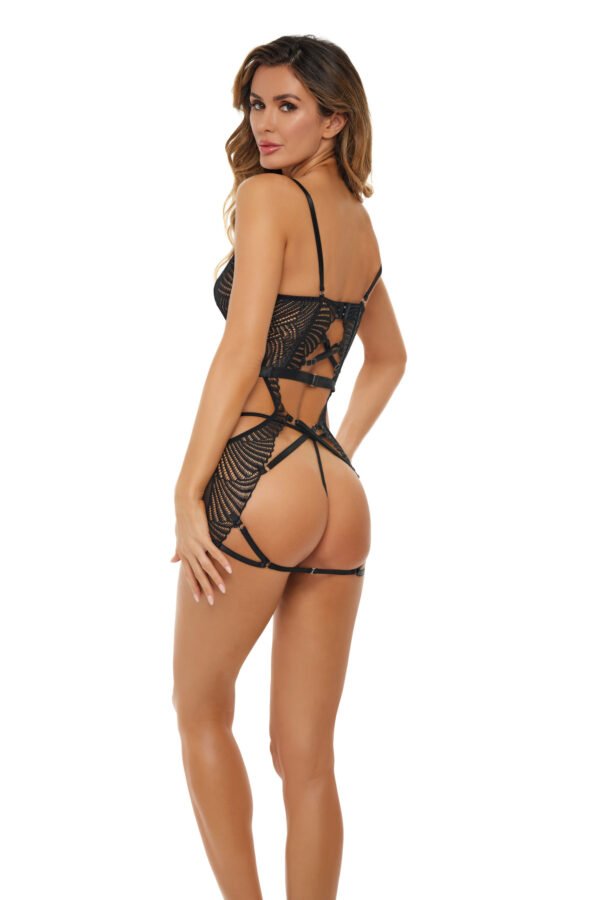
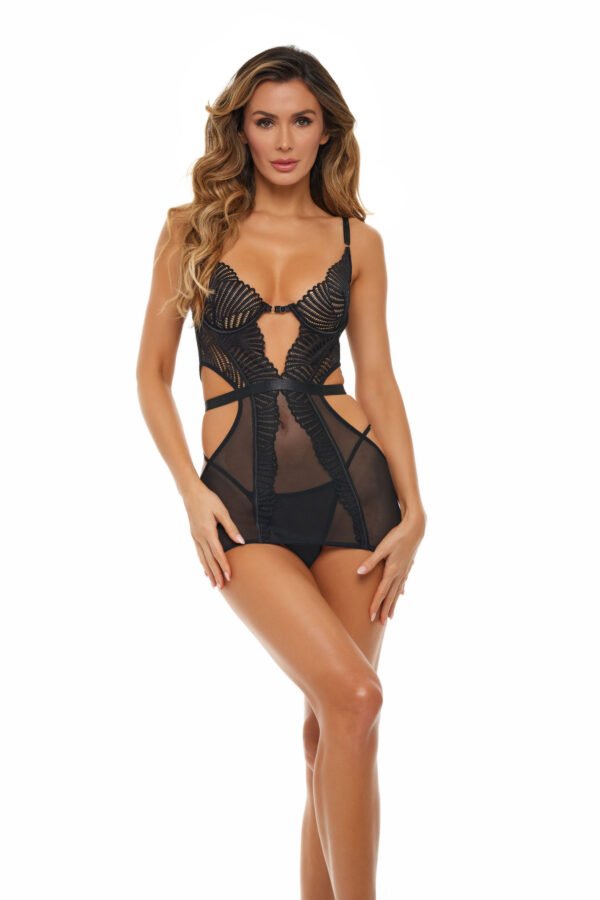
Chemises vary more than they appear to at first glance, and a few specific choices make a real difference in how one fits, feels, and works for you.
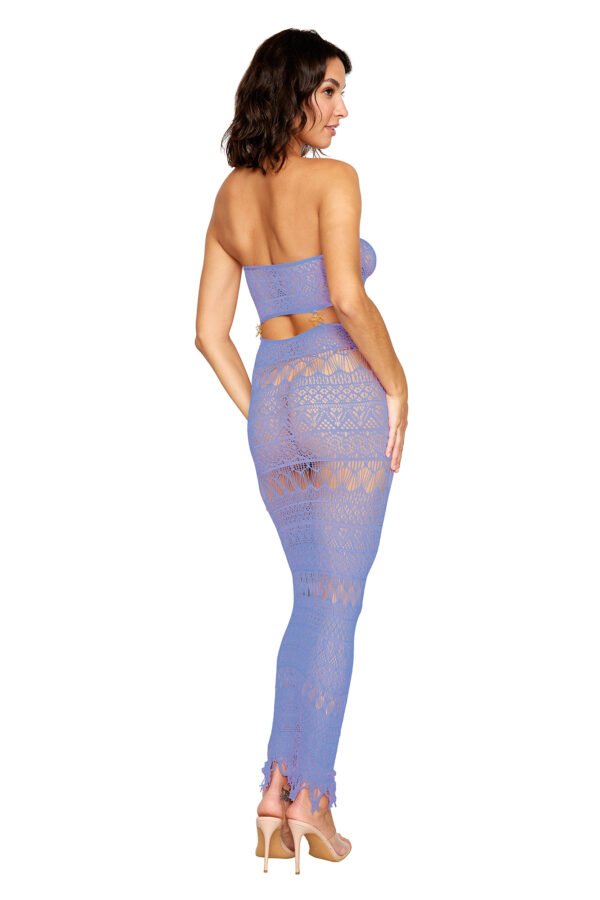
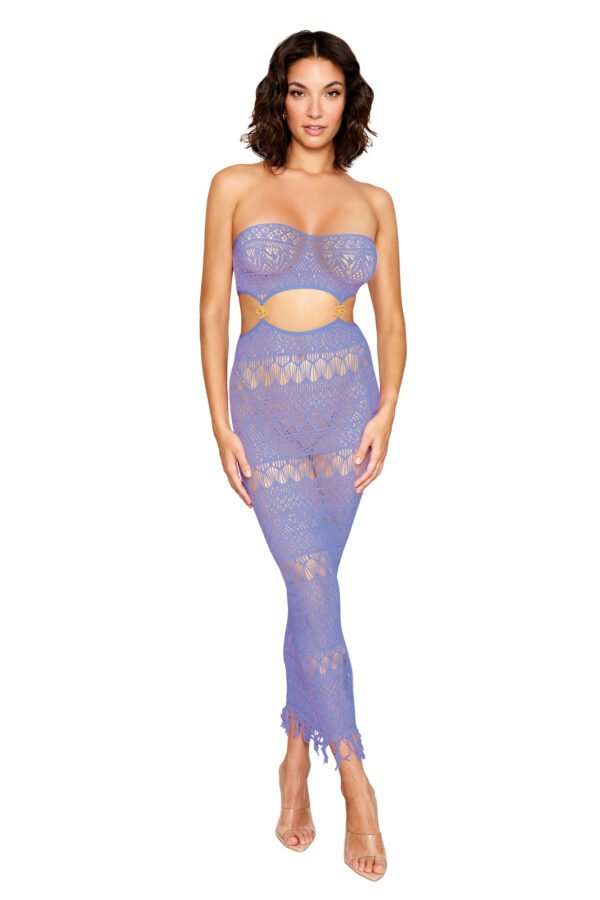
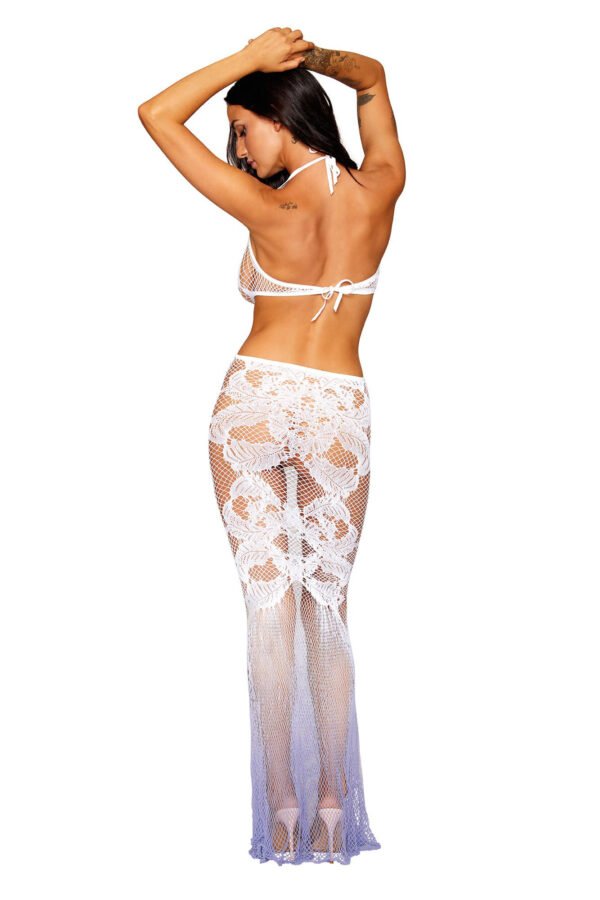
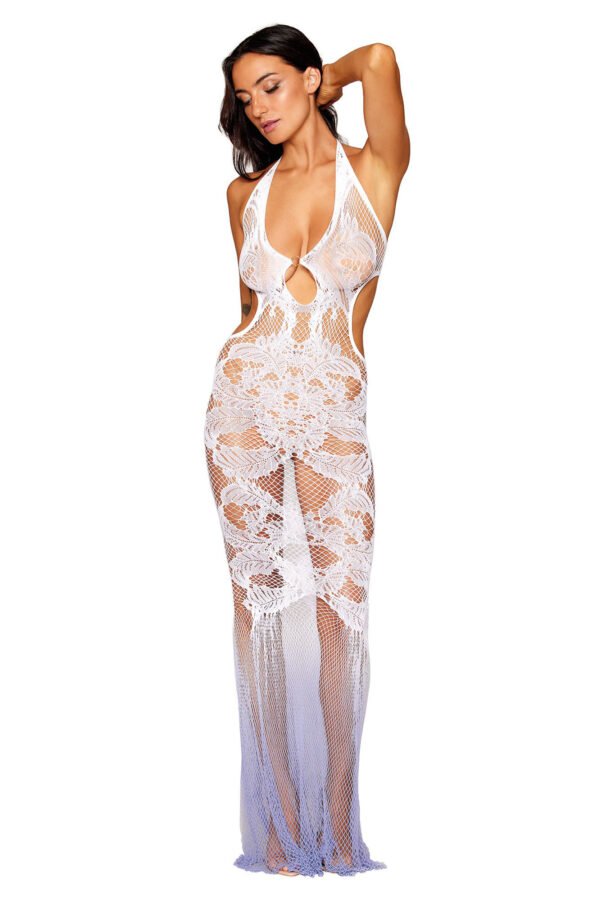
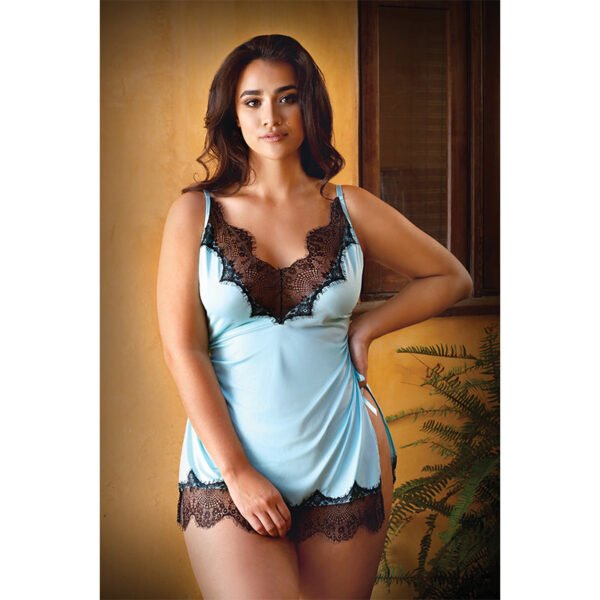
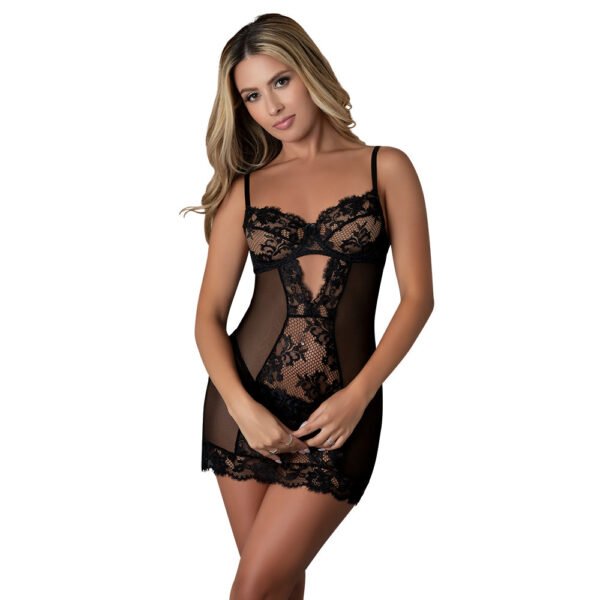
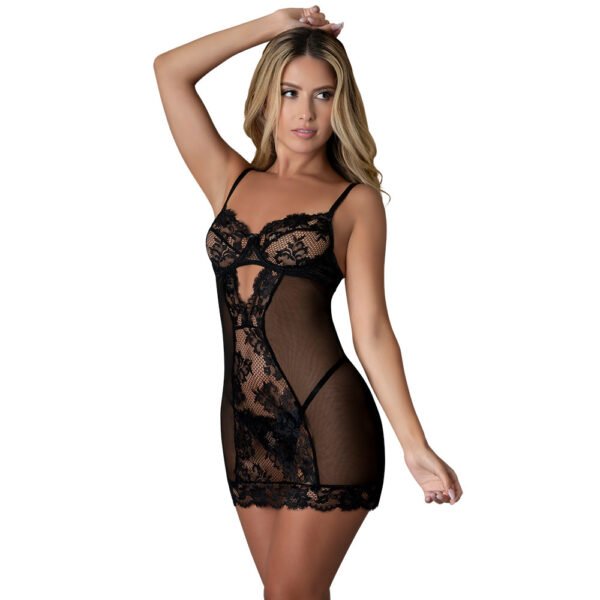
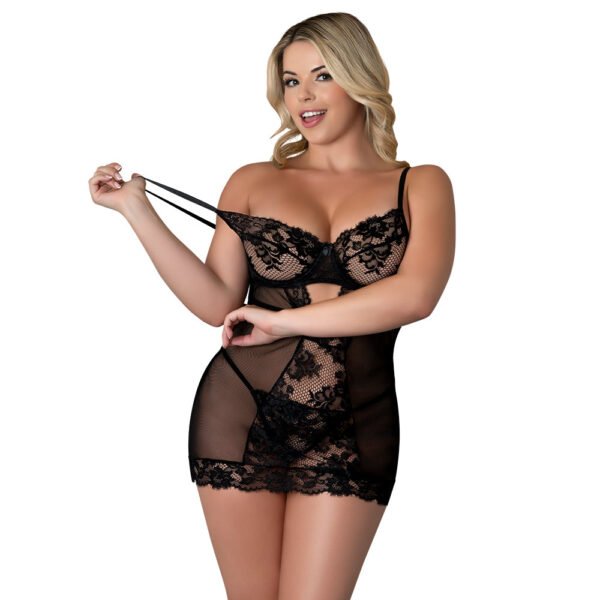
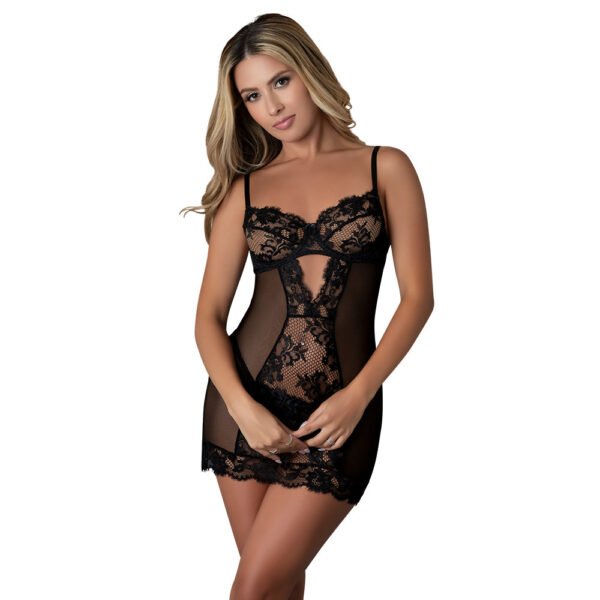
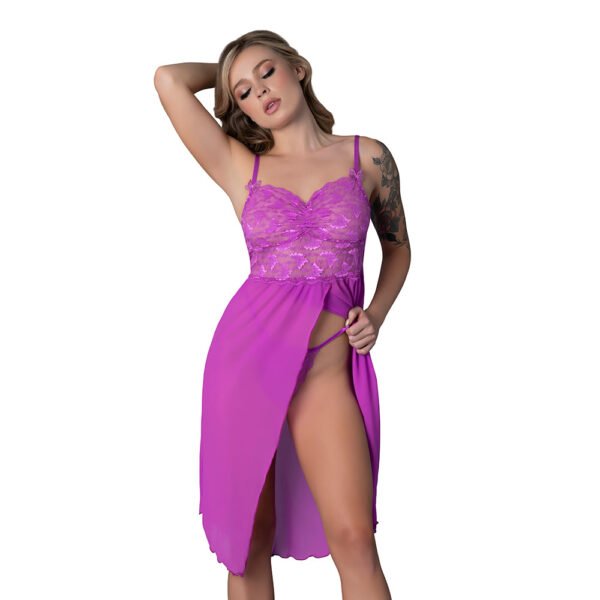
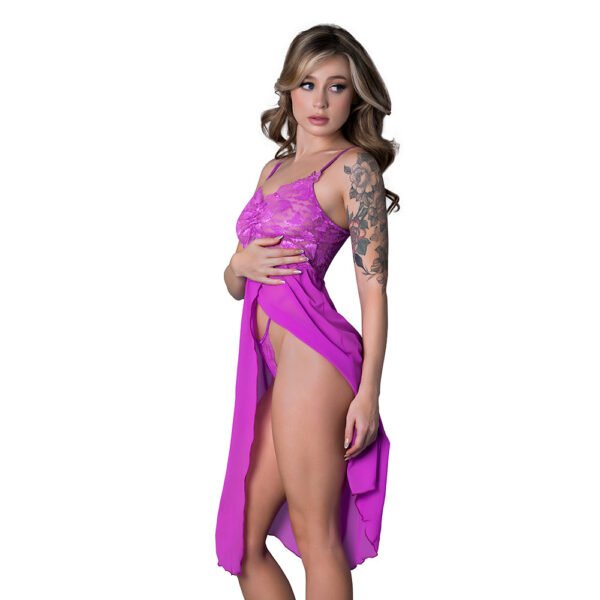
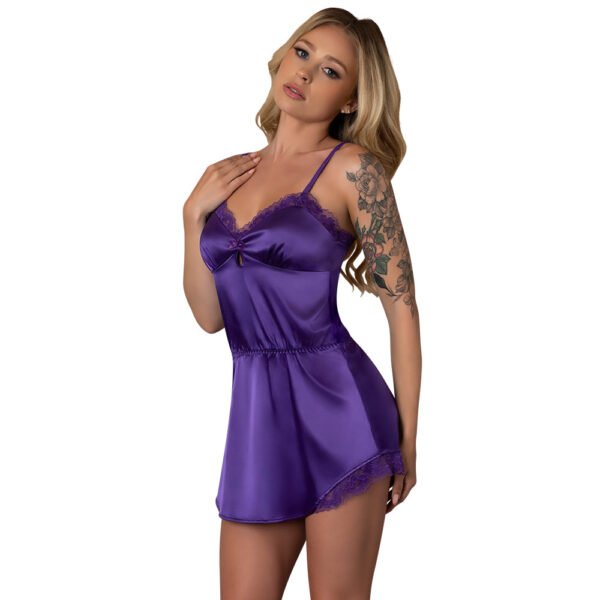
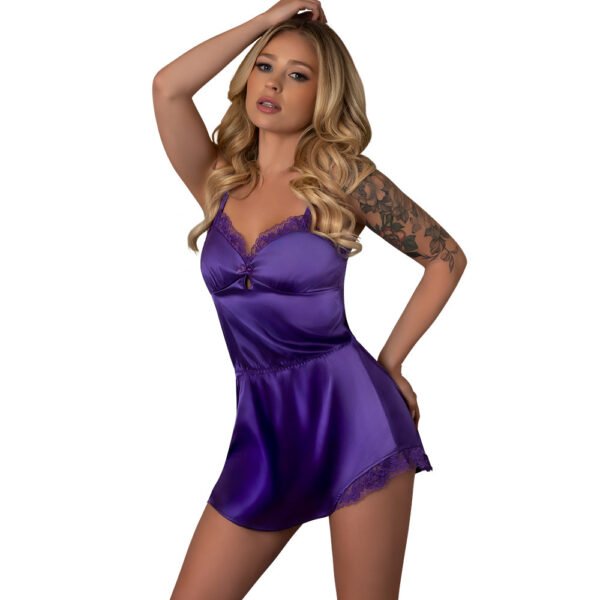
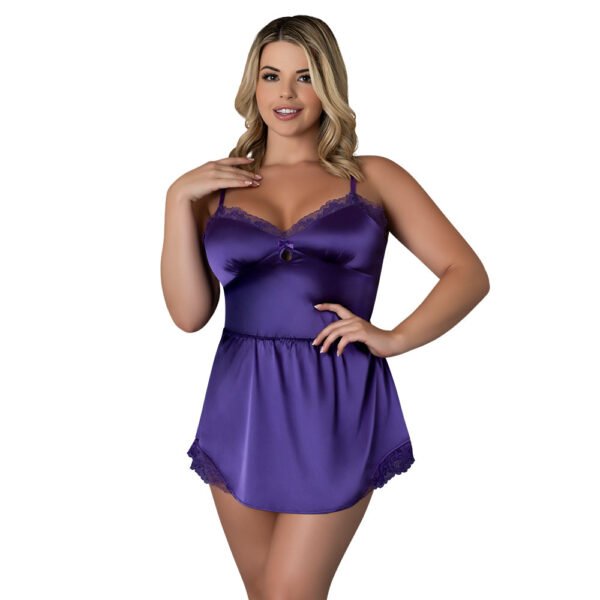
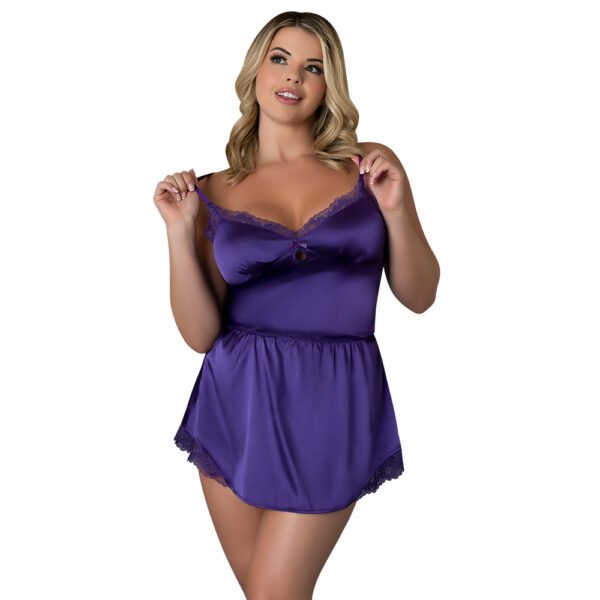
The fabric of a chemise shapes the entire experience of wearing it. Stretch lace has a delicate, textured look and moves well with the body, though it sits closer to the skin than other options. Satin, typically a polyester-spandex blend, has a smooth, cool drape and a lustrous finish that reads as more polished. Mesh and microfiber are lighter and more breathable, which matters if you plan to sleep in it. If your skin is on the sensitive side, look for fabrics labeled OEKO-TEX certified or check that the composition is a soft knit rather than a coarser weave.
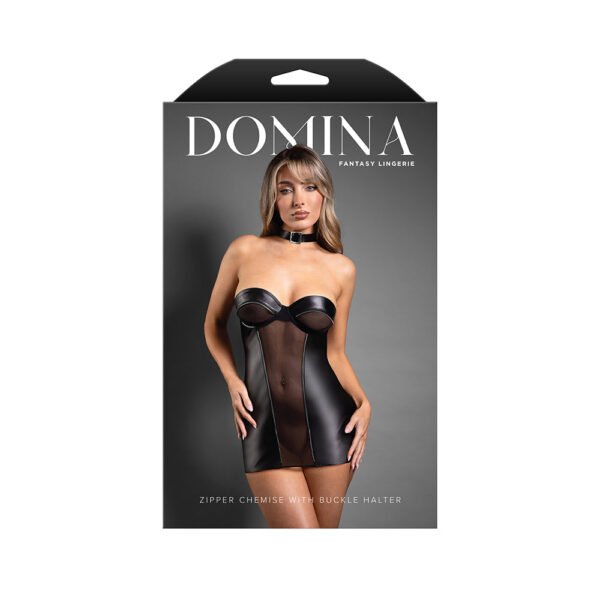
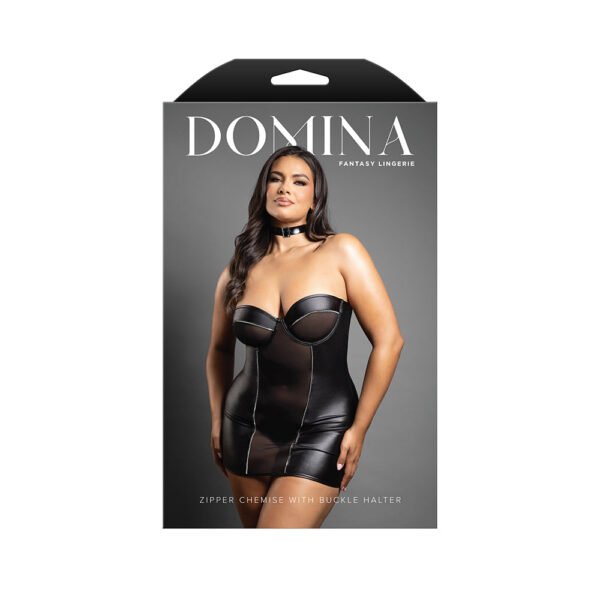
Chemises range from completely unstructured to genuinely supportive. Some have built-in bra cups with underwire, which means no separate bra is needed and the bodice holds its shape throughout the night. Others use soft, removable padding for a lighter lift. Many chemises have no internal structure at all, which works well for smaller busts or anyone who finds underwire uncomfortable for extended wear. Check the product description for cup sizing, which is usually listed as a range like A through D, so you know what level of support to expect before you buy.
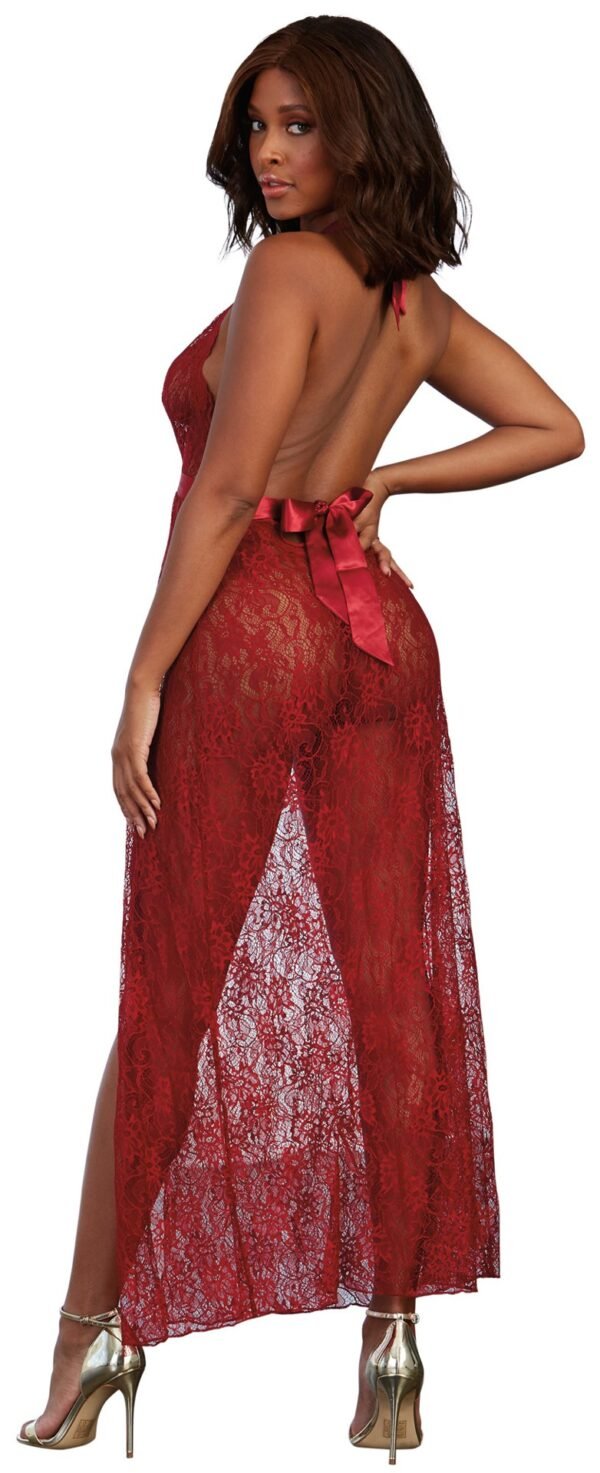
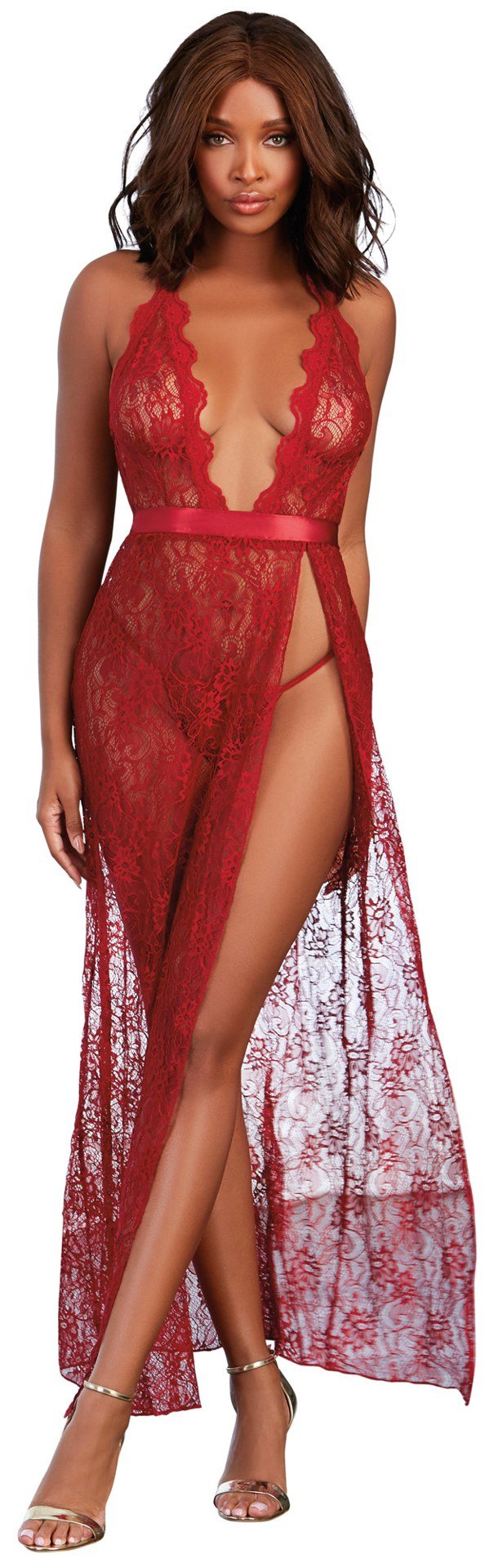
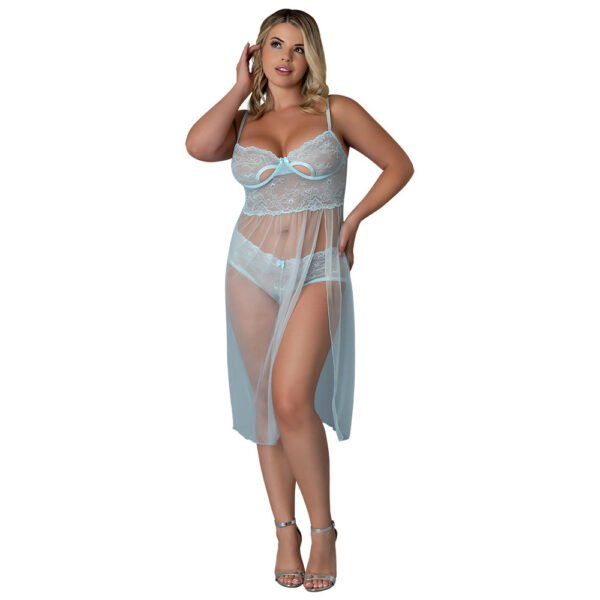
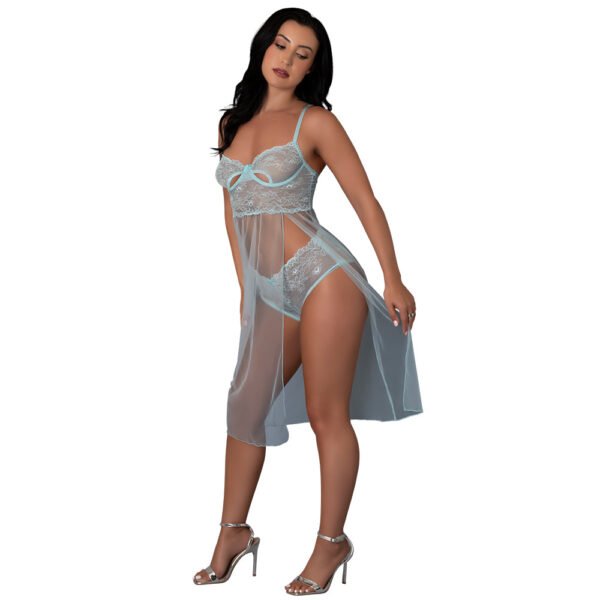
Chemise length affects both coverage and occasion. A mini chemise typically falls to mid-thigh or just above, which gives it a more overtly intimate feel. A midi length reaches closer to the knee and tends to read as sleepwear as much as lingerie, making it a practical choice for all-night comfort. If you run warm, a shorter hemline helps. If you prefer more coverage or want something that doubles as a nightgown alternative, a longer cut is the better fit.
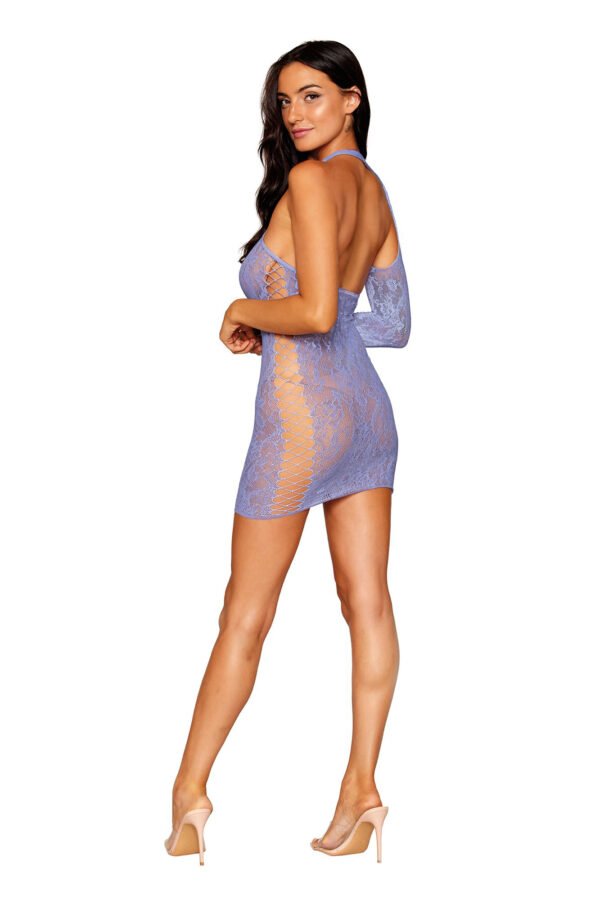
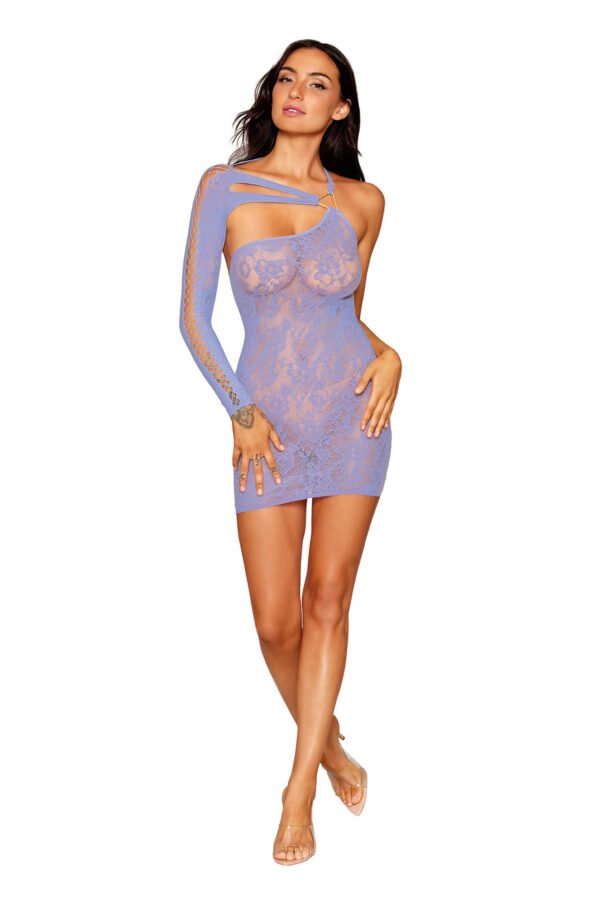
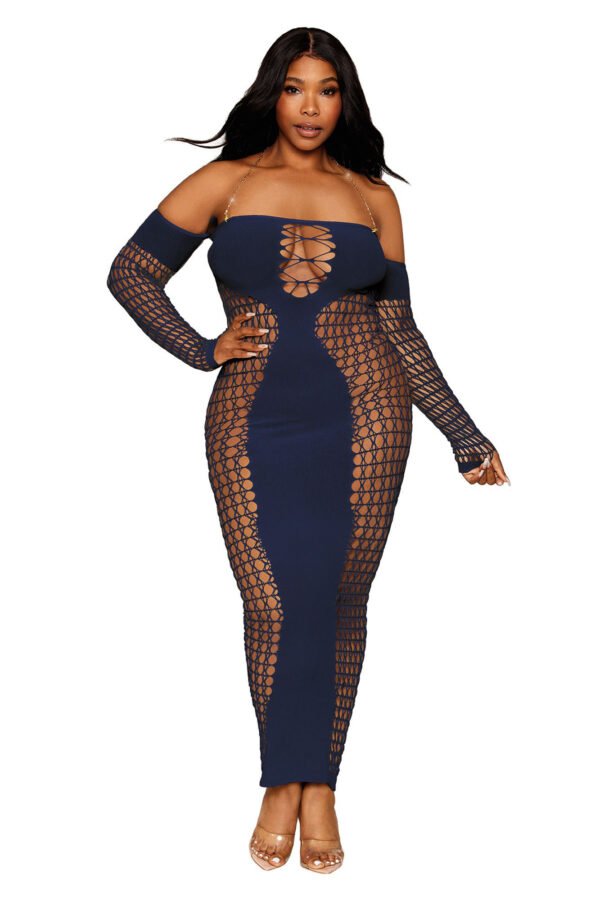
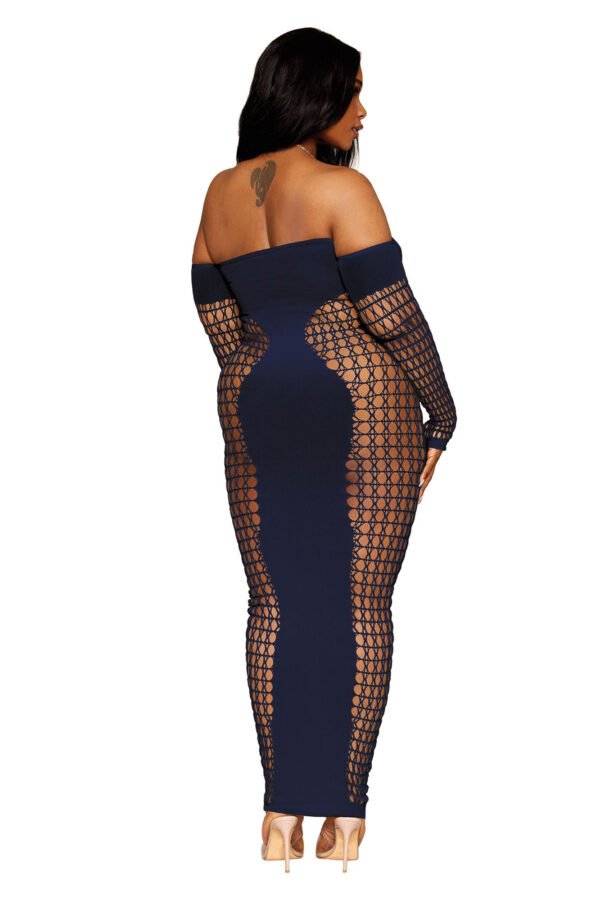
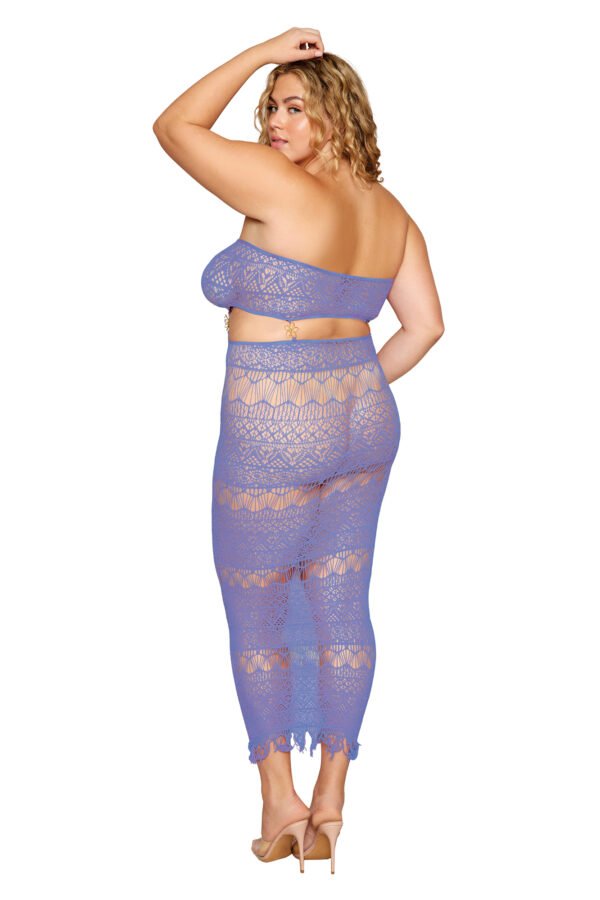
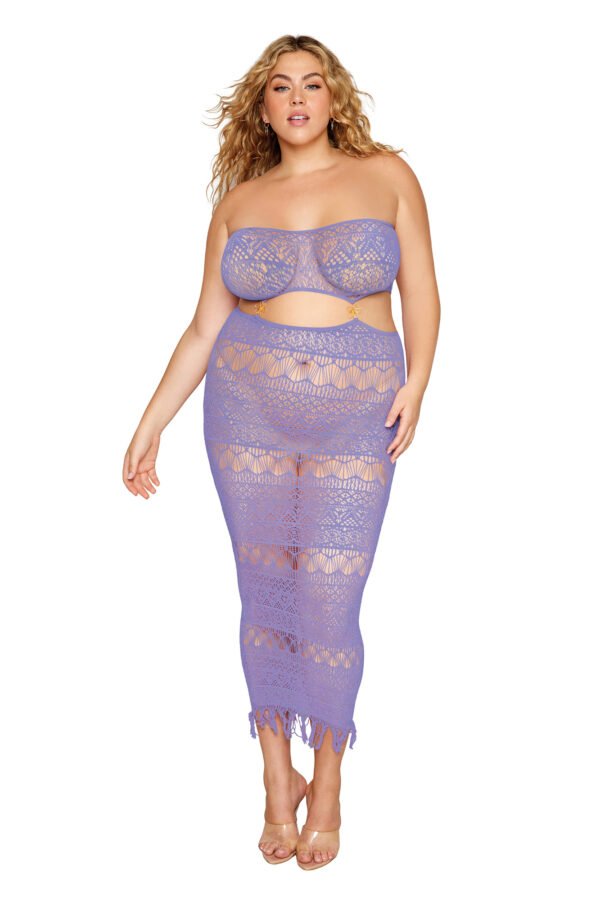
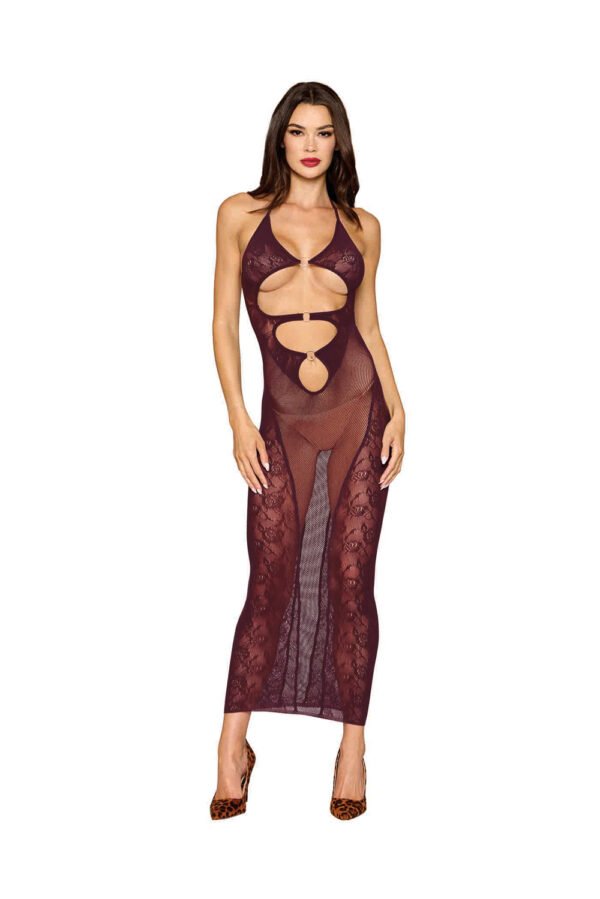
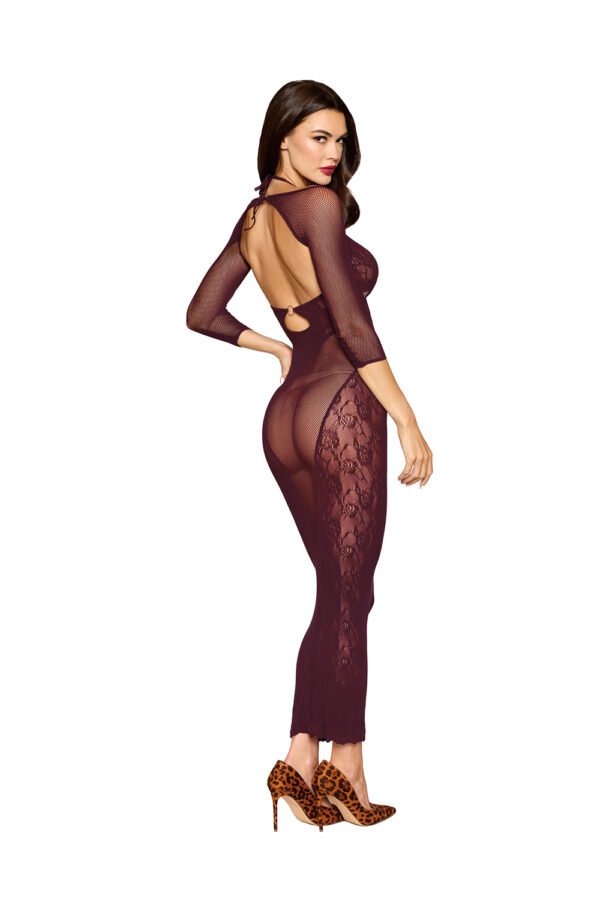
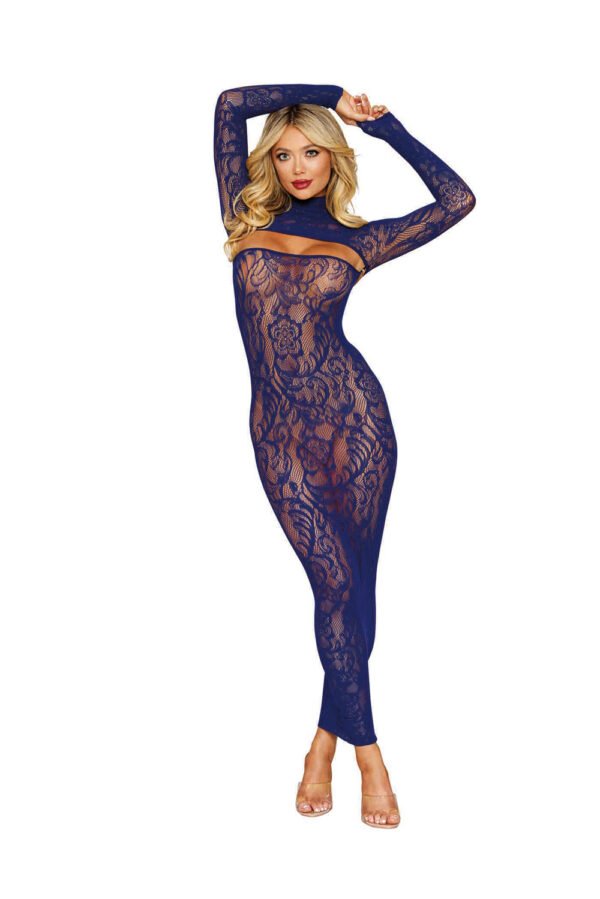
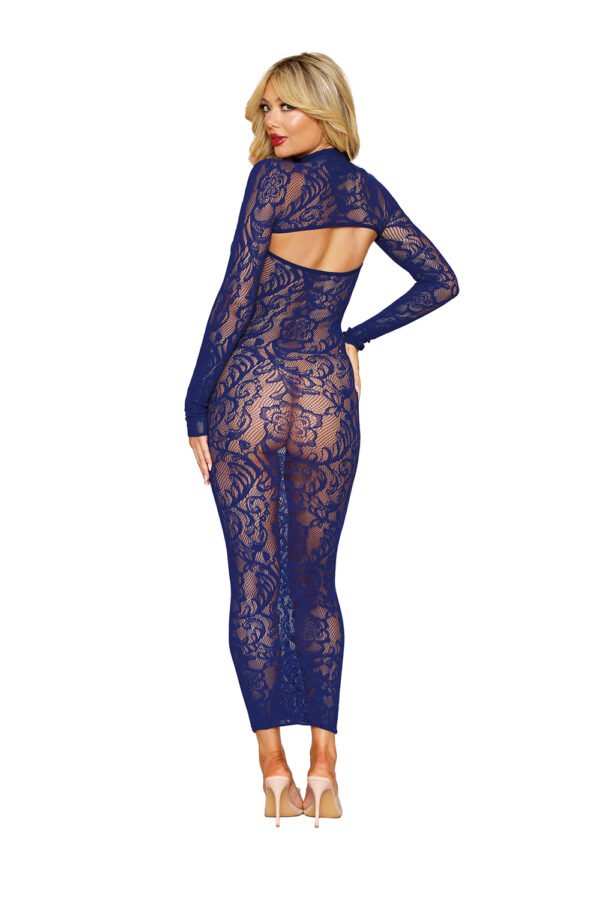
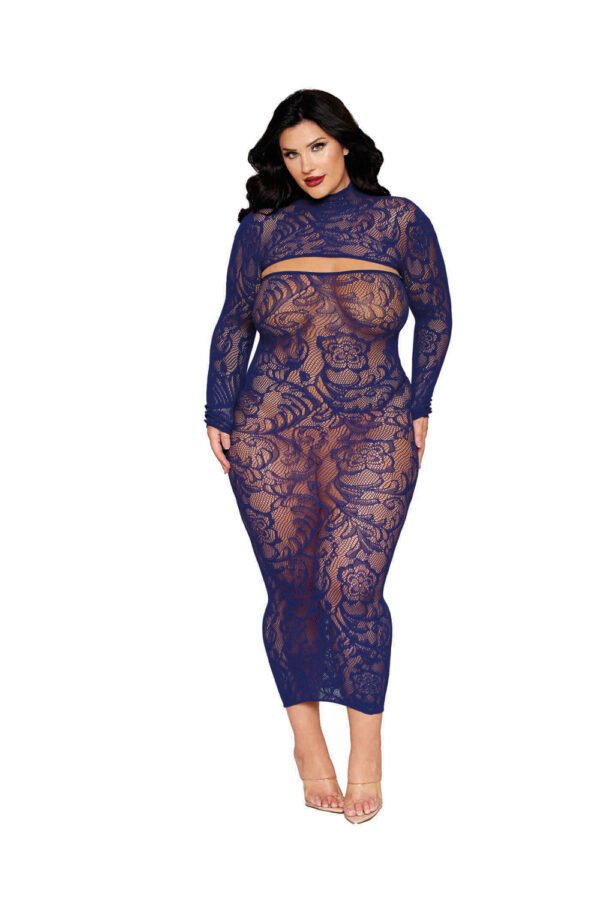
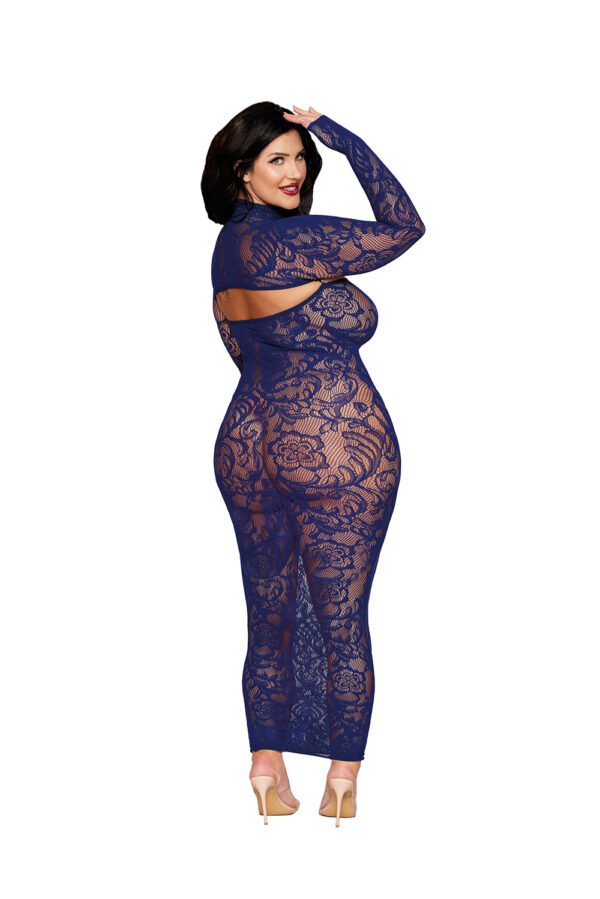
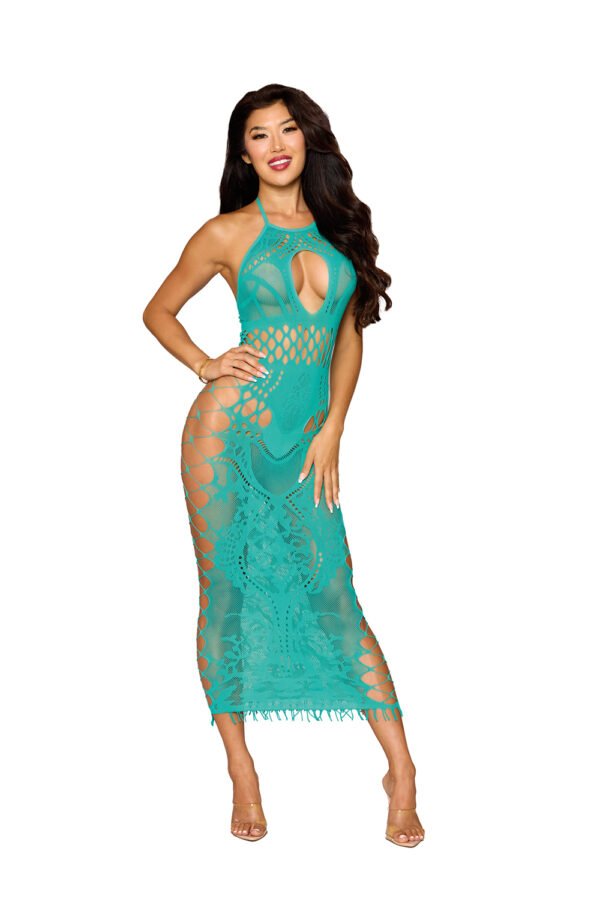
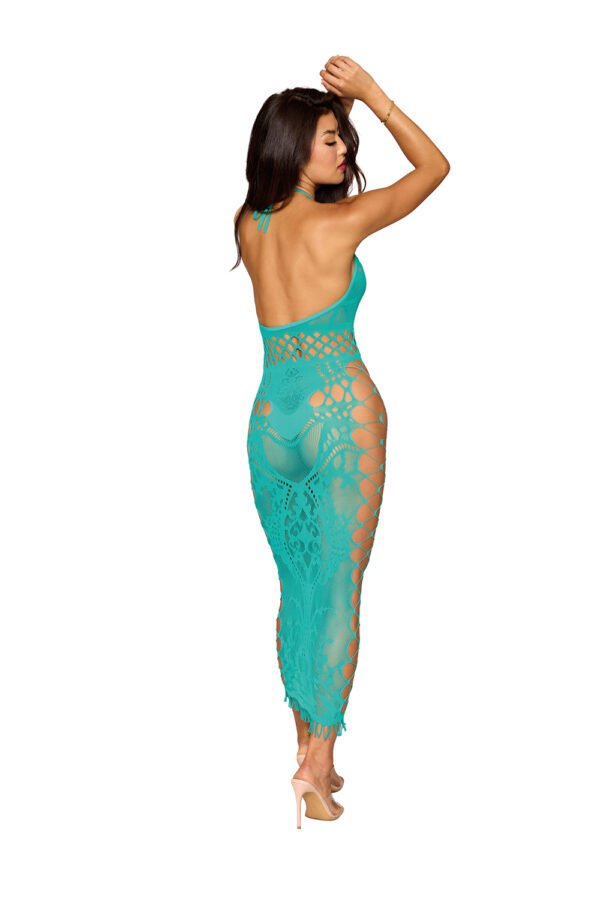
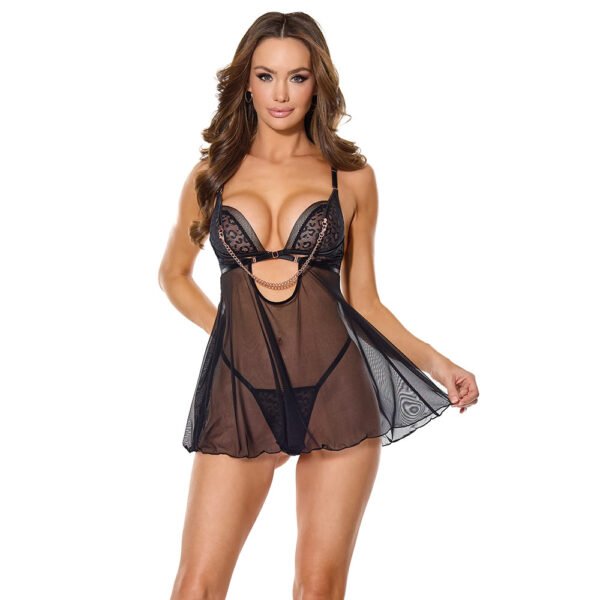
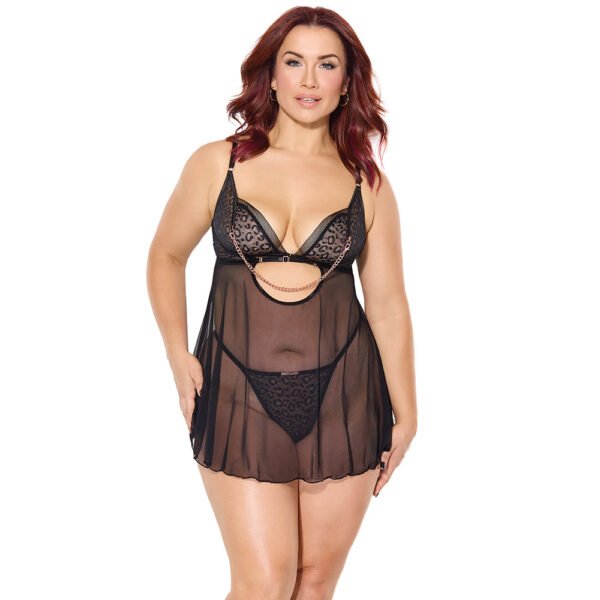
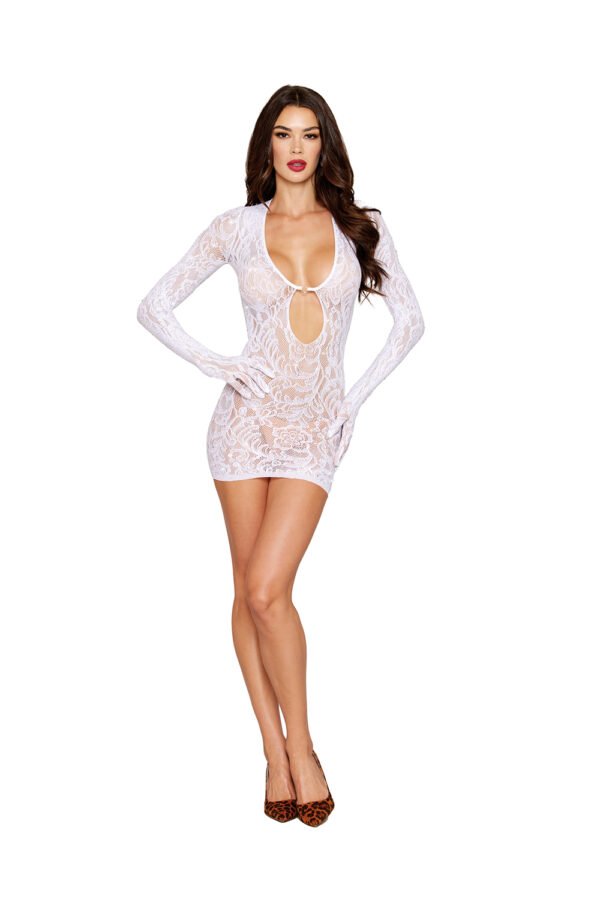
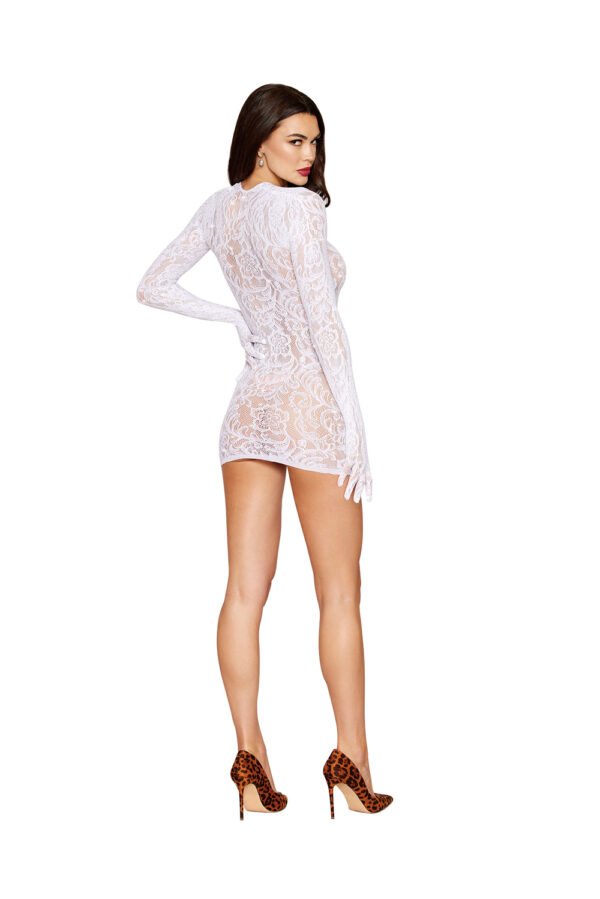
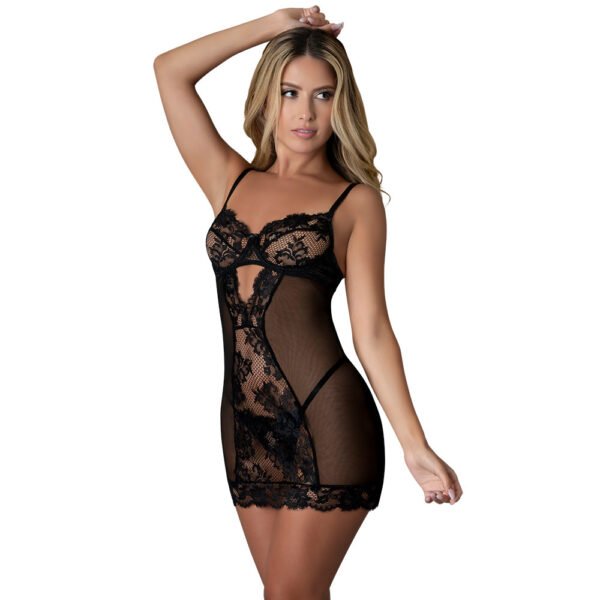
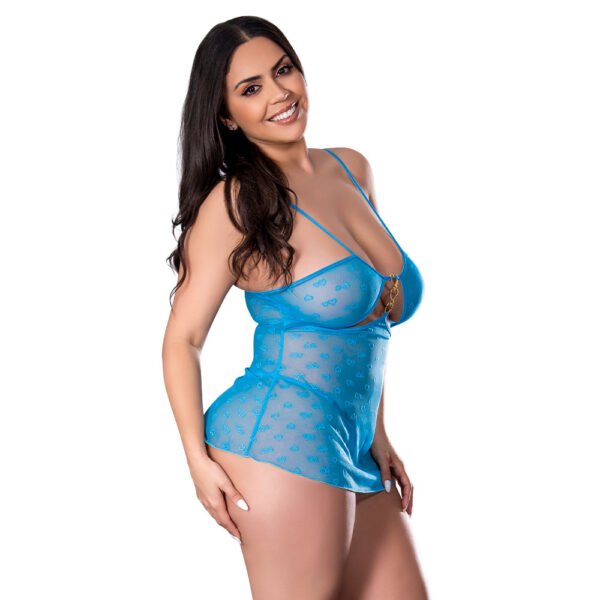
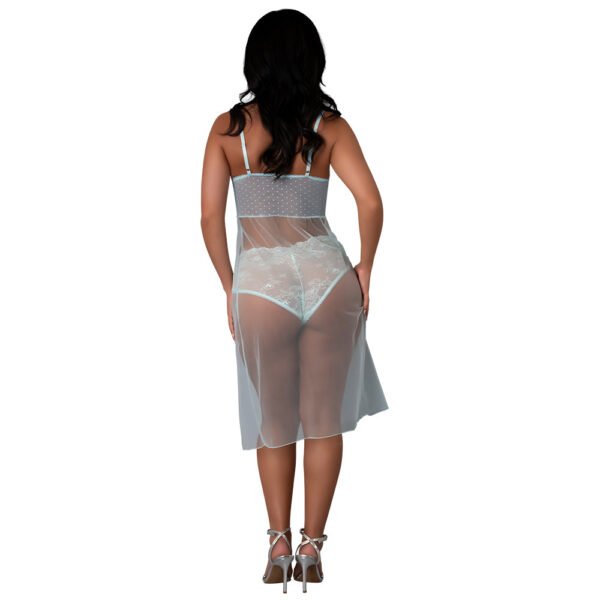
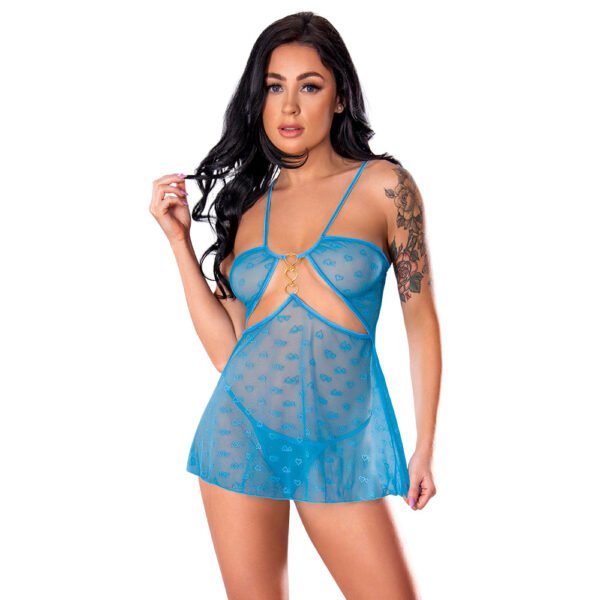
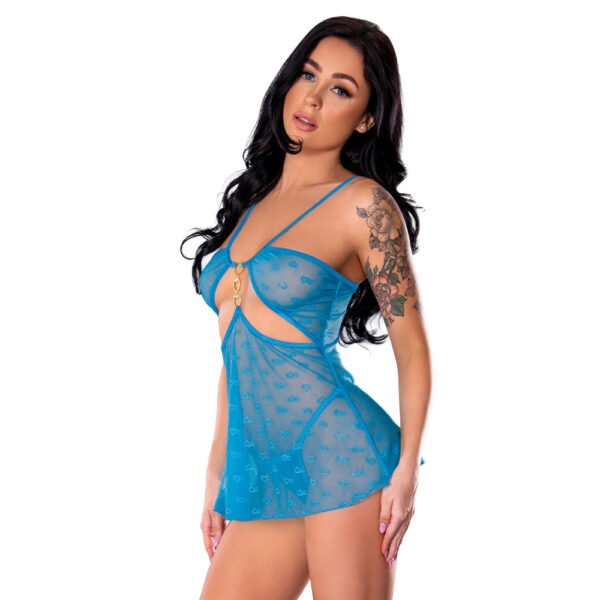
How much a chemise reveals depends on whether the bodice is sheer, semi-sheer, or lined. A fully sheer chemise in mesh or fine lace is designed to be seen through. A semi-sheer option gives some coverage while still showing the silhouette. A lined bodice, common in chemises with built-in cups, provides full coverage at the chest even when the skirt is sheer. Think about where the opacity matters most to you and check whether the listing specifies a lining, because the fabric name alone does not always tell you.
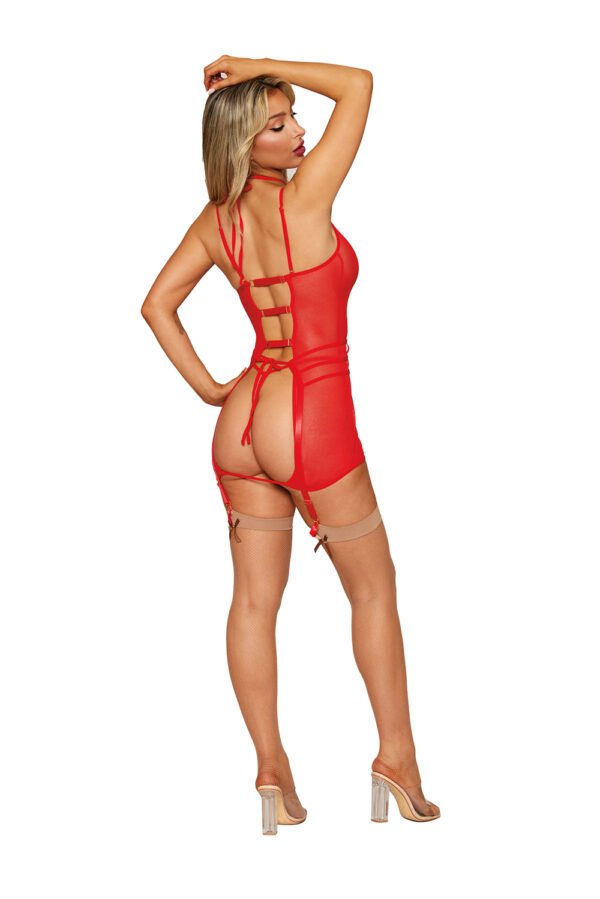
Small construction details change how a chemise fits across different body shapes. Adjustable spaghetti straps let you raise or lower the neckline and bodice to suit your torso length. An empire waist seam, placed just below the bust, adds gentle definition and lets the hem fall away from the hips rather than pulling across them. A flared hem or side slit adds ease of movement and prevents the fabric from riding up. These are practical details, not just decorative ones, and they are worth checking before you choose a size.
The right chemise comes down to a handful of concrete decisions: fabric, support, length, and how you actually plan to wear it. Getting those four things right matters more than any single style detail.
Most shoppers narrow it down quickly once they know what they are optimizing for. Comfort through the night is a different priority than a special occasion, and the chemise that works for one may not work for the other. These are the axes worth thinking through.
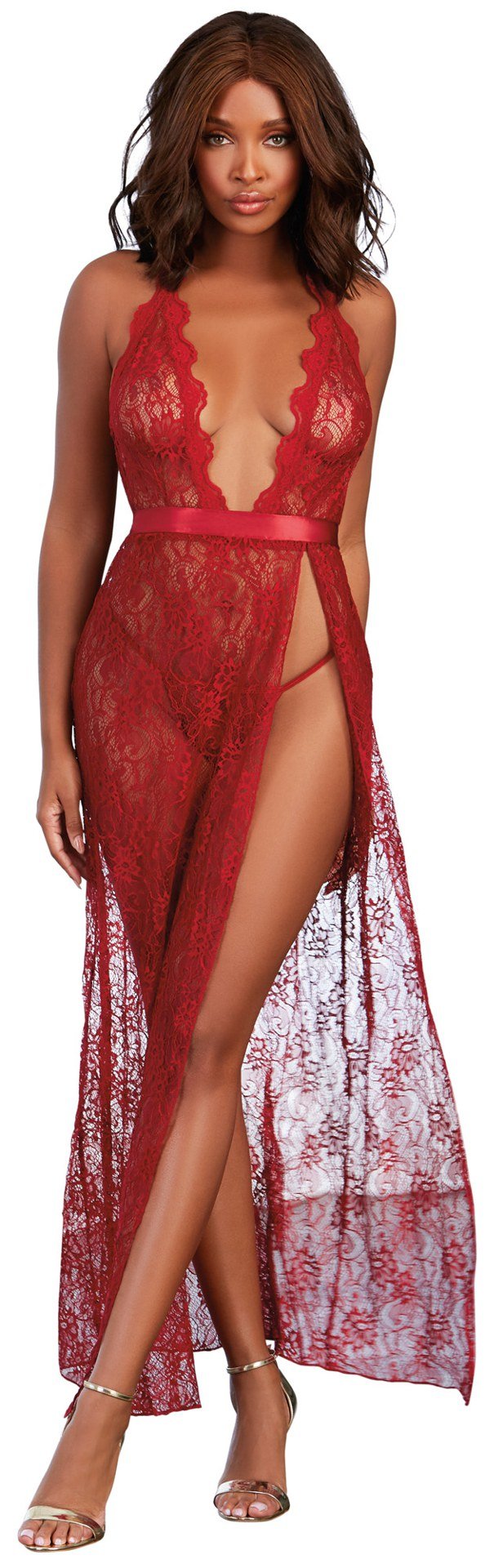
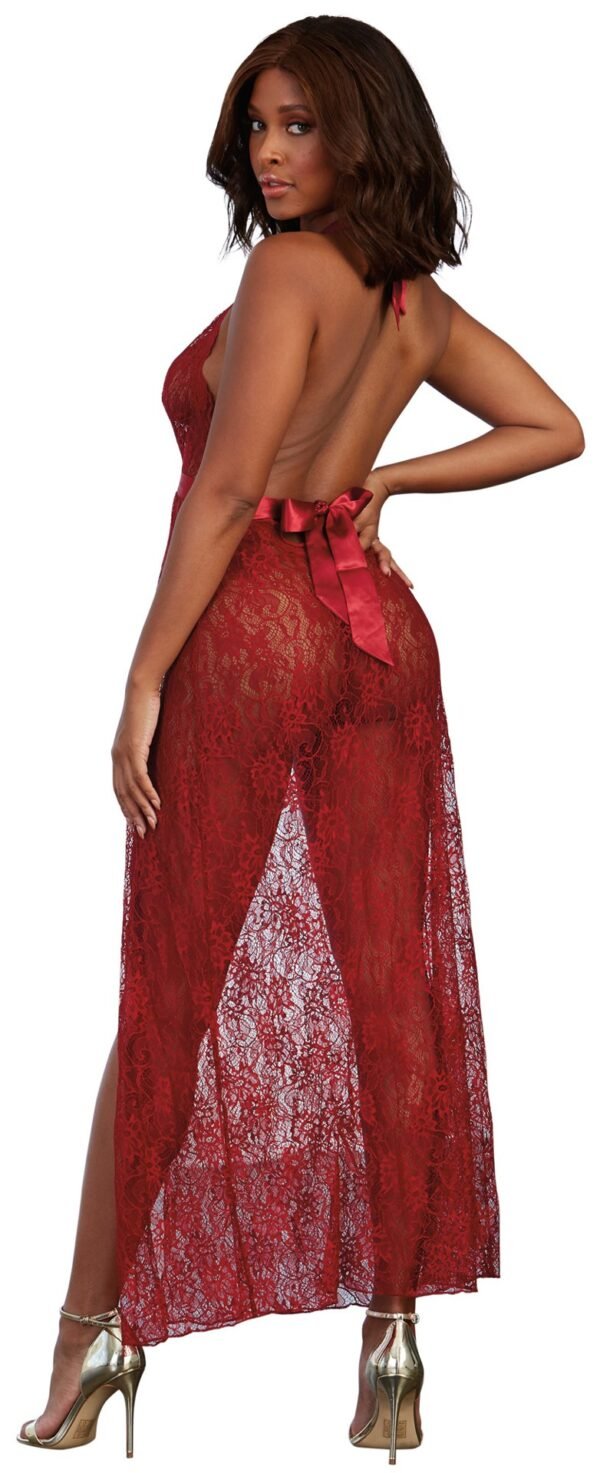
Chemises cover a lot of ground: a lace set for a special night, a soft mesh style for everyday wear, a plus-size cut that actually fits. These collections pull the most useful picks by scenario so you can find the right one faster.
Caring for a chemise correctly keeps the fabric looking good and extends the life of delicate trim and adjustable straps. For lace and satin styles, hand washing in cool water with a gentle detergent is the safest method. Turn the garment inside out, swirl it gently, rinse thoroughly, and press out the water without wringing. Never wring or twist a chemise with lace trim, as that is the fastest way to distort the scalloped edges and stretch the straps out of shape.
Sturdier fabrics like microfiber or modal blends can usually handle a machine wash on the delicate cycle in a mesh laundry bag, cold water only. Always check the care tag first. For drying, lay the chemise flat on a clean towel rather than hanging it, which can pull the straps and cause the fabric to lose its shape. Store folded in a drawer rather than on a hanger to protect the trim and keep the silhouette intact.
A chemise works well on its own, but it also layers easily with other pieces depending on the occasion. Pairing a chemise with a matching robe or a sheer cover-up is a natural combination, especially for a honeymoon or a relaxed evening at home. The chemise provides coverage while the robe adds a finishing layer that is easy to slip on and off.
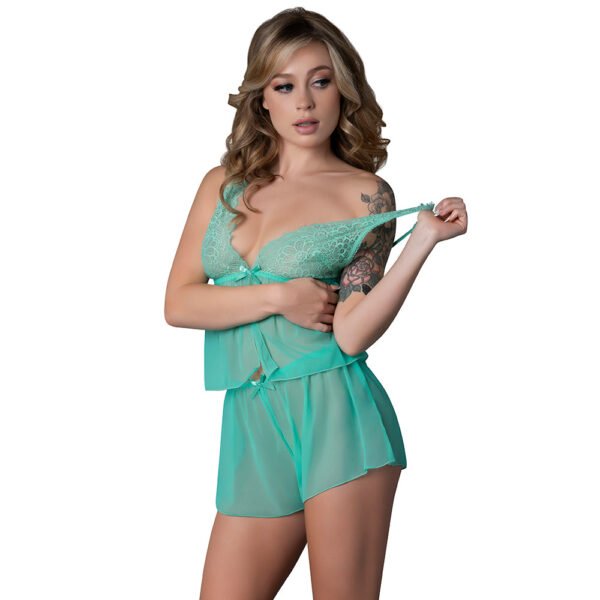
For everyday wear, pairing a chemise with a coordinating panty or a pair of boyshorts keeps the look pulled together without adding bulk. Some chemise sets already include a matching G-string or boyshort, which simplifies the decision. A chemise can also double as a slip under sheer or lightweight clothing, where its smooth drape sits flat under fabric and prevents cling without adding visible structure.
Choosing between a dressier chemise and an everyday one comes down to fabric and how much structure you want. For a honeymoon, anniversary, or any occasion where the garment is meant to be noticed, lace and satin styles tend to be the right call. They have a more polished look, often with scalloped edges, peek-a-boo cutouts, or underwire cups for a defined silhouette. A lace or satin chemise is built for moments, not necessarily for sleeping through the night.
For nightly wear, comfort becomes the priority. Modal, cotton-blend, and soft microfiber chemises move with the body, breathe well, and stay comfortable for hours. They tend to have a simpler cut with fewer embellishments, which also means they hold up better through regular washing. Shoppers who want one chemise that works for both purposes often find that a soft mesh or microfiber style with minimal lace trim strikes a reasonable balance between comfort and a finished look.
Chemise sizing is not standardized across brands, so the same labeled size can fit noticeably differently from one label to the next. Some brands size generously through the hip and snugly through the bust; others do the reverse. Always check the specific brand’s measurement chart rather than relying on your usual size label. If a brand offers both a standard and a queen or plus range, the queen cut is often graded with extra room through the hip and torso, not just scaled up proportionally.
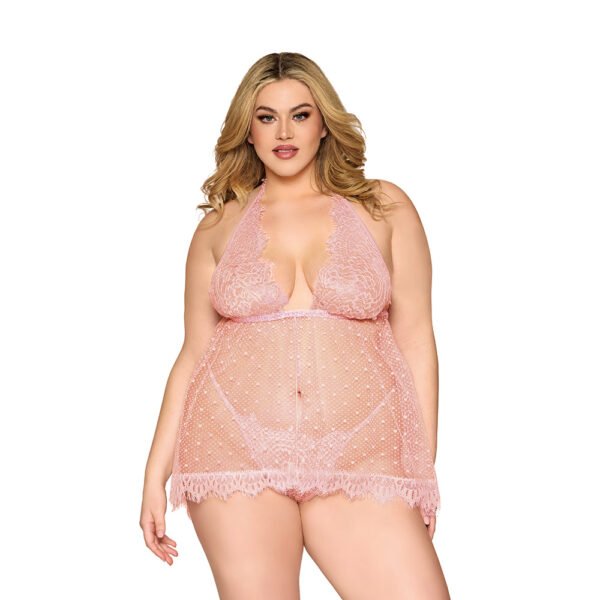
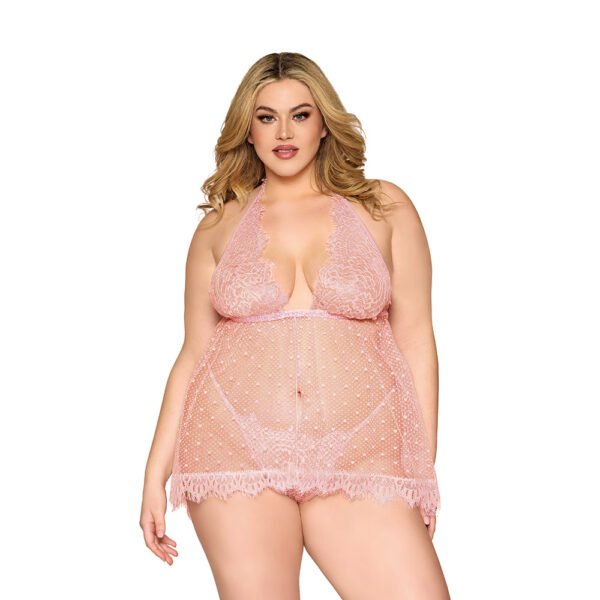
Yes, and it matters more than most people anticipate. A white or pale blush chemise in mesh or thin satin will read as more transparent against most skin tones than the same garment in black or deep jewel tones, because lighter colors scatter light rather than absorbing it. If opacity is a priority, a lined bodice or a darker colorway in the same fabric will give you noticeably more coverage. If sheerness is the point, lighter neutrals and pastels tend to deliver it without needing a more open weave.
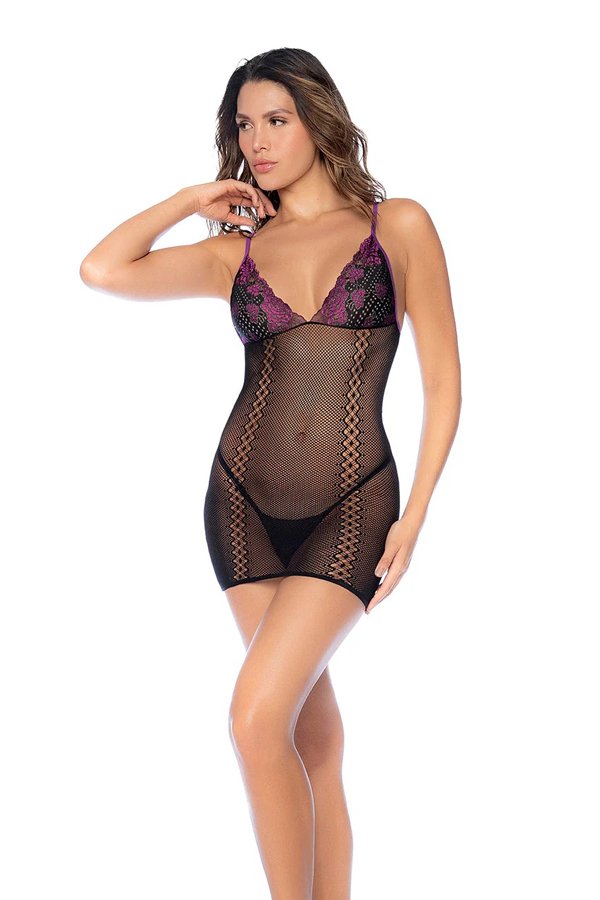
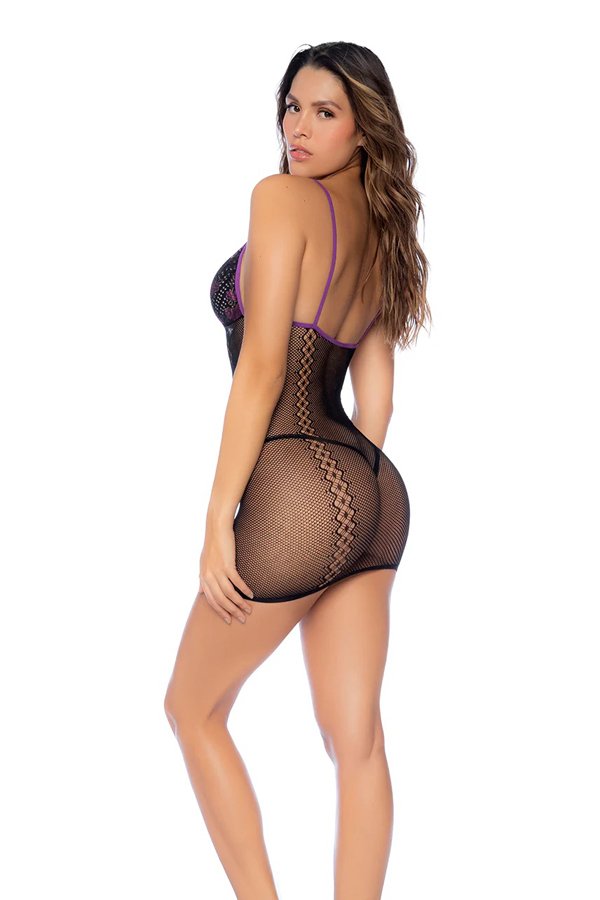
It depends mostly on the fabric and the finish of any trim. Soft modal, microfiber, and smooth stretch satin tend to sit well against reactive skin because they have minimal surface texture and no rough edges. Lace trim and fishnet constructions have more contact points and can cause irritation for some people, particularly along the hemline or at the bodice edge where the garment moves against skin. If your skin is easily irritated, look for chemises with a lined bodice and smooth fabric at the hem rather than raw lace edges. Fabrics carrying an OEKO-TEX certification have been tested for a range of harmful substances, which is a useful baseline if that matters to you.
Most chemise sets pair the chemise with a matching bottom, usually a G-string, thong, or boy short in the same fabric and colorway. Some sets add a coordinating robe or cover-up, which makes them a popular choice when you want a complete look without sourcing pieces separately. Occasionally a set includes small extras like a satin tie or a garter detail. The product listing will always specify what is included, so it is worth reading that before assuming a robe or panty is part of the package.
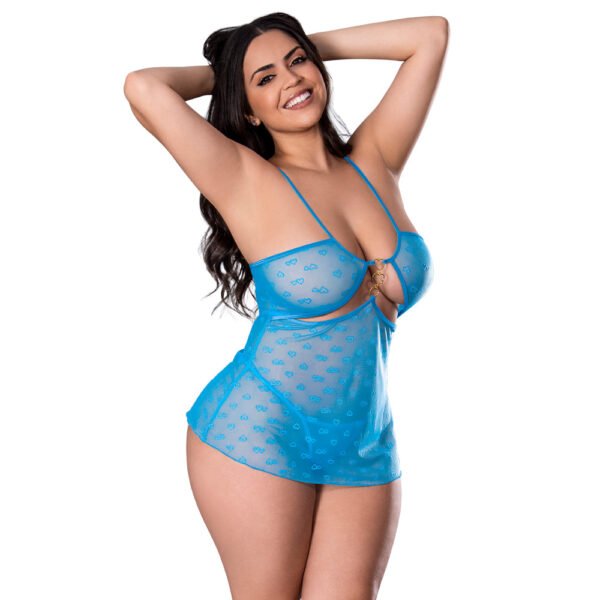
A chemise and a babydoll are close relatives but they sit and move differently on the body. A chemise has a straighter, more slip-like silhouette that follows the body from bust to hem with minimal flare. A babydoll is cut to flare out from just below the bust, creating a looser, more voluminous skirt that floats away from the midsection. Chemises tend to feel more streamlined and can double as a slip under sheer clothing; babydolls are typically worn as standalone lingerie pieces.
A satin or smooth microfiber chemise works well as a slip layer under sheer blouses, lightweight dresses, or open-weave knits, since the straight cut and minimal seaming keep it from creating visible lines. Lace chemises with scalloped edges or embellishments are harder to layer cleanly but can work under a blazer or robe as a deliberate style choice. For outerwear styling, a midi-length chemise in a neutral satin reads closest to a slip dress. The key is fabric weight: heavier satin drapes smoothly under other garments, while thin mesh or fishnet constructions tend to bunch.
Metal hardware on lingerie, including strap sliders, o-rings, and hook-and-eye closures, generally holds up well with gentle handling, but it is the most vulnerable part of the garment. The main causes of early wear are machine washing on a regular cycle, snagging against other items in a laundry load, and bending the hardware repeatedly past its natural range. Hand washing and laying flat to dry removes most of that stress. Gold-tone and silver-tone finishes can dull over time with repeated water exposure, so keeping wash cycles infrequent and gentle preserves the look longer.
Every order from Claim Night ships in plain, unmarked packaging with no indication of the contents on the outside. The billing descriptor on your statement reads as XR. LLC, not as Claim Night or any lingerie-related name. Your purchase and your privacy stay completely separate. We do not sell or share customer data. If you are ordering a gift or simply prefer discretion, nothing about the package or the statement will give it away.
Helpful guides, product tips, and simple explanations to help you find what feels right.
No account yet?
Create an Account