


Article
Beginner Butt Plug Guide: What a Butt Plug Is, How It Works, and How to Use One Safely04/03/2026

Deals
Bestsellers
+38
Most-Loved Picks
Customer favorites for comfort, care, and everyday pleasure
Shop BestsellersSale · up to 40% off
+881
Soft Savings
Limited-time offers on body-safe essentials and feel-good favorites
View SaleSeasonal edit


+265
Seasonal Comfort Edit
Curated picks for holidays, date nights, gifting, and cozy nights in
Explore the EditFeatured
 Discreet Packaging
  Secure Checkout
  Body-Safe Materials
 Socks should sit smooth against the foot with no bunching at the toe and no pulling across the arch. The cuff should stay up on its own without digging into the ankle or calf. A sock that gaps at the heel or twists during wear is simply the wrong size, not a fit problem you have to live with.
Most one-size styles cover a US women’s shoe size 5 to 10 or a men’s 6 to 12; check the listed weight or shoe range when both are given. Styles with spandex or a stretch panel have more give, which helps if your foot runs wide or sits at the edge of a size range.
Socks come in several distinct cuts, and the right one depends mostly on your shoe height and how much coverage you want. Here is a plain look at the main styles.
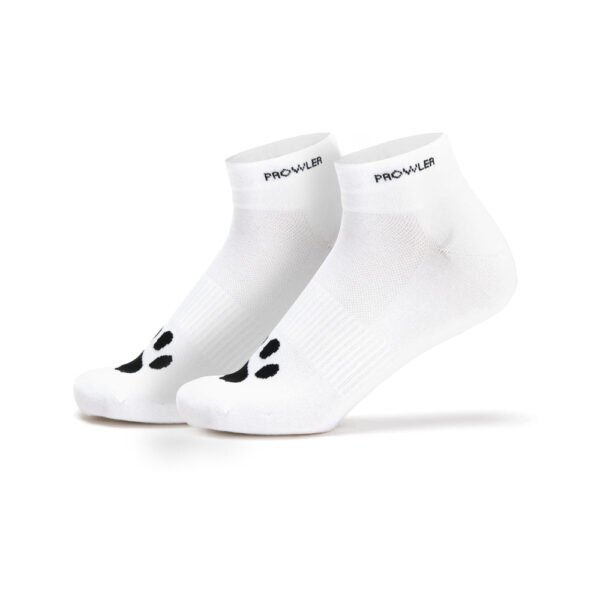
No-show and ankle socks are the shortest cuts in the sock category, sitting at or just below the ankle bone. No-show styles are cut low enough to disappear inside a sneaker or loafer; ankle socks sit a little higher and stay visible above the shoe collar. Both work well for warmer months, low-cut footwear, and anyone who prefers a clean, minimal look at the leg.
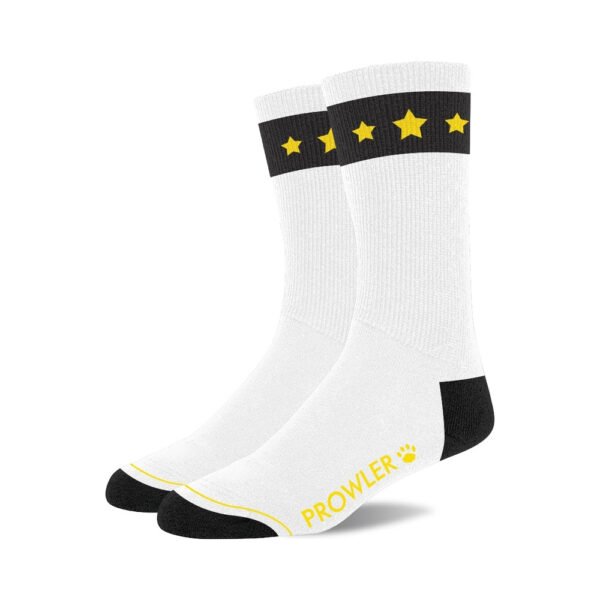
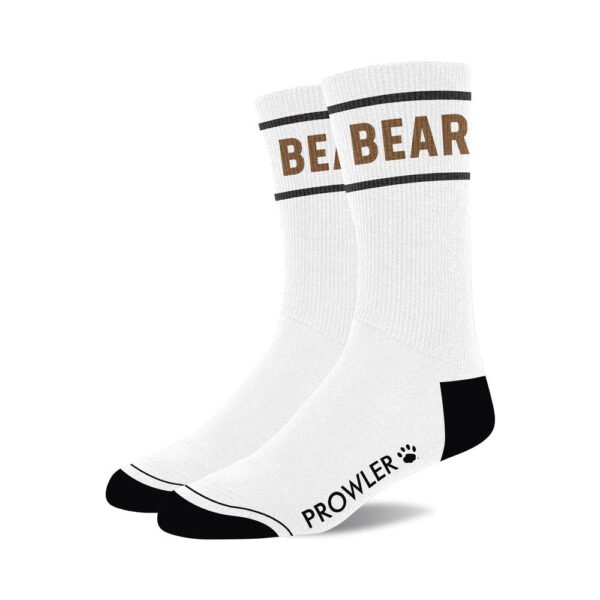
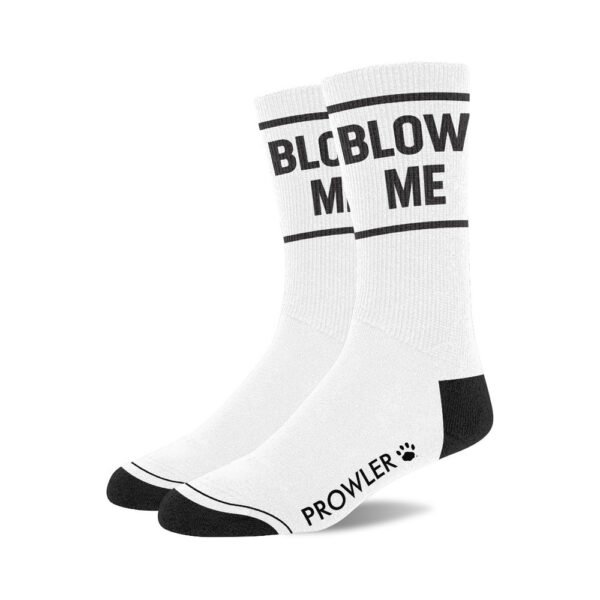
Crew socks are the mid-height standard, rising to roughly mid-calf. This is the most versatile cut, pairing easily with everything from casual trainers to boots, and offering enough coverage to cushion the lower leg without feeling heavy. They are a reliable everyday choice for most people and most shoe types.
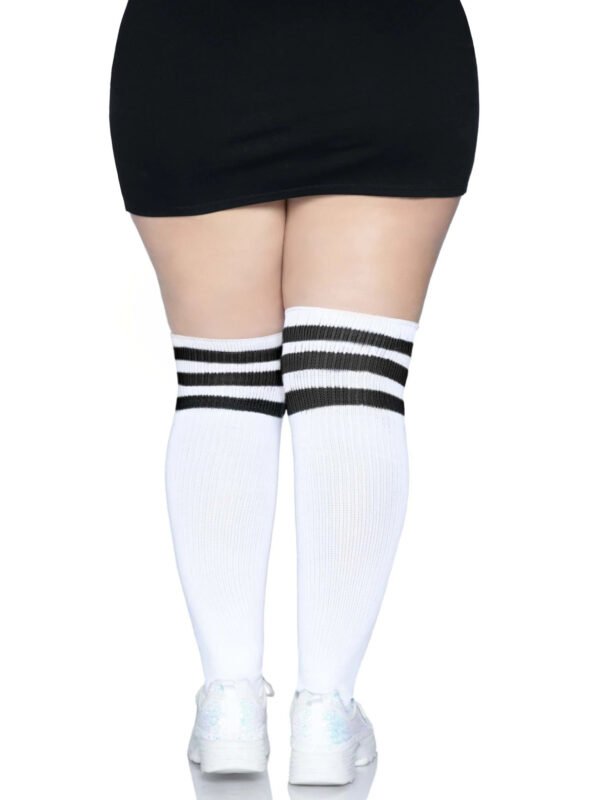
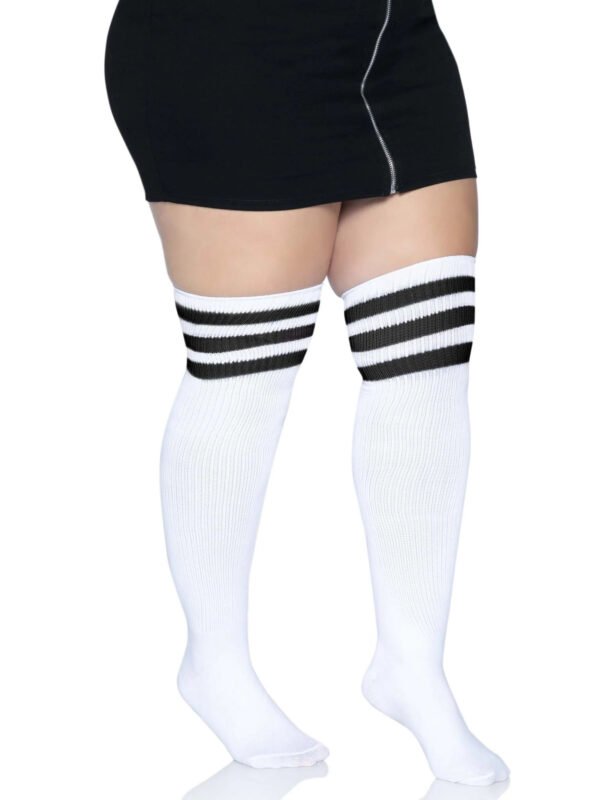
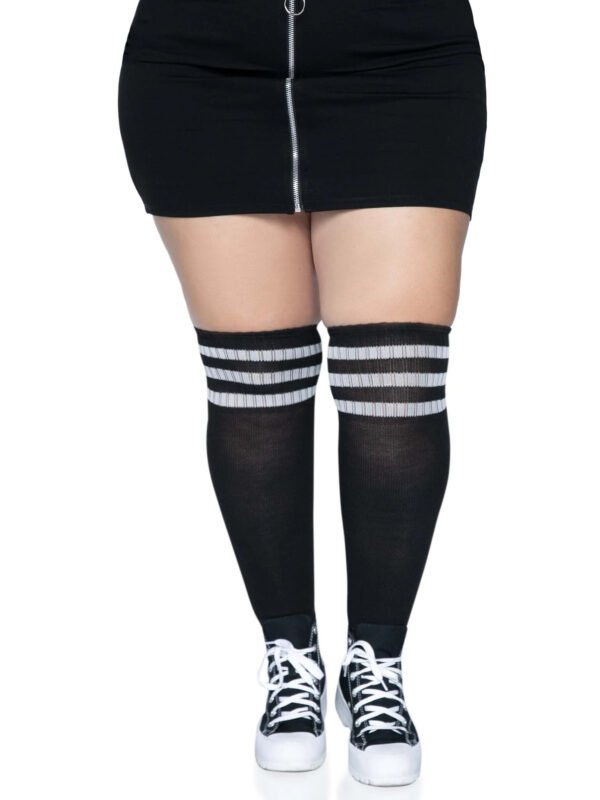
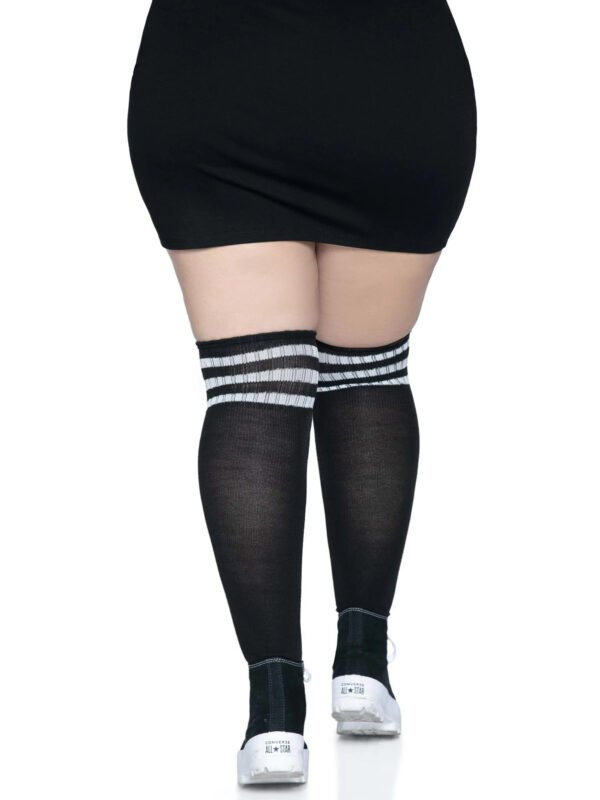
Knee-high socks reach the top of the calf or just below the knee, while over-the-knee styles extend above it. Both cuts work well under tall boots to prevent friction and bunching, and they also stand on their own as a style statement paired with skirts, shorts, or mini dresses. The longer length provides extra warmth and coverage when that is what you are after.
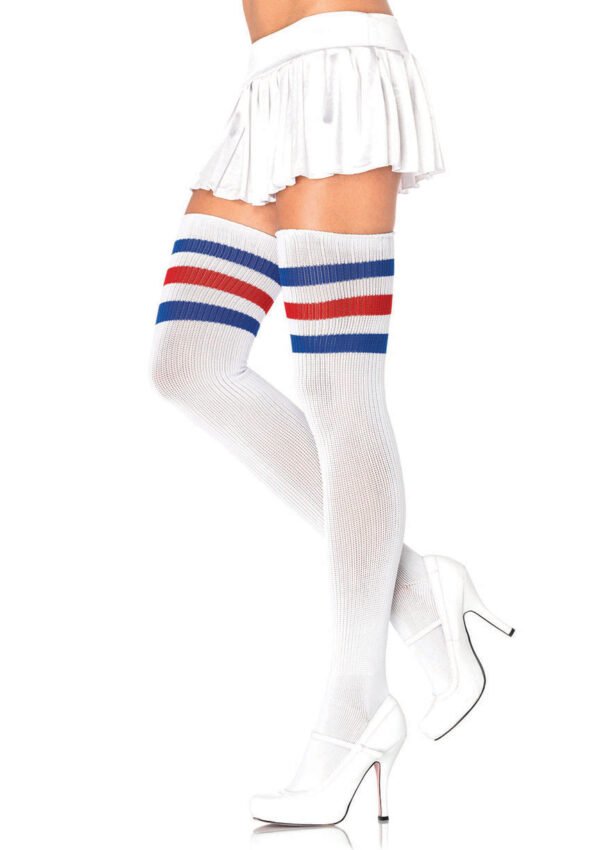
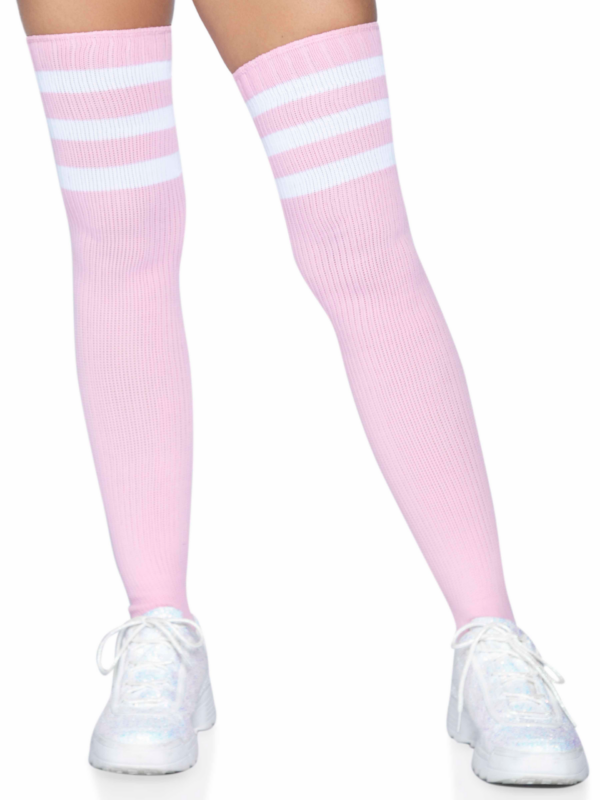
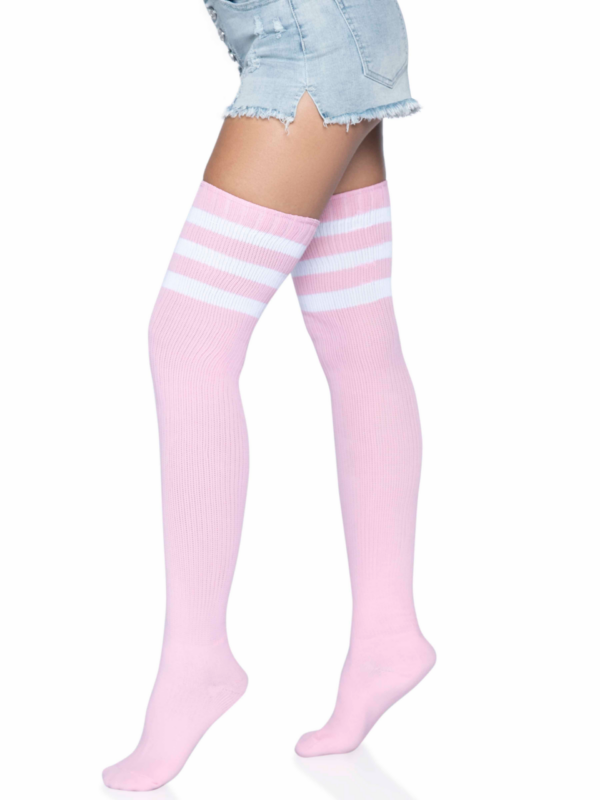
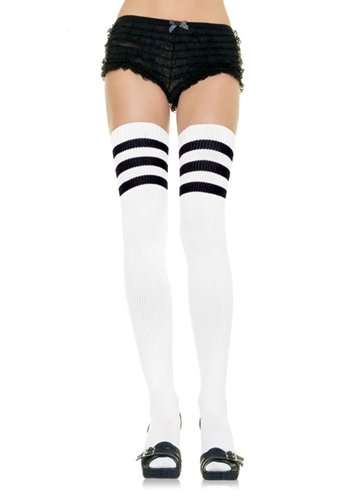
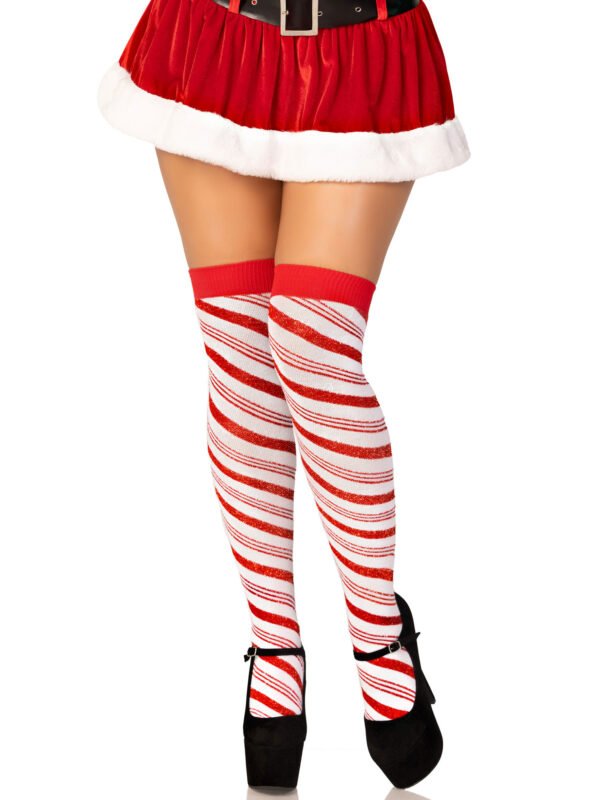
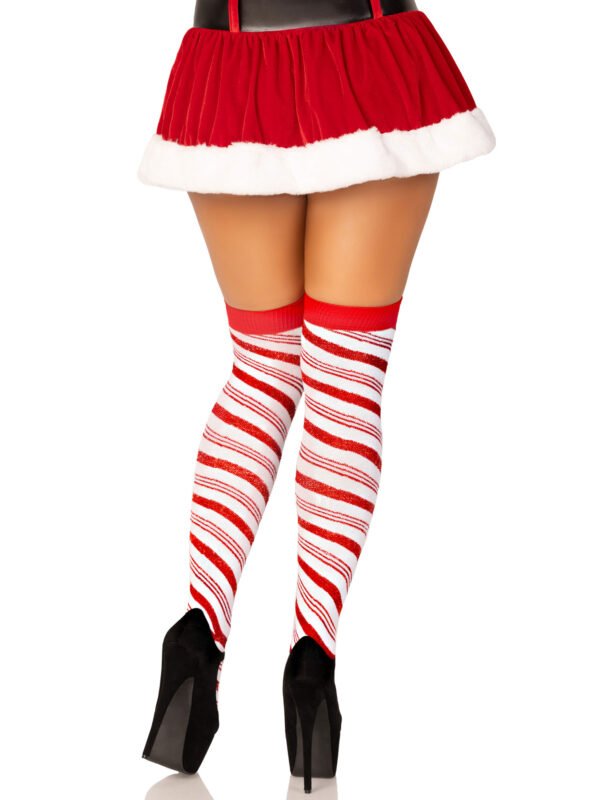
Thigh-high socks are a longer, more statement-forward cut that sits well up the thigh. They can function as a layering piece under wide-leg pants or as a deliberate part of an outfit on their own. The key fit point here is the stay-up cuff: a well-constructed thigh-high should hold its position without constant readjusting throughout the day.
The right pair comes down to a few practical decisions: what you are wearing them with, how long you will have them on, and what your skin actually needs. Once you know those three things, the rest falls into place quickly.
Material and cut do most of the work here. A sock that looks right but pulls at the cuff or traps heat will feel wrong by midday, so it is worth thinking through each axis before you browse.
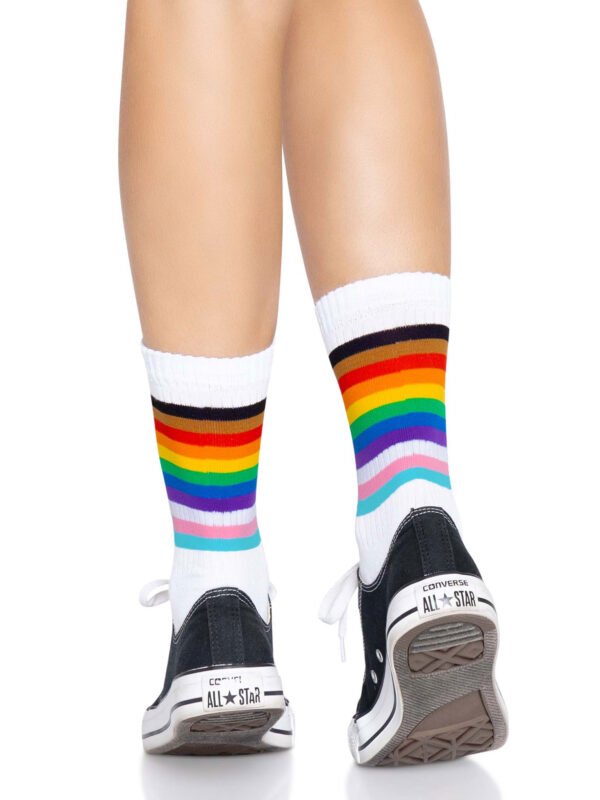
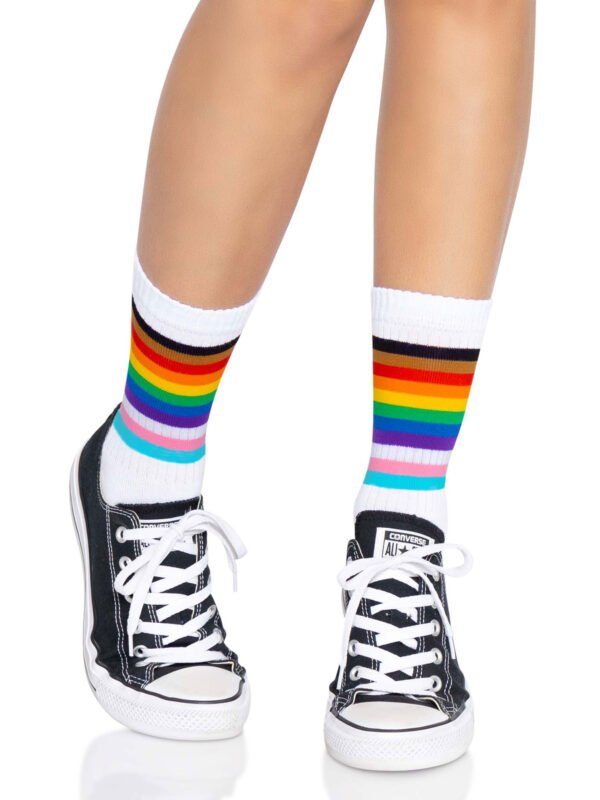
Socks here span a wide range of styles, from everyday cotton crew cuts to bold statement pieces and thigh-skimming athletic heights, so there is something worth picking for almost any mood or moment.
Washing socks the right way makes a real difference in how long they stay soft, especially with natural fibers. For most cotton socks, a regular machine wash on a warm or cool cycle works well. Bamboo and merino wool socks do better on a gentle or delicate cycle in cool water; hot water can shrink fibers and break down the structure over time.
Fabric softener feels counterintuitive to skip, but it coats natural fibers and reduces their moisture-wicking ability. A small amount of mild detergent is enough. For drying, lay bamboo and merino socks flat rather than tumble-drying them; the heat and tumbling action shortens their life noticeably. Cotton socks handle a low-heat dryer cycle fine, though air-drying keeps them softer longer and helps them hold their shape.
Sock fabric matters more than most people factor in, especially for anyone with reactive or sensitive skin. Organic cotton is the most familiar choice: it is soft, breathable, and free from the pesticide residues that can linger in conventional cotton. Bamboo fiber is naturally moisture-wicking and temperature-regulating, which makes it a good option for feet that run warm or tend to sweat. It also has a naturally smooth fiber structure that sits gently against skin without friction.
Merino wool is finer than standard wool and rarely causes the itching people associate with woolen fabrics. It manages moisture well, resists odor without chemical treatments, and keeps feet comfortable across a wide temperature range. For anyone prone to irritation, OEKO-TEX certified fabrics offer an extra layer of reassurance that the material has been tested for harmful substances. All three natural fibers are a meaningful step up from synthetic-heavy blends for daily wear.
Socks are one of those gifts that sounds modest until the person opens them and realizes how much better a well-made pair feels against the skin. Natural-fiber socks, particularly those made from organic cotton or bamboo, work as a genuinely body-safe everyday essential that almost anyone can use. They pair well with other basics from lingerie accessories or loungewear for a small, considered gift set.
For gifting, multipacks are practical and feel generous without requiring you to guess at personal taste. Sizing is usually straightforward since most styles are offered in a small range of shoe-size bands rather than precise measurements. When in doubt, choose a mid-range size and a neutral or classic color; it covers the widest range of recipients. A gift set built around natural fibers signals that you thought about comfort and quality, not just convenience.
Sock sizing is not standardized across brands, so a size labeled “one size fits most” from one maker may run noticeably snugger or roomier than the same label from another. Most brands tie their sizing to a shoe size range or a weight range, and checking whichever scale a brand uses is the most reliable way to compare across labels. When in doubt, the weight range tends to be the more consistent guide, especially for styles with stretch.
Cotton breathes well and feels soft against skin, but it does absorb and hold moisture rather than pulling it away from the foot. For feet that run warm, a loosely knit cotton sock in a lighter weight will perform better than a dense or thick one. If moisture management is a priority, bamboo fiber or merino wool are worth considering, since both naturally wick and dry faster than standard cotton while staying gentle on sensitive skin.
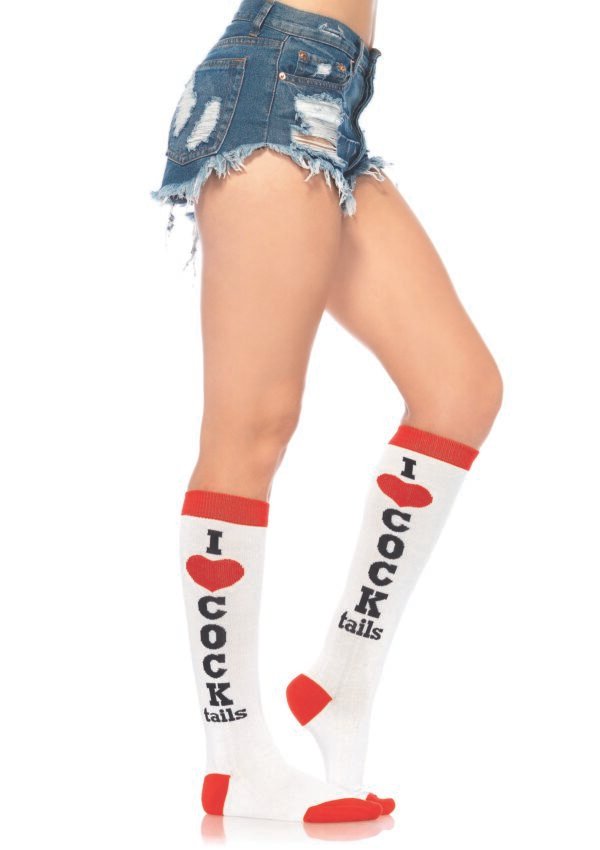
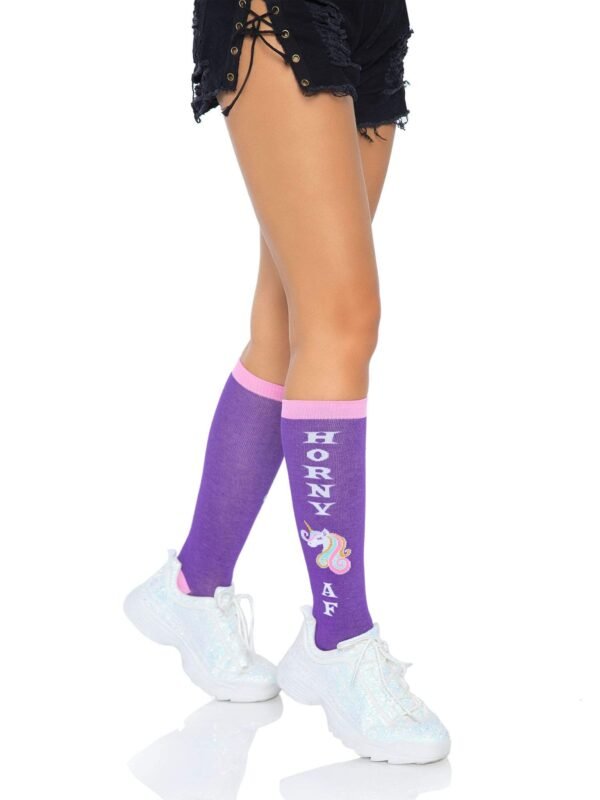
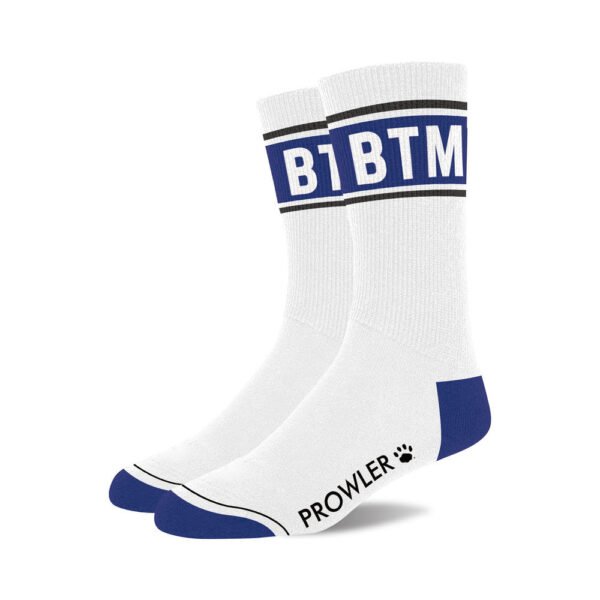
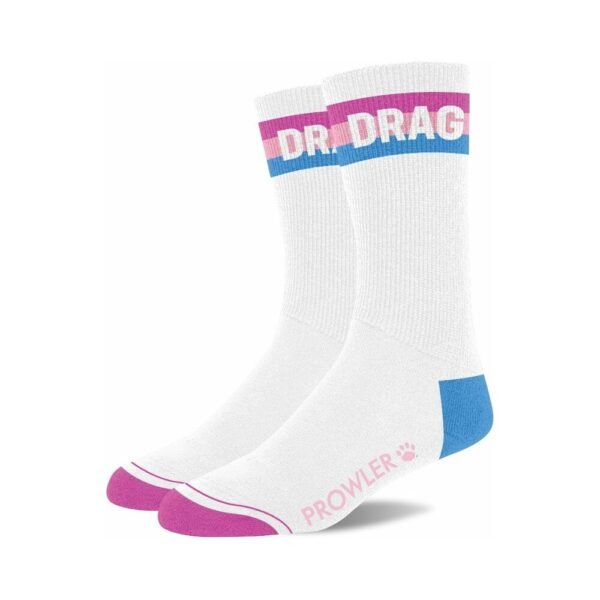
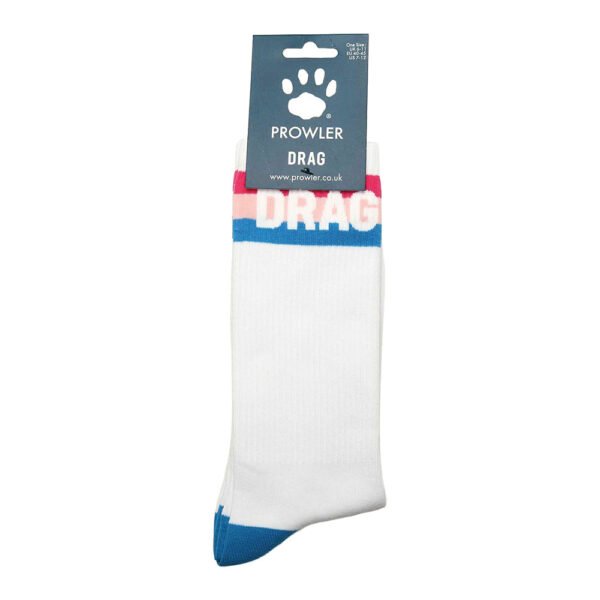
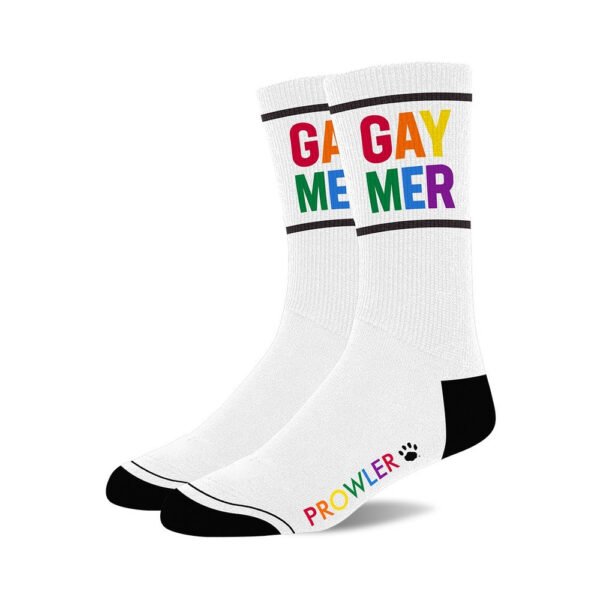
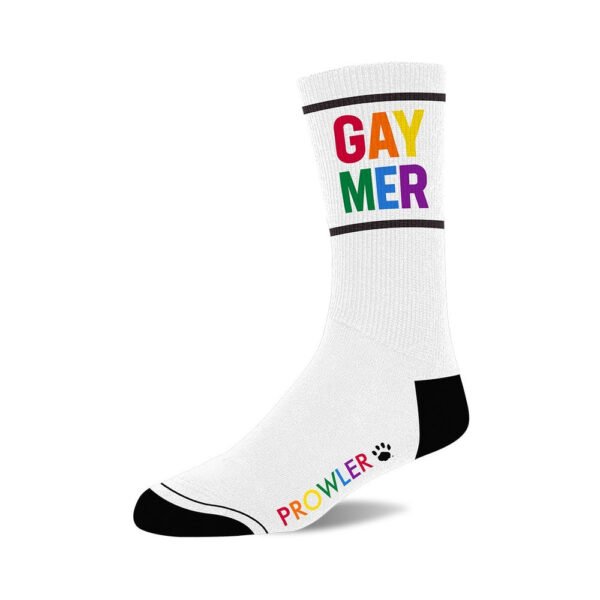
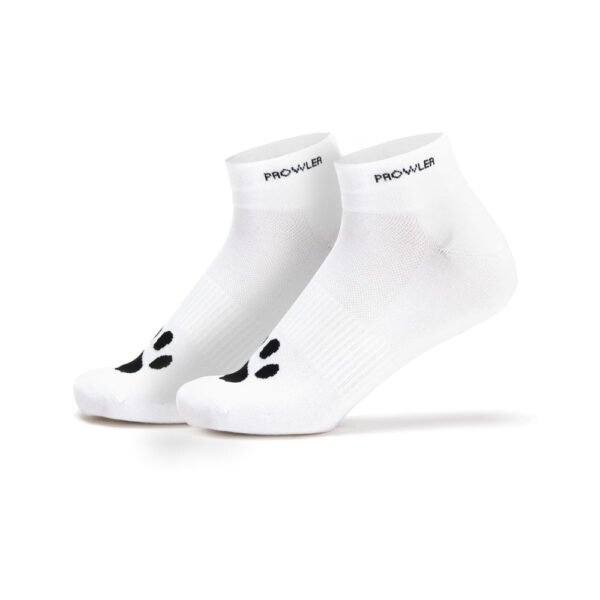
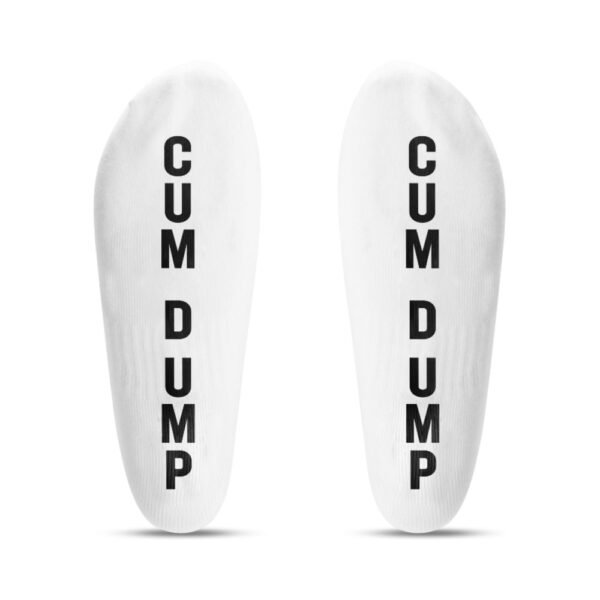
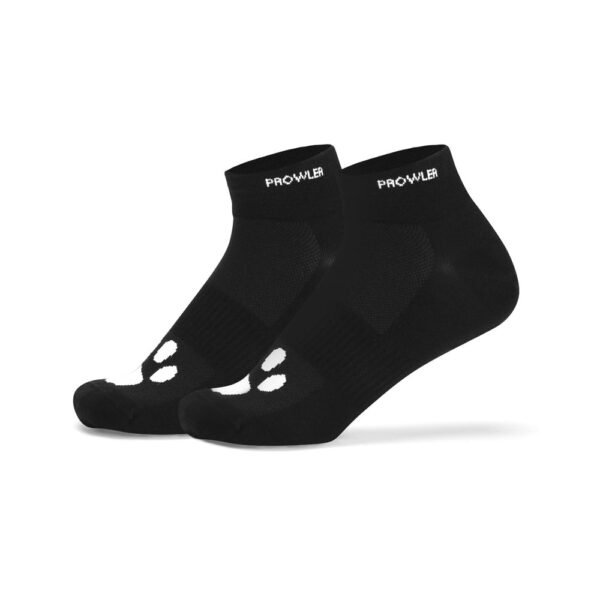
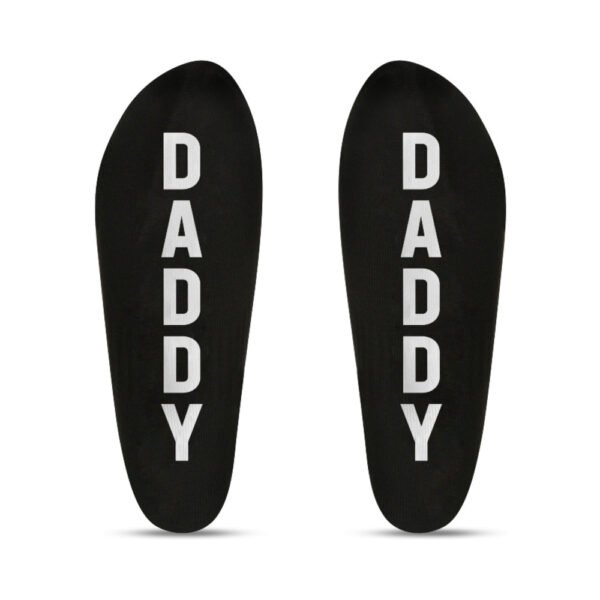
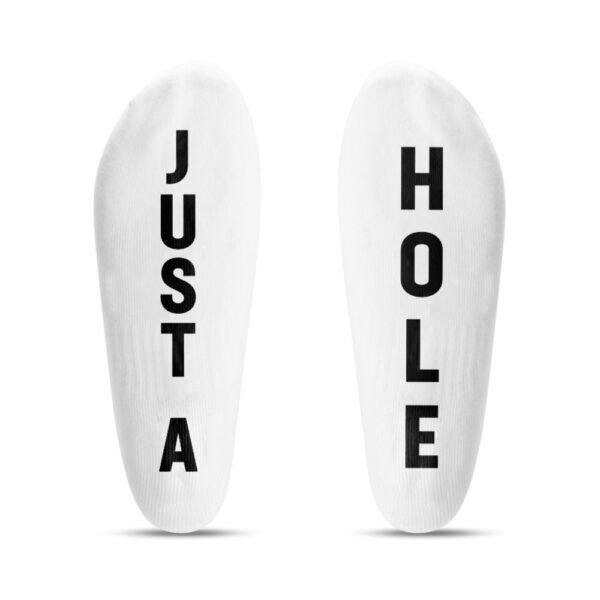
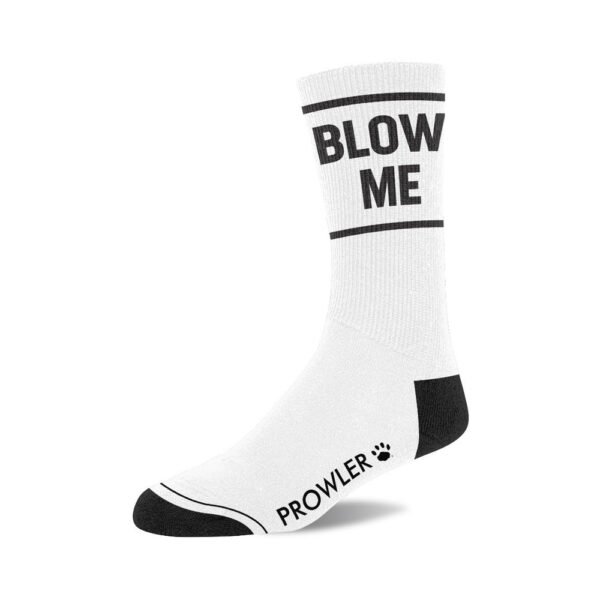
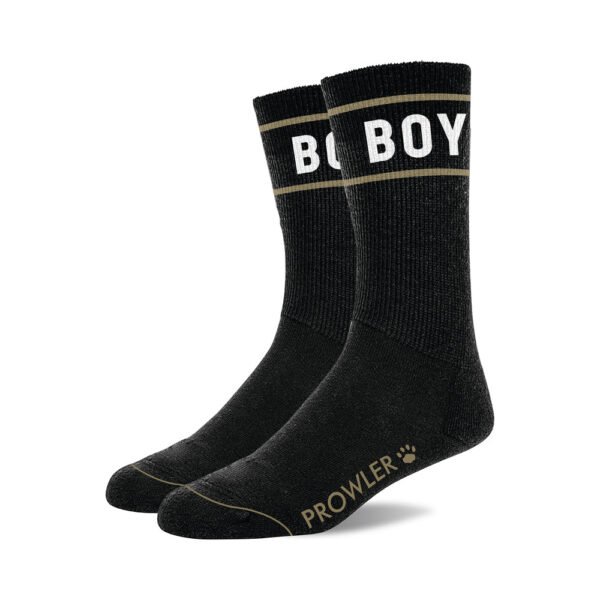
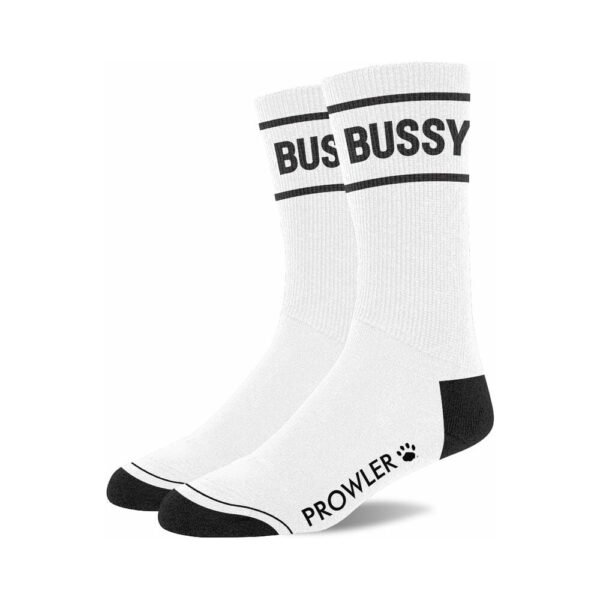
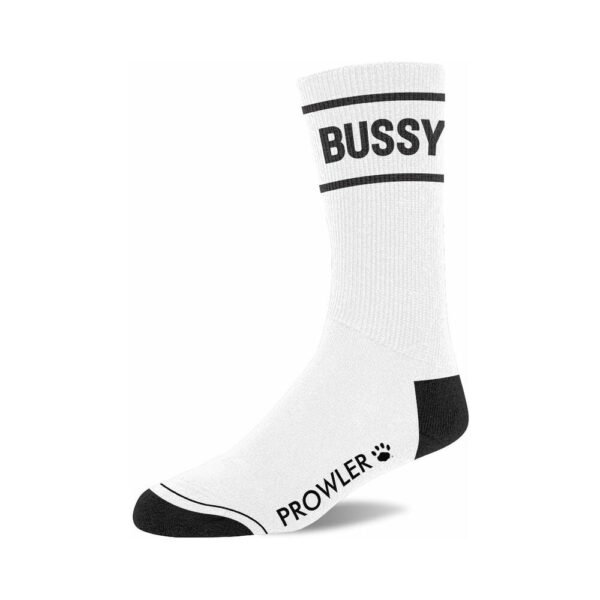
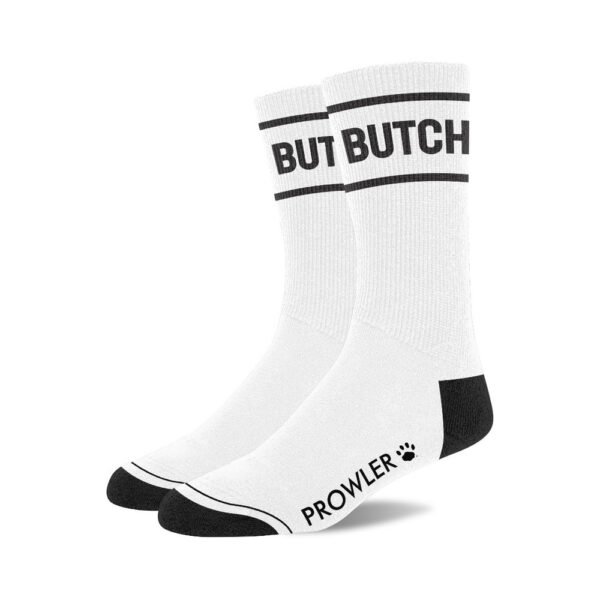
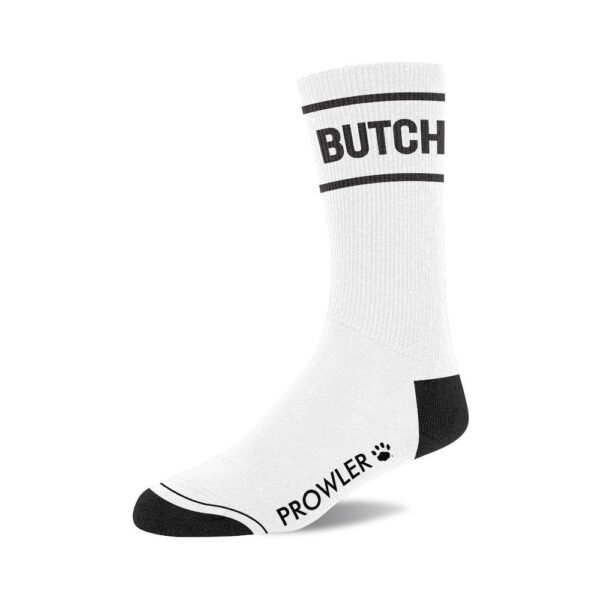
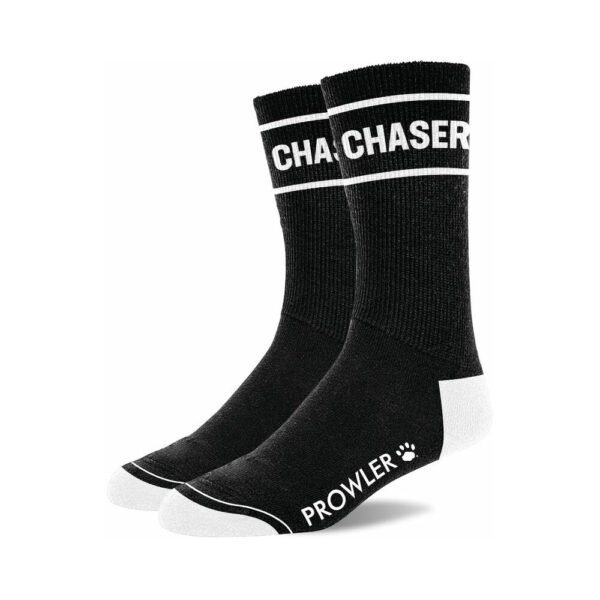
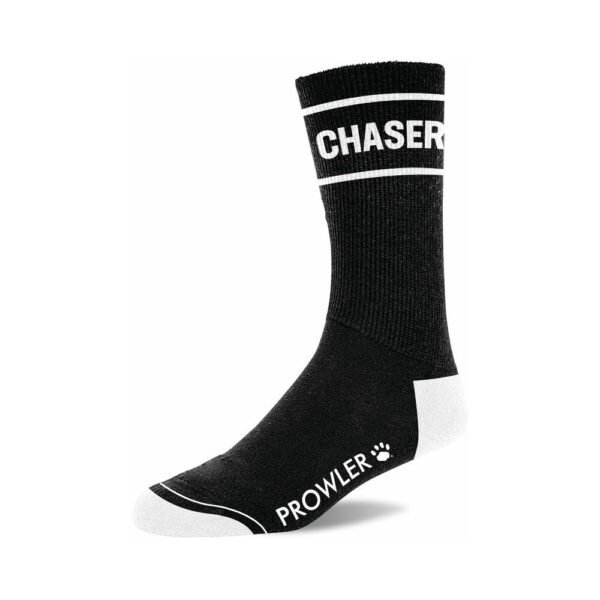
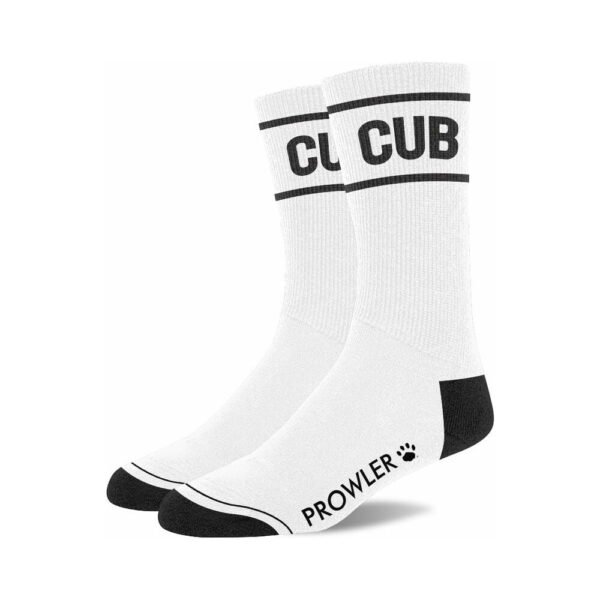
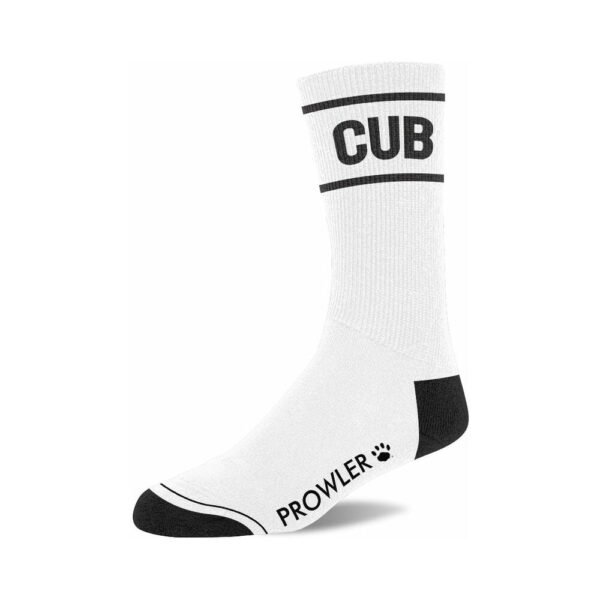
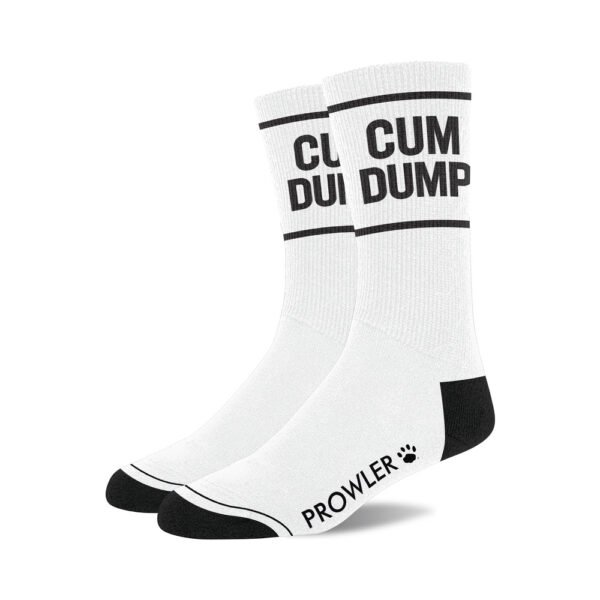
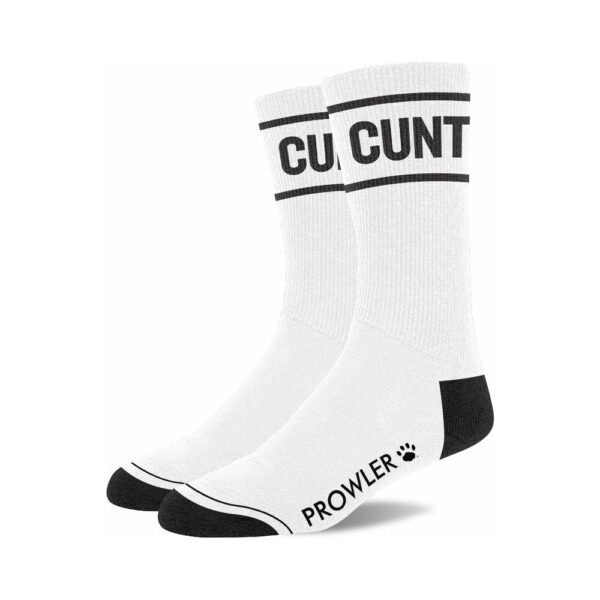
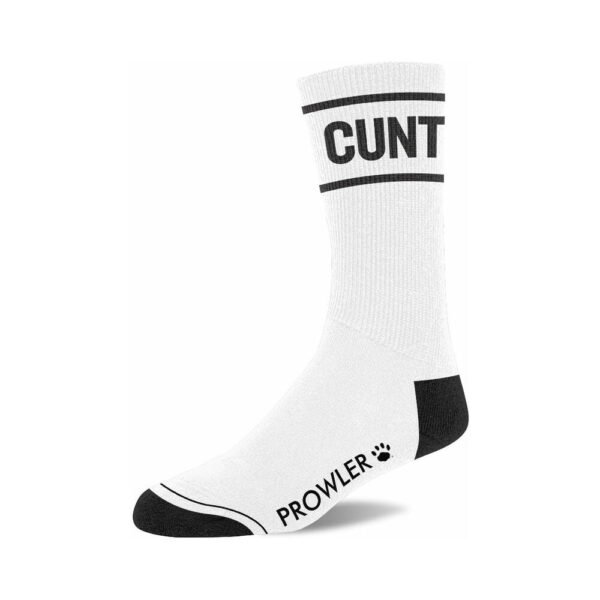
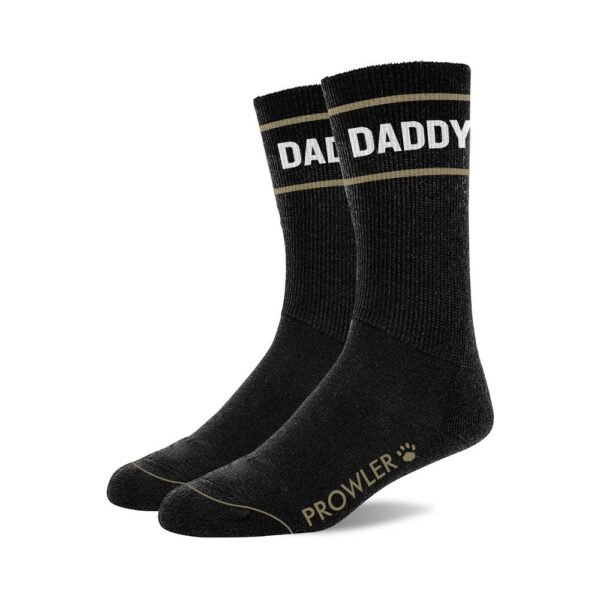
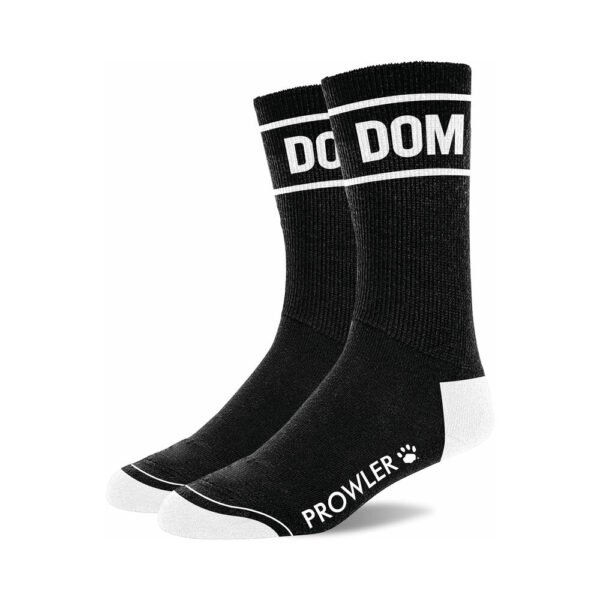
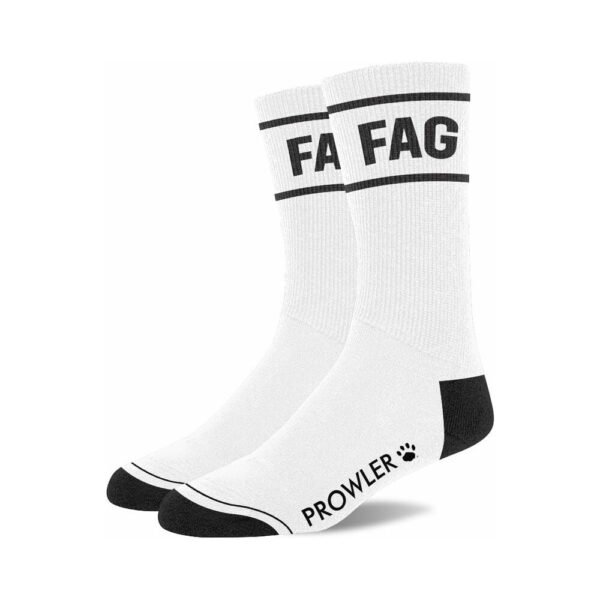
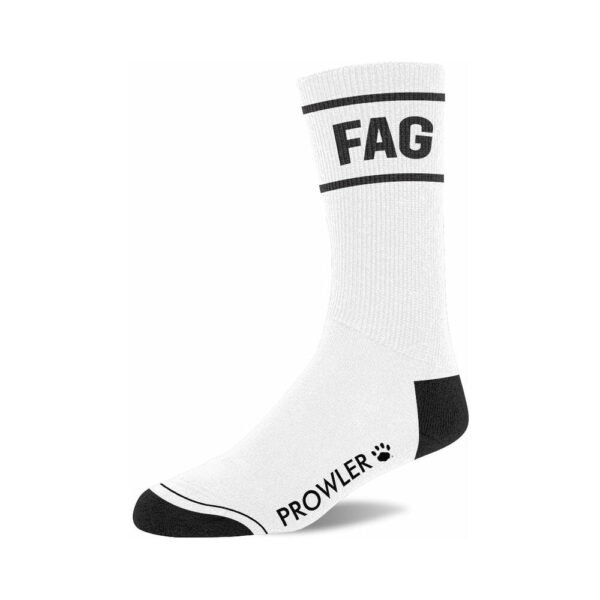
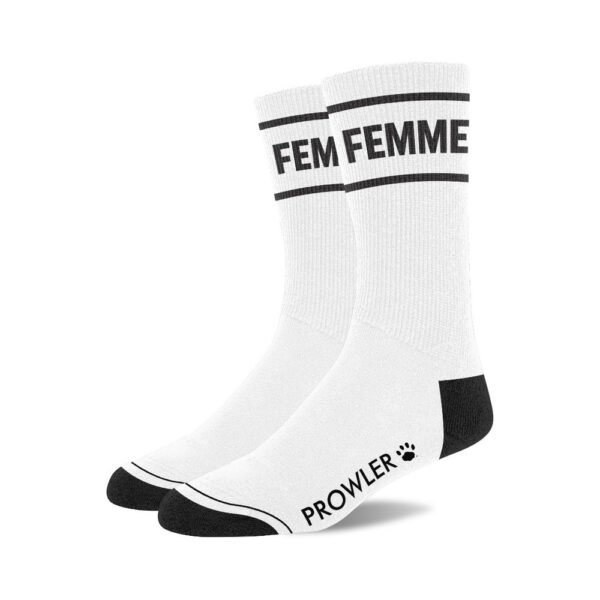
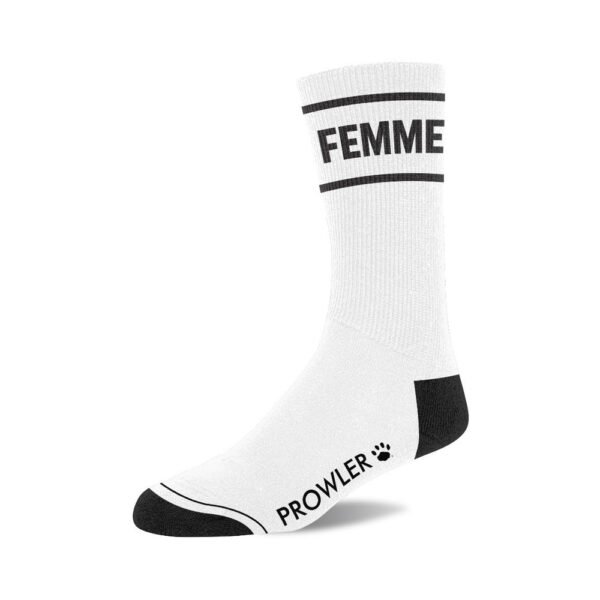
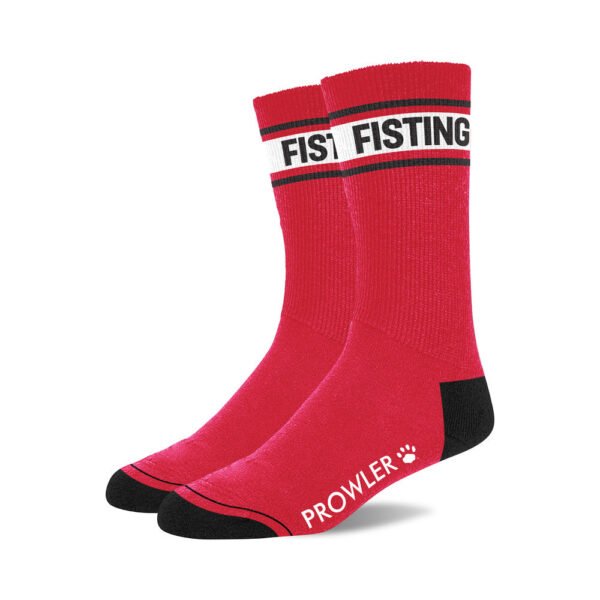
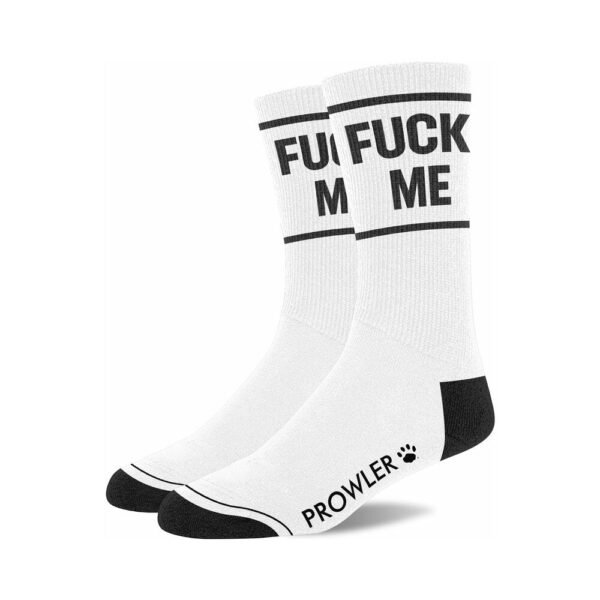
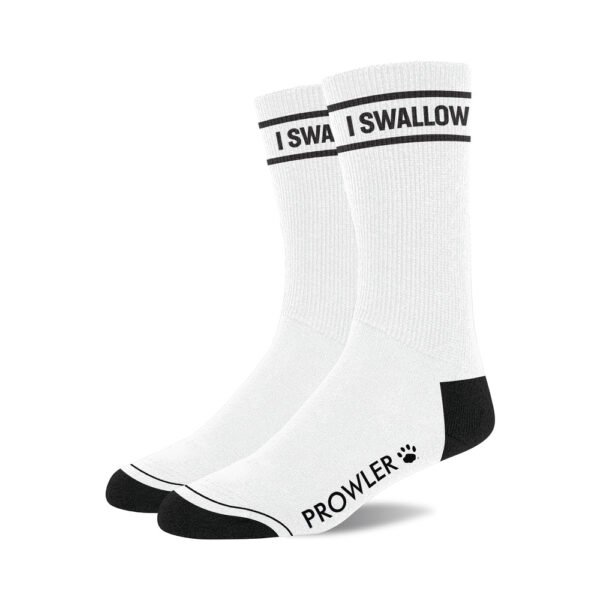
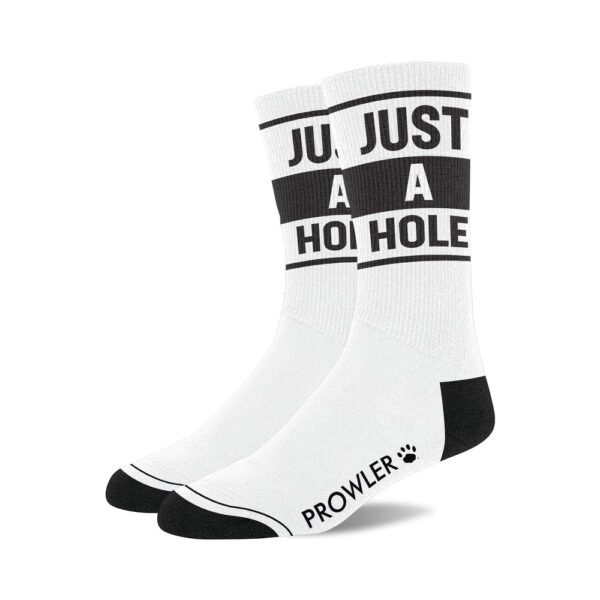
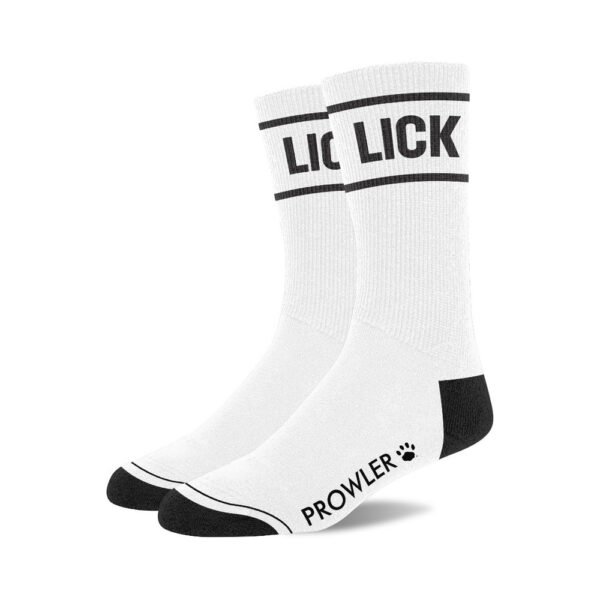
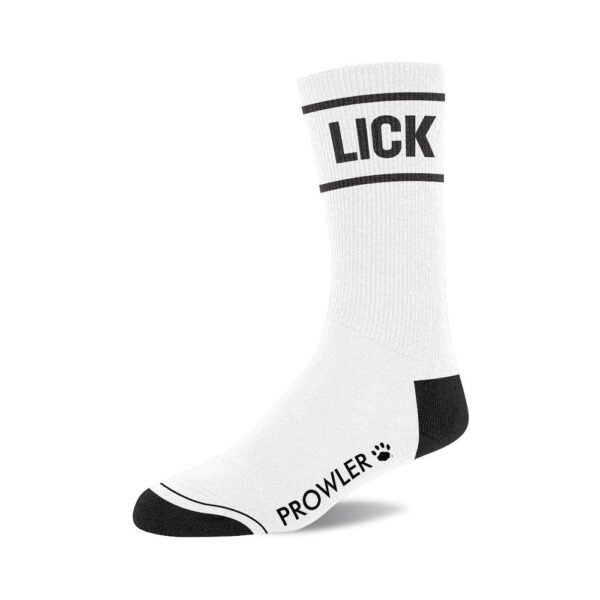
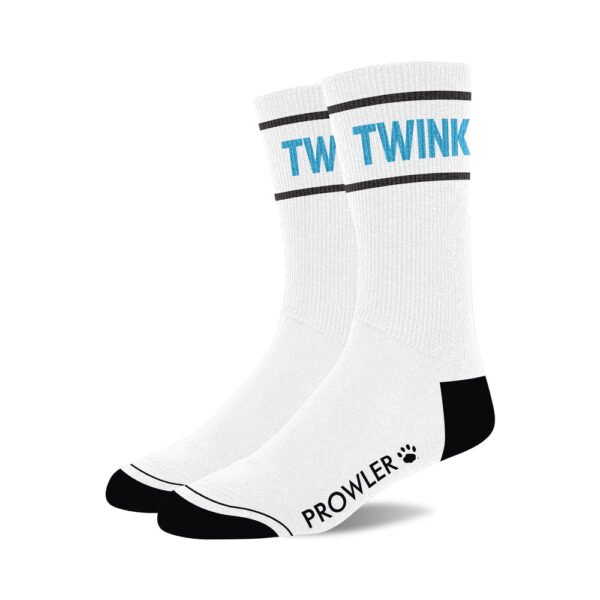
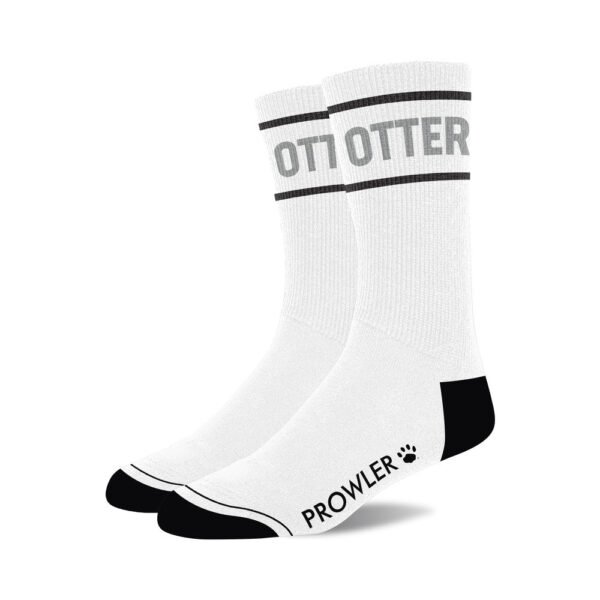
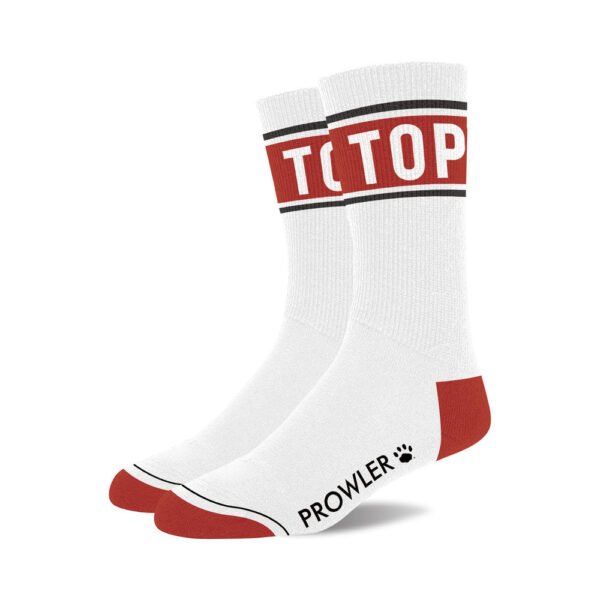
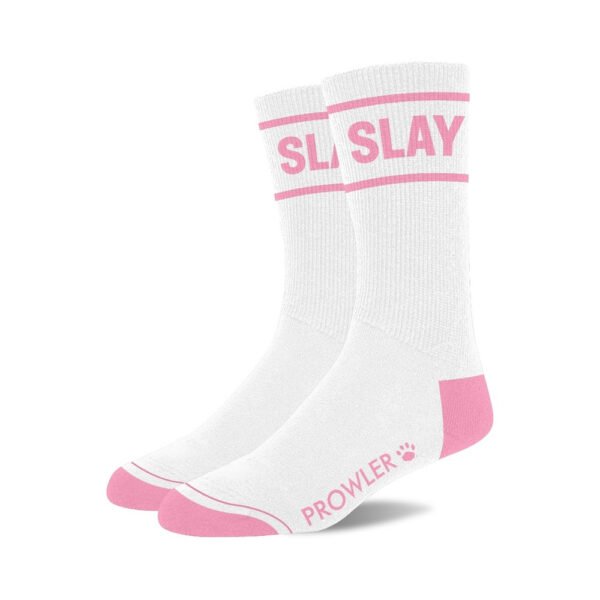
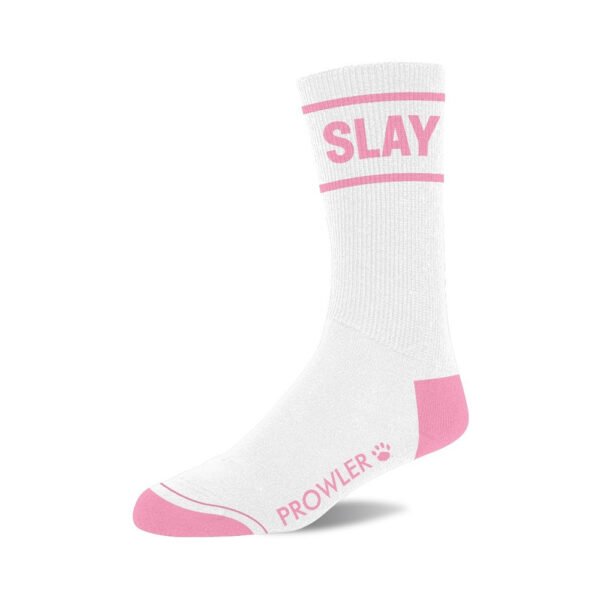
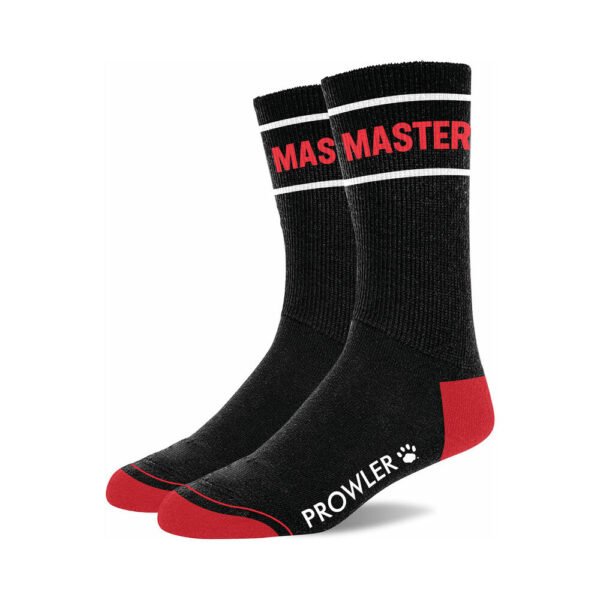
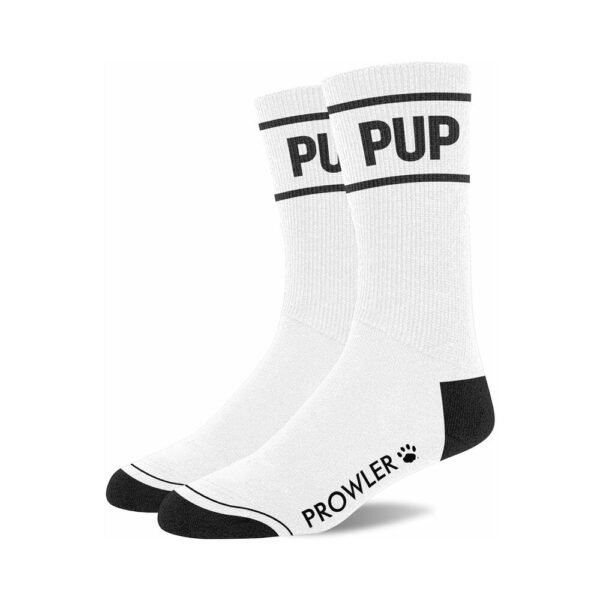
Quality varies by brand rather than by whether a sock has a graphic on it. A well-made novelty sock uses the same reinforced heel and toe construction and the same breathable knit structure as a plain one; the print or text is simply applied to the band or sole. The thing to check is fiber content and construction, not whether the design is bold or minimal. Socks with screen-printed or woven lettering across the band tend to hold up well through regular washing as long as you follow the care label.
One-size socks are typically cut to accommodate a broad middle range of adult foot sizes, often roughly a women’s US 5 to 11 or a men’s US 6 to 12, though the exact range differs by brand. People with wider feet, high arches, or shoe sizes outside that window may find one-size styles pull across the arch or feel tight at the cuff. Wide-width or plus-size specific cuts exist for exactly this reason, and they use a more generous stretch panel so the sock sits comfortably without constricting.
Yes. Every order from Claim Night ships in plain, unmarked packaging with no indication of the contents on the outside. The name on your shipping label and billing statement is a neutral “XR. LLC,” not Claim Night, so nothing identifies what is inside or where it came from. That applies to every order, socks included, no matter how straightforward the purchase.
Most thigh-high and over-the-knee socks rely on a stay-up elastic band or a silicone grip strip at the top to hold their position without a garter. How well they stay up depends on the width of that band, the stretch in the fabric, and the fit around your thigh. A sock that fits the thigh snugly but not tightly will hold far better than one that gaps or rolls. Pairing them with a garter belt is always an option if you want extra security for longer wear.
A truly seamless sock has no toe seam at all, knitted in a continuous tube so there is nothing to press against the skin. A flat-knit seam sock does have a seam at the toe, but it is stitched so the join lies flat rather than forming a raised ridge. Both options are significantly more comfortable than a standard looped seam for people with sensitive skin, sensory sensitivities, or conditions that make pressure at the toe irritating. If toe seams have bothered you before, either style is worth trying, with fully seamless being the more thorough solution.
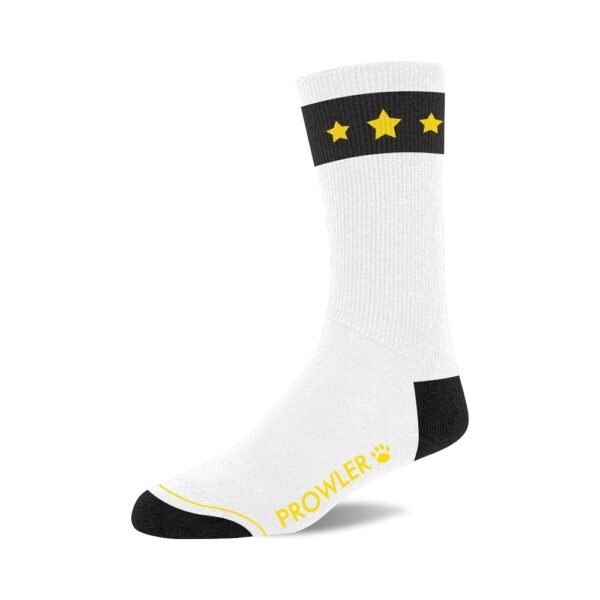
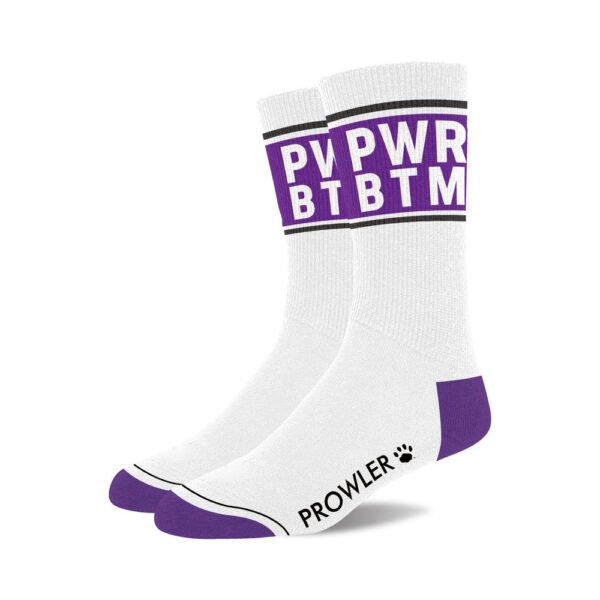
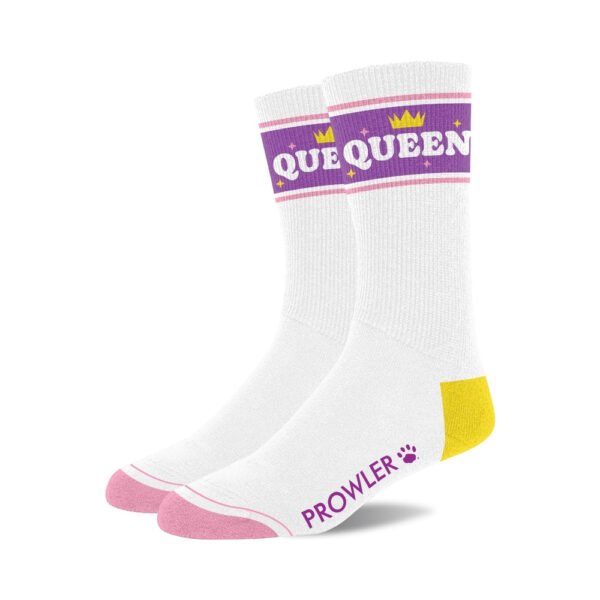
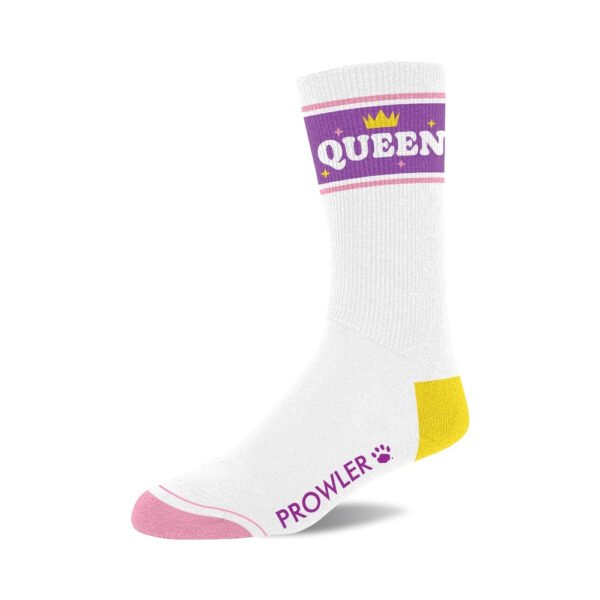
Socks with bold text or identity messaging are built on the same cotton crew or ankle construction as any everyday sock, so there is nothing about them that limits them to a specific occasion. Whether you wear them daily or save them for particular moments is entirely a personal choice. The text sits on the band or sole, which means it is mostly visible only when you choose to show it, so they work just as well tucked inside a shoe as they do on display.

Helpful guides, product tips, and simple explanations to help you find what feels right.
No account yet?
Create an Account