


Article
Beginner Butt Plug Guide: What a Butt Plug Is, How It Works, and How to Use One Safely06/14/2026

Deals
Bestsellers
+39
Most-Loved Picks
Customer favorites for comfort, care, and everyday pleasure
Shop BestsellersSale · up to 40% off

+891
Soft Savings
Limited-time offers on body-safe essentials and feel-good favorites
View SaleSeasonal edit


+267
Seasonal Comfort Edit
Curated picks for holidays, date nights, gifting, and cozy nights in
Explore the EditFeatured
 Discreet Packaging
  Secure Checkout
  Body-Safe Materials
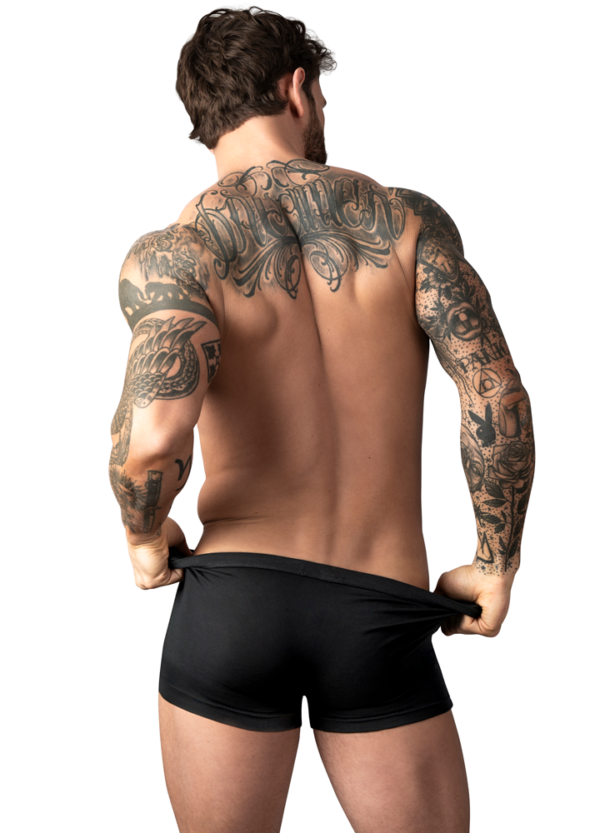
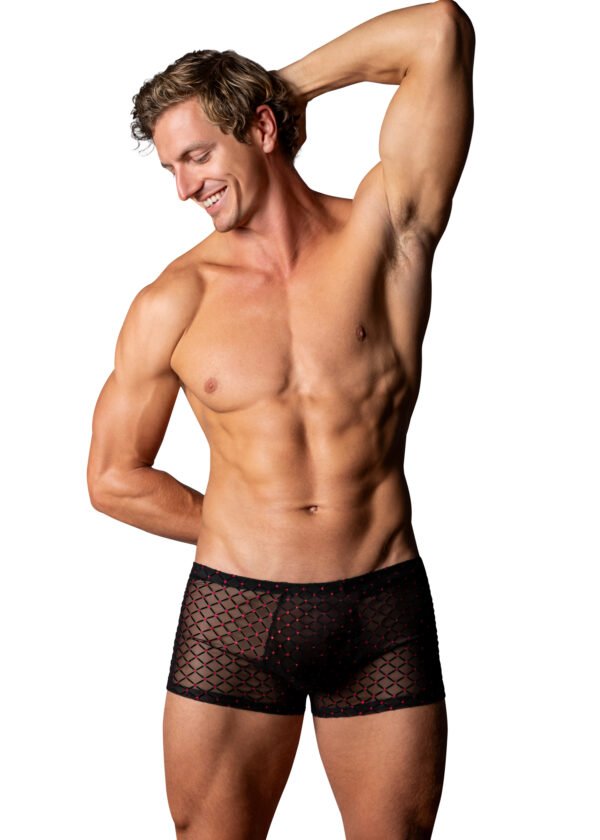
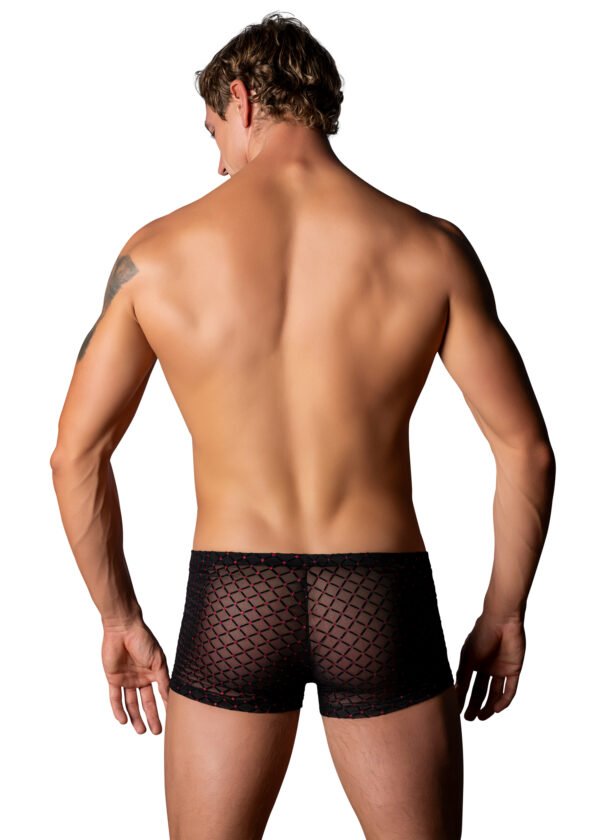
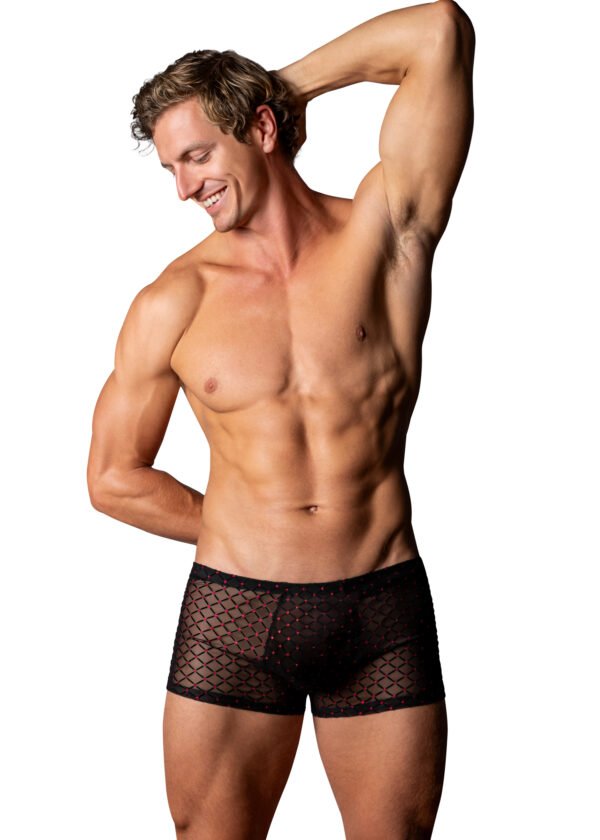
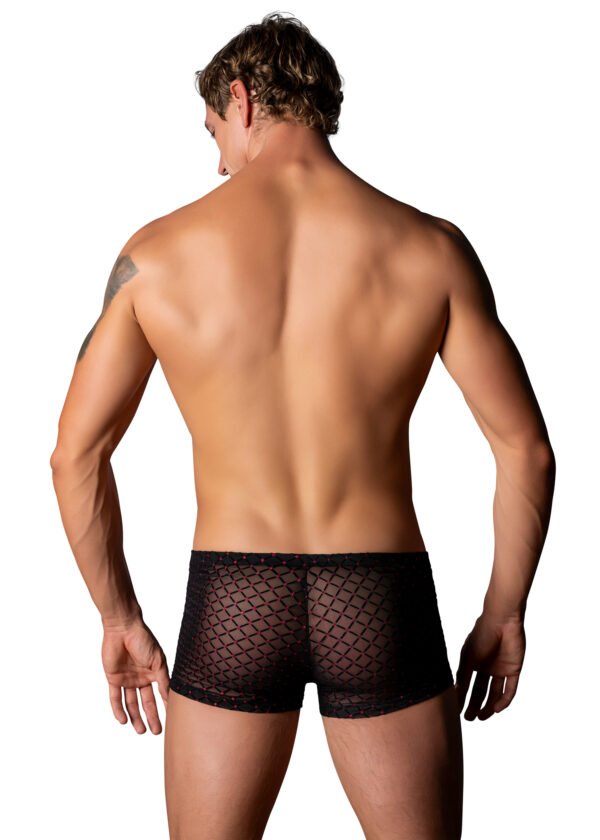
 Sizing for pouch shorts runs by waist measurement: Small covers US 28-30, Medium 32-34, Large 36-38, and XL 40-42. Measure your natural waist and match it to the size chart rather than guessing by your pants size. The polyamide-spandex blend has genuine four-way stretch, so the fabric moves with you, but the waistband should lie flat without digging or rolling and the leg hems should stay put when you walk.
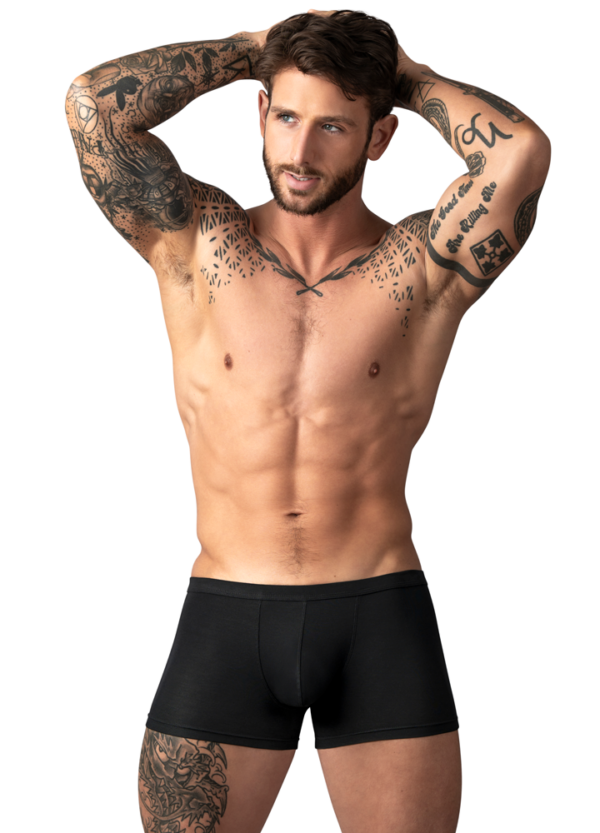
The pouch itself is the critical fit point. It should hold everything forward with a sense of gentle structure, not compress or leave extra empty fabric. If the pouch feels tight or the leg seams pull inward, size up. Claim Night carries the full range from Small through XL, so there is a real fit for a real range of bodies here.
Pouch shorts vary more than the category name suggests, and the details that differ between styles have a real effect on how they feel across a full day.
The fabric in pouch shorts determines almost everything about daily comfort. Modal is the softest option, with a fine drape that stays gentle against skin even after repeated washing. Cotton breathes well and suits people who run warm or prefer a natural feel. Moisture-wicking microfiber is the practical choice for workouts or long days on your feet, pulling sweat away from the body rather than holding it against the skin. If you have sensitive skin, look for tagless construction and skin-safe dyes alongside whichever fiber you prefer.
Pouch shorts come in standard and long-leg cuts, and the difference matters most during movement. A standard cut sits higher on the thigh and works well for everyday wear. A longer leg extends further down the inner thigh, which is what actually prevents chafing during walking, gym sessions, or any day that involves a lot of movement. If inner-thigh irritation is your main reason for switching underwear styles, a longer inseam is the detail worth prioritizing.
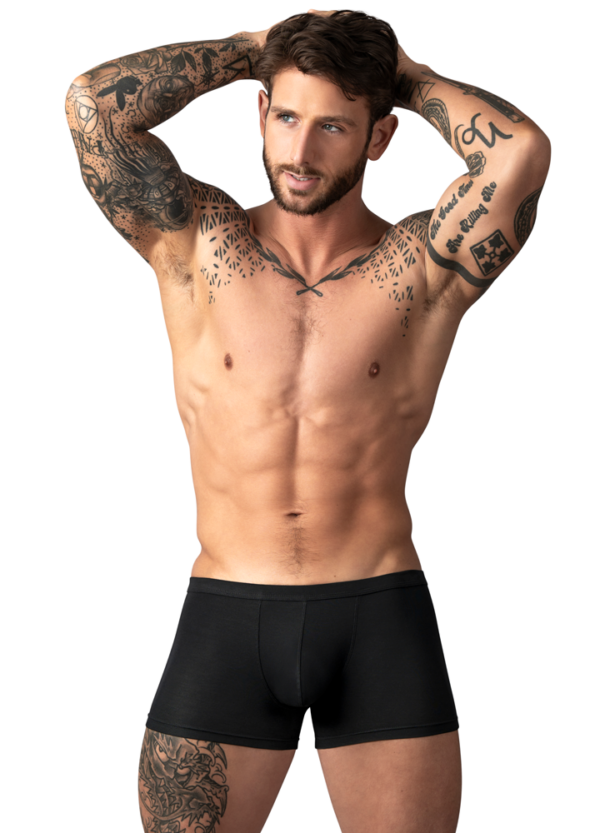
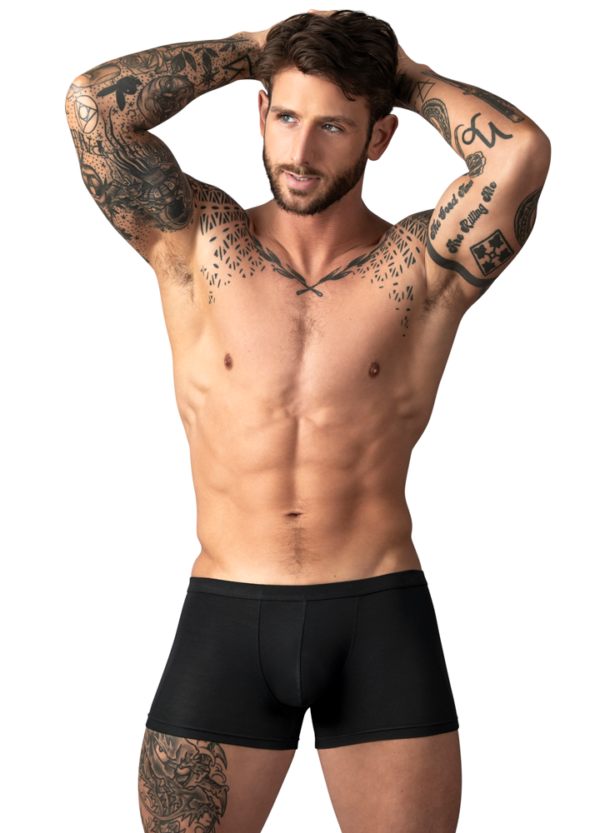
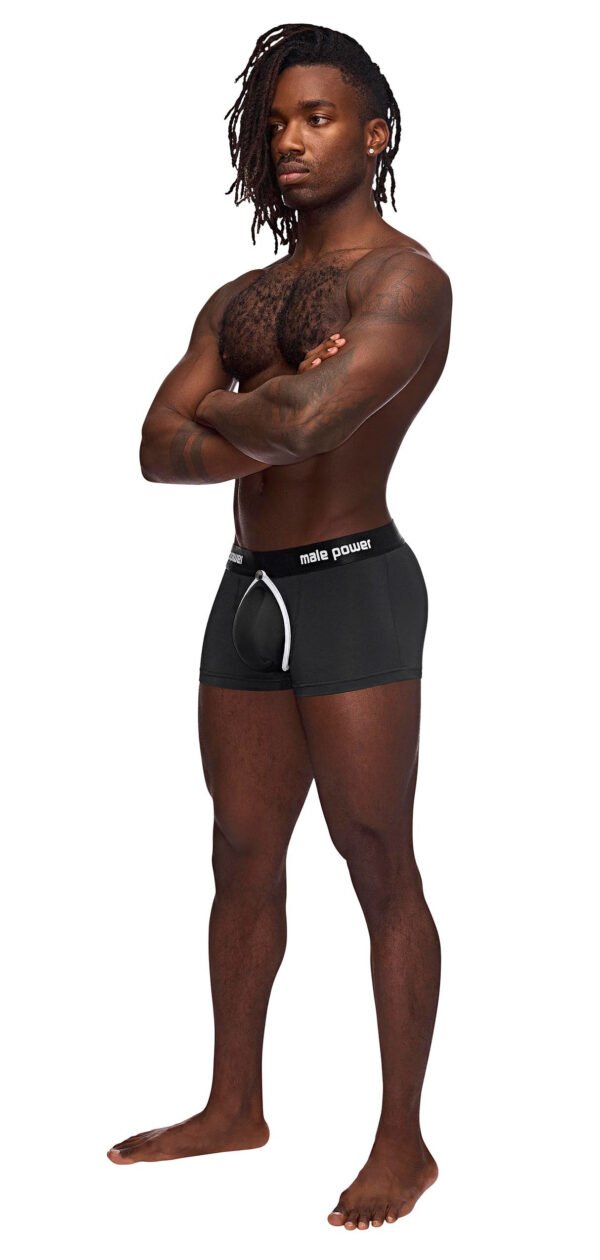
Not all pouches are built the same way. A contoured lift pouch shapes and supports without a hard separation, giving a smooth, close fit that works well under fitted clothing. A separate compartment design physically divides the anatomy, keeping everything cooler and more distinctly supported throughout the day. Neither is objectively better; the right choice depends on whether you want a streamlined silhouette or maximum anatomical separation.
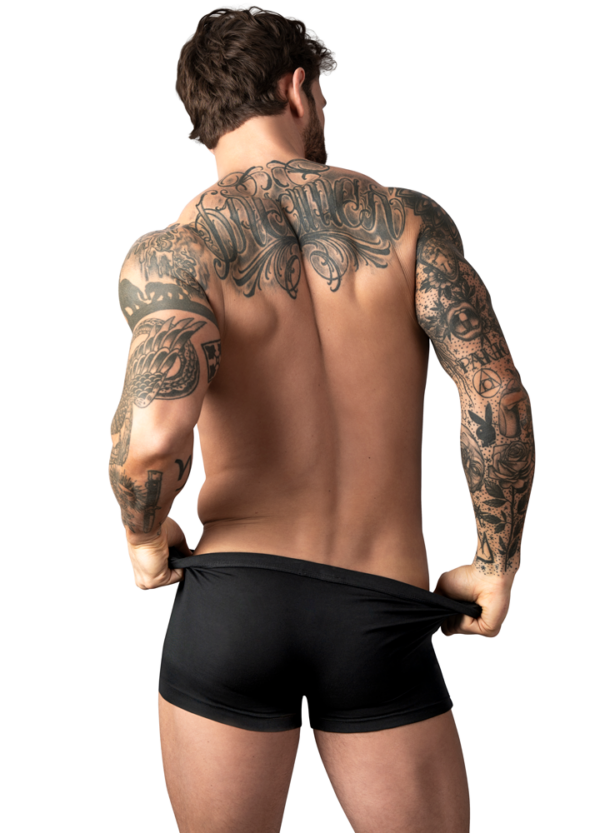
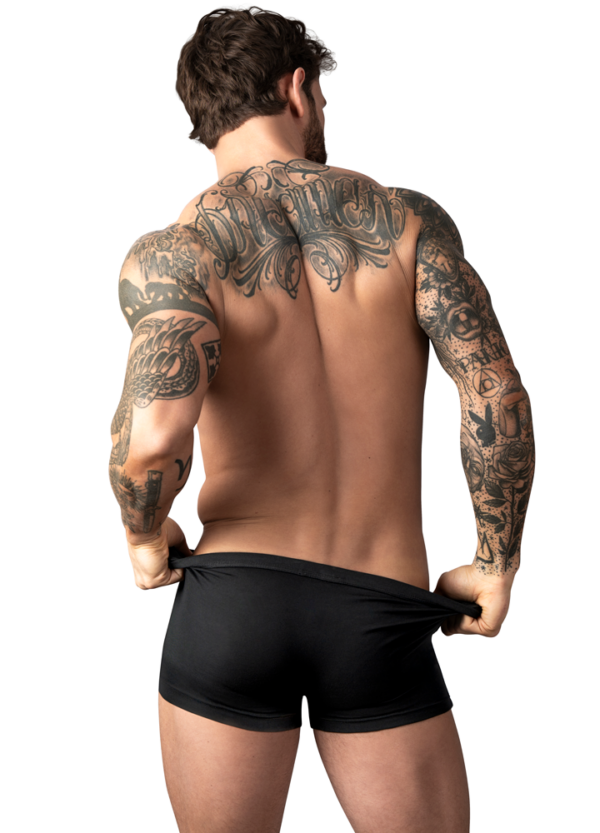
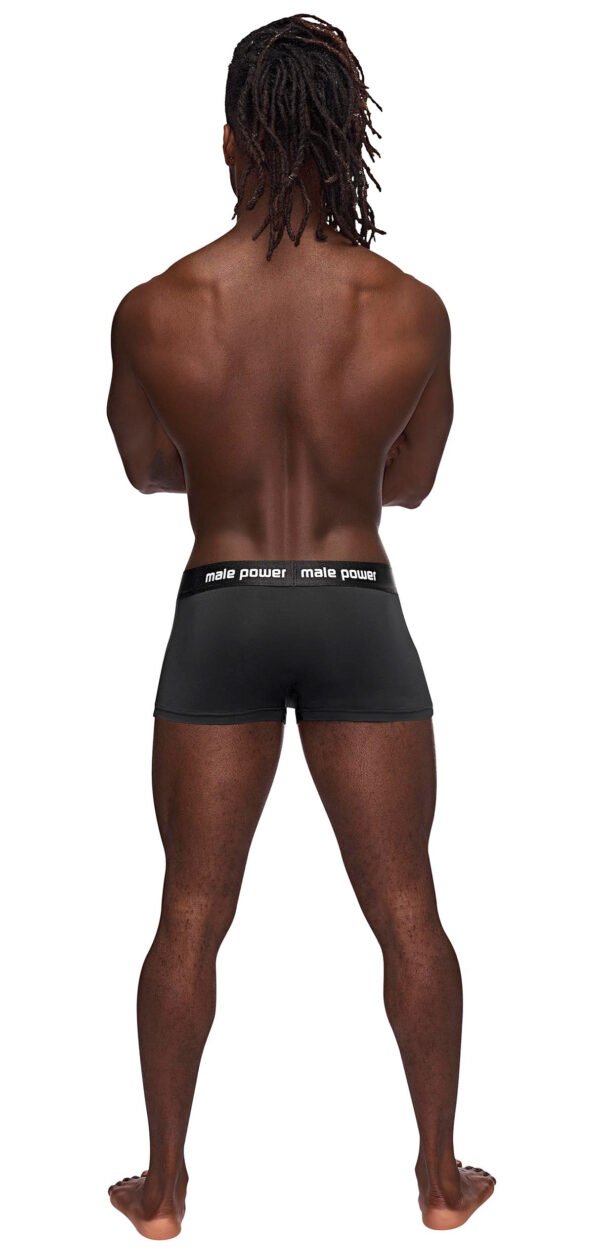
The waistband is the part of pouch shorts that causes the most irritation when it is wrong. A wide, non-roll waistband distributes pressure evenly across the hip and stays flat under clothing without digging in or folding over. A standard narrower band is lighter and less noticeable for some people, but tends to roll or shift during movement. For long workdays or active use, the wider band is generally the more stable choice.
Pouch shorts are available with a functional fly opening or a clean no-fly front. A fly adds convenience for everyday use and is the familiar choice for anyone coming from standard boxer briefs. A no-fly design gives the front panel a smoother, more streamlined look and often fits more cleanly under slim-cut trousers. This comes down to personal habit as much as anything else, so it is worth thinking about how you actually use the garment day to day.
Seams sit against the skin all day, and the construction method makes a noticeable difference. Flat-lock seams lie flat rather than creating a raised ridge, which reduces rubbing at the inner thigh and waistband. Bonded or seamless construction takes that further, eliminating raised edges entirely for a surface that feels almost uninterrupted against the skin. Seamless or bonded styles are the clearest choice for sensitive skin or anyone who has found that standard seams leave marks or cause irritation by the end of the day.
The best pair comes down to how you spend your day and what your body needs from the fabric against it. A few honest questions about use, material and coverage will get you there faster than browsing by looks alone.
Think about the full picture before you settle: the hours you will wear them, whether you run warm, and whether you want something that disappears under clothes or something that feels like a deliberate choice.
If you are building out a broader intimate wardrobe alongside these, our men’s lingerie section covers other styles worth pairing with a pouch short as a base layer.
Pouch shorts last longer and hold their shape better with a little care around washing. Machine washing on a cold, gentle cycle works fine for most styles, but hand washing in cool water is the safer choice for anything with a seamless or contour construction. Either way, skip the fabric softener: it coats the fibers and gradually breaks down the stretch and moisture-wicking properties that make the pouch design work in the first place.
After washing, skip the dryer and lay them flat or hang them to air dry. Heat degrades elastane, which means the pouch loses its forward lift and the waistband loses its recovery over time. A little patience here keeps the fit feeling like new for much longer.
The core difference between pouch shorts and standard boxer briefs is structural. Regular boxer briefs use a flat front panel that presses everything against the body, leaving no separation between the anatomy and the inner thigh. Pouch shorts replace that flat panel with a shaped, three-dimensional front that holds things forward and away from the legs. The result is less friction, less heat buildup, and no constant shifting throughout the day.
For anyone who has never tried the pouch construction, the change is more noticeable than the design looks on paper. It is not a dramatic silhouette difference from the outside, but the internal geometry is genuinely different, and most people who switch find it hard to go back to a flat front.
Pouch shorts designed for everyday comfort and those built for athletic use solve slightly different problems, even though the pouch construction is the same in both. For long workdays, commuting, or hours at a desk, softer fabrics like modal or cotton blends tend to feel better against skin over time: they breathe gently and stay comfortable without feeling performance-oriented. The priority is softness and low-irritation wear across many hours.
For the gym or any sustained physical activity, moisture-wicking microfiber or polyamide-spandex blends pull sweat away from the skin and dry faster, which reduces chafing during movement. A longer leg cut also helps during exercise by keeping the fabric from riding up. Neither choice is wrong for the other setting, but matching the fabric to how you actually spend your day makes a real difference in how the shorts feel by the end of it.
Pouch shorts sizing is not standardized across brands, so a Medium from one label can fit a waist that another brand calls a Large. The most reliable approach is to check the actual inch measurements listed for each style rather than trusting the letter size alone. When two sizes seem close, most people find that going up gives a more comfortable pouch fit, since a snug waistband tends to pull the pouch out of position.
Polyamide (nylon) and spandex blends are generally smooth and low-friction, which makes them a reasonable option for skin that reacts to rough textures or coarse weaves. They tend to sit close without abrasion, and the stretch means the fabric moves with the body rather than pulling against it. That said, anyone with a known sensitivity to synthetic fibers may find a natural-fiber option, such as cotton or a bamboo blend, more comfortable for all-day wear.
Dark underwear under light fabric can show through, especially with thin or pale trousers. The fabric weight of the outer layer matters more than the underwear color alone, but as a general rule, a nude or light-gray pouch short is a safer choice under white or cream pants. If you mostly wear darker trousers, black works without any issue and tends to hold its depth better through repeated washing than lighter shades.
Every order from Claim Night ships in plain, unmarked outer packaging with no branding or product description on the outside. The billing name that appears on your statement is a neutral “XR. LLC,” not the store name. Nothing about the box or envelope signals what is inside.
Pouch shorts pair well under fitted athletic pants because the longer leg cut and smooth outer surface reduce the bunching that can happen when a shorter style rides up under tight fabric. A low-profile flat seam or bonded seam construction helps here, since raised seams can create pressure lines under compression layers. The four-way stretch in most pouch short fabrics also means the underwear moves with the outer layer rather than fighting it.
The waistband and pouch elasticity in well-constructed pouch shorts generally holds through regular rotation for a year or more, though this depends on how often a pair is worn and washed. Heat is the main factor that degrades elastic over time, so keeping wash temperatures cool and skipping the dryer extends the life of the waistband noticeably. Signs that a pair is ready to replace include a waistband that no longer springs back, or a pouch that has stretched out and no longer holds its shape through the day.
Pouch shorts are actually a natural transition from loose boxers because the longer leg length keeps some of the coverage that boxers offer, while the structured front pouch adds the support that boxers lack. The fit feels more defined than a loose boxer but less compressive than a traditional brief, which tends to make them easy to get used to. Most people who make the switch find they stop noticing the underwear entirely after the first hour, which is usually the point.
Both designs move the front panel forward and away from the body to reduce friction and create separation, but a contour or enhancing pouch typically uses additional shaping, extra volume in the panel, or a curved seam to create a more defined, lifted profile. A standard anatomical pouch focuses on functional separation and comfort without the added shaping. Neither is better in a practical sense; the choice comes down to whether you want the underwear to be purely functional or to also affect how you look in fitted clothing.

Helpful guides, product tips, and simple explanations to help you find what feels right.
No account yet?
Create an Account