


Article
Beginner Butt Plug Guide: What a Butt Plug Is, How It Works, and How to Use One Safely04/03/2026

Deals
Bestsellers
+38
Most-Loved Picks
Customer favorites for comfort, care, and everyday pleasure
Shop BestsellersSale · up to 40% off

+881
Soft Savings
Limited-time offers on body-safe essentials and feel-good favorites
View SaleSeasonal edit


+265
Seasonal Comfort Edit
Curated picks for holidays, date nights, gifting, and cozy nights in
Explore the EditFeatured
 Discreet Packaging
  Secure Checkout
  Body-Safe Materials
 Teddies size by three measurements: bust, waist, and hip. All three matter because the garment covers your full torso in one piece. If any one of those three measurements falls between sizes, size up, especially through the hips and seat, where a teddy takes the most strain. Check the size chart for the specific style, not just the brand, since cup sizing and torso length vary across cuts.
The fabric tells you a lot about how much adjustment you have. A nylon-spandex blend with four-way stretch will move with your body and recover its shape; a satin or structured lace has less give, so fit precision matters more. Straps should sit flat without digging, and the crotch closure should reach without pulling. Claim Night carries teddies from standard through curvy sizing, so there is a real range to work with, not a single silhouette scaled up.
Teddies come in several distinct styles, and the differences between them are practical, not just aesthetic. The right type depends on the kind of fit, coverage, and detailing you actually want.
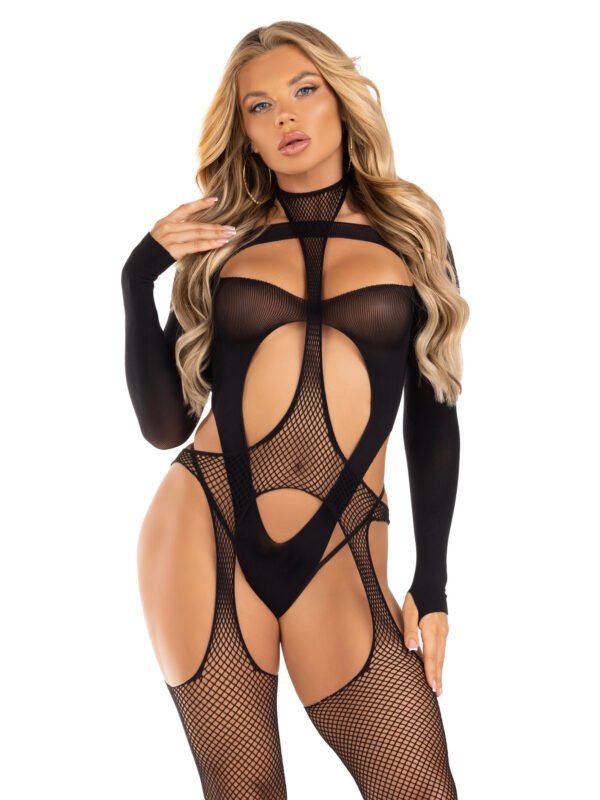
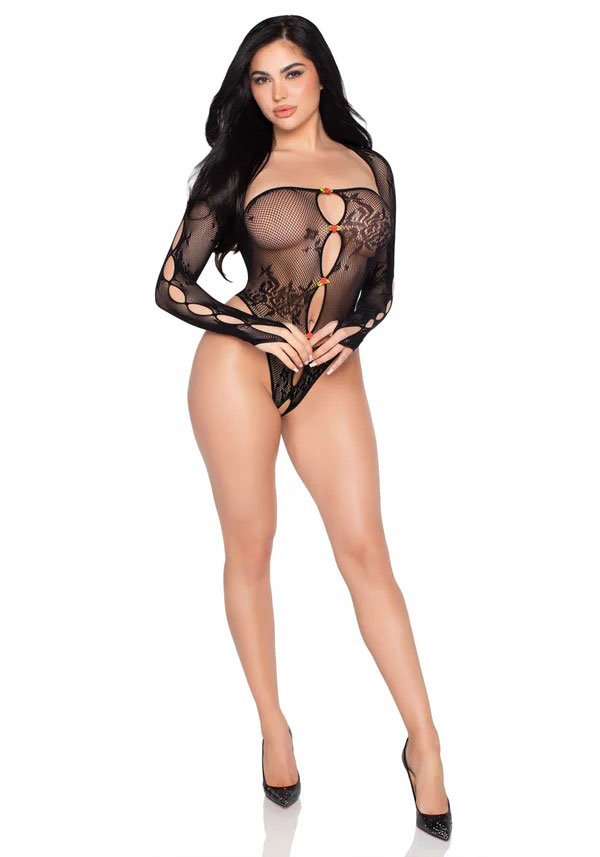
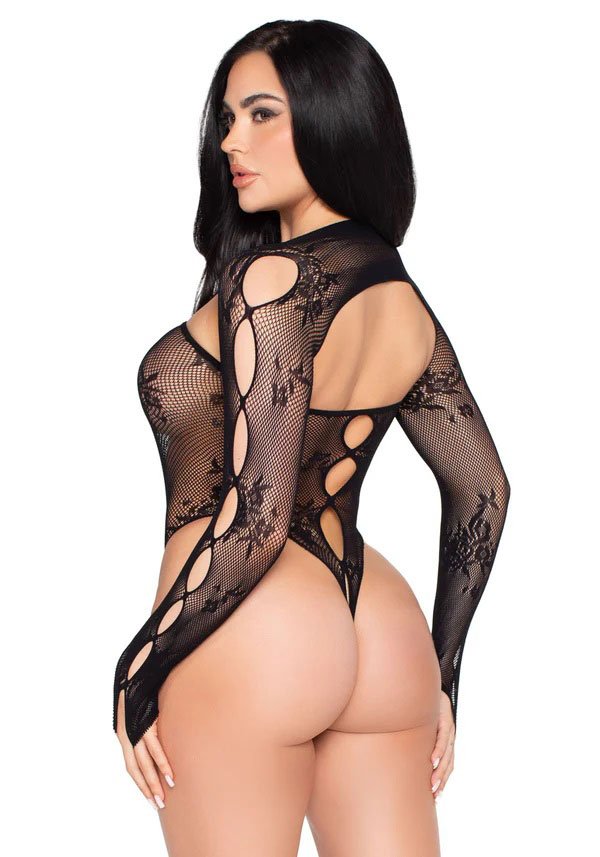
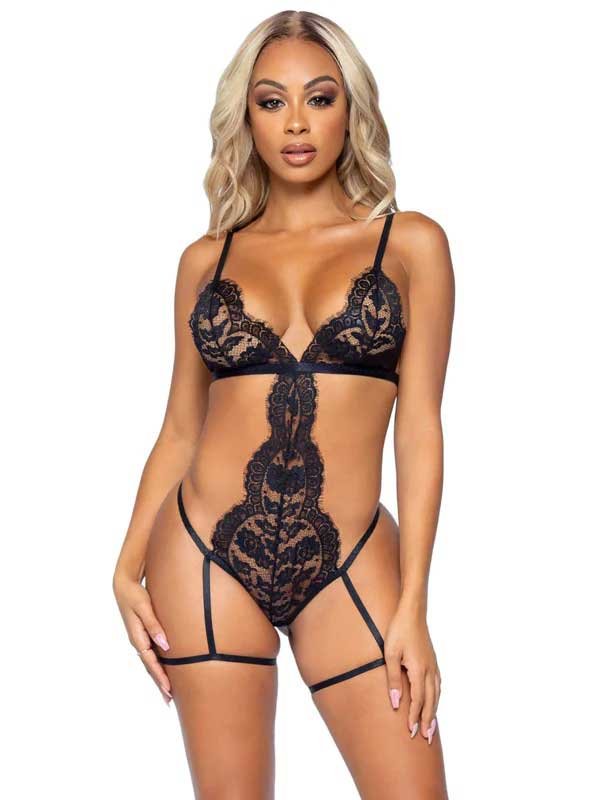
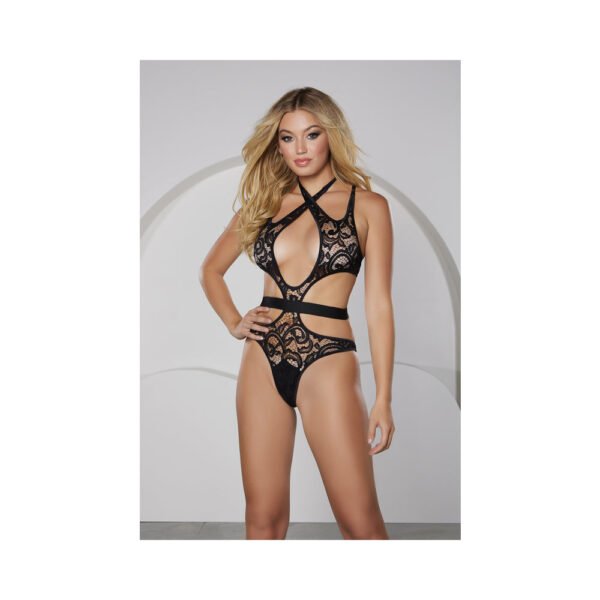
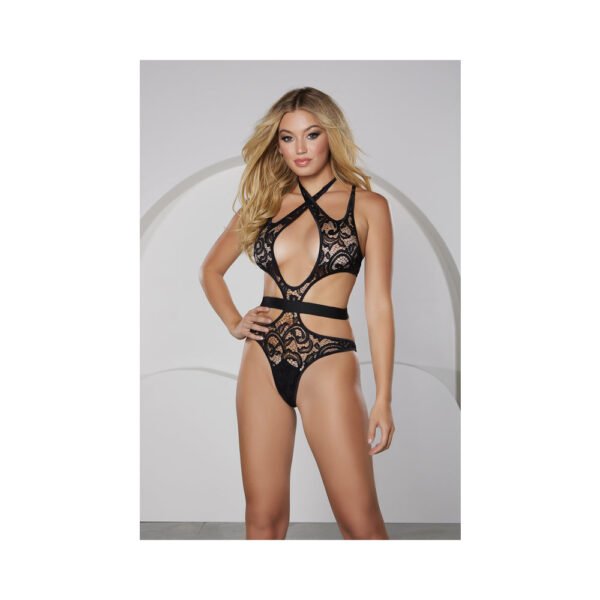
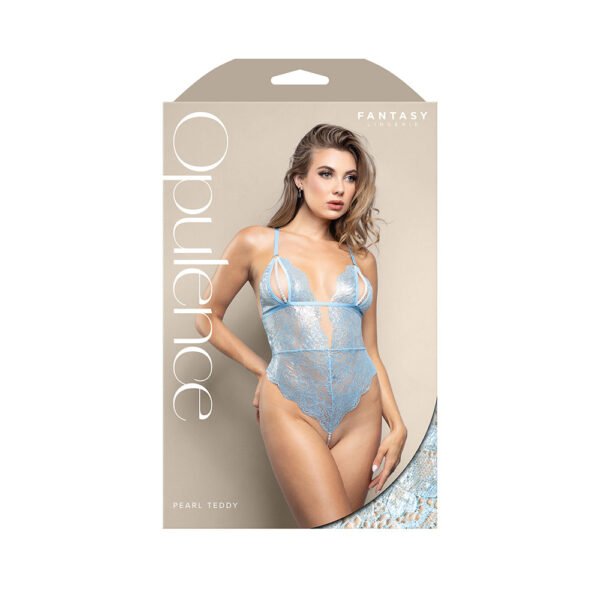
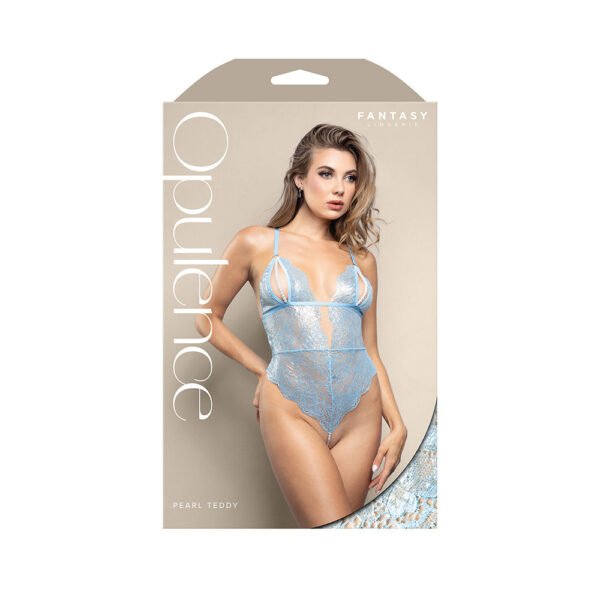
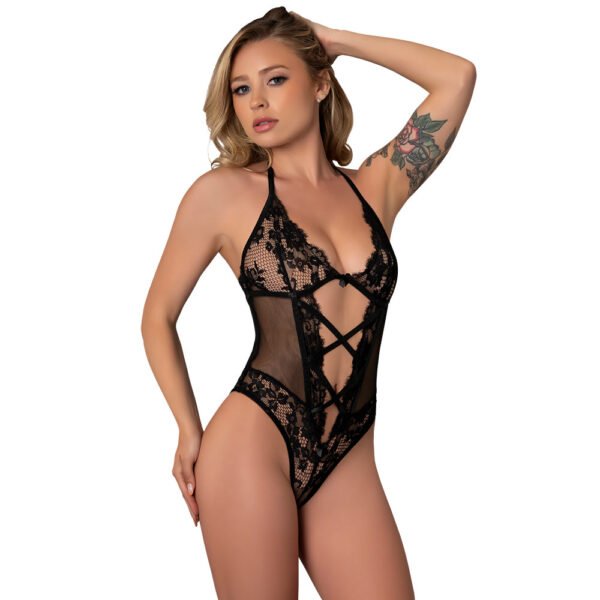
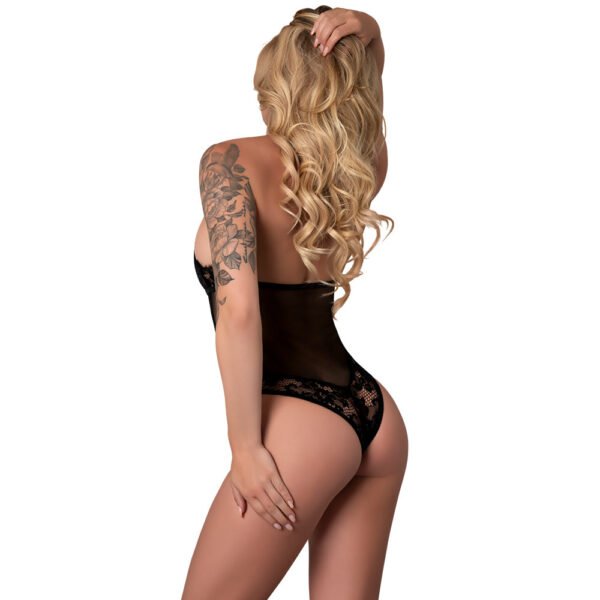
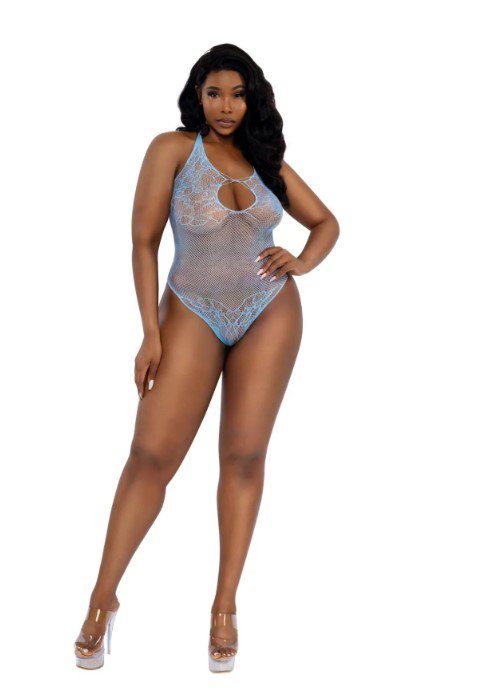
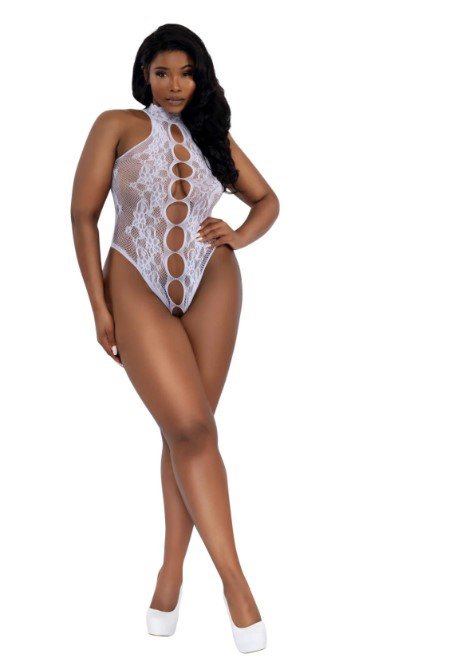
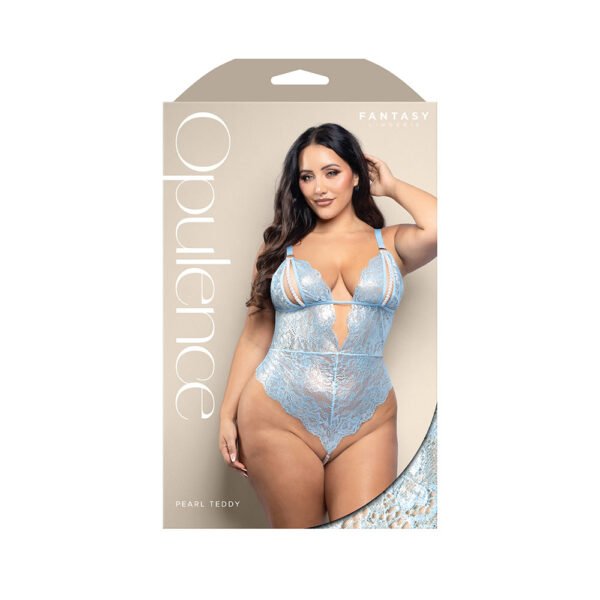
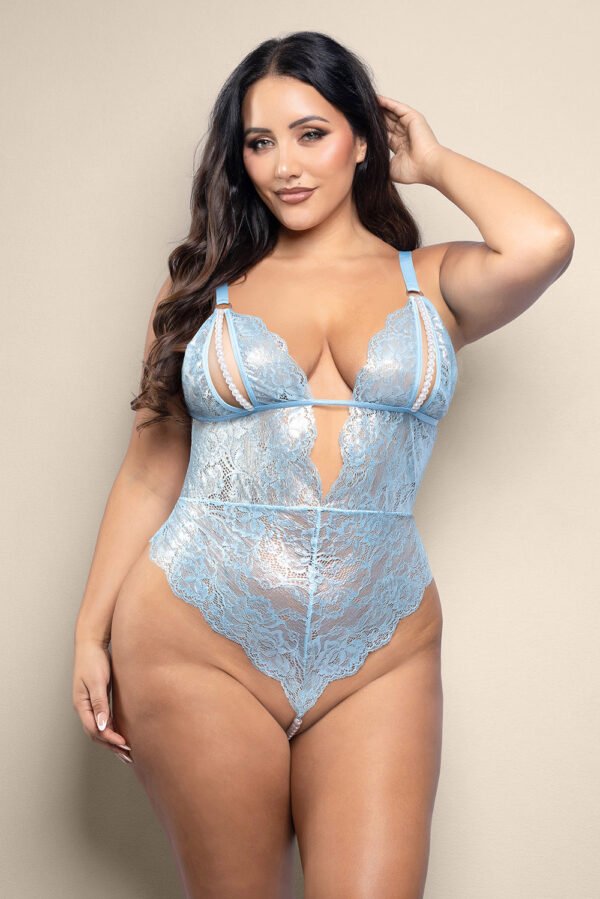
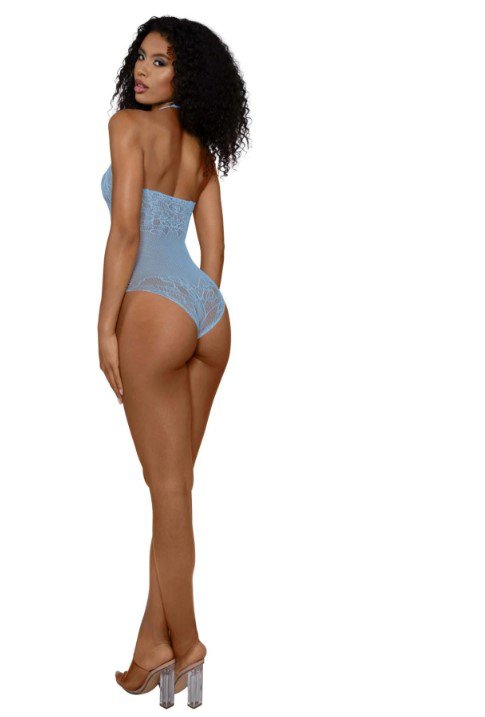
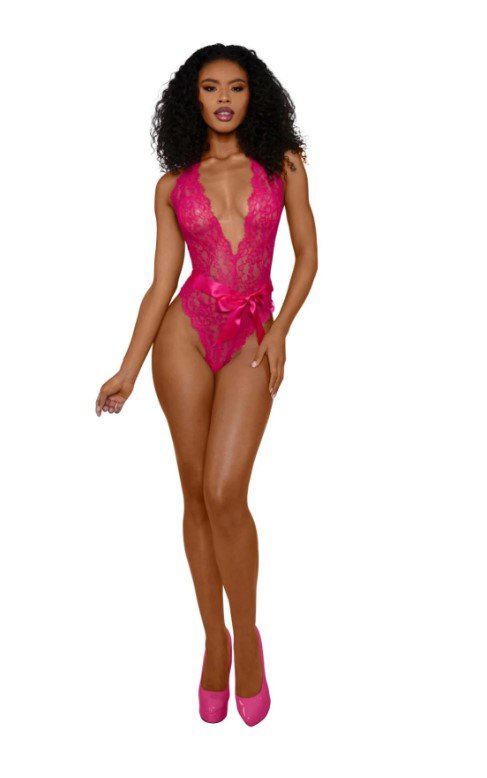
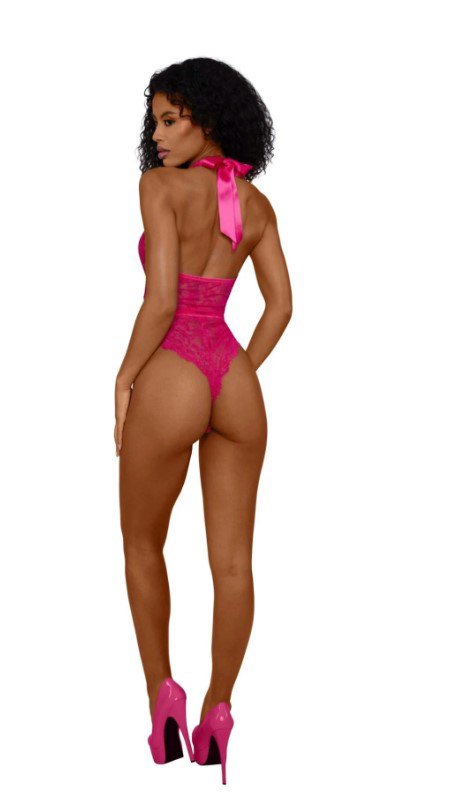
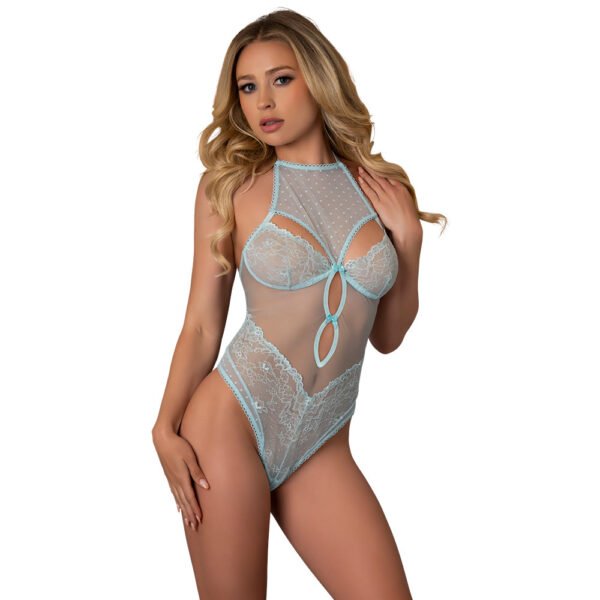
A lace teddy is a one-piece intimate garment constructed from stretch lace, which gives it texture and visual interest while still moving with the body. Floral lace knit and shimmer lace are common variations, ranging from delicate and soft to structured and bold. This style suits anyone who wants something that feels considered and finished, whether for a special occasion or just because.
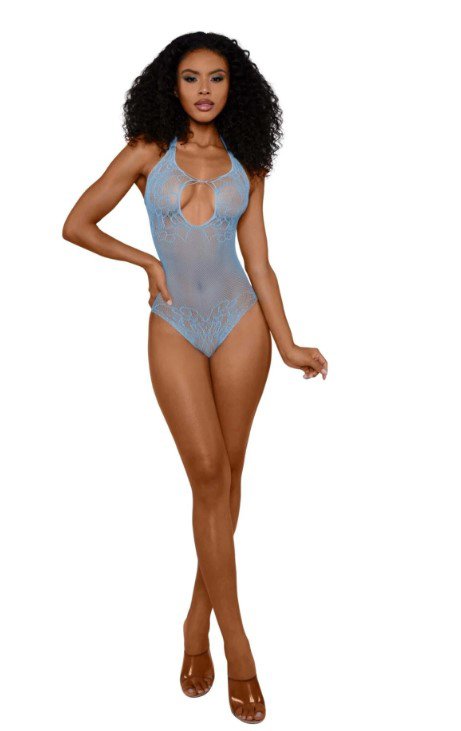
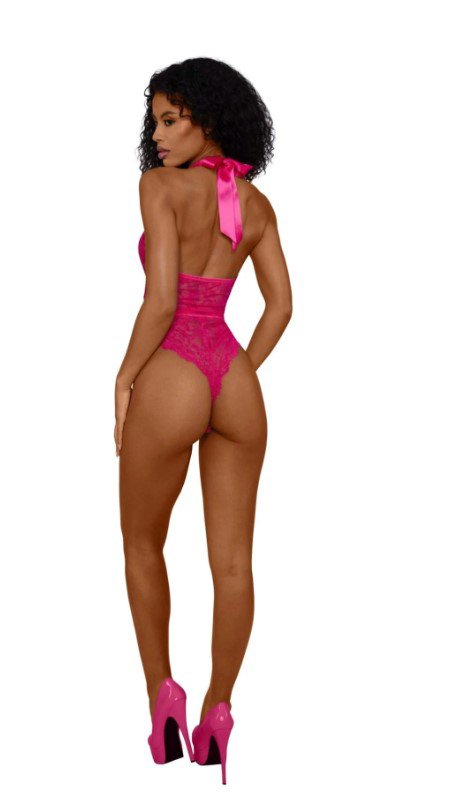
A plunge or halter teddy is defined by its neckline: a deep-V or halter tie at the neck that creates an open front silhouette. The halter construction also allows for some adjustability at the neck, which helps with fit across different bust sizes. This style tends to work well for people who want more drama at the neckline without adding layers.
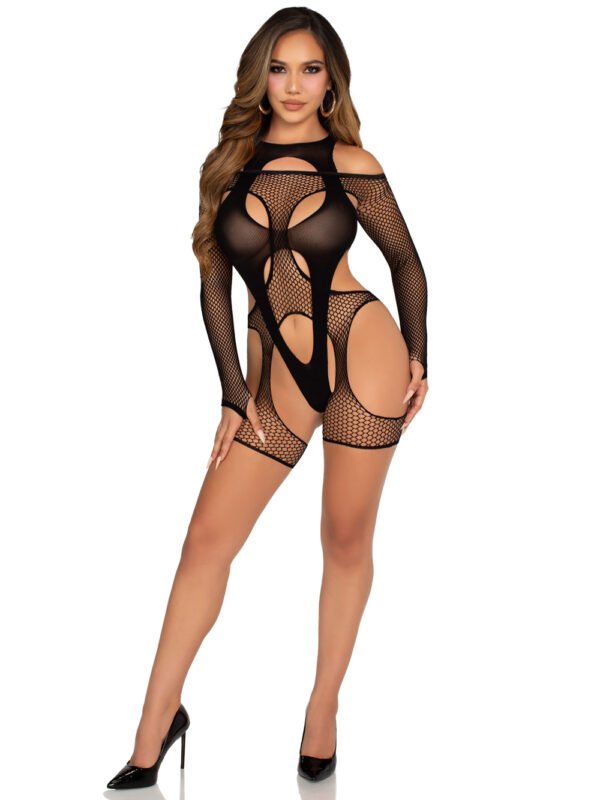
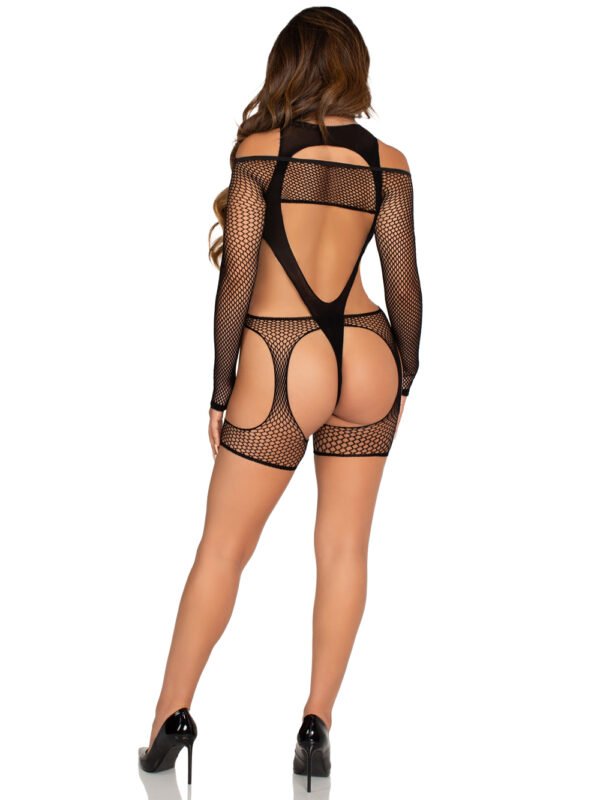
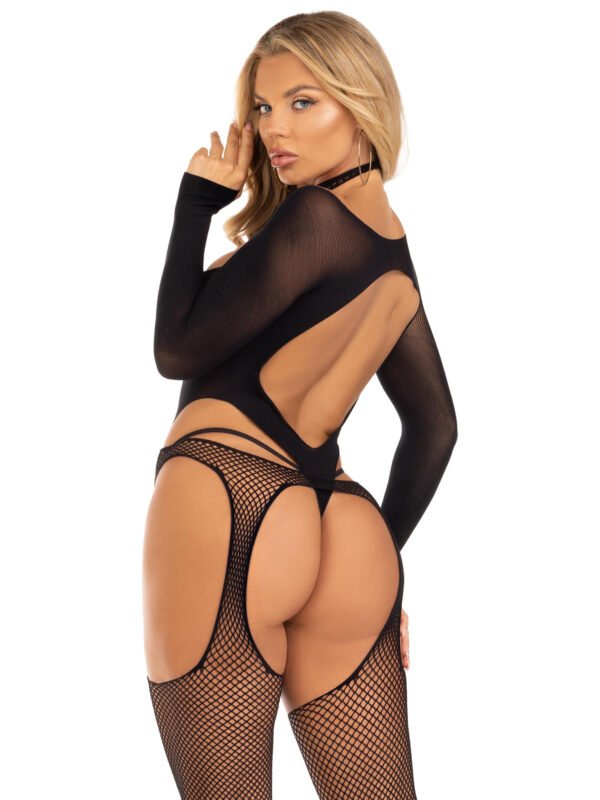
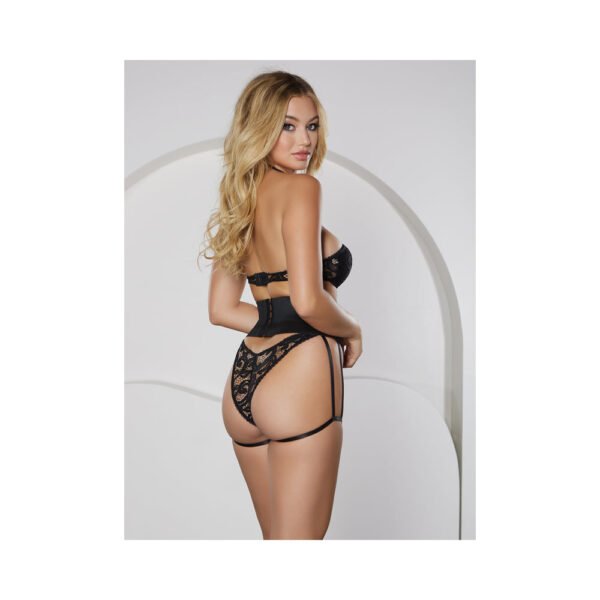
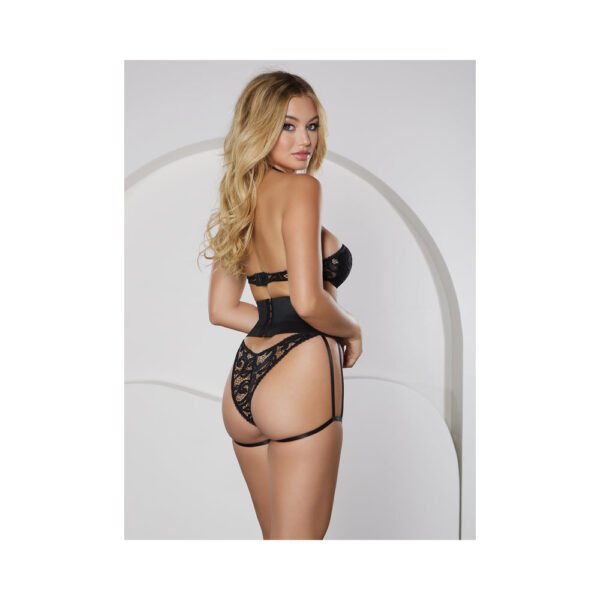
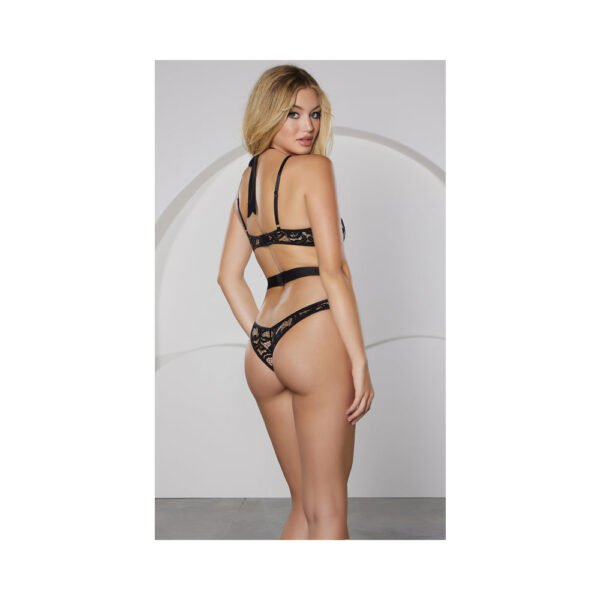
An open-back teddy keeps the front fitted and covered while removing most or all of the back panel, often with cutout detailing or strappy cage construction. The contrast between front coverage and back exposure is the defining feature of this style. It pairs naturally with a sexy robe or kimono when you want the option to cover up.
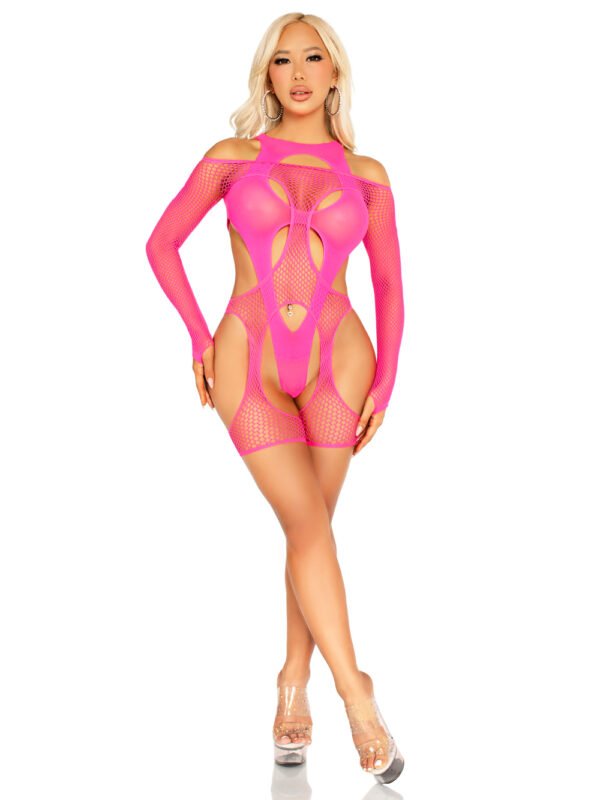
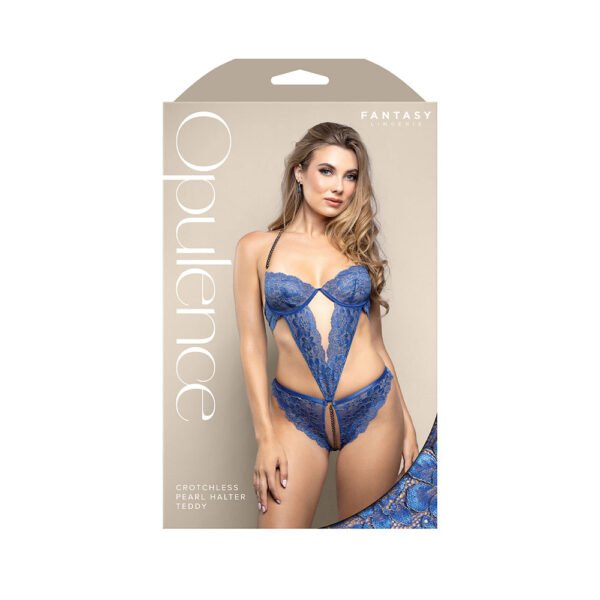
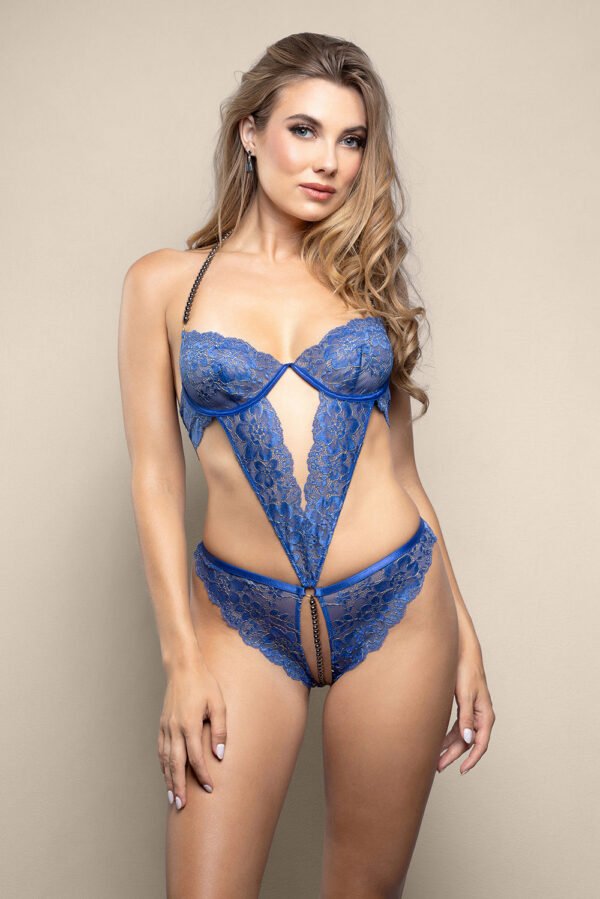
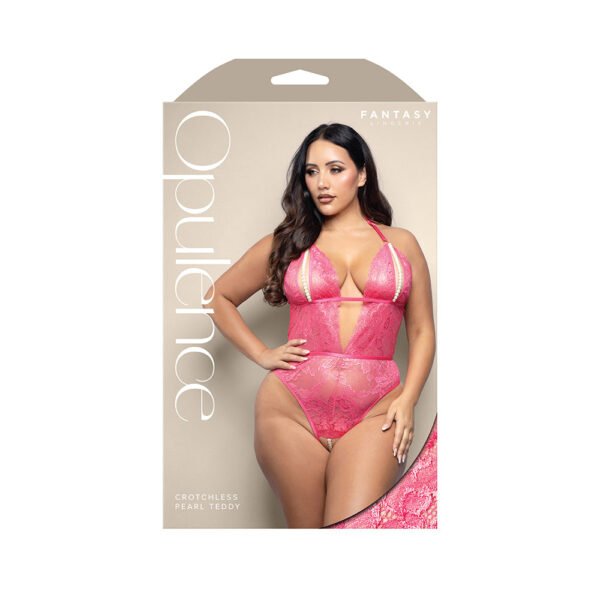
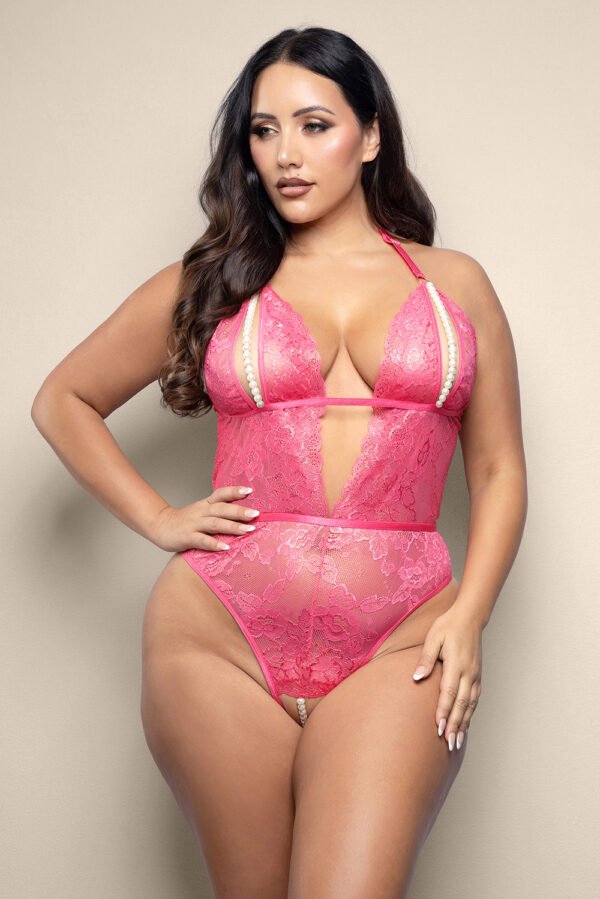
A crotchless teddy is a one-piece garment with an open or absent crotch panel, which changes how it is worn and removed compared to a snap-closure style. Some versions use a pearl string or adjustable G-string detail in place of a solid panel. This is a practical distinction, not just a style one, so it is worth deciding before you buy rather than after.
A snap-crotch teddy closes at the gusset with metal or plastic snaps, the same construction used in fashion bodysuits. This makes it one of the most versatile styles in the category: easy to wear all evening and straightforward to take off without fully undressing. It is also the style most likely to double as outerwear under high-waisted pants or a skirt.
The best teddy is the one that fits your body, suits the occasion, and feels good to wear, whether that is for five minutes or five hours. A few practical questions narrow the field quickly.
Beyond fit, the choices that matter most are fabric, support, and how you plan to wear it. Think through these before you browse.
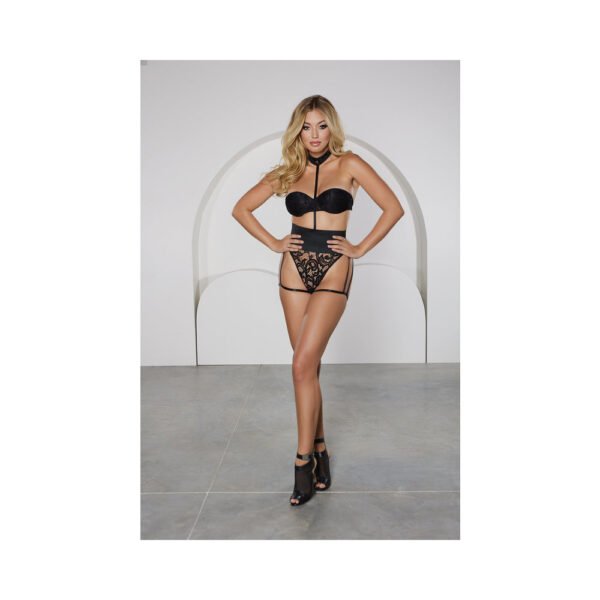
If you are pairing a teddy with hosiery or a cover-up, stockings and hosiery and sexy robes are worth browsing alongside to build a complete look.
Teddies come in enough silhouettes, fabrics and closures that the right one really does depend on what you need it to do. These collections narrow that down.
Teddy lingerie lasts longer when you treat the fabric gently from the first wash. For lace, mesh, and satin teddies, hand washing in cool water with a mild, fragrance-free detergent is the safest approach. Swirl the piece gently for a minute or two, rinse thoroughly, and press out the water without wringing. Never twist or wring a lace or satin teddy, as that stresses the fibers and distorts the shape.
To dry, lay the teddy flat on a clean towel rather than hanging it. Hanging a wet piece stretches the fabric at the shoulders and can pull lace out of alignment. Once dry, store teddies flat or loosely folded in a drawer, separated from anything with hooks or hardware that could snag delicate lace. A small mesh laundry bag works well for both washing and storage, keeping straps and closures from catching on other pieces.
A snap-crotch teddy bodysuit works exactly like a fashion bodysuit under high-waisted pants, skirts, or tailored trousers. The snap closure keeps everything tucked and smooth, and the fitted silhouette means no bunching at the waist. Styles with a simple neckline, minimal lace, or a clean satin finish tend to read as outerwear most naturally, especially in neutral colors or classic black.
Layering is the other easy route. A sheer robe or kimono-style cover-up over a teddy creates a complete look for a relaxed evening at home without requiring any additional pieces. Strappy or open-back teddies work particularly well here because the layering piece frames the detail rather than hiding it. The transition from intimate wear to a styled outfit mostly comes down to the neckline and fabric: lower-key on top, and the teddy reads as a base layer.
The occasion shapes the teddy choice more than most people account for when shopping. A honeymoon or wedding night often calls for something with a little structure, underwire cups or a defined silhouette, so the piece feels intentional and holds its shape through the evening. Metallic lace, pearl details, or a plunge neckline all read as occasion-specific without being over-the-top.
A boudoir shoot has different priorities. Teddies with visual texture, open backs, or strappy detailing photograph well and give a photographer something to work with. For a relaxed date night at home, soft mesh or stretch lace in a comfortable cut is usually the better call over anything heavily structured. And for a first teddy purchase, a simple snap-crotch style in a four-way stretch fabric covers the most ground: easy to size, comfortable for extended wear, and versatile enough to revisit often.
Teddy sizing varies more between brands than most people expect, even when two garments share the same size label. One brand’s S/M might fit a 34-inch bust comfortably while another cuts the same label closer to a 32-inch bust. Checking the specific measurement range on each product, rather than relying on your usual size, is the most reliable approach. When a brand lists both a size label and actual inch or centimeter measurements, go by the measurements.
A snap-crotch teddy bodysuit works well under high-waisted trousers or a skirt, functioning exactly like a fashion bodysuit and staying tucked without riding up. Styles in opaque microfiber or solid mesh tend to translate most naturally to everyday layering, while sheer lace or open-back cuts are better kept as standalone intimate wear. Throwing a sexy robe or kimono over a teddy is a simple way to add coverage when you want it without changing the whole look.
Microfiber and smooth nylon-spandex blends tend to be the gentlest options for sensitive skin because they have a fine, even surface with no rough texture against the body. Stretch lace and fishnet mesh have more structure and open weave, which can cause friction for people whose skin reacts easily, particularly at the edges and seams. If you know your skin is reactive, look for teddies with flat or folded seams rather than raised or embroidered edges. Satin-finish fabrics also sit smoothly against skin and are generally well-tolerated.
Color and opacity are related but not the same thing: a black lace teddy can be just as sheer as a white one, because the sheerness comes from the weave of the fabric, not the dye. That said, darker colors tend to read as less transparent at a glance because there is less contrast between the fabric and what is beneath it. Lighter shades, particularly white and pale pink, show through more visibly even in the same fabric weight. If coverage matters to you, the fabric type and weight are more reliable guides than color alone.
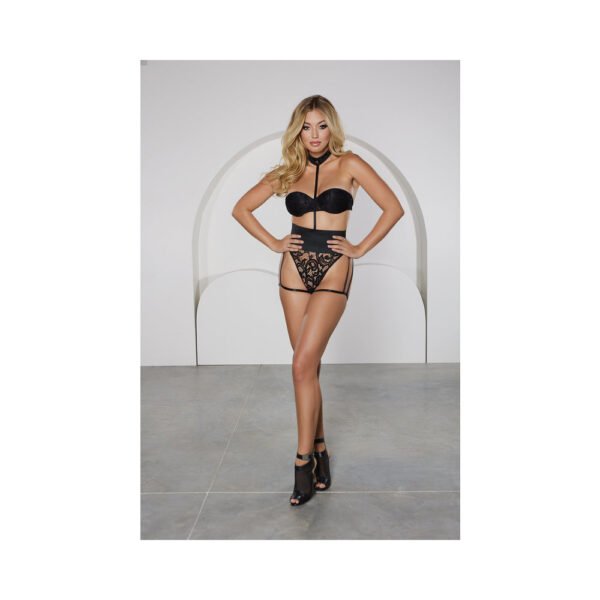
Teddy sets vary quite a bit in what they include. Some come with a matching robe, shrug, or kimono for layering; others include stockings, a garter belt, or a coordinating thong. A smaller number of sets add accessories like pasties, a blindfold, or detachable hardware. The product listing will specify what is in the box, so it is worth reading carefully if you are expecting a complete look rather than just the teddy itself.
Decorative hardware and trim, including pearl strings, chain accents, and embroidered lace, are the parts of a teddy most likely to show wear first. Gentle hand washing and laying flat to dry protects these details far better than machine washing, even on a delicate cycle. Snap closures and hook-and-eye backs are generally durable with normal use, but repeated snagging on lace can weaken the surrounding fabric over time. Storing the teddy flat or loosely folded, rather than compressed in a drawer, also helps trim and structure keep their shape between wears.
The practical construction is often similar: both are one-piece garments that close at the crotch and stay tucked. The difference is mainly in fabric, finish, and intent. Fashion bodysuits are typically made from opaque, structured jersey or cotton meant to be seen under clothes. Lingerie teddies use sheerer, more delicate fabrics like stretch lace, soft mesh, or satin, and are designed with the garment itself as the focal point rather than as a base layer. Some snap-crotch teddies genuinely do double duty, but most are cut and finished for intimate wear first.
Every order from Claim Night ships in plain, unmarked packaging with no indication of the contents on the outside. The name that appears on your billing statement is “XR. LLC,” not Claim Night or any description of what you ordered. Your personal data is never sold or shared. You can order with the same straightforward confidence you would bring to any other purchase.
Helpful guides, product tips, and simple explanations to help you find what feels right.
No account yet?
Create an Account