






Menopause Guide
Menopause and Intimacy: Comfort, Desire, and What Really Helps
Vaginal dryness, thinning tissue, and painful sex after menopause are driven mainly by estrogen decline, a cluster called genitourinary syndrome of menopause (GSM). Most symptoms respond well to non-hormonal moisturizers, lubricants, and pelvic floor tools.

 Perimenopause is the transition; postmenopause begins 12 months after your last period.
GSM causes dryness, itching, lost elasticity, urinary symptoms, and painful sex; it rarely self-resolves.
Daily vaginal moisturizers and on-demand lubricants do different jobs; many people need both.
Vaginal dilators can gently rebuild comfort when penetration has become painful.
Low libido has physical and relational roots; both deserve attention, not shame.
Perimenopause is the transition; postmenopause begins 12 months after your last period.
GSM causes dryness, itching, lost elasticity, urinary symptoms, and painful sex; it rarely self-resolves.
Daily vaginal moisturizers and on-demand lubricants do different jobs; many people need both.
Vaginal dilators can gently rebuild comfort when penetration has become painful.
Low libido has physical and relational roots; both deserve attention, not shame. Brands Featured in This Guide


The Stages of Menopause and Why They Change Intimacy
Menopause unfolds in three stages: perimenopause (the transition), menopause (12 months without a period), and postmenopause. Perimenopause can last several years with irregular cycles, hot flashes, and shifting sleep. Here’s a number worth knowing: in the SWAN study, the median duration of frequent hot flashes and night sweats was about 7.4 years, and longer for many women. So the vasomotor part is not brief for a lot of people. Postmenopause is when genitourinary symptoms often become more persistent. And this is the distinction that matters most: hot flashes tend to fade with time, while genitourinary symptoms often persist or worsen without treatment.
What Is Genitourinary Syndrome of Menopause (GSM)?
GSM is the medical term for vaginal and urinary changes caused by declining estrogen. It replaced the older term “vulvovaginal atrophy” because the changes are broader than the vagina alone. Tissue thins, loses elasticity, produces less natural moisture, and vaginal pH shifts upward. GSM affects roughly half or more of postmenopausal women, and unlike hot flashes, it is chronic and progressive without treatment.
- Vaginal dryness. The most common symptom.
- Itching and irritation. Thinning tissue is more sensitive.
- Loss of elasticity. Can make penetration uncomfortable.
- Dyspareunia. The clinical word for painful sex.
- Lower urinary tract symptoms. GSM also affects the bladder and urethra, which is why some women notice urinary urgency, discomfort, or recurrent urinary tract infections alongside the vaginal changes. It is one syndrome, not two separate problems.
GSM is under-discussed and under-treated. In plain terms: a common, treatable condition that too many women are left to manage alone in silence.
Treating Vaginal Dryness: Moisturizers, Lubricants, and Natural Options
The first-line approach is a regular vaginal moisturizer plus an on-demand lubricant, both non-hormonal and available over the counter. A moisturizer provides ongoing hydration; a lubricant reduces friction at the time of sex. Many women use both, and that combination is a reasonable, evidence-supported starting point.
Choosing a Body-Safe Product
- Water-based lubricants. Condom-safe, easy to clean, may need reapplying.
- Silicone-based lubricants. Longer-lasting; look for medical-grade silicone.
- pH-balanced and isotonic formulas. The WHO advisory guidance points to a vaginal pH near 4.5 and osmolality below 1,200 mOsm/kg, ideally around 380 mOsm/kg, because hyperosmolar products draw water out of and can damage vaginal tissue.
- Glycerin-free, paraben-free, fragrance-free. Fewer irritants for sensitive tissue.
- Hyaluronic acid moisturizers. Draw and hold water in the tissue.
A note on coconut oil: it is not condom-safe and degrades latex. And on estrogen cream: it is a prescription treatment, and we educate rather than prescribe.
Painful Sex After Menopause and How Dilators Help
Vaginal dilators are smooth, graduated inserts that gently rebuild comfort with penetration. You start with the smallest size you tolerate, use them with lubricant, and progress gradually. They are often recommended alongside pelvic floor physical therapy, which addresses the muscular side of painful sex that products alone cannot reach.
Libido, Desire, and Intimacy After Menopause
Lower libido after menopause is real and common, with both physical and relational roots. Pain lowers desire protectively; treating dryness and pain often helps desire recover. Emily Nagoski’s framing of responsive desire is useful here: for many people, arousal can precede desire in the right context, rather than the other way around.
On testosterone: for postmenopausal women with hypoactive sexual desire disorder (HSDD), transdermal testosterone is currently the single evidence-based treatment supported by a global consensus position statement. Worth being honest about the size of the effect, though. A systematic review and meta-analysis (limited to trials of 24 months or less, because longer-term safety data are lacking) found testosterone produced a modest but genuine improvement in sexual desire, arousal, and satisfying sexual events compared with placebo. Modest is the key word. It helps some women meaningfully; it is not a switch that restores desire to a younger baseline. There is also no FDA-approved female testosterone product in the US, so this is prescribed off-label and requires monitoring with a knowledgeable clinician.
The relational side, honestly
Here’s the uncomfortable thing I’ll say up front: the research on couples going through menopause together is thinner than you’d expect. What exists is small, and I want you to hold it as reasonable and human rather than settled.
Start with what happens between two people when desire shifts. Research on desire discrepancy is worth knowing here, because it moves the conversation off the individual and onto the couple. In plain terms: desire discrepancy, the mismatch in how much or what kind of intimacy each partner wants, is linked to greater sexual distress for both people, not only the lower-desire partner. That reframe matters. Discrepancy is one of the most common and normative issues long-term couples face, and it tends to intensify during the menopausal transition as hormones, sleep, mood, and physical comfort shift one partner’s desire trajectory. It is a dyadic pattern shaped by attachment, perceived rejection, and communication style. Not an individual failing. The higher-desire partner often drifts toward felt rejection; the lower-desire partner toward guilt or self-blame. Left unspoken, that loop erodes satisfaction for both.
So the question becomes: what genuinely helps a couple move through it? This is where the evidence gets genuinely thin, and I won’t oversell it. A controlled intervention study of Couples Coping Enhancement Training in menopausal women found that teaching partners to communicate and cope as a unit improved outcomes. It is a single small trial, so treat it as directional rather than proof. But it points the same way the desire-discrepancy work does: how a couple communicates and copes together is a lever, and one you can truly reach.
The takeaway, held honestly: curiosity, open communication, and facing the change as a team tend to help. Framing your partner’s changing body, or your own, as the enemy does not. That last part is body neutrality in practice. You do not have to adore every change, but you can stop treating your body as the problem to be fixed before intimacy is allowed back in.
Surgical and Medical Menopause, Plus a Note for Breast Cancer Survivors
Not all menopause arrives gradually. Surgery that removes the ovaries, chemotherapy, and certain endocrine treatments can bring on menopause abruptly, often with more intense symptoms because the hormonal drop is sudden rather than tapered. GSM in this context can be a defining quality-of-life problem, and it deserves the same attention as any other menopause, and often more.
For breast cancer survivors specifically, this is where the evidence gets genuinely nuanced and I want to be careful. Non-hormonal moisturizers and lubricants are the appropriate first step. When those are not enough, low-dose vaginal estrogen delivers minimal systemic absorption and is the most effective treatment for GSM tissue changes. Clinical guidance and a 2025 recurrence meta-analysis position it as a reasonable second-line option after non-hormonal therapies fail, with the decision made together with a woman’s oncologist and gynecologist. Here is the honest hedge: most reassuring data comes from observational studies, not randomized trials, and one genuine open question is women concurrently taking aromatase inhibitors, where some data suggest a signal worth discussing that does not appear the same way for tamoxifen users. This is precisely the kind of decision that belongs in a shared conversation with your oncology team, not a blanket rule from a web page.
How Systemic Hormone Therapy Fits In
Systemic menopausal hormone therapy is a separate topic from the vaginal products above, and it addresses different symptoms, hot flashes and night sweats chief among them. The “timing hypothesis” (initiating therapy under age 60 or within 10 years of menopause) has strong guideline support for a more favorable benefit-risk balance in that window. In November 2025 the FDA moved to remove certain boxed warnings on hormone therapy products. Any decision here belongs with your prescribing clinician, who can weigh your history against the evidence.
Products for Menopause Comfort and Care
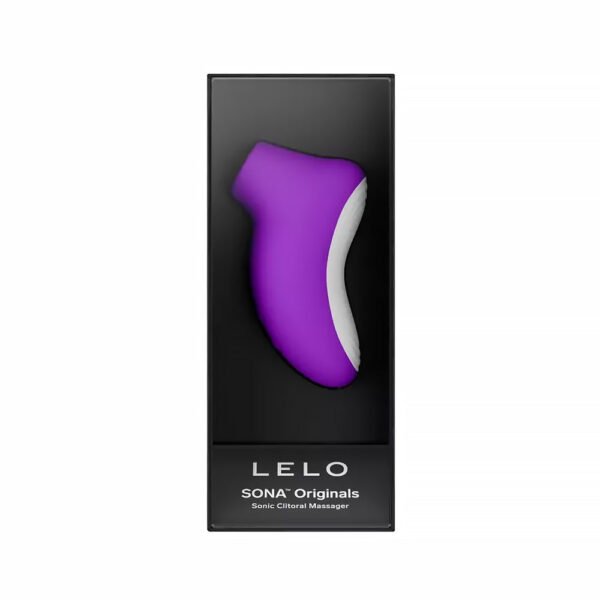
These picks bring together the moisturizers, lubricants, dilators, and arousal aids covered above, grouped so you can find what fits where you are right now.
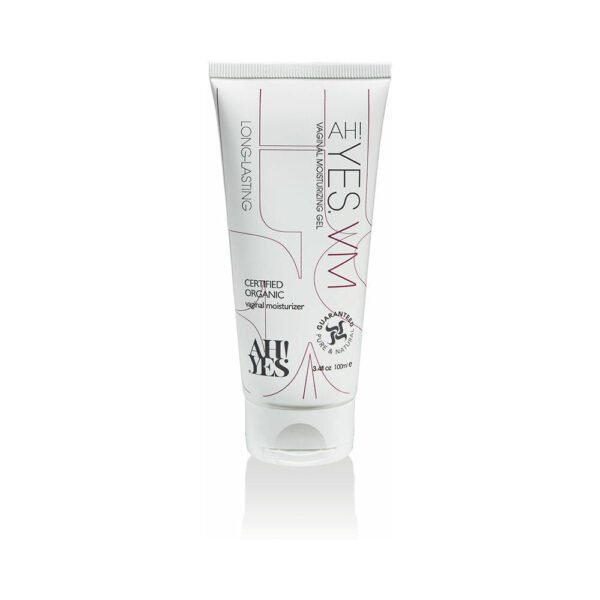
- Water-based, hormone-free
- pH-matched to vaginal tissue (3.5–4.5)
- Iso-osmotic, aligns with WHO guidance
- Regular use, not just before sex
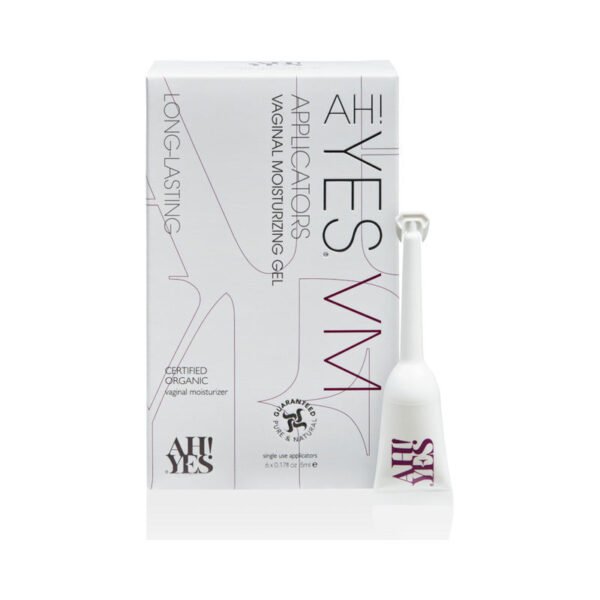
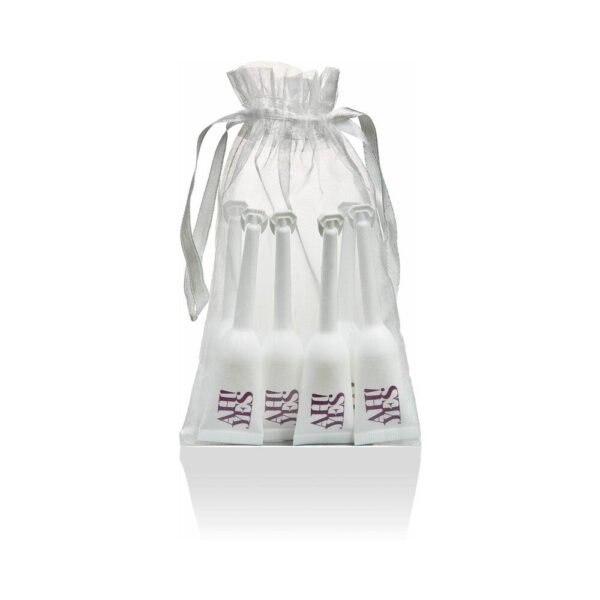
- Pre-filled for measured internal use
- Same pH-matched, hormone-free gel
- Mess-reduced application
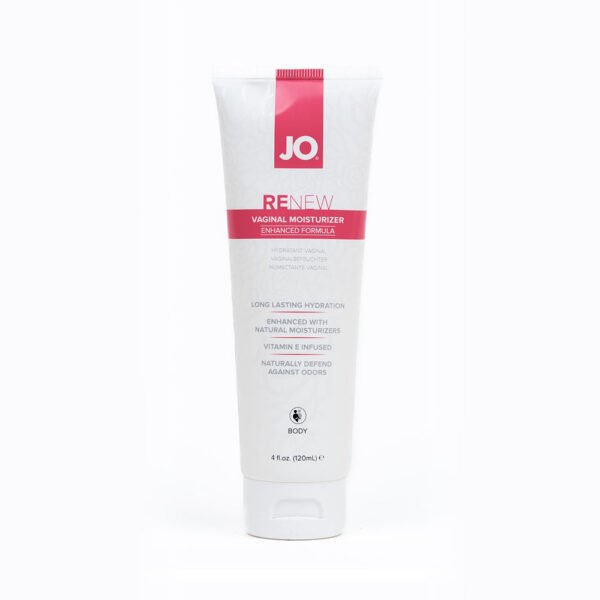
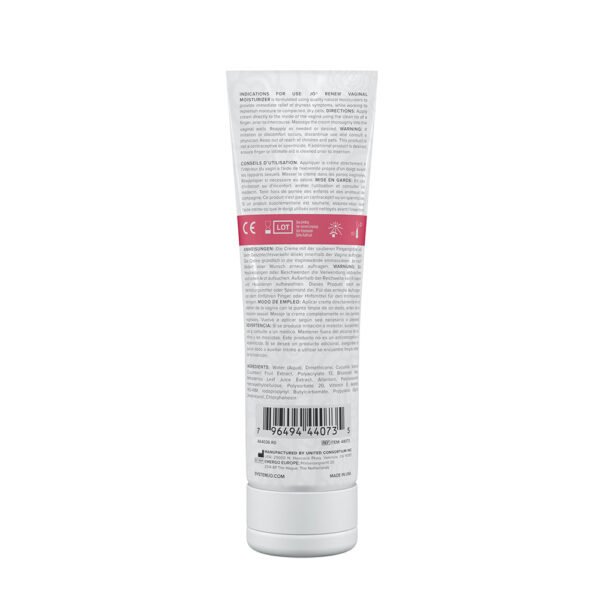
- Non-hormonal daily moisturizer
- Cream texture
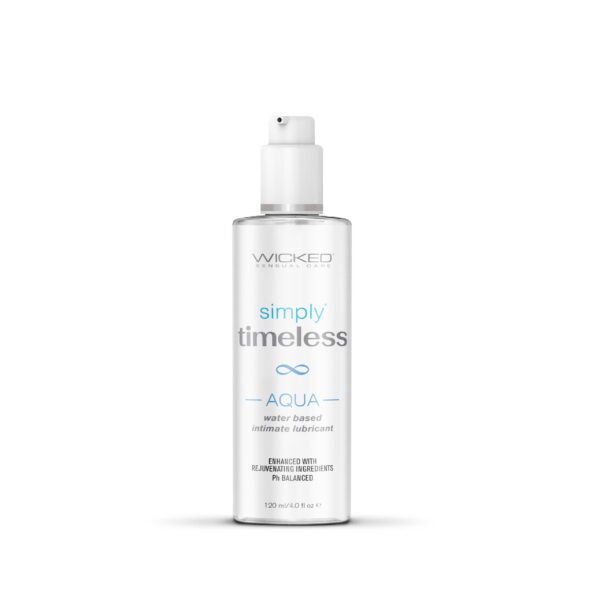
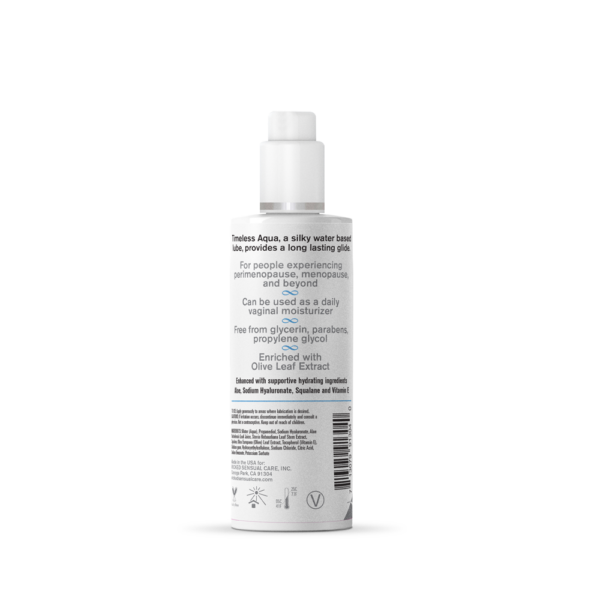
- Water-based, easy to clean
- Condom- and toy-safe
- Gentle for daily use
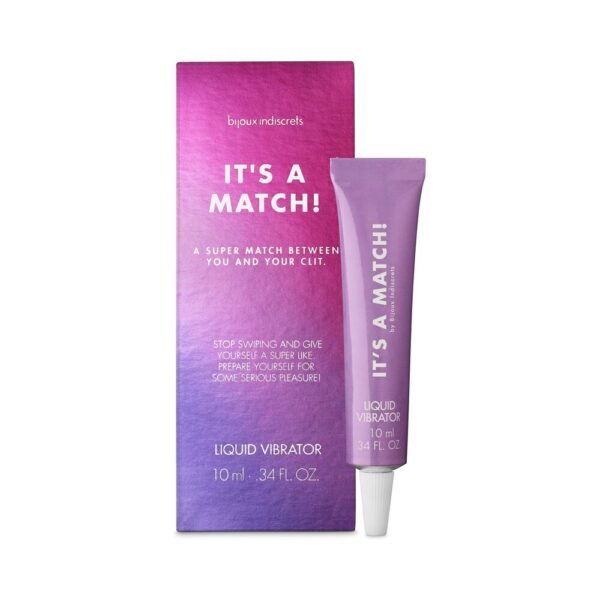
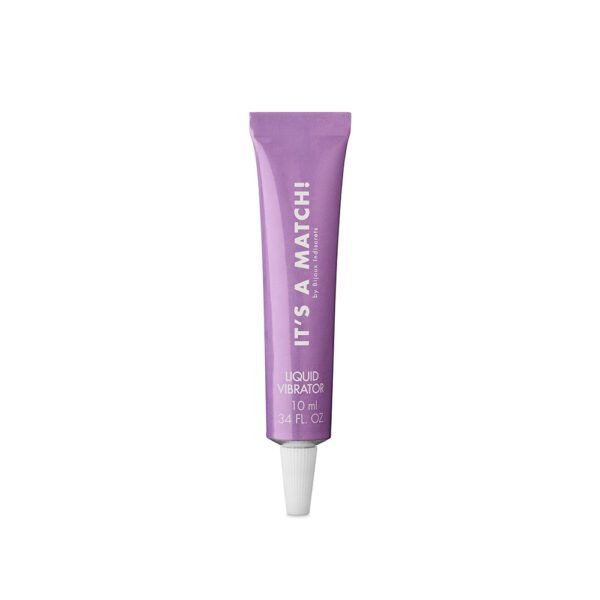
- Fast-absorbing tingling serum
- For clitoral stimulation
- Travel size
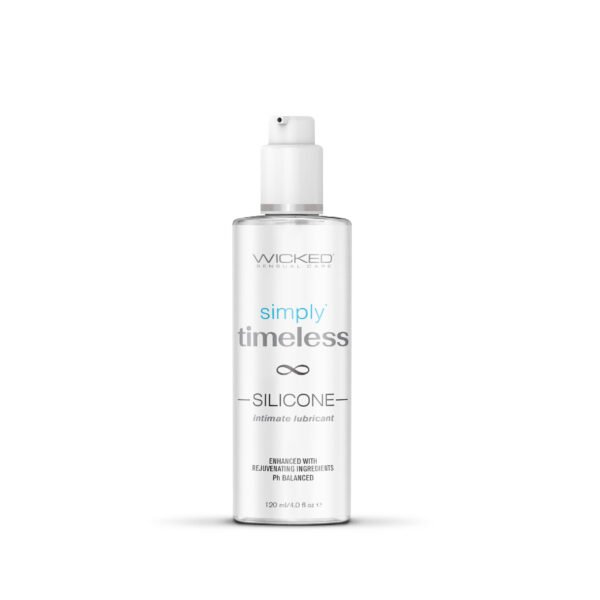
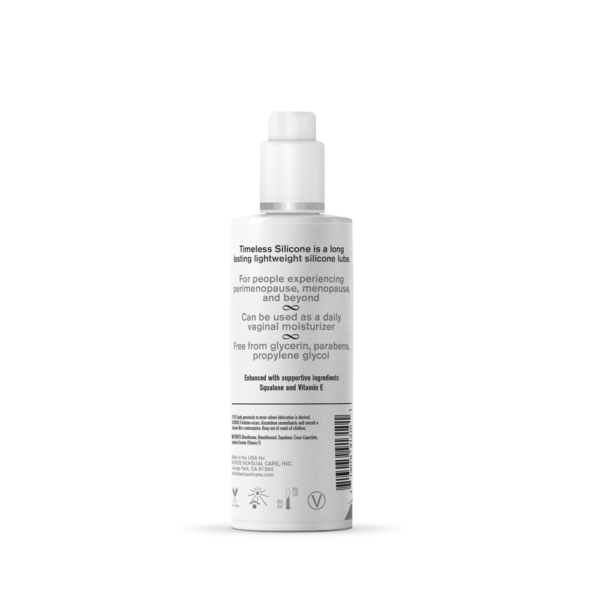
- Long-lasting, cushioning
- Strong pick for pronounced dryness
- Good for longer sessions
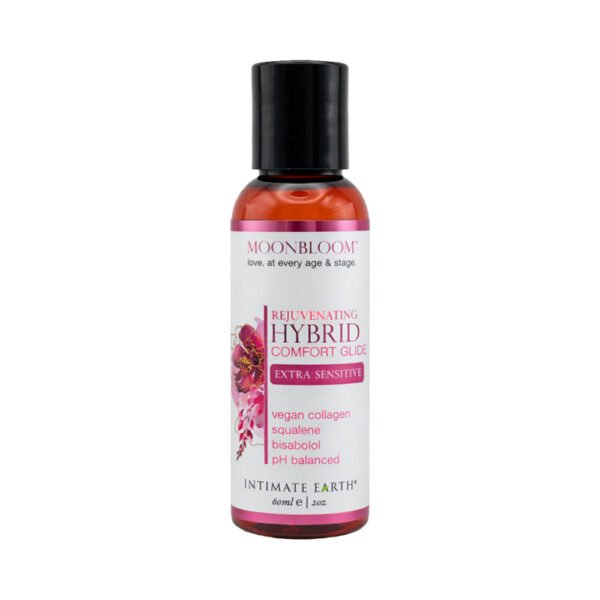
- Hybrid formula
- Designed for sensitive tissue
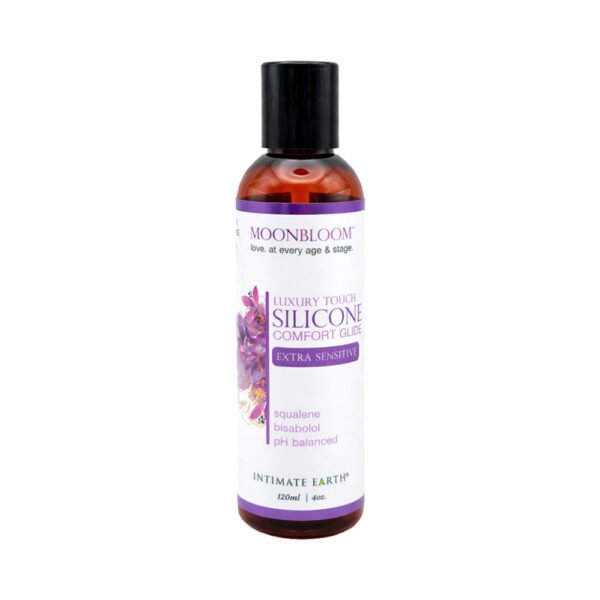
- Silicone formula
- Aimed at reactive, sensitive tissue
- Long-lasting
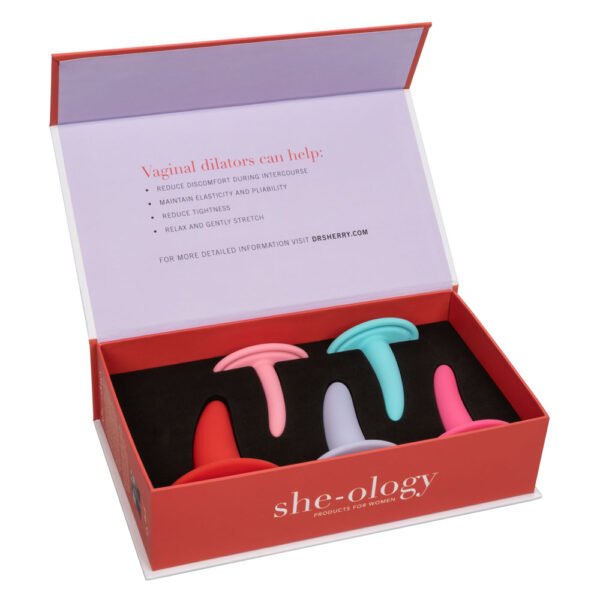
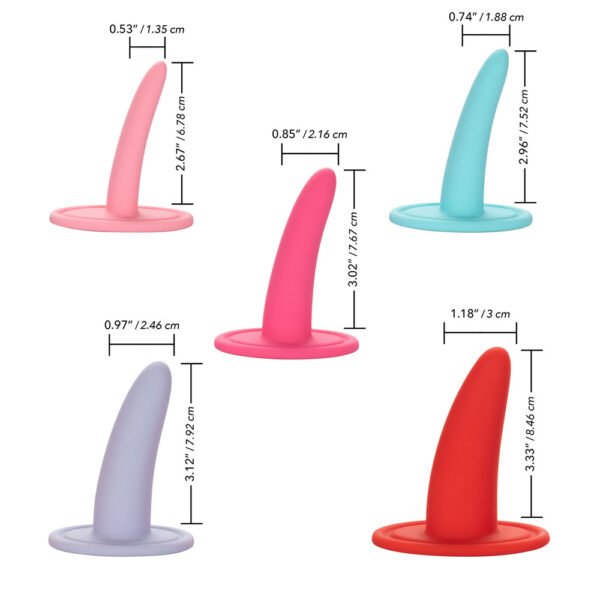
- Five graduated sizes
- Gradual, well-spaced progression
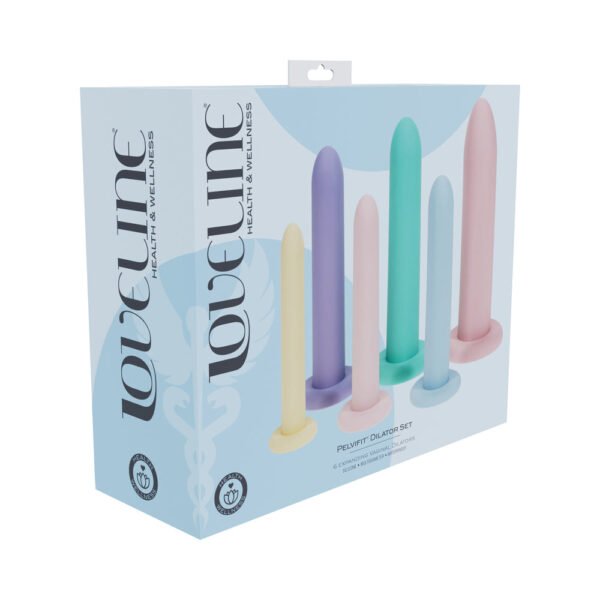
- Six pieces, finer steps between sizes
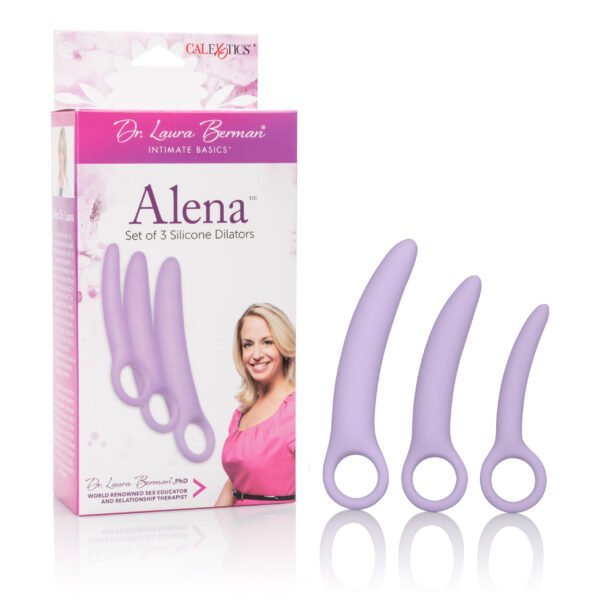
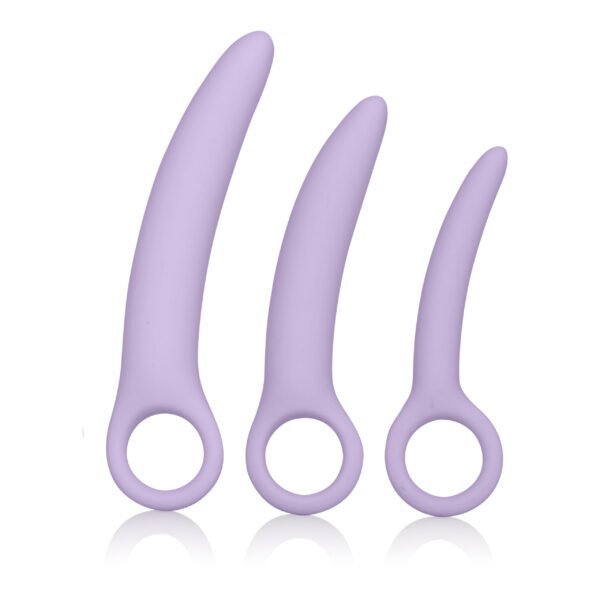
- Compact three-piece set
- Clinician-fronted line
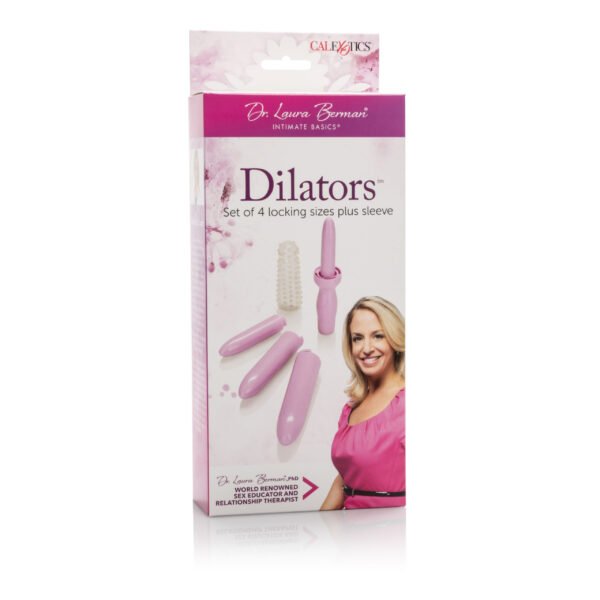
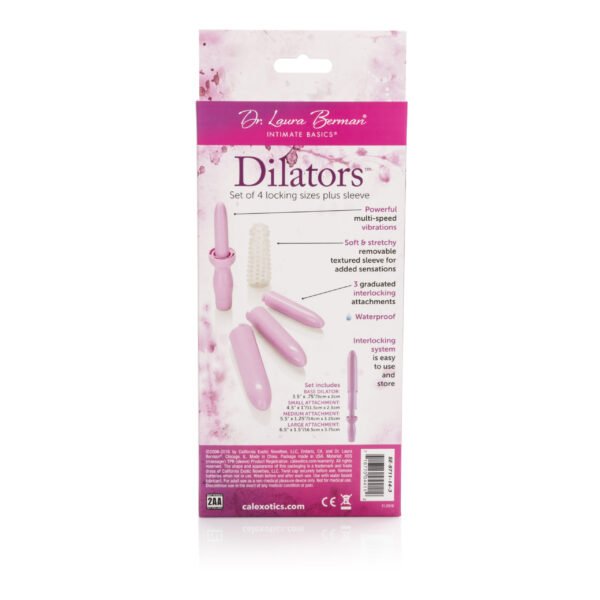
- Four-piece set
- Adds a warming, relaxing massager
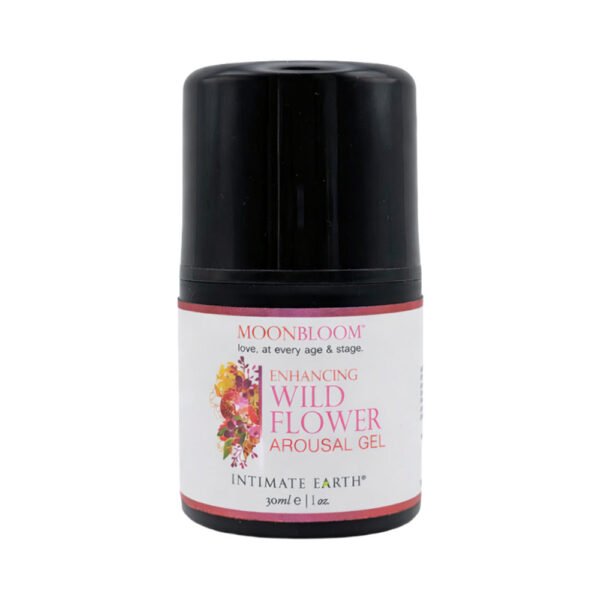
- Topical gel to heighten sensation
- Supports blood flow
- Patch-test first
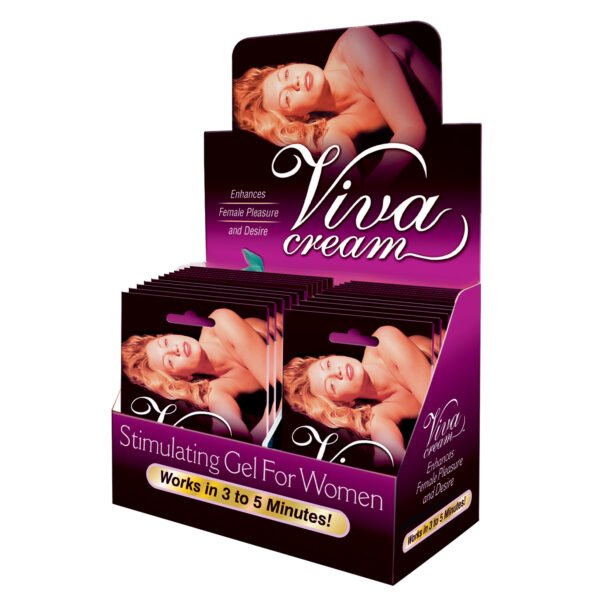
- Non-sticky herbal gel
- Herbal extracts, vitamins, amino acids
- Formulated to support sensitivity
Best Brands for Menopause-Related Dryness & Discomfort
These brands specialize in menopause-friendly intimate care, with formulas built for delicate tissue.

An American natural intimate-care brand founded in 2008 (as Intimate Organics, renamed Intimate Earth in 2016). It uses certified organic botanical extracts and paraben-free formulas, and its Moonbloom line is developed specifically for menopause and perimenopause.

Founded in 2003 by Wendy Strgar in Eugene, Oregon, and now a certified B Corp specializing in organic, pH-balanced intimate care. The brand is built on vaginal-microbiome science, with patented Bio-Match technology designed to mirror the body’s natural pH and osmolality.

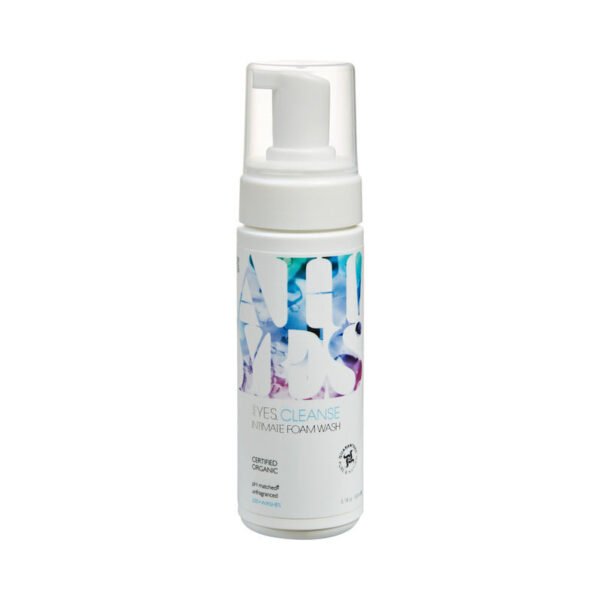
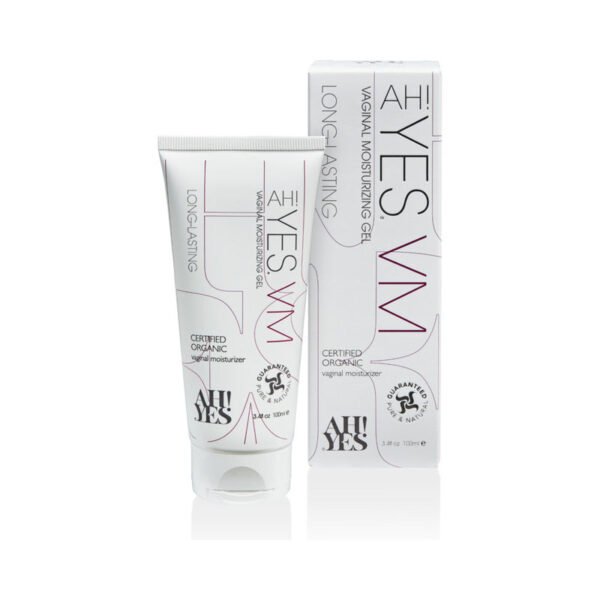
A British brand (YES YES YES Ltd) of certified organic intimate care, certified by the Soil Association, one of the strictest organic standards in the UK. Its plant-based formulas are free from parabens, glycerin, hormones, silicone, and propylene glycol, and are vegetarian and almost entirely vegan. AH! YES has built a reputation for clean, minimal formulas with a clear intimate-health focus.

A sexual wellness company based in Valencia, California. Its first formula launched in 1999 as a private-label product for gynecologists, then went direct to consumers in 2003. Everything is made in the USA in an FDA-registered facility, and its formulas are dermatologically tested, paraben-free, and vegan-friendly. The brand is known for keeping its clinically oriented moisturizer line distinct from its play products.