







Responsive desire is a pattern of sexual interest in which desire does not arrive on its own, unprompted, but shows up in response to stimulation, context, touch, or intimacy that has already begun. It is the opposite of spontaneous desire, where arousal seems to appear out of nowhere before any physical contact takes place.
The distinction comes from sex researcher Rosemary Basson’s circular model of female sexual response, later popularized by Emily Nagoski in her research-based work on women’s sexuality. Basson proposed that for many people, especially women in longer-term relationships, the traditional linear model (desire leads to arousal leads to sex) does not reflect lived experience. Instead, desire can follow arousal rather than precede it. Neither pattern is disordered. Both are well within the normal range of human sexual response.
Responsive desire is not low libido. It is a style of desire, not a deficiency.
Why this matters when choosing toys and planning intimacy
If you have a responsive desire pattern, waiting to feel “in the mood” before initiating anything can become a self-defeating loop. The arousal never starts because nothing started it. Understanding your own pattern means you can work with it deliberately: create the conditions for arousal first, and let desire follow from there.
This is where sensory input, vibration, novelty, and physical touch earn their practical value.
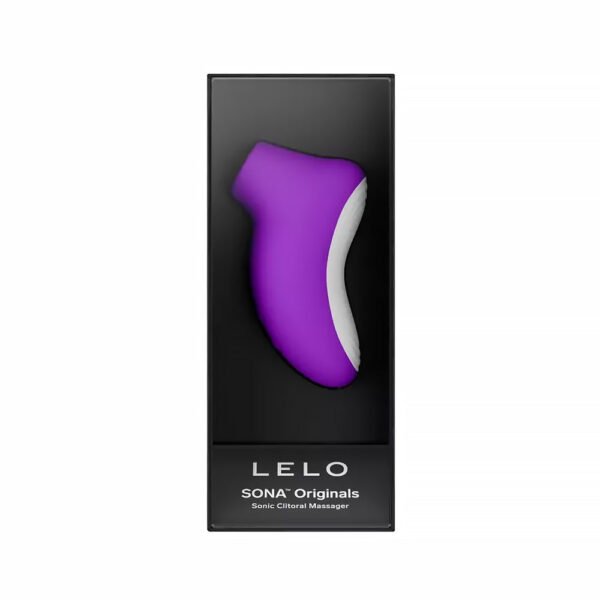
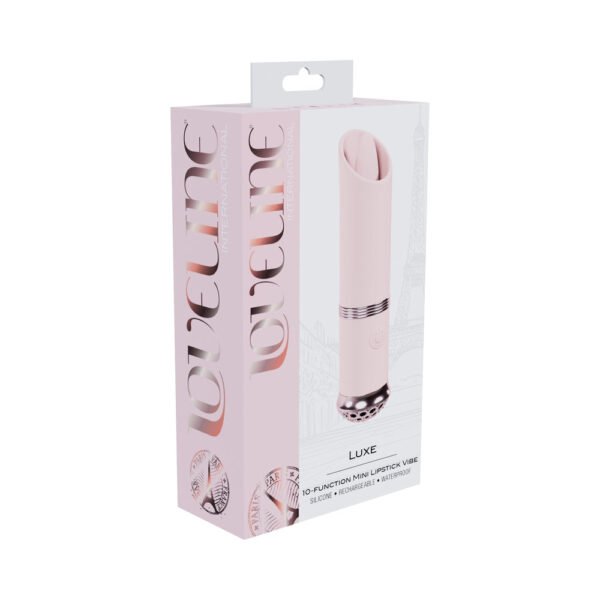
- Clitoral stimulation. Direct, consistent external stimulation is among the most reliable arousal triggers for people with vulvas, according to research by Debby Herbenick and colleagues at the Kinsey Institute. A clitoral vibrator or massager lowers the threshold for arousal without requiring desire to be present first.
- Couples-use toys. Responsive desire often has a relational component: arousal builds through proximity, connection, and shared sensation. A couples vibrator used during partnered activity can create exactly the physical input that moves someone from neutral to interested.
- Arousal gels and topical products. Warming or tingling gels increase local blood flow and sensitivity, which can function as an on-ramp when desire is slow to show up on its own.
- Low-pressure starting points. Because responsive desire requires less internal urgency and more environmental cue, a gentle, approachable toy (soft materials, variable speeds) tends to suit the pattern better than something intense and goal-oriented.
Responsive Desire and Desire Discrepancy in Relationships
When one partner has predominantly spontaneous desire and the other has predominantly responsive desire, it often looks like a libido mismatch. The spontaneous-desire partner assumes their partner “just doesn’t want sex.” The responsive-desire partner may genuinely feel nothing before things begin and then wonder, mid-encounter, why they were so hesitant earlier.
Research on desire discrepancy consistently shows this dynamic erodes relationship satisfaction over time, primarily through felt rejection on one side and guilt or self-blame on the other. Naming the pattern often defuses it. When both partners understand that responsive desire is a real, normal variation, the conversation shifts from “why don’t you want me?” to “what helps you get there?”
Practically, this can mean agreeing to start intimacy before waiting for equal enthusiasm, treating desire as something that gets built rather than something that has to exist in advance.