









Anorgasmia is the medical term for persistent difficulty reaching orgasm, or the complete absence of orgasm, despite adequate sexual stimulation and arousal. It is one of the most commonly reported forms of female sexual dysfunction, and it is worth naming plainly: it is not a personal failing, a character flaw, or evidence that something is permanently broken. It is a recognized clinical condition with identifiable causes, most of which are addressable.
The DSM-5 classifies it formally as Female Orgasmic Disorder, defined as a marked delay in, infrequency of, or absence of orgasm, or a marked reduction in orgasm intensity, persisting for at least six months and causing personal distress. That “personal distress” qualifier matters. If you never orgasm but it does not bother you, the clinical label does not apply.
Types of anorgasmia
Understanding which type applies shapes what approaches are actually worth trying.
- Primary (lifelong) anorgasmia. The person has never experienced an orgasm under any circumstances. This is often linked to limited self-knowledge, insufficient stimulation type, or deeply ingrained anxiety around sex.
- Secondary (acquired) anorgasmia. Orgasms were previously achievable but are no longer. A new medication (particularly SSRIs), hormonal change, illness, injury, or a significant psychological shift is frequently the cause.
- Situational anorgasmia. Orgasm is possible in some contexts but not others, for example during solo stimulation but not with a partner, or only with a specific type of stimulation. This is by far the most common presentation.
- Generalized anorgasmia. Absence of orgasm across all situations and with all partners. Less common and more often tied to a physiological or pharmacological factor.
What actually causes it?
Causes cluster into three categories that often overlap.
Physiological factors include hormonal shifts (particularly the estrogen decline of perimenopause and menopause, which can reduce genital sensitivity), pelvic nerve damage from surgery or injury, chronic illness such as multiple sclerosis or diabetes, and anatomical variation in clitoral position relative to the vaginal opening.
Pharmacological factors are significant and widely underreported. Research published in peer-reviewed literature consistently shows that SSRI and SNRI antidepressants cause delayed or absent orgasm in a substantial proportion of users, with some studies estimating rates between 40% and 70% depending on the specific drug and how questions are asked. This is a physiological effect, not a psychological one. Other medications including antihistamines, antihypertensives, and antipsychotics carry similar risks.
Psychological and contextual factors include performance anxiety, shame or guilt around sex, a history of trauma, relationship conflict, distraction, and what sex researcher Emily Nagoski describes as “brakes” in the dual control model: internal inhibition that is simply stronger than excitation in the current context. Spectatoring, watching yourself from outside rather than staying inside the experience, is one of the most common and least discussed contributors.
Why stimulation type matters more than most people expect
A large portion of situational anorgasmia comes down to a mismatch between the stimulation being applied and the stimulation the body actually needs. Research by Debby Herbenick and colleagues at the Kinsey Institute has consistently found that the majority of people with vulvas require direct, consistent clitoral stimulation to reach orgasm, and that penetration alone produces orgasm for a minority. This is not dysfunction. It is anatomy.
The internal clitoris is a larger structure than its external tip suggests, with two internal crura and two vestibular bulbs that surround the vaginal canal. What gets called a “vaginal orgasm” is almost always clitoral stimulation via internal pressure. Knowing this matters because it shifts the question from “what is wrong with me” to “what kind of stimulation have I actually been trying.”
Sex toys and anorgasmia: what the research and clinical context support
Sex toys do not treat anorgasmia as a medical intervention. What they can do is meaningfully expand the range of stimulation available during exploration, both solo and partnered, which is directly relevant to the most common underlying factor: insufficient or wrong-type stimulation.
Sex educators and clinicians working in sexual health frequently recommend vibrators as a starting point for people experiencing orgasm difficulties, particularly those who have never orgasmed. The reasoning is practical: vibrators deliver consistent, precise, adjustable stimulation that hands alone cannot replicate for most bodies. Research on women’s masturbation habits supports the link between self-exploration and orgasm frequency with partners.
A few practical considerations:
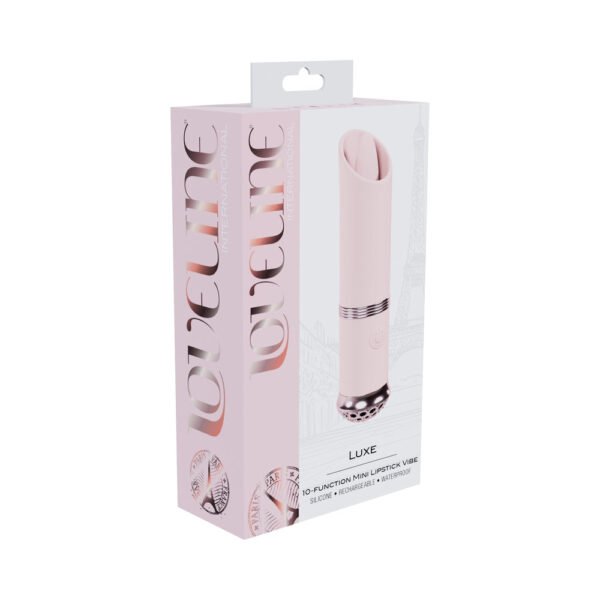
- Clitoral vibrators and stimulators. For most people with vulvas, starting with external clitoral stimulation is the most direct route. Adjustable intensity matters here; the right pressure and speed varies significantly between individuals.
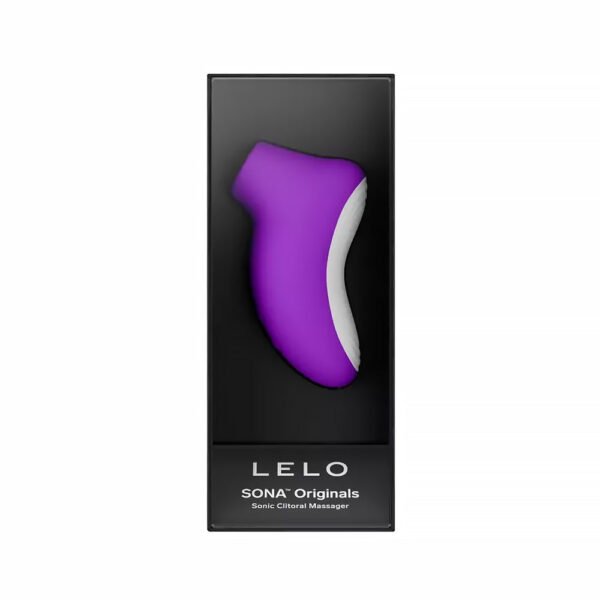
- Air-pulse or suction-style toys. These work differently from standard vibration and some people find this type of stimulation more effective when vibration alone has not produced results. They mimic oral stimulation mechanics.
- Wand vibrators. Higher intensity, broader contact area. Frequently recommended in clinical sex therapy contexts for anorgasmia precisely because the stronger stimulation can reach people who need more input to cross the threshold.
- Rabbit-style or blended stimulation toys. Combine clitoral and internal stimulation simultaneously, worth exploring once you know what external stimulation feels like on its own.
One honest note: introducing a toy under pressure to “finally orgasm” can backfire. The goal-oriented mindset is itself a brake. Using a toy as a tool for learning what your body responds to, without attaching an outcome to the session, is a different and more productive frame.
When to talk to a healthcare provider
A sex toy is not a substitute for medical evaluation when anorgasmia is acquired (it developed after a period of normal function), when it coincides with a new medication, or when it is accompanied by pain, numbness, or significant distress. In those cases the cause is more likely physiological or pharmacological and deserves clinical attention. A pelvic floor physical therapist, gynecologist, or certified sex therapist are the appropriate starting points depending on what the underlying picture looks like.