









An orgasm is a peak physiological and psychological response to sexual stimulation: a brief, intensely pleasurable release of accumulated neuromuscular tension, accompanied by rhythmic contractions of the pelvic floor muscles, a surge in heart rate and blood pressure, and a wave of neurochemicals including dopamine and oxytocin. It is the “O” in Masters and Johnson’s four-stage sexual response cycle (excitement, plateau, orgasm, resolution), and it is far more variable in how it looks, feels, and happens than most mainstream coverage suggests.
What actually happens in the body
The physical mechanics are consistent across anatomies: rhythmic muscular contractions (typically at 0.8-second intervals), vasocongestion releasing, and a central nervous system response that briefly suppresses the prefrontal cortex. That last part is not a metaphor. Brain imaging studies show significantly reduced activity in areas governing self-monitoring and anxiety during orgasm, which goes a long way toward explaining why psychological state matters so much for getting there.
The clitoris is the primary orgasm organ for people with vulvas. Its full internal structure, including the vestibular bulbs and crura that extend several inches internally, means that stimulation described as “vaginal” or “G-spot” orgasm very likely involves the internal clitoral complex rather than the vaginal wall itself. This is not a new idea: the anatomy has been documented in peer-reviewed literature, most thoroughly in work published in the Journal of Sexual Medicine.
For people with penises, orgasm and ejaculation are separate events controlled by different neurological pathways; they can occur independently, which is relevant for tantric practice and for some prostate stimulation techniques.
How toys fit in
The research is unambiguous on one point: direct or near-direct clitoral stimulation is the most reliable pathway to orgasm for people with vulvas. Debby Herbenick’s large-scale survey work (Indiana University / Kinsey Institute) found that roughly 37% of women reported needing clitoral stimulation to reach orgasm during sex, while only about 18% said penetration alone was sufficient.
That data shapes how to think about toy selection:
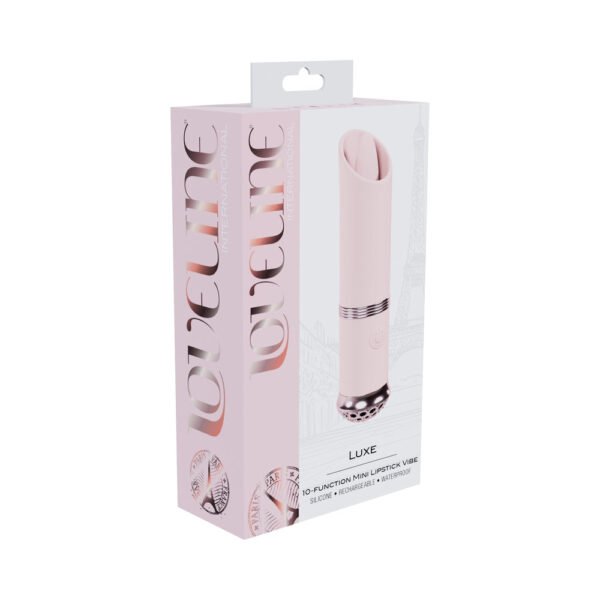
- Clitoral vibrators and stimulators. The most straightforward category for solo orgasm exploration. Focused external stimulation, adjustable intensity, and (in the case of air-pulse/suction designs) a qualitatively different sensation from standard buzz.
- G-spot vibrators. Curved to reach the anterior vaginal wall where the internal clitoral complex lies. Many people describe G-spot stimulation as producing a fuller, more diffuse orgasm than external-only contact.
- Wand vibrators. High-amplitude, broad-surface vibration. Historically the category most associated with reliable orgasm for people who find pinpoint stimulation insufficient on its own.
- Couples vibrators and cock rings with clit stimulators. Add external clitoral contact during penetration without interrupting flow. Practically useful given that partnered penetration alone has a comparatively low orgasm rate for people with vulvas.
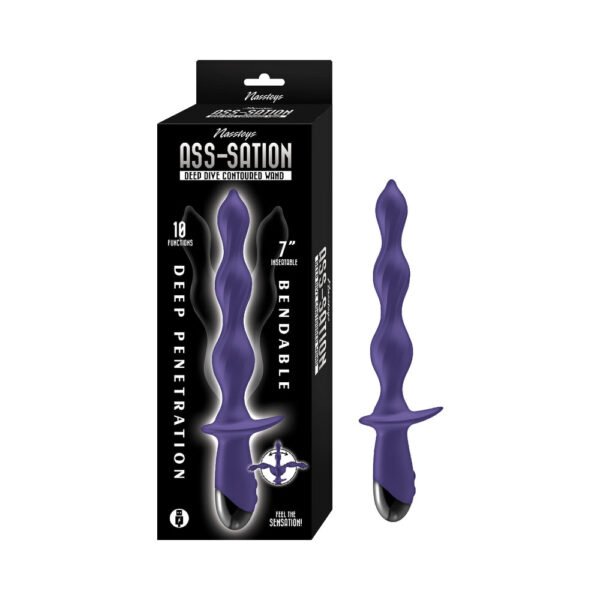
- Prostate massagers. For people with prostates, the prostate (sometimes called the “male G-spot”) is densely innervated and can produce orgasm independently of penile stimulation. A distinct category worth understanding on its own terms.
The orgasm gap, self-knowledge, and what the data says
The “orgasm gap” refers to the consistent, well-documented disparity in orgasm frequency between men and women during heterosexual sex. Research published in the Archives of Sexual Behavior (Frederick et al., 2018) found that 95% of heterosexual men reported usually or always orgasming during sex, compared with 65% of heterosexual women. Lesbian women reported orgasming 86% of the time, a figure that tracks closely with data showing they are more likely to engage in extended clitoral stimulation.
The gap is not anatomical. It is behavioral, communicative, and informational. Three factors show up consistently in research as predictors of higher orgasm frequency for women:
- Self-knowledge. Women who masturbate regularly and know what stimulation works for their body report significantly higher orgasm rates with partners. A 2019 study in the Journal of Sex Research found that adolescent self-stimulation was associated with more frequent orgasm in partnered sex later in life.
- Communication. Explicitly asking for or directing the stimulation that works. Research consistently shows that women who ask for what they want during sex are more likely to get it and more likely to orgasm.
- Duration and variety of stimulation. Longer encounters with more varied touch, including manual and oral, are associated with higher orgasm rates. The “just penetration” model is simply not well matched to how the majority of vulvas function.
This is the practical case for solo exploration before partnered sex, and for clitoral vibrators and G-spot vibrators as tools for building that self-knowledge.
Is not orgasming during sex a problem?
Statistically, it is common. Clinically, it is a problem only when it causes personal distress. The diagnostic category is anorgasmia (or female orgasmic disorder), defined by the DSM-5 and the International Classification of Diseases as the absence or marked delay of orgasm that causes significant distress to the individual. By definition, frequency alone is not the criterion: distress is.
For people who want to orgasm more easily or consistently, the evidence-based starting points are self-exploration, reducing performance anxiety (the prefrontal cortex suppression mechanism works against you when you are anxiously monitoring yourself), and adjusting what kind of stimulation is involved. Pelvic floor physical therapy and, where relevant, hormonal evaluation are clinical options when the issue is physical rather than psychological. Neither of those is something a toy alone will address, and that is worth saying plainly.