








The refractory period is the post-orgasm recovery phase before a person can become fully aroused or orgasm again. After orgasm, the body does not immediately reset: there is a window of time during which arousal is physiologically difficult or impossible to rebuild. It is a normal part of the sexual response cycle described by Masters and Johnson, and it varies enormously between individuals.
The short version: it is real, it is not the same for everyone, and understanding it changes how you approach partnered sex and toy use.
Why the refractory period feels so different depending on the body
The refractory period is driven primarily by neurochemical shifts after orgasm. A spike in prolactin, along with rises in serotonin and oxytocin, suppresses dopamine-mediated arousal. In people with penises, this suppression is typically pronounced and tied to the resolution of erection: the refractory period can range from a few minutes in younger adults to 12–24 hours or longer as testosterone levels and vascular response change with age.
In people with clitorises, the neurochemical pattern is similar but the peripheral physiology is different. Clitoral tissue does not lose engorgement as abruptly, and many people with a clitoris can sustain or quickly resume arousal after orgasm, which is the physiological basis for multiple orgasms in that group. Research from the Kinsey Institute confirms that multiple sequential orgasms are far more commonly reported by people with clitorises than by people with penises.
This asymmetry is not a performance gap. It is anatomy. The mistake is treating one pattern as the baseline for both.
How the refractory period affects partnered sex, and where toys come in
The practical challenge in partnered sex is a timing mismatch: one partner may be ready to continue while the other is in a genuine recovery window. Toys solve a specific problem here. They keep stimulation available for whoever is ready, without requiring the partner who is recovering to perform.
- Vibrating cock rings. A cock ring with a clitoral stimulator maintains genital contact and keeps stimulation going for a vulva-owner while their partner recovers. The ring itself can also help maintain or sustain erection for a penis-owner in the early refractory phase when erection has softened but arousal is returning.
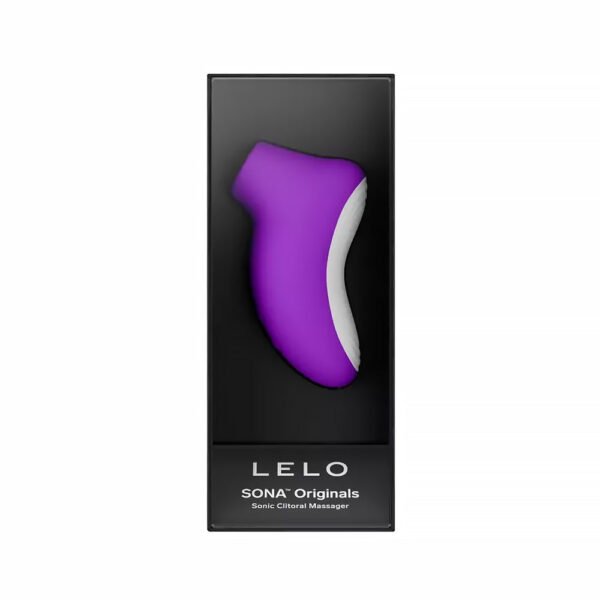
- Clitoral vibrators used solo during a partner’s recovery window. A focused external vibrator lets one partner continue building toward a second orgasm while the other rests, so the encounter does not simply end when the first orgasm occurs.
- Couples vibrators worn during penetration. These distribute stimulation across both partners and can be adjusted in intensity, making it easier to modulate input as the refractory phase resolves.
The goal is not to race through recovery. It is to match the toy’s input to the body’s current state.