


Article
Beginner Butt Plug Guide: What a Butt Plug Is, How It Works, and How to Use One Safely04/03/2026

Deals
Bestsellers
+39
Most-Loved Picks
Customer favorites for comfort, care, and everyday pleasure
Shop BestsellersSale · up to 40% off

+895
Soft Savings
Limited-time offers on body-safe essentials and feel-good favorites
View SaleSeasonal edit


+268
Seasonal Comfort Edit
Curated picks for holidays, date nights, gifting, and cozy nights in
Explore the EditFeatured
 Discreet Packaging
  Secure Checkout
  Body-Safe Materials
 Hemp products for intimacy are formulated around cannabis sativa seed oil or hemp-derived CBD as their active plant ingredient, which sets them apart from conventional synthetic lubricants and body oils. The seed oil is rich in omega-3 and omega-6 fatty acids; CBD extracts vary by concentration and source.
Two things matter most at the point of choosing. First, base type: oil-based hemp formulas are not compatible with latex condoms or silicone toys, while water-based hemp lubes are. Second, check whether the product is THC-free and third-party tested, since that confirms both purity and that no psychoactive compounds are present.
Hemp products for intimacy sit within a broader category of plant-based options that includes coconut oil, silicone-based formulas, and water-based lubes. Each has a different feel, a different ingredient story, and real practical differences that affect how and when you use them. The distinctions are worth knowing before you choose.
Both come from the same plant, but they are not the same thing. Hemp seed oil is cold-pressed from the seeds and contains no cannabinoids. CBD is extracted from the plant’s flowers and leaves, and a CBD lube carries a measured concentration of cannabidiol in its formula. Hemp seed oil contributes fatty acids and a light conditioning quality; CBD formulas are built around the CBD itself, with carrier oils added for texture and glide. Neither contains THC in a properly tested product. If the cannabinoid content matters to you, check the label for a certificate of analysis rather than relying on marketing language.
Coconut oil is heavier, solidifies at room temperature, and has a distinct scent that some people find pleasant and others find overpowering. Hemp seed oil stays liquid, absorbs more readily, and has a much milder, almost neutral smell. Both are oil-based, so neither is safe with latex condoms. The more meaningful difference is vaginal pH: oil-based products of any kind can disrupt the vaginal microbiome with repeated internal use, and coconut oil has a higher lauric acid content that some people find more irritating. Hemp seed oil’s fatty acid profile is closer to skin’s own lipid structure, which is why it tends to sit well on sensitive skin.
A water-based hemp lube and an oil-based hemp formula feel noticeably different. Water-based versions are lighter, rinse away easily, and are fully compatible with latex and polyurethane condoms as well as silicone toys. Oil-based hemp formulas feel richer and last longer without reapplication, which makes them a natural fit for massage that transitions into intimacy. The trade-off is cleanup: oil takes more effort to wash off skin and bedding, and it will degrade latex. If condom compatibility is a factor for you, a water-based lube with hemp seed oil is the straightforward answer.
Silicone lubricants are longer-lasting than any oil and feel distinctly silky rather than nourishing. They do not absorb into skin the way hemp oil does, which means they sit on the surface and require soap to remove fully. Hemp oil absorbs gradually, conditions as it goes, and works well as a dual-use massage and intimate product. The critical difference for toy users: silicone lubes can damage silicone toy surfaces over time, while oil-based hemp formulas are safe with most non-silicone materials. Neither option suits latex condoms, so if barriers are part of your routine, a water-based formula is the better starting point regardless of which plant ingredient you prefer.
The right choice comes down to two practical questions: what base type fits your situation, and what role you want hemp to play in the formula. A few clear criteria make that decision straightforward.
Base type and condom compatibility tend to be the deciding factor for most shoppers, but scent, CBD concentration, and format all matter depending on how you plan to use the product.
The table below compares a representative selection of hemp products across the specs that matter most for choosing, including base type, CBD content, volume, and scent.
| Product | Base type | CBD content | Volume | Scent | Vegan |
|---|---|---|---|---|---|
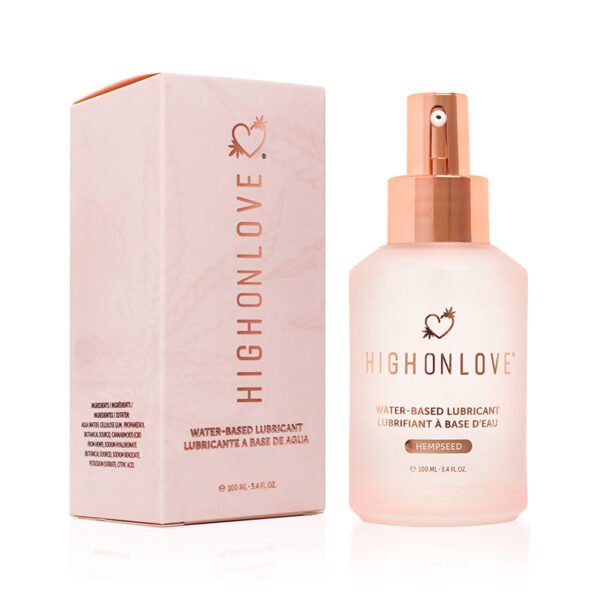
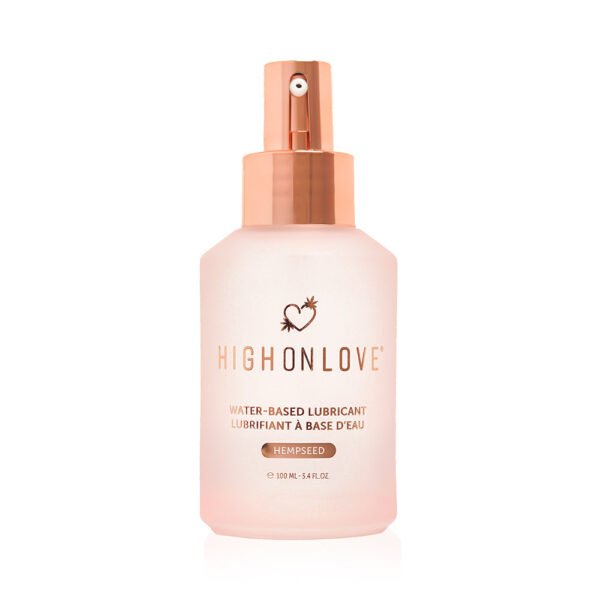
| HighOnLove Hempseed Water-Based Personal Lubricant | Water-based | No CBD (hemp seed oil) | 3.4 fl oz | Fragrance-free | Yes |
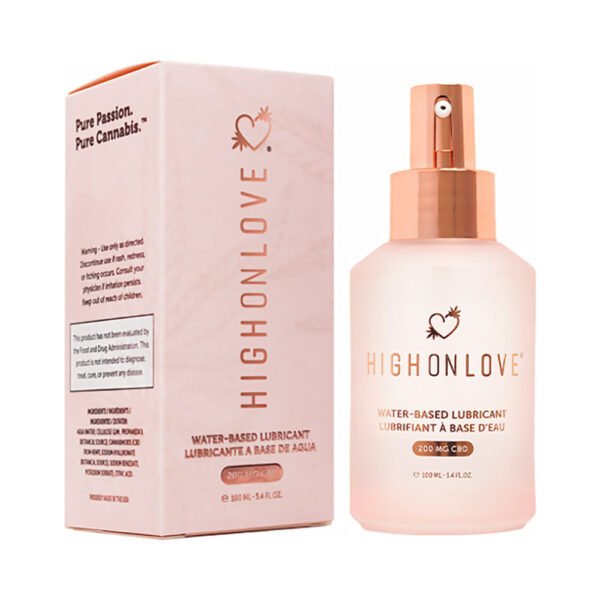
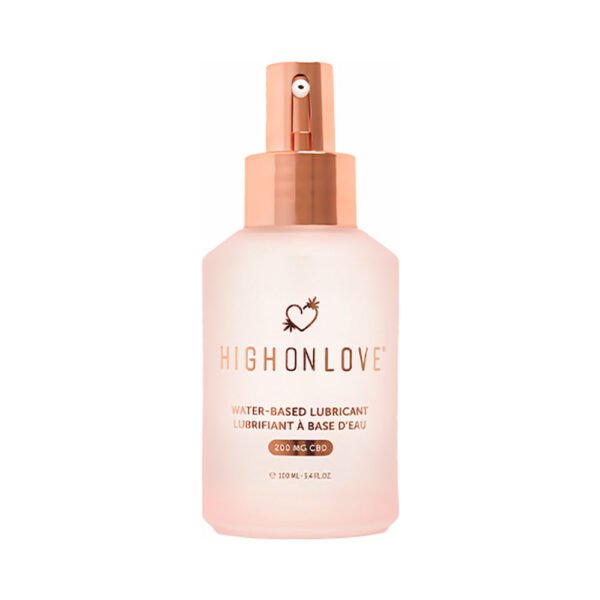
| HighOnLove CBD Water-Based Personal Lubricant | Water-based | 200 mg CBD | 3.4 fl oz | Fragrance-free | Yes |
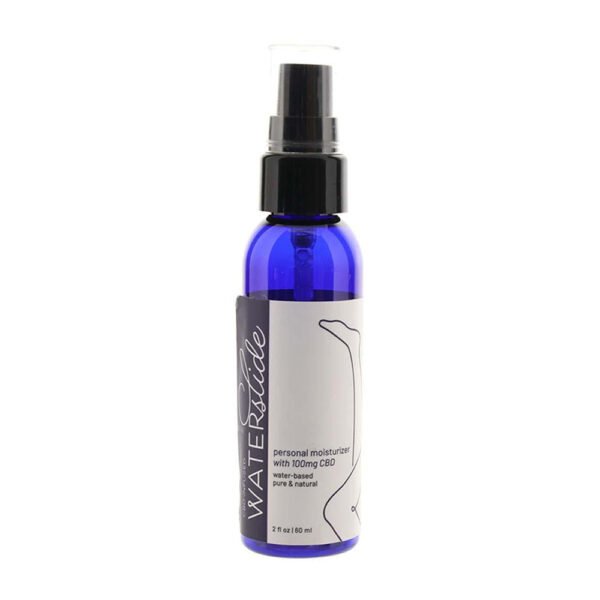
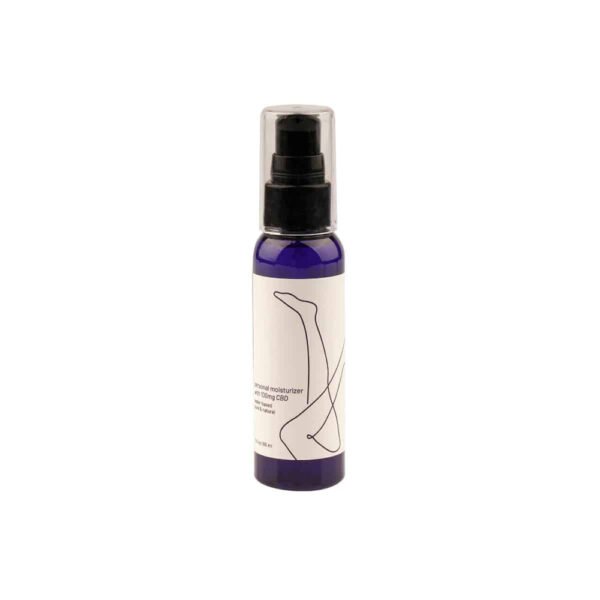
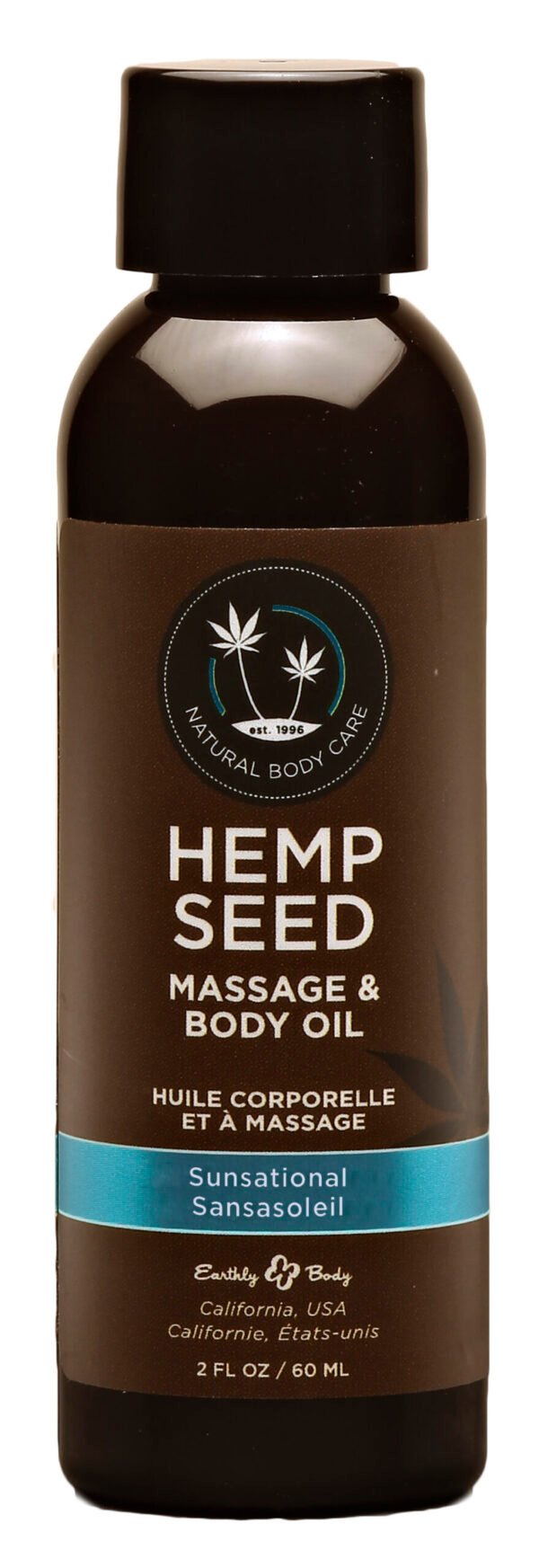
| Earthly Body CBD-Infused Waterslide Personal Moisturizer | Water-based | 100 mg CBD | 2 fl oz | Fragrance-free | Yes |
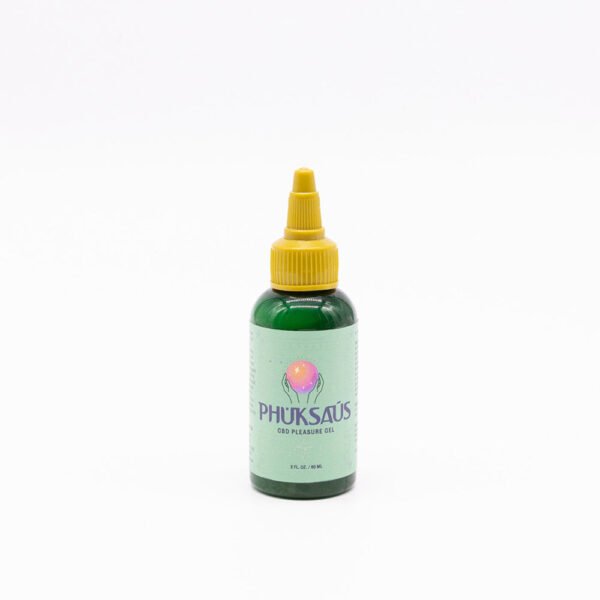
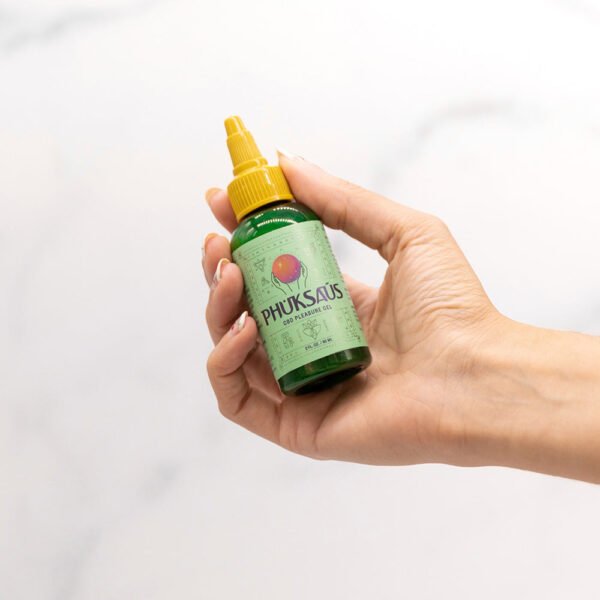
| Emojibator Phuksaus CBD Pleasure Gel | Water-based (gel) | 75 mg broad-spectrum CBD | 2 fl oz | Fragrance-free | Yes |
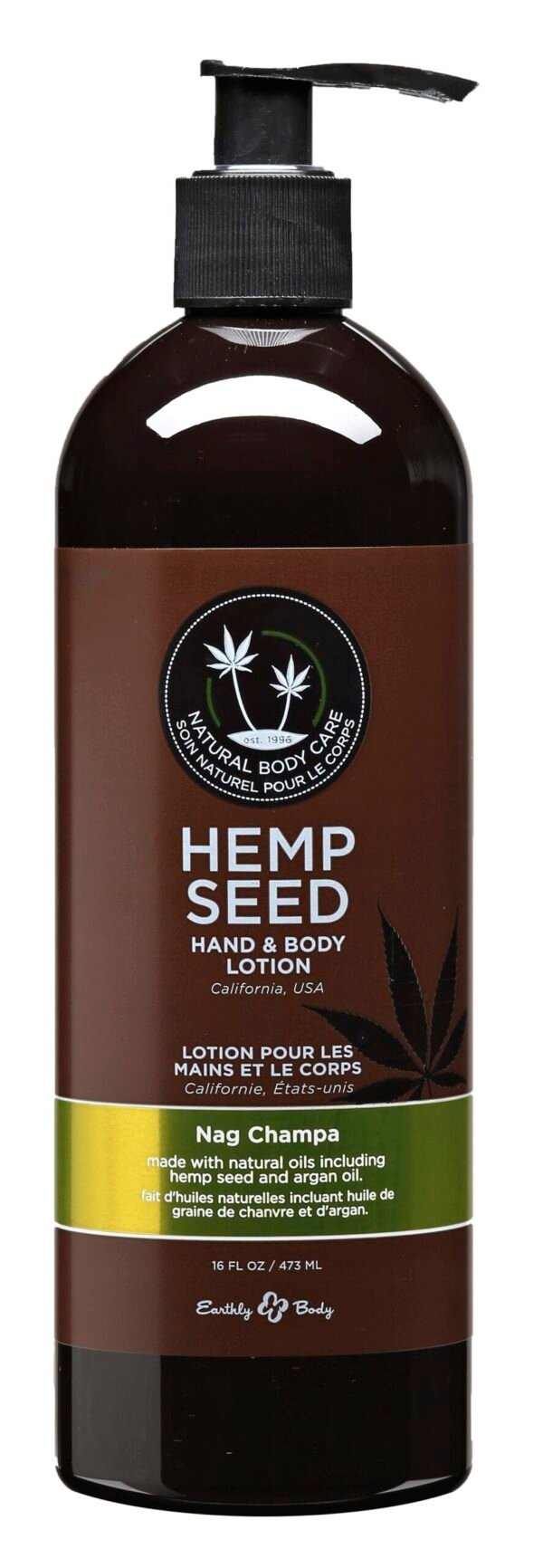
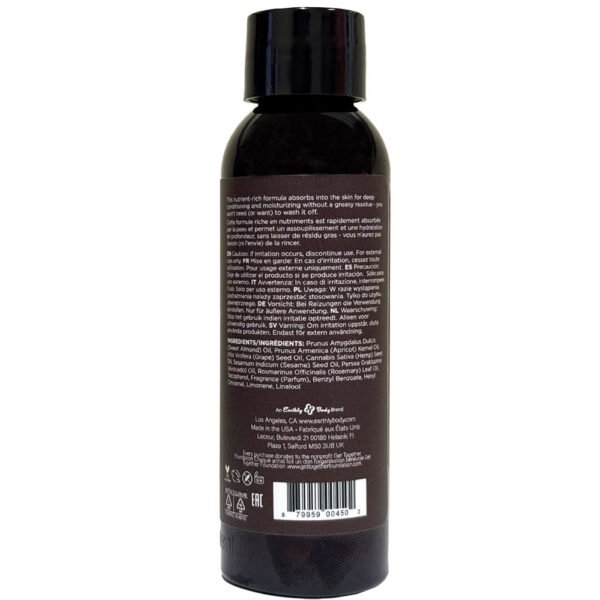
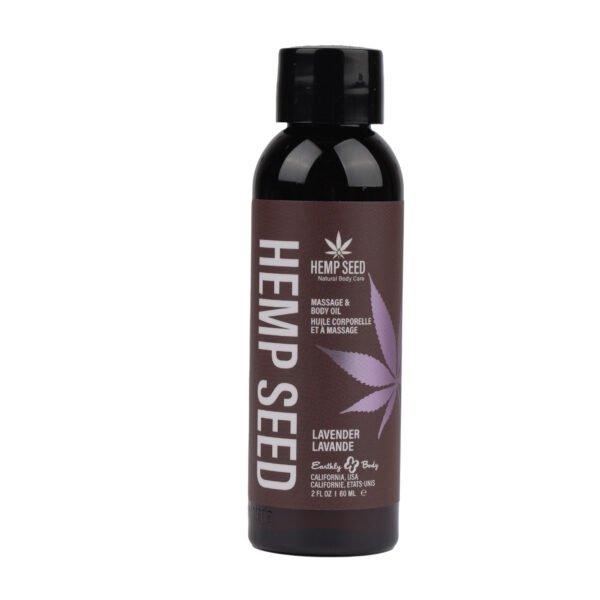
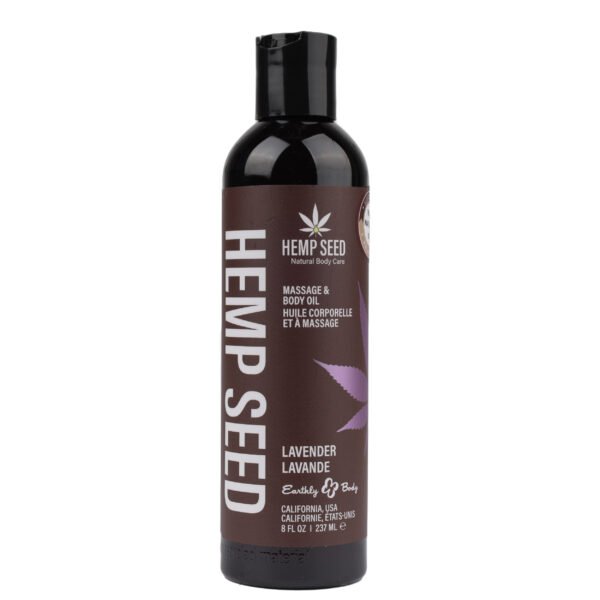
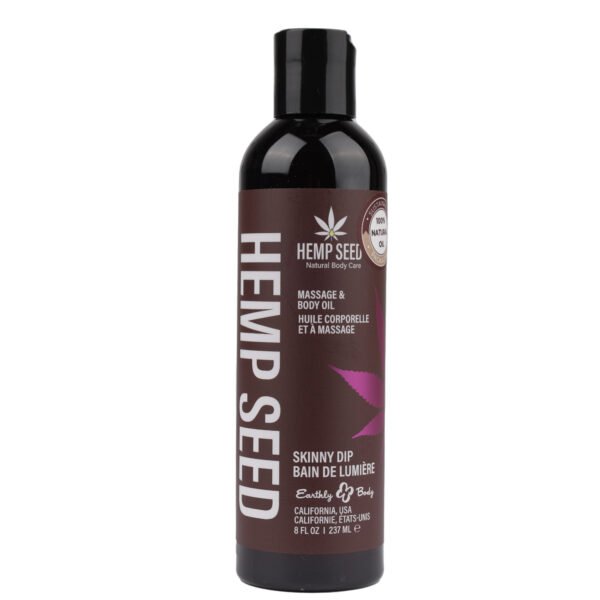
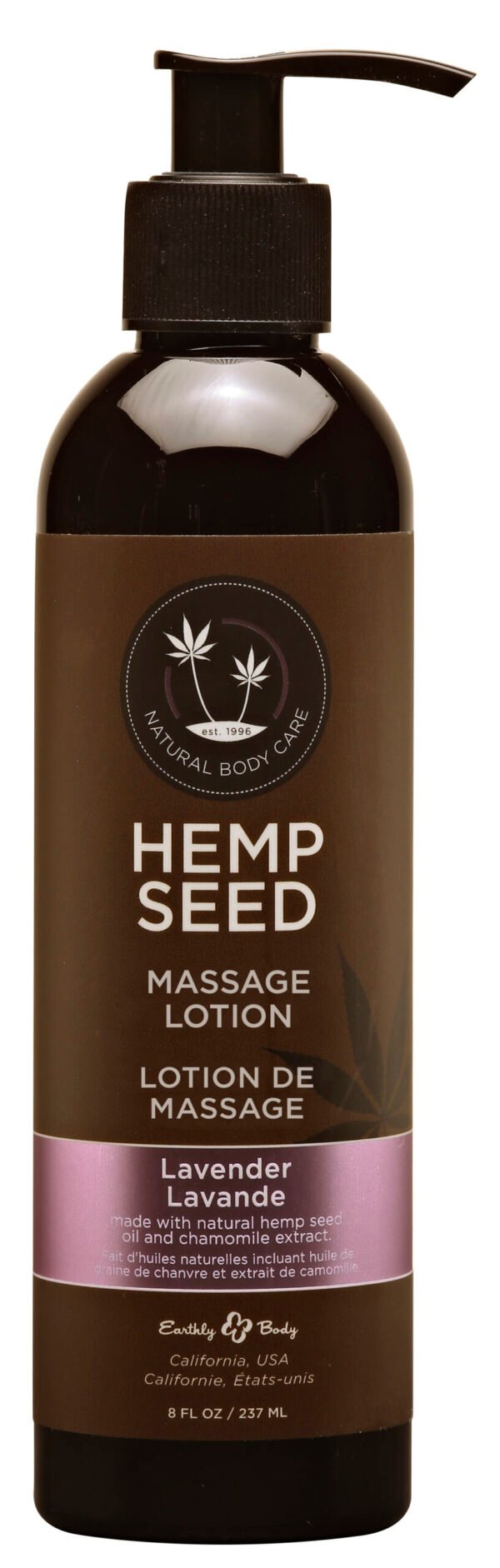
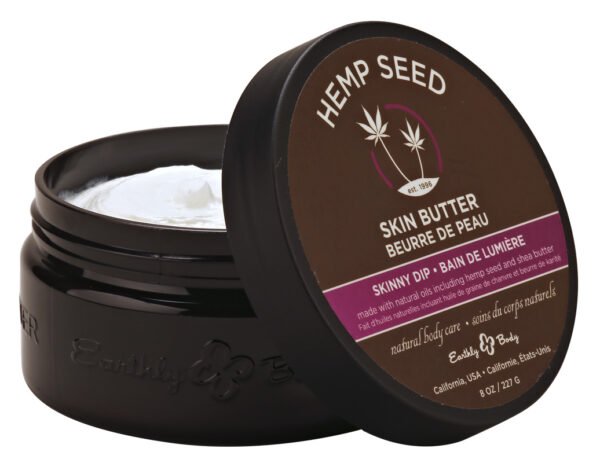
| Earthly Body Hemp Seed CBD Relaxing Massage and Body Oil Lavender | Oil-based | 1000 mg CBD | 8 fl oz | Lavender | Yes |
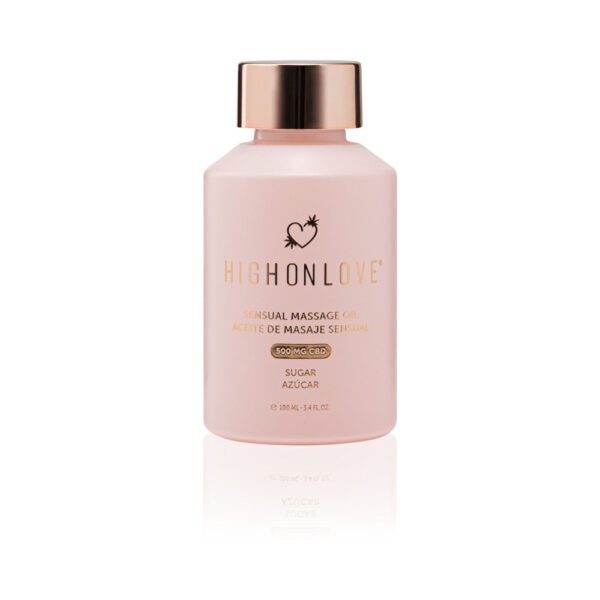
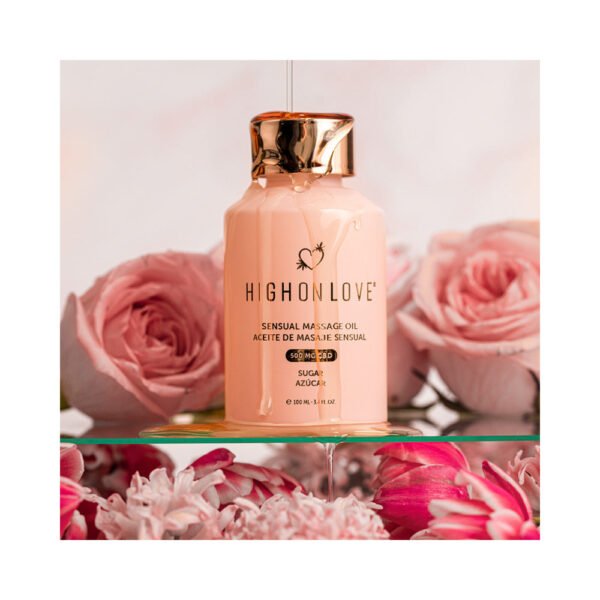
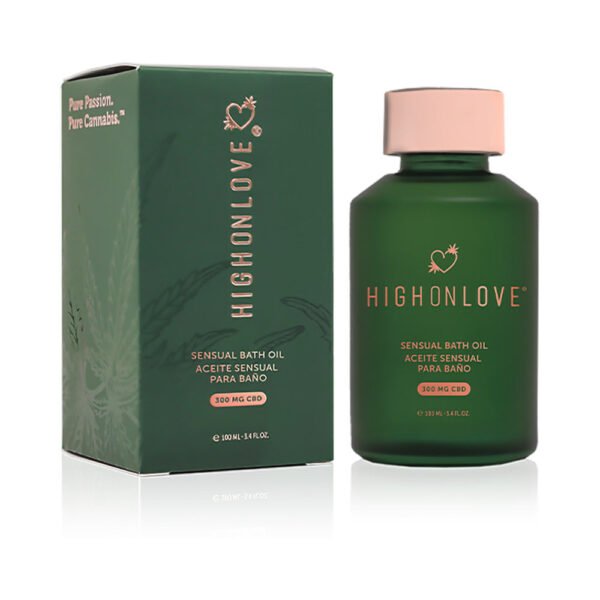
| HighOnLove CBD Sensual Massage Oil Sugar High | Oil-based | 500 mg CBD | 3.4 fl oz | Sugar (limited edition) | – |
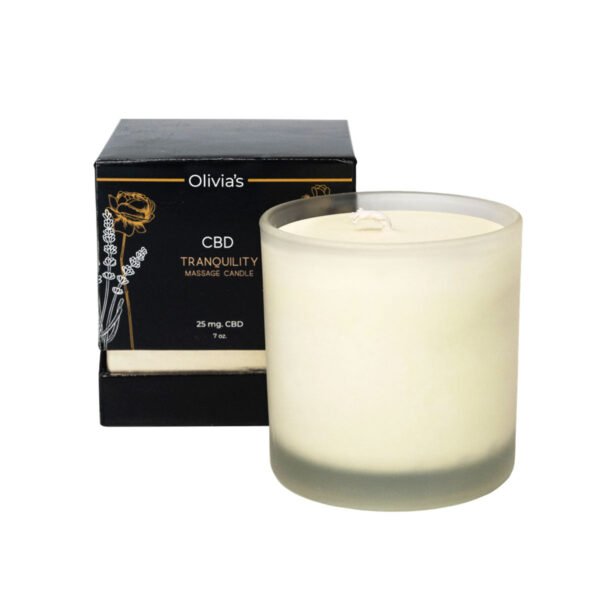
| Olivia’s Boudoir CBD Tranquility Massage Candle | Soy wax (melts to oil) | 25 mg CBD isolate (0% THC) | 7 fl oz | Lavender, rose, tangerine, orange | – |
| Olivia’s Boudoir CBD Massage Candle Unscented | Soy wax (melts to oil) | CBD | 7 fl oz | Unscented | – |
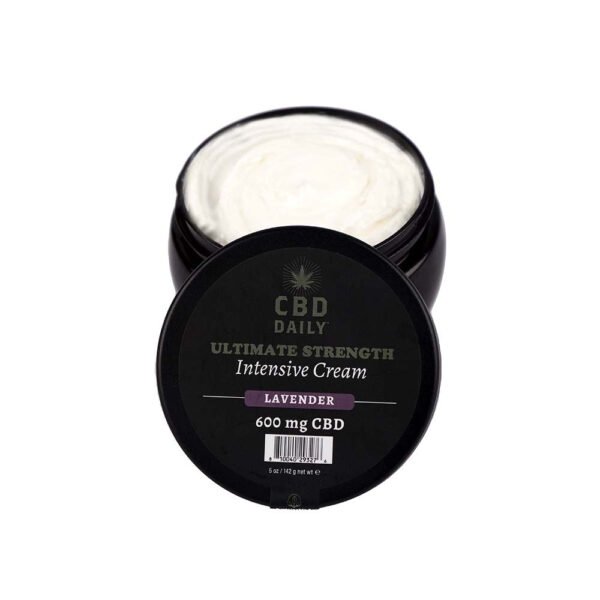
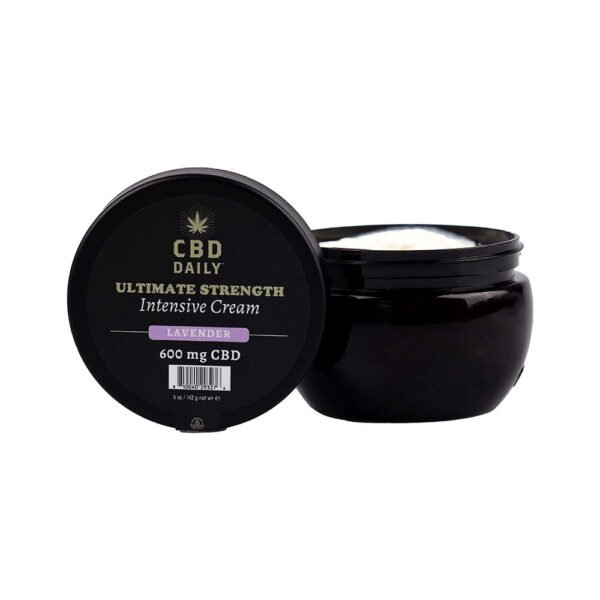
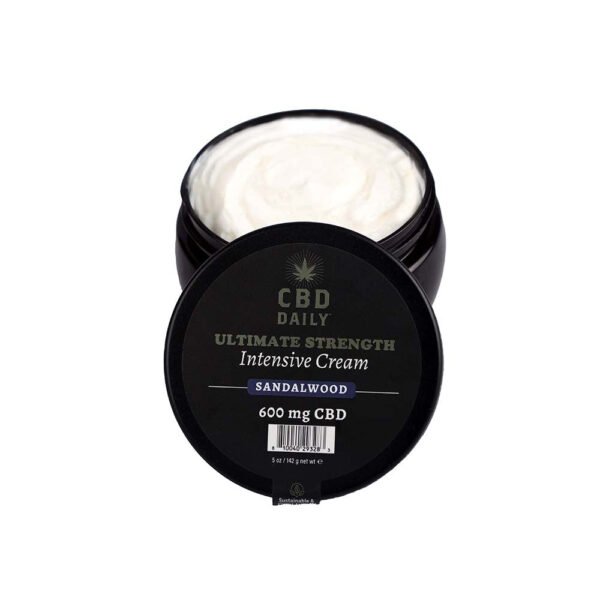
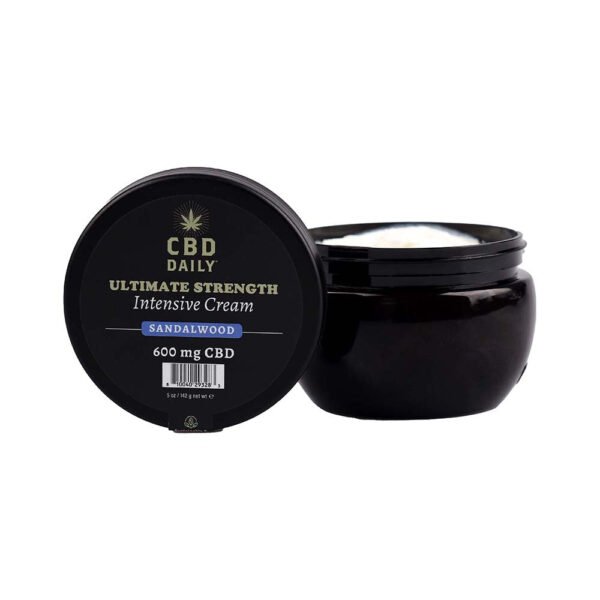
| Earthly Body CBD Cream Lavender | Cream (topical) | 600 mg CBD (0% THC) | 5 fl oz | Lavender | Yes |
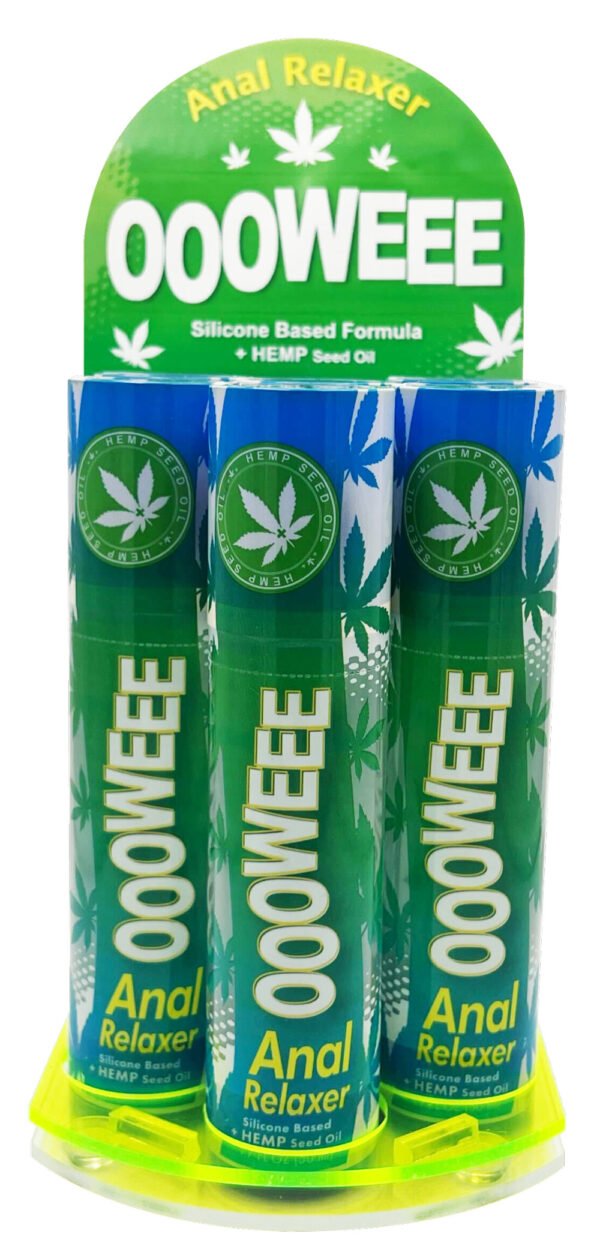
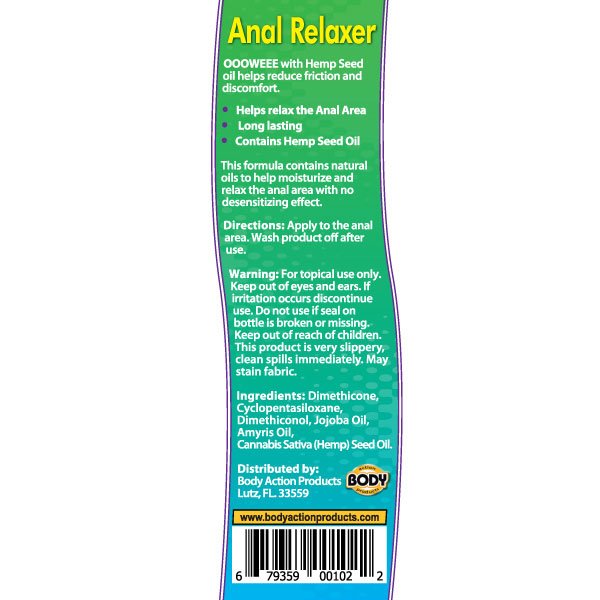
| Oooweee Anal Relaxer Silicone Lubricant Plus Hemp | Silicone-based | No CBD (hemp seed oil) | 1.7 fl oz | Fragrance-free | – |
One practical note on silicone-based hemp lubes: they last longer than water-based options and need no reapplication, but they are not compatible with silicone toys. If you use anal lubes specifically, base type matters even more since silicone formulas are a common choice for that use but require non-silicone toys.
For the full selection, explore our Lubricants.
Hemp products for intimacy cover a wide range of formats and use cases. These curated picks make it easier to find the right fit based on how you actually plan to use them.
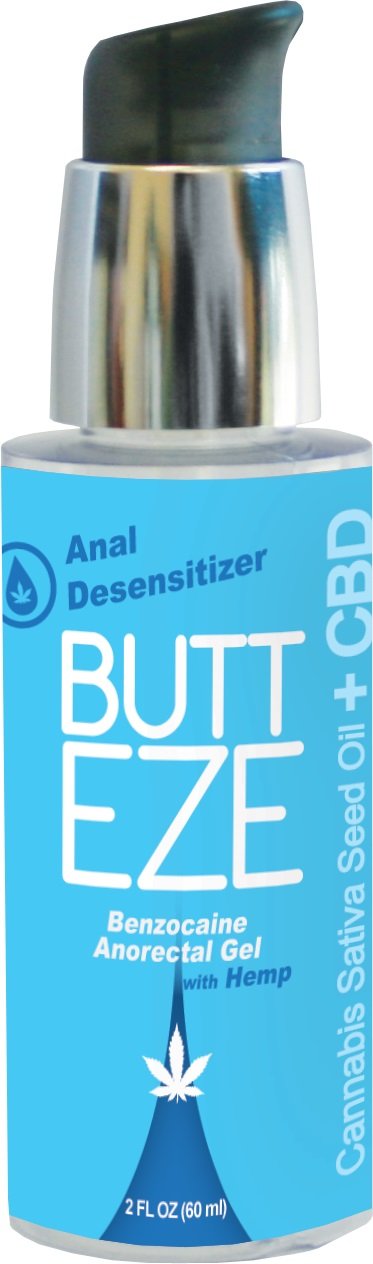
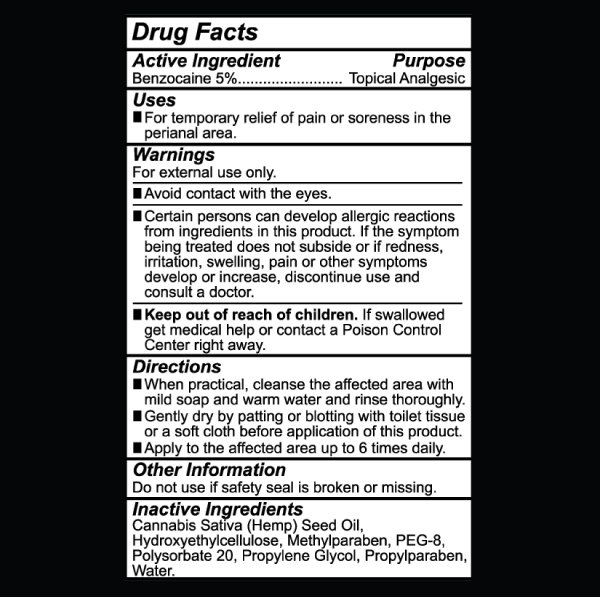
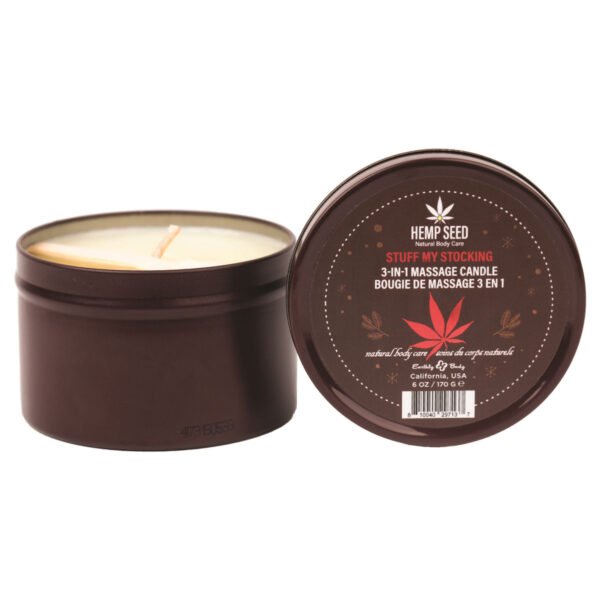
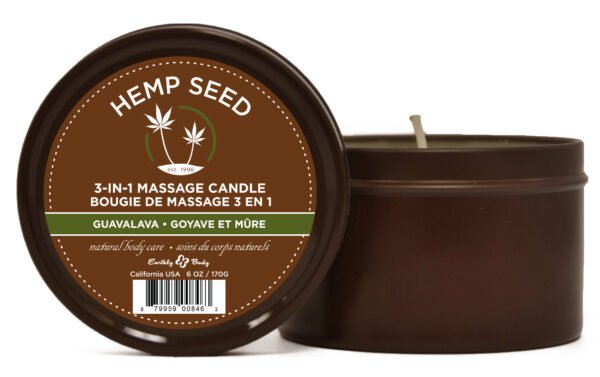
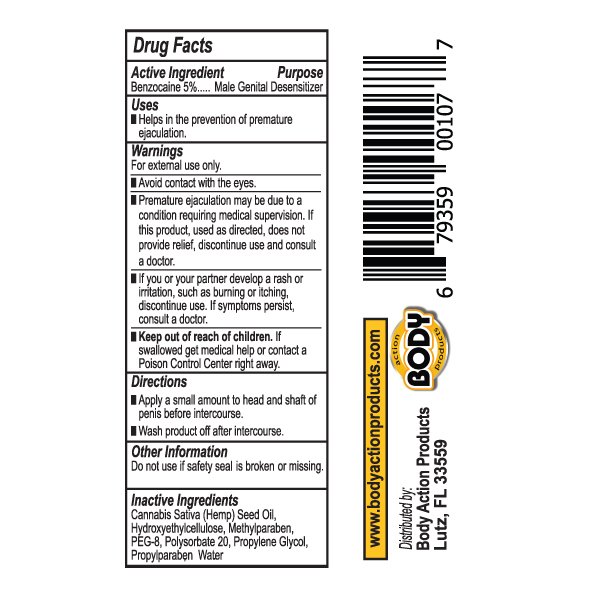
Hemp intimate products cover several formats, so application varies by type. For massage oils and body oils, warm a small amount between your palms before applying to skin. Hemp lubricants work like any personal lubricant: start with a modest amount and add more as needed. Massage candles should be allowed to melt fully to the outer edge before extinguishing the flame; always test the pooled oil on your inner wrist before pouring it onto a partner’s skin, since even low-melt wax can feel warmer than expected. Arousal creams and gels are for external use only, and any product containing benzocaine should be wiped away before skin-to-skin contact with a partner to avoid unintended numbing.
Store all hemp oils and creams away from direct sunlight and heat, which can degrade plant-based oils over time. Check each product’s label for its recommended shelf life. Oil-based formulas will degrade latex and polyurethane condoms, so pair them only with non-latex barriers or use a water-based hemp lube when barrier protection is part of the plan. Discontinue use if any irritation develops, and keep all products out of reach of children.
Oil-based hemp lubricants degrade latex and polyurethane condoms, which reduces their effectiveness as a barrier. This applies to any oil-based formula, hemp-derived or not: the oil breaks down the material at a molecular level, creating micro-tears that are not visible to the eye. If condom use is part of your plan, an oil-based hemp massage oil or body oil is not the right pairing. The practical solution is a water-based hemp lube, which is fully compatible with latex, polyurethane, and nitrile condoms. Polyisoprene condoms are also latex-free but are still oil-sensitive, so the same rule applies. For barrier-free situations, oil-based hemp formulas work without that concern.
Hemp seed oil itself is not inherently disruptive to vaginal pH or flora, but other ingredients in a formula can be. Glycerin, a common humectant in water-based lubes, can feed opportunistic yeast in people who are prone to infections; choosing a glycerin-free hemp lube removes that variable. Synthetic fragrance is another common irritant for sensitive tissue, which is why fragrance-free formulas are worth prioritizing for internal or close-contact use. Third-party testing confirms purity and the absence of contaminants, but it does not replace reading the full ingredient list. If you have a history of sensitivity or recurrent irritation, a short, recognizable ingredient list with no added fragrance, no glycerin, and no parabens is the clearest signal that a formula is likely to be gentle.
In topical intimate products, the practical difference between THC-free, broad-spectrum, and full-spectrum hemp is smaller than it sounds. THC is not absorbed through intact skin in meaningful amounts, so psychoactive effects from a topically applied product are not a realistic concern regardless of spectrum. The distinction matters more for two other reasons: drug testing and personal preference. Broad-spectrum hemp retains multiple cannabinoids with THC removed; full-spectrum includes trace THC within the federal 0.3% limit; isolate contains only CBD. A certificate of analysis from an independent lab is the only reliable way to confirm what a product actually contains, since label claims alone are not regulated with the same rigor as pharmaceutical labeling. If any THC presence is a concern for you, look for CBD isolate formulas with a current COA.
Oil-based hemp products can leave marks on fabric, much like any plant-based carrier oil. Laying down a towel or using a dedicated sheet protector is the simplest precaution. If a stain does occur, treating it promptly with a dish soap designed to cut grease before laundering gives the best result. Water-based hemp lubes are non-staining and rinse away cleanly, which makes them the easier option if fabric protection matters to you.
Hemp seed oil itself is not a tree nut, but many hemp massage oils and body oils are blended with sweet almond oil, apricot kernel oil, or macadamia nut oil as carrier oils, which are relevant for people with tree nut sensitivities. Reading the full ingredient list before purchase is essential if you have a known allergy. Some formulas in this category also contain almond oil, so anyone with an almond sensitivity should check the label carefully and, when in doubt, consult a healthcare provider before use.
Hemp seed oil has a mild, slightly earthy scent on its own, though it is subtle enough that most people barely notice it in a blended formula. Many products in this category are available in fragrance-free versions for those who prefer no added scent, while others are lightly scented with essential oils or fragrance. For oral contact, fragrance-free and unflavored formulas are generally the more comfortable choice, since added fragrance is not designed for ingestion.
All Claim Night orders ship in plain, unmarked packaging with no indication of the contents on the outside. Your billing statement shows a neutral “XR. LLC” rather than any store name or product category. We do not sell or share your personal data.
Hemp seed oil products that contain no CBD or THC are generally treated the same as any other personal care oil for travel purposes. For carry-on luggage, the standard TSA 3-1-1 liquid rule applies: containers must be 3.4 fl oz (100 mL) or under and fit in a single quart-sized bag. CBD-infused products sit in a more nuanced regulatory space that varies by destination, so if you are traveling with a CBD formula, it is worth checking the rules for both your departure and arrival locations before you pack.
Oil-based hemp formulas tend to last longer during use than water-based ones because they do not absorb as quickly or evaporate. Water-based hemp lubes may need reapplication sooner, particularly if natural moisture is limited, though some formulas use ingredients like carrageenan that reactivate with contact rather than requiring a full second application. How long any lubricant lasts in practice depends on the individual, the activity, and the specific formula, so starting with a small amount and adding more as you go is always a reasonable approach.
Hemp seed oil and hemp extract are not the same ingredient, and the distinction matters on a label. Hemp seed oil is cold-pressed from the plant’s seeds and contains no cannabinoids; on an ingredient list it typically appears as Cannabis sativa seed oil. Hemp extract, sometimes called hemp extract or broad-spectrum hemp, is derived from the flowers and leaves and does contain cannabinoids including CBD. A product labeled “hemp” may contain either or both, so checking the ingredient list rather than the front-of-pack claim gives you the clearest picture of what is actually in the formula.
This is a question best directed to a healthcare provider rather than a product page. General guidance from medical organizations recommends caution with CBD products during pregnancy and breastfeeding, given limited research on topical absorption in those contexts. Plain hemp seed oil in a topical formula is a different ingredient from CBD, but individual circumstances vary enough that a conversation with your provider is the most reliable path to a clear answer for your situation.

Helpful guides, product tips, and simple explanations to help you find what feels right.
No account yet?
Create an Account