


Article
Beginner Butt Plug Guide: What a Butt Plug Is, How It Works, and How to Use One Safely04/03/2026

Deals
Bestsellers
+39
Most-Loved Picks
Customer favorites for comfort, care, and everyday pleasure
Shop BestsellersSale · up to 40% off
+895
Soft Savings
Limited-time offers on body-safe essentials and feel-good favorites
View SaleSeasonal edit


+268
Seasonal Comfort Edit
Curated picks for holidays, date nights, gifting, and cozy nights in
Explore the EditFeatured
 Discreet Packaging
  Secure Checkout
  Body-Safe Materials
 Measure your neck circumference with a soft tape, then add one inch for a comfortable fit that sits close without pressing. Most chokers in this collection adjust from roughly 13.5 to 19 inches, so that measurement tells you immediately which pieces will work for your neck. A well-fitted choker should sit flat against the throat with no gapping, no digging in, and room to slip two fingers underneath.
Band width matters too. A narrow band, around 0.7 inches, tends to feel lighter and less noticeable across a full day of wear, while a wider band makes more of a visual statement. Adjustable closures, buckle or snap, give you the most flexibility across that range. Claim Night carries chokers sized to fit a genuine range of neck sizes, not a single fixed measurement.
Chokers vary more than they appear to at first glance, and a few specific details make a real difference in how one feels and functions.
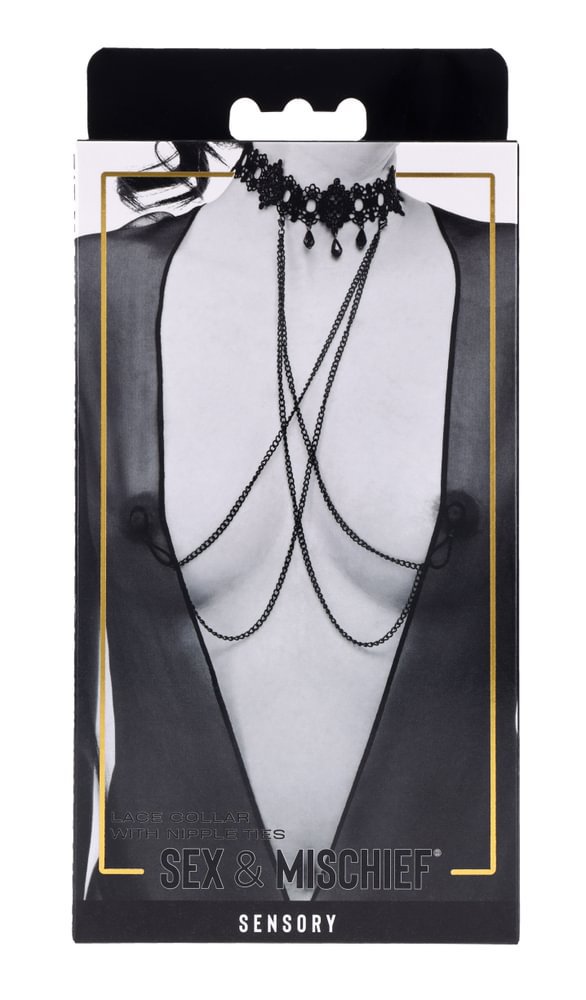
The material a choker is made from shapes how it feels against the skin, how long it lasts, and how easy it is to clean. Genuine leather is firm and breaks in gradually over time. Vegan leather offers a similar structured look with a softer initial feel and suits those who prefer cruelty-free options. Velvet and satin sit at the softer end: both lie gently against the throat and work well for longer wear sessions. Lace is the lightest option, more delicate in construction, and better suited to occasional wear than everyday use.
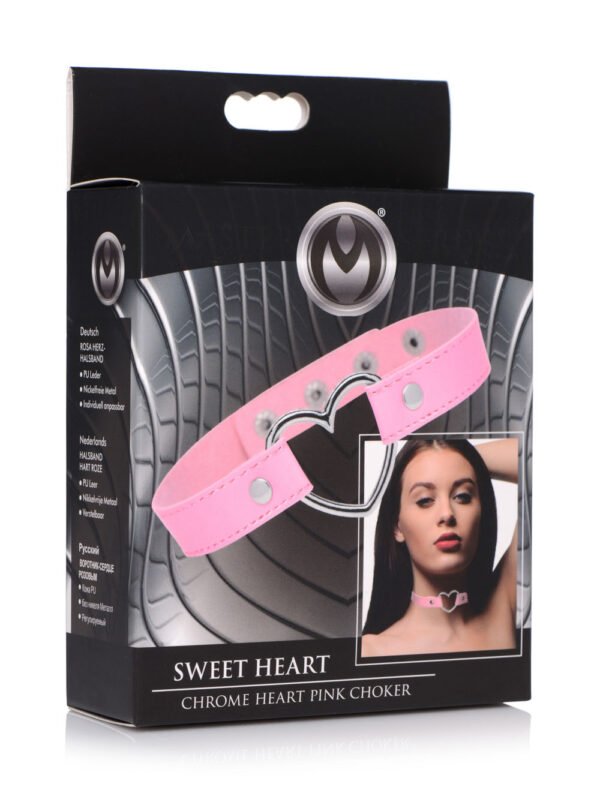
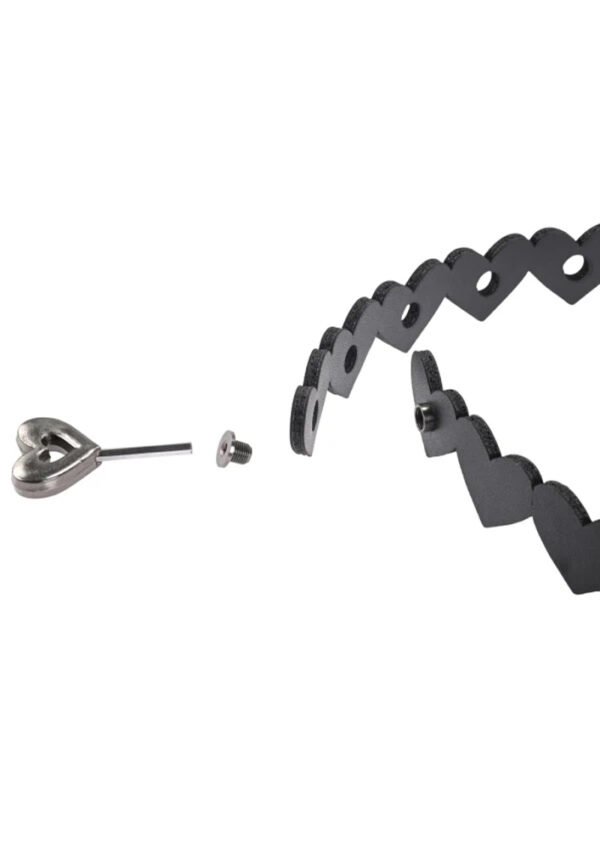
Chokers with hardware offer two main attachment configurations: an O-ring and a D-ring. An O-ring sits centered at the front of the band and is the most common attachment point, used for decorative detail or as a leash-ready anchor. A D-ring is offset to one side and tends to feel more discreet when worn flat against the collarbone. If you plan to use the choker with a leash or lead, confirm the ring is riveted or welded rather than simply glued. Hardware finish, whether silver, gold, or black, also affects how the piece reads visually against different skin tones and outfits.
How a choker fastens affects both ease of use and safety. A buckle clasp works like a belt, offering precise adjustment and a secure hold. Snap closures are faster to put on and take off, which makes them a practical choice for solo wear. A quick-release safety clasp is worth prioritizing for any extended or partnered wear: it opens immediately under pressure, without fumbling, which matters when comfort or circulation becomes a concern. For anything beyond casual styling, a quick-release mechanism is a straightforward precaution.
Band width changes both the look and the physical sensation of a choker at the throat. Thin-band chokers, typically under an inch wide, sit lightly and are the least noticeable in terms of pressure. Wide-band chokers cover more of the neck and create a stronger visual statement, but they also require a more precise fit because there is less room for the band to shift without becoming uncomfortable. A padded inner lining on wider bands makes a meaningful difference for longer wear.
Chokers come in either adjustable or fixed-size construction, and the difference matters more than it might seem. Adjustable designs use a slide buckle or multiple snap positions to accommodate a range of neck circumferences, which gives you flexibility and makes them a safer starting point if you are unsure of your measurements. Fixed-size chokers offer a cleaner silhouette but require you to know your neck size accurately before buying. Most adjustable chokers in this collection cover a range of roughly 13.5 to 19 inches, so check the stated range against your own measurement before choosing. You can also browse collars and leashes if you want a similar wearable with a longer adjustment range or a different hardware setup.
The layer that touches your skin directly matters as much as the outer material, especially for sensitive skin. A soft fabric lining or a hypoallergenic inner lining reduces friction and prevents the outer material from sitting directly against the throat. Nickel-free hardware is worth seeking out if you have known metal sensitivities, since hardware sits close to the skin and stays there. These details are usually listed in the product specs and are worth checking before you buy.
The right choker comes down to a handful of practical details: what it is made from, how it closes, and how you plan to wear it. Getting those three things right means the rest takes care of itself.
Beyond material and closure, think about the role you want the piece to play. An everyday wear choker calls for different priorities than one chosen for intimate use or as a gift for a partner. These criteria will help you narrow it down.
Choker care depends almost entirely on the material, so a quick check before you reach for soap and water saves a lot of trouble. Leather and vegan leather do best with a slightly damp cloth wiped along the band, then left to air-dry flat away from direct heat. Soaking either material warps the shape and weakens the stitching over time.
Velvet and satin need gentler handling: a soft dry cloth or a lint roller lifts surface dust without disturbing the pile or sheen. For a small stain, dab with a barely damp cloth and let it dry completely before storing. Never wring or fold a choker to dry, regardless of material. Store it flat or loosely coiled in a pouch, away from hardware that could snag the fabric, and it will hold its shape between wears.
Finding the right choker fit starts with one measurement: your neck circumference at its base, where the choker will actually sit. Wrap a soft measuring tape snugly around that point, note the number in inches, then add one inch to get your comfortable wearing size. That single inch of allowance keeps the band close without any pressure on the throat.
Most chokers in this category are adjustable across a range of roughly four inches, which covers the majority of neck sizes without needing a precise fit. If your measurement lands near the top of a listed range, size up or choose an adjustable style rather than a fixed one. A fixed-size choker with no room to loosen is the one scenario where fit really matters from the start, so it is worth taking the measurement before you order.
A choker and a bondage collar are related but built for different purposes, and the distinction shows up in the construction. A choker is primarily a wearable accessory, typically narrow, lightweight, and finished for everyday or intimate styling. It may include a small O-ring or D-ring as a decorative detail, but the hardware is not load-bearing.
A bondage collar, by contrast, is designed with functional attachment points in mind: reinforced hardware, wider bands, and closures built to stay secure under tension. If you are exploring collars and leashes for partner play that involves a leash or lead, a purpose-built collar is the more appropriate choice. A choker works well as a symbolic or aesthetic piece, and as a lower-commitment starting point for anyone new to this kind of accessory.
Most chokers are comfortable for extended wear as long as the fit is right and the inner surface is smooth. Styles with a soft fabric or padded lining sit more easily against the skin over time than unlined hardware-heavy designs. Band width matters here too: a narrower band generally causes less awareness at the throat during longer sessions than a wide structured one.
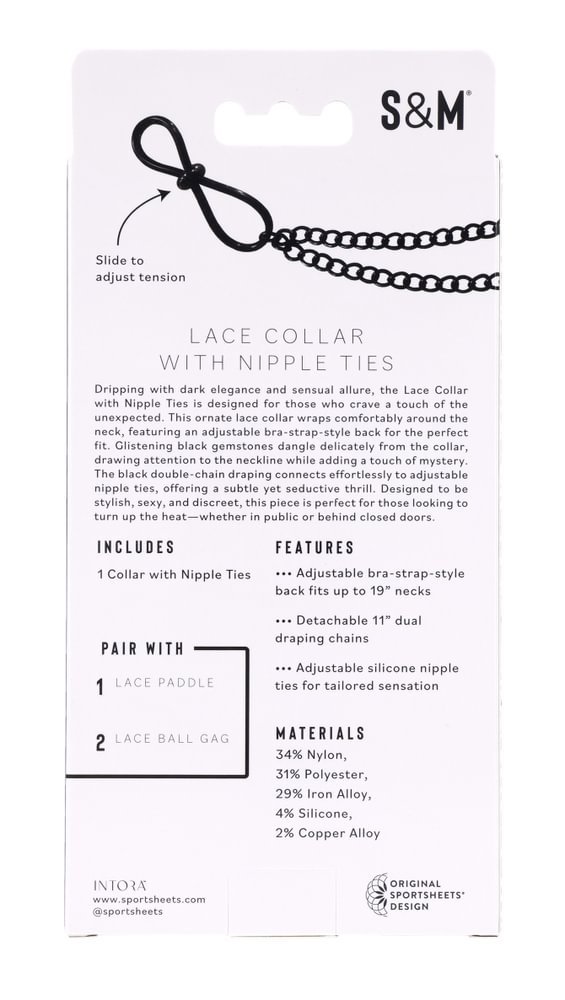
Sizing is not uniform across styles, even within the same store. A lace choker with a bra-strap-style back tends to offer a wider adjustment range than a snap-closure or fixed-band design, so the same neck measurement can land you in different positions on the adjustment scale depending on the piece. Checking the listed circumference range for each specific style, rather than assuming one size translates across all of them, is the most reliable approach.
Vegan leather is generally well-tolerated by people with sensitive skin, particularly when the piece includes a soft inner lining that keeps the material itself from direct contact. The bigger concern for sensitive skin is usually the hardware: look for nickel-free closures and rings, since nickel is a common contact irritant. A lined vegan leather choker with nickel-free hardware covers both bases.
Both are metal attachment points set into the band, and their practical function is to provide a secure anchor at the front or side of the choker. An O-ring is a full circle, which works well as a visual centerpiece as well as a functional loop. A D-ring has a flat edge that sits flush against the band, making it slightly lower-profile. Either can be used to attach a leash or lead, or simply worn as a design detail on its own.
Every order from Claim Night ships in plain, unmarked packaging with no indication of the contents on the outside. The billing descriptor reads as a neutral company name, not the store name, so your statement stays private too. Nothing about the box or the label signals what is inside.
The closure and any decorative hardware are usually the first points of wear, particularly on styles that are fastened and unfastened frequently. Snap closures can loosen over time with heavy use; buckle and lock-style closures tend to hold up longer. The band material itself, whether leather, vegan leather or fabric, generally outlasts the hardware when the piece is handled with reasonable care and kept away from prolonged moisture.
Chokers layer well with longer chain necklaces because the length difference keeps each piece visible and distinct. Against a neckline, they tend to look cleanest over a low or open collar rather than a crewneck, where the band can disappear into the fabric. A thin-band choker is the most versatile for layering, since it takes up less visual space and leaves room for other pieces without crowding the throat.
A choker is one of the more accessible starting points in this space, partly because it is wearable, low-commitment and easy to try on your own terms before bringing anyone else into the picture. It does not require any additional equipment to use, and styles range from quietly decorative to more intentional designs with attachment points, so there is room to start simple and move at your own pace. Many people find that wearing something physical is an easier way to explore a feeling or aesthetic than deciding in the abstract.

Helpful guides, product tips, and simple explanations to help you find what feels right.
No account yet?
Create an Account