


Article
Beginner Butt Plug Guide: What a Butt Plug Is, How It Works, and How to Use One Safely05/20/2026

Deals
Bestsellers

+39
Most-Loved Picks
Customer favorites for comfort, care, and everyday pleasure
Shop BestsellersSale · up to 40% off

+895
Soft Savings
Limited-time offers on body-safe essentials and feel-good favorites
View SaleSeasonal edit


+268
Seasonal Comfort Edit
Curated picks for holidays, date nights, gifting, and cozy nights in
Explore the EditFeatured
 Discreet Packaging
  Secure Checkout
  Body-Safe Materials
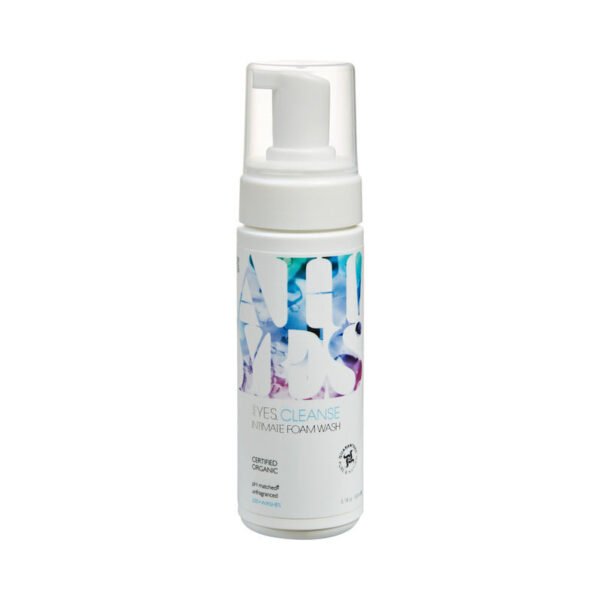
 Organic and natural lubes are personal lubricants formulated without petrochemicals, synthetic preservatives, or artificial fragrance, using plant-derived bases such as aloe vera, organic coconut oil, or carrageenan instead. The distinction that matters most at the shelf: certified organic means the source ingredients were grown and processed to a verified standard (look for USDA or NSF/ANSI 305 certification), while “natural” is a looser label with no required third-party verification.
The second thing worth checking is glycerin and pH balance. Many natural water-based formulas are glycerin-free and pH-balanced to stay compatible with vaginal tissue, which matters for everyday use and for anyone with reactive or sensitive skin.
Organic and natural lubes come in several base types, and the differences between them are practical, not just cosmetic. The right one depends on how you plan to use it, what you are using it with, and how your skin tends to respond.
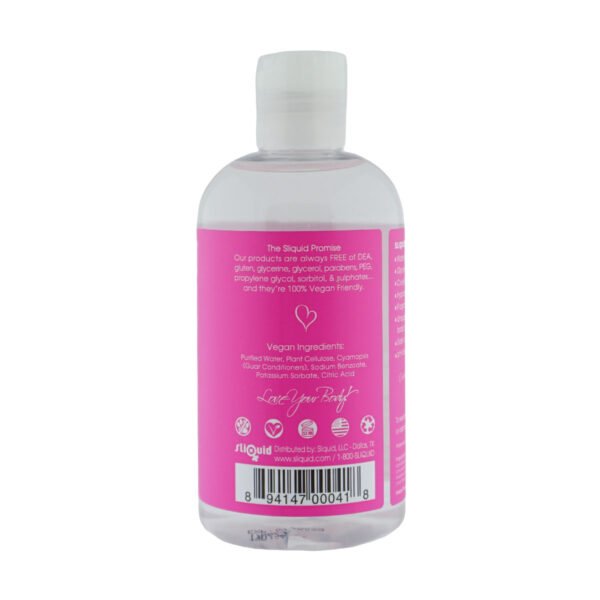
Natural water-based lubes use purified water or plant-derived liquid (such as aloe vera juice) as their foundation, thickened with ingredients like plant cellulose, guar, or xanthan gum. They rinse away cleanly, work with latex and polyisoprene condoms, and are compatible with all toy materials. This is the most versatile starting point for everyday glide and for anyone with sensitive skin.
Organic aloe vera lubes are a subset of water-based formulas where aloe barbadensis leaf juice replaces most or all of the water, giving the formula a silkier, slightly thicker feel. Aloe as a base is naturally pH-friendly and gentle on reactive skin, which makes it a common choice for people who want something close to the body’s own texture. Most aloe-based formulas are glycerin-free and condom-compatible.
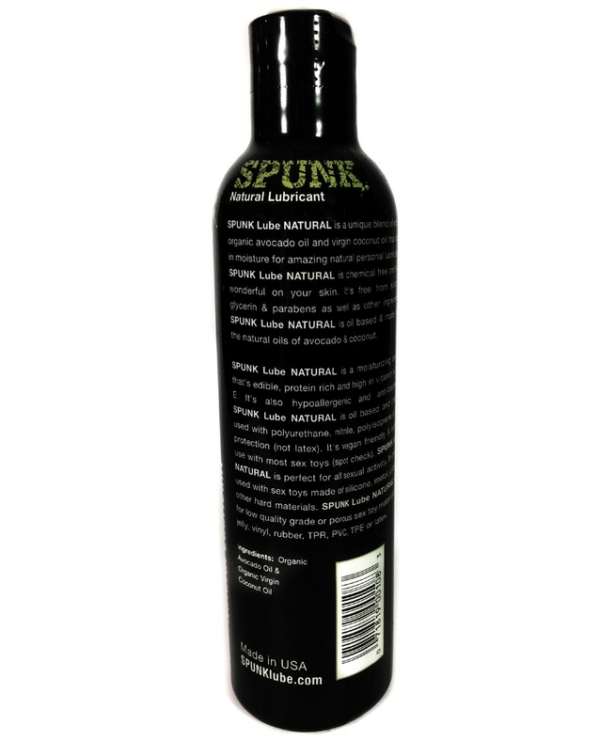
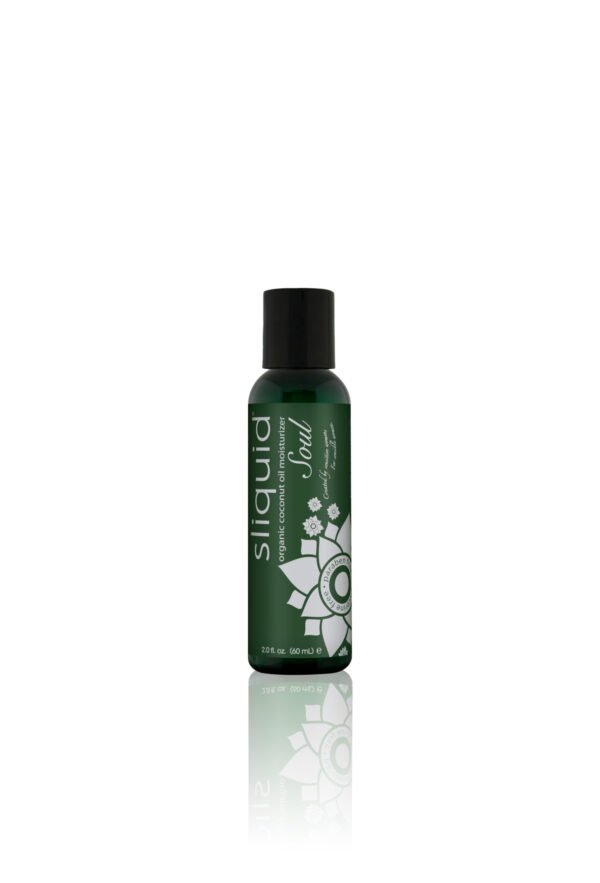
Natural oil-based lubes are built on plant oils such as coconut oil, avocado oil, or shea butter, and they tend to last longer without reapplication, making them a good fit for longer sessions or massage. Oil-based formulas are not compatible with latex condoms and can degrade certain toy materials, so they work best when barrier protection is not part of the picture. They rinse away with soap and warm water rather than water alone.
Hybrid natural lubes combine an organic aloe or water base with a small amount of silicone, giving them the longevity of a silicone formula with the easier cleanup of a water-based one. The texture tends to feel creamy and lotion-like. Many hybrid formulas in this category are safe with platinum-cured silicone toys, though it is worth checking the specific product, since not all hybrids are toy-safe.
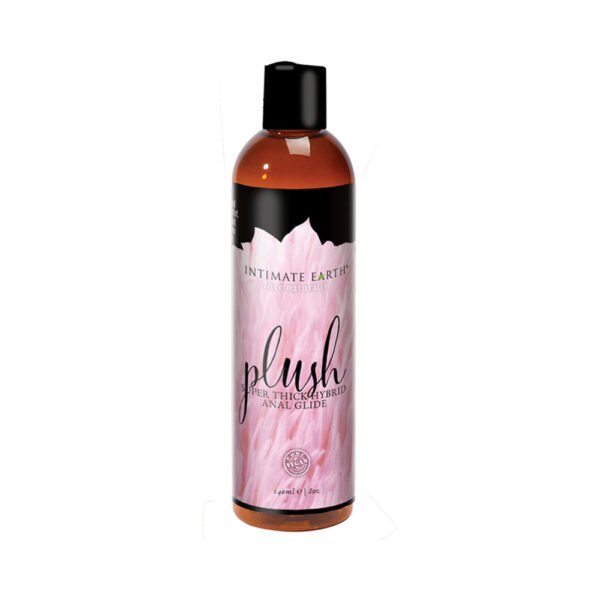
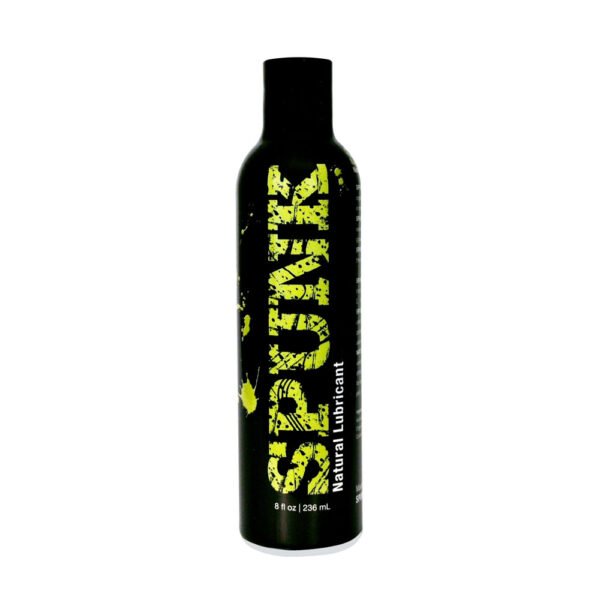
Natural anal lubes are formulated with a thicker consistency than standard personal lubricants, using plant cellulose or hybrid bases to create a cushioning gel that stays in place. Because the anal tissue does not self-lubricate, a thicker formula reduces friction more reliably during use without the need for constant reapplication. Most natural options in this category contain no desensitizing agents, which is the safer approach since sensation is useful feedback.
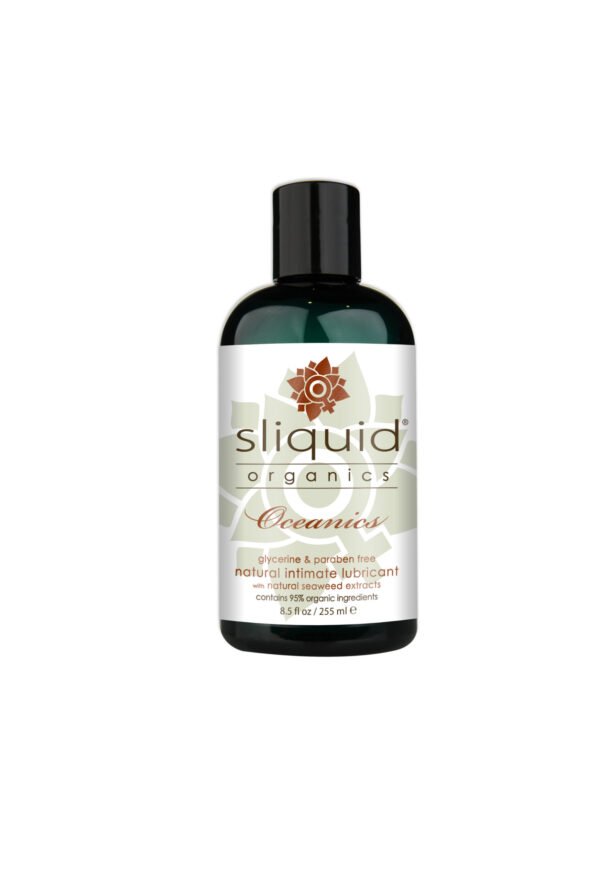
Carrageenan-based natural lubes use a seaweed-derived extract as their primary thickening and moisturizing agent, resulting in a dense, ultra-smooth gel. The texture is noticeably different from aloe or cellulose formulas: heavier and more cushioning, which suits people who want a lube that stays put. These formulas are typically fragrance-free, unflavored, and compatible with latex and non-latex condoms.
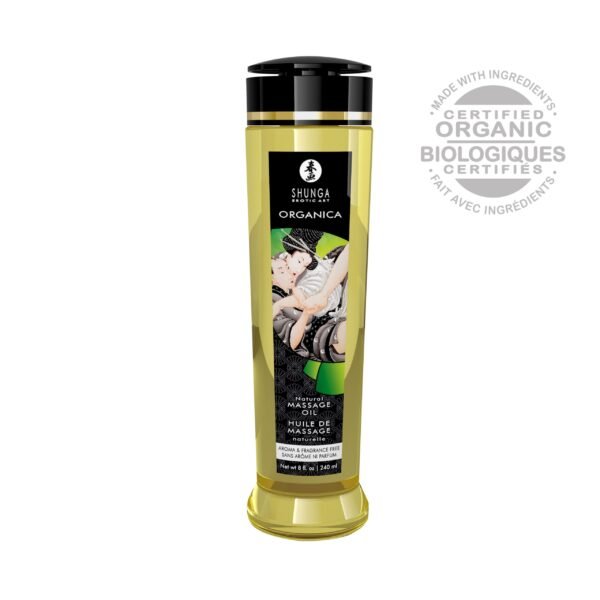
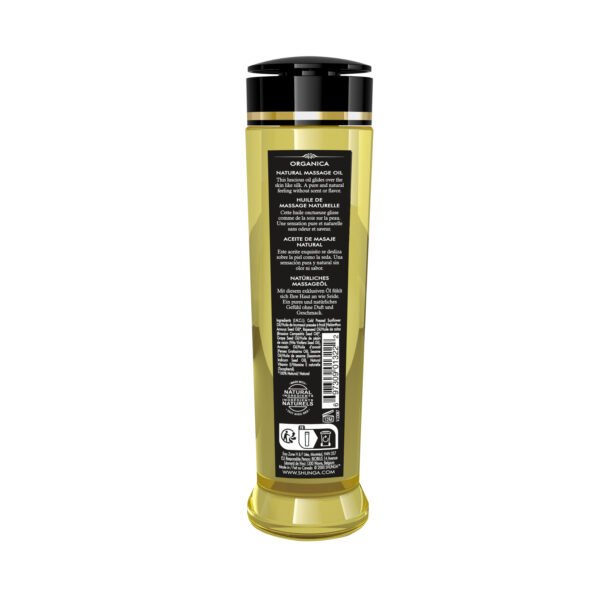
Organic massage oils in this category are made with certified cold-pressed plant oils and are designed for skin-to-skin use rather than internal use. They double as an intimate lubricant for external or partnered play, and their non-greasy plant oil blends absorb without leaving a heavy residue. Like other oil-based products, they are not compatible with latex condoms and should be kept to external use or non-latex contexts.
The best natural lube for you depends on a few practical details: what you are using it with, how your skin responds, and what kind of glide you actually want. Getting those details right first saves a lot of trial and error.
Base type and compatibility tend to be the two biggest filters. Once you have those sorted, texture and certification usually narrow the field quickly.
The table below compares a cross-section of natural and organic lubes from the shortlist across the details that matter most at the point of decision.
| Product | Base Type | Glycerin-Free | Paraben-Free | Latex Condom Compatible | Silicone Toy Safe | Size (fl oz) |
|---|---|---|---|---|---|---|
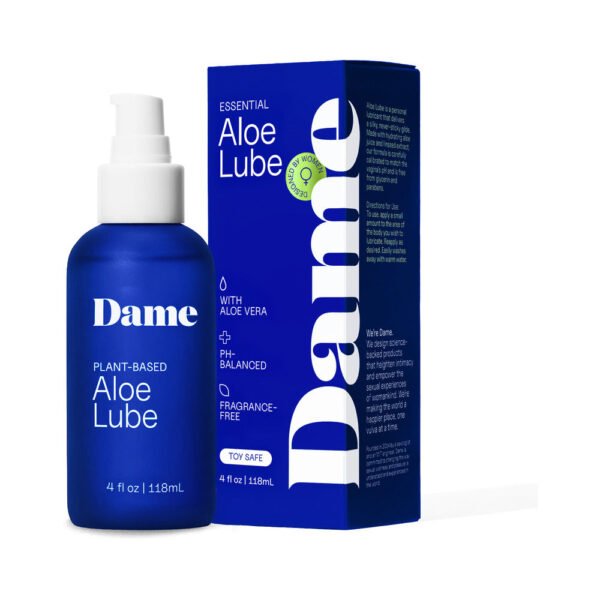
| Dame Aloe Lube | Water-based / organic aloe vera | Yes | Yes | Yes | Yes | 4.0 |
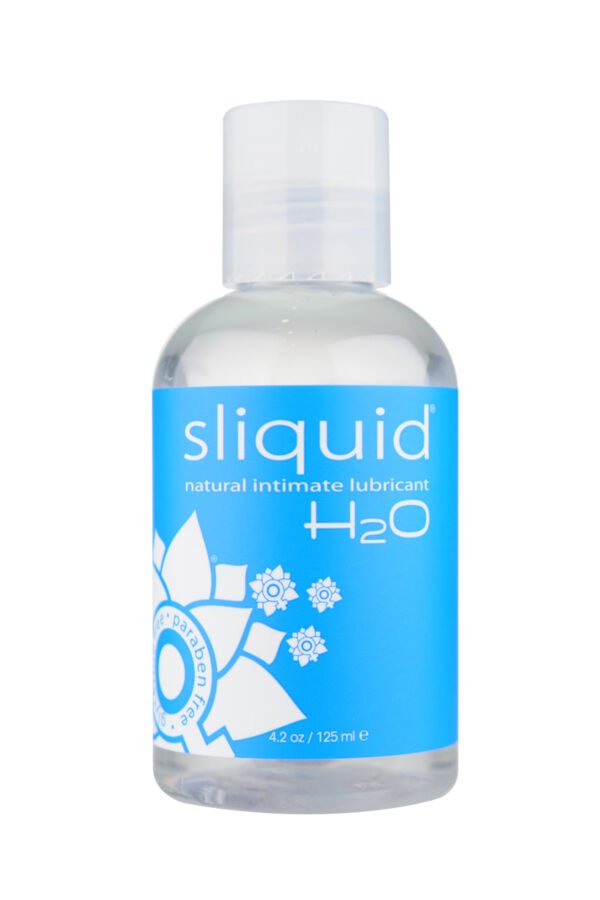
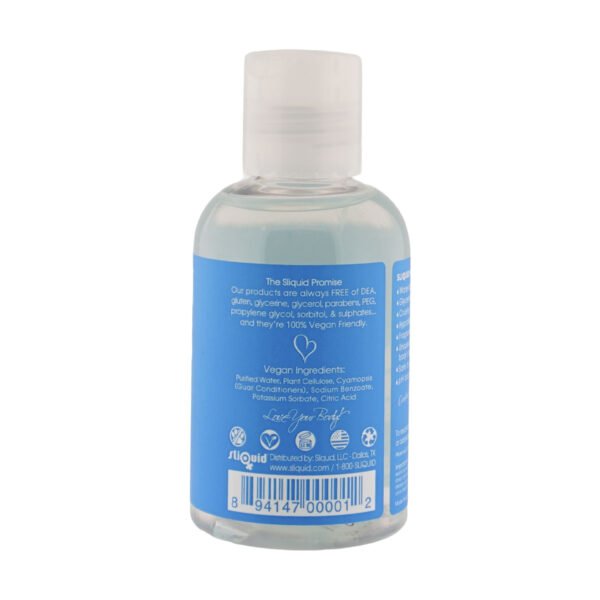
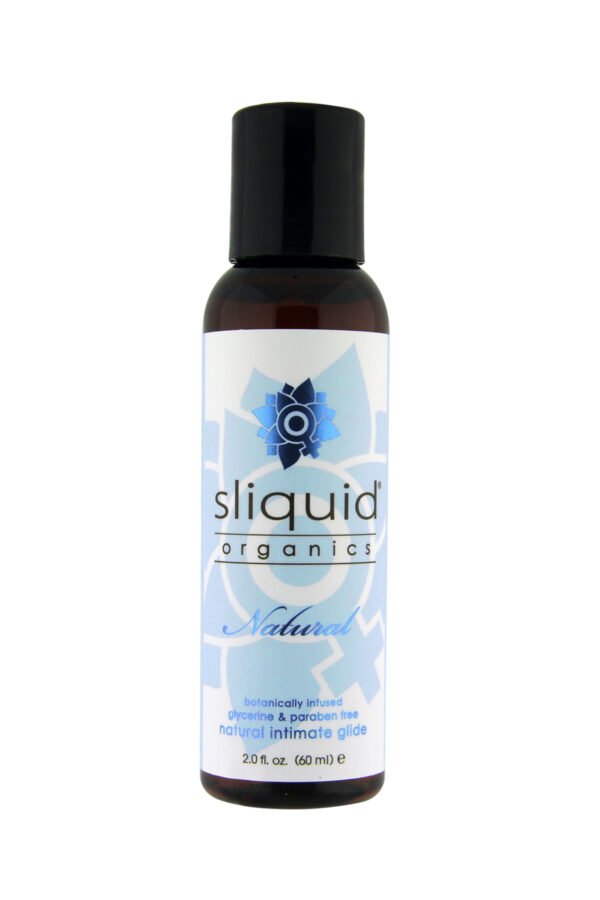
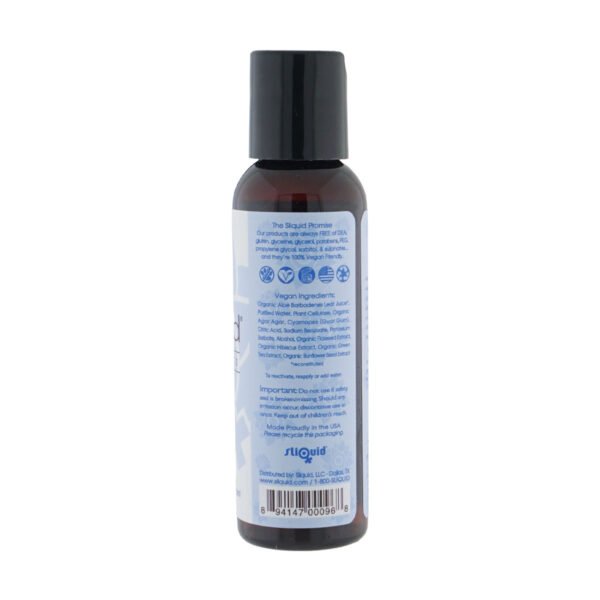
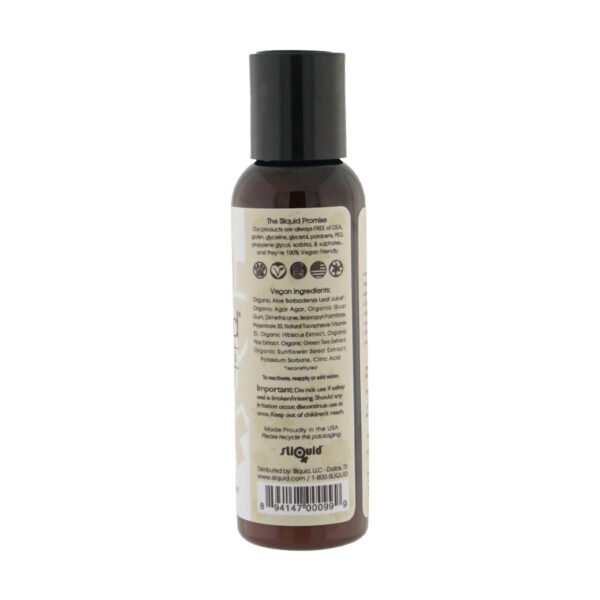
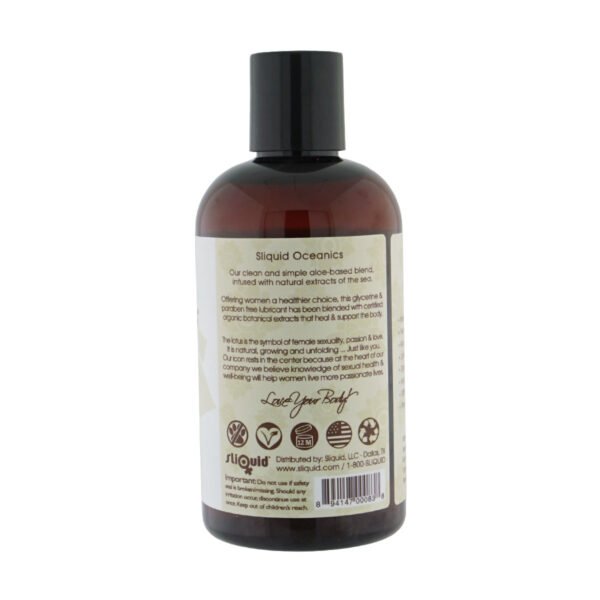
| Sliquid Organics Natural | Water-based / aloe vera | Yes | Yes | Yes | Yes | 4.2 |
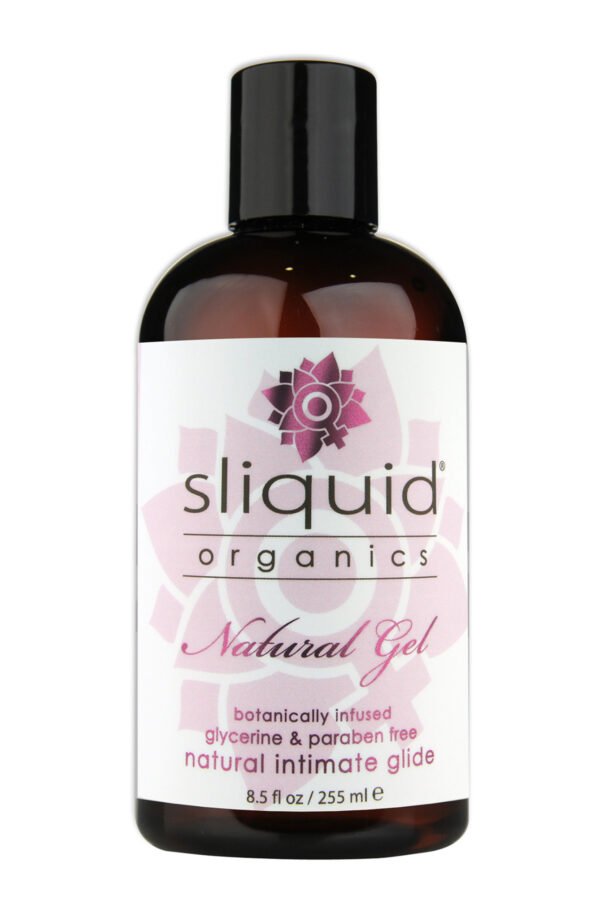
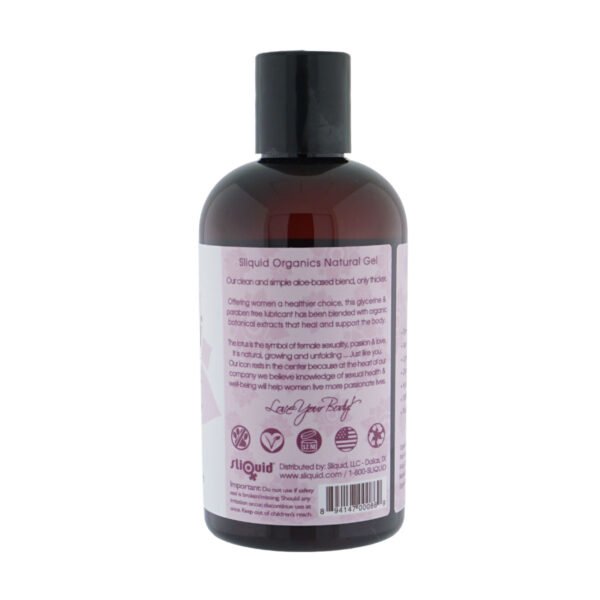
| Sliquid Organics Natural Gel | Water-based / aloe vera (thick gel) | Yes | Yes | Yes | Yes | 4.2 |
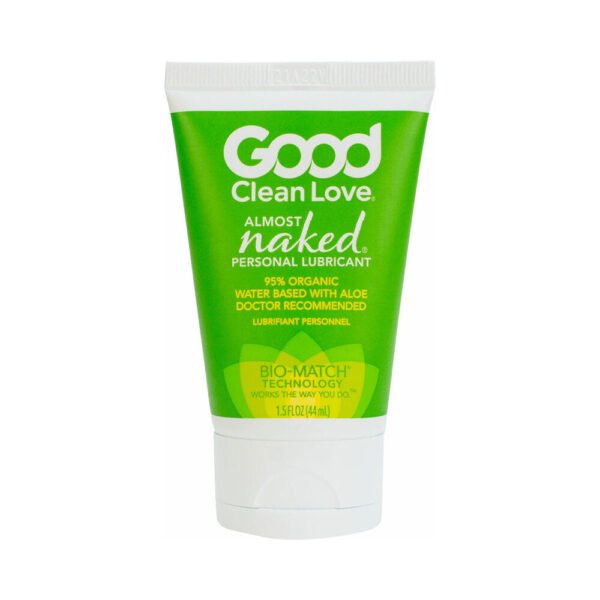
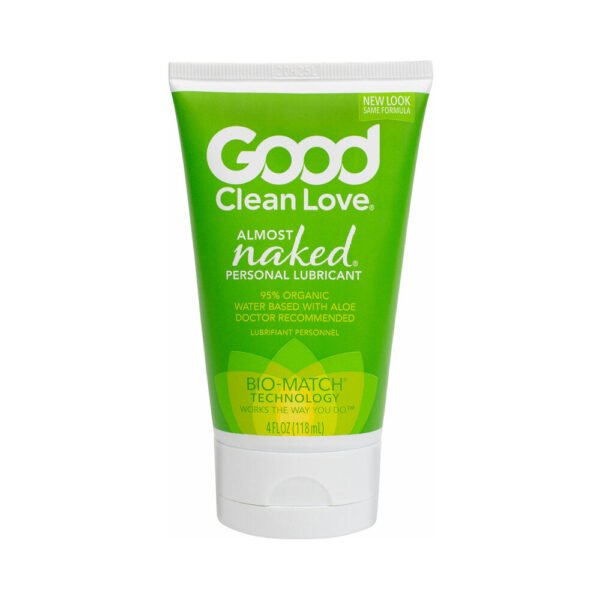
| Good Clean Love Almost Naked | Water-based / organic aloe vera | Yes | Yes | Yes | Yes | 4.0 |
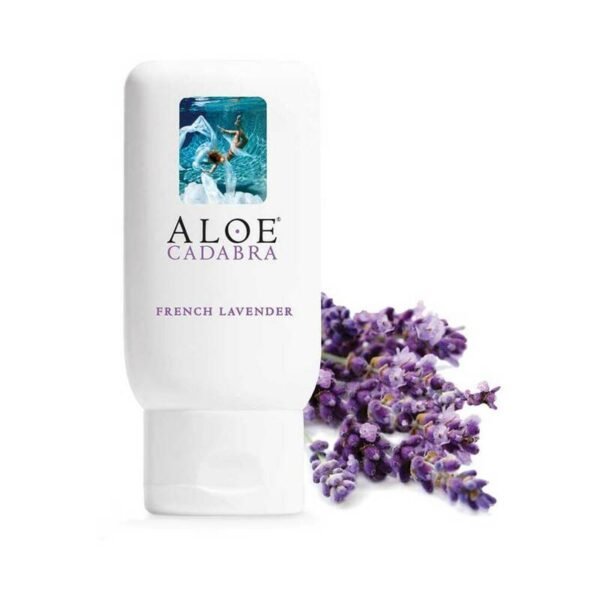
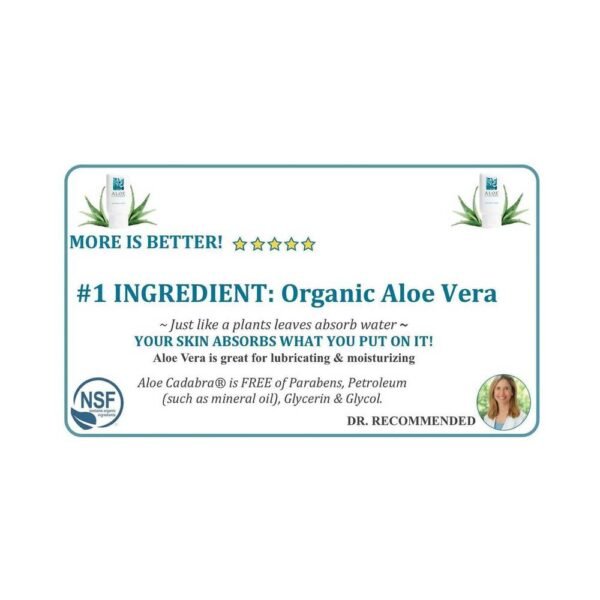
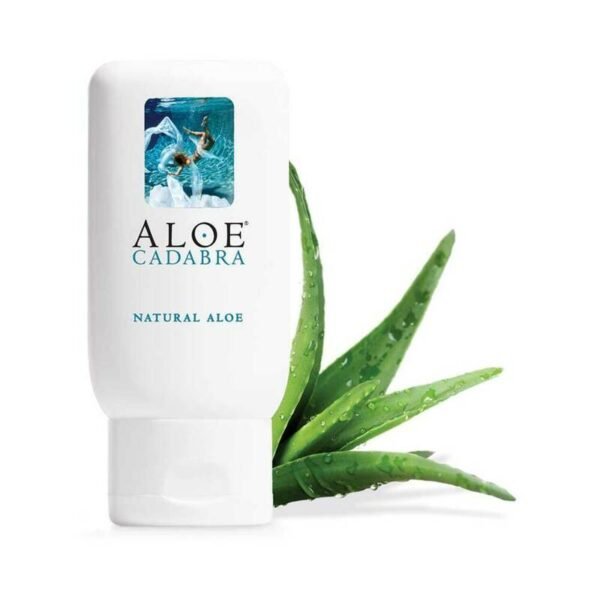
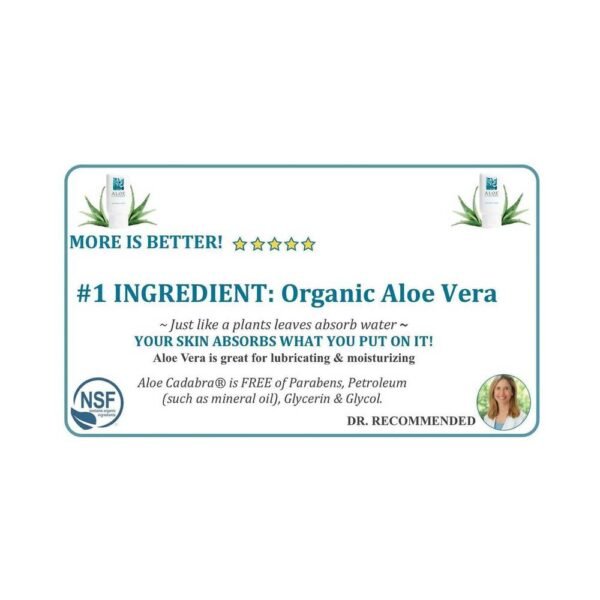
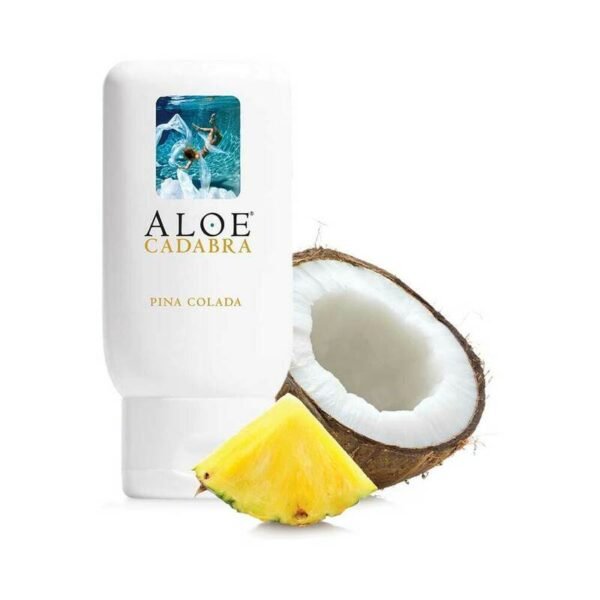
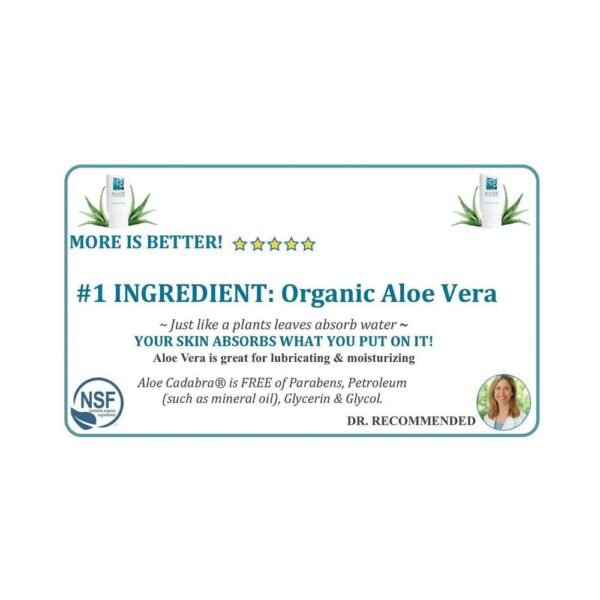
| Aloe Cadabra Natural | Water-based / 95% organic aloe vera | – | – | Yes | Yes | 2.5 |
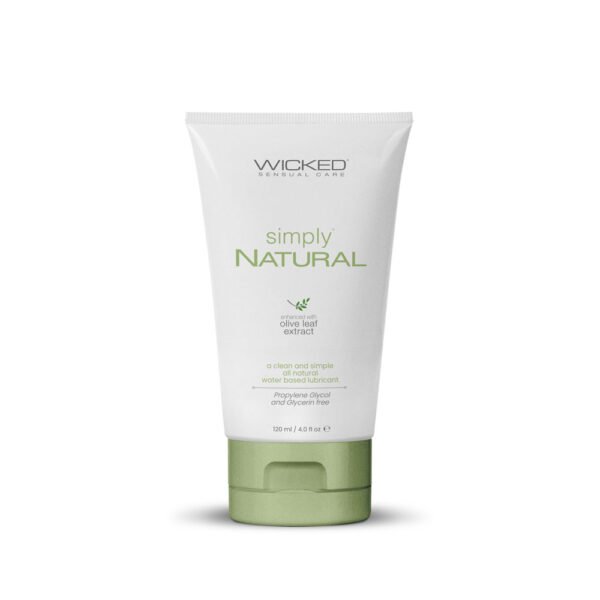
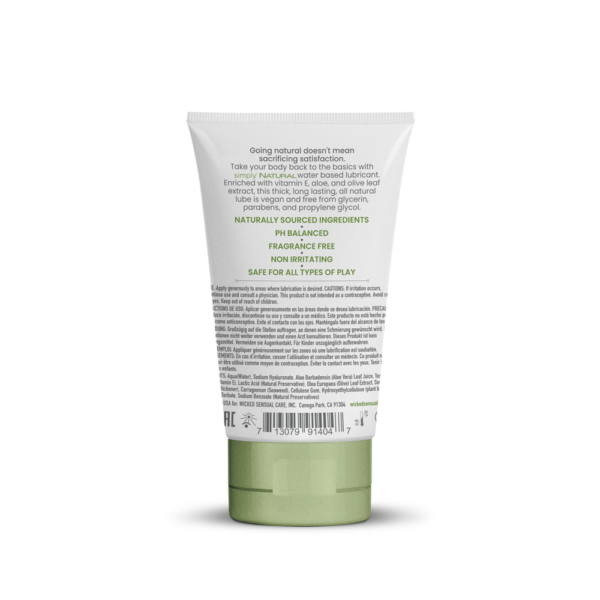
| Wicked Simply Natural | Water-based | Yes | Yes | – | – | 4.0 |
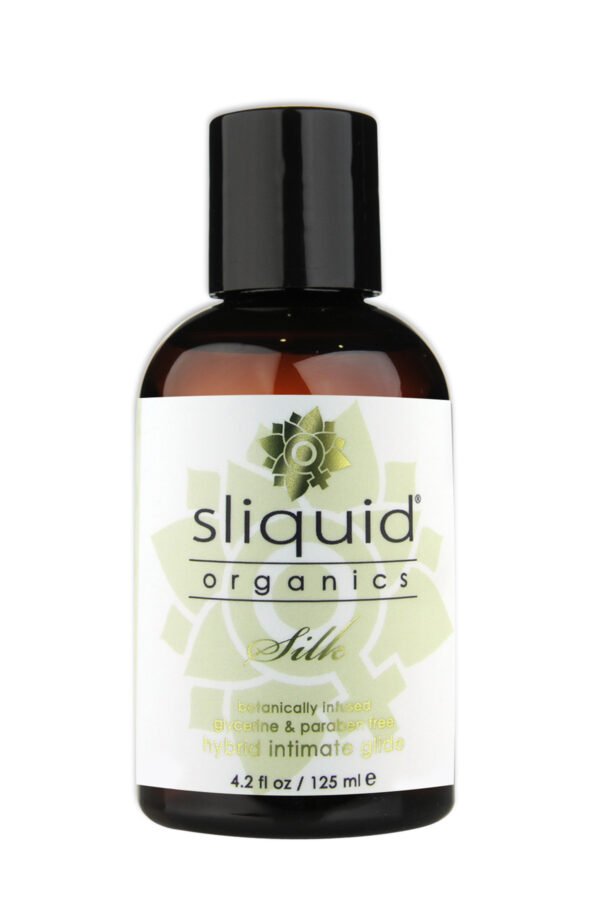
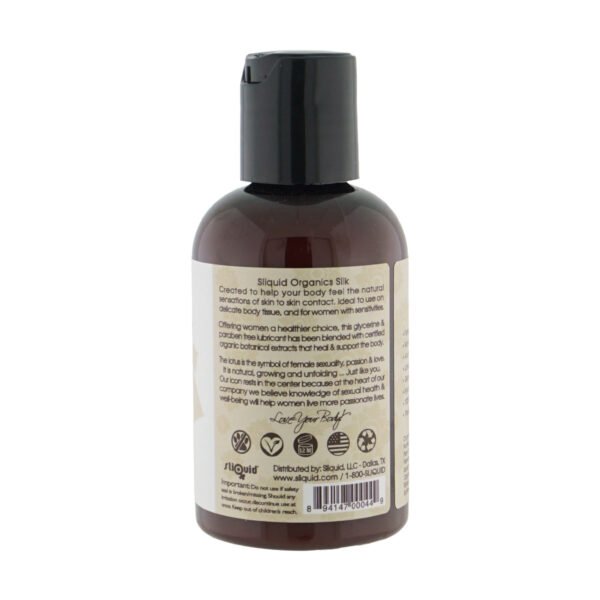
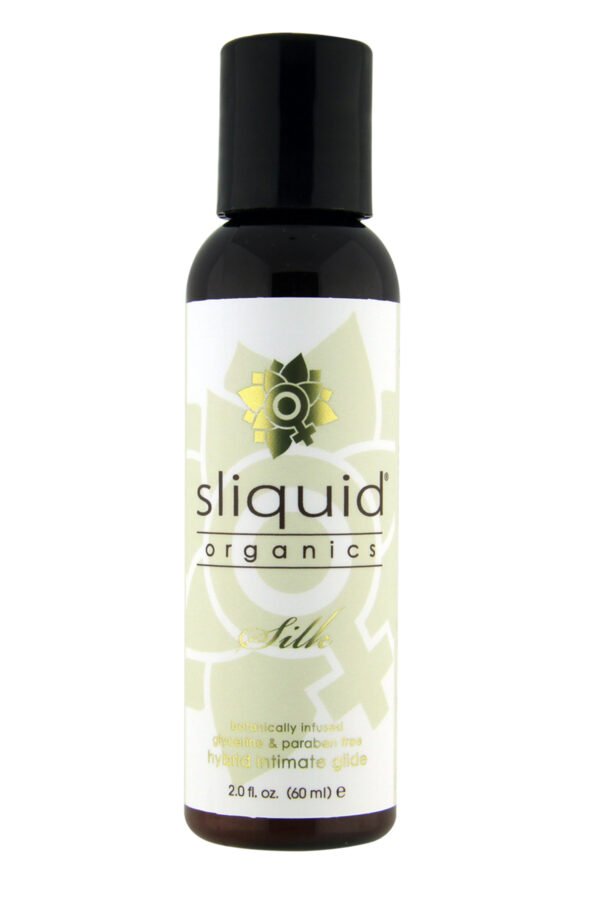
| Sliquid Organics Silk | Aloe and silicone hybrid | Yes | Yes | Yes | – | 4.2 |
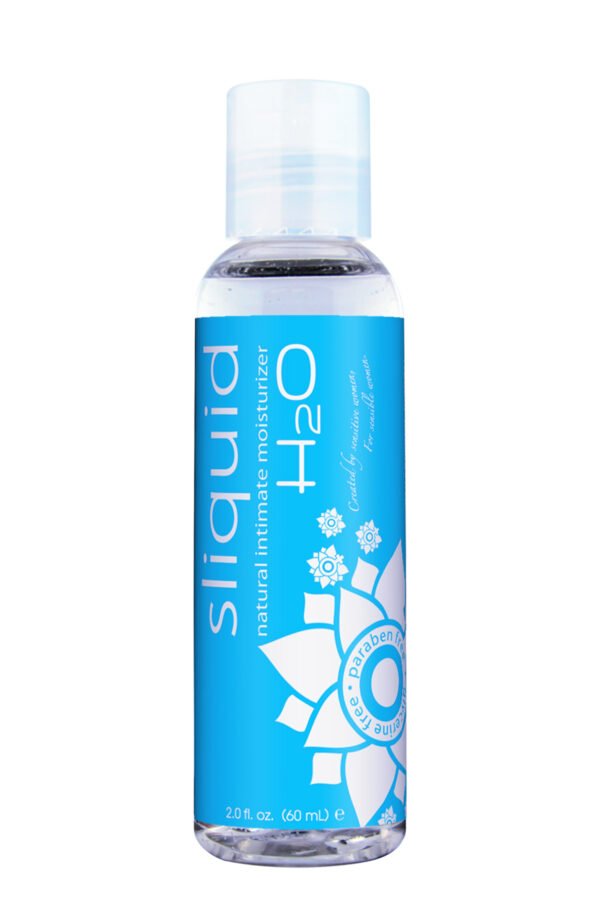
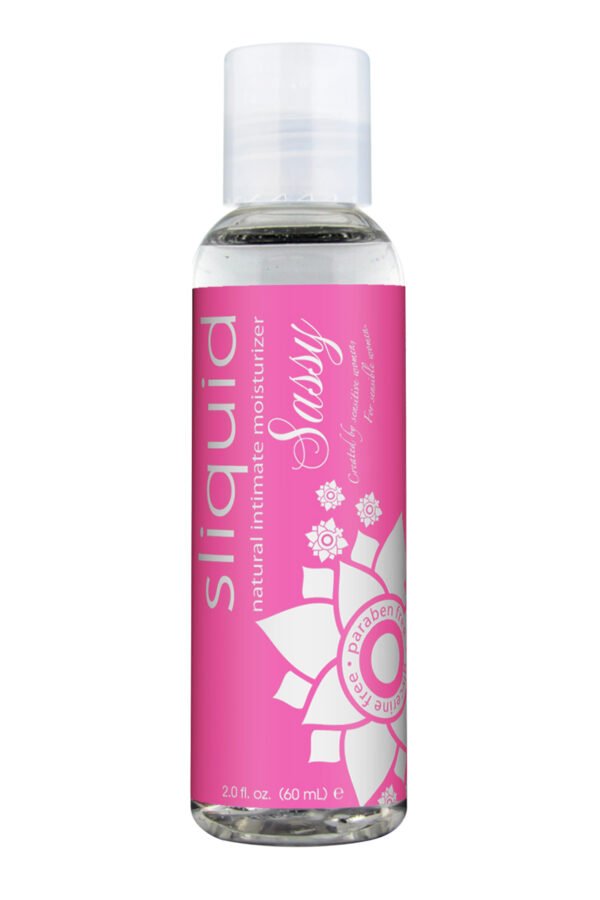
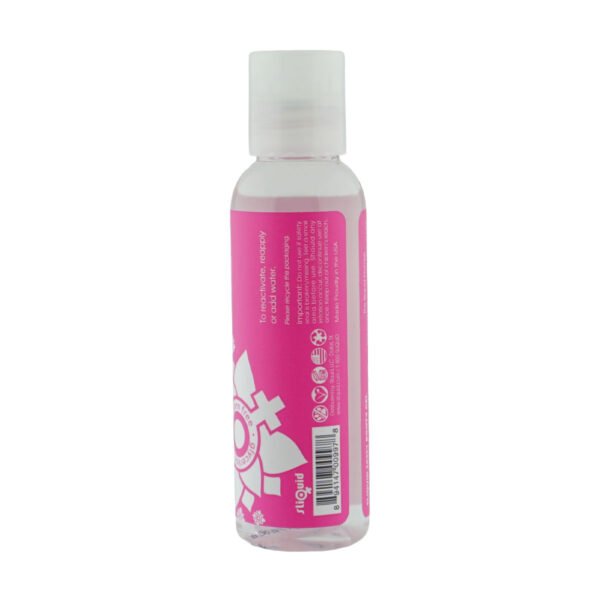
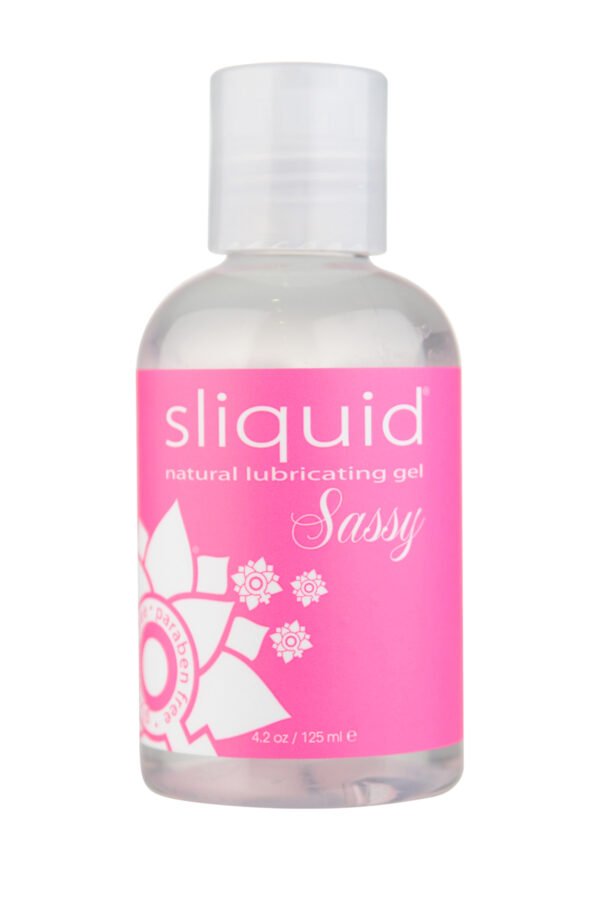
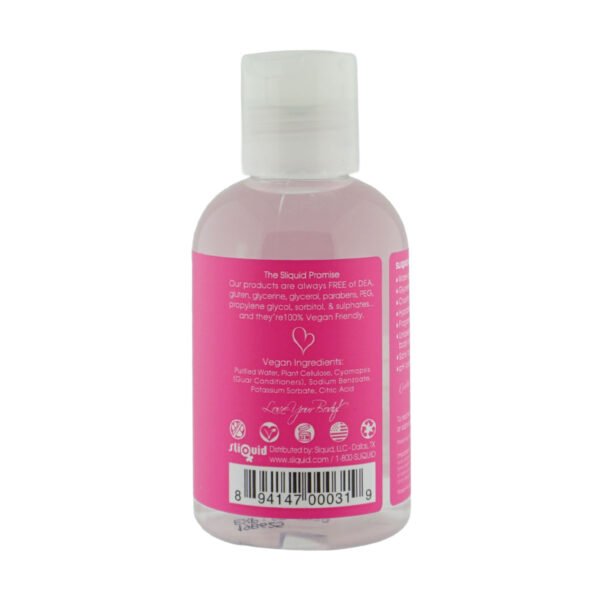
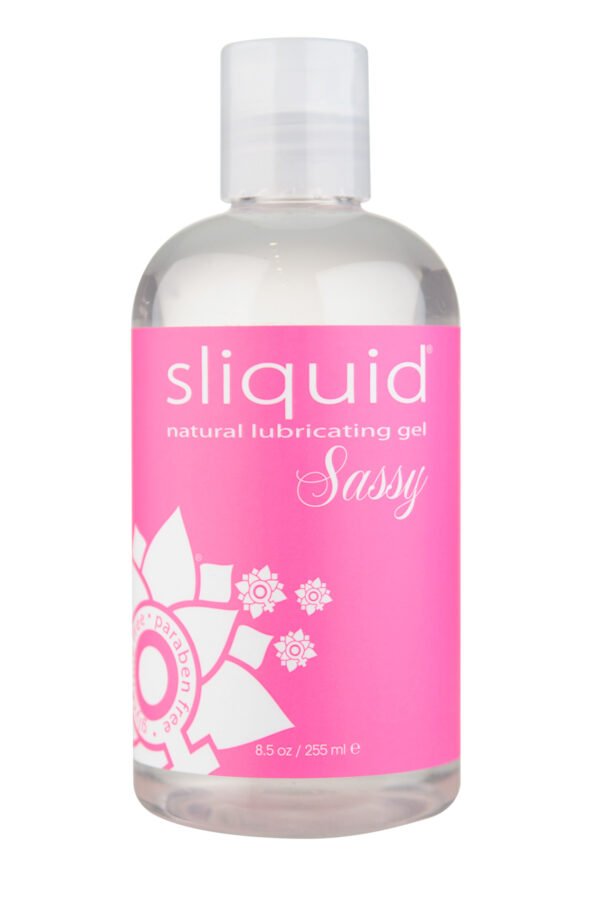
| Sliquid Naturals Sassy | Water-based (thick, plant cellulose) | Yes | Yes | Yes | Yes | 4.2 |
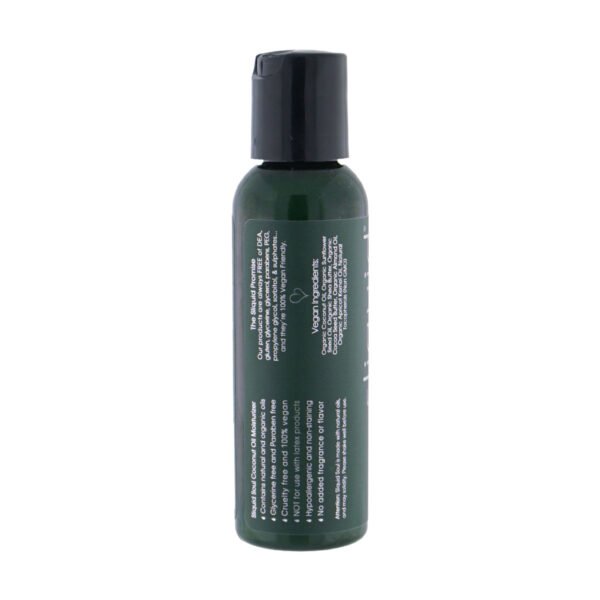
| Sliquid Soul | Oil-based / coconut oil blend | Yes | Yes | Not latex-safe | – | 2.0 |
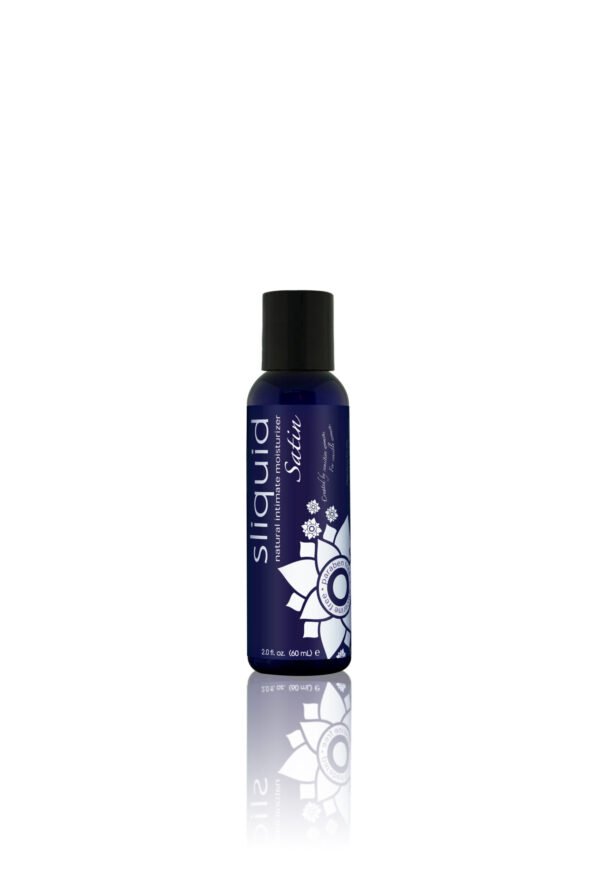
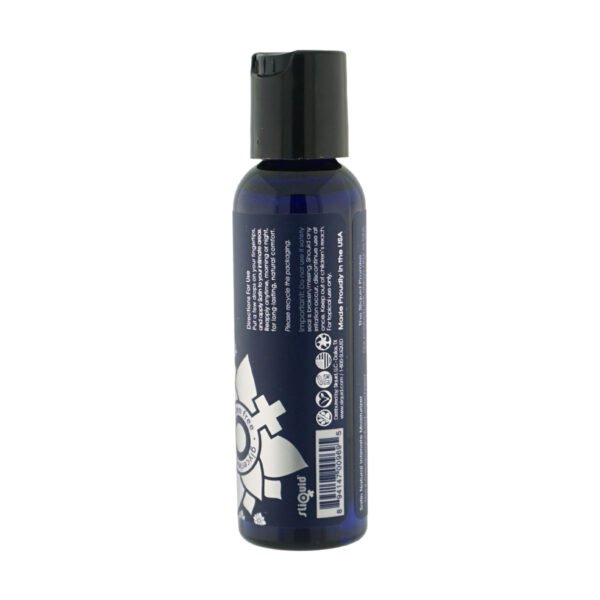
| Sliquid Naturals Satin | Water-based / aloe vera and carrageenan | Yes | Yes | Yes | – | 4.2 |
These organic and natural lube picks are grouped by how you actually plan to use them, so it is easier to find the right formula without sorting through the whole collection.
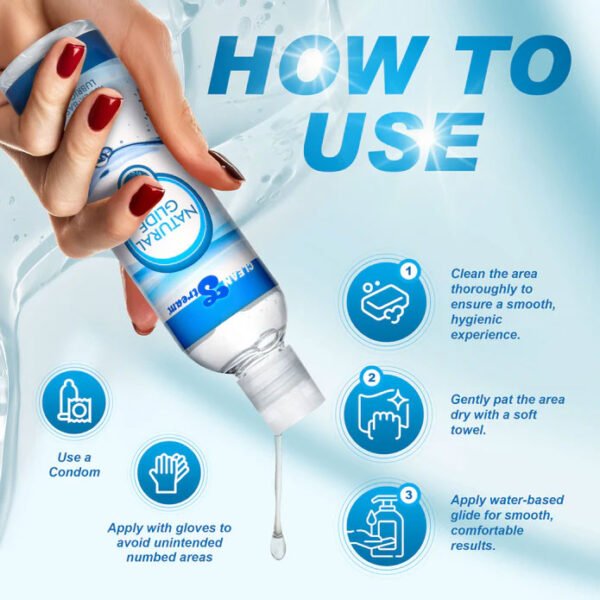
Apply a small amount to the desired area before or during use, and reapply whenever you want more glide. A little goes further than you might expect with thicker aloe-based and gel formulas. Water-based and aloe-based options rinse away easily with water; oil-based formulas need warm water and a gentle soap to clean up fully. For anal use, a thicker natural lube stays in place better than a thin formula.
Store natural and organic lubes at room temperature, away from direct sunlight, and check the expiry date before each use. Oil-based natural lubes, including coconut and avocado oil formulas, will degrade latex condoms and may damage some toy materials, so pair them only with non-latex barriers and compatible surfaces. Hybrid formulas containing silicone are not reliably safe with silicone toys. Discontinue use if any irritation develops and consult a healthcare provider if it persists.
Certified organic lubricants have cleared a third-party verification process: USDA organic certification requires that source ingredients were grown without synthetic pesticides or fertilizers and processed without chemical solvents, while NSF/ANSI 305 applies the same logic specifically to personal care products. A product carrying one of those seals has documentation behind the claim. “Natural,” by contrast, has no regulated definition in the personal care space. A manufacturer can print it on any formula without independent review, which means two products sitting side by side on a shelf, one certified and one simply labeled natural, may have very different ingredient standards. The practical move is to look for a certification mark rather than the word itself, and to read the full ingredient list regardless.
Some ingredients appear in products marketed as natural because they perform a genuine function, such as preservation or texture, and plant-derived alternatives can be harder to stabilize. Glycerin is a common example: it is often derived from vegetable sources, so it reads as natural, but it can disrupt vaginal pH balance in some people and is worth avoiding if you have reactive skin. Parabens extend shelf life and are inexpensive, but they are synthetic preservatives with contested safety profiles, and most body-safe formulas have moved to alternatives like potassium sorbate. Petrochemicals, including propylene glycol and mineral oil, are petroleum-derived and have no place in a genuinely clean formula. Synthetic fragrance is worth flagging too, because it can mask dozens of undisclosed compounds under a single label term. When a formula is genuinely clean, the preservative and thickener choices are usually named clearly.
Vaginal pH normally sits between 3.8 and 4.5, and a lubricant that falls outside that range can shift the environment enough to affect the natural microbial balance. This matters most for people whose baseline is already in flux: during perimenopause and menopause, reduced estrogen raises vaginal pH naturally, making the tissue more sensitive to outside disruption. Postpartum, hormonal shifts produce a similar effect. A pH-balanced natural lube, one formulated to stay within or close to that 3.8 to 4.5 window, is less likely to interfere with that balance during everyday or partnered use.
Osmolality is the other spec worth knowing. High-osmolality formulas draw moisture out of tissue cells, which is the opposite of what most people want from a lubricant. The World Health Organization recommends personal lubricants stay below 380 mOsm/kg; iso-osmotic formulas, those calibrated to match the body’s own fluid concentration, are the gentler choice for sensitive or dryness-prone users. Some natural lube brands publish these numbers; if a formula does not, a short, recognizable ingredient list with aloe or water as the base and no added sugars or glycerin is a reasonable proxy for a lower-osmolality product.
Most water-based and aloe-based natural lubes are generally considered safe for use during pregnancy, since they use plant-derived ingredients and avoid petrochemicals, synthetic preservatives, and artificial fragrance. That said, pregnancy changes how the body responds to a lot of things, so it is always worth checking with your healthcare provider before adding anything new to your routine. Fragrance-free, glycerin-free formulas tend to be the gentlest choice for anyone whose skin or tissue is more reactive than usual.
Some conventional lubricants have been shown in lab studies to affect sperm motility, which is why fertility-aware shoppers often look specifically for sperm-friendly formulas. Certain natural and organic lubes are formulated with osmolality and pH levels that are less likely to interfere with sperm, and a few are explicitly labeled as fertility-friendly or conception-compatible. If this is a priority for you, look for that language on the product page rather than assuming any natural lube qualifies automatically.
Water-based and aloe-based natural lubes are generally non-staining and rinse out of most fabrics without issue. Oil-based formulas, including those made with coconut or avocado oil, can leave a grease mark on fabric similar to any plant oil, so a towel or washable cover underneath is a practical habit. Hybrid formulas containing silicone may occasionally leave a faint residue on some materials; laundering promptly usually takes care of it.
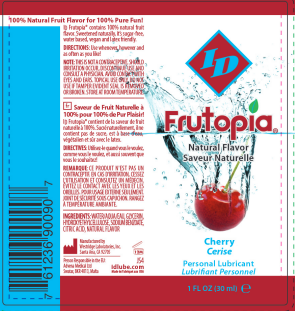
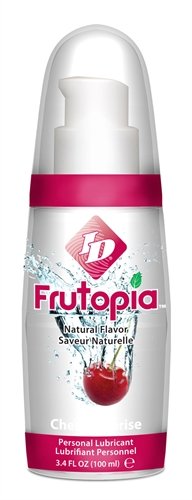
Natural flavored lubes tend to use food-grade or organic flavorings rather than synthetic ones, which often gives them a lighter, less artificial taste. The sweetness level also tends to be lower, since many natural formulas use organic stevia or similar alternatives instead of sugar or glycerin. If taste is important to you, edible aloe-based options are a good place to start, since the aloe base itself is fairly neutral and lets the flavoring come through cleanly.
This is worth taking seriously, because oil-based natural lubes often contain coconut oil, almond oil, shea butter, or avocado oil, all of which can be a concern for people with certain plant or tree nut sensitivities. Reading the full ingredient list before you buy is essential if you have a known allergy, since “natural” and “organic” do not mean allergen-free. Water-based and aloe-based formulas with minimal ingredients are generally the safer starting point for anyone navigating sensitivities, though individual reactions vary.
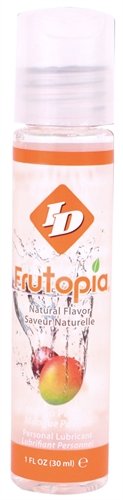
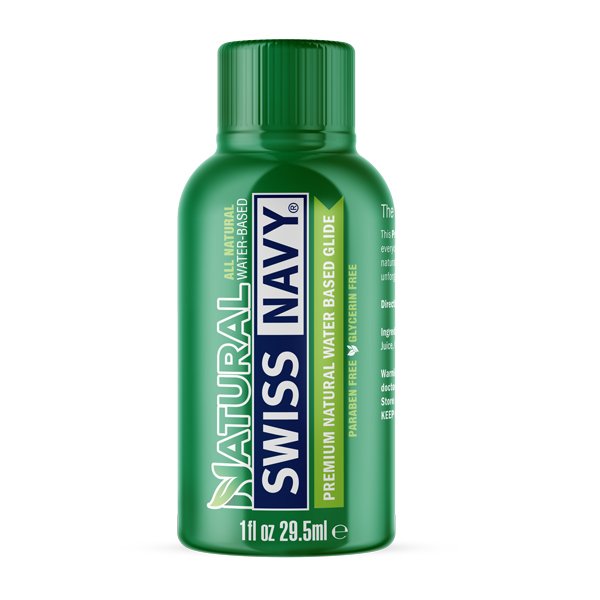
Natural and organic lubes follow the same TSA liquid rules as any other personal care product: containers of 3.4 fl oz (100 mL) or less are fine in a carry-on, while larger bottles need to go in checked luggage. Several brands in this category offer 1 fl oz and 2 fl oz sizes that fit easily within the standard quart-sized bag. Packaging is typically plain and unmarked, so there is nothing identifying about the bottle itself.
Water-based and aloe-based natural lubes are compatible with internal (female) condoms, which are typically made from nitrile, as well as with polyurethane and polyisoprene barriers. Oil-based natural lubes are not safe with any latex or polyisoprene barrier, since plant oils degrade those materials just as petroleum-based products do. If you use non-latex barriers regularly, a water-based or aloe-based formula is the straightforward choice for added glide without compatibility concerns.
Every order from Claim Night ships in plain, unmarked packaging with no indication of what is inside. Your billing statement shows “XR. LLC,” not Claim Night or any product description. We do not sell or share your personal data. Discretion is built into how we operate by default, not something you have to request.
Helpful guides, product tips, and simple explanations to help you find what feels right.
No account yet?
Create an Account