


Article
Beginner Butt Plug Guide: What a Butt Plug Is, How It Works, and How to Use One Safely04/03/2026

Deals
Bestsellers
+39
Most-Loved Picks
Customer favorites for comfort, care, and everyday pleasure
Shop BestsellersSale · up to 40% off

+891
Soft Savings
Limited-time offers on body-safe essentials and feel-good favorites
View SaleSeasonal edit


+267
Seasonal Comfort Edit
Curated picks for holidays, date nights, gifting, and cozy nights in
Explore the EditFeatured
 Discreet Packaging
  Secure Checkout
  Body-Safe Materials
 Masturbation lubes and creams are personal lubricants formulated specifically for solo use, with textures and staying power suited to hand contact rather than penetration. They come in several base types: water-based formulas rinse off easily and work with silicone toys and latex condoms; oil-based creams and balms last longer but are not safe with latex condoms or silicone toys; hybrid and petroleum-based options sit somewhere between.
Beyond base type, the ingredient list is what separates a comfortable experience from a reactive one. Fragrance-free, paraben-free, and glycerin-free formulas are worth prioritizing, especially for regular or sensitive-skin use.
Masturbation lubes and creams come in several distinct base types, and the differences between them are practical, not just cosmetic. The right one depends on how long you want it to last, what toys you are using, and how your skin tends to respond.
Water-based masturbation lube is the most versatile starting point: it rinses off cleanly with water, works with silicone toys, and is safe with latex condoms. The texture ranges from light and slippery to thicker gel or cream consistencies, so there is room to find what feels right. The one trade-off is that water-based formulas can thin out over longer sessions and may need a quick reapplication.
Oil-based masturbation creams and balms stay slick for longer without reapplication, which makes them a good fit for extended solo sessions. Many are built around plant-based oils or petrolatum, and they tend to feel rich and skin-conditioning rather than clinical. They are not compatible with latex condoms or silicone toys, so they work best for hand use alone.
Silicone-based masturbation lube is long-lasting and does not absorb into the skin, so it holds its glide without any reapplication. It is a strong choice for longer sessions and works well with latex condoms. The key limit: silicone lube can degrade silicone toy surfaces over time, so it is best kept to hand use or paired with non-silicone toys.
Masturbation creams and lotions are water-based formulas with a thicker, more cushioned consistency than a standard gel. They are purpose-formulated for stroking and hand contact, often enriched with skin-conditioning ingredients like aloe vera, vitamin E, or plant oils. This texture tends to suit people who find thin lubes too slippery or who want something that doubles as a light moisturizer after use.
Natural masturbation lubes lean on plant-derived ingredients, such as aloe vera, coconut oil, or sweet almond oil, instead of synthetic thickeners or petrochemicals. They appeal to anyone who prefers a shorter, more recognizable ingredient list. Check the base type before use with toys or condoms, since a natural formula can still be oil-based, which carries the same compatibility limits as any other oil product.
Sensitive-skin masturbation lubes are formulated without common irritants: no fragrance, no glycerin, no parabens, and often no dyes. They are a practical choice for everyday solo use or for anyone whose skin reacts to standard personal lubricants. Most are water-based, which also makes cleanup straightforward and keeps them compatible with strokers and sleeves.
Warming masturbation lubes use ingredients that create a mild heat sensation on contact with skin, adding a layer of physical feedback during solo play. They are worth trying if you want something that feels a little more dynamic than a standard formula. Patch-test first if your skin runs sensitive, since warming agents can occasionally cause irritation on reactive skin.
The right masturbation lube comes down to a few practical questions: what you are using it with, how long you want it to last, and what your skin tends to tolerate. A couple of those questions do most of the work.
Toy compatibility and ingredient sensitivity are the two filters worth applying first. Once those are settled, texture and staying power are mostly personal preference.
The table below compares a selection of products across the key practical specs to help you match a formula to your situation.
| Product | Base Type | Volume | Latex Condom-Safe | Silicone Toy-Safe | Fragrance-Free | Key Ingredients |
|---|---|---|---|---|---|---|
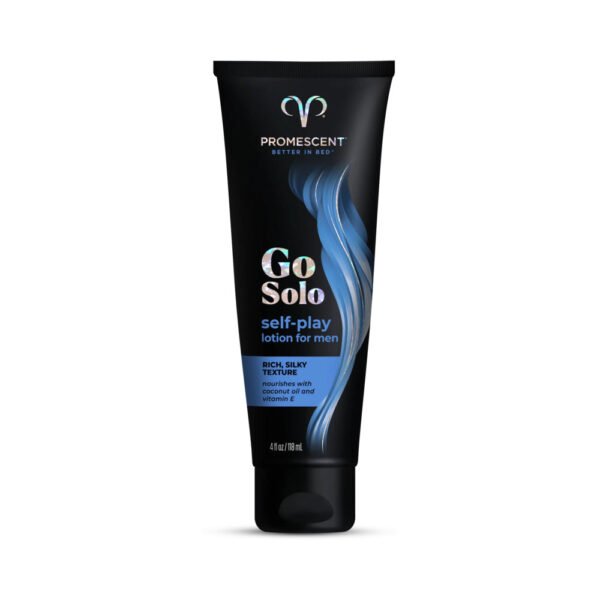
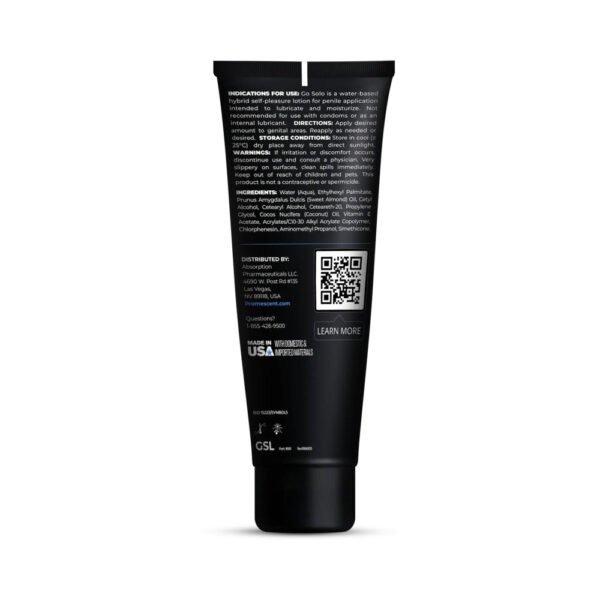
| Promescent Go Solo Self-Play Lotion | Water-based | 4 fl oz | Yes | Yes | Yes | Coconut oil, sweet almond oil, vitamin E |
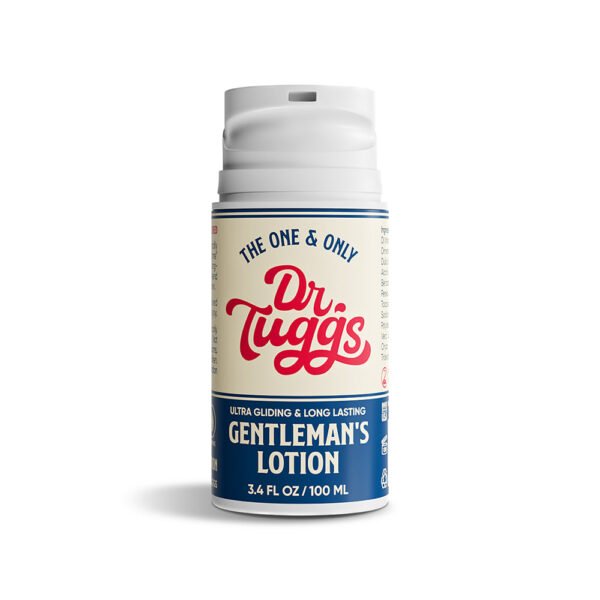
| Dr. Tuggs Gentleman’s Masturbation Lotion | Water-based | 3.4 fl oz | Yes | Yes | Yes | Aloe vera, avocado oil, vitamin E |
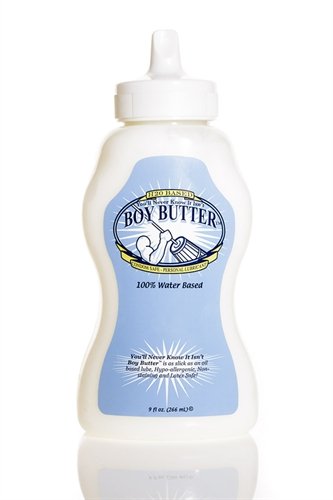
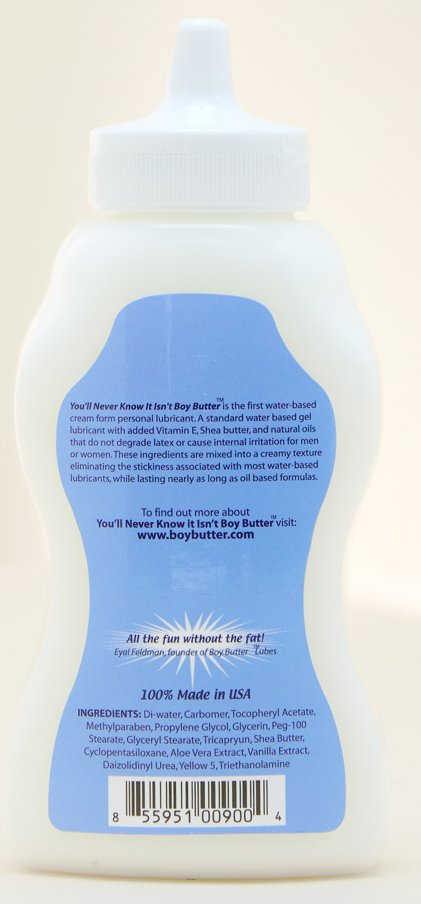
| Boy Butter H2O Water-Based Personal Lubricant | Water-based | 9 fl oz | Yes | Yes | – | Shea butter, vitamin E |
| Sensuva HandiPop Edible Hand Job Massage Gel (4.2 fl oz) | Water-based | 4.2 fl oz | Yes | – | No | Water, propanediol, tea tree leaf oil, sucralose |
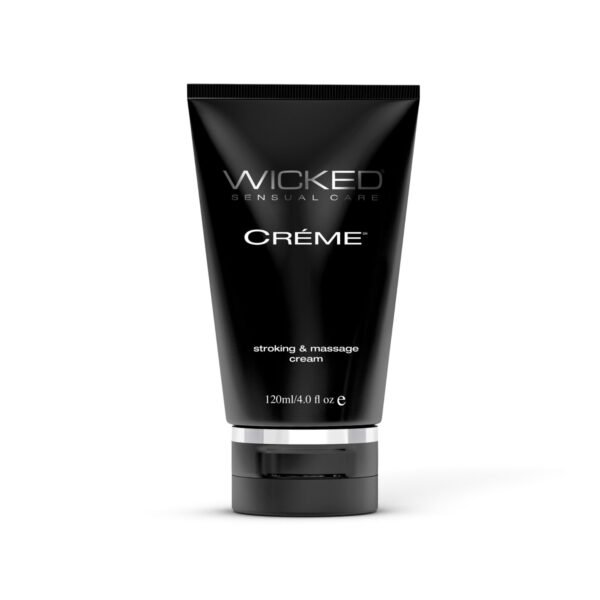
| Wicked Creme Stroking and Massage Creme | Oil-based | 4 fl oz | No | No | Yes | Coconut oil, sweet almond oil, vitamin E |
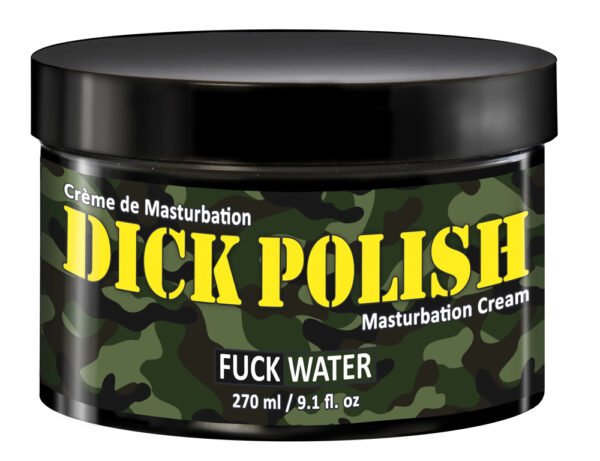
| Dick Polish Masturbation Cream | Oil-based | 9.1 fl oz | No | No | – | Petrolatum, mineral oil, aloe extract, vitamin E |
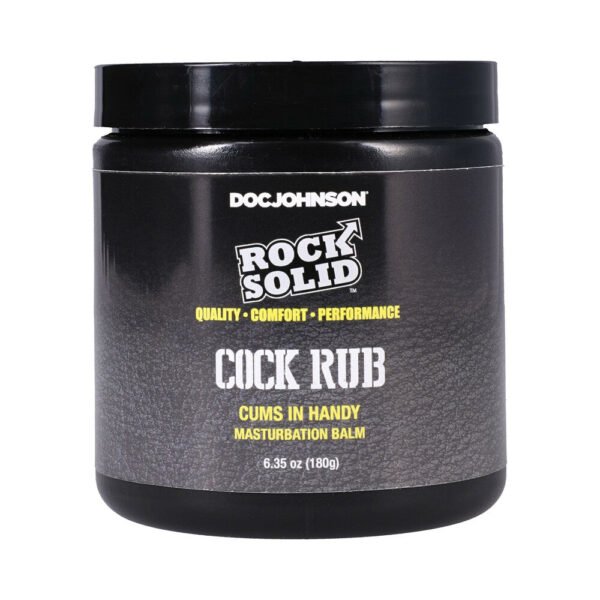
| Rock Solid Cock Rub Petroleum-Based Masturbation Balm | Petroleum-based | 6.35 fl oz | No | No | – | Petrolatum, petroleum jelly, octyldodecanol |
Start with a small amount and add more as you go; most formulas are designed to be reapplication-friendly, so there is no need to over-apply at the start. Water-based options can be refreshed with a drop of water if they begin to thin, while oil-based and petroleum-based creams tend to stay slick on their own through longer sessions. For partnered hand play, the same application approach applies.
Store any formula in a cool, dry place away from direct sunlight, and check the expiry date before use, since oils and emulsions do break down over time. Keep all lubricants away from eyes and do not use internally unless the label specifically states it is safe for that purpose. Oil-based and petroleum-based formulas will degrade latex condoms and can damage silicone toy surfaces, so reserve them for skin-only use. Discontinue use and consult a physician if any irritation develops.
Masturbation lube labels can be dense, but a few specific ingredients come up repeatedly in conversations about skin reactions and long-term comfort. Parabens (methylparaben, propylparaben) are preservatives that some people prefer to avoid due to concerns about hormone disruption, and they are easy to sidestep since many formulas now advertise paraben-free clearly on the front label. Glycerin, a common humectant, can feed yeast in sensitive individuals and tends to leave a sticky finish that some people find unpleasant. Propylene glycol is a solvent that helps ingredients blend smoothly, but it is also a known irritant for people with reactive skin. Artificial fragrance is the broadest category: “fragrance” on a label can represent dozens of undisclosed compounds, and it is one of the most common sources of contact irritation in personal care products.
What to look for instead: a short, readable ingredient list with a recognizable base (water, aloe vera, plant oils), no added scent, and a glycerin-free and paraben-free callout. If your skin is prone to sensitivity, that short list is the most useful filter you have.
Regular hand lotion, DIY oils, and plain water are common substitutes, but each has a real drawback that purpose-formulated masturbation lubricants are designed to avoid. Hand and body lotions are made to absorb quickly into skin, which is the opposite of what you want from a lube; they also frequently contain fragrance, alcohol, and preservatives that can irritate genital skin, which is more permeable and sensitive than the skin on your hands. Coconut oil and similar kitchen oils are gentler, but they degrade latex condoms, can disrupt vaginal pH if used internally, and go rancid over time, especially once a jar has been opened repeatedly. Water evaporates almost immediately and provides no meaningful friction reduction on its own. Purpose-made masturbation lubes are pH-balanced, tested for intimate skin contact, and formulated to stay slick at body temperature, which is a meaningful difference from any of these alternatives.
Lube compatibility with strokers and sleeves is a practical safety question, not just a preference. Most masturbation sleeves, including Fleshlights and similar textured strokers, are made from TPE, TPR, or proprietary blended materials. Silicone-based lubes can chemically interact with those surfaces, causing the material to break down, become tacky, or develop micro-tears that are harder to clean. Oil-based and petroleum-based formulas carry similar risks and can also leave residue inside the sleeve that is difficult to rinse out fully.
Water-based masturbation lube is the only base type reliably safe for use with silicone-blend and TPE sleeves. It rinses out cleanly with water, does not degrade the sleeve material, and is compatible with latex condoms if you use one over the toy. Check the toy manufacturer’s guidance if you are unsure about the material, and reapply lube as needed during longer sessions since water-based formulas can thin out over time.
Water-based formulas generally rinse out of most fabrics without leaving a mark, since they are water-soluble by nature. Oil-based creams and petroleum-based balms are a different story: they can leave a greasy residue on fabric that standard washing may not fully remove, so a towel or dedicated cloth underneath is worth the habit. If you are prone to forgetting, a water-based formula is the lower-risk default for bedding and upholstery.
Masturbation lubes and stroking creams work just as well for partner-assisted hand play as they do for solo use; the formulas are the same either way. The labeling reflects the primary marketing angle more than any actual limitation. If you plan to move from hand play to penetrative sex with a latex condom, check that your chosen formula is latex-compatible before you start.
For most people, a body-safe, fragrance-free formula with a clean ingredient list is fine for regular daily use. The main thing to watch is whether your skin is responding well over time; some ingredients that feel fine occasionally can cause mild cumulative irritation with very frequent use. If you notice any ongoing sensitivity, switching to a simpler, shorter-ingredient-list formula is usually the first sensible step.
Most masturbation lubes and creams are fragrance-free and unflavored, which is the standard for solo-use formulas. Some products in this space, particularly edible massage gels, are intentionally flavored for partnered use and carry a noticeable taste. If scent and taste neutrality matter to you, fragrance-free and dye-free are the two label callouts to look for first.
Standard TSA liquid rules apply: any bottle going in carry-on luggage needs to be 3.4 fl oz (100 mL) or under and fit in your quart-sized bag. Several formulas in this category come in sizes right at that limit, which makes them straightforward to pack. Larger bottles travel fine in checked luggage without any restriction.
Every Claim Night order ships in plain, unmarked packaging with no external branding or product description visible. Your billing statement shows “XR. LLC,” not Claim Night or any product name. Your data is never sold. The whole process is designed so that what you ordered stays your business.
Yes, in a practical sense: too little and friction returns quickly; too much and some formulas can feel slippery to the point of reducing sensation. The sweet spot varies by formula thickness and personal preference, and it usually takes a use or two to find it with a new product. Thicker creams and balms tend to need less product than thin gels to achieve the same coverage, so starting conservatively with any new formula makes sense.
Functionally, many formulas overlap: a good water-based personal lubricant can work well for solo use, and vice versa. Products marketed specifically as masturbation lubes or stroking creams are often formulated with a richer, creamier texture suited to external hand contact rather than the thinner, more neutral consistency designed for penetrative use. The practical distinction is texture and staying power more than any fundamental ingredient difference, though some masturbation-specific formulas do include skin-conditioning oils that a standard personal lubricant might not.
Helpful guides, product tips, and simple explanations to help you find what feels right.
No account yet?
Create an Account