


Article
Beginner Butt Plug Guide: What a Butt Plug Is, How It Works, and How to Use One Safely04/03/2026

Deals
Bestsellers

+39
Most-Loved Picks
Customer favorites for comfort, care, and everyday pleasure
Shop BestsellersSale · up to 40% off
+891
Soft Savings
Limited-time offers on body-safe essentials and feel-good favorites
View SaleSeasonal edit


+267
Seasonal Comfort Edit
Curated picks for holidays, date nights, gifting, and cozy nights in
Explore the EditFeatured
 Discreet Packaging
  Secure Checkout
  Body-Safe Materials
 Fit here is about pressure, not size. A well-fitted clitoral clamp sits snugly against the clitoral hood without pinching or slipping. Start with the loosest setting and adjust gradually: you should feel steady, even pressure with no numbness, pulling, or discomfort. Adjustable screw mechanisms give the most control for dialing this in.
Most non-piercing designs are one-size with an adjustable grip, so anatomy varies more than sizing does. Clip width and jaw depth differ between styles, and a narrower clip generally suits a more compact fit. Read each product’s measurements before buying, and choose a design with a quick-release closure so removal is always easy and immediate.
Clit clamps and clitoral jewelry vary more than they appear to at first glance, and a few specific details make the difference between something you reach for again and something that stays in a drawer.
Clitoral clamps with an adjustable screw tension mechanism let you dial in exactly how much pressure you want, which matters a lot because sensitivity varies from person to person and from one day to the next. A fixed-pressure design is simpler and has fewer moving parts, but it commits you to one level of sensation. For a first experience with clamps, adjustable tension is almost always the more forgiving choice. If you already know your preferences, a fixed design can feel cleaner and more streamlined.
Clit clamps and clitoral jewelry sit against some of the most sensitive tissue on the body, so material is not a detail to skip over. Surgical-grade stainless steel is non-porous, easy to clean, and works well for anyone with metal sensitivities as long as it is nickel-free. Silicone-lined or silicone-coated metal adds a softer contact surface, which can feel gentler and warmer against skin. Hypoallergenic zinc alloy and rhodium-plated brass are common in decorative clitoral jewelry styles; check that any plated finish is intact before use, since worn plating can expose base metals that irritate sensitive skin.
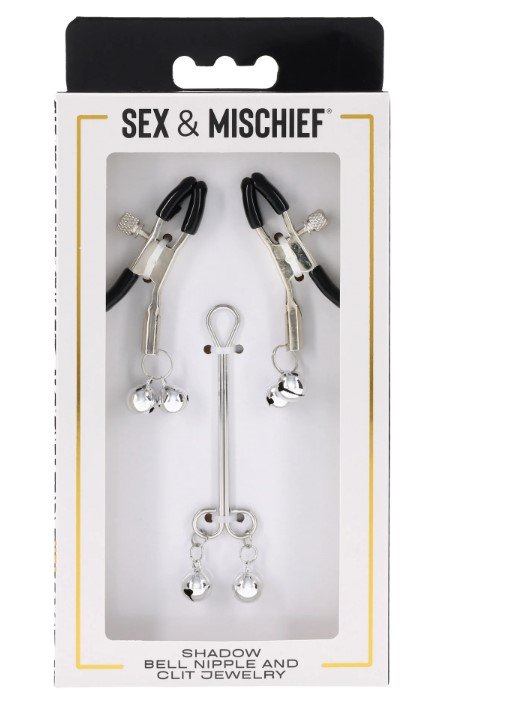
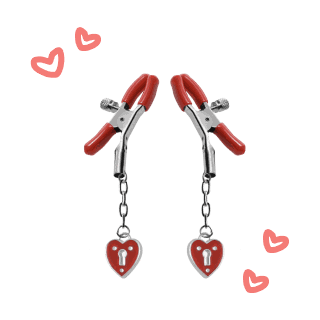
A single clitoral clamp focuses sensation in one place and tends to be the simpler starting point. A clamp-and-chain set, including styles that connect to nipple clamps via a linking chain, adds a whole different dimension: light tension that travels between the connection points with movement. The chain length determines how much pull you feel, so it is worth checking that spec if you are buying a set rather than a standalone piece.
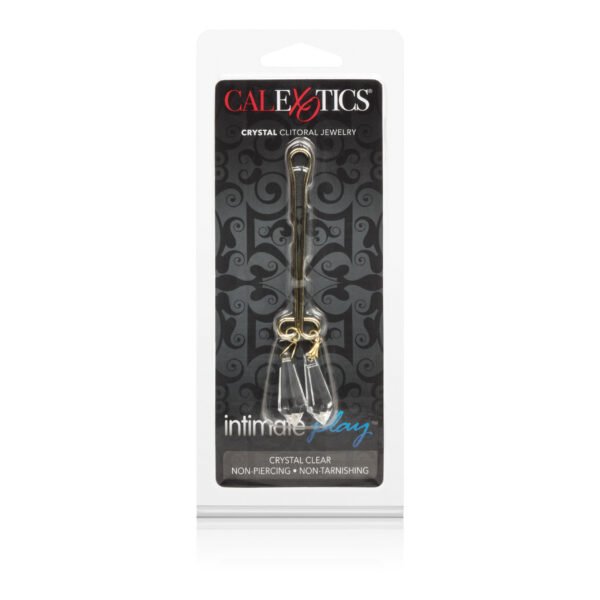
Some clitoral jewelry includes a dangling charm or pendant, and the weight of that pendant is part of the sensation, not just the look. A lightweight decorative charm adds visual appeal with minimal physical effect. A heavier weighted attachment creates a subtle downward pull that shifts with movement, which some people find intensifies awareness during wear. If you are new to weighted intimate jewelry, starting lighter and working up is the practical approach.
The jaw width and inner surface of a clitoral clamp determine how it contacts tissue and how comfortable it stays over time. Smooth polished edges on stainless steel reduce the risk of any rough contact, while silicone-lined grips distribute pressure more evenly across a slightly wider surface area. A quick-release closure is worth looking for if you want to be able to remove the clamp easily and without fuss. Tapered or contoured jaw shapes tend to sit more securely than flat ones, especially during movement.
Clitoral jewelry ranges from pieces designed primarily for sensation to pieces designed primarily as intimate adornment, with plenty that do both. If the visual element matters to you, look at the finish quality: polished metal, crystal adornments, and bell accents each create a different aesthetic. If sensation is the main goal, focus on the grip mechanism and tension control rather than the decorative details. Some pieces are designed to be worn discreetly under clothing; others are made to be seen, and knowing which you want before you buy keeps the decision straightforward.
The right piece comes down to a handful of practical details: your experience with pressure play, your skin, and what you actually want from the accessory. A few clear criteria narrow the field quickly.
Think about how you plan to use it first. Solo exploration calls for different features than partnered play, and someone new to clitoral clamps will prioritize different things than someone who already knows what pressure level they like.
Using a clit clamp safely starts with applying the least pressure first and adjusting gradually from there. For adjustable screw-tension designs, turn the mechanism slowly and pause after each small adjustment to check how the sensation feels. The right pressure is noticeable but never sharp or painful. If you feel numbness, stinging, or any discomfort that does not ease within a few seconds of loosening, remove the clamp immediately.
Wear time matters as much as pressure. Most people find 10 to 20 minutes a reasonable limit, especially for a first session. Longer wear increases the risk of reduced circulation to sensitive tissue, so shorter sessions with breaks are a smarter starting point than pushing duration. Always remove the clamp before it becomes uncomfortable rather than after, and give the area a few minutes to return to normal sensation before reapplying.
Clitoral jewelry and clit clamps should be cleaned before and after every use, and the right method depends on the material. Surgical-grade stainless steel with no coatings or soft components can be boiled for a few minutes or wiped down with a dedicated sex toy cleaner for a quicker option. Silicone-lined or rubber-padded pieces should be wiped with mild soap and warm water rather than boiled, since heat can degrade soft coatings over time.
Coated or plated metals, including rhodium-plated and zinc alloy pieces, need gentle handling. Harsh chemicals and prolonged soaking can strip the finish and expose the base metal underneath, which matters for anyone with metal sensitivities. After cleaning, dry the piece fully before storing it. A soft pouch or a clean, dry container keeps the finish intact and prevents contact with other items that could scratch polished surfaces.
Body-safe materials for clitoral clamps and intimate jewelry are non-porous, meaning they do not trap bacteria or absorb residue between uses. Surgical-grade stainless steel and nickel-free metals are the most reliable choices for people with sensitive or allergy-prone skin, because they resist corrosion, clean thoroughly, and do not leach irritants into delicate tissue. Medical-grade silicone linings and padded grips add a layer of comfort and are also non-porous when intact.
Materials to approach carefully include nickel-containing alloys and low-quality coated metals, which can cause contact dermatitis in people with metal sensitivities. If you have reacted to costume jewelry or inexpensive metal accessories before, prioritize pieces that explicitly state nickel-free or hypoallergenic construction. Body-safe ABS plastic is generally well-tolerated for external use, though it is less durable than metal for long-term wear. When a product listing does not specify materials, that is a reasonable reason to look elsewhere.
Most non-piercing clitoral jewelry sits close to the body and stays in place with light pressure, so there is no visible outline through underwear or fitted clothing. Pieces without a dangling chain or weighted pendant are the most discreet for everyday or under-clothing wear. If the design includes a charm or chain, snug-fitting underwear holds everything flush and reduces any movement that might be felt or heard.
Completely normal. The clitoral area is highly sensitive, and any new kind of pressure there takes a moment to get used to, even when the fit is right. Most people find that the initial uncertainty settles quickly once they realize they can adjust or remove the piece at any time. Starting with the lightest possible tension and giving yourself a few minutes to acclimate makes a real difference.
Yes, and many people do layer them. A clitoral clamp pairs naturally with nipple clamps or a connecting chain set, which creates a linked sensation across multiple erogenous zones. They also work alongside external vibrators, though you would want to apply the clamp before introducing vibration so you can gauge pressure independently first. The main thing to avoid is anything that pulls or tugs the clamp unexpectedly during use.
Short sessions are the standard recommendation, especially at first. Most people wear clitoral clamps for somewhere between 10 and 20 minutes at a time, removing the piece if any numbness, discomfort, or unusual sensation develops before that point. Circulation to sensitive tissue matters, so removing the clamp promptly if anything feels off is always the right call. As you become more familiar with how your body responds, you will have a clearer sense of your own comfortable range.
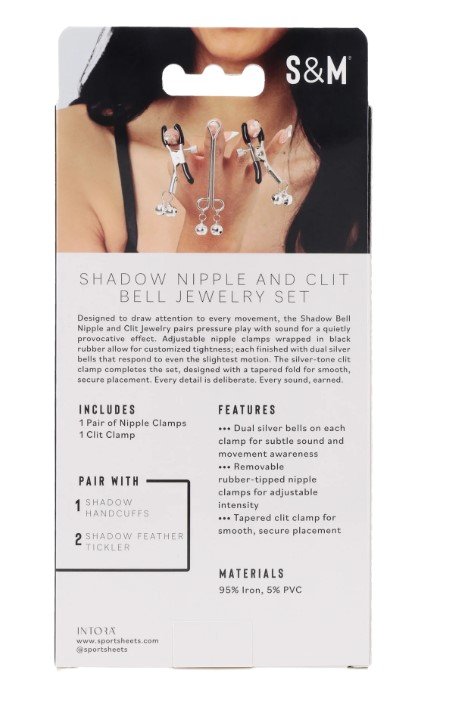
On designs that include small bells, yes: movement during wear produces a soft, delicate sound. The volume is subtle rather than loud, more of a quiet chime than anything that carries across a room. Some people find the auditory element adds to the experience; others prefer a silent charm or pendant purely for the visual and tactile effect. Both options exist in this category, so it comes down to personal preference.
Removing a clitoral clamp after a short period of wear often produces a brief rush of heightened sensitivity as blood flow returns to the area. This is a well-known effect of pressure-based accessories and is part of why many people use them as part of foreplay or solo play. The sensation is temporary and fades naturally. If any discomfort, prolonged numbness, or irritation persists after removal, give the area time to recover before wearing the piece again.
Many pieces in this category are made from nickel-free stainless steel or feature silicone-lined grips, which significantly reduces the risk of a reaction for people with common metal sensitivities. If you have a known nickel allergy, check the material listing carefully before buying and look specifically for surgical-grade stainless steel or silicone-coated contact points. Rhodium-plated or coated metals add an extra barrier between the base metal and skin, though the coating should be intact with no chips or wear before use.
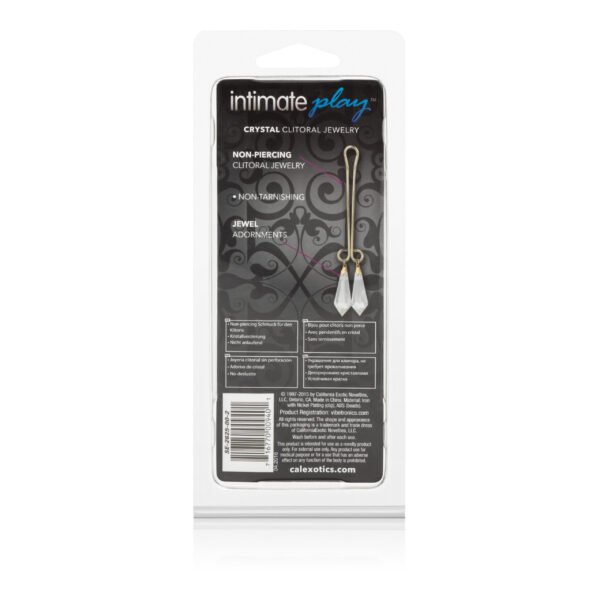
Non-piercing clitoral jewelry was designed exactly for this. It gives the decorative effect of intimate body adornment, including dangling charms, crystal accents, and polished metal finishes, without any permanent modification. You can put it on, wear it for as long as you like, and remove it completely, with no healing time and no commitment. For anyone curious about the aesthetic of intimate piercing jewelry but not ready or willing to pierce, this category is a practical, reversible alternative.

Helpful guides, product tips, and simple explanations to help you find what feels right.
No account yet?
Create an Account