








A clitoral orgasm is an orgasm produced primarily through stimulation of the clitoris, the external portion of which sits at the top of the vulva where the inner labia meet. Most people with a clitoris reach orgasm this way. Research consistently shows that direct clitoral stimulation is the most reliable route to orgasm for women: a large-scale survey cited by the Kinsey Institute found that fewer than 20% of women orgasm from penetration alone, while the majority require direct clitoral contact. The clitoris is a wishbone-shaped internal structure extending several inches inward, but its most nerve-dense, accessible part is the external glans, which is what external stimulation targets.
Why most orgasms are clitoral, even during penetration
The framing of “clitoral versus vaginal orgasm” has misled generations of people. Anatomically, the clitoris is not just the small external bud, it wraps around the vaginal canal internally. When penetration produces an orgasm, it is typically because internal thrusting is indirectly stimulating the clitoral complex from the inside. Sex researcher Debby Herbenick and her colleagues at the Kinsey Institute have documented this repeatedly in large population studies. The distinction that matters practically: direct external stimulation of the clitoral glans is the most consistent and efficient path to orgasm for the majority of people with a clitoris, regardless of what else is happening during sex.
A study published in the Journal of Sex and Marital Therapy (2017) surveying over 1,000 American women found that 36.6% reported clitoral stimulation as necessary for orgasm during intercourse, and an additional 36% said it enhanced the experience significantly.
How toys specifically target clitoral orgasm
The category of toys designed for clitoral orgasm is broader than most people realize. The stimulation type, pressure, and motion all produce meaningfully different sensations.
- Clitoral vibrators. The most common category. They deliver oscillating vibration directly to the glans. Intensity settings matter: many people find lower, rumbly vibrations more satisfying than high-pitched buzzy ones for sustained stimulation.
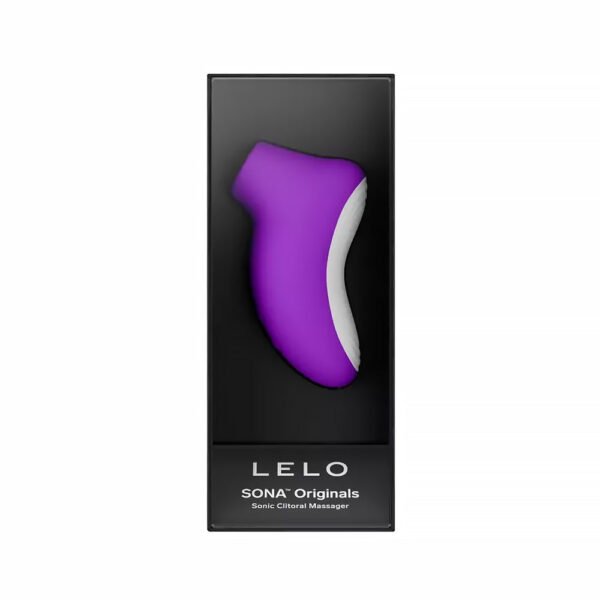
- Suction and air-pulse stimulators. These create rhythmic pressure waves around the clitoris without direct contact. For people who find direct vibration overstimulating or desensitizing, suction-style toys are frequently a more effective alternative.
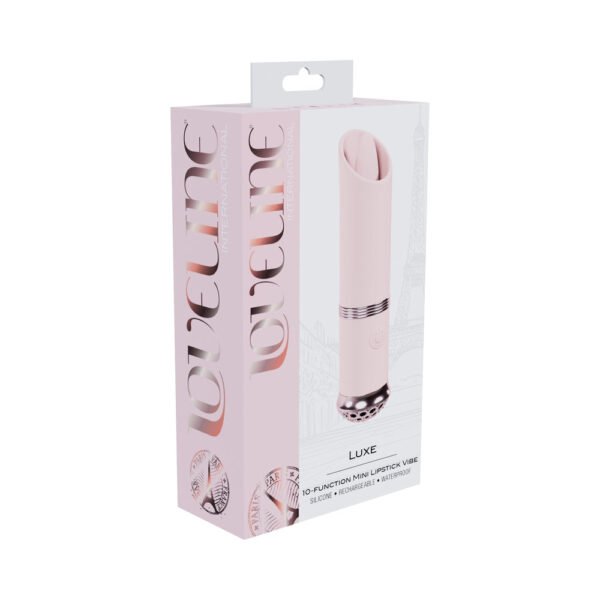
- Bullet and finger vibrators. Compact, precise, and easy to position. Useful for targeted stimulation during partnered sex, where a larger toy would be awkward.
- Wand vibrators. Broad, powerful surface contact. Originally designed as body massagers. The wide head covers the whole vulva rather than isolating a single point.
- Rabbit vibrators. Combine internal penetration with a dedicated external arm that maintains clitoral contact simultaneously. The dual input makes them popular for people who prefer blended stimulation.
- Tapping vibrators. Use a drumming or tapping motion instead of vibration. A newer mechanism that replicates finger-tapping sensation and can reach orgasm through a different neurological pathway than vibration.
Lubricant is worth mentioning here: even for external stimulation, a small amount of water-based lubricant reduces friction and can meaningfully increase sensitivity. It is not optional in the way people assume.
Does using toys change clitoral sensitivity over time?
A frequently asked question, and the short answer is: probably not in any permanent way, but habits matter. Research published in The Journal of Sexual Medicine found that vibrator use was associated with higher sexual function scores in women, not lower. That said, habituation to a specific type or intensity of stimulation is a real pattern, if one toy or one setting is used exclusively at very high intensity, the threshold for stimulation from other sources (a partner’s hand, gentler contact) can feel relatively lower by comparison. This is not permanent nerve damage; it is the same kind of sensory adaptation that happens with any repeated stimulus.
The practical implication: varying intensity, technique, and toy type is a better long-term approach than always reaching for maximum settings.