


Article
Beginner Butt Plug Guide: What a Butt Plug Is, How It Works, and How to Use One Safely04/05/2026

Deals
Bestsellers
+39
Most-Loved Picks
Customer favorites for comfort, care, and everyday pleasure
Shop BestsellersSale · up to 40% off
+891
Soft Savings
Limited-time offers on body-safe essentials and feel-good favorites
View SaleSeasonal edit


+267
Seasonal Comfort Edit
Curated picks for holidays, date nights, gifting, and cozy nights in
Explore the EditFeatured
 Discreet Packaging
  Secure Checkout
  Body-Safe Materials
 Thong sizing follows your hip and waist measurements, not a generic small or large. The front panel should lie flat against your body without pulling or gaping, and the waistband should sit snug but never dig in. The back strap needs to rest comfortably in place without shifting during the day.
Stretch fabric like microfiber or modal gives a little more room for error, but lace and mesh styles run truer to size and reward checking the brand’s size chart before you order. Claim Night carries thongs and g-strings from XS through 4X, so there is a real fit option across the full size range, not a one-size compromise.
Thongs and g-strings come in several distinct cuts, and the differences between them are more than cosmetic. The right style depends on how much coverage feels comfortable, what you’re wearing over it, and what you’re going for.
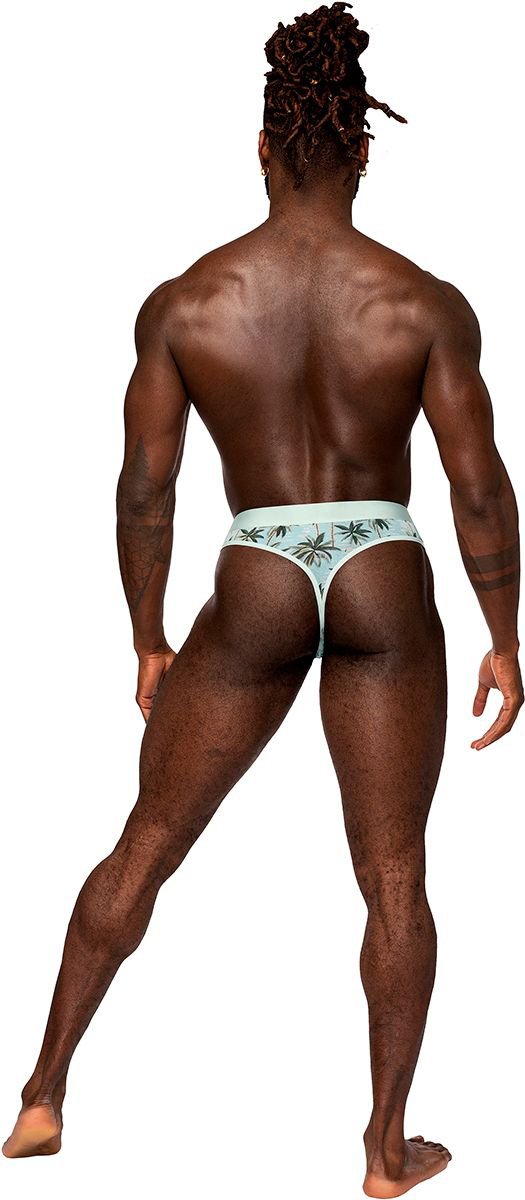
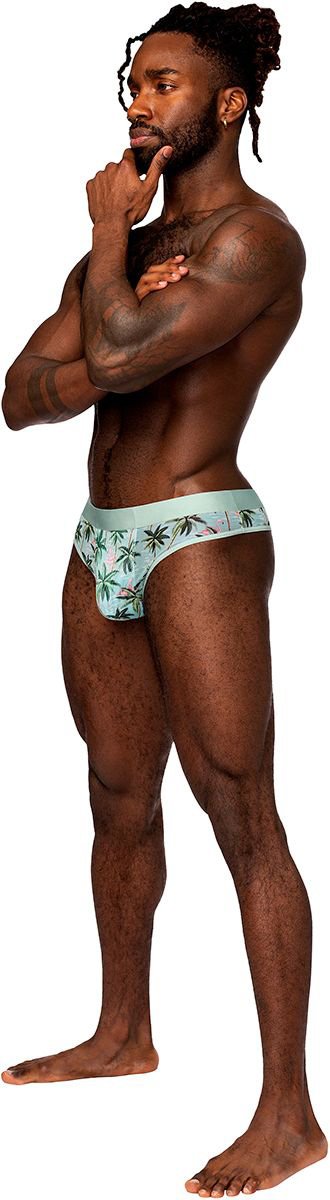
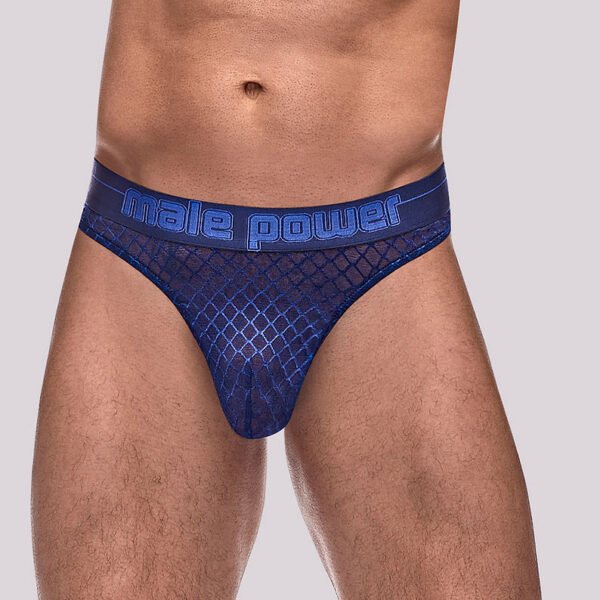
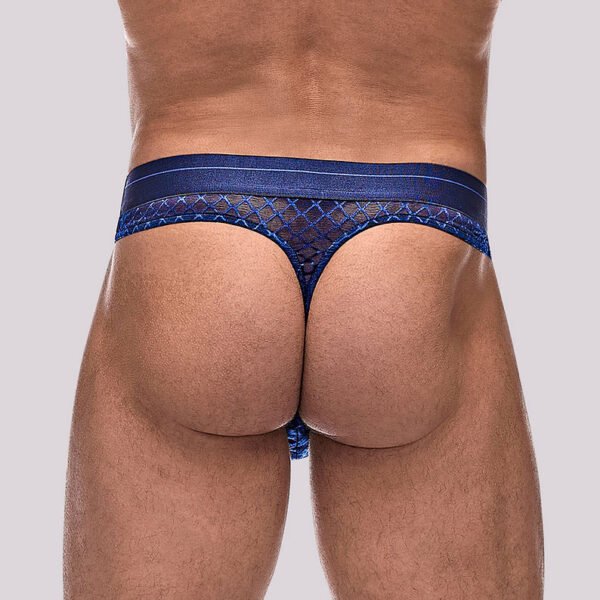
The classic thong has a full or semi-full front panel and a narrow but visible back strap, usually around a centimeter or two wide. That slightly wider back strap makes it the most comfortable starting point for first-time wearers, since there’s more fabric to settle into place. It works under most clothing and comes in every fabric from cotton to lace.
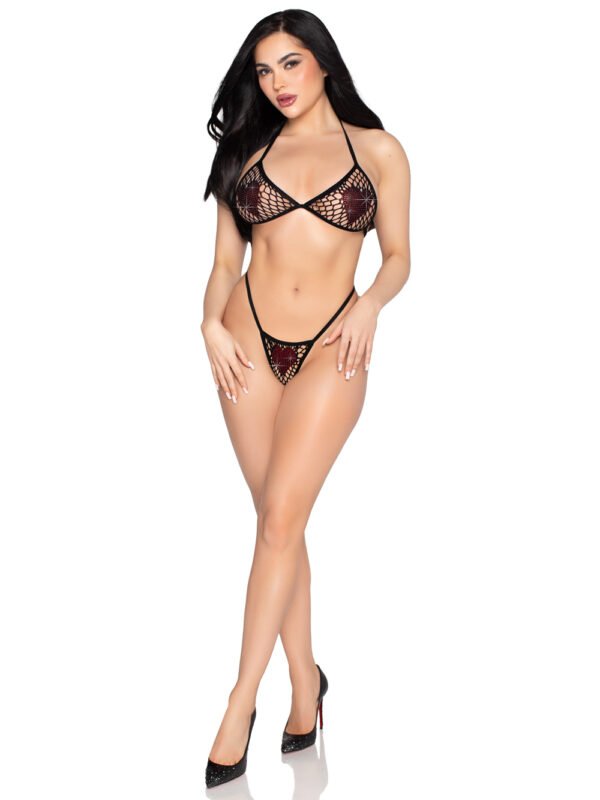
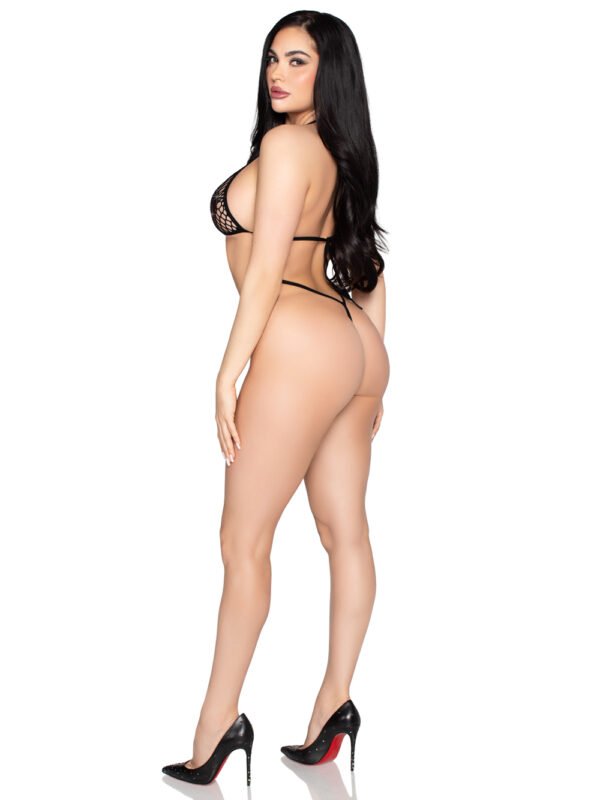
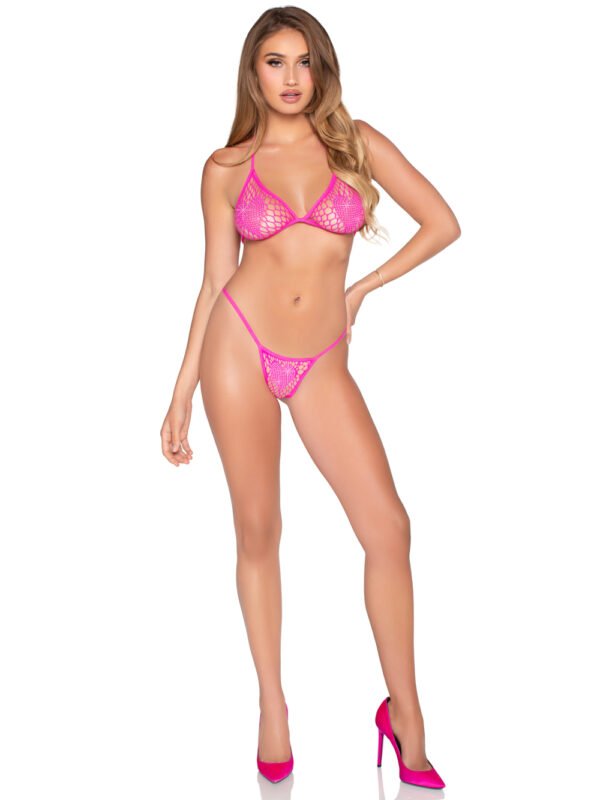
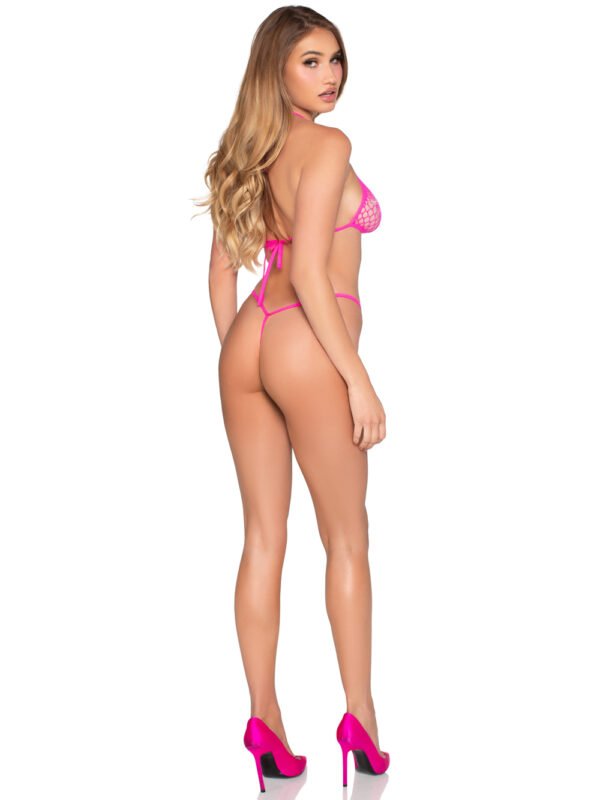
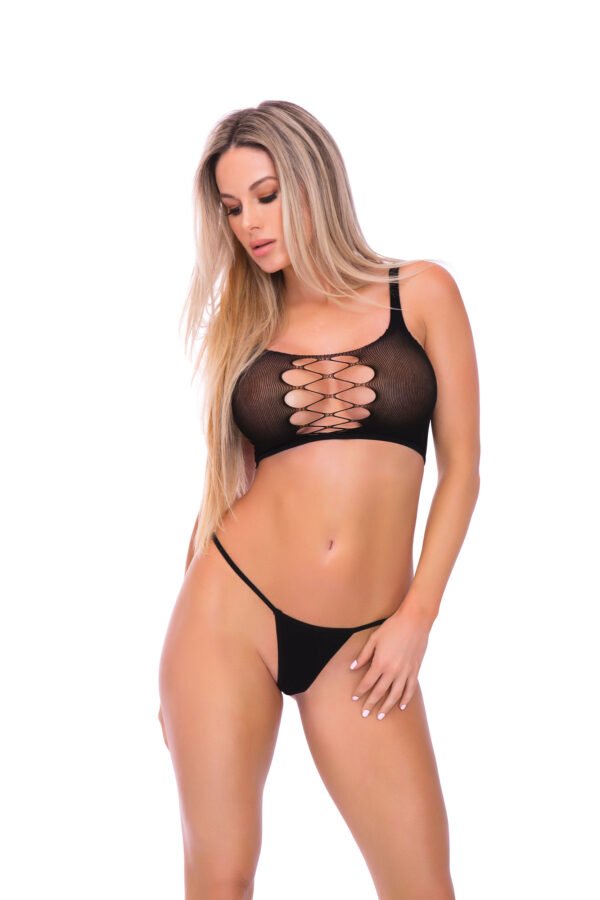
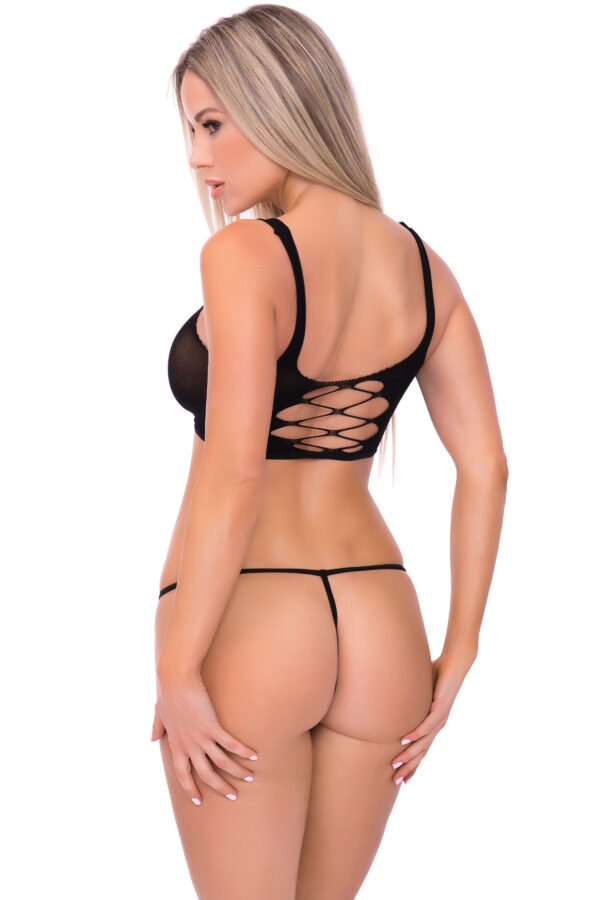
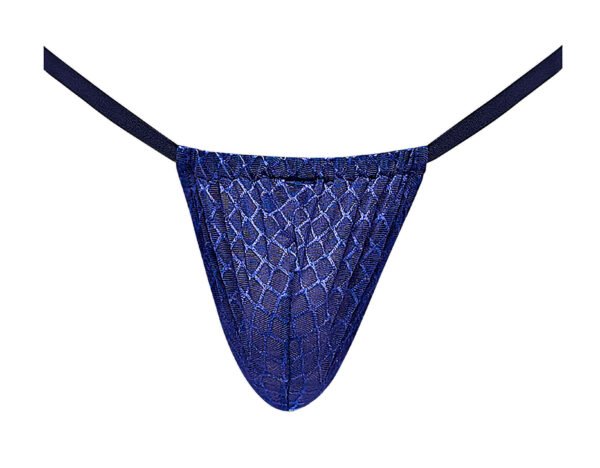
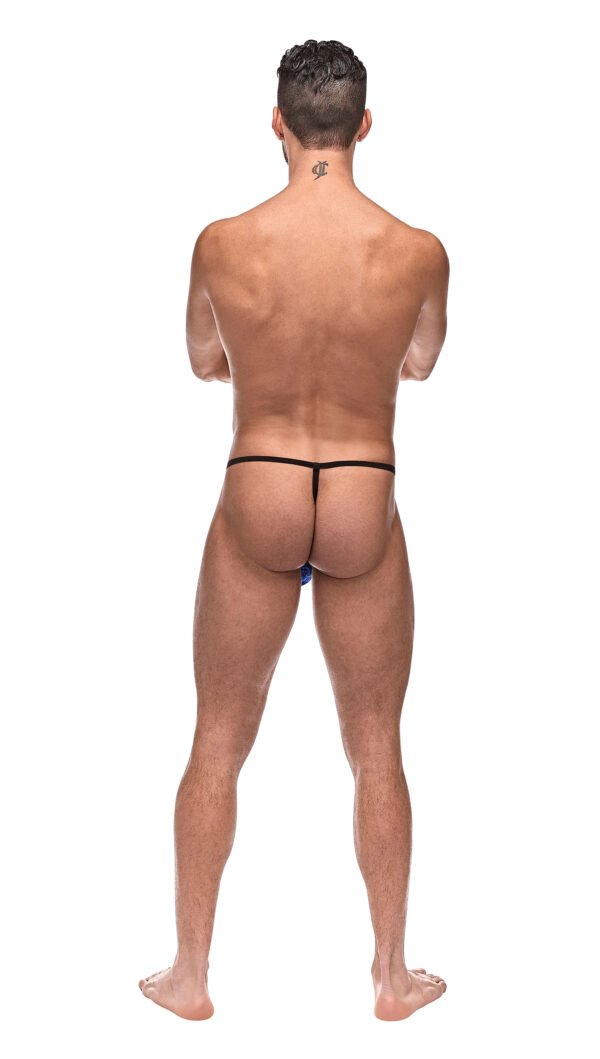
A g-string takes the back coverage down to almost nothing: a thin string connects the front triangle to the waistband, with minimal fabric between. The barely-there back makes it the go-to choice under very fitted or sheer clothing where even a narrow strap would show. It suits people who are already comfortable with thong-style wear and want the least possible fabric.
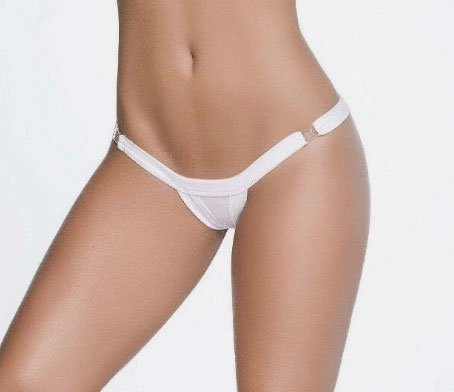
A v-string is a variation where the back panel forms a shallow V-shape rather than a single straight string, sitting slightly lower on the hips. The V-cut distributes across a wider point of contact, which some people find more secure than a standard g-string. It’s a practical middle ground between the classic thong and the minimal g-string.
A seamless thong is cut or bonded at the edges rather than sewn, so there are no raised seams to press through fabric. This is the style built specifically for leggings, bodycon dresses, and any tight knit where texture shows through. The trade-off is that seamless styles are usually made from microfiber or a nylon-spandex blend rather than cotton, so they’re better suited to shorter wear periods than all-day everyday use.
A high-waist thong pairs the narrow back of a standard thong with a front and side panel that rises to or above the natural waist. The higher rise smooths the midsection under high-waisted trousers or skirts and gives more coverage at the front for people who find low-rise cuts uncomfortable. It also works well as part of a lingerie set where the waistline is meant to be seen.
The best choice comes down to three things: what you’re wearing it under, how long you’ll have it on, and what fabric feels right against your skin. Once you know those, the rest follows quickly.
Beyond fit, a few practical details make a real difference between a thong you reach for every day and one that stays in the back of the drawer.
Thongs and g-strings cover a lot of ground: everyday invisible comfort, date night lingerie, and everything in between. These collections pull from the full range so you can find what actually fits your moment.
Thong underwear lasts longer and holds its shape better with a little care at wash time. Hand-washing in cool water with a gentle detergent is the safest option for lace, sheer mesh, and anything with a delicate trim. If you prefer the machine, a mesh laundry bag on the delicate cycle protects elastic edges and fine fabric from snagging or stretching out.
Skip fabric softener on any thong with a cotton-lined crotch. Softener coats natural fibers and reduces their breathability over time, which works against the reason the cotton gusset is there. Air-drying flat or on a hanger is the single most effective way to preserve elastane and keep the waistband from losing its recovery. Heat from a dryer is the most common reason thongs go slack before their time.
Matching thong style to what you’re wearing is the most reliable way to eliminate visible panty lines entirely. A seamless or laser-cut thong sits invisibly under leggings and activewear because there are no raised edges to press through the fabric. For fitted trousers or low-waist jeans, a low-rise cut keeps the waistband from showing above the hem.
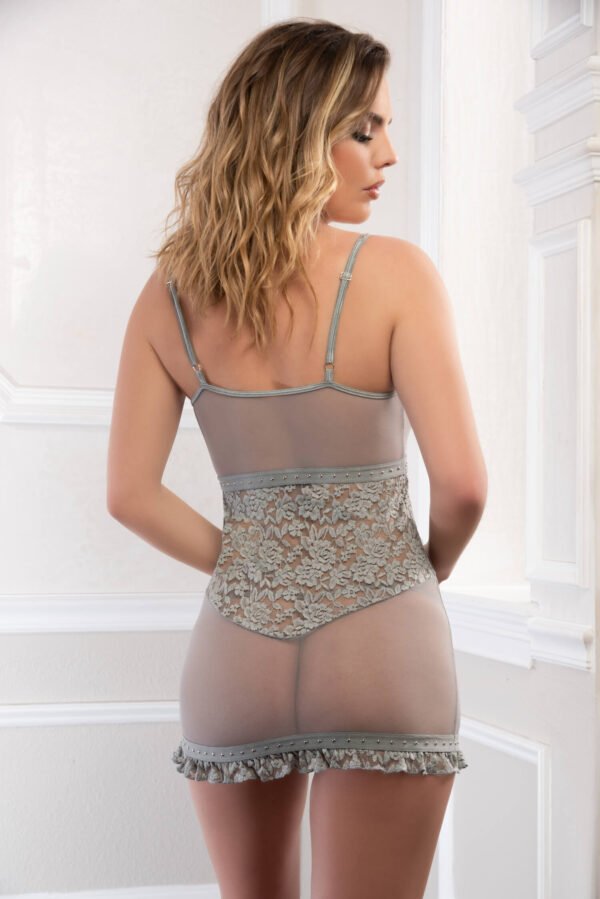
Under a bodycon skirt or dress, a sheer g-string gives the smoothest silhouette because the minimal back strap leaves nothing to outline. Lace thongs work well under fitted dresses in heavier fabrics, where the texture of the lace won’t telegraph through. The throughline across all of these is the same: the right cut for the outfit means the underwear disappears completely, which is usually the whole point.
Thong underwear and vaginal health are compatible when the fabric choice is right. The most important feature is a cotton-lined crotch panel. Cotton is breathable and moisture-wicking, which helps maintain the natural environment of the vulva during everyday wear. Synthetic fabrics against the skin all day can trap heat and moisture, so even a thong made primarily from nylon or microfiber benefits significantly from that cotton gusset.
For anyone with sensitive skin, the fit matters too. A thong that fits correctly lies flat without pulling or shifting, which reduces friction. Choosing a breathable fabric with a cotton-lined crotch is the clearest step toward a thong that works with your body rather than against it. If you want more guidance on everyday panties and underwear options beyond thongs, that category covers a wider range of cuts and fabrics.
Thong sizing varies more between brands than most other underwear styles, because the cut is so minimal that small differences in the waistband or front panel make a noticeable difference in fit. A size medium in one brand may sit and feel completely different from a medium in another, especially across brands that use different countries of origin or construction methods. Always check the specific brand’s measurement guide rather than relying on your usual size label. If a brand lists both a hip and waist measurement, go by whichever is larger on your body.
Yes, and it is one of the most practical decisions you can make when buying thong underwear. Under white, cream or pale fabrics, a nude shade that is close to your skin tone tends to disappear better than white, which can create contrast. Black works well under dark clothing but can show through lighter fabrics. Sheer or mesh thongs are especially sensitive to this, so the colour you choose matters as much as the cut when you want a truly invisible result under clothing.
Thongs are worn every day by a lot of people, and many styles are specifically built for that. Cotton and modal thongs with a flat waistband and a cotton-lined crotch are designed for all-day comfort, not just a single evening. The key is matching the fabric and construction to the context: a seamless microfiber thong works well under workwear or activewear, while a lace or sheer style is better suited to occasions where the thong itself is part of the look. Neither use is more valid than the other.
For sensitive skin, a cotton or cotton-lined crotch panel is the most widely recommended construction, because cotton is breathable, low-irritation and does not trap moisture against the skin the way some synthetics can. Modal is another good option: it is a semi-natural fiber that feels softer than most cotton and stays breathable throughout the day. Whatever the outer fabric is, the gusset lining matters most for comfort and skin tolerance, so check the composition of that panel specifically rather than just the overall fabric percentage.
Every Claim Night order ships in plain, unmarked packaging with nothing on the outside to indicate what is inside. Your billing statement shows a neutral company name, not the store name or anything that identifies the contents. Privacy is built into the default process, so there is nothing you need to request or opt into.
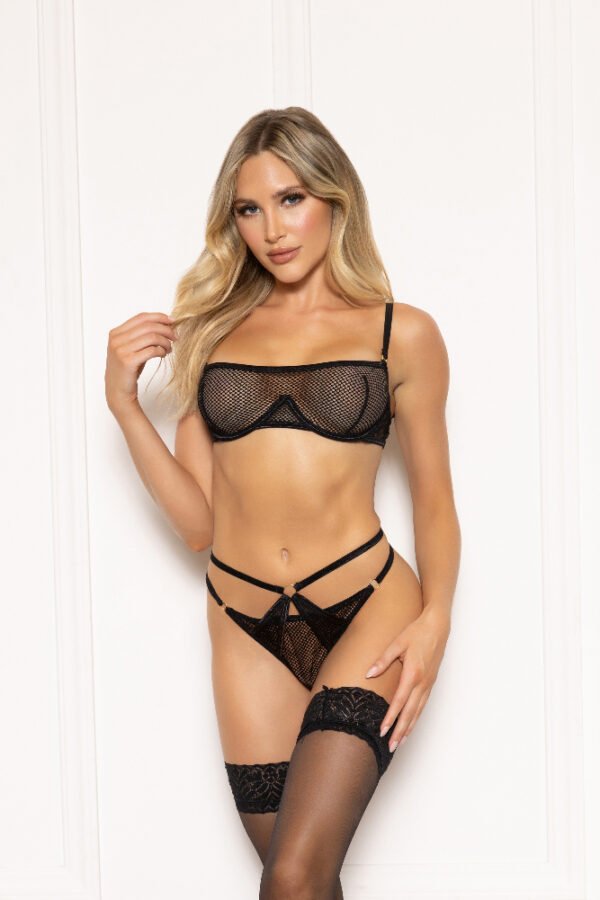
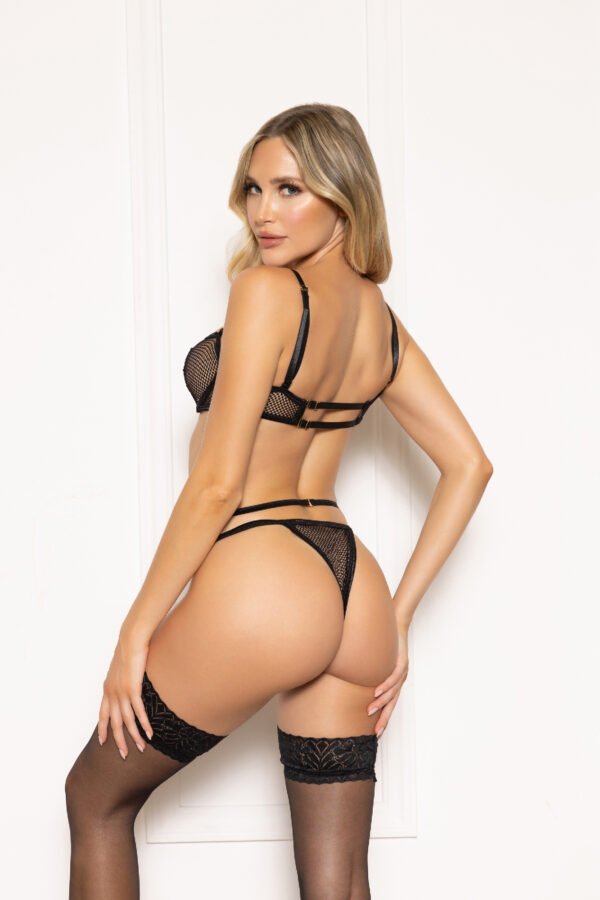
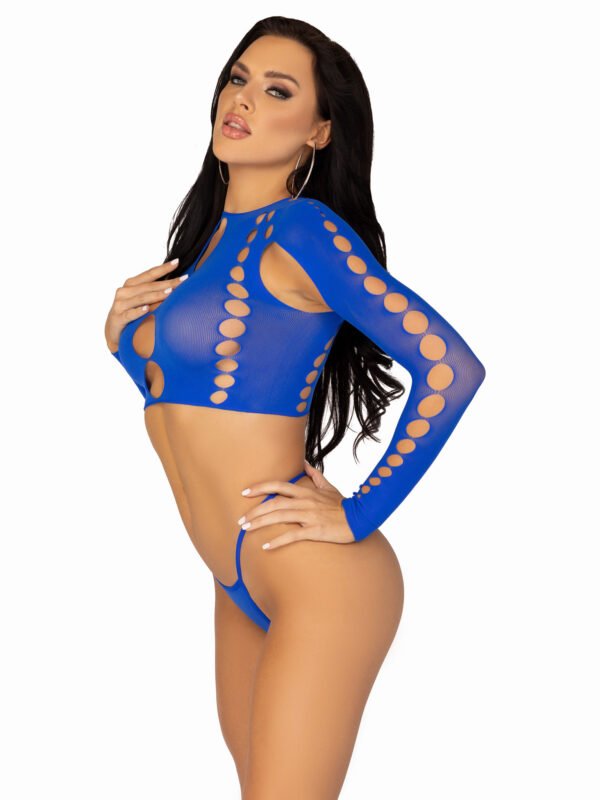
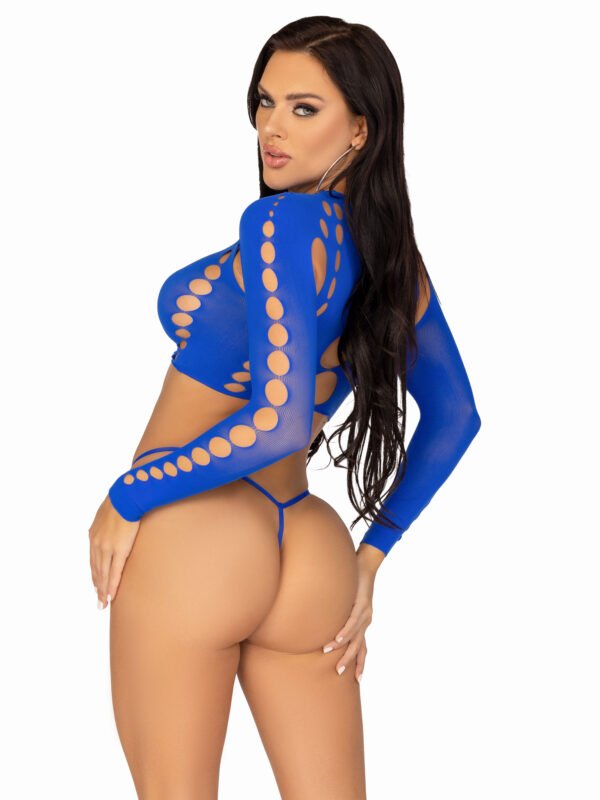
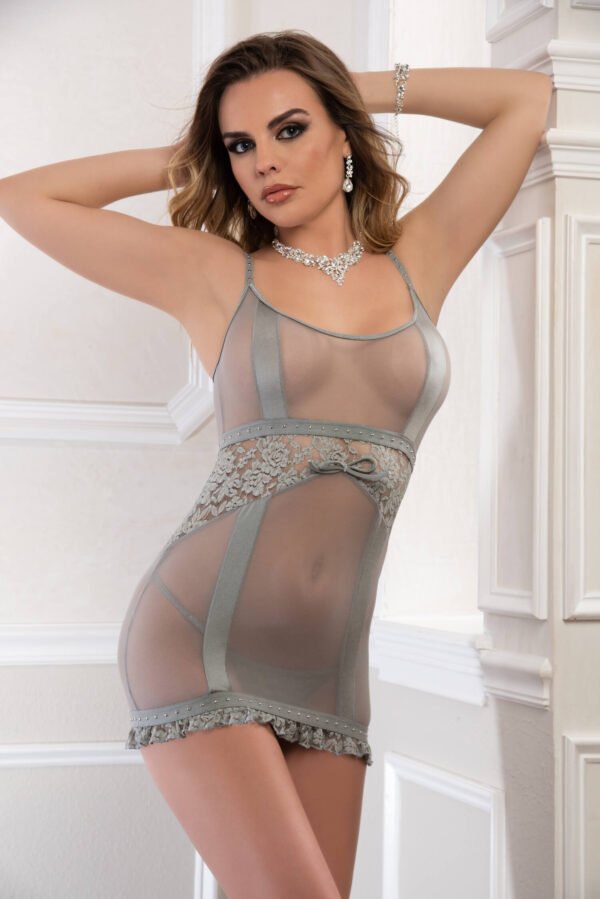
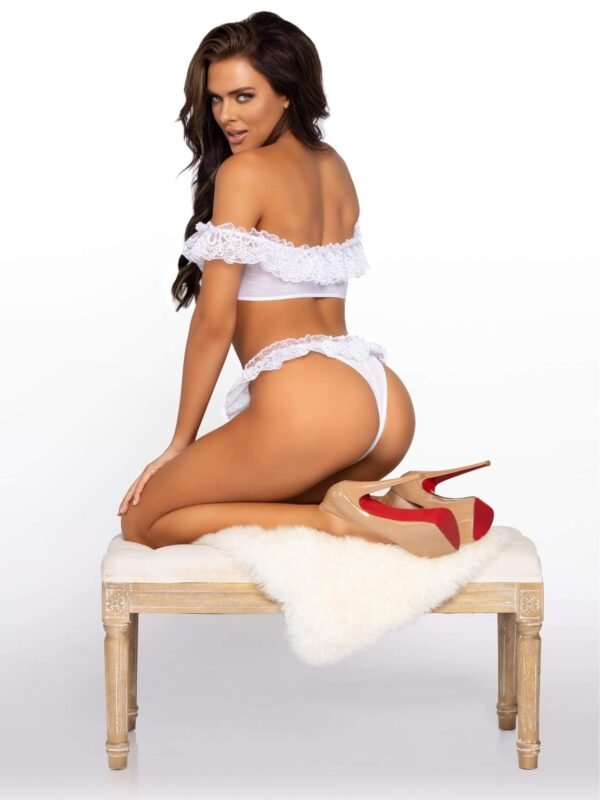
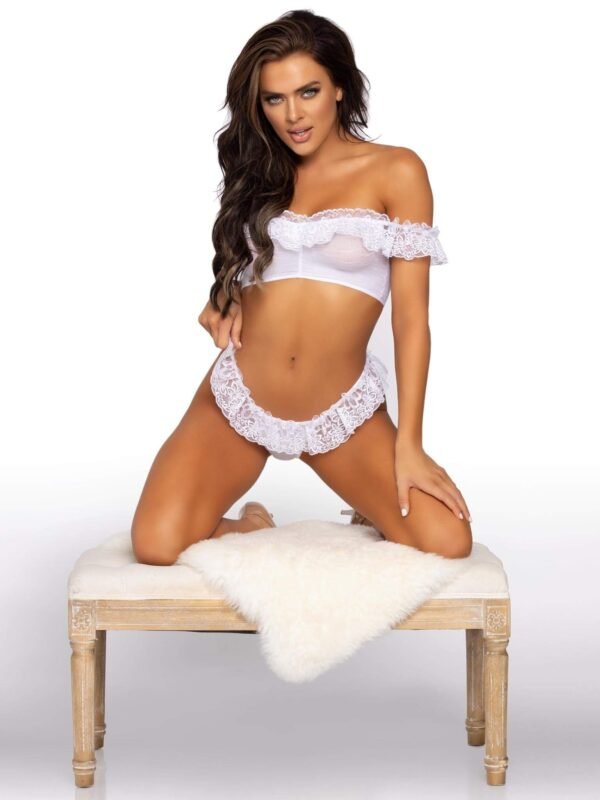
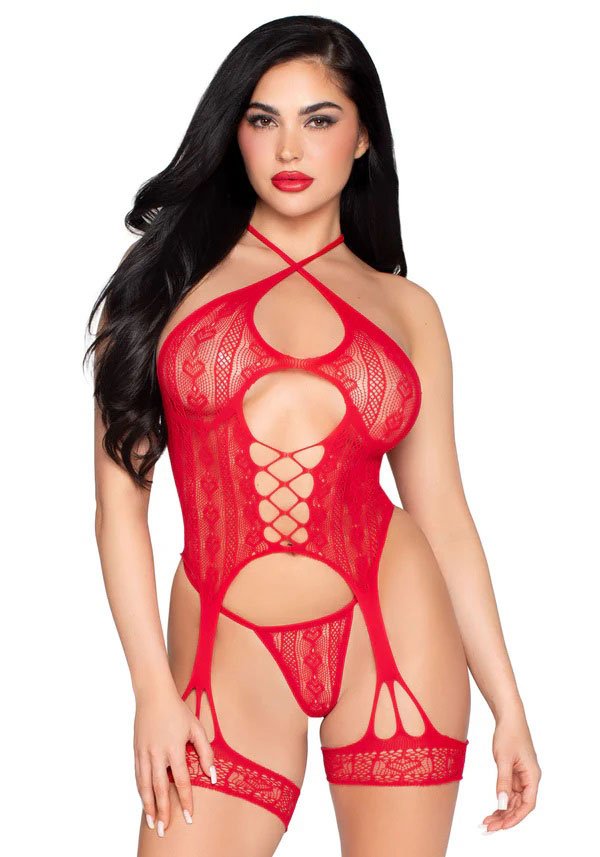
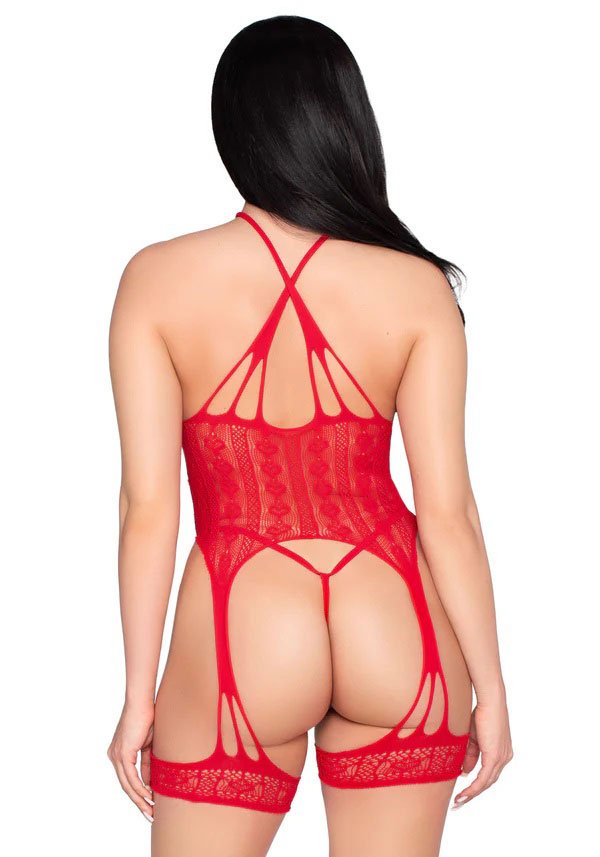
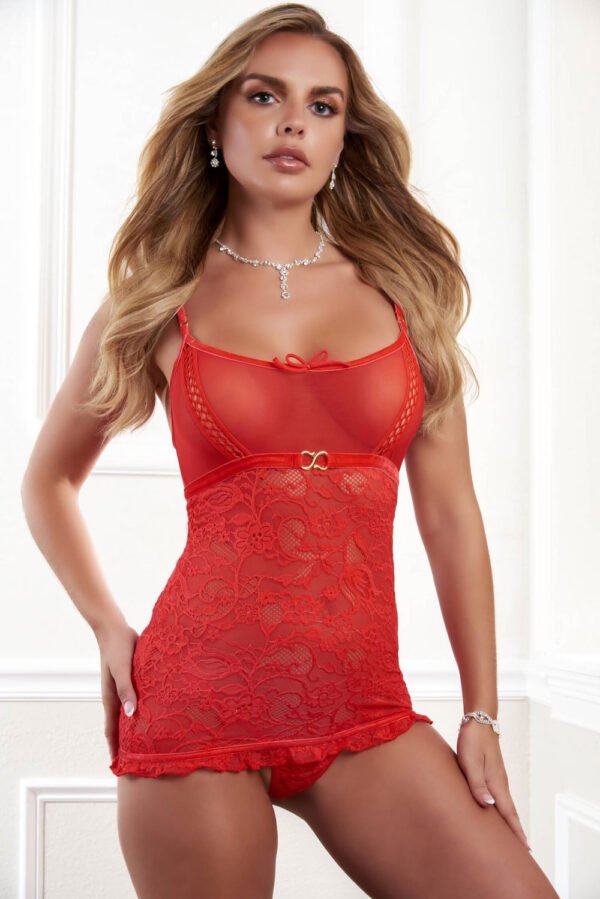
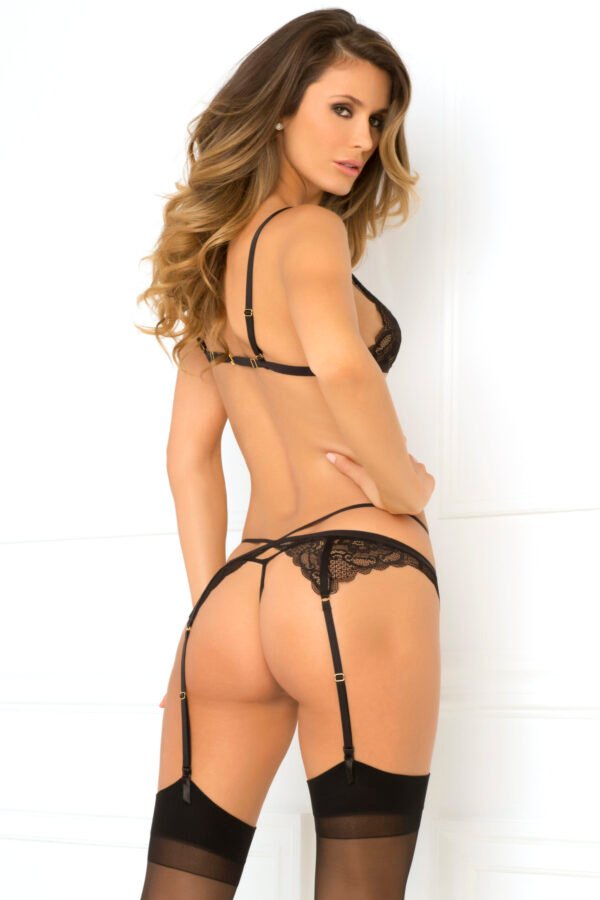
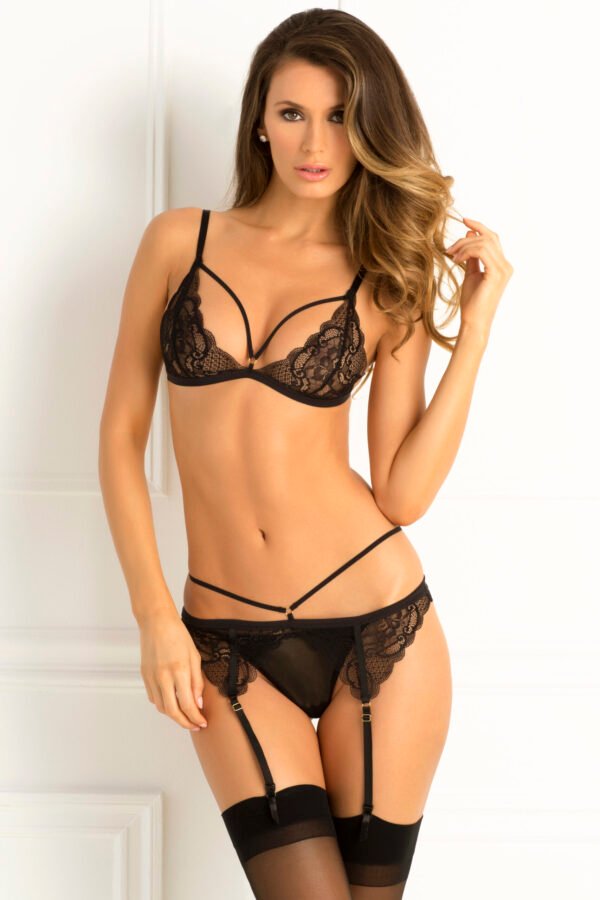
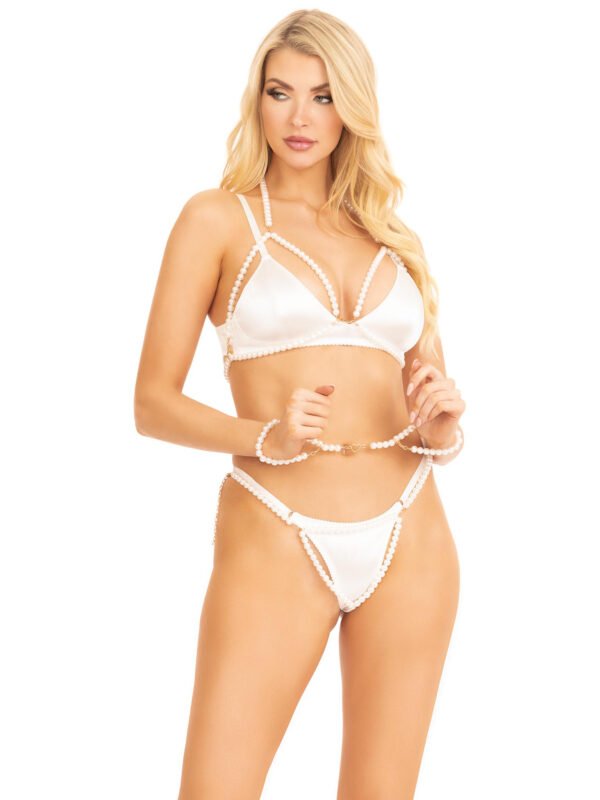
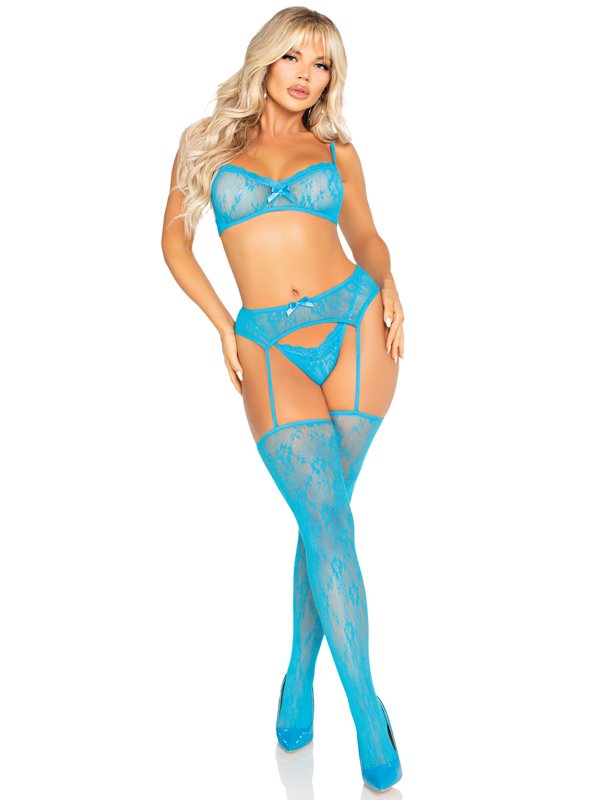
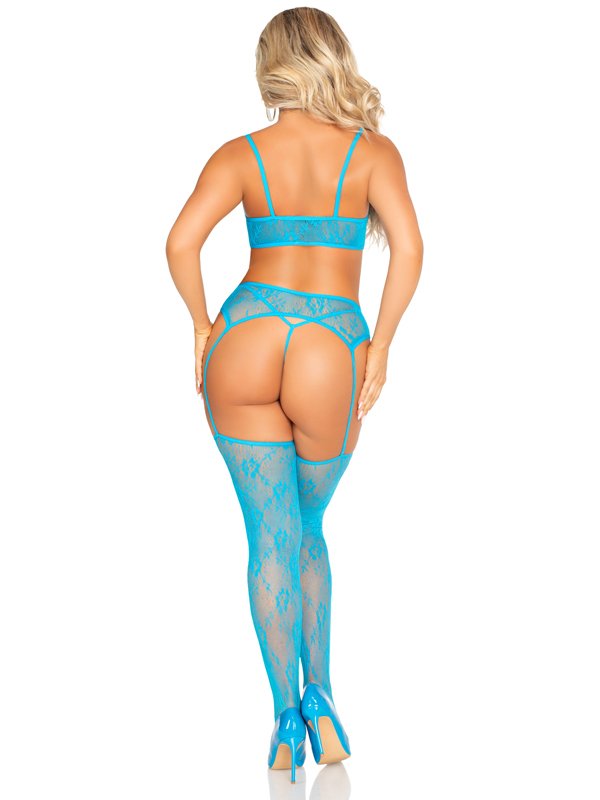
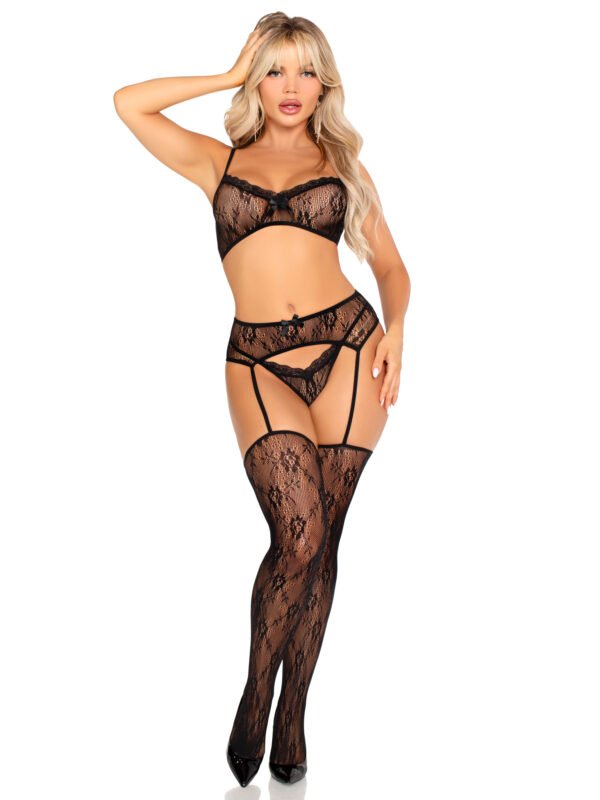
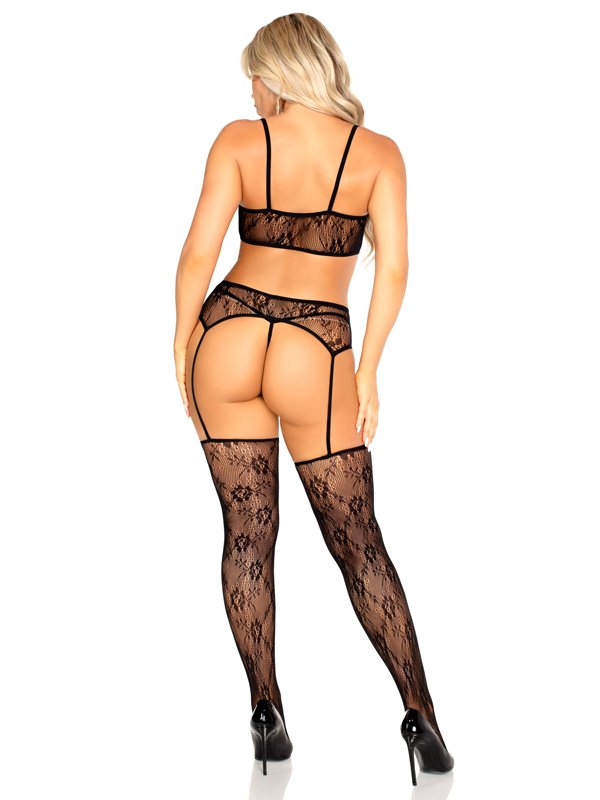
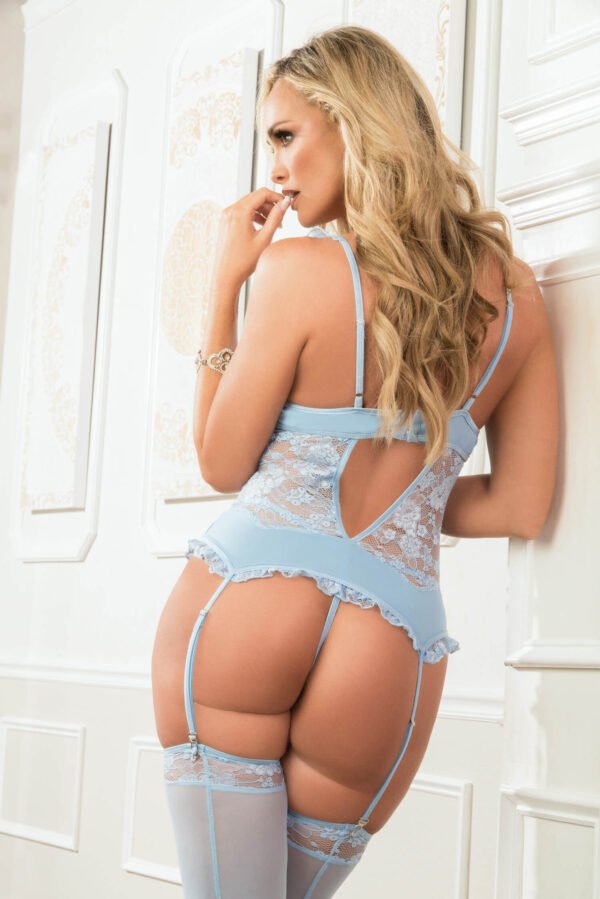
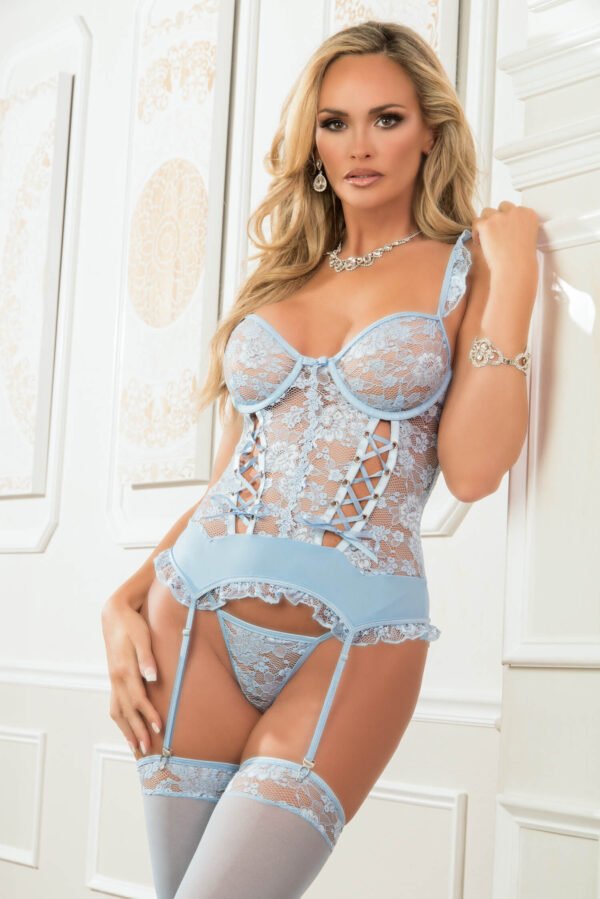
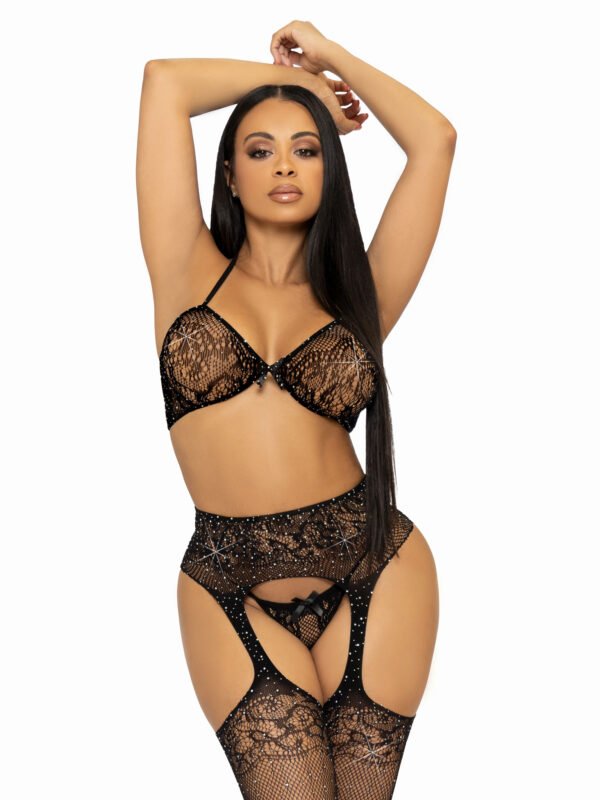
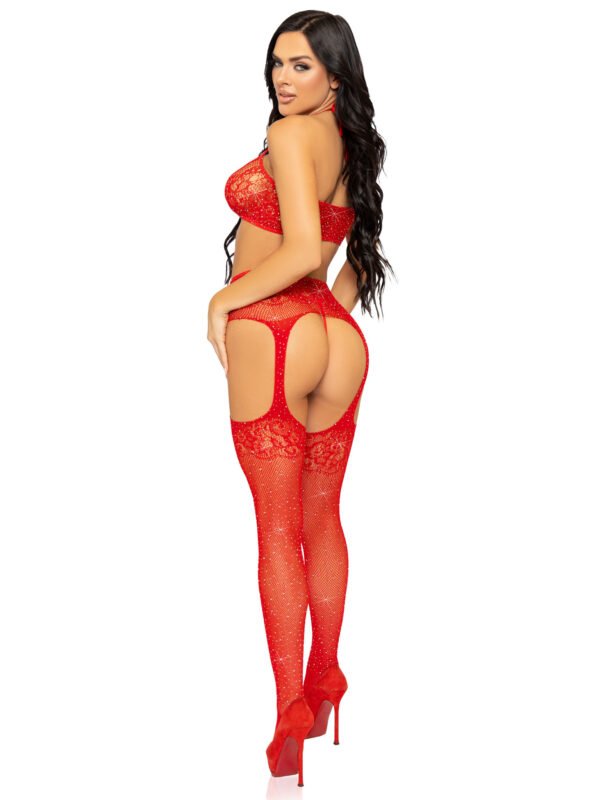
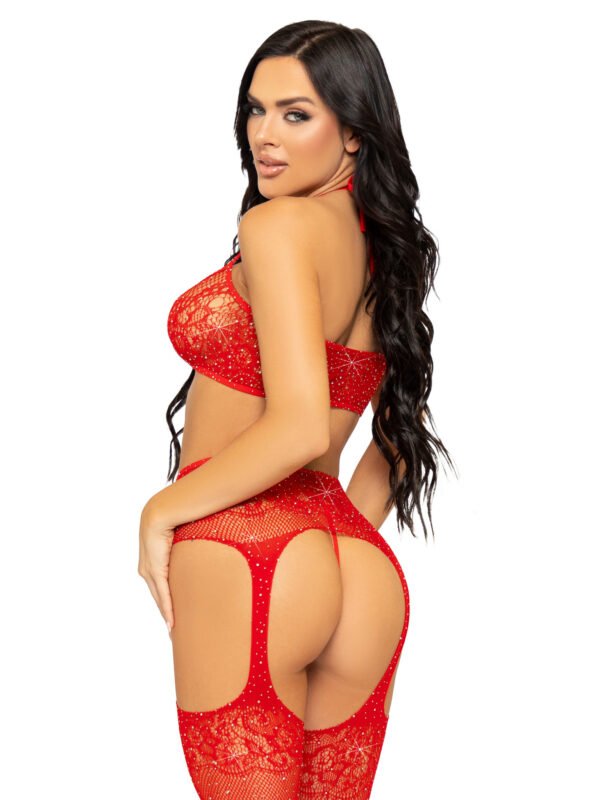
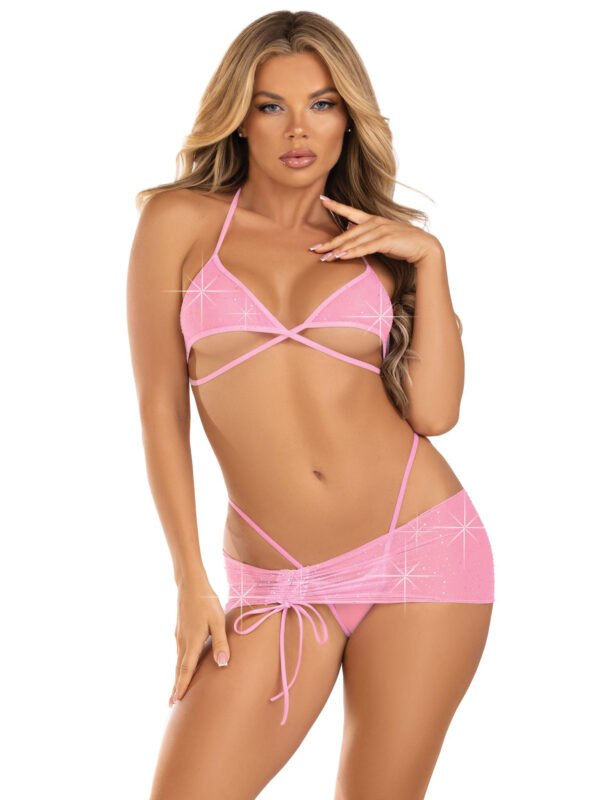
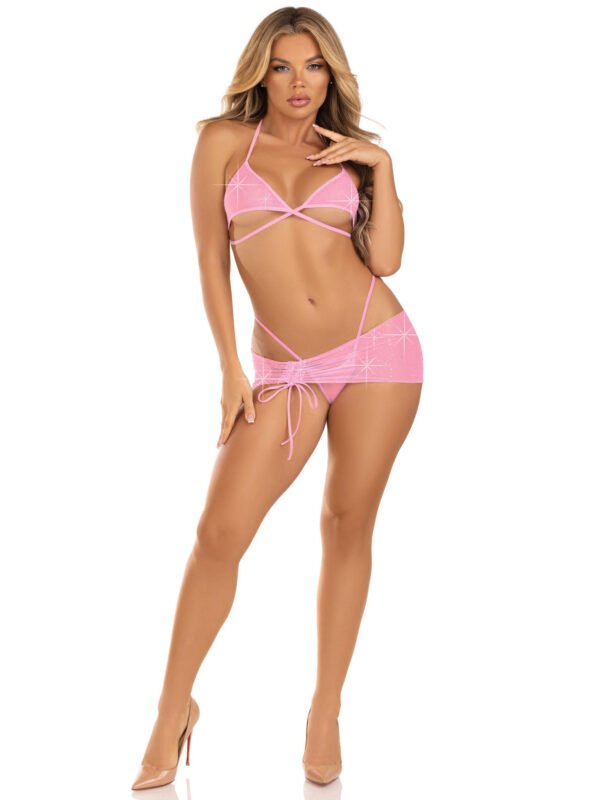
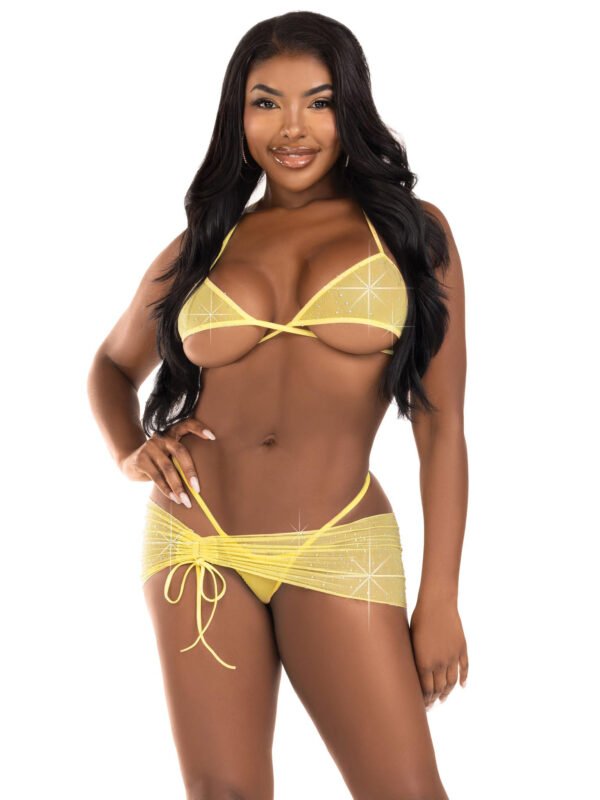
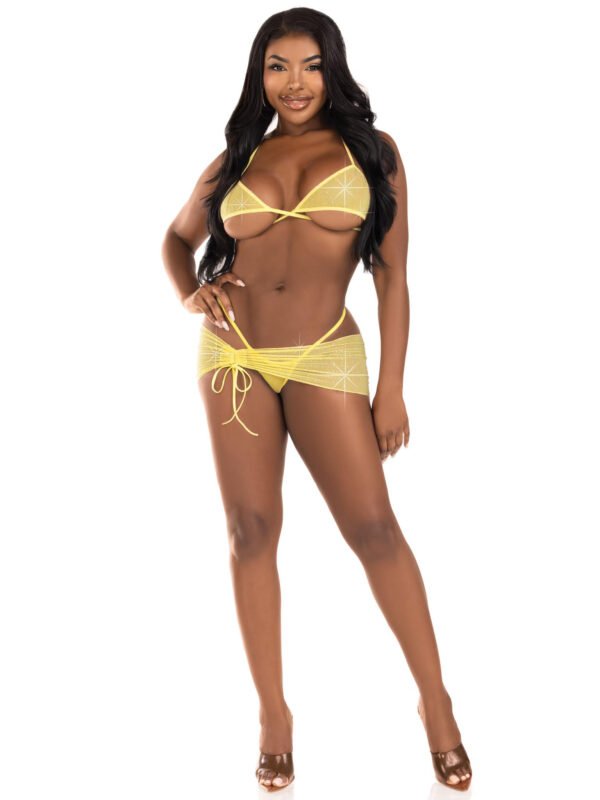
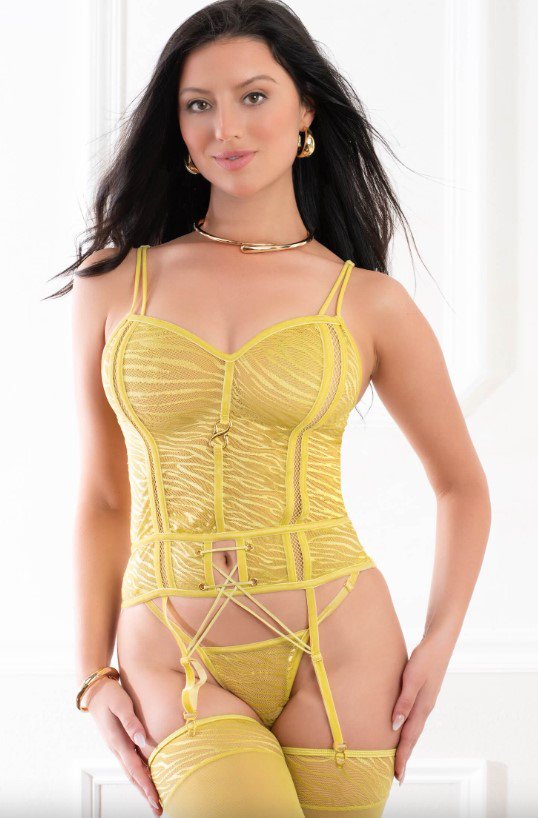
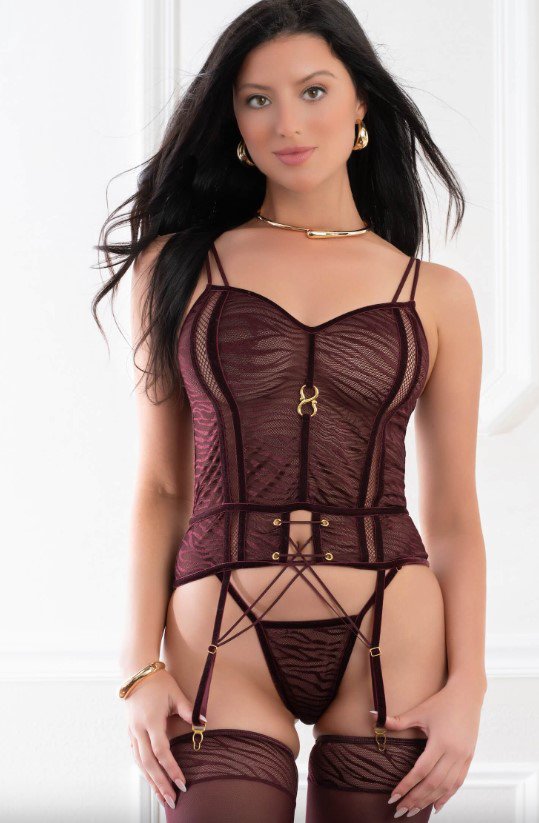
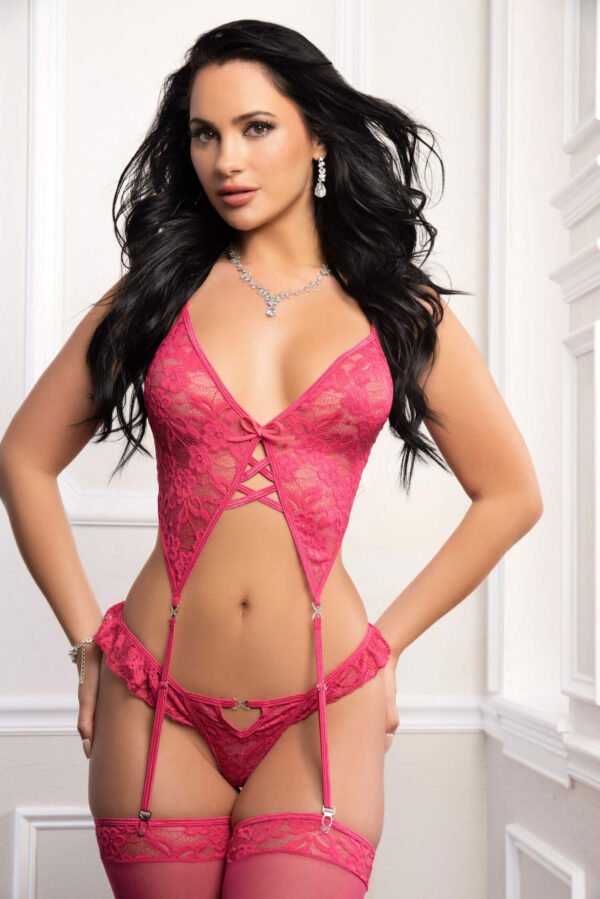
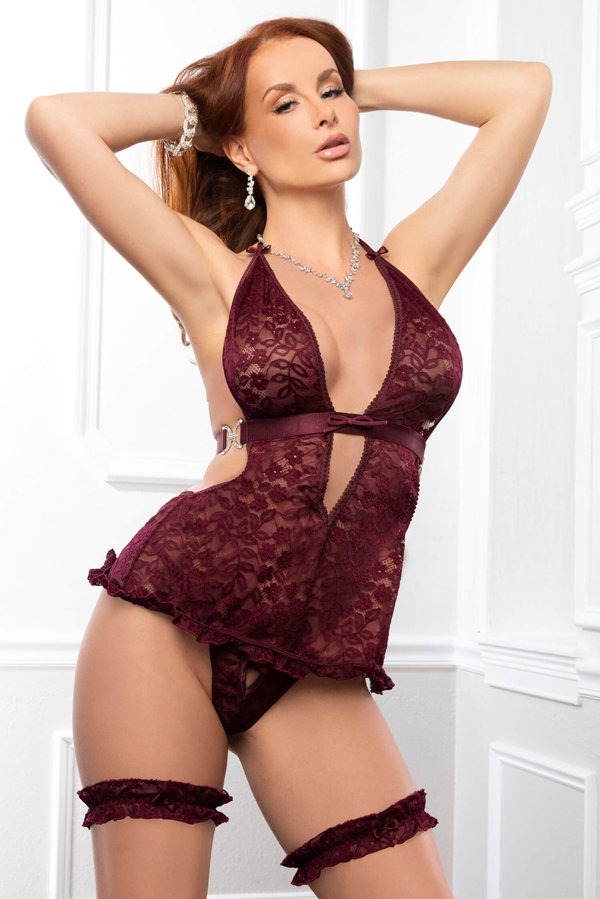
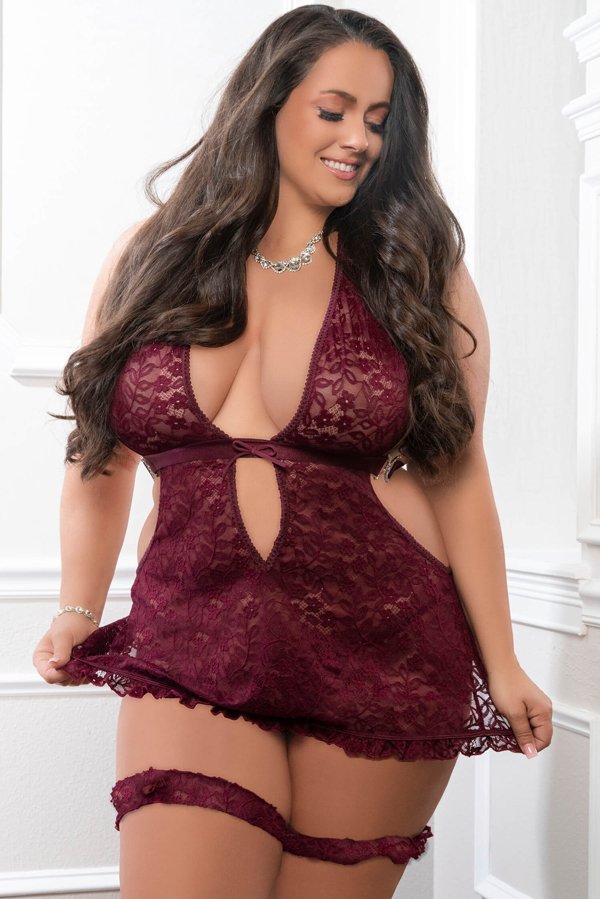
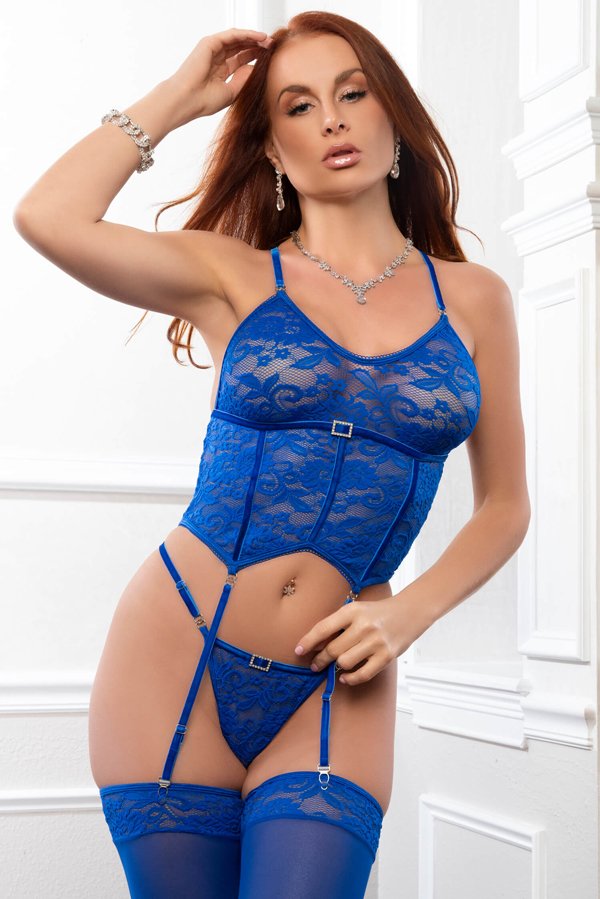
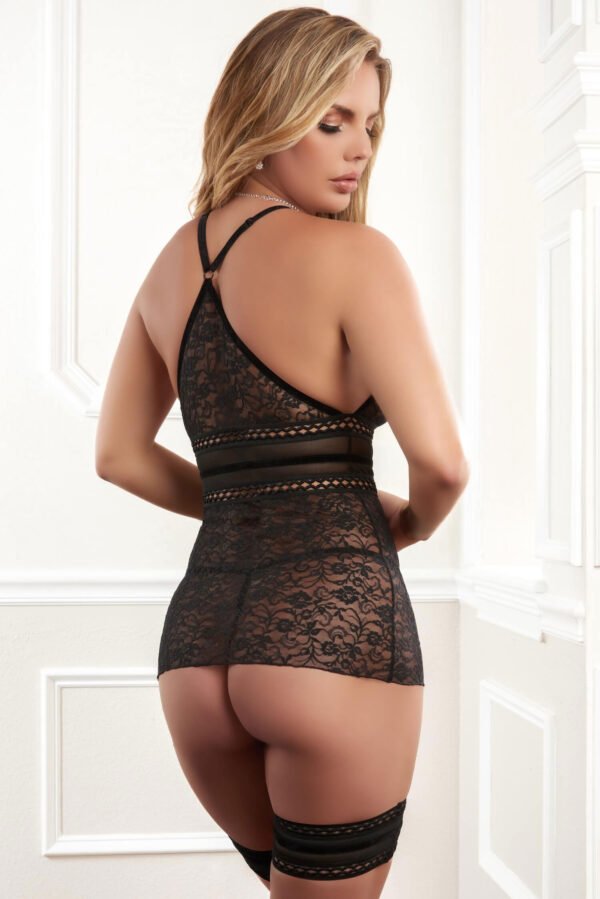
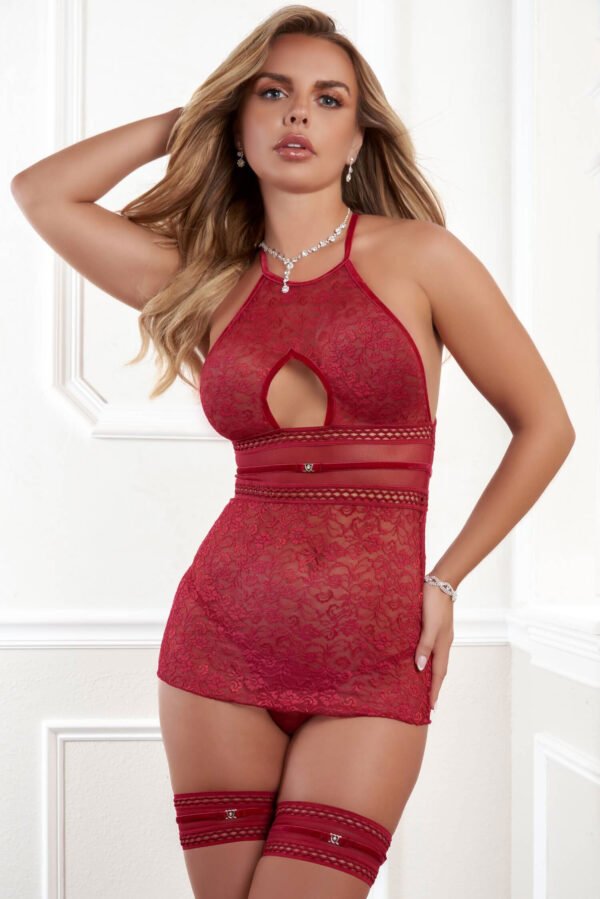
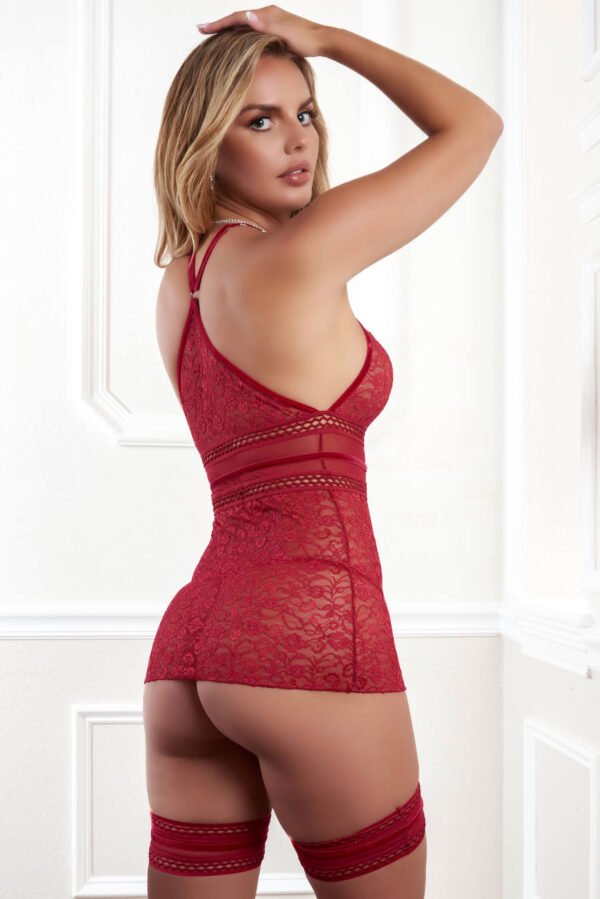
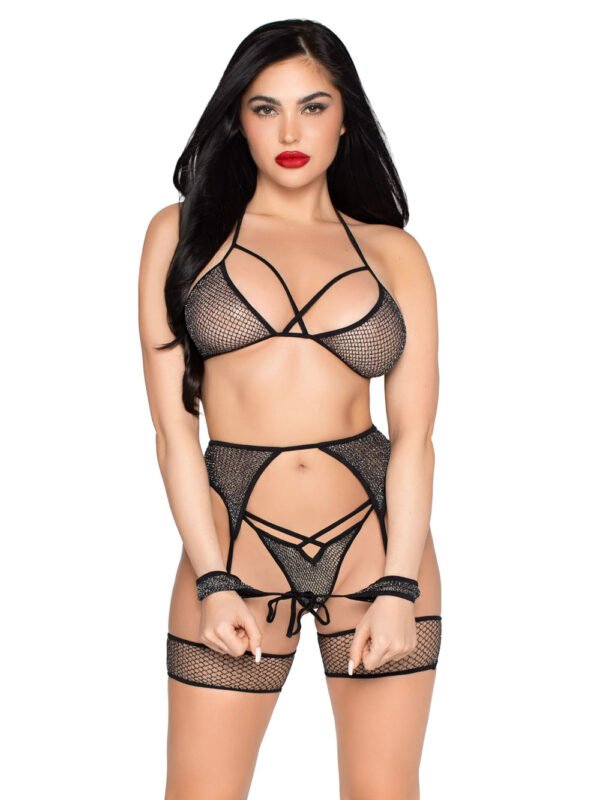
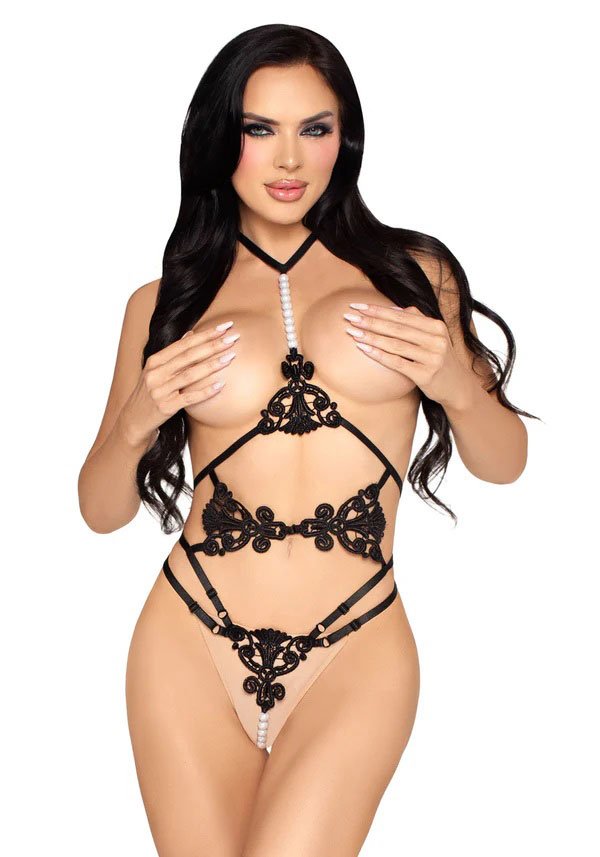
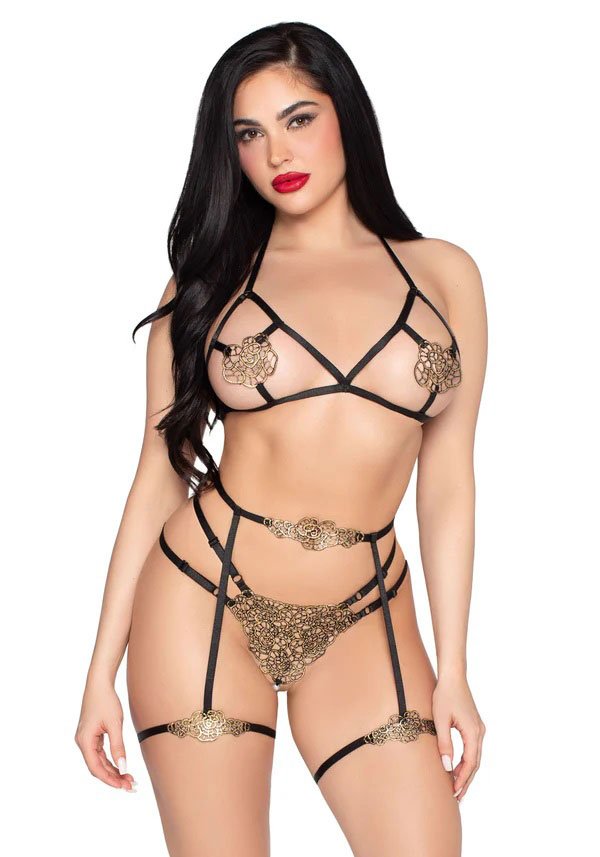
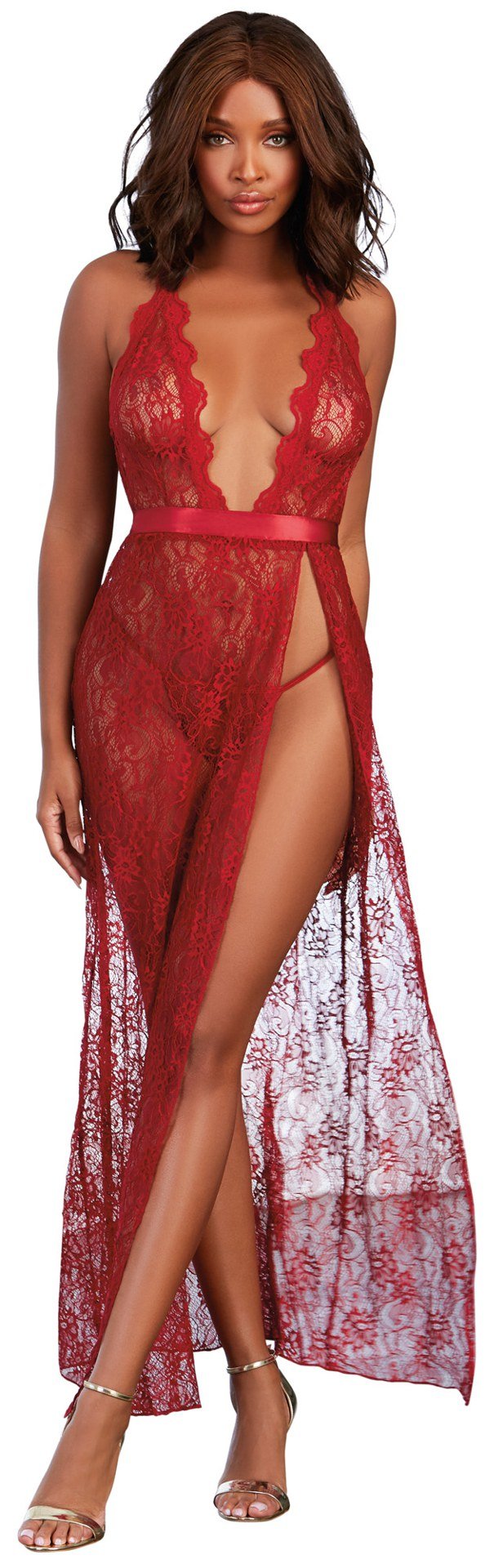
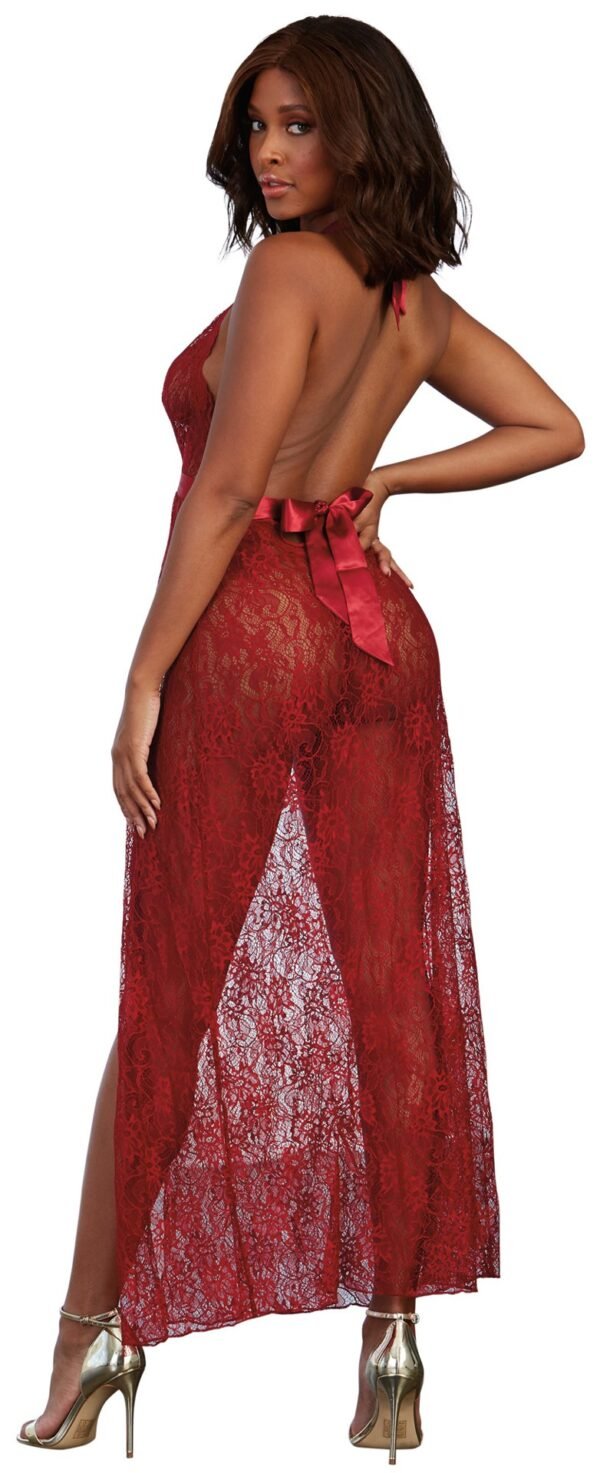
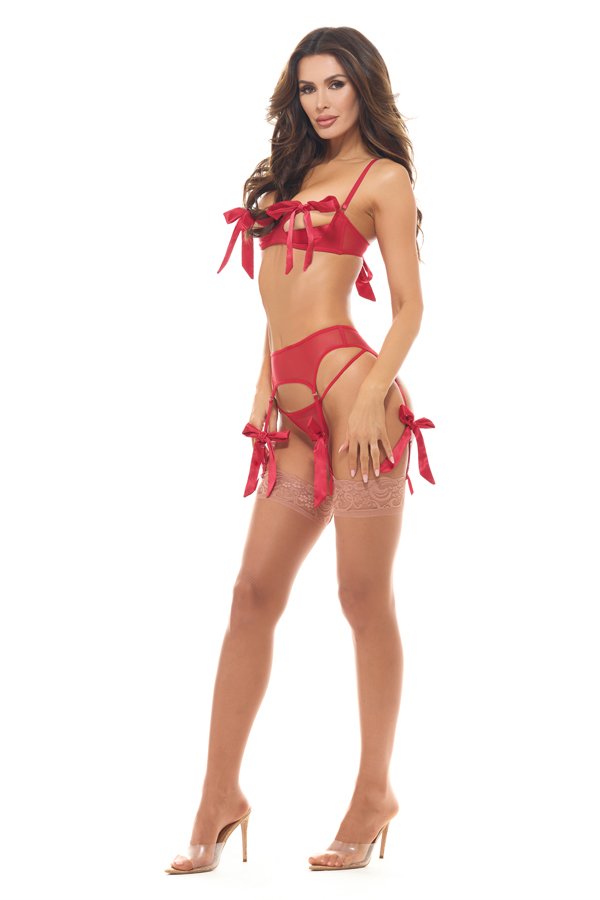
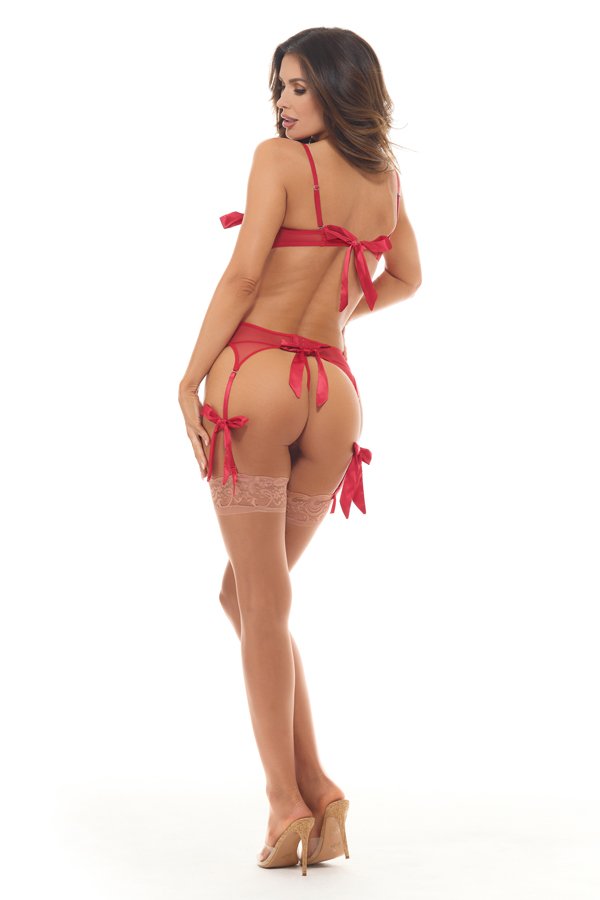
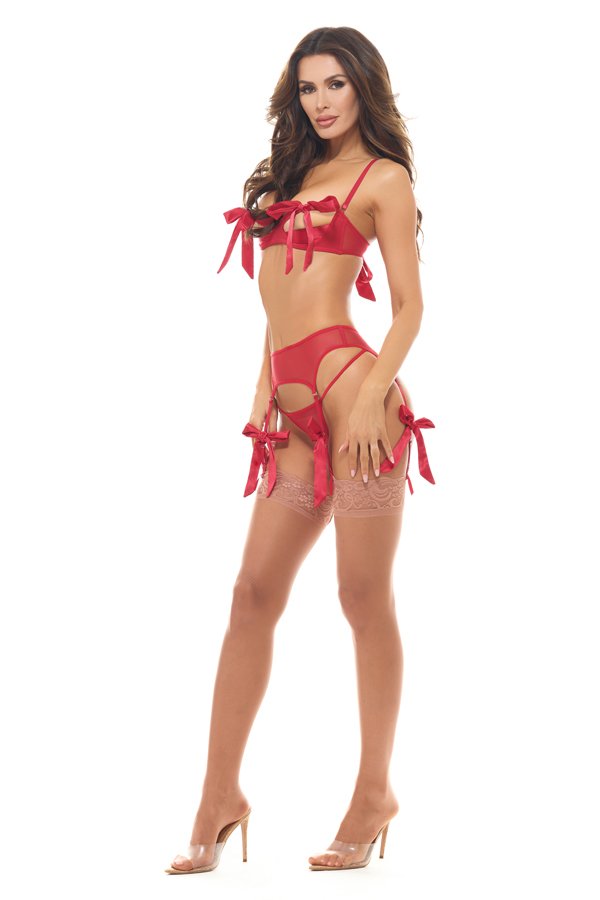
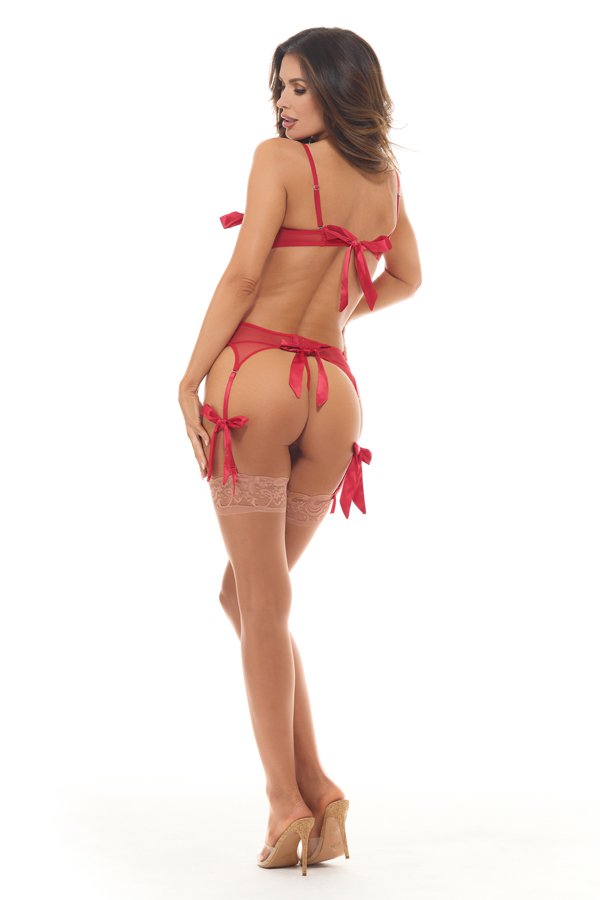
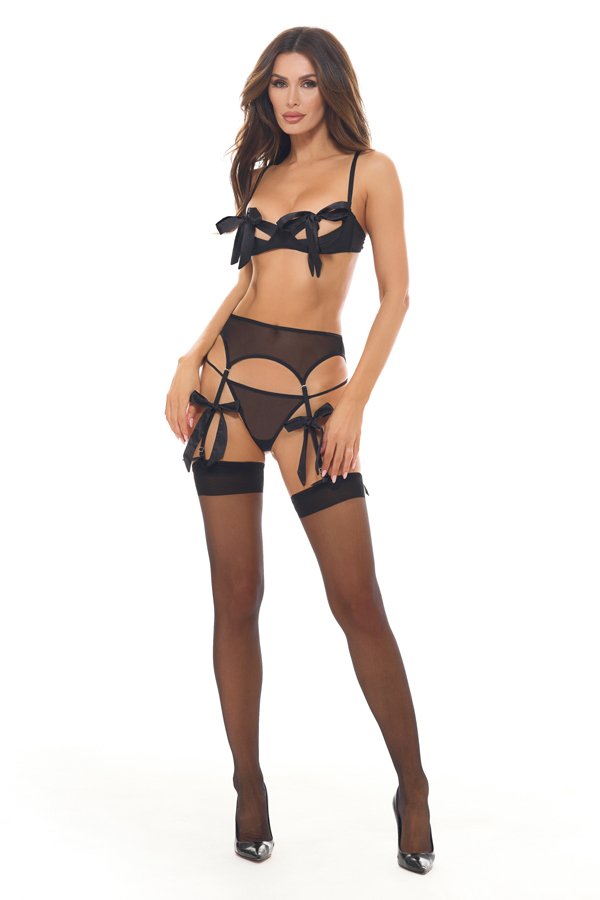
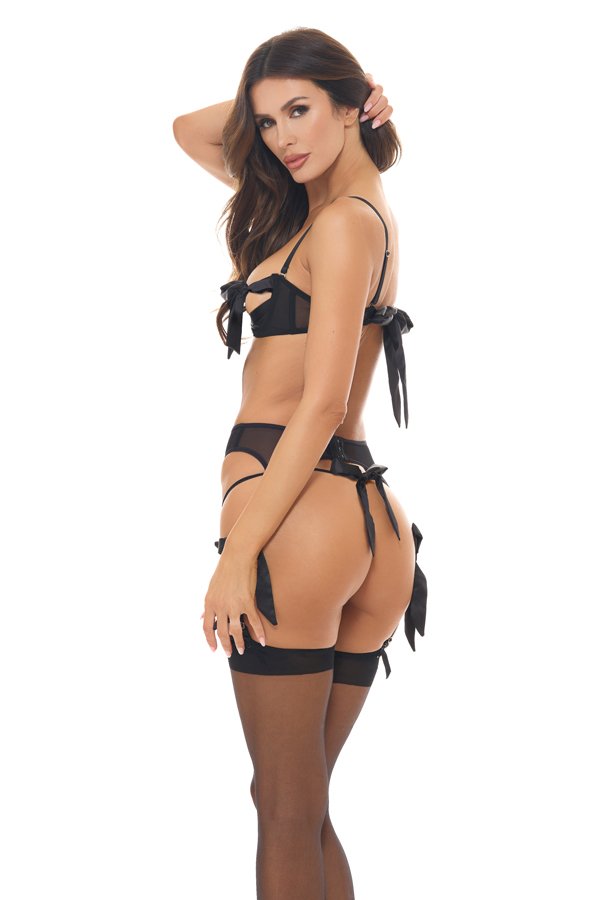
Thong lingerie sets vary quite a bit in what they include. A two-piece set usually pairs the thong with a bra, bralette, or cami top. Three and four-piece sets often add stockings, a garter belt, or a cover-up like a babydoll or mini dress. Some sets also include accessories such as a choker or wrist ties. The thong in a set is usually designed to coordinate with the other pieces in cut and fabric, so it is worth reading the full contents list before buying to know exactly what you are getting.
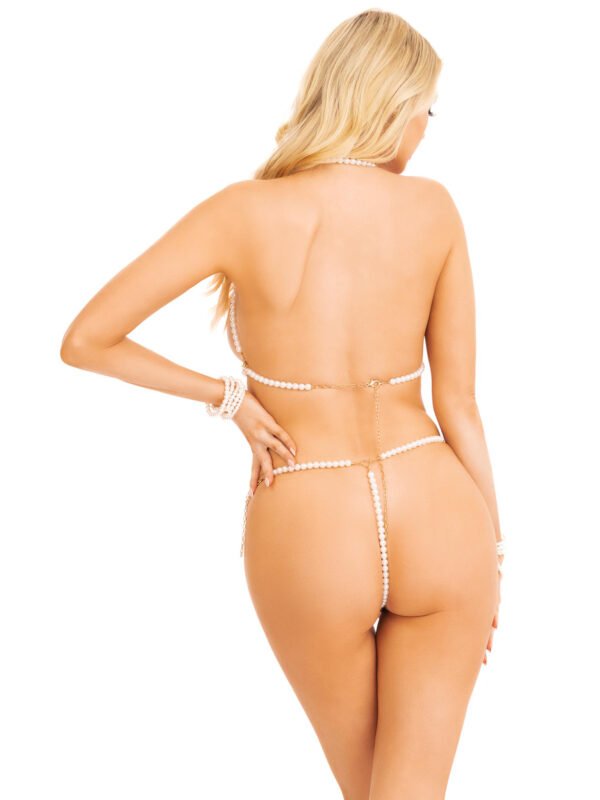
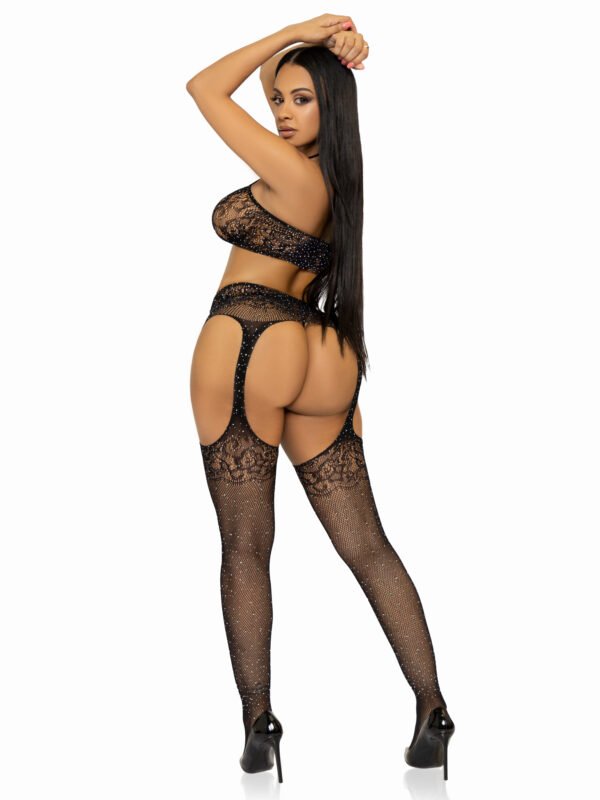
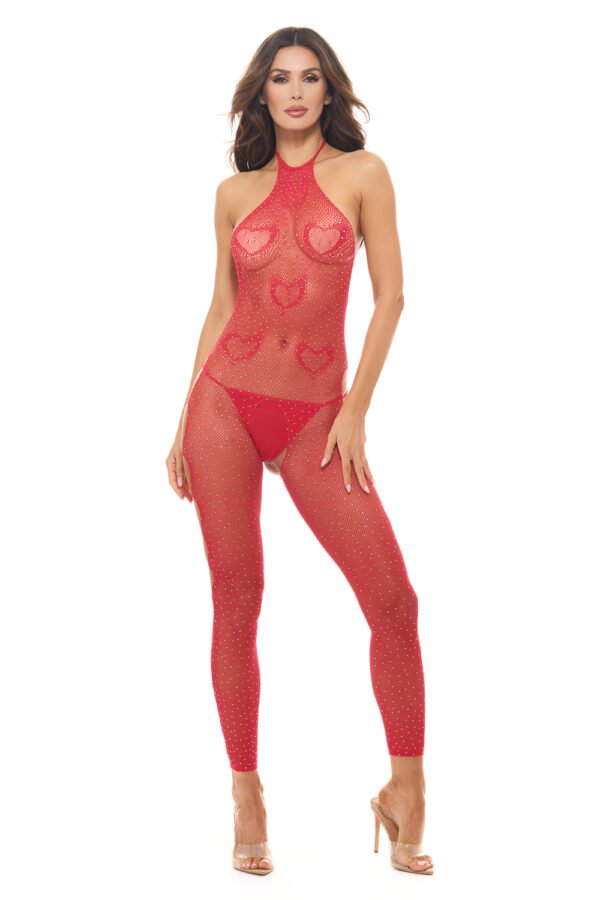
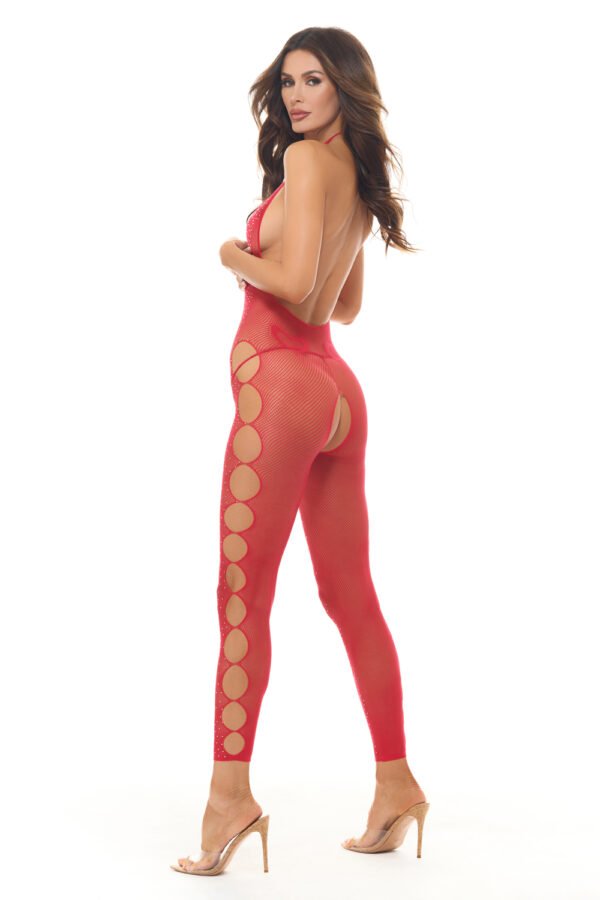
Decorative trim on thongs and g-strings, including rhinestones, metallic chains and delicate lace edging, is more fragile than the base fabric and benefits from gentler handling. Hand-washing in cool water and laying flat or line-drying preserves both the trim and the elasticity of the waistband far better than machine washing. Pieces with heavier embellishments like pearl strands or rhinestone detailing are generally intended for occasional wear rather than daily rotation, and treating them that way keeps them looking their best longer.
A seamless thong or a sport-style thong in a moisture-wicking fabric like microfiber or a nylon-spandex blend can work well during exercise, particularly under fitted leggings or tight activewear where other underwear styles would create visible lines or bunching. The flat profile stays out of the way during movement, which is why some people prefer it for gym sessions or yoga. That said, lace, sheer mesh or heavily embellished styles are not built for high-movement wear, so fabric and construction matter more here than the cut alone.

Helpful guides, product tips, and simple explanations to help you find what feels right.
No account yet?
Create an Account