






Beginner Butt Plug Guide: What a Butt Plug Is, How It Works, and How to Use One Safely

Content
- What Is a Butt Plug and What Does It Do?
- The Anatomy Behind the Sensation
- What Does a Butt Plug Feel Like the First Time?
- Choosing Your First Butt Plug: Size, Shape, and Material
- Lubrication: The One Thing You Cannot Skip
- How to Insert, Wear, and Remove a Butt Plug Safely
- Health Conditions and When to Avoid Use
- Cleaning, Storage, and Hygiene
- Butt Plugs vs. Other Beginner Anal Toys
- Mindset and Partner Communication for First-Timers
A butt plug is an anal sex toy designed to be inserted and worn in place, creating a sensation of fullness — and this guide covers what first-time adult users need: how to choose the right size and material, how lube works, how to insert and remove it safely, and how to clean and store it.
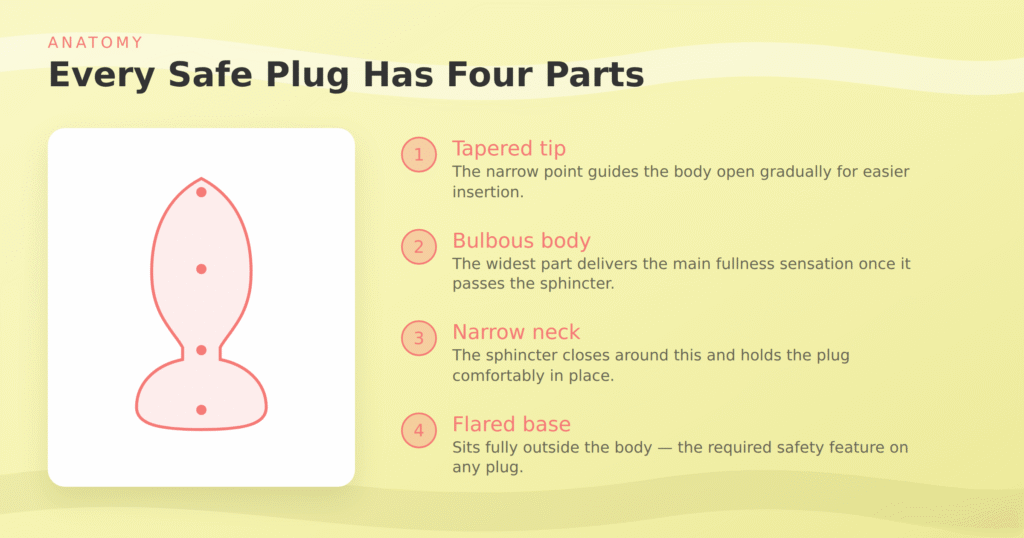
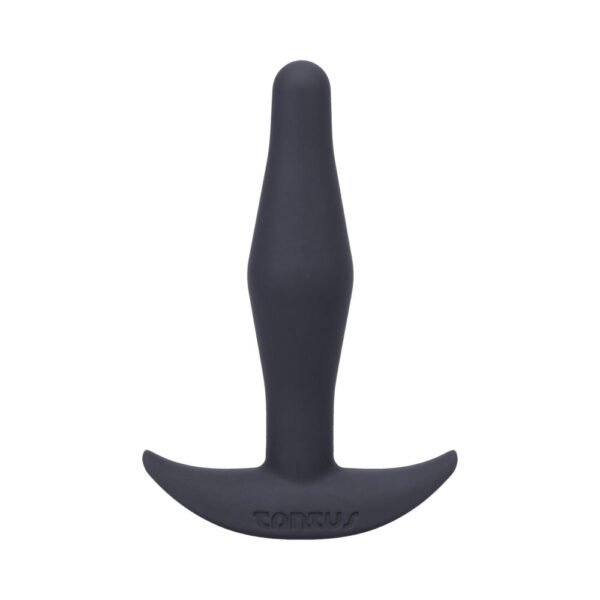
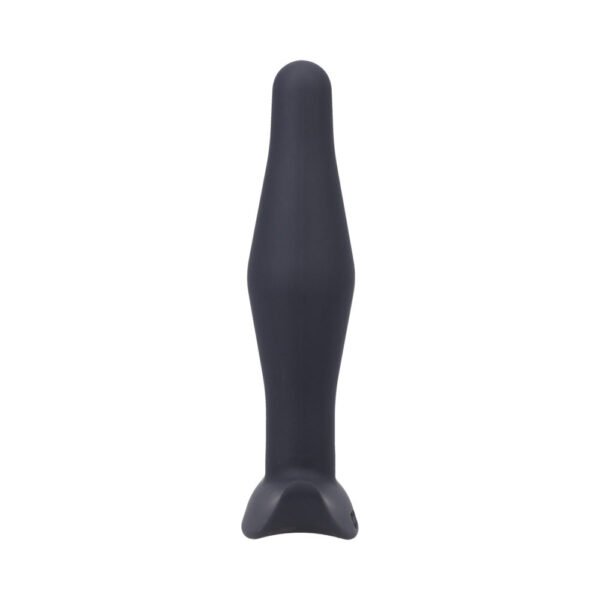
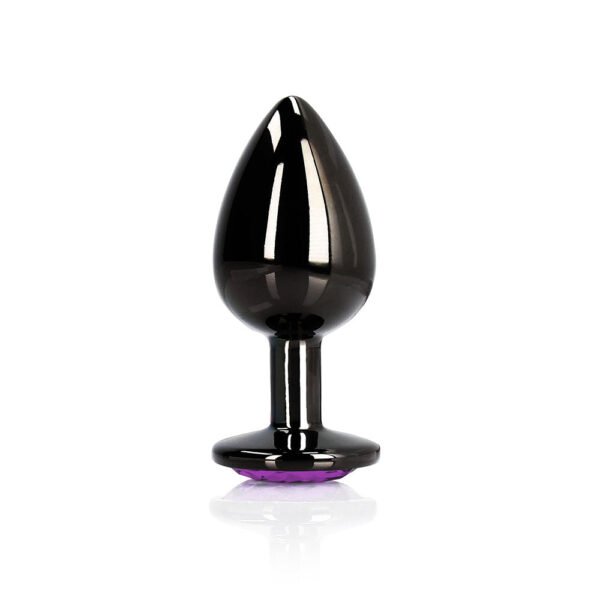
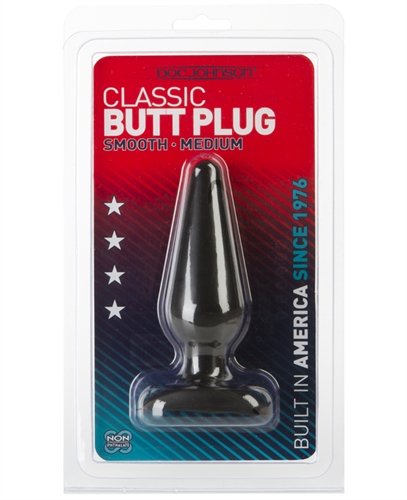
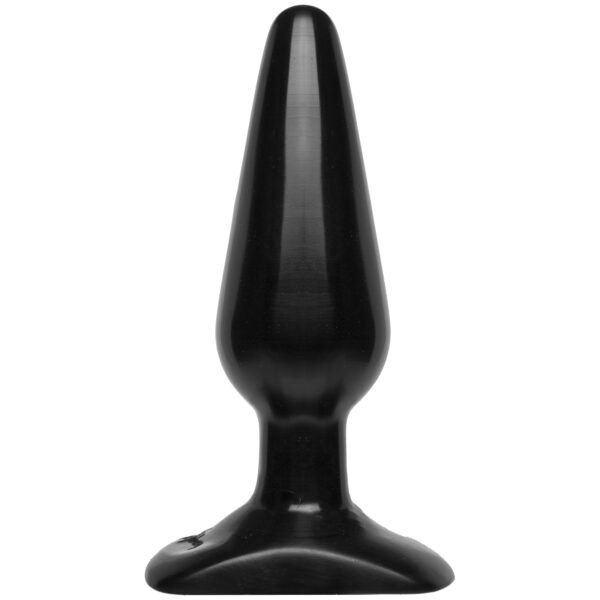
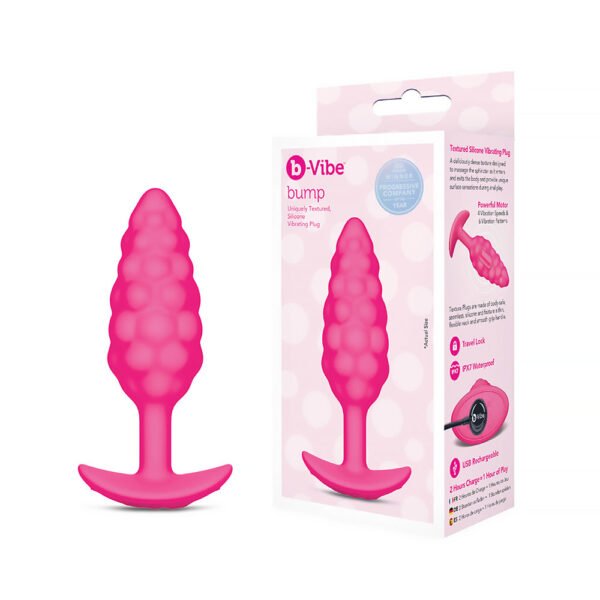
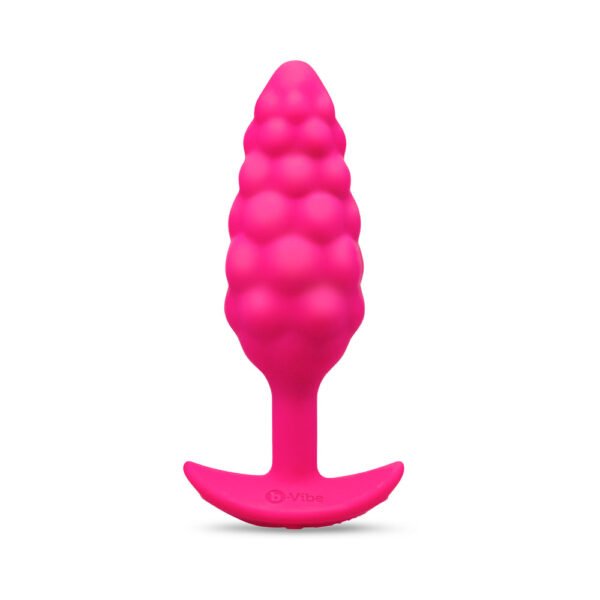
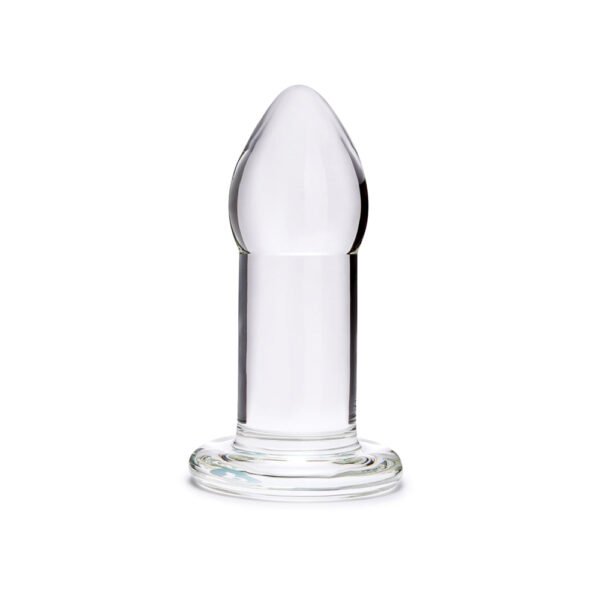
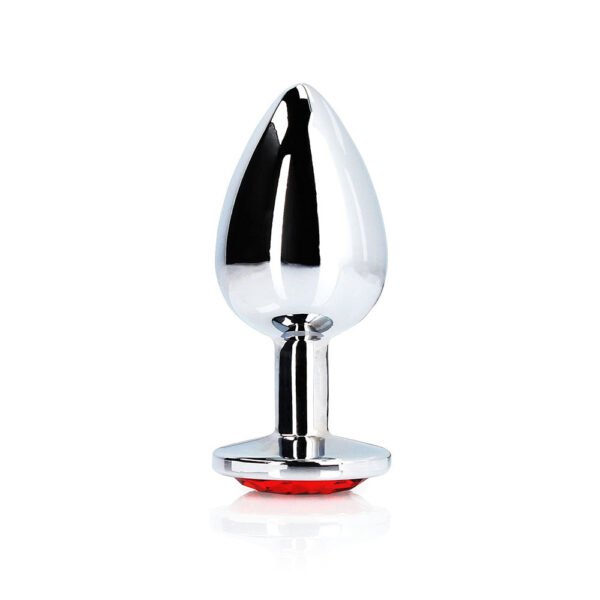
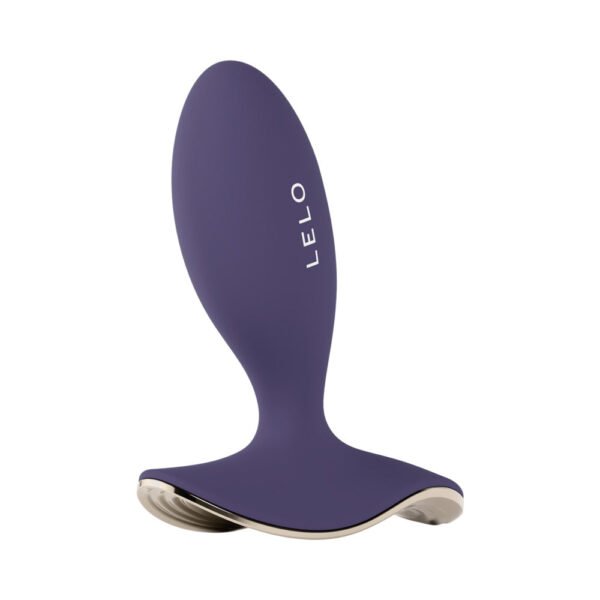
- A butt plug has a tapered tip, bulbous body, narrow neck, and a flared base that keeps it safely in place.
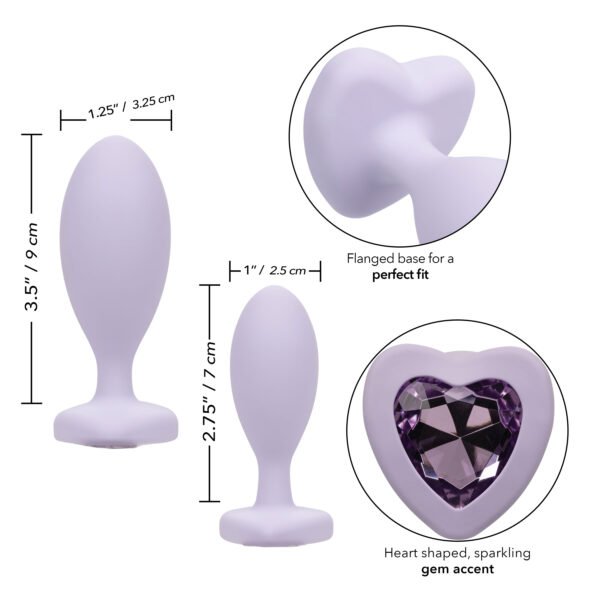
- Beginners should start with an insertable diameter of approximately 2.5 cm or under.
- Body-safe materials include medical-grade silicone, borosilicate glass, and stainless steel.
- Lube is required — the anus does not self-lubricate naturally, and skipping it causes discomfort.
- Clean your plug with mild unscented soap and warm water before and after every use.
What Is a Butt Plug and What Does It Do?
A butt plug is an anal sex toy designed to be inserted into the anus and held comfortably in place, creating a sensation of fullness and stimulating the dense concentration of nerve endings in and around the anal canal. Unlike a dildo, which is used with in-and-out movement, a plug is meant to stay put — that sustained, steady presence is the whole point.
The shape is distinctive and purposeful. Every butt plug shares the same four-part structure:
- Tapered tip. The narrow point at the top makes initial insertion easier by gently guiding the body open at a gradual angle.
- Bulbous body. The widest part of the plug sits just past the tip and delivers the main fullness sensation once it passes the sphincter.
- Narrow neck. The constriction below the body lets the sphincter close around the plug naturally, which is what keeps it comfortably in place during wear.
- Flared base. The wide, flat base sits outside the body entirely and is a required safety feature on any plug worth buying.
You can browse butt plugs in a range of sizes, shapes, and materials, and they fit within the broader world of anal toys alongside beads, probes, and other designs. Plugs are their own distinct category because of that sit-and-stay function.
People use butt plugs for several overlapping reasons, and no single reason is more valid than another:
- Fullness and pressure. The sensation of a plug resting in place creates a feeling of internal fullness that many people find pleasurable on its own, with or without any other stimulation.
- Anal warm-up. A plug is a practical first step for people who want to prepare their body for anal sex, helping the muscles relax and adjust gradually before moving to a larger toy or partner.
- Prostate stimulation. For people with a prostate, a plug positioned correctly can apply gentle, sustained pressure to the gland through the rectal wall, which some find intensely pleasurable and orgasm-enhancing.
- Added sensation during other sex. Wearing a plug during vaginal sex, oral sex, or solo play adds a layer of fullness that changes how other sensations register throughout the pelvic region.
- Curiosity and exploration. Some people simply want to understand what anal play feels like before deciding whether to go further. A small plug is a low-stakes, controllable way to find out.
As for who uses them: all kinds of adults do. People of every gender, orientation, and relationship structure use butt plugs. Anal nerve endings are present in everyone, and stimulating those receptors is the basic mechanism behind the pleasure regardless of anatomy. There is no typical user profile, and there is nothing unusual about being curious.
One practical note before you go further: a plug always needs lube, and it always needs that flared base. Both points get their own full treatment later in this guide, but keep them in mind as the two non-negotiables from the start.
The Anatomy Behind the Sensation
A butt plug creates pleasure by interacting with some of the most nerve-dense tissue in the human body. Understanding the basic anatomy helps you know what you are actually feeling and why it feels the way it does.
The anal canal is roughly 3 to 4 centimeters long and is surrounded by two distinct muscle rings. The external sphincter is the one you consciously control: you can squeeze it and release it voluntarily. The internal sphincter sits just above it and operates mostly on its own, responding to pressure and relaxation signals from the nervous system rather than conscious effort. Both sphincters are packed with sensitive nerve endings, which is the primary reason anal play produces such noticeable sensation even with a small toy.
When a plug is inserted, the tapered tip and bulbous body press gently against those sphincters and the surrounding nerve tissue. The narrow neck settles at the internal sphincter, holding the plug in position and keeping that light, constant pressure active. That sustained contact is what creates the fullness sensation people describe as the defining characteristic of wearing a plug. It is not sharp or intense by design; it is a steady awareness of pressure and stretch that the body reads as pleasurable when you are relaxed and aroused.
Beyond the anal canal sits the rectum, a wider chamber with fewer nerve endings but a strong capacity to register pressure. A plug that reaches into the lower rectum adds a deeper sense of fullness on top of the sphincter sensation, which some people find more satisfying than the canal sensation alone.
In male-bodied users, the prostate gland sits just a few centimeters inside the rectum, against the front wall. A plug pressing toward that wall can stimulate the prostate indirectly, producing a distinct internal sensation that many people describe as intense and pleasurable. This is one of the main reasons people with a prostate specifically seek out anal toys. A curved or angled plug can be positioned to make more consistent contact with the prostate, though even a straight beginner plug will often reach it.
The pelvic floor muscles, which wrap around and support the pelvic organs, also engage during plug wear. Holding a plug in place requires subtle, ongoing pelvic floor activation, which some users notice as a mild sense of warmth or mild muscular effort. Over time, that engagement can feel more natural as the muscles become accustomed to the sensation.
Why the Flared Base Is Non-Negotiable
Every safe anal toy must have a flared base. This is not a preference or a style feature; it is the single design element that makes a butt plug safe to use.
The rectum does not dead-end the way the vaginal canal does. It connects to the rest of the gastrointestinal tract, and the natural muscular contractions of the anal canal and rectum can draw objects inward rather than holding them at the entrance. A toy without a wide base can be pulled fully inside the body, where it becomes impossible to retrieve without medical help.
The flared base keeps the toy in the nerve-dense anal canal and prevents it from traveling further into the gastrointestinal tract, where a baseless object could become stuck and require medical intervention to remove.
Emergency departments treat retained rectal foreign bodies regularly. The procedure to remove a stuck object is uncomfortable, often requires sedation, and is entirely avoidable by using a toy designed correctly for anal use. This is why improvised objects, household items, and toys designed for other purposes are not appropriate for anal insertion, regardless of size or shape.
A properly flared base works by sitting flat against the exterior of the body, outside the anus entirely. The base is wide enough that the sphincter cannot draw it inward. Most sexual health educators and toy manufacturers recommend a minimum base width of approximately 4 centimeters, wide enough to span the opening without any risk of slipping through.
Two base styles are equally reliable as long as they meet that width standard:
- Flared flat base. The most common design. A wide, flat disc or oval that rests against the body. Comfortable for solo use and easy to grip during removal.
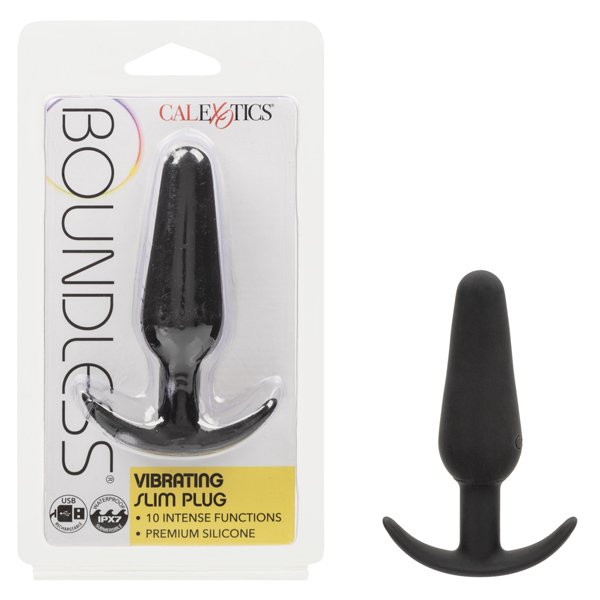
- T-bar base or retrieval loop. A horizontal bar or ring rather than a full disc. Useful for wearing during partnered activity or when a flat base would be uncomfortable against the body. The bar or loop must still be wide enough on each side to prevent the toy from being drawn inward.
When you shop for a beginner plug, check the base width listed in the product specifications before anything else. If the base measurement is not listed, or if the base looks narrow in product photos, choose a different toy. Starting with a smaller insertable size is smart; compromising on the base is never worth it.
What Does a Butt Plug Feel Like the First Time?
The first time you insert a butt plug, the most common sensation is fullness: a gentle, rounded pressure that stays constant while the plug is in place. It is unfamiliar, but for most people it is not unpleasant.
Fullness and pressure are related but distinct. Fullness is the sense of something occupying space, felt broadly in the anal canal and lower rectum. Pressure is more directional, often noticed toward the perineum or, in people with a prostate, against the prostate gland. Both are normal. Neither should feel sharp or burning.
The trickiest part of a first experience is telling the difference between unfamiliarity and actual pain. Unfamiliarity can feel mildly uncomfortable, a little strange, slightly intense. That tends to ease as you breathe and relax. Actual pain does not ease. It demands your attention and does not soften.
Stop and remove the plug if you notice any of these:
- Sharp or stabbing pain. This is not normal pressure. Remove the plug immediately.
- Burning or stinging. Often a sign of insufficient lube or tissue that needs more time.
- Difficulty breathing or inability to relax. Your body is telling you this is not the right moment.
- Any bleeding. Stop use and check in with a doctor before trying again.
One worry that comes up often: can it get stuck? A properly sized plug with a flared base stays put at the entrance and does not travel further into the body. You are not going to lose it.
Removal has its own sensation worth knowing about in advance. As the widest part of the plug passes back through the sphincter, you may feel a brief release, almost like a small exhale in the muscle. That is completely normal and passes within a second or two.
Emotionally, first-timers often feel a mix of nervousness and curiosity, sometimes at the same time. Both are reasonable. Going slowly, using plenty of lube, and starting with a small size makes the physical experience gentler, which makes it easier to stay calm and present. If you find yourself wanting to build comfort gradually over several sessions, anal training kits offer a set of progressively sized plugs designed for exactly that pace.
Choosing Your First Butt Plug: Size, Shape, and Material
The single biggest reason beginners have a bad first experience is choosing a plug that is too large or made of a material that is difficult to clean. Getting these two decisions right before you buy makes everything else easier.
Beginner Size and Shape Specifications
For a first plug, look for an insertable diameter of approximately 2.5 cm or under. Some beginners feel comfortable closer to 3 cm, but starting at the lower end gives your body room to adjust without strain. Insertable length matters less than diameter for comfort, but a length of around 7 to 9 cm is typical for beginner plugs and keeps the toy well within the anal canal without reaching deeper into the rectum.
Pay attention to base width too. The base needs to sit fully outside the body, and a minimum width of 4 cm is the practical threshold that makes that reliable. A T-bar or flat disc base both work; what matters is that the base is wide enough to stay put.
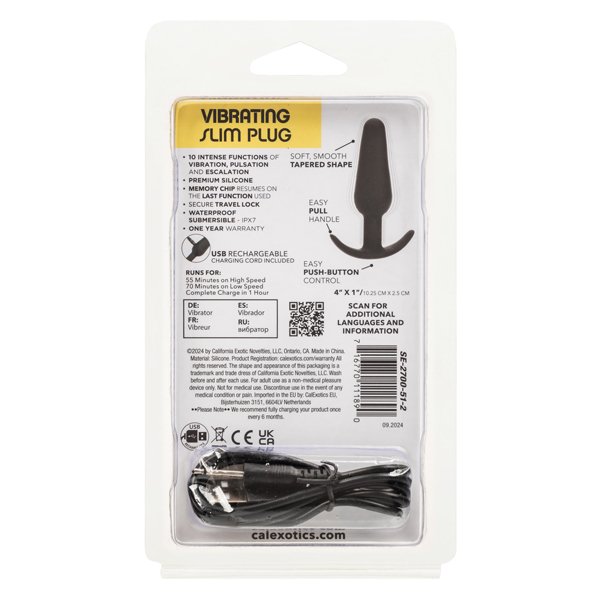
Shape features make a real difference for beginners. A tapered tip allows gradual entry rather than a sudden stretch, and a smooth finish with no seams or ridges means less friction and a more comfortable first experience. Slim tapered plugs are specifically designed with this in mind and are a sensible starting point.
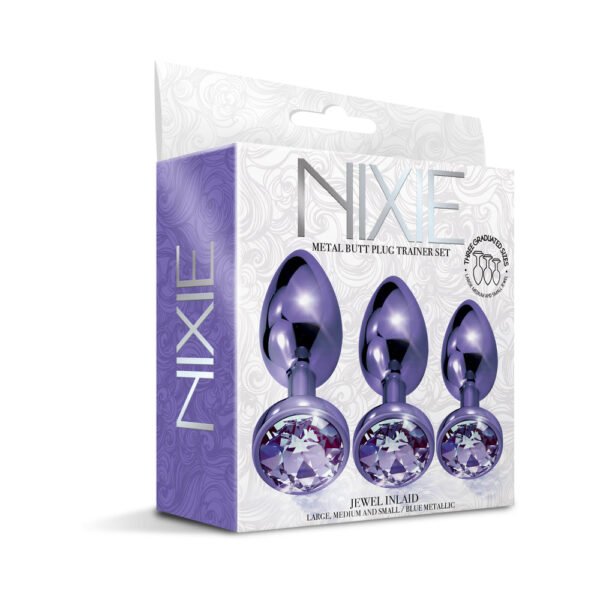
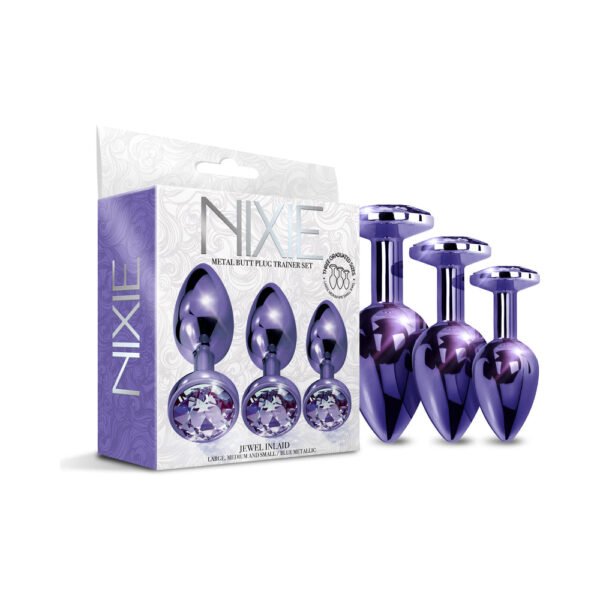
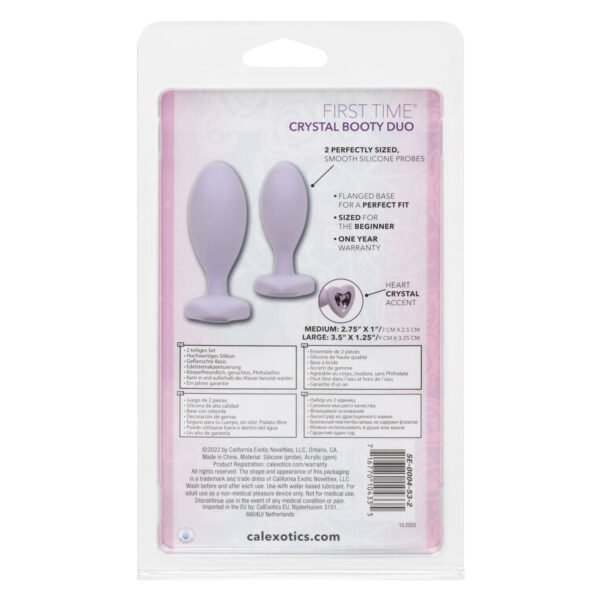
If you want to work up to a larger size over time, an anal training kit is one of the most cost-effective ways to do it: you get two or three graduated plugs in one purchase, so you are not buying separate toys each time your comfort level increases.
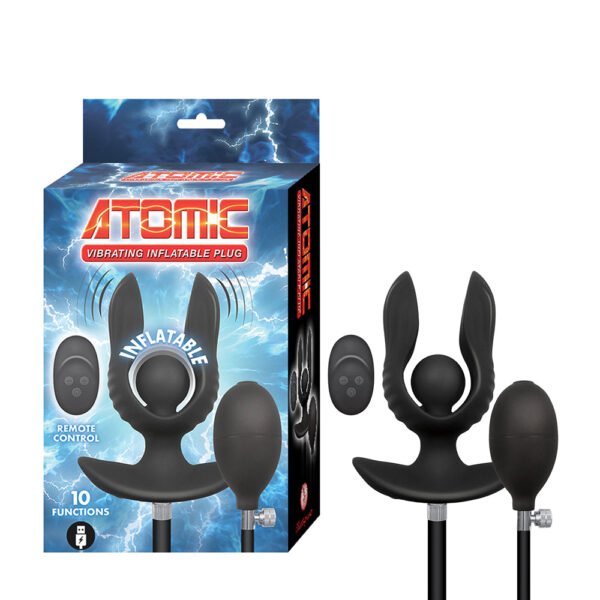
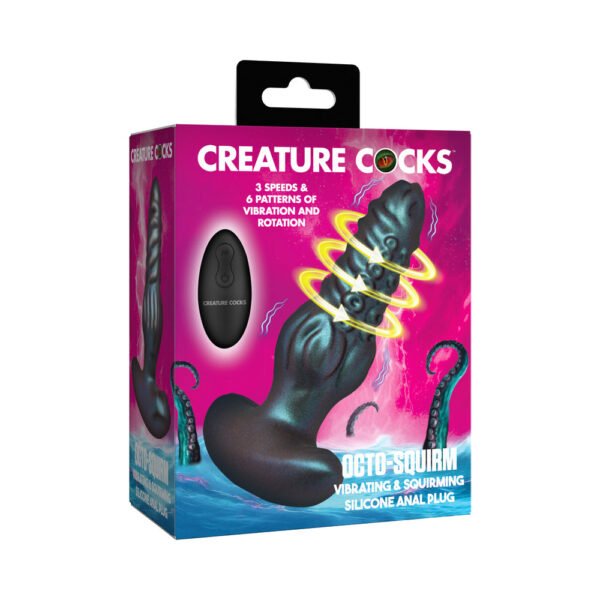
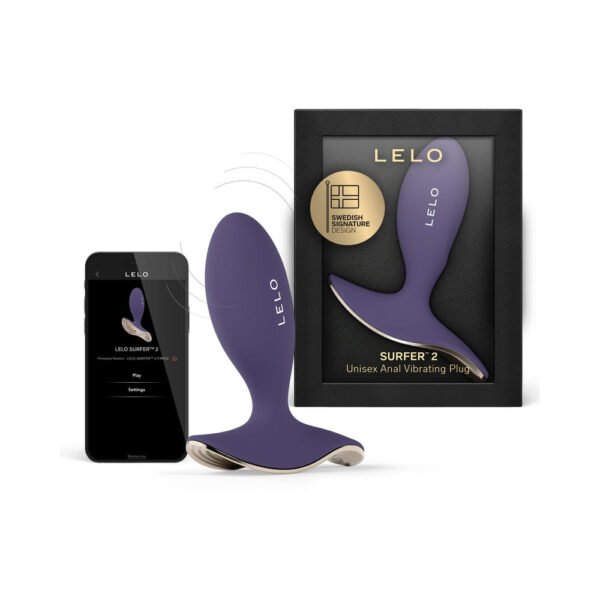
One early decision worth thinking through: vibrating or non-vibrating. A non-vibrating plug is simpler, quieter, and lets you focus entirely on the sensation of fullness and fit. A vibrating plug adds stimulation, which some people love from the start and others find overwhelming before they have had a chance to get comfortable with insertion itself. There is no wrong answer, but if you are unsure, starting with a non-vibrating plug removes one variable. You can always explore vibrating options once you know what size and shape feel right for your body.
Body-Safe Materials vs. Materials to Avoid
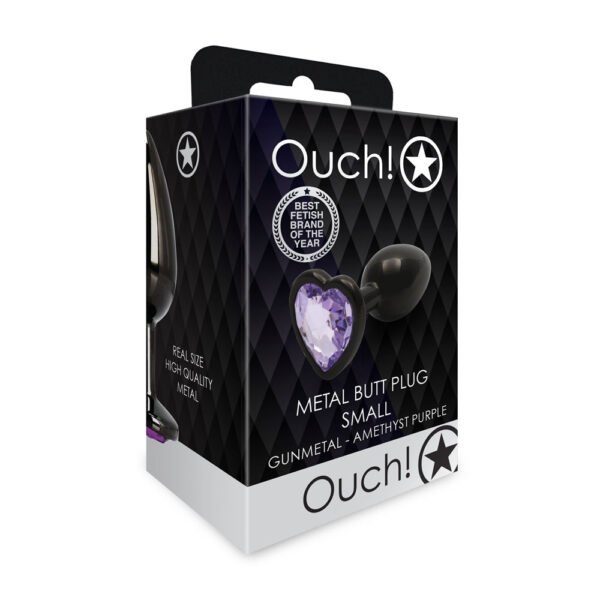
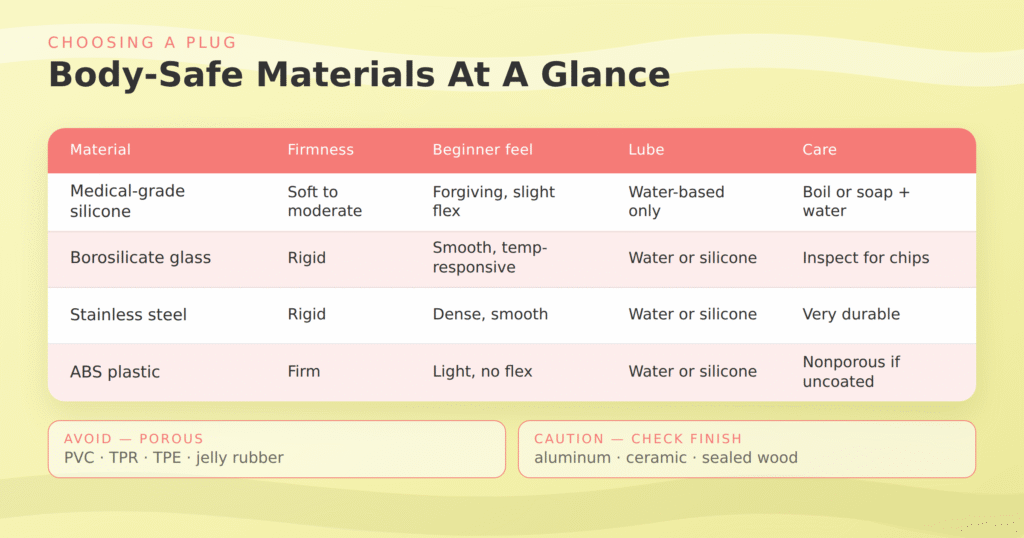
Material affects safety, cleaning, firmness, and how the plug feels against your body. The safest choices are nonporous: medical-grade silicone, borosilicate glass, stainless steel, and ABS plastic. Because these materials have no microscopic pores, they do not trap bacteria or break down with regular cleaning. Research on sexual device hygiene confirms that nonporous materials are significantly easier to clean and less likely to harbor microbes than porous alternatives.
Here is how the main body-safe options compare for beginners:
| Material | Firmness | Beginner Feel | Notes |
|---|---|---|---|
| Medical-grade silicone | Soft to moderate | Forgiving, slight flex | Most popular beginner choice; check lube compatibility in the lube section |
| Borosilicate glass | Rigid | Smooth, temperature-responsive | Heavier than silicone; inspect for chips before each use |
| Stainless steel | Rigid | Dense, smooth, temperature-responsive | Heavier; excellent for long-term durability |
| ABS plastic | Firm | Lightweight, no flex | Nonporous when uncoated; quality varies by manufacturer |
For most beginners, medical-grade silicone is the easiest starting point. It has moderate firmness with a small amount of flex, which makes it more forgiving during insertion than glass or steel. Rigid materials like glass and stainless steel feel more intense because they do not compress at all; they are excellent choices, but the sensation is noticeably different.
Materials to avoid are those that are porous: PVC, TPR (thermoplastic rubber), TPE (thermoplastic elastomer), and jelly rubber. Porous surfaces cannot be fully disinfected because bacteria and residue settle into microscopic gaps that cleaning cannot reach. These materials also tend to degrade over time, sometimes releasing chemical residue onto the skin. Many inexpensive plugs are made from these materials, so price alone is not a reliable guide to safety.
A few materials fall into a middle category that requires more caution: aluminum, ceramic, and wood. Aluminum and ceramic can be body-safe when properly manufactured and finished, but quality varies significantly between makers. Wood plugs are sometimes sold with a sealed finish intended to make them nonporous, but the durability of that seal is manufacturer-dependent. For a first purchase, sticking with silicone, glass, steel, or verified ABS plastic is the simpler and more reliable choice.
One label worth knowing: phthalate-free. Phthalates are chemical plasticizers used in some soft materials, including certain PVC and jelly products, and they are a known health concern with repeated skin contact. A phthalate-free label tells you the manufacturer has not used those specific plasticizers, which is a meaningful minimum standard. It does not, however, tell you whether the material is nonporous or fully body-safe on its own, so treat it as one useful data point rather than a full safety guarantee.
Lube type compatibility depends on the material you choose; the lube section covers which combinations work and which to avoid.
Lubrication: The One Thing You Cannot Skip
Lube is not optional for anal play. Unlike the vagina, the anus produces no natural lubrication, so every session requires it, from the very first use to the hundredth. Without enough lube, the delicate tissue lining the anal canal is vulnerable to friction, irritation, and micro-tears, small breaks in the mucosal surface that cause pain and increase infection risk.
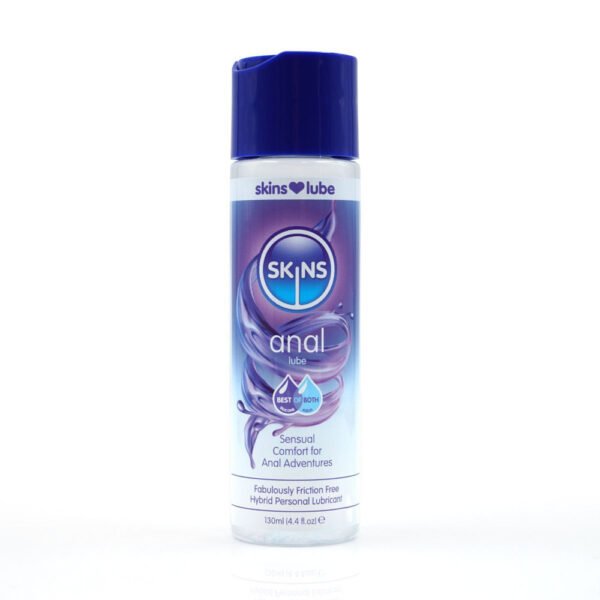
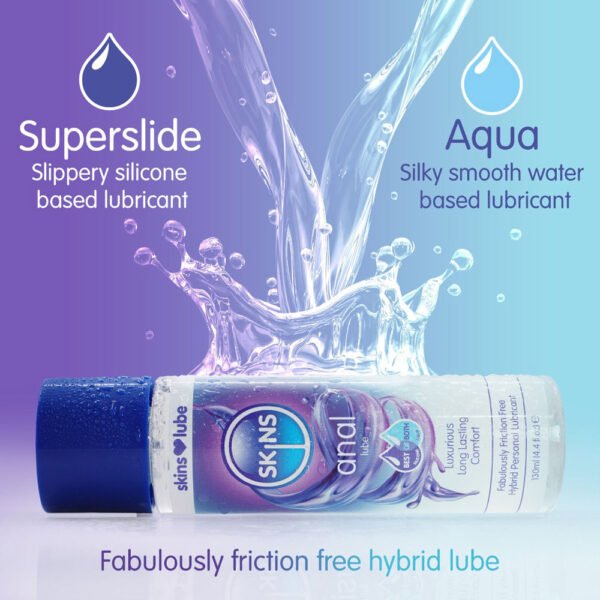
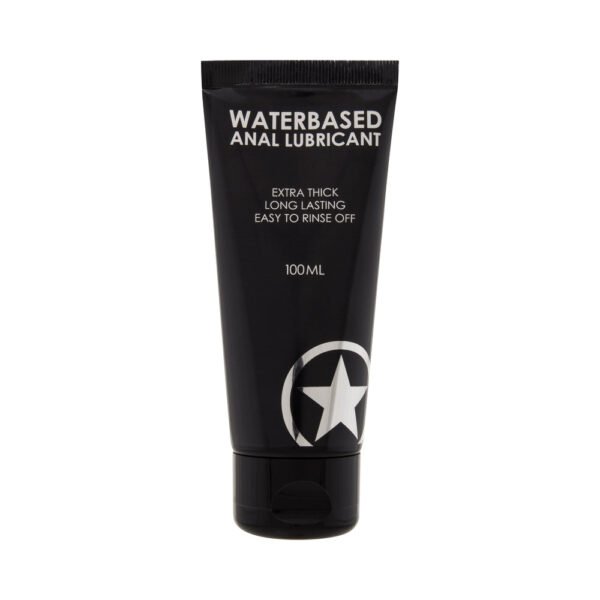
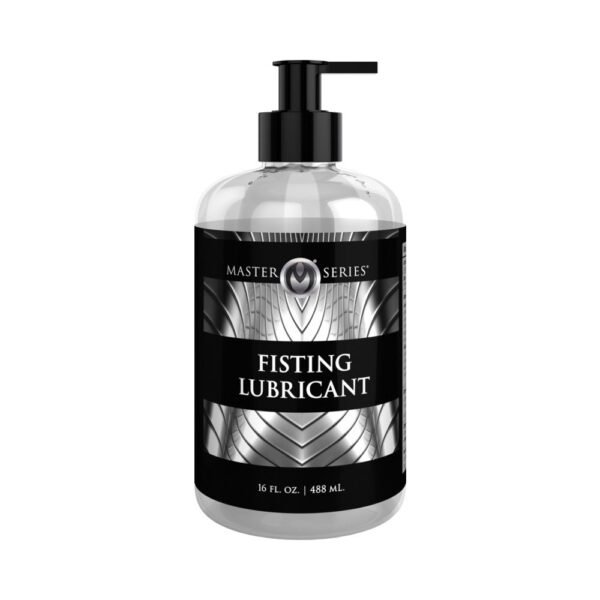
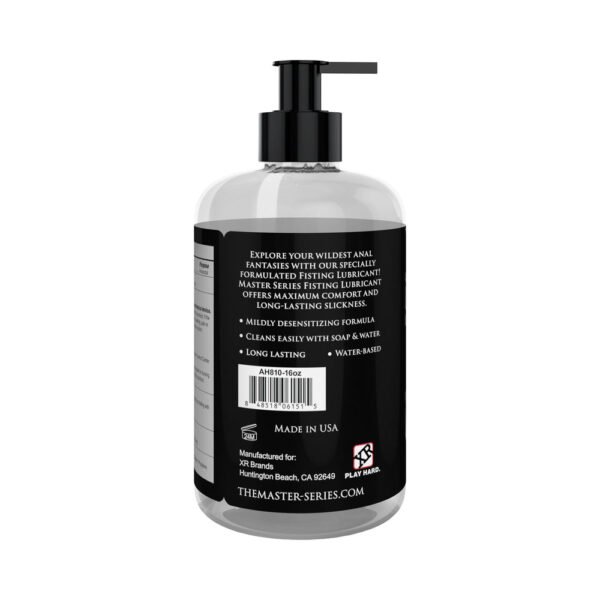
The type of lube you choose depends on your plug’s material. Water-based lubricants are compatible with all toy materials, including silicone, and are easy to clean up. They do dry out faster than other types, which matters during longer sessions. Silicone-based lubricants last significantly longer and work well with glass and metal plugs, but they can degrade the surface of silicone toys over time, so they are not the right choice there. Oil-based lubricants are generally not recommended for anal toy use and are incompatible with latex condoms.
A quick reference for compatibility:
- Silicone plug. Use water-based lube only. Silicone-based lube can break down the toy’s surface.
- Glass or metal plug. Water-based or silicone-based lube both work well. Silicone-based lasts longer and is worth considering for extended wear.
When choosing an anal lube, check the ingredient list. Glycerin, propylene glycol, and high-osmolality formulas can irritate rectal mucosa, especially with repeated use. Look for a product specifically formulated for anal play, which typically avoids those ingredients.
Apply lube generously before insertion: a liberal coating on the plug itself and directly inside the anus. More is genuinely better here. For internal application, a lubricant applicator makes this easier and more precise than using a finger alone.
During extended wear, reapply every 20 to 30 minutes, or sooner if you notice any increase in resistance or friction. Lube thins and absorbs over time. Reapplication is not a sign that something went wrong; it is just how the body works.
How to Insert, Wear, and Remove a Butt Plug Safely
The actual process of using a butt plug for the first time is slower and more deliberate than most people expect. That is not a problem; it is the point. Slow is what makes it comfortable.
Step-by-Step First Use
Start by washing your hands thoroughly and making sure your plug is clean. Apply anal lube generously to both the plug and your anus before you begin. You will likely need more than you think.
Position matters more than most beginner guides acknowledge. Three positions tend to work well for first-time insertion:
- Lying on your side with knees drawn up. This is the most relaxed option for most people. Your pelvic floor is less engaged, and you have good control over pressure and pace.
- Squatting. This opens the anal canal more than standing does and can make the initial entry easier. Use a wall or furniture for balance if needed.
- On all fours. Gravity works in your favor here, and many people find this position gives them a clear sense of how the toy is angled.
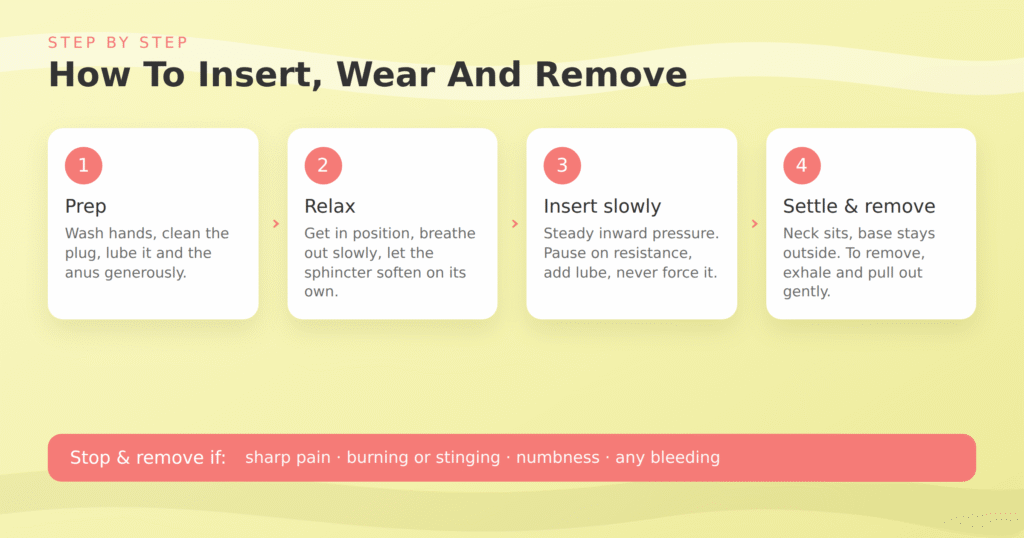
Once you are positioned, place the tapered tip of the plug against your anus and apply slow, steady inward pressure. Do not push hard. Instead, let your external sphincter respond to the pressure on its own terms. Breathe out slowly and allow the muscle to soften around the tip. The sphincter is not something you can force open comfortably; it relaxes when it feels safe.
Advance the plug gradually, pausing whenever you feel resistance. A pause is not a failure. It is your body asking for a moment. Take it, breathe, and wait. If resistance continues, add more lube before trying again.
If insertion stalls and does not progress after a few calm attempts, stop for the session. That is a complete and valid outcome for a first try. Pushing past genuine resistance risks discomfort and puts you off the experience entirely. There is no timeline here.
Once the widest part of the plug passes the sphincter, the narrow neck will settle into place and the plug will sit comfortably on its own. The flared base rests against the outside of your body, keeping everything exactly where it should be.
Removal follows the same principle of slowness. When you are ready to remove the plug, exhale steadily and apply gentle outward pressure on the base. Let your sphincter release around the narrowing neck rather than pulling against a clenched muscle. A slow, continuous outward motion works better than a quick pull. If you feel resistance during removal, pause, breathe, and try again. Removal should not require significant force. If the plug genuinely will not move after several calm attempts, change your body position (squatting often helps), add more lube if you can reach the base comfortably, and try again. If difficulty persists or you experience pain, seek medical attention rather than continuing to pull.
Remove the plug immediately if you notice any of the following:
- Pain. Discomfort during insertion or wear is a stop signal.
- Numbness. Any loss of sensation in the area means the plug is affecting circulation or nerve function.
- Difficulty removing. Resistance that does not resolve with patience and repositioning needs attention.
- Any bleeding. Stop use and do not continue until you understand the cause.
Some beginners want to prepare with a light rinse before their first session. If that is something you are considering, anal douches are designed for that purpose and are straightforward to use.
How Long Can You Wear One?
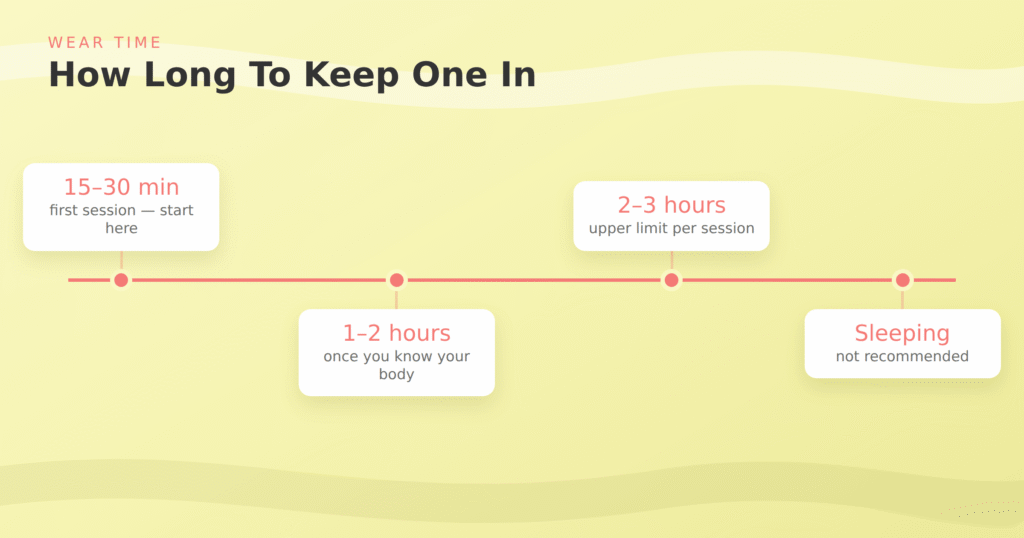
For a first session, 15 to 30 minutes is a sensible limit. That gives you enough time to get comfortable with the sensation without asking your body to sustain something unfamiliar for too long.
As you gain experience over multiple sessions, you can extend wear time gradually. Many people find 1 to 2 hours comfortable once they know how their body responds. Most sexual health guidance suggests keeping wear time under 2 to 3 hours per session, particularly for beginners, because the sphincter muscles and surrounding tissue are under continuous low-level engagement the entire time the plug is in place. Extended wear increases the risk of muscle fatigue, irritation, and tissue stress.
Sleeping with a plug in is not recommended for beginners. During sleep you lose conscious awareness of discomfort, cannot monitor how your body is responding, and cannot remove the plug promptly if something feels wrong. The combination of extended wear time and reduced awareness makes overnight use a risk that is not worth taking while you are still learning how your body responds to anal play.
One practical timing note: wearing a plug when your rectum is full is uncomfortable and increases the chance of unexpected expulsion. Most people find the experience more comfortable when they have had a recent bowel movement and feel settled. You do not need to do anything elaborate; simply being aware of your body’s timing makes the experience more predictable and more pleasant.
Health Conditions and When to Avoid Use
Some medical conditions make butt plug use genuinely risky, and a few require a doctor’s clearance before you try anything. Knowing which situations call for a pause can prevent real injury.
The conditions below are reasons to hold off entirely or speak with a healthcare provider first:
- Hemorrhoids. Swollen hemorrhoidal tissue is fragile. Insertion can worsen irritation, trigger inflammation, or cause bleeding, even with a small plug and plenty of lube. Medical guidance recommends avoiding anal toys or consulting a doctor before use if hemorrhoids are present.
- Anal fissures. A fissure is an open wound in the anal canal. Introducing any object into broken tissue risks worsening the tear, delaying healing, and introducing bacteria. Wait until a fissure has fully healed and get confirmation from your doctor before resuming anal play.
- Rectal bleeding of any kind. Bleeding from the rectum always warrants a medical evaluation before use. Do not assume it is minor or unrelated to the toy. Stop, and see a doctor.
- Recent anal or rectal surgery. Tissue integrity after surgery takes time to restore. The minimum recovery window varies by procedure, so let your surgeon confirm that the area has healed sufficiently before attempting any anal penetration.
- Active infection, inflammation, or rectal discharge. These are signs that something is already wrong. Using a plug during an active infection can spread bacteria further or mask worsening symptoms. Get medical clearance first.
- Prostate conditions. If you have a prostate condition, including prostatitis, an enlarged prostate, or a recent biopsy, consult a urologist before attempting prostate-adjacent stimulation. Pressure in that area can aggravate certain conditions.
Even without a pre-existing condition, stop and remove the plug immediately if any of these occur during use:
- Sharp or burning pain. Discomfort that does not ease within a moment is a signal to stop.
- Visible blood. Any blood on the plug or in the area means use ends now.
- Numbness. Loss of sensation suggests nerve compression. Remove the plug and do not reinsert it that session.
- Inability to remove the plug. If you cannot remove it with calm, steady effort, this is a medical situation, not a DIY problem to solve.
Seek emergency medical care if the plug cannot be removed after calm attempts, if you experience severe pain after removal, or if you have significant or ongoing rectal bleeding. Signs of infection after toy use, including worsening pain, swelling, or abnormal discharge, also require prompt medical attention. Emergency rooms handle these situations regularly. There is no reason to wait it out.
Cleaning, Storage, and Hygiene
Clean your butt plug before and after every single use. Both washes follow the same protocol: mild unscented soap and warm water, a thorough rinse to remove all soap residue, then air dry or pat dry with a clean cloth before storing.
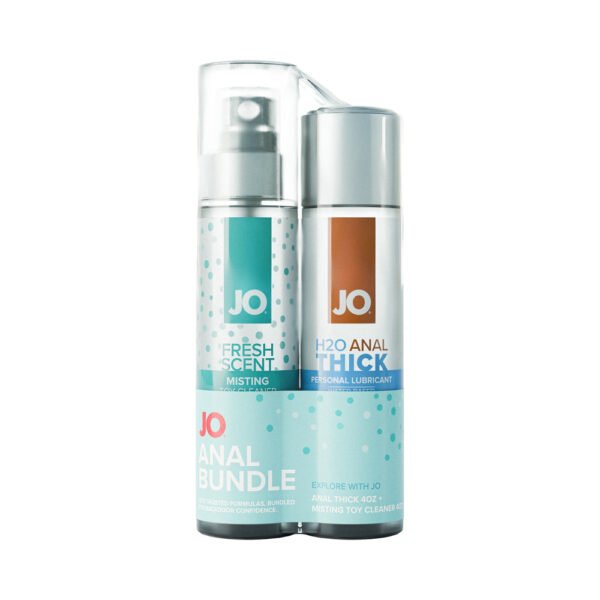
Post-use cleaning is most effective when done immediately after removal. Soap and warm water handle the job reliably for every session. A sex toy cleaner spray can be a convenient supplement, especially for travel, but it does not replace soap and water as your primary method.
How deeply you can sanitize a plug depends on its material, which also affects lube compatibility. For the full breakdown on materials, the choosing section covers that in detail. For cleaning purposes, the key distinction is whether the surface is nonporous or porous.
- Nonporous materials (silicone, glass, stainless steel). These can be boiled for approximately three minutes or run through a dishwasher on a hot cycle without detergent, provided the toy has no motor, charging port, or electronic components. Always check manufacturer instructions first, since coatings and construction quality vary.
- Porous materials (PVC, TPR, TPE). These cannot be fully sterilized regardless of cleaning method. If you are using a plug made from one of these materials, a condom over the toy significantly reduces risk. Consider it a practical workaround, not an ideal long-term solution.
Two hygiene rules matter regardless of material. Never transfer a plug directly from the anus to the vagina without washing it first. And if you share toys with a partner, either use a fresh condom for each person or keep separate plugs per person to prevent cross-contamination.
For storage, a dedicated pouch or closed container keeps the surface clean and protects it from dust, lint, and contact with other toys. Some materials degrade when stored touching each other, so keeping your plug in its own space is a practical habit, not an overreaction.
If you share a living space or need a discreet setup, the options are simple and effective. A small lockable pouch or opaque container fits in a drawer or on a shelf without drawing attention. Dedicated drawer organizers work equally well. The goal is a clean, dry place where the toy is not exposed to other surfaces between uses.
Butt Plugs vs. Other Beginner Anal Toys
A butt plug is often the best starting point for anal play because it does one thing simply: it goes in, stays in place, and creates a steady sensation of fullness. Understanding how it compares to other anal toys helps you choose the right tool for what you actually want.
- Anal beads. Beads are designed for movement. The pleasure comes from inserting and removing each bead in sequence, which creates a rhythmic, dynamic sensation at the sphincter. A plug, by contrast, stays still. If you want to start with something passive that you can simply wear and get used to, a plug is the simpler choice. If you are drawn to the sensation of something moving in and out, beads offer that in a controlled, graduated way.
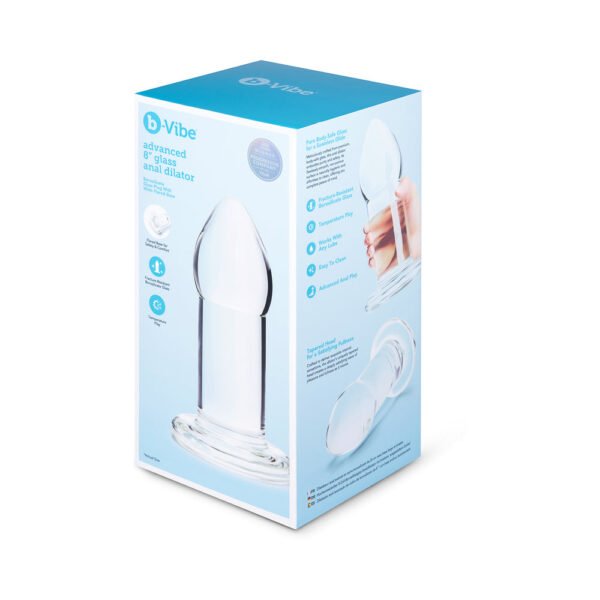
- Anal dilators and expanders. These are primarily therapeutic tools, used for gradual, structured stretching of the anal canal, often under clinical guidance for conditions like vaginismus, pelvic floor dysfunction, or post-surgical recovery. A butt plug is designed for pleasure and wear, not therapeutic dilation. The goals and contexts are different, even when the shapes look similar.
- Prostate massagers. A prostate massager has a curved, angled shape built to press against the prostate gland from inside the rectum. That targeted pressure is the point. A butt plug produces general fullness and stimulates the nerve-rich anal canal without aiming at a specific internal structure. For male-bodied users whose primary interest is prostate stimulation rather than general fullness, a prostate massager may actually be the better first purchase.
The practical reason plugs are recommended first comes down to control. A plug has a simple, predictable shape, holds its position without any effort from you, and lets you focus on relaxing and noticing how your body responds. There is nothing to operate, no movement to manage.
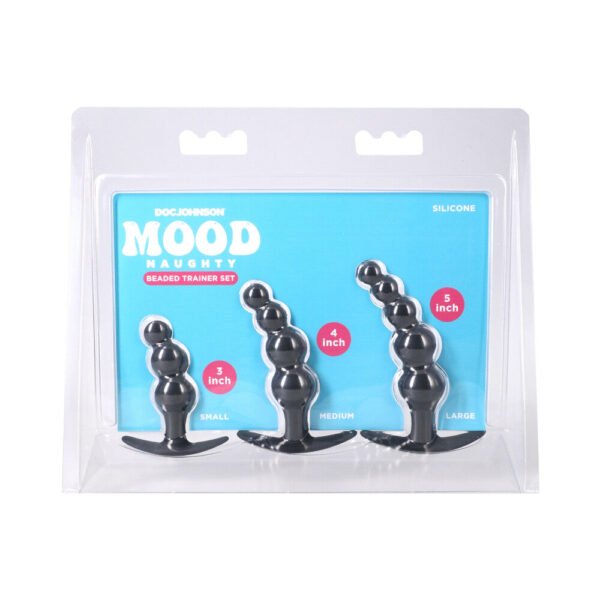
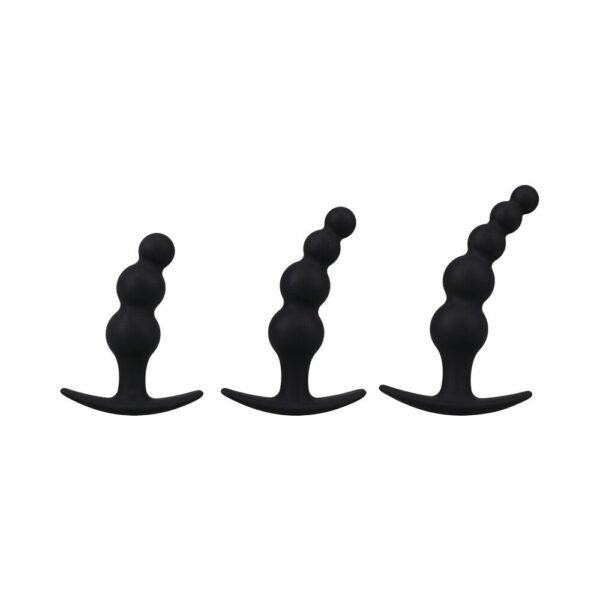
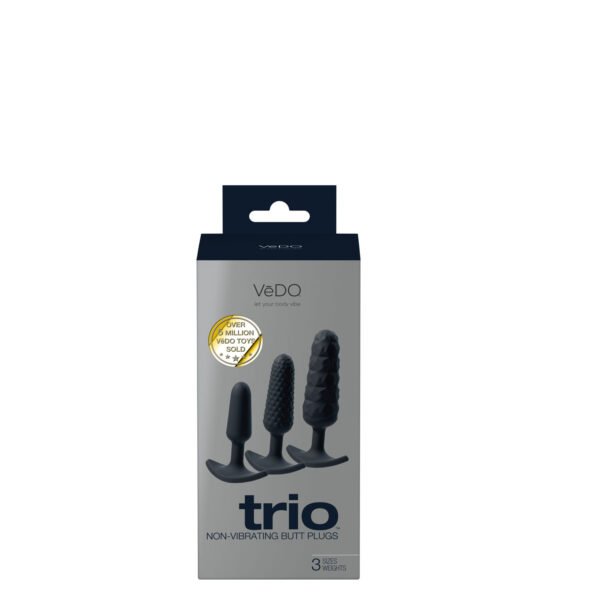
If you want a structured approach to building up gradually, an anal training kit is worth considering. These sets include two or three plugs in ascending sizes, which gives you a clear, low-pressure progression without guessing at sizing. They are often more cost-effective than buying individual plugs as you go.
All anal toys, regardless of type, require lube and a flared base or a built-in retrieval feature. Material safety applies equally across all categories.
| Toy Type | Primary Sensation | Best For |
|---|---|---|
| Butt plug | Static fullness, anal nerve stimulation | First-time users, wear during other activity |
| Anal beads | Dynamic, rhythmic insertion and removal | Users who want movement and progressive sensation |
| Anal dilator | Gradual stretching, controlled expansion | Therapeutic use or structured training |
| Prostate massager | Targeted internal pressure on the prostate | Male-bodied users seeking prostate stimulation |
| Anal training kit | Progressive fullness across multiple sizes | Beginners who want a clear size progression |
Mindset and Partner Communication for First-Timers
The biggest barrier for most beginners is not physical; it is psychological. A lot of the anxiety around anal play comes from cultural messaging that ties it exclusively to pain, submission, or a specific kind of sex life. None of that is inherent to the experience. A butt plug is a sensory toy. Using one is closer in spirit to experimenting with any new physical sensation than it is to anything you may have seen in media or heard whispered about.
Popular culture tends to portray anal play in extremes, which leaves a lot of curious, non-BDSM adults feeling like they are either doing something edgy or doing something wrong. Neither framing is accurate or useful. Reframing the experience as straightforward sensory exploration, something you are trying because you are curious about how your body responds, removes a lot of unnecessary weight from the decision.
Starting solo is genuinely the lower-pressure path. When you try something alone first, with the right size and plenty of lube, you learn what feels comfortable for your body before adding the dynamic of a partner’s expectations or reactions. That knowledge makes any later conversation with a partner much more grounded and specific.
When you are ready to bring it up with a partner, timing and framing matter more than most people expect. Choose a calm, non-sexual moment, not right before or during intimacy, when neither of you is already in a heightened state. Frame it as curiosity rather than a request that needs an answer right now. Something like “I’ve been thinking about trying this and I’d love to explore it with you sometime” is an invitation, not a pressure point.
If your partner is hesitant, the most useful thing you can do is listen without pushing. Acknowledge their reaction, let them know there is no obligation, and leave the door open for a later conversation if they want one. Pushing past hesitation rarely leads anywhere good, and respecting a “not yet” often does more for long-term trust than any single experience would.
Confidence with anal play tends to build gradually. Rushing comfort, either your own or a partner’s, usually works against you. Small, unhurried steps are what actually get people to a place where this feels easy and enjoyable. If you are exploring together, sex toys for couples can be a natural starting point for broadening that conversation beyond plugs specifically.
FAQ
Will using a butt plug permanently loosen my sphincter?
Will using a butt plug permanently loosen my sphincter?
No. The anal sphincter is a muscle, and like any muscle it stretches under gentle pressure and returns to its resting state afterward. Occasional or regular use of a correctly sized beginner plug does not cause permanent loosening or loss of muscle control. That concern is one of the most common myths about anal play, and it is not supported by how sphincter anatomy actually works.
Can I use a butt plug if I need to pee or have a bowel movement?
Can I use a butt plug if I need to pee or have a bowel movement?
If you feel the urge to urinate, a plug can stay in place comfortably for most people, since the rectum and urethra are separate pathways. If you feel a bowel movement coming on, remove the plug first. Trying to hold both sensations at once is uncomfortable, and your body will naturally want to expel the plug along with the bowel movement.
Do I need to clean out my rectum before using a butt plug?
Do I need to clean out my rectum before using a butt plug?
No. Anal douching or an enema is not required, especially for a small beginner plug that stays in the lower rectum. The rectum is generally not a storage area for fecal matter between bowel movements, so a normal bowel movement beforehand and a thorough external wash are enough for most first-time use. If you choose to douche, that is a personal preference, not a hygiene necessity, and over-douching can irritate rectal tissue.