






Sexuality in Older Women: What’s Normal, What’s Not
Picture this. You’re in bed, and your body isn’t responding the way it used to. Arousal takes longer. Dryness shows up uninvited. Maybe you notice you haven’t initiated sex in months and you’re not entirely sure you miss it, except for the nagging feeling that you should. You start wondering if something is wrong with you, or if this is just what happens now. You search late at night, half hoping for a diagnosis and half hoping for permission to stop worrying.
Sexuality in older women is one of the most searched, least discussed topics in women’s health. Not because the questions are rare. Because the shame around asking them is strong enough to keep most women quiet.
Is it normal for desire to change as you get older
Yes. Plainly, yes. And the data back this up with more specificity than the usual reassurance you find online.
A 2024 study of 143 sexually active women between 40 and 55 found that 30.1 percent met criteria for female sexual dysfunction overall, but the number climbed sharply with age, from 9.1 percent among women 40 to 45, up to 45.5 percent among women 51 to 55. A 2025 systematic review and meta-analysis pooling 37 studies and nearly 10,000 postmenopausal women estimated prevalence of sexual dysfunction at around 65 percent, with 75 percent of included studies reporting some degree of it. Other reviews put the range anywhere from 25 to 85 percent, depending on how studies define dysfunction and which populations they study.
That range is wide enough to be almost useless as a single number. What it tells you instead is that variability itself is the norm. Change in desire, arousal, or comfort is common enough that it belongs in the category of expected transition, not personal malfunction. It is not an expiration date on your sexuality. It is a shift with identifiable causes, many of which can be addressed directly.
What is actually behind the change
Hormonal and physical shifts
Menopause brings a documented drop in estrogen that thins and dries vaginal tissue, reduces blood flow, and can make arousal slower and orgasm less reliable. Vaginal dryness, discomfort during penetration, and changes in sensation are among the most consistently reported symptoms in the research on postmenopausal sexual function. This part of the story gets told often, sometimes as if it’s the whole story. It isn’t.
Mental health, relationships, and life load
A 2024 study of 149 perimenopausal women aged 45 to 55 found that depression was negatively associated with desire, arousal, and overall sexual function scores, independent of hormonal status. Anxiety, chronic fatigue, and the accumulated weight of caregiving, work, and aging parents all quietly erode interest in sex, often more than hormones do.
Relationship context matters just as much. A 2024 study of 420 menopausal women aged 40 to 65 found that 47.6 percent had poor overall sexual-health status, and loss of a partner was associated with more than nine times higher odds of poor sexual health. Limited communication with a partner tripled the odds. Medications, particularly many antidepressants, and chronic conditions like diabetes or cardiovascular disease, also affect desire and arousal in ways that are often never mentioned to the people prescribing them. If you’re feeling self-conscious about low libido, it’s worth asking what else changed around the same time. A new prescription. A harder year. A relationship that’s gone quiet in ways that have nothing to do with sex specifically.
When it is a medical concern versus a normal shift
Here is the distinction most articles skip. Lower frequency of sex, by itself, is not a dysfunction. It’s a data point. What turns a shift into a clinical concern is distress, specifically whether the change is causing you real unhappiness or interfering with your quality of life.
If your desire has dropped and you feel at peace with that, this is not a problem to solve. If pain, numbness, or disinterest are causing you grief, frustration, or tension in a relationship you want to keep, that is worth bringing to a clinician. The research is consistent on this point: sexual dysfunction is defined by distress, not by comparison to some imagined baseline of how often you’re supposed to want sex. The pressure to deliver or match an expectation, whether it comes from a partner, a magazine, or your own younger self, is not a medical standard. It’s a cultural one, and it deserves to be questioned rather than obeyed.
What actually helps
Everyday care
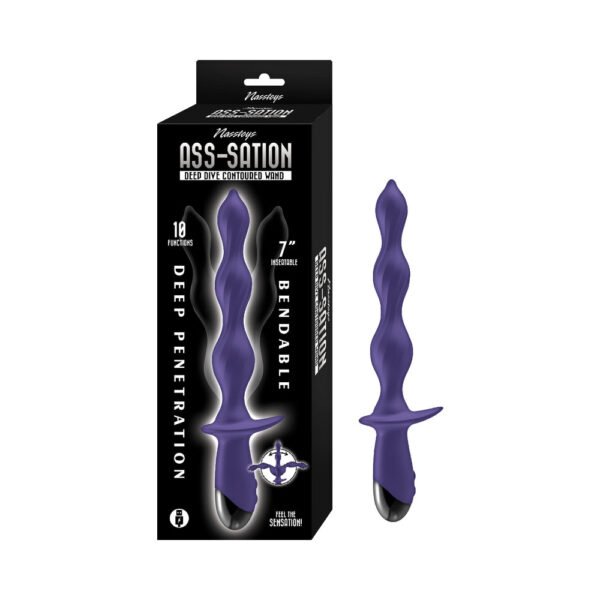
For ongoing dryness, a regular vaginal moisturizer, used several times a week regardless of sexual activity, maintains tissue comfort over time, while something like B-Luvd Silicone Lubricant can ease moments of intimacy itself. For sex itself, a water- or silicone-based lubricant reduces friction and makes a real difference. Many women describe discovering lubricant later than they wish they had, often saying it was a game changer once they stopped treating it as an admission of failure and started treating it as basic maintenance.
When to involve a professional
Pelvic floor physical therapy can address pain, tightness, or sensation changes that lubricant alone won’t fix. Sex therapy and sensate focus exercises, which shift attention away from performance and toward touch and sensation without the pressure of a goal, have research support for rebuilding comfort and connection. Persistent pain, ongoing low desire that distresses you, or dryness that doesn’t respond to moisturizers are reasons to talk to a gynecologist or a certified sexual-health clinician. Vaginal estrogen, low-dose and localized, is an option worth discussing for persistent atrophy symptoms. Some women also look into systemic hormone therapy, and plenty say some version of they eventually also got on HRT and found it helped more than they expected. None of this should involve stopping a prescribed medication on your own, even one you suspect is affecting your libido. That conversation belongs with the prescriber, not with a search engine.
Expanding what counts as sexuality
Intercourse is one form sexuality can take, not the definition of it. Masturbation, touch without a destination, fantasy, affection, and deliberately chosen periods of abstinence are all legitimate expressions of a sexual self. None of them require apology or explanation.
It also helps to know that responsive desire, wanting arousal only after intimacy has already started rather than before, is a normal pattern, not a lesser one. Research on women’s sexual response, notably the work of Emily Nagoski, describes spontaneous and responsive desire as two valid starting points, and responsive desire becomes more common with age for many women. If you’ve had moments where you felt guilty for not wanting sex before it began, even though you enjoyed it once it did, that guilt was based on a model of desire that was never universal to begin with.
Talking about it without shame
Raising this with a partner doesn’t require a speech. Something as direct as, I want to talk about my concerns around sex, because I want us to keep figuring this out together, opens the door without turning it into an indictment of either person.
With a doctor, specificity helps more than a general mention. I’m noticing pain during sex, or I’ve lost interest in sex and it’s bothering me, gives a clinician something concrete to work with. Sexual health is part of general health, and most clinicians who focus on midlife care have heard versions of this question many times over.
The research consistently points to stigma and silence, not age, as the actual barrier to getting support. Women are often more afraid of the conversation than of the symptom itself. That fear is learned, which means it can be unlearned, one direct sentence at a time.
A note on safety if you are dating again
If you’re perimenopausal and your periods have become irregular, pregnancy is still possible until you’ve gone a full year without one. And if you’re dating someone new, sexually transmitted infections don’t check an ID. Condoms or another barrier method still matter here, regardless of what decade you’re in.
Takeaways worth keeping
- Changing desire with age is common and often tied to identifiable causes, not a personal failure.
- Distress, not frequency, is what separates a normal shift from a dysfunction worth treating.
- Moisturizer for daily comfort, lubricant for activity, and pelvic floor therapy or vaginal estrogen for persistent symptoms are concrete first steps.
- Responsive desire is normal desire. It doesn’t need to look spontaneous to be real.
- A direct sentence to a partner or doctor does more than months of quiet worry.
- Contraception and STI protection still matter in perimenopause and in new relationships at any age.