







Dyspareunia is the medical term for persistent or recurrent pain during sexual intercourse. It can occur before, during, or after penetration, and it affects people of all genders, though it is documented most frequently in people with vulvas. The pain may be sharp or burning, superficial (at the vaginal opening) or deep (felt internally, toward the cervix or pelvis). It is a symptom, not a diagnosis: something is causing it, and that something can usually be identified and treated.
The term shows up most often in clinical and sexual health contexts. You may also see it listed as “painful intercourse,” “genito-pelvic pain,” or, in the current DSM-5 classification, folded into Genito-Pelvic Pain/Penetration Disorder (GPPPD) alongside vaginismus.
What actually causes dyspareunia?
Location is the most useful first clue. The two main types have quite different causes and require different approaches.
Superficial (entry) dyspareunia, pain at or just inside the vaginal opening, is commonly linked to:
- Insufficient lubrication. Low arousal, hormonal shifts (postpartum, perimenopause, certain contraceptives), or stress can reduce natural moisture. Friction on dry tissue causes immediate, sharp discomfort.
- Vulvodynia or vestibulodynia. Chronic vulvar pain without an obvious visible cause; the vestibule (the tissue just inside the opening) can become hypersensitive.
- Vaginismus / pelvic floor hypertonicity. Involuntary tightening of the muscles at the vaginal entrance. The muscles are in a guarding state, often a response to past pain, anxiety, or trauma, which makes penetration painful or impossible. See the related glossary entry: Vaginismus.
- Infections or skin conditions. Yeast infections, bacterial vaginosis, lichen sclerosus, and contact dermatitis (a reaction to a product: latex, fragrance, glycerin) can all produce localized burning or stinging.
Deep dyspareunia, pain felt internally during or after penetration, is more often associated with structural or gynecological causes:
- Endometriosis. Tissue that behaves like the uterine lining grows outside the uterus; deep penetration can directly contact affected tissue.
- Uterine fibroids or ovarian cysts. Physical pressure during penetration can produce a heavy aching sensation.
- Pelvic inflammatory disease (PID). Infection in the reproductive organs causes tenderness that penetration worsens.
- Post-surgical adhesions or scar tissue. Following cesarean section, hysterectomy, or other pelvic procedures, scar tissue can restrict movement and create pulling pain.
Genitourinary syndrome of menopause (GSM) is one of the most common causes overall: declining estrogen produces a progressive loss of vaginal tissue elasticity and moisture that worsens over time without treatment. It is frequently underdiagnosed because many people assume discomfort is simply a normal part of aging.
Dyspareunia vs. vaginismus
These two terms are often confused because both involve pain with penetration. The distinction matters for how you approach them.
| Dyspareunia | Vaginismus | |
|---|---|---|
| Core mechanism | Pain with a physical or neurological cause | Involuntary muscle contraction at the vaginal entrance |
| Penetration possible? | Often yes, but painful | Sometimes completely prevented |
| Primary focus in treatment | Treating the underlying condition | Pelvic floor relaxation, gradual desensitization |
| Overlap | Chronic dyspareunia can cause secondary vaginismus | Vaginismus is a frequent cause of dyspareunia |
In practice they frequently co-occur, which is why the DSM-5 combined them into a single diagnostic category.
What helps, and where products fit in
Dyspareunia is a medical condition: a gynecologist, urologist, or pelvic floor physical therapist should be involved in any persistent case. That said, there are specific product choices that either support recovery or reduce unnecessary friction (literal and figurative) while someone is working with a provider.
### Lubrication
For dryness-related or friction-related dyspareunia, lubricant is often the most immediate variable. WHO guidance recommends vaginal lubricants with osmolality ideally near 380 mOsm/kg and pH around 3.8–4.5, because hyperosmolar or high-pH formulas draw moisture out of epithelial tissue and can worsen irritation. In practical terms, this means:
- Water-based lubricants are the most versatile and easiest on tissue. Choose glycerin-free, paraben-free formulas if sensitivity is part of the picture.
- Silicone-based lubricants last longer and provide a silkier glide, making them useful when dryness is pronounced. They cannot be used with silicone sex toys (they degrade the surface), but are compatible with latex condoms.
- Avoid flavored, warming, or “stimulating” lubricants when the vulva or vagina is already sensitized. Additives that are pleasant on healthy tissue can be genuinely painful on irritated tissue.
### Gentle penetrative products for pelvic floor work
When pelvic floor hypertonicity or scar tissue is part of the picture, a pelvic floor physical therapist often uses graded exposure: starting with very small, smooth insertables and working up incrementally over weeks or months. This is not the same as ordinary sex toy use, and it should be done with clinical guidance. Products in the beginner dildo and kegel trainer space can be the tools that support that process.
Body-safe silicone is the right material here: non-porous, easy to sterilize, free of phthalates, and consistent in firmness. Avoid jelly rubber, TPE, TPR, or any material described as “realistic feel” or “lifelike” without a specific safe-material name, as these are typically porous and cannot be fully sterilized.
### External stimulation
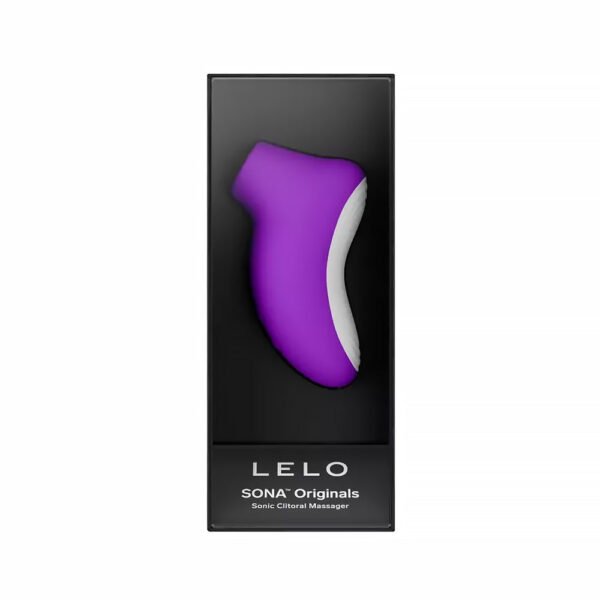
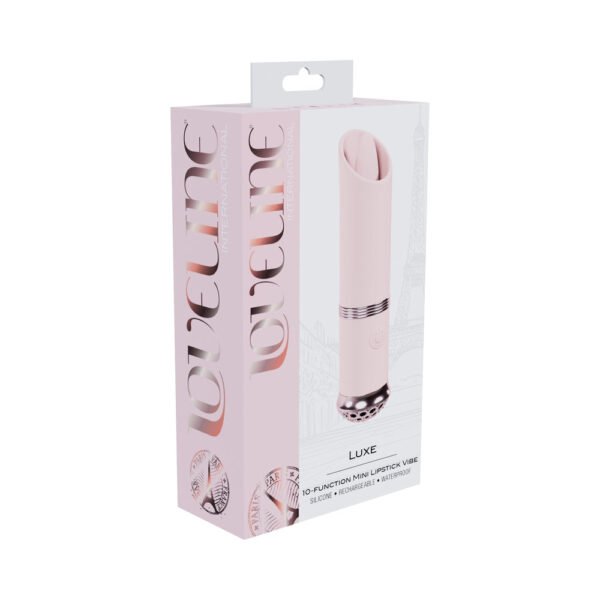
For anyone who finds penetration currently off the table, external stimulation is a valid, complete alternative. Clitoral vibrators and bullet massagers allow pleasure and arousal without any insertive component. Sustained arousal also promotes natural lubrication, which matters if penetration is a longer-term goal.
See also
- Vaginismus
- Genito-Pelvic Pain/Penetration Disorder (GPPPD)
- Genitourinary Syndrome of Menopause (GSM)
- Pelvic Floor
- Vulvodynia