










Anorgasmia in Women: Causes, Effects, and Treatments

When the Finish Line Keeps Moving
Picture this: everything is in place. You feel close to your partner, you’re relaxed, the conditions are genuinely good. And yet, orgasm stays just out of reach, like a word on the tip of your tongue that never quite arrives. You finish the encounter feeling vaguely defeated, wondering if something is wrong with you, and quietly deciding not to bring it up.
This experience is far more common than most women realize, and far more treatable than most women are told. The clinical term is anorgasmia, or female orgasmic disorder, and understanding what it actually is, what drives it, and what the evidence says about addressing it is a meaningful first step toward something better.
What Anorgasmia Actually Means
Female orgasmic disorder is defined clinically as a persistent or recurrent delay, marked reduction in intensity, or complete absence of orgasm despite adequate sexual stimulation. That phrase despite adequate stimulation is doing a lot of work in that definition. It distinguishes anorgasmia from situations where orgasm is simply unlikely due to insufficient arousal time, unfavorable context, or stimulation that doesn’t match what a particular woman actually needs.
The condition can be lifelong, meaning a woman has never experienced orgasm, or acquired, meaning orgasm was possible before but has become difficult or impossible. It can also be situational, occurring only in specific contexts, such as partnered sex but not solo, or generalized, occurring regardless of the situation or partner.
Recent data gives a clearer picture of how widespread this is. A 2023 analysis found that orgasmic dysfunction affects approximately 20.5% of women in the United States, with about 49.5% reporting difficulty reaching orgasm during partnered sex specifically. A 2025 systematic review placed prevalence estimates between 10% and 28% in the U.S. and noted rates as high as 46% in some Asian populations, depending on how the condition is measured and defined. The variability in those numbers reflects real differences in methodology and population, but the consistent message is the same: this affects a significant portion of women across cultures and age groups, and it is routinely under-reported and under-treated.
The Biology Behind the Block
Orgasm is a whole-body neurological event. It involves a coordinated cascade of signals between the genitals, the spinal cord, and the brain, and it depends on adequate blood flow, nerve function, hormonal balance, and a nervous system that is not locked in a threat response. When any part of that system is disrupted, orgasm becomes harder to reach.
Hormonal shifts are among the most clinically recognized contributors. Estrogen supports genital blood flow and tissue sensitivity, and as estrogen declines during perimenopause and menopause, many women notice changes in both arousal and orgasmic response, sometimes finding that a silicone-based option like B-Luvd Silicone Lubricant helps maintain comfort during intimacy. The American College of Obstetricians and Gynecologists notes that genital changes associated with hormonal decline, including reduced lubrication and tissue thinning, can affect sexual function in ways that respond to treatment.
Neurological and vascular conditions also matter. Diabetes can impair nerve function and blood flow to genital tissue. Multiple sclerosis affects neural pathways involved in sexual response. Pelvic floor dysfunction, which can involve either excessive tension or weakness in the muscles surrounding the pelvis, is another physiological factor that is often overlooked in standard gynecological visits but that pelvic floor physical therapists assess routinely.
Medications deserve particular attention. SSRIs, the antidepressants most commonly prescribed to women, are one of the most significant pharmacological contributors to delayed or blocked orgasm. Research cited in qualitative reviews of sexual dysfunction has consistently highlighted SSRIs as a major driver of this problem. This doesn’t mean stopping an antidepressant is the right choice, but it does mean the conversation with a prescribing provider is worth having. Dose timing, alternative medications, and adjunct strategies exist, and many women are never told that what they’re experiencing has a name and a known cause.
The Psychology of Getting There
The brain is, without question, the most important sex organ, and the research on the psychological contributors to anorgasmia is robust and nuanced.
A 2023 analysis found that anxiety is one of the most commonly self-reported causes of orgasm difficulty in women. This maps onto what researchers like Emily Nagoski, PhD, have described as the brain’s dual control model of sexual response: a system with both accelerators, the inputs that build arousal, and brakes, the inputs that suppress it. Anxiety, performance pressure, self-monitoring during sex, body image concerns, fear of judgment, and unresolved relationship tension all activate those brakes. When the brakes are on hard, the accelerators can’t do their job regardless of how much stimulation is present.
This is why the question “what are you thinking about during sex?” is sometimes more diagnostically useful than any physical exam. Many women describe a pattern of mentally stepping outside the experience to evaluate how they’re doing, whether they’re taking too long, whether their partner is frustrated, whether they’re making the right sounds. That kind of self-surveillance is incompatible with the neural conditions orgasm requires.
Trauma history also plays a significant role. Research by Bessel van der Kolk, MD, has documented how trauma, particularly trauma involving the body or sexuality, is stored in the nervous system in ways that make physical safety and pleasure genuinely hard to access. Sexual trauma, even when cognitively processed, can create deeply ingrained physiological responses that interfere with arousal and orgasm. This is an area where working with a trauma-informed therapist alongside sexual health support can make a real difference.
Depression, beyond its direct neurochemical effects, also reduces the capacity for pleasure broadly, and the medications used to treat it carry their own orgasmic side effects. This creates a feedback loop that is important to recognize and address with a provider rather than manage silently.
What Research Says About Treatment
The good news is substantial. Anorgasmia is one of the more treatment-responsive sexual dysfunctions, particularly when the contributing factors are identified clearly and the approach is matched to the individual.
Psychological and Behavioral Approaches
A 2022 review of psychological therapies for female sexual dysfunction found that cognitive behavioral therapy, mindfulness-based approaches, sensate focus, and bibliotherapy, which means structured self-education through reading and guided exercises, can all be effective for orgasm-related difficulties. The evidence for these approaches is stronger and more consistent than the evidence for medications alone in this specific area.
A 2025 systematic review confirmed that CBT improves desire, arousal, and orgasm-related dysfunction while also reducing sexual distress. These are not trivial outcomes. CBT in this context typically addresses unhelpful thought patterns around sex, performance expectations, and body image, replacing cognitive interference with more accurate and permission-giving frameworks.
Sensate focus, a structured approach developed by Masters and Johnson and refined over decades, involves a graduated series of touch exercises designed to reduce performance pressure and rebuild the connection between sensation and pleasure without orgasm as the goal. The paradox embedded in the exercise is often part of what makes it work: when orgasm is explicitly removed as the target, many women find it easier to arrive there.
Mindfulness training, particularly mindfulness-based sex therapy developed by researchers like Lori Brotto, PhD, has accumulated meaningful evidence showing that bringing non-judgmental present-moment attention to physical sensation can interrupt the self-monitoring patterns that block orgasm. Research cited in reviews of female sexual dysfunction consistently supports mindfulness as a clinically useful tool.
Medical and Pharmacological Options
The 2025 systematic review also examined pharmacological treatments. Bremelanotide was found to improve desire and arousal, and flibanserin improved desire, with both reducing associated distress. It is worth noting that neither is specifically an orgasm medication and both are approved only for premenopausal women with acquired generalized low desire. They are not a universal solution, and the evidence base for behavioral approaches remains more robust for orgasm-specific difficulties.
For women whose anorgasmia is linked to hormonal changes, particularly around menopause, hormonal options including local estrogen therapy or, where appropriate, testosterone therapy, may be discussed with a gynecologist or sexual medicine specialist. The International Society for the Study of Women’s Sexual Health has published guidance on testosterone therapy for women with hypoactive sexual desire disorder, and the evidence for its role in sexual function is growing, though it remains an individualized conversation with a qualified provider.
A medication review is often the most overlooked first step. Anyone taking SSRIs, antihistamines, blood pressure medications, or hormonal contraceptives who notices changes in orgasmic function should raise it with their prescriber directly rather than assuming it’s just part of the package.
The Role of Communication
Research consistently finds that women who communicate openly with partners about what they need sexually report better sexual function and satisfaction. This sounds obvious, but many women spend years in sexual partnerships without ever describing, even approximately, what kind of stimulation actually works for them.
Part of this is cultural. The script many women absorbed growing up suggested that good sex happens spontaneously, that a good partner instinctively knows what to do, and that asking for something specific is either unsexy or demanding. The Kinsey Institute’s research on sexual behavior has documented repeatedly how much variability exists in what different women need to reach orgasm, variability that cannot be guessed by any partner however attentive.
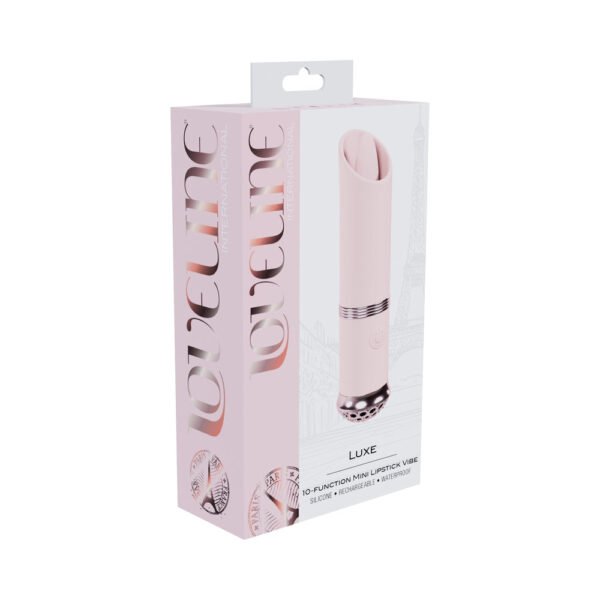
Clitoral stimulation is central to orgasmic response for the majority of women. Research by Debby Herbenick, PhD, and colleagues has documented that most women do not reach orgasm through penetration alone and that direct clitoral stimulation, whether through manual touch, oral sex, or a vibrator, is the most common route. Framing this as information, rather than as a critique of a partner or a confession of dysfunction, makes the conversation easier to open.
Extended arousal time is also worth naming explicitly with a partner. The physiological conditions for orgasm, full genital engorgement, adequate lubrication, elevated arousal, take time to develop, and rushing past them makes orgasm significantly harder to reach.
When to Talk to a Provider
Anorgasmia is common, but common doesn’t mean it should be accepted without question. Many women assume it is just how they are, when in fact there is an identifiable and addressable cause. Bringing it up with a gynecologist, sexual medicine specialist, or therapist trained in sexual health is always appropriate.
Seek evaluation promptly if orgasm difficulty is new and sudden, if it is accompanied by pain, significant changes in sensation, or pelvic symptoms, or if it coincides with major hormonal changes such as starting or stopping hormonal contraception, pregnancy and postpartum recovery, or perimenopause. These warrant ruling out physiological contributors before focusing solely on behavioral approaches.
Practical Takeaways
- Track the pattern. Note when the difficulty started, whether it is situational or generalized, what medications you are taking, where you are in your cycle, and whether stress, mood, or relationship tension are variables. This information is genuinely useful to a provider or therapist.
- Ask about your medications. If you take an SSRI or other medication with known sexual side effects, raise it with your prescribing provider. Timing adjustments, dose changes, or alternative medications may be worth exploring.
- Prioritize clitoral stimulation and extended arousal. Most women need direct clitoral stimulation and more time in arousal than partnered sex typically provides. Neither of these is a personal failure. Both are biology.
- Reduce performance pressure deliberately. Try removing orgasm as a goal temporarily and focusing attention on sensation in the body. Mindfulness-based approaches can build this skill with practice.
- Name what you need with your partner. Specific, kind, and non-blaming communication about preferred stimulation, pace, and context is one of the most evidence-supported things you can do for your sexual function.
- Seek structured support. CBT and sensate focus delivered by a therapist trained in sexual health have meaningful evidence behind them. If individual therapy isn’t accessible, peer-reviewed bibliotherapy and structured self-help programs are also cited in the research as effective starting points.
- See a specialist if the problem persists or worsens. A gynecologist, sexual medicine physician, or AASECT-affiliated sex therapist can offer a fuller evaluation and individualized treatment planning.
Anorgasmia is not a personal failing and it is not a permanent sentence. It is a clinical condition with identifiable causes and real pathways toward improvement. The research is there. The support exists. The only thing left is deciding to ask for it.