







Ethical non-monogamy (often abbreviated ENM) refers to any relationship structure in which all people involved knowingly and willingly agree to having more than one romantic, sexual, or intimate partner at the same time. The word “ethical” is the load-bearing part: it distinguishes consensual arrangements from cheating or deception. Everyone in the picture knows. Everyone has agreed. That is the floor.
ENM is an umbrella that covers several distinct structures: polyamory (multiple emotionally intimate relationships), open relationships (a primary partnership with agreed-upon freedom outside it), swinging (recreational sex with other couples or individuals, usually with less emotional entanglement), relationship anarchy (no hierarchy or pre-defined rules between connections), and others. The structures differ significantly in their agreements, expectations, and emotional complexity, but they share the same ethical core: transparency and active consent.
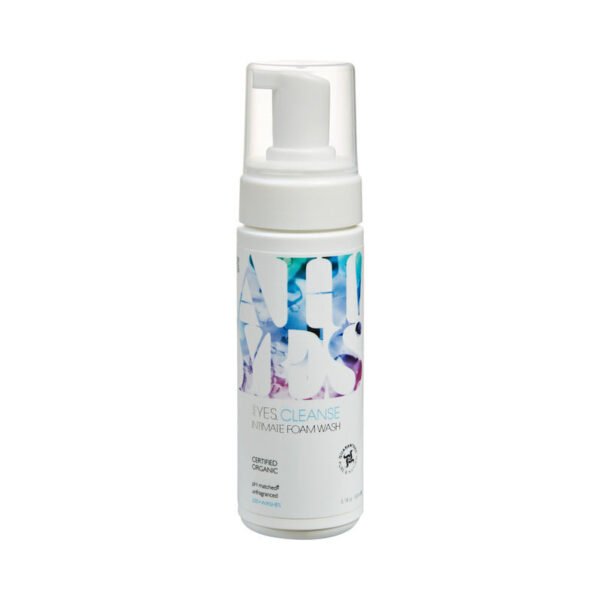
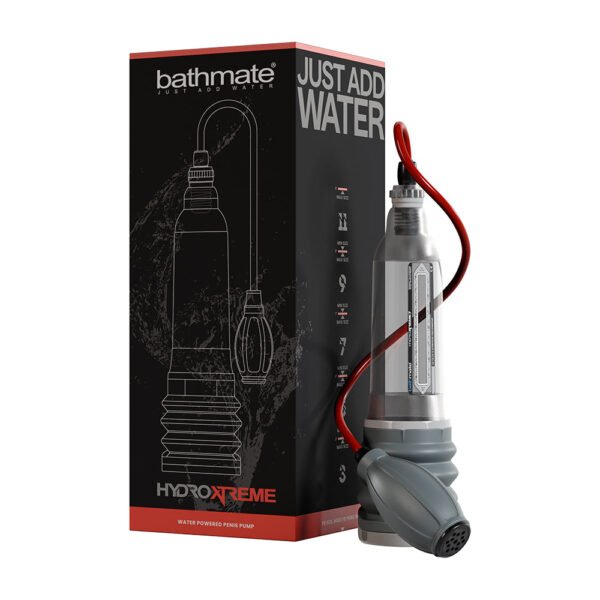
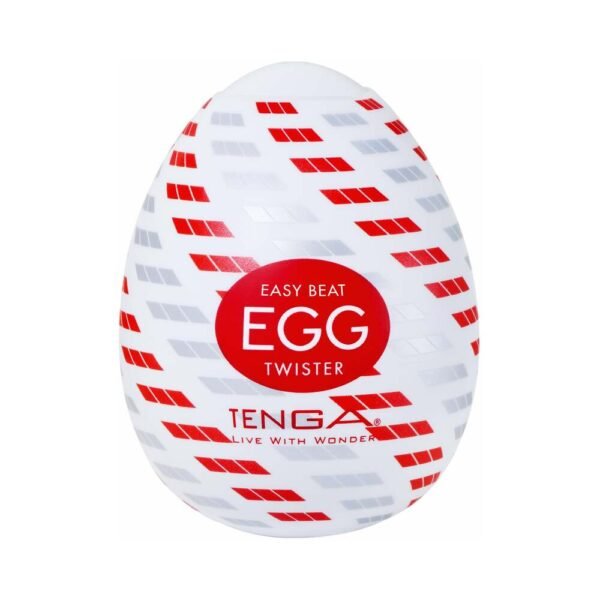
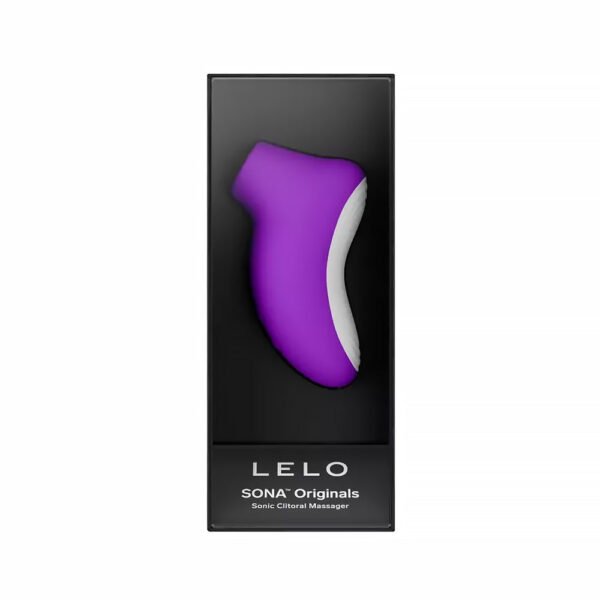
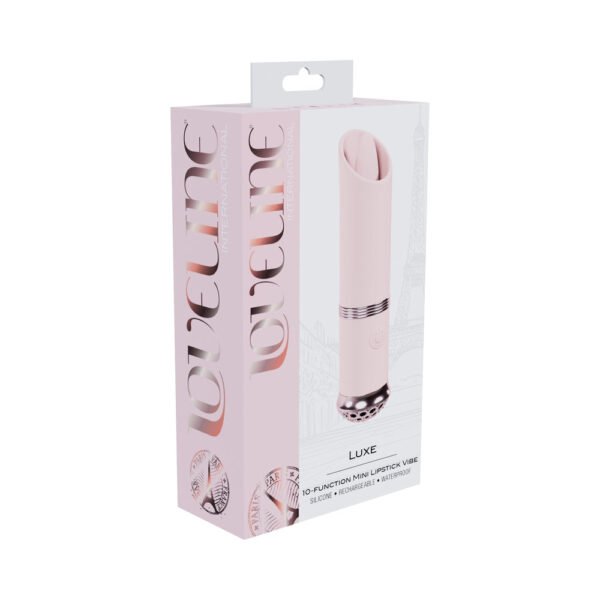
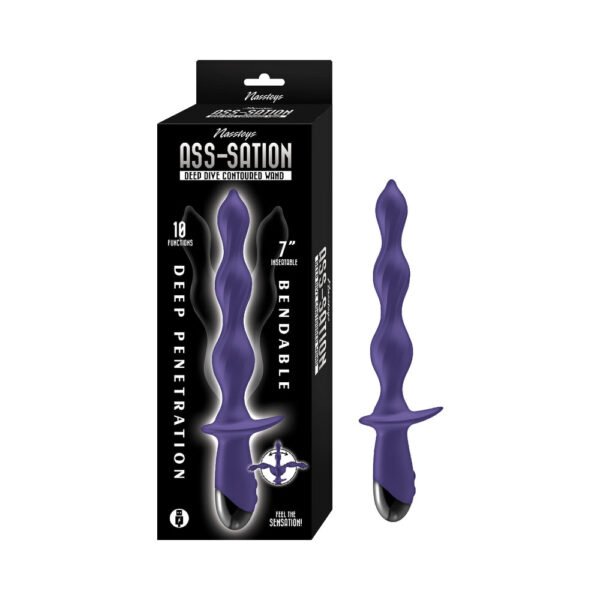
This is relevant in a sex-toy context because ENM relationships often involve thinking deliberately about shared products, body-safe materials, STI-risk logistics, and what to shop for as a solo person versus a shared practice.
How is ENM different from cheating or an open relationship?
Cheating involves at least one person who has not consented and does not know. An open relationship is one specific ENM format, usually a primary couple who agree to outside sexual (and sometimes romantic) connections. ENM is the broader category: every open relationship is ENM, but not every ENM structure is an open relationship.
The defining line across all ENM formats is informed, ongoing consent. Research on consensually non-monogamous relationships, including work by social psychologist Amy Moors, consistently finds that relationship satisfaction in CNM relationships is comparable to monogamous ones when that consent structure is intact and well-communicated.
Practical considerations for ENM from a sexual health and products standpoint
ENM does not change the fundamentals of body-safe sex, but it does make certain decisions more deliberate.
- STI risk and protection. More partners means more transmission pathways. Many ENM communities practice “fluid bonding” (unprotected sex) only within a defined inner circle, using barrier methods with everyone outside that circle. Condoms remain the primary tool. Consistent STI testing schedules, agreed on explicitly rather than assumed, are standard practice in ethically structured arrangements.
- Toy sharing and material safety. Nonporous, body-safe materials (silicone, stainless steel, borosilicate glass) can be fully sterilized between partners. Porous materials cannot: they trap bacteria and cannot be made safe for sharing. If a toy is used across more than one person, nonporous material plus a condom over the toy is the evidence-based standard.
- Personal versus shared products. Many people in ENM structures keep individual toys and use shared ones only for partnered play. This is both practical and a straightforward way to manage hygiene without making it complicated.
- Communication as infrastructure. ENM is not a spontaneous arrangement that resolves itself. Couples and networks who navigate it well tend to over-communicate, especially early: what is in-bounds, what is not, what triggers a renegotiation, and when to check in. This is the skill the research points to most consistently, ahead of any specific structure or rule.