











Monogamy is a relationship structure in which two people commit exclusively to each other, both sexually and romantically, agreeing not to pursue outside partners. The word comes from the Greek monos (single) and gamos (marriage). In everyday usage it refers to any committed exclusive partnership, whether married or not.
It is one of several recognized relationship structures. Others include open relationships, polyamory, and relationship anarchy. None of these is inherently superior; research on relationship satisfaction consistently shows that outcomes depend far more on communication quality and mutual agreement than on the structure itself.
What monogamy means for your sex life as a couple
Exclusivity does not mean sameness. One of the most well-documented patterns in long-term monogamous relationships is the gradual narrowing of the sexual script: couples settle into a routine that once felt natural and, over time, starts to feel like a groove worn into the floor. Researchers including Emily Nagoski and Esther Perel have written extensively about why this happens and, more usefully, what actually reverses it.
The short version: novelty activates the dopaminergic reward system. It does not require a new partner. It requires new experience with the same partner. Structured exploration, whether through conversation, games, or new shared sensations, produces a measurable effect on desire and reported satisfaction.
This is the practical context for most of the products relevant to monogamy as a search term.
How couples actually use toys and games inside a monogamous relationship
The research literature on couples and sexual aids is cleaner than most people expect. A 2016 study in the Journal of Sex and Marital Therapy found that couples who introduced sex toys together reported higher sexual satisfaction and communication scores than those who did not. The key variable was together: introducing a toy as a shared activity, rather than one partner presenting it as a fix for something wrong, predicted positive outcomes.
Games built specifically for couples follow the same logic. They externalize the asking. Instead of one person having to say “I want to try this,” the game creates a low-stakes frame where both people encounter the prompt at the same time.
- Conversation and prompt games. Best starting point for couples where the gap is more about communication than physical novelty. The couples section at Claimnight includes options at multiple escalation levels.
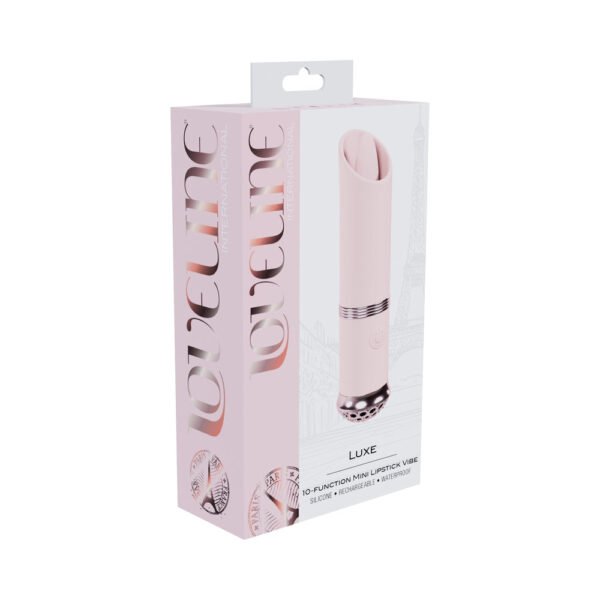
- Couples vibrators. Designed to be used during partnered sex rather than instead of it. The distinction matters: toys that work with a partner’s body during intercourse tend to reduce the performance anxiety that solo toys can sometimes introduce.
- Toy kits. Curated sets that give a couple several things to try without requiring a series of individual purchasing decisions. Lower friction for people who find shopping for this stuff uncomfortable.