









The G-spot is a zone of heightened sensitivity located on the anterior (front) wall of the vagina, roughly 5–8 cm (2–3 inches) inside, toward the belly button. Press there during arousal and many people describe a distinct, pressure-like pleasure that feels different from clitoral stimulation at the surface, deeper, fuller, sometimes intense. Not everyone experiences it the same way, and that variation is completely normal.
The “G” stands for Ernst Gräfenberg, the German gynecologist who described the area in a 1950 paper in the International Journal of Sexology. The name stuck, even as the science around it evolved considerably since then.
What is the G-spot, anatomically?
Current anatomical understanding frames the G-spot not as a discrete, distinct structure, but as part of the clitoral-urethral-vaginal complex: the internal roots and bulbs of the clitoris extend internally and, when engorged during arousal, press against the front vaginal wall from the inside. What you feel when you stimulate that zone is, in large part, stimulating the internal clitoris indirectly.
This is why arousal matters so much before direct G-spot stimulation. When unaroused, the tissue is less engorged and the area may feel unremarkable or even uncomfortable. After sufficient arousal, the same zone can feel noticeably more responsive. Researcher Debby Herbenick at the Kinsey Institute has consistently emphasized this context-dependence in her work on sexual response and anatomy.
The texture of the anterior wall in that region is often described as slightly ridged or spongy compared to the smoother surrounding tissue, useful to know when you are exploring with fingers or a toy.
Does everyone have a G-spot?
Anatomically, everyone with a vagina has the same underlying structures: the internal clitoris, the urethra, the urethral sponge. The tissue is there. Whether stimulating it produces intense pleasure, mild sensation, the urge to urinate, or nothing particularly notable varies enormously from person to person, and varies within the same person depending on arousal level, hormonal state, and even position.
Research published in the Journal of Sexual Medicine has found no consistent anatomical marker that predicts who will experience strong G-spot response. Which means “not feeling much there” is not a deficiency; it is a normal outcome of individual variation in nerve density and response.
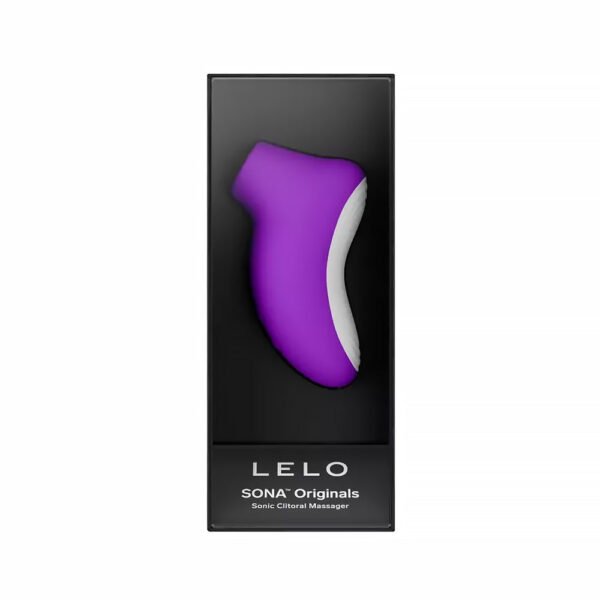
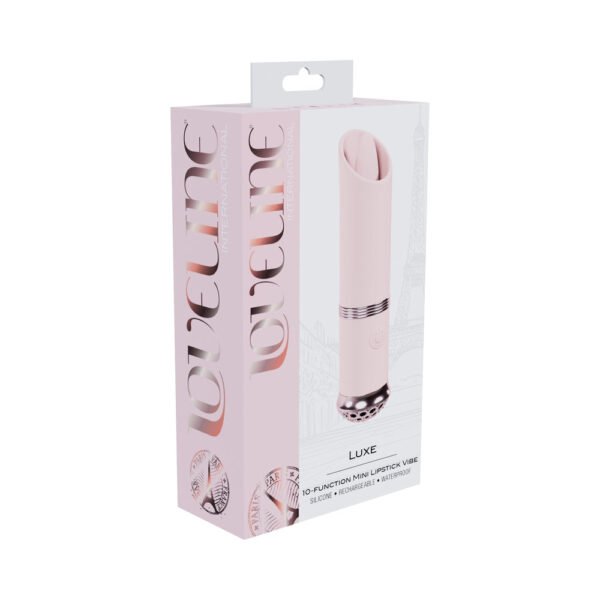
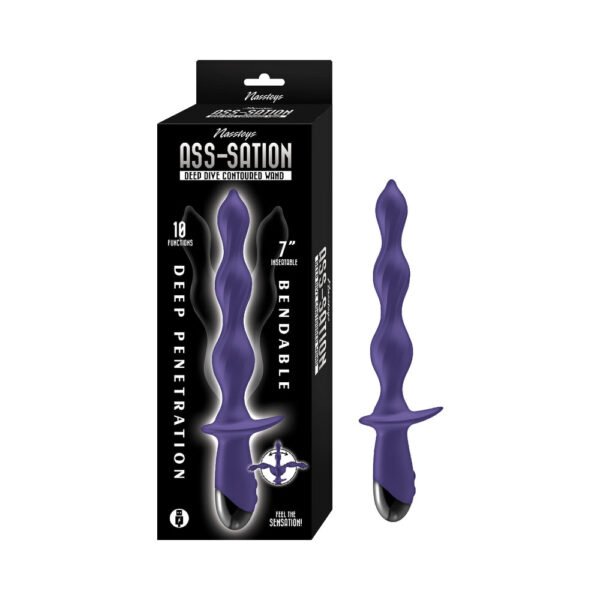
Toys designed for G-spot stimulation
The most important design feature is the curve. A straight toy points straight; a curved toy angles toward the front vaginal wall. That geometric difference is the whole point.
What to look for:
- Firm or semi-firm material. Silicone, glass, or stainless steel transmit pressure more directly than soft, squishy materials. The G-spot responds to pressure, not just vibration, so a toy that compresses too easily loses some of that effect.
- A pronounced tip or bulge. A rounded angled tip or a pronounced head concentrates stimulation at the specific zone rather than distributing it broadly.
- Appropriate length. The target is only about 2–3 inches in, so a very long toy is not necessary. What matters is the curve angle, not the length.
- Vibration, if desired. Many people find that vibration on top of pressure creates a compounded sensation. Others prefer firm manual pressure with no vibration. Both are worth trying.
Body-safe materials are non-negotiable for any internal toy. Silicone (body-safe, non-porous, nonreactive), glass, and stainless steel are the reliable choices. Porous materials can harbor bacteria in their micro-texture, which matters more for internal use than any other application.
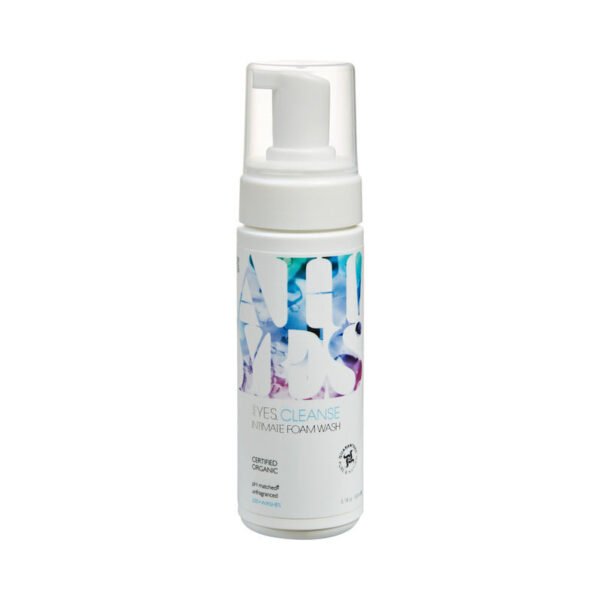
Using lubricant
Water-based lubricant is worth using with any internal toy. It reduces friction, increases comfort, and helps the toy glide and maintain contact with the front wall without slipping. For glass dildos or stainless steel, water-based or silicone-based lubricant both work. For silicone toys, stick to water-based only to protect the material.
There is no “right” amount of arousal or lubricant, use what makes the experience comfortable and enjoyable for you.