








The vulva is the collective term for the external genitalia of people assigned female at birth. It is not a synonym for vagina: the vagina is an internal canal, while the vulva is everything you can see on the outside. That distinction matters practically, not just anatomically, because most products designed for external stimulation interact directly with vulvar tissue.
The vulva includes several distinct structures:
- Labia majora. The outer folds of skin that run along each side. They contain fatty tissue and, in adults, pubic hair follicles.
- Labia minora. The inner folds, which vary enormously in size, color, and shape from person to person. Neither symmetry nor a particular size is standard.
- Clitoris. Visible at the top of the vulva as a small, sensitive glans beneath a protective hood (the clitoral prepuce). The visible portion is only a fraction of the full clitoral structure, which extends internally in two crura and two vestibular bulbs.
- Urethral opening. Located below the clitoral glans, above the vaginal opening. This is where urine exits, not a site of sexual penetration.
- Vaginal opening (introitus). The entrance to the vaginal canal. Anatomically part of the vulva’s visible region, though the canal itself is not.
- Perineum. The short stretch of skin between the vaginal opening and the anus.
Why “vulva” and “vagina” are not interchangeable
Conflating the two terms creates real practical problems. A product marketed for “vaginal stimulation” might be designed for internal use, while a product for “vulvar stimulation” targets external tissue. Using the correct term helps you choose the right product, understand care instructions, and communicate clearly with a partner or healthcare provider.
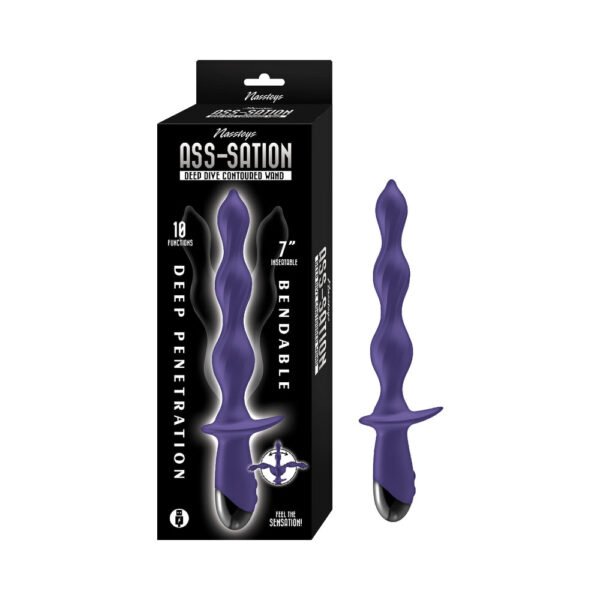
From a product standpoint: clitoral stimulators, wand vibrators, and suction-style toys interact with the external vulva. Dildos and insertable vibrators interact with the vaginal canal. Many products do both.
Toys designed for vulvar stimulation
Because the clitoris contains a dense concentration of nerve endings, external vulvar stimulation is, for most people with this anatomy, the primary or most reliable route to orgasm. Research by Debby Herbenick and colleagues at the Kinsey Institute has documented consistently that the majority of vulva owners require direct clitoral stimulation, not penetration alone, to reach orgasm.
Product types that interact primarily with the external vulva:
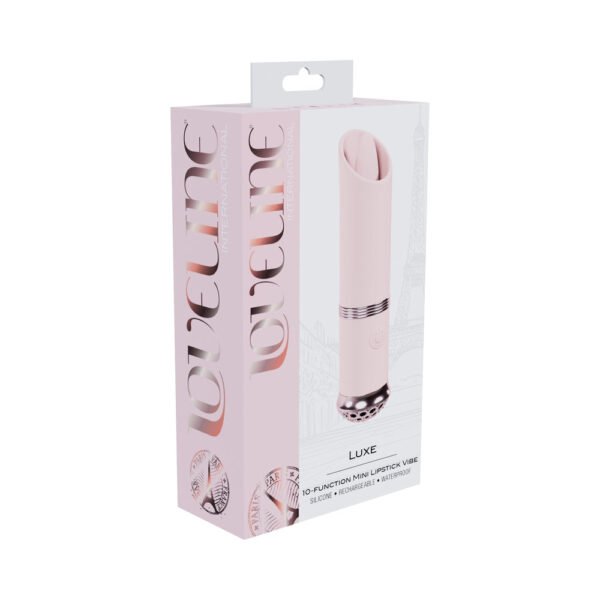
- Clitoral vibrators and bullet vibrators. Apply focused vibration to the clitoral glans or surrounding vulvar tissue.
- Wand vibrators. Broader head, deeper rumbly vibration, often used against the whole vulvar area rather than a single point.
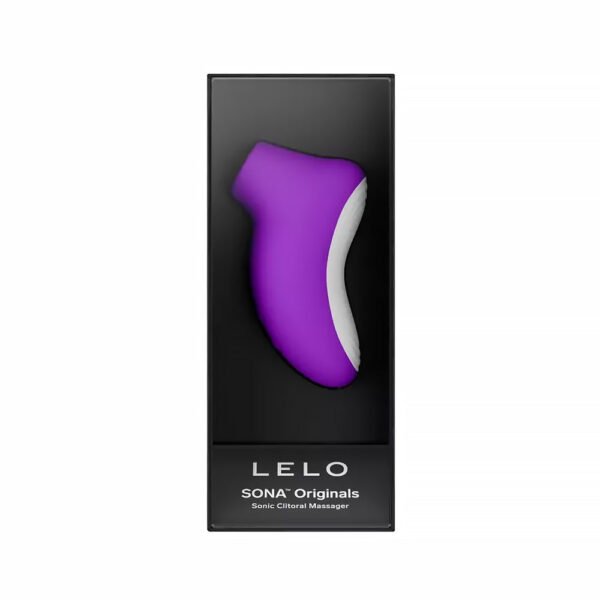
- Suction and air-pulse stimulators. Create a pressure wave around the clitoral glans without direct contact. Well suited for people who find direct vibration over-stimulating.
- Licking and tapping vibrators. Mimic flicking or tapping sensation across vulvar tissue.
- Finger vibrators. Worn on one finger, allowing hands-on stimulation with added vibration.
### What material to look for
Vulvar tissue is mucous membrane in some areas and thin skin in others. Both are permeable and sensitive. For any toy that contacts vulvar tissue directly, choose a non-porous, body-safe material: medical-grade silicone, borosilicate glass, surgical stainless steel, or ABS plastic. These materials have sealed surfaces that do not trap bacteria and do not leach chemical plasticizers. Porous materials such as jelly rubber, PVC, or TPE cannot be fully sterilized and may leach phthalates onto skin over time.
Lubricant and the vulva
The vulva does produce some natural moisture during arousal, but this varies by person, age, hormonal state, and medication. Adding lubricant to external play reduces friction, increases sensation, and protects sensitive tissue.
For vulvar use, the relevant safety parameters are pH and osmolality. Healthy vulvovaginal pH sits roughly between 3.8 and 4.5. Hyperosmolar lubricants (those with osmolality significantly above 380 mOsm/kg, which the WHO sets as an ideal ceiling) can pull water out of epithelial cells and disrupt the local microbiome. Water-based formulas without glycerin, propylene glycol, or chlorhexidine are generally the gentlest choice for vulvar and vaginal tissue. Silicone-based lubricants are fine on skin and hard materials but should not be used with silicone toys, as they can degrade the toy’s surface.
Vulvar care and toy hygiene
Vulvar tissue can react to residues from toys that are not cleaned thoroughly between uses. A few practical points:
- Wash toys before and after every use with mild soap and warm water, or with a dedicated sex toy cleaner.
- Non-porous toys (silicone, glass, stainless steel) can be sanitized more completely than porous ones.
- Avoid any product with a strong chemical odor, stickiness, or labeled “novelty only” for direct vulvar contact.
- If you experience itching, burning, or irritation after using a product, stop using it and identify whether the material or a lubricant ingredient is the likely cause before returning to it.