







Types of Lingerie: A Complete Guide to Styles, Fabrics, and Fit
Content
- What Is Lingerie, and What Counts as Lingerie?
- The Main Types of Lingerie: A Complete Style Breakdown
- Coverage, Support, and Comfort: How Each Style Compares
- Lingerie Fabrics Explained: Comfort, Breathability, and Skin Safety
- Choosing Lingerie by Body Type, Fit, and Size
- Which Lingerie Type Works Best for Each Occasion?
- How to Care for Lingerie: Washing, Drying, and Storage
- First-Time Buyer Mistakes and How to Avoid Them
Lingerie covers a wide range of garments — from everyday bras and panties to corsets, chemises, and bodysuits — and knowing the difference between styles makes it easier to choose something that fits well, feels comfortable, and works for what you actually need.
- Lingerie differs from everyday underwear in construction, fabric, and intent.
- Major style categories include bras, panties, bodysuits, corsets, chemises, and garter belts.
- Fabric affects comfort, breathability, and skin safety — not just appearance.
- Fit varies between brands; your usual size does not always transfer directly.
- Some styles suit all-day wear; others are better kept for shorter, special-occasion use.
What Is Lingerie, and What Counts as Lingerie?
Lingerie is a category of intimate apparel designed with more attention to fabric, construction, and aesthetic than standard everyday underwear. The word comes from the French linge, meaning linen or washable cloth, and it has carried a sense of deliberate, personal dressing ever since. Today, lingerie covers a wide range of garments united by one common thread: they are made to be seen, felt, or both, and the way they are constructed reflects that intention.
The clearest way to understand what lingerie is is to compare it to basic underwear. A plain cotton brief and a lace-trimmed satin one serve the same functional purpose, but they are not the same thing. Lingerie typically uses finer or more decorative materials, more detailed construction, and design choices that emphasize shape, silhouette, or skin. Fabric and construction affect how a piece feels against the body, though the specifics of each material get their own treatment later in this guide.
These garment types are universally counted as lingerie:
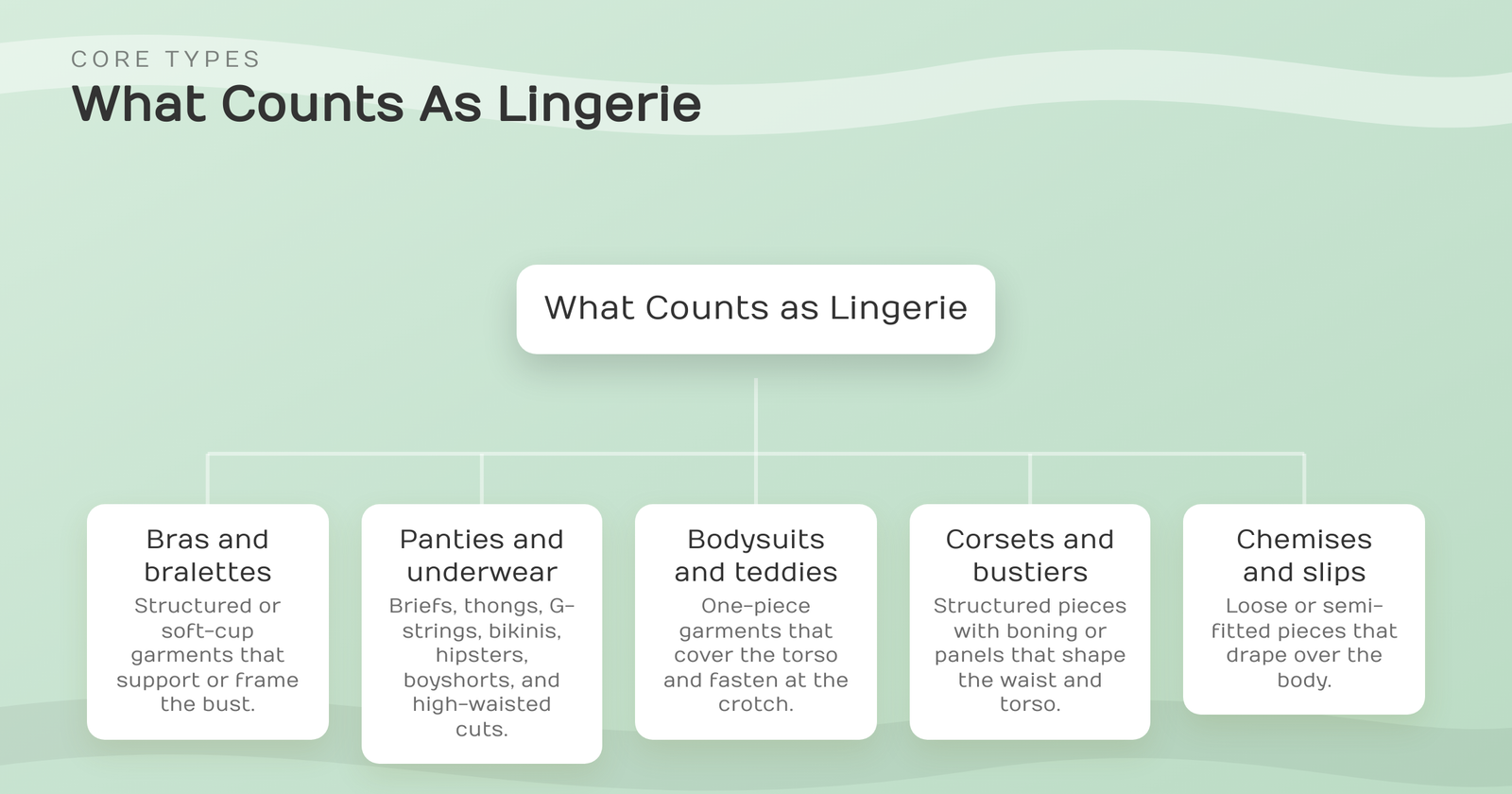
- Bras and bralettes. Structured or soft-cup garments that support or frame the bust, from everyday T-shirt styles to decorative lace designs.
- Panties and underwear styles. Briefs, thongs, G-strings, bikinis, hipsters, boyshorts, and high-waisted cuts, ranging from minimal to moderate coverage.
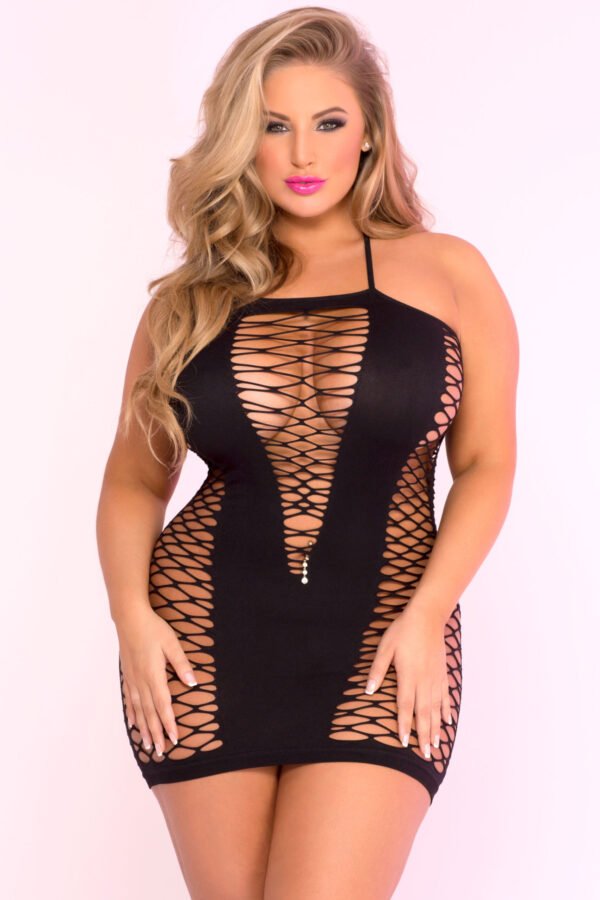
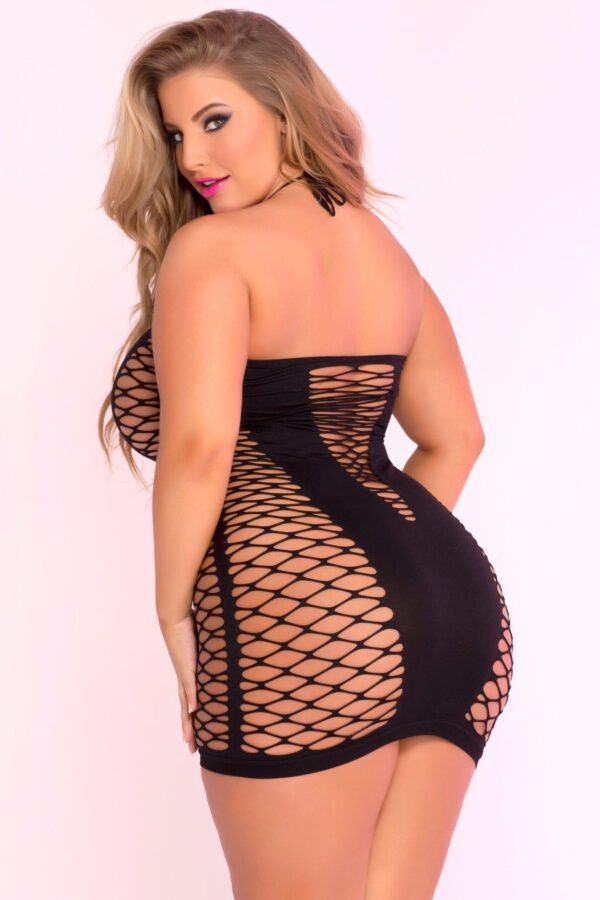
- Bodysuits and teddies. One-piece garments that cover the torso and fasten at the crotch, in styles from simple and smooth to sheer and decorative.
- Corsets, bustiers, basques, and waspies. Structured pieces with boning or panels that shape the waist and torso, worn as intimate wear or styled outward.
- Chemises, babydolls, slips, and camisoles. Loose or semi-fitted pieces that drape over the body, typically in silk, satin, or sheer fabric.
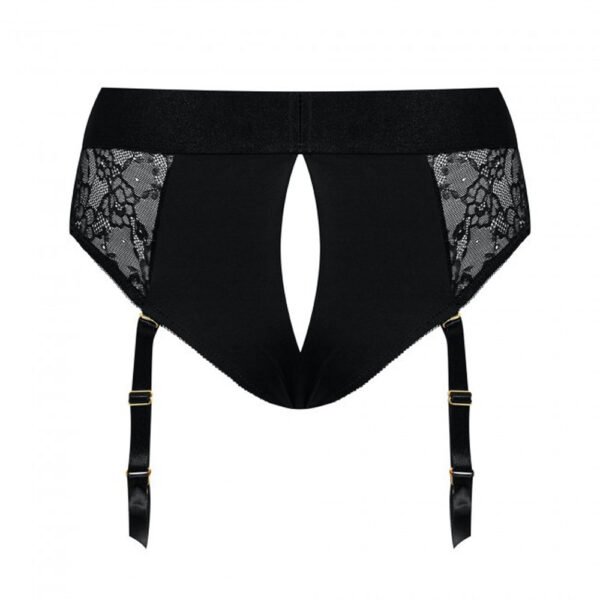
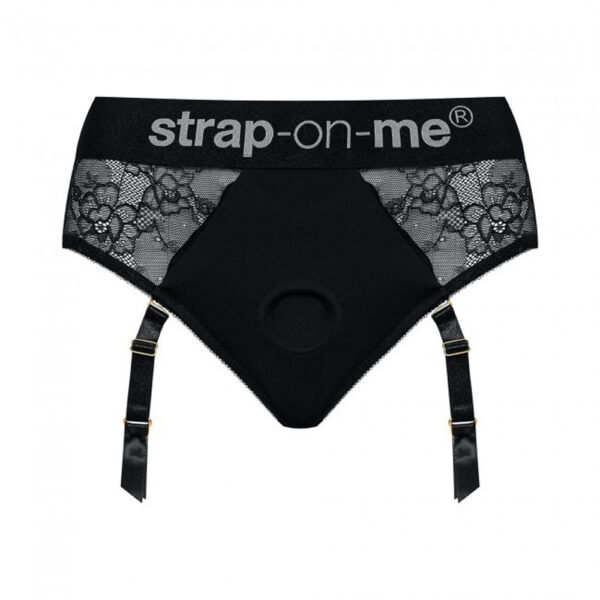
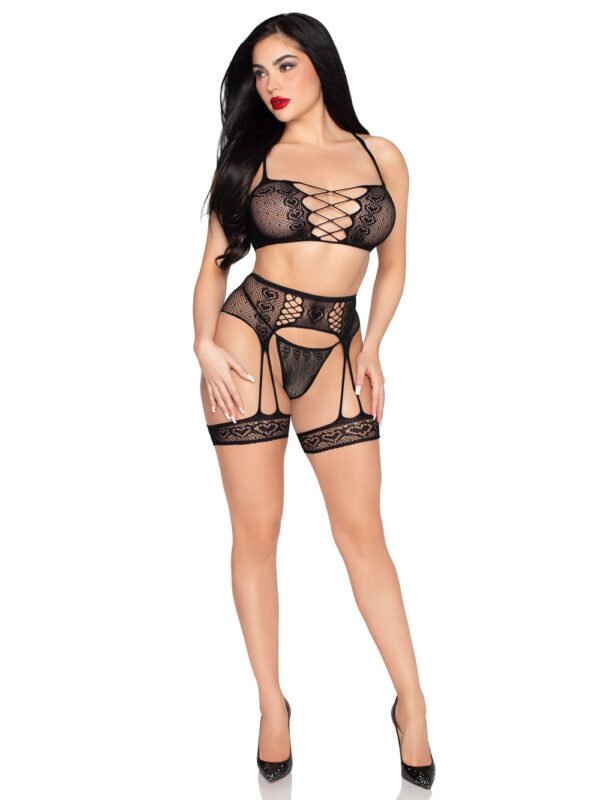
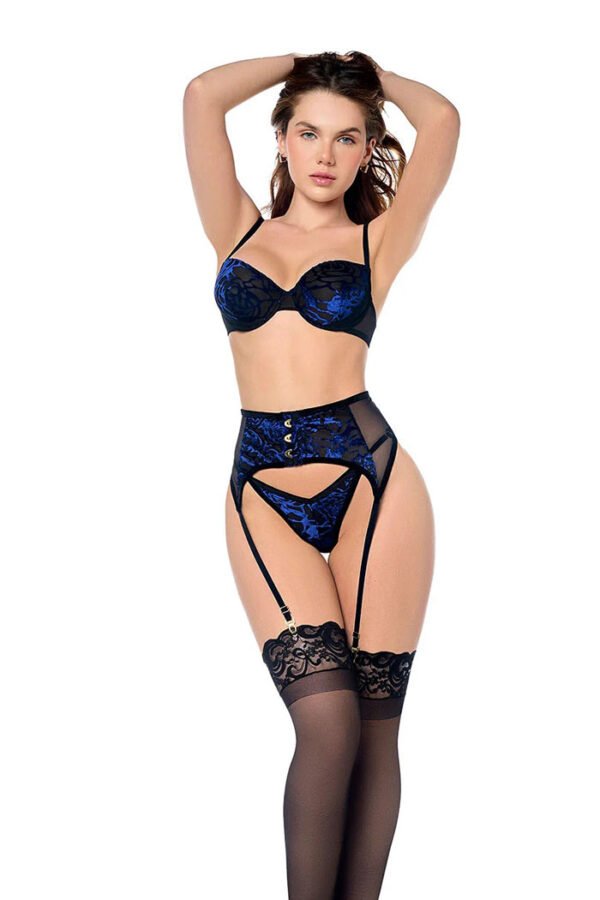
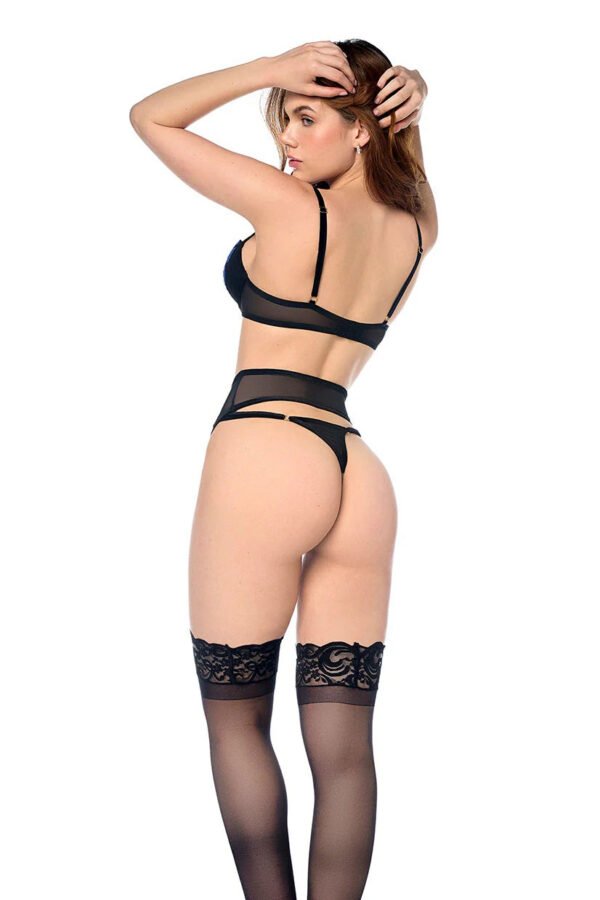
- Garter belts and stockings. Accessories worn at the waist or thigh that hold up hosiery and are closely associated with lingerie styling.
If you are looking for a starting point, lingerie sets are one of the most common entry points: a matching bra and panty pair designed to work together in fabric, color, and detail.
A few adjacent categories fall outside the scope of this guide. Maternity bras, standalone shapewear worn primarily for smoothing under clothing, robes and wraps used mainly as sleepwear layers, and hosiery as a standalone category each have their own product logic and buying criteria. They overlap with lingerie in some contexts, but they are not the focus here.
It is also worth saying plainly: lingerie is not exclusively for women. Men’s lingerie is a real and growing category, with styles designed specifically for male bodies, including briefs, thongs, bodysuits, and mesh pieces made with the same attention to fabric and fit.
The sections that follow break down each major lingerie style in detail, covering how each one looks, where it sits on the body, and what it is best suited for.
The Main Types of Lingerie: A Complete Style Breakdown
Lingerie spans a wide range of styles, each with its own construction logic, silhouette, and purpose. Understanding what makes each type distinct makes it much easier to shop with confidence, name what you are looking for, and recognize what you are getting when it arrives.
Bras and Bralettes
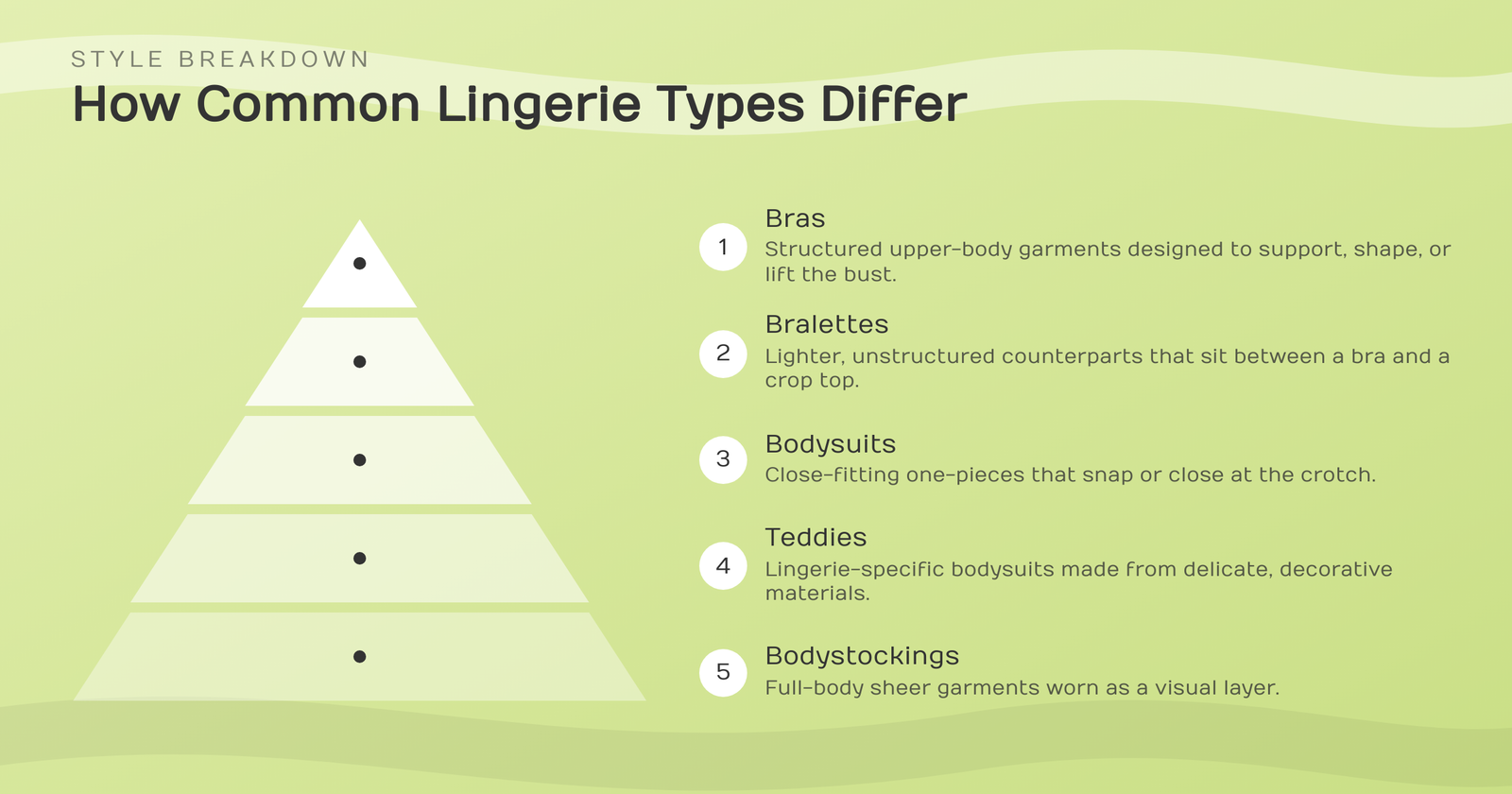
A bra is a structured upper-body garment designed to support, shape, or lift the bust. A bralette is its lighter, unstructured counterpart. The two share a general silhouette but differ significantly in construction, and that difference affects everything from how they look under clothing to how they feel after several hours of wear.
Bras are built around a few key components: underwire (a curved wire sewn into the lower edge of each cup, which should follow the breast crease without pressing on breast tissue), molded cups (pre-shaped foam or fabric cups that hold a defined form), adjustable straps, and a hook-and-eye closure at the back. Bra styles span a wide range, and each one changes coverage, shaping, and support in a different way. The main subtypes include:
- T-shirt bra. Smooth, seamless molded cups with no visible texture under fitted tops. The most common everyday bra style.
- Push-up bra. Angled padding at the base of each cup that lifts and brings the bust inward, creating a fuller, higher appearance.
- Plunge bra. A low center gore (the bridge between the cups) that allows a deep V neckline without the bra showing. Often combined with push-up padding.
- Balconette bra. Cups cut horizontally across the bust, lifting from below and leaving the upper portion of the breast more exposed. Creates a wide, lifted silhouette.
- Demi-cup bra. Similar to a balconette but slightly more coverage. Cups cover roughly half to three-quarters of the bust.
- Strapless bra. No shoulder straps; relies on a silicone grip band along the top edge and a firm, structured band to stay in place. Often has convertible straps that can be removed or reconfigured as halter, cross-back, or racerback.
- Longline bra. The band extends several inches below the bust, often reaching the ribcage or lower. Offers additional torso smoothing and can double as a cropped top.
- Soft-cup or wireless bra. No underwire. Relies on fabric structure, seaming, and band tension for shape. More relaxed fit; a common choice for everyday comfort.
- Bralette. Lightweight, wire-free, and usually unpadded. Often made from lace, mesh, or soft knit fabric. Minimal structure, worn for comfort or visual appeal rather than significant support.
Bralettes have become a category of their own, sitting somewhere between a bra and a crop top. They tend to run in S/M/L sizing rather than the band-and-cup system used for structured bras.
Panties and Underwear Styles
Panties differ from each other primarily in rise (how high the waistband sits), coverage (how much of the seat and hip is covered), and the cut of the leg opening. A gusset, the small fabric panel lining the crotch area, is a standard construction feature across most styles; a cotton-lined gusset is generally preferred for everyday wear.
The main panty styles, from most to least coverage:
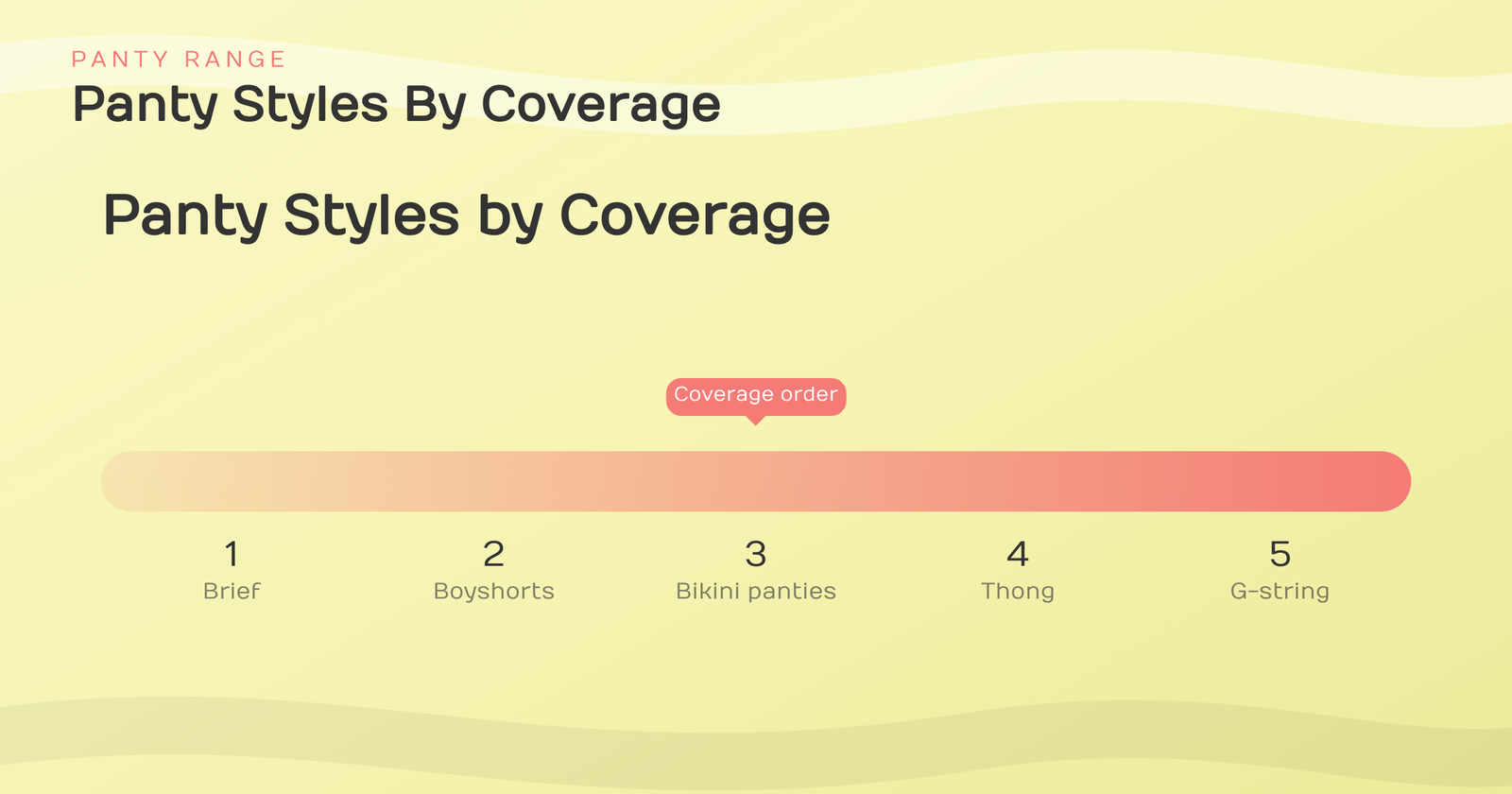
- Brief. Full seat coverage, moderate to high rise, wide waistband. The most coverage of any panty style.
- High-waisted panties. Similar to a brief but with a waistband that sits at or above the natural waist. Often includes a smoothing panel across the front.
- Hipster. Sits at the hip rather than the waist. Moderate seat coverage with a wider, lower waistband than a brief.
- Boyshorts. Short-cut legs that sit across the upper thigh. Full seat coverage with a relaxed, athletic silhouette. A good option for avoiding visible panty lines under skirts or dresses.
- Bikini panties. Mid-rise waistband, moderate seat coverage, higher-cut leg opening than a hipster. A versatile middle-ground style.
- Cheeky panties. Similar waistband placement to bikini panties but with a higher-cut seat that leaves the lower portion of the buttocks exposed.
- Thong. Narrow back panel (usually a thin strip of fabric) that sits between the buttocks. Minimal seat coverage; designed to eliminate visible panty lines under fitted clothing.
- G-string. The most minimal panty style. The back consists of a single thin string with no fabric panel. Less fabric contact than a thong.
You can browse the full range of panties and underwear styles, or go straight to thongs and G-strings if you already know that is the direction you want.
Bodysuits, Teddies, and Bodystockings
These three styles all cover the torso as a single connected garment, but their construction and visual effect are quite different from each other.
A bodysuit is a close-fitting, opaque or semi-sheer one-piece that snaps or closes at the crotch. It looks similar to a fitted top or leotard and is often worn tucked into skirts or pants. Fabric varies widely, from cotton-blend basics to lace and satin lingerie versions. The snap closure at the gusset is a defining construction detail.
A teddy is the lingerie-specific version of a bodysuit. It is typically made from delicate materials such as lace, satin, or mesh, and is designed primarily for visual appeal rather than everyday layering. Teddies often feature more decorative details, a more open or revealing cut, and sometimes an open-cup design (cups with the nipple area cut away). Like a bodysuit, a teddy closes at the crotch, usually with snaps.
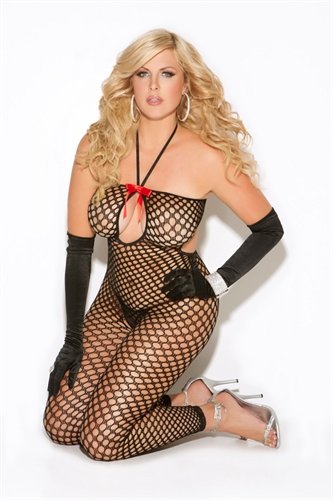
A bodystocking is a full-body sheer garment, similar in construction to a one-piece stocking that covers the torso, legs, and sometimes the arms. It is made from stretchy, sheer nylon or mesh and offers very little coverage in terms of opacity. It is worn as a visual layer rather than for warmth or support, and it typically does not have a structured crotch closure.
The practical distinction worth knowing: bodysuits are the most wearable day-to-day, teddies are more occasion-specific, and bodystockings are the most sheer and the least structured of the three.
Corsets, Bustiers, Basques, and Waspies
These four styles share a common feature: boning, which refers to the vertical structural rods (historically whalebone, now usually steel or plastic) sewn into channels throughout the garment to hold its shape and create compression. The differences between them come down to torso length and where the shaping is concentrated.
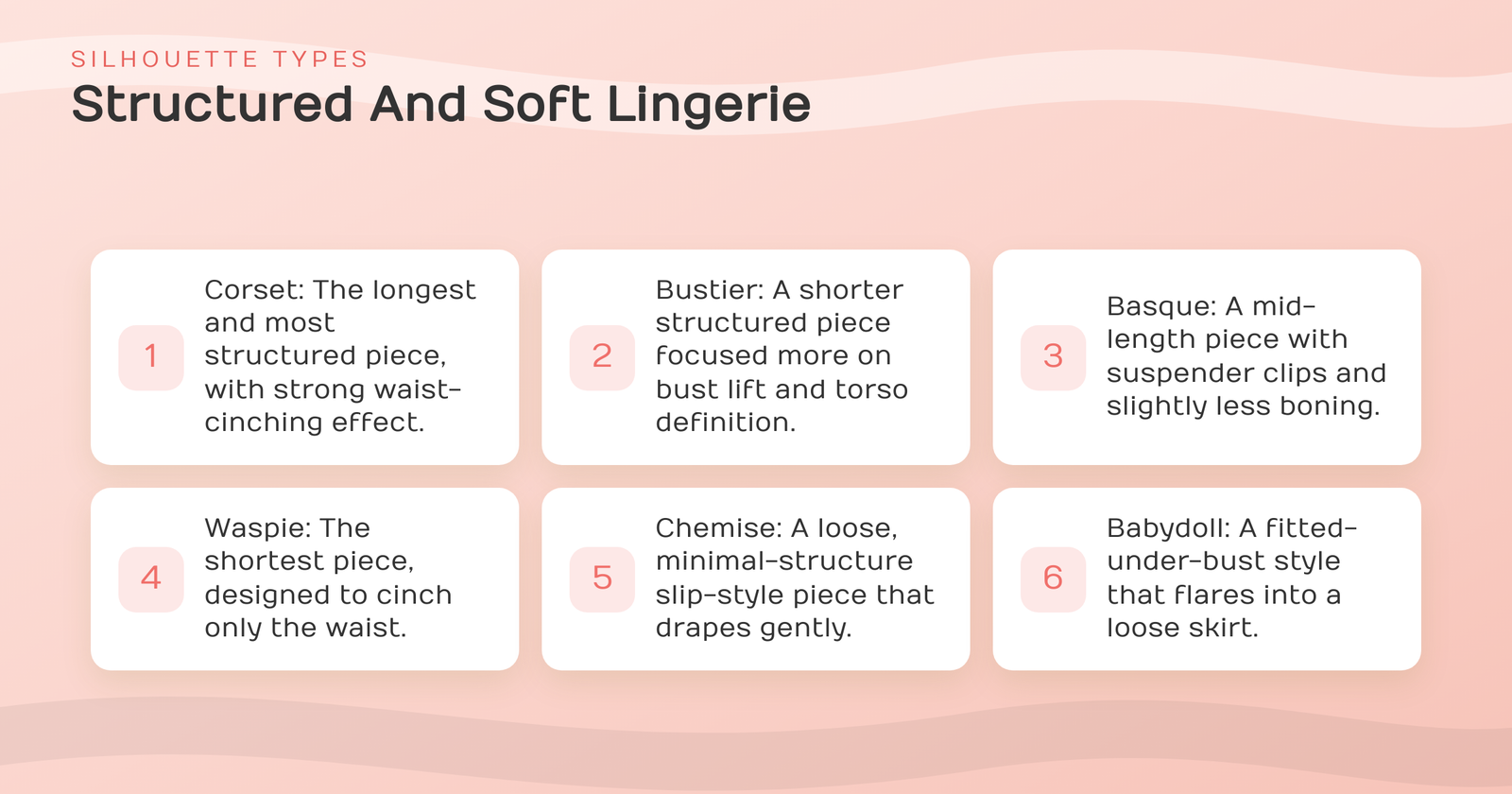
- Corset. The longest and most structured of the group. Runs from the bust down over the hips, with significant waist-cinching effect. Closes with a lace-up back closure (the traditional modesty panel and ribbon lacing) and often a hook-and-eye closure at the front (called a busk). Designed to reshape the torso silhouette more dramatically than any other lingerie style.
- Bustier. Similar structure to a corset but shorter in length, typically ending at or just below the waist rather than over the hips. Often has integrated bra cups at the top. Less dramatic waist reduction than a full corset; more focused on bust lift and torso definition.
- Basque. Sits between a bustier and a corset in length. Usually ends just below the hips, often with suspender clips (garter tabs) at the hem for attaching stockings. A basque tends to be slightly less heavily boned than a traditional corset, making it a bit more wearable for extended periods.
- Waspie. The shortest of the four. A waspie covers only the waist, typically spanning from just below the bust to just above the hips. It is worn to cinch the waist without covering the bust or hips, and it is often layered over other lingerie pieces.
All four styles can use either a lace-up back, a hook-and-eye closure, or both. The combination of boning and a firm closure is what gives this category its distinctive silhouette-shaping effect. Fabric affects how each of these styles feels against the skin, though that is a separate consideration from the structural differences described here.
Chemises, Babydolls, Slips, and Camisoles
These four styles are often grouped together because they are all loose, flowing garments made from soft or delicate fabrics. The key differences are hem length and structure.
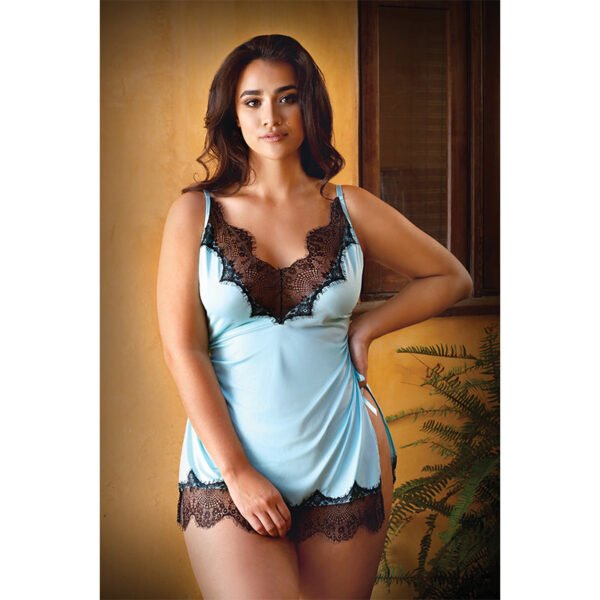
- Chemise. A short, straight-cut slip-style garment that falls anywhere from mid-thigh to just above the knee. Usually sleeveless, with thin straps. Minimal structure; the fabric drapes loosely over the body without shaping or boning. A chemise is the most versatile of the four: it reads as both lingerie and casual sleepwear depending on the fabric.
- Babydoll. Similar in length to a chemise but with a distinct silhouette: fitted or gathered just below the bust (like an empire waist), then flaring out into a loose, often sheer skirt. The flared skirt is the defining visual feature that separates a babydoll from a chemise. Hem typically falls at the upper thigh.
- Slip. A longer garment, usually falling to mid-calf or ankle length, designed to be worn under dresses or skirts to prevent static and reduce friction. Slips are typically made from satin, silk, or smooth nylon. A slip dress is the same garment styled as outerwear rather than underlayer.
- Camisole. The shortest and most casual of the four. A camisole (or cami) is a sleeveless top that ends at the hip or waist, usually with adjustable thin straps and sometimes a built-in shelf bra. It sits closer to everyday basics than to occasion lingerie, though lace-trimmed or satin versions move clearly into lingerie territory.
A quick way to distinguish them: if it flares below the bust, it is a babydoll. If it is long enough to wear under a dress, it is a slip. If it ends at the hip, it is a camisole. Everything in between is most likely a chemise.
Garter Belts and Stockings
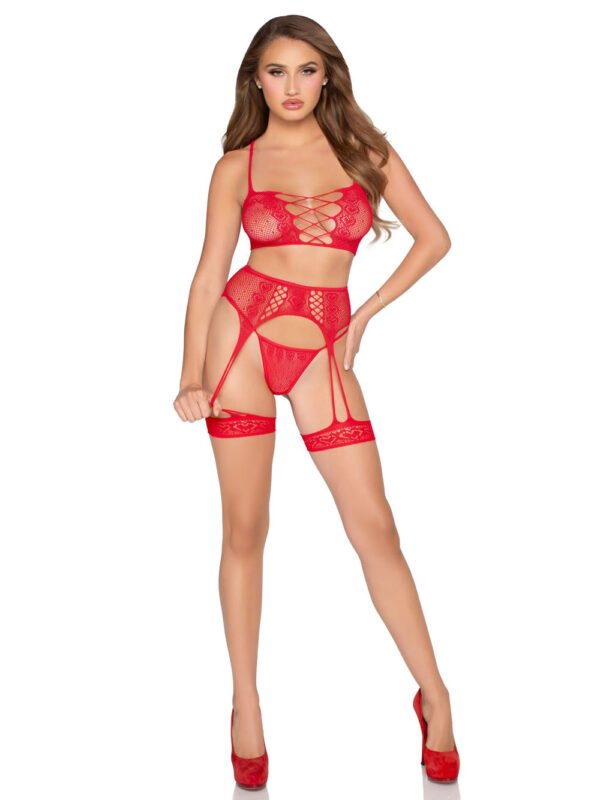
A garter belt (also called a suspender belt) is a waist or hip-hugging band with four to six adjustable straps hanging down from the hem, each ending in a small metal or plastic clip. Those clips attach to the welt (the reinforced top band) of a stocking, holding it up on the leg without the need for elastic alone.
Stockings worn with a garter belt are not the same as tights or pantyhose. They are individual leg coverings, one per leg, made from sheer nylon, silk, or lace-topped nylon. They do not have a waistband or crotch panel. Thigh-highs are a related style: stockings with a wide elasticized or silicone-grip welt at the top that allows them to stay up on their own without a garter belt.
The garter belt itself is worn at the natural waist or hip, either over or under panties (over makes the stockings easier to remove without undoing the clips). It is a purely functional-meets-decorative accessory: it does not cover or shape any part of the body on its own, but it anchors the stocking system and is a recognizable part of classic lingerie styling.
| Style | Silhouette / Coverage | Key Construction Feature | Typical Torso Length |
|---|---|---|---|
| Bra / Bralette | Bust only | Underwire, molded cups, or wire-free soft cup | Bust line to underbust |
| Panties | Hip to upper thigh | Gusset, variable rise and leg cut | Waist to upper leg |
| Bodysuit / Teddy | Full torso, snaps at crotch | Snap closure at gusset | Shoulder to crotch |
| Bodystocking | Full body, sheer | Stretch mesh or nylon, no structured closure | Shoulder to toe |
| Corset | Bust over hips, waist-cinching | Boning, lace-up back, front busk | Bust to hip |
| Bustier | Bust to waist | Boning, integrated cups | Bust to waist |
| Basque | Bust to hip with suspender tabs | Boning, garter clips at hem | Bust to hip |
| Waspie | Waist only | Boning, hook-and-eye or lace-up | Underbust to hip |
| Chemise | Torso, loose drape | Soft fabric, thin straps, no structure | Shoulder to mid-thigh |
| Babydoll | Empire-waist flare | Gathered or fitted underbust, flared skirt | Shoulder to upper thigh |
| Slip | Full torso, smooth drape | Satin or silk, longer hem | Shoulder to mid-calf or ankle |
| Camisole | Upper torso | Adjustable straps, sometimes shelf bra | Shoulder to hip |
| Garter Belt | Waist band only | Suspender clips, adjustable straps | Waist to upper thigh (straps) |



Coverage, Support, and Comfort: How Each Style Compares
Not all lingerie styles are equally comfortable for the same length of time, and coverage level, bust support, and construction all affect how a piece actually feels to wear. Understanding these differences helps you choose something that works for your body and your day, not just something that looks good on a hanger.
Coverage: From Minimal to Full
Panty styles run a clear spectrum. Thongs and G-strings offer the least coverage, which makes them useful under fitted clothing where you want to avoid visible panty lines. Cheeky and bikini styles sit in the middle range. Boyshorts, hipsters, and full briefs provide the most coverage and tend to feel the most comfortable during long wear. High-waisted styles add abdominal coverage and often include light smoothing panels that help create a cleaner silhouette under clothing.
If avoiding visible panty lines is your main concern, seamless construction matters as much as cut. Seamless edges lie flat against the skin without the ridge that traditional stitched seams can create under thin or fitted fabric. Minimal-coverage styles like crotchless panties sit at the far end of the coverage spectrum and are typically worn for shorter, intentional moments rather than all-day use.
Bust Support: Structured, Gentle, or None
Support varies widely across bra styles. Underwire bras offer the most structured lift and shape, which makes them a reliable choice when you need consistent support throughout the day. Wireless and soft-cup bras, including bralettes, provide gentle hold without rigid structure, which many people find more comfortable for extended wear. Research on bra-skin pressure shows that strap design and underband construction significantly affect comfort during prolonged use, so fit within each style matters considerably.
Bodysuits and teddies vary: some include built-in bra cups with light padding, while others offer little to no bust support. Corsets and bustiers use boning for waist structure rather than breast support specifically, though the compression can provide some lift.
All-Day Wear Versus Short-Term Wear
Some styles are genuinely comfortable for a full day; others are better suited to shorter windows.
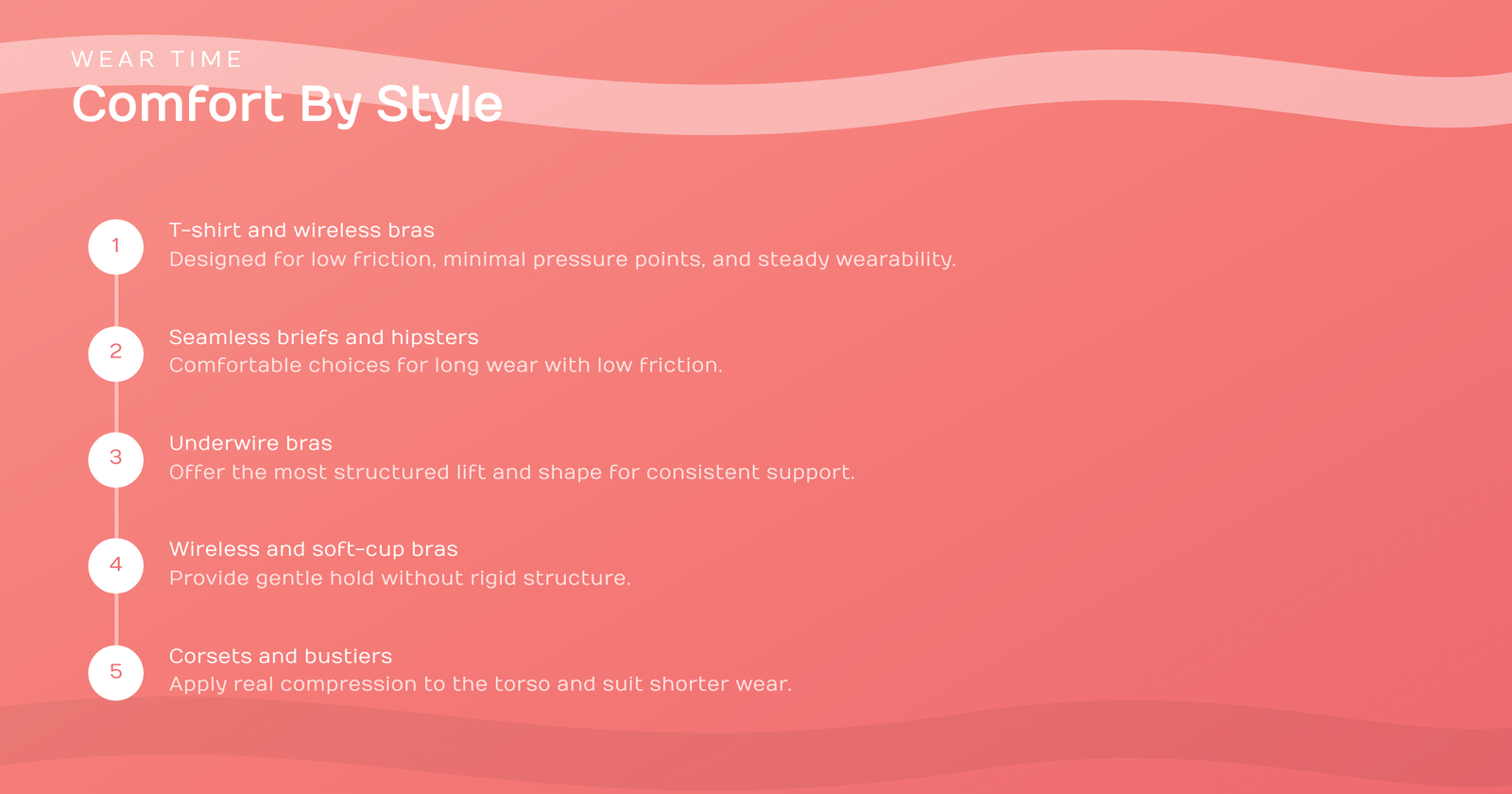
- Comfortable for all-day wear. T-shirt bras, wireless bras, seamless briefs, hipsters, and boyshorts. These styles are designed for low friction, minimal pressure points, and steady wearability. Fabric breathability plays a role here too, though that detail belongs to a separate discussion.
- Better for shorter or special-occasion wear. Corsets, bustiers, and heavily boned styles apply real compression to the torso. Wearing them for extended periods can restrict breathing and reduce circulation comfort. Strapless bras with silicone grip bands can cause skin pressure over time. Bodystockings with full-body compression may feel restrictive after a few hours.
Smoothing panels in high-waisted briefs or shaping bodysuits add light compression that most people tolerate well for a full day. Heavier compression garments are a different category: if a style feels tight at rest, it will feel tighter after a few hours of movement.
Body shape also influences which coverage level feels most comfortable and supportive, though matching specific styles to specific bodies is its own conversation. Support and coverage comparisons are especially relevant when fit and structure need to do more consistent work across a longer day.
| Style | Coverage Level | Bust Support | Best Wear Duration |
|---|---|---|---|
| Underwire bra | Moderate | High, structured | All-day with correct fit |
| Bralette / wireless bra | Moderate | Gentle | All-day comfortable |
| Thong / G-string | Minimal | None | All-day or short-term |
| Seamless brief / boyshorts | Full | None | All-day comfortable |
| Corset / bustier | Torso coverage | Light lift via compression | Short-term; limit extended wear |
| Bodysuit with cups | Full torso | Light to moderate | All-day if fit is correct |
| Bodystocking | Full body | None | Short-term |




Lingerie Fabrics Explained: Comfort, Breathability, and Skin Safety
The fabric a piece of lingerie is made from affects how it feels against your skin, how well it manages moisture, and whether it is safe for everyday wear. Knowing which materials tend to be comfortable and which ones need a closer look helps you make a better choice before you buy.
Skin-Friendly and Body-Safe Materials
Some fabrics are consistently gentle on skin and well-suited for extended wear:
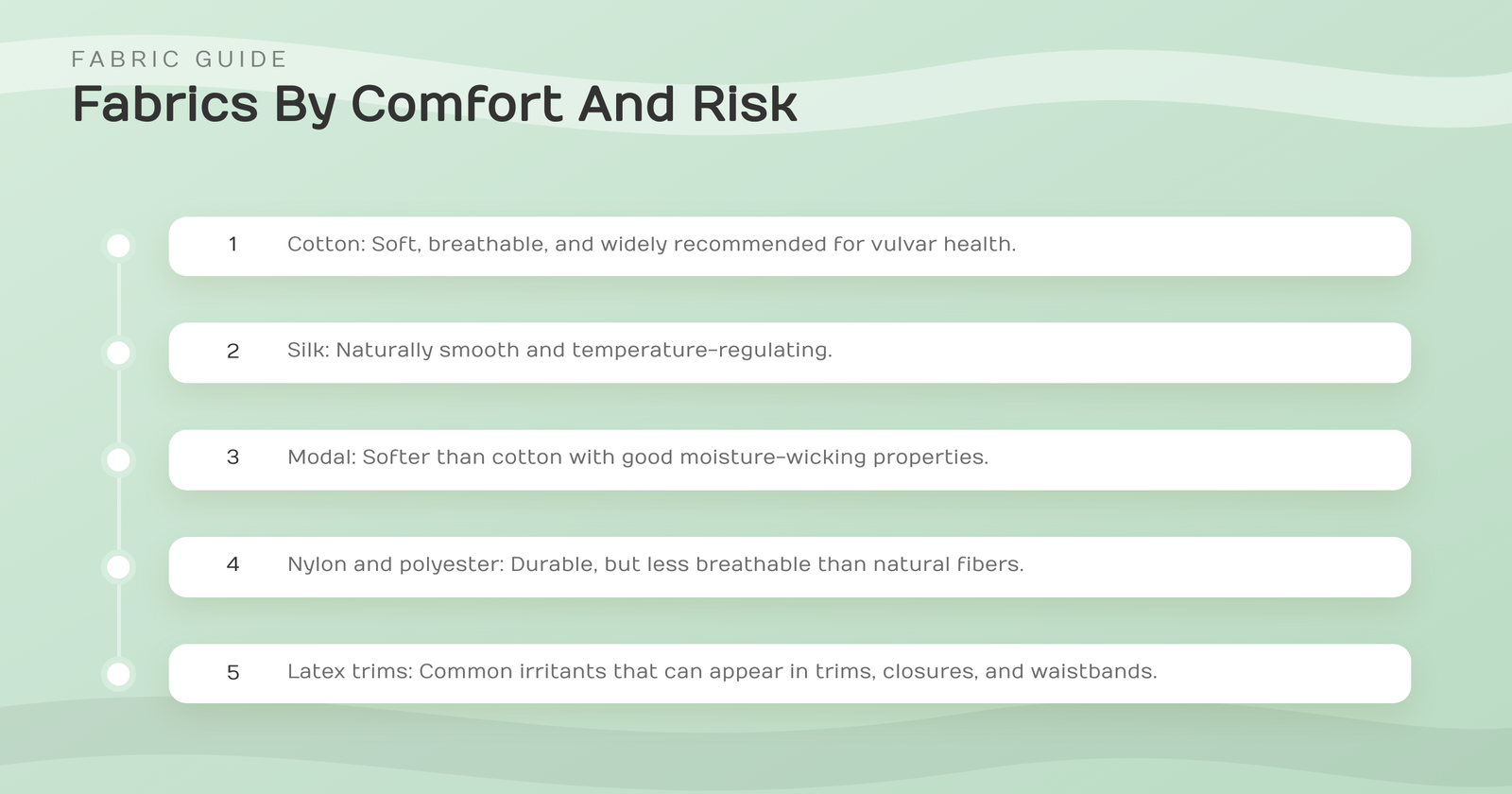
- Cotton. Soft, breathable, and widely recommended for vulvar health because it allows airflow and resists moisture buildup. Breathable natural materials like cotton are less likely to trap moisture and irritate sensitive skin.
- Silk. Naturally smooth and temperature-regulating. Genuine silk is kind to sensitive skin, though it requires careful handling.
- Modal. A semi-synthetic fiber made from beech wood pulp. Softer than cotton, with good moisture-wicking properties and a smooth drape.
- Bamboo-derived fabric. Soft and breathable, though the final feel depends on how the fiber was processed.
- Microfiber (soft-finished). Can be gentle and low-friction when well-made, though quality varies considerably between manufacturers.
- Woven satin. Smooth and cool against skin. Comfort holds as long as the construction is woven rather than coated or laminated.
Materials That Depend on Manufacturer Quality
Several common lingerie materials are not inherently problematic, but their comfort and safety vary based on how they are made:
- Nylon and polyester. Durable and widely used, but less breathable than natural fibers. Synthetic fabrics worn for long periods can increase moisture, chafing, and discomfort, especially in close-fitting styles.
- Lycra and spandex blends. Added for stretch and recovery. Generally fine in small percentages; higher concentrations reduce breathability.
- Synthetic lace, mesh, chiffon, and tulle. Lace comfort depends on fiber content, not just how it looks. Scratchy lace is usually a sign of coarser synthetic thread, not lace as a category. Mesh and chiffon behave similarly: edge finishing and fiber blend determine whether they feel smooth or irritating.
- Embroidered fabric. Embroidery thread sitting against skin can cause friction or seam irritation, particularly on the inner thigh or chest.
Materials to Check Before You Buy
Rubber trims and latex elastic are among the most common skin irritants in lingerie. If you have a latex sensitivity or allergy, check the full materials list before purchasing, because latex can appear in waistbands, closures, and decorative trim even when the main fabric is something else entirely.
Metallic or coated decorative hardware, including underwire coatings and hook finishes, can also cause reactions on sensitive skin. Quality and finish vary by manufacturer, so this is worth checking when buying unfamiliar brands.
The Gusset Question
Whatever fabric covers the rest of a garment, the gusset is the part that matters most for vulvar health. A cotton-lined gusset allows airflow where it counts. Many synthetic and lace styles include one; it is worth checking the product description if you are prone to irritation.
Non-Standard Materials in Specialty Lingerie
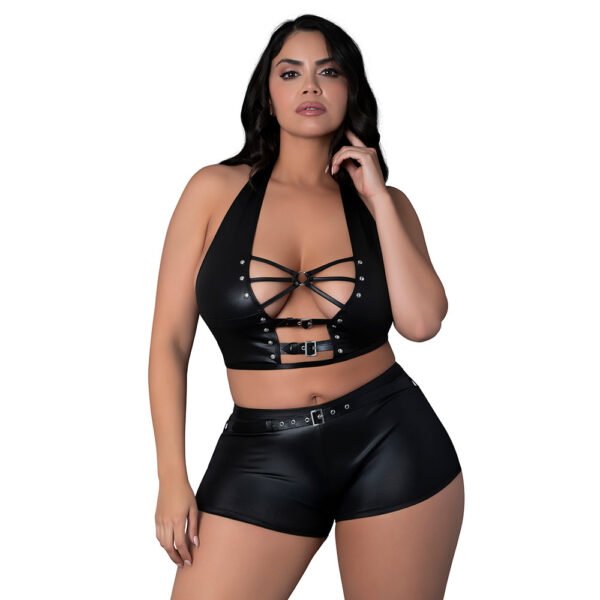
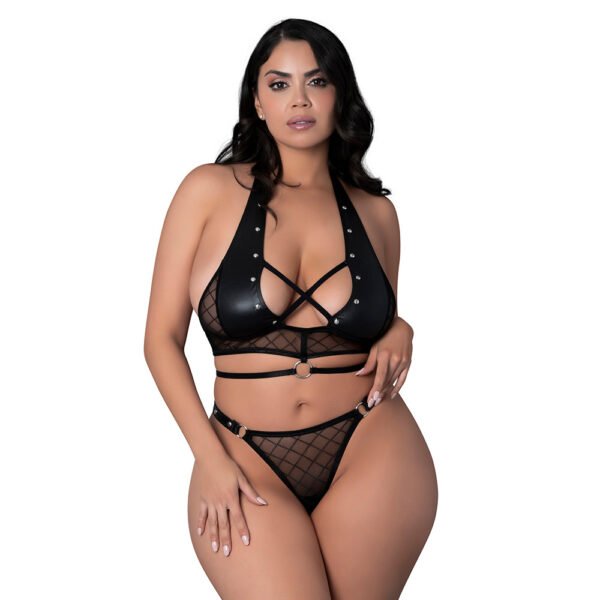
Some harness lingerie and fetish wear uses faux leather, PVC, or latex as primary materials. These are not breathable and are not suited for extended daily wear. Latex in particular requires a confirmed absence of latex allergy before any skin contact. Faux leather and PVC are generally worn for shorter periods and cleaned differently from fabric-based lingerie.
As a general rule, the closer a fabric sits to sensitive skin and the longer you plan to wear it, the more the fiber content matters. Fabric also affects how a piece drapes, how it holds its shape over time, and how it sits under clothing, though fit and care are separate questions worth looking at on their own.


Choosing Lingerie by Body Type, Fit, and Size
The right lingerie style is less about following rules and more about understanding what different cuts actually do for different proportions. A few practical guidelines make the process much easier.
Bra Styles by Bust Size and Shape
Different cup shapes work better for different bust sizes and spacing.
- Small bust. Balconette bras, push-up bras, and bralettes all work well here. Balconette cups create lift and shape without requiring much tissue to fill the cup. Bralettes offer a relaxed fit without gap or wrinkling.
- Full bust. Full-coverage cups, longline bras, and styles with wider underwire bases offer better containment and reduce the chance of tissue escaping at the sides. Plunge styles can work with the right fit, but the underwire placement matters more at larger cup sizes.
- Wide-set bust. A plunge bra or center-pull style brings the cups closer together, which creates a more centered silhouette.
- Close-set bust. A balconette or demi-cup bra with wider-set straps gives more comfortable spacing and reduces pressure at the center gore.
Panty and Bottom Styles by Hip and Waist Proportion
Panty cut affects how the hip and waist look and how comfortable the fit feels throughout the day.
- Pear shape. High-waisted panties and full briefs balance the hip-to-waist ratio and sit smoothly without cutting into the widest part of the hip. Boyshorts also work well for coverage without compression.
- Hourglass. Most styles fit naturally here. Bikini panties and high-waisted cuts both follow the curve without bunching or pulling.
- Straight or narrow hip. Cheeky panties and hip-cut bikini styles add the visual suggestion of a curve. High-waisted panties with a slight ruched or gathered back can do the same.
- Plus size. Look for extended sizing with consistent grading (not just scaled-up standard sizes), wider side panels, and a waistband with enough width to lie flat without rolling. Brands that offer dedicated plus-size construction tend to fit more reliably than those that simply go up a few numbers.
High-waisted styles are worth noting across all body types: the higher rise cinches at the natural waist and smooths the lower abdomen, which many people find both comfortable and flattering regardless of their shape.
Getting the Bra Fit Right
A well-fitting bra keeps the band level all the way around the rib cage, with cups that fully contain the breast tissue without gapping at the top or bulging at the sides; if the underwire rests on breast tissue rather than sitting along the breast crease, you need a different size, a different cup shape, or both.
The band does most of the support work. A band that is too tight causes rib discomfort and makes breathing feel restricted; one that is too loose rides up and shifts throughout the day. Start with the band size, then adjust the cup from there.
Adjustable straps let you fine-tune the lift once the band is sitting correctly. If you have a short torso, a standard longline bra may hit below your natural waist and feel uncomfortable; a regular-length band usually fits better. Longer torsos often find longline styles more stable because there is more rib cage for the band to anchor against.
Convertible straps (which can be repositioned into halter, cross-back, or one-shoulder configurations) are a practical option when you want one bra to work across different necklines. Strap converters and band extenders are also worth knowing about if you are between sizes or need more flexibility.
Why Your Usual Size May Not Transfer Between Brands
Lingerie sizing is not standardized. A 34B in one brand may fit like a 34C in another because cup volume, wire width, and band stretch all vary by manufacturer. Always check the brand’s own size guide and, where possible, their fit notes before ordering. Fabric with significant stretch (such as lace blends or knit fabrics) may also fit differently from a structured woven style in the same labeled size.
| Body Proportion | Bra Styles That Work Well | Panty Styles That Work Well |
|---|---|---|
| Small bust | Balconette, push-up, bralette | Most styles; bikini and high-waisted are popular |
| Full bust | Full-coverage, longline, wide-underwire styles | High-waisted briefs, boyshorts |
| Pear / wider hip | Any well-fitting style | High-waisted, full brief, boyshorts |
| Straight / narrow hip | Balconette, demi-cup | Cheeky, hip-cut bikini |
| Plus size | Full-coverage with wide straps and stable band | High-waisted with wide waistband, full brief |
If you are buying lingerie for a special occasion and fit is especially important, bridal lingerie sizing guidance is a useful reference point even outside of weddings, since bridal styles are typically designed with precise fit in mind.



Which Lingerie Type Works Best for Each Occasion?
The right lingerie choice depends less on what looks prettiest on a hanger and more on what you are actually doing that day. Matching the style to the occasion makes a real difference in how comfortable and confident you feel wearing it.
- Everyday all-day wear. Soft bralettes, wireless bras, T-shirt bras, hipster panties, and boyshorts are the workhorses of a lingerie drawer. They prioritize comfort and breathability over structure, and most hold up well through a full day of movement. Cotton-lined gussets and smooth, low-friction fabrics matter most here.
- Layering under clothing. Seamless construction is your best friend when you want to avoid visible panty lines under fitted clothes. Thongs and G-strings eliminate lines under tight skirts or trousers. A smooth T-shirt bra or a molded-cup bra disappears under jersey and fitted knits. Body type can affect which seamless styles sit flattest on you, though that is a separate question from occasion fit.
- Low-cut and plunge necklines. Plunge bras are built for this. Their center gore sits low and flat, so the bra stays hidden while still offering support. For very deep or backless cuts, pasties are a practical no-bra alternative that works where straps and backs would show.
- Strapless and off-shoulder outfits. A strapless bra with a silicone grip band along the top and bottom edge holds better than one without. Fit is critical: a strapless bra that gaps or slips is a sizing issue, not a style failure.
- Date night and romantic occasions. Lace teddies, matching sets, and babydolls balance aesthetics with wearability. Look for styles that feel as good as they look; a piece that digs in or constantly needs adjusting is distracting. Holiday and occasion lingerie sets often work well here because they are designed with both visual impact and short-term comfort in mind.
- Wedding night and bridal wear. Bridal lingerie tends toward ivory, white, or blush tones in silk, satin, or soft lace. A well-fitted strapless bustier or a silk chemise works under a gown and transitions naturally into the evening. Comfort matters as much as appearance on a long day.
- Lounging at home. Chemises, babydolls, camisoles, and slips are the most comfortable choices for relaxed at-home wear. They move easily, pack flat, and feel more intentional than an oversized T-shirt without requiring any real effort. Pairing with a robe adds warmth and a finished look without adding structure.
- Outerwear-inspired styling. Corsets, slips, and bodysuits worn as visible top layers have become a mainstream styling choice. A satin slip worn over a T-shirt or a lace-trimmed camisole tucked into trousers reads as intentional, not underdressed, when the fabric and fit are clean. Fabric quality shows more when a piece is visible, so this is one occasion where construction details matter.
- Travel. Microfiber and modal styles dry quickly, resist wrinkles, and pack small. Wireless bras and seamless panties take up minimal space and stay comfortable through long travel days. Skip heavily boned or structured pieces for trips unless you have a specific occasion planned.
| Occasion | Best Style Choices | Key Priority |
|---|---|---|
| Everyday wear | Wireless bra, T-shirt bra, boyshorts, hipster panties | All-day comfort and breathability |
| Under fitted clothing | Seamless bra, thong, G-string | No visible lines or seams |
| Plunge necklines | Plunge bra, pasties | Low center gore, no visible straps |
| Strapless outfits | Strapless bra with grip band | Secure fit without straps |
| Date night | Lace teddy, matching set, babydoll | Aesthetics balanced with comfort |
| Bridal | Silk chemise, strapless bustier | Works under gown, transitions well |
| Lounging | Chemise, camisole, slip, robe | Ease of movement, relaxed feel |
| Outerwear styling | Corset, slip, bodysuit | Clean construction, visible fabric quality |
| Travel | Microfiber or modal styles, wireless bras | Quick-dry, wrinkle-resistant, compact |


How to Care for Lingerie: Washing, Drying, and Storage
Lingerie lasts longer when you wash and store it carefully. The main enemies are heat, harsh detergents, and friction; all three break down elastic, distort shape, and shorten the life of delicate fabric faster than regular wear does.
Washing
Hand-washing is the default for most lingerie. Use cool water and a gentle, fragrance-free, hypoallergenic detergent. Submerge the piece, swish it gently, then rinse thoroughly. Detergent residue left in the fabric can irritate vulvar skin, so rinse until the water runs clear.
If a manufacturer’s label approves machine-washing, use a cold delicate cycle and place the garment in a mesh laundry bag first. Fasten any hook-and-eye closures before washing, or hook them to themselves, so they do not snag other pieces. Never wash lingerie on a regular or warm cycle.
Avoid wringing or twisting delicate fabrics to remove water. Press the garment gently against the side of the sink instead. Bleach and harsh chemical detergents are not appropriate for any lingerie, regardless of color.
The right washing method depends on the fabric, which varies by garment. When in doubt, hand-wash.
Drying
Lay pieces flat on a clean towel or hang them to air-dry. A tumble dryer degrades elastic quickly and can warp molded cups, so skip it entirely for lingerie. Direct sunlight can also fade and weaken fabric, so dry in a shaded spot when possible.
Before putting anything away, make sure it is fully dry. Laundering and storage conditions affect microbial survival on clothing, and storing a damp garment creates conditions where bacteria can grow.
Storage
How you store lingerie affects how long it holds its shape.
- Molded and push-up bras. Store cup-to-cup in a drawer, nested in the same direction. Folding one cup inside the other collapses the molded structure over time.
- Soft bras, bralettes, and panties. Lay flat or loosely fold. Avoid compressing them under heavier items.
- Corsets and structured pieces. Store flat or lightly rolled if drawer space is limited. Avoid hanging them by straps, which can stretch the fabric unevenly.
Durability Weak Points and When to Replace
The parts that fail first are hooks, underwire, elastic, and straps. Signs it is time to replace a piece: the elastic no longer springs back, hooks are bent or missing, underwire is poking through the casing, or straps have stretched beyond their adjustment range. Poor care accelerates all of these, which also affects fit over time.
Wash Frequency
Wash panties after every wear. Bras can go two to four wears between washes depending on activity level and how much you sweat. Rotating between a few bras extends the life of each one.
Travel Storage
Pack lingerie in a soft pouch or dedicated lingerie bag to prevent snagging against zippers and to keep delicate lace from wrinkling. For quick freshening between washes while traveling, adult wipes can help with light surface hygiene, though they are not a substitute for a proper wash.
First-Time Buyer Mistakes and How to Avoid Them
Most first-time lingerie purchases go wrong in the same predictable ways. Knowing what to watch for before you order saves you money, returns hassle, and the mild disappointment of something that looked perfect online and felt wrong in person.
- Choosing by appearance only. This is the most common beginner mistake. A piece that photographs beautifully may fit poorly, dig in, or feel scratchy against your skin. Appearance matters, but it should be the last thing you evaluate, not the first.
- Assuming your usual size will transfer. Lingerie sizing varies significantly across brands. A 34B in one brand may fit nothing like a 34B in another. Always check the brand’s own size guide and measure yourself before ordering, especially if you are buying online.
- Buying a special-occasion style for all-day wear. Structured corsets, underwired bodysuits, and heavily boned pieces are designed for shorter wear. If you plan to wear something for a full day, choose accordingly. Comfort over several hours is a different requirement than comfort for an evening.
- Skipping the fabric check. Synthetic lace and stiff mesh can scratch or irritate sensitive skin. Look at fiber content before purchasing, not just the visual texture. Softer options like modal, cotton blends, or well-finished microfiber tend to be kinder for first purchases.
- Not checking the gusset. Any panty you plan to wear against your skin should have a cotton-lined gusset. If the product listing does not mention it, check the details section or contact the retailer before buying.
- Skipping the return policy. Sizing uncertainty is real, especially with your first purchase. Before you order, confirm whether the retailer accepts returns or exchanges. Some lingerie is final sale, which raises the stakes on getting the size right.
When you are ready to choose, work through priorities in this order: fit first, fabric second, aesthetic third. A beautiful piece that fits well and feels comfortable will always outperform a beautiful piece that does not.
For a first purchase, forgiving styles are lower risk. Bralettes, soft-cup bras, and mid-coverage panties like bikini or hipster cuts tend to accommodate small sizing variations better than structured or underwired pieces. If you want a coordinated starting point, lingerie sets take the guesswork out of matching and often come with consistent sizing across the top and bottom.
One last thing worth knowing: how you care for a first piece affects how long it lasts. Delicate fabrics and elastic degrade faster with machine washing. Starting with good habits extends the life of whatever you choose.



FAQ
Is There a Difference Between a Teddy and a Bodysuit?
Is There a Difference Between a Teddy and a Bodysuit?
Yes, though the two styles look similar at a glance. A teddy is typically made from lighter, sheerer fabrics like lace or mesh, has snap closures at the crotch, and is designed primarily for intimate or boudoir wear rather than everyday use. A bodysuit tends to use sturdier fabric, closes with snaps or a hook-and-eye, and is cut to work under clothing as well as on its own. The practical difference comes down to fabric weight and intended context: teddies lean toward occasion wear, while bodysuits are often built for all-day comfort.
Can Lingerie Be Worn as Outerwear Without Looking Out of Place?
Can Lingerie Be Worn as Outerwear Without Looking Out of Place?
Several lingerie styles translate naturally into outerwear when layered with intention. Bralettes work well under an open blazer or sheer blouse; slips and chemises pair easily with a denim jacket or tailored trousers; and bodysuits tuck into high-waisted skirts or pants exactly as a fitted top would. The styling cues that keep the look intentional rather than underdressed are: structured outer pieces, covered shoulders or a defined waist, and fabrics that hold their shape. Corsets and bustiers also work as tops when the rest of the outfit is kept simple and fitted.
How Often Should I Replace Lingerie, and What Are the Signs It Needs to Go?
How Often Should I Replace Lingerie, and What Are the Signs It Needs to Go?
Replacement timing depends on how often a piece is worn and washed, but the condition of the garment matters more than any fixed schedule. Replace lingerie when you notice any of the following:
- Stretched elastic. Waistbands, leg openings, or bra bands that no longer hold their shape will not provide the fit or support the piece was designed for.
- Bent or poking underwire. A wire that has shifted, broken, or begun to poke through fabric can cause skin irritation and is not worth continuing to wear.
- Fabric pilling or thinning. Pilling signals fiber breakdown; thinning fabric, especially in lace or mesh, means the piece is nearing the end of its useful life.
- Hook or closure failure. If hooks bend, eyes stretch out, or snap closures no longer stay closed, the garment will not fit or function correctly.
- Permanent loss of shape. A cup that no longer holds its structure or a garment that sags after washing has lost its ability to do its job.