











An open relationship is a mutually agreed-upon arrangement in which a committed couple allows one or both partners to pursue sexual (and sometimes romantic) connections outside the primary partnership. The defining feature is explicit, ongoing consent from everyone involved. Without that, it is not an open relationship; it is infidelity with different branding.
The term sits under the broader umbrella of consensual non-monogamy (CNM), which also includes polyamory, swinging, and relationship anarchy. An open relationship typically keeps a primary couple at its center while permitting outside sexual involvement; polyamory more often allows multiple concurrent romantic bonds of comparable depth. The distinction matters in practice because the agreements, expectations, and emotional labor involved differ significantly between structures.
Research suggests CNM is more common than most people assume: roughly 1 in 5 adults reports some lifetime experience with a consensually non-monogamous arrangement, while around 4–5% are actively practicing at any given time. Comparative studies find no significant differences in relationship satisfaction or psychological wellbeing between people in CNM arrangements and those in monogamy, directly challenging the assumption that one structure is inherently more stable than the other.
What Does “Open” Actually Cover?
The word “open” is a placeholder, not a definition. Every open relationship runs on a set of explicit agreements that partners negotiate themselves, and those agreements can look very different from couple to couple.
Common areas that agreements address:
- Partner eligibility. Mutual friends, coworkers, or people inside a shared social circle may be off-limits for some couples and unremarkable for others.
- Disclosure preferences. Some couples want to know details; others prefer a strict “don’t ask, don’t tell” policy. Neither is universally correct; consistency is what matters.
- Safer-sex requirements. Many couples set non-negotiable rules around barrier use with outside partners, including when barriers may be dropped and what testing frequency is expected.
- Emotional limits. Sexual connection with others is often on the table; developing deep romantic attachment to another person may not be. These lines shift over time and need revisiting.
- Check-in frequency. How often partners talk about how the arrangement is working is itself part of the agreement.
The research consistently points to explicit negotiation, rather than assumed shared understanding, as the strongest predictor of how well non-monogamous arrangements function over time.
Jealousy, Compersion, and the Emotional Reality
Jealousy is common in open relationships. That is not a sign the arrangement is failing; it is a normal response to uncertainty and perceived threat that most people in CNM navigate rather than eliminate entirely.
What tends to help: naming the specific fear underneath the jealousy (loss of priority, comparison anxiety, insecurity about desirability) rather than treating jealousy as a single undifferentiated emotion. Direct conversation, reassurance, and the willingness to revisit agreements when something stops working are consistently identified in the literature as stronger protective factors than trying to suppress the feeling.
Compersion is the term many non-monogamous people use for the experience of genuine pleasure in a partner’s enjoyment of another connection. It is the emotional inverse of jealousy and, for many people practicing CNM, something that develops over time rather than arriving naturally from the start.
Safer Sex in an Open Relationship
When a relationship network expands, so does the shared STI exposure of everyone in it. This is not a reason to avoid open relationships; it is a reason to be methodical about sexual health in a way that monogamy often allows people to skip.
Evidence-based practice in CNM generally centers on:
- Consistent barrier use with outside partners. Condoms and other barriers are the single most effective tool for reducing STI transmission risk across a network.
- Regular STI testing. With multiple partners, testing every 3–6 months is a common recommendation, and before beginning any new condomless sexual relationship. This protects the primary partnership as much as anyone else.
- Honest disclosure. Everyone in a network is owed accurate information about shared risk. Withholding a positive result or a lapse in barrier use affects other people’s ability to protect themselves.
- Vaccination. HPV and hepatitis B vaccination are recommended by public health authorities and are especially relevant when sexual networks are larger.
- PrEP consideration. For people with meaningful HIV exposure risk, PrEP (pre-exposure prophylaxis) is worth a conversation with a healthcare provider.
One practical note on condoms: water-based lubricant is compatible with latex barriers and reduces friction-related breakage, which matters more when barrier use is frequent. Silicone-based lubricants work with latex condoms but should not be used with silicone toys. Oil-based lubricants degrade latex. Keeping water-based lube as the default alongside barrier use is a simple rule that removes a lot of risk.
Toys in an Open Relationship: What Changes
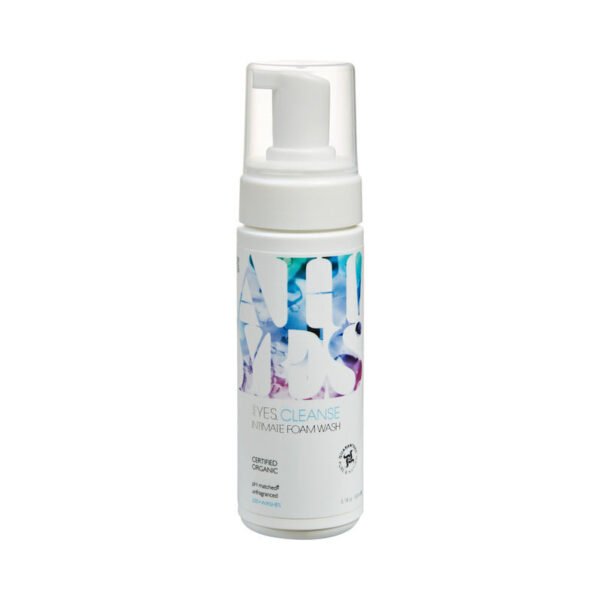
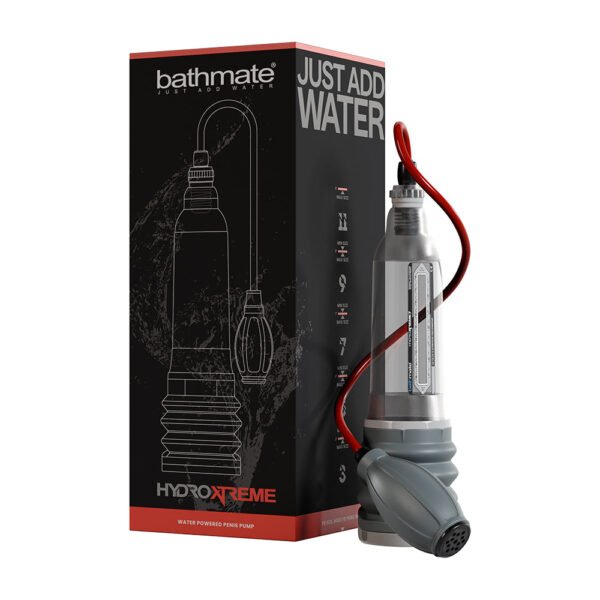
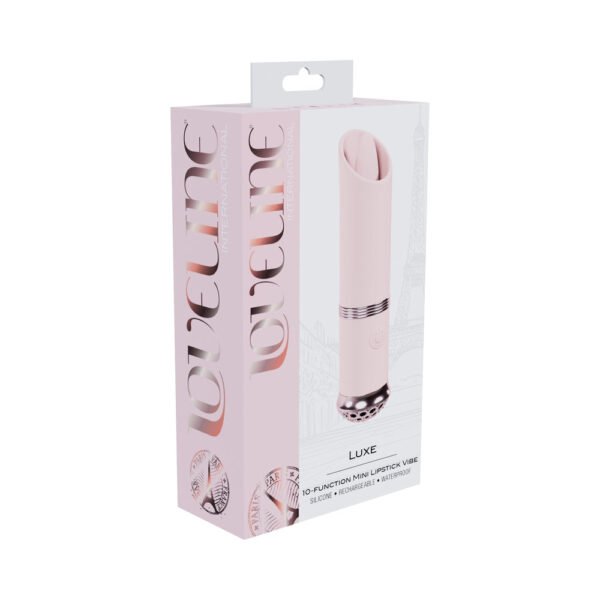
Shared toy hygiene becomes a more active concern when a toy may come into contact with multiple partners. The core principle is straightforward: non-porous materials (platinum-cure silicone, borosilicate glass, stainless steel, ABS plastic) do not harbor pathogens the way porous materials do, and they can be thoroughly cleaned between uses.
For shared use across different partners, the safest practice is a fresh condom on the toy for each person, changed between users, in addition to cleaning before and after sessions. Sex toy cleaner or mild unscented soap handles surface bacteria and most viruses; full sterilization of non-motorized non-porous toys can be done by boiling or running through a dishwasher without detergent.
Some people in open relationships also choose to keep certain toys partner-specific rather than shared, which eliminates the hygiene question entirely.