



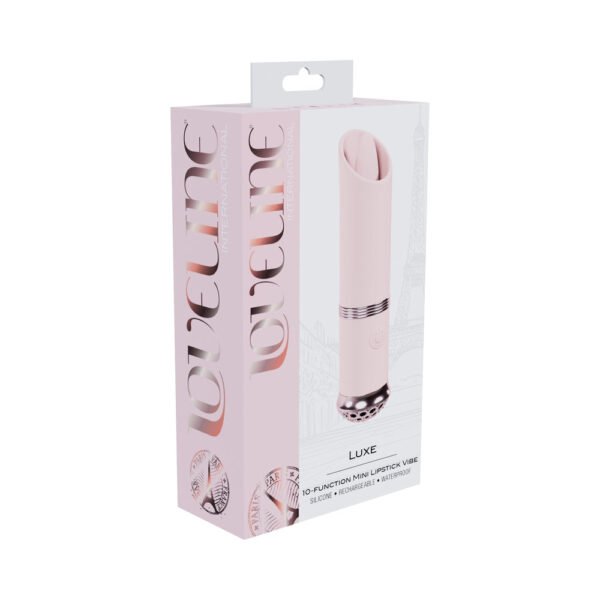
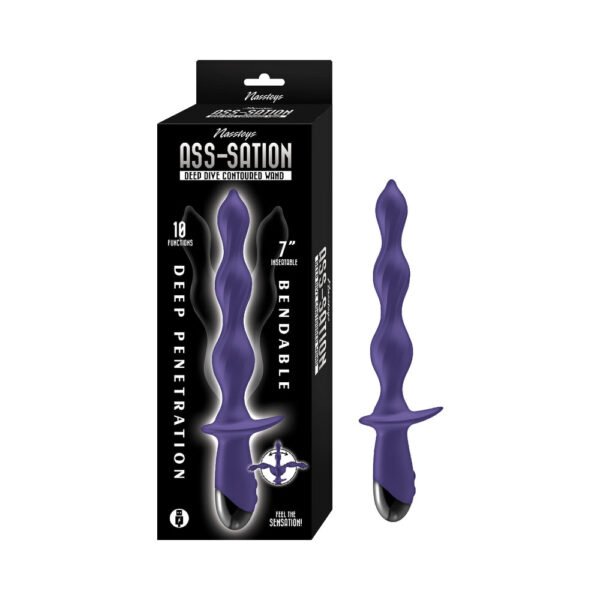




The perineum is the strip of skin and tissue that runs between the genitals and the anus. In people with a vulva, it sits between the vaginal opening and the anus. In people with a penis, between the base of the scrotum and the anus. It is not just a stretch of skin connecting two points: underneath it runs a dense network of pudendal nerve branches, the same nerve system that supplies sensation to the genitals. That is why pressure or vibration in this area can register as genuinely pleasurable rather than simply noticeable.
In sex-toy contexts, the perineum is most often discussed as an external stimulation target. For people with a prostate, perineal pressure provides indirect external access to the gland, which sits a few centimeters inside the pelvis, just beneath the surface. For people with a vulva, perineal stimulation can engage the internal root of the clitoris and the perineal body, a junction of pelvic floor muscles that concentrates sensation. The area is often overlooked in favor of more obvious targets, which is partly why it tends to surprise people.
Colloquially, the perineum is sometimes called the “taint” or the “gooch.” Both terms show up in product names and reviews.
How toys work with the perineum
Most perineum-specific toys are curved external stimulators or prostate massagers with a perineal arm. They fall into two broad types:
- External perineum massagers. Curved wand-style devices designed to sit against the perineum without any insertion. They deliver vibration or pressure directly to the skin and underlying tissue. No internal component is involved, which makes them the lowest-barrier entry point for perineal exploration.
- Dual-stimulation prostate massagers. These combine an internal prostate lobe with an external perineal arm that presses against the skin simultaneously. The two points of stimulation work together, with the external arm grounding and stabilizing the device while adding independent sensation. This is the most common design category for prostate toys.
Vibration tends to be the primary delivery mechanism in both types. Pressure-only options exist but are less common in powered devices. How firm the contact feels depends on both the toy’s shape and how much manual pressure you apply.
Does the perineum feel different from other erogenous zones?
Yes, in a clinically meaningful way. The pudendal nerve, which innervates the perineum, is the same nerve that carries sensation from the penis, clitoris, and anal canal. Stimulation in this zone can feel diffuse rather than pinpoint, more of a wave than a peak, especially at lower vibration intensities. For people exploring prostate stimulation for the first time, external perineal pressure is often recommended before internal insertion because it lets you locate where sensation is strongest without commitment to a particular toy or position.
The perineum is also a common add-on sensation during solo or partnered play rather than a primary focus. A partner’s hand, a small bullet vibrator held in place, or the perineal arm of a prostate toy can all run simultaneously with other stimulation.