


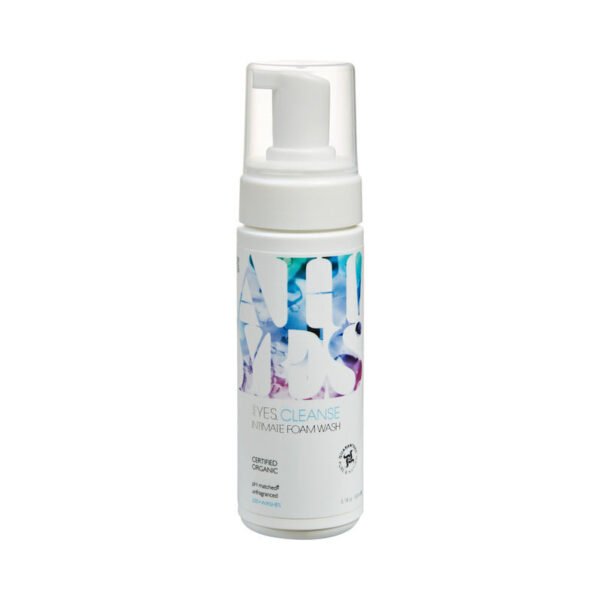







A pH-balanced lubricant or intimate product is formulated to match the natural acidity of the body part it contacts. The vagina maintains a healthy pH of roughly 3.8 to 4.5 (mildly acidic), kept there by Lactobacillus bacteria that protect against infection. The anal canal sits closer to neutral, around 7. A product labeled “pH-balanced” is targeting one or both of those ranges rather than using an arbitrary formula that may sit at a very different point on the scale.
The practical consequence is real: introducing a product with a mismatched pH can shift the vaginal environment, suppress protective bacteria, and raise susceptibility to bacterial vaginosis or yeast overgrowth. For everyday use with water-based lubricants, matching pH matters more than most labels suggest.
Why the Label Doesn’t Tell the Whole Story
“pH-balanced” appears on packaging more often than manufacturers publish the actual number. That matters because the claim is only useful if the product hits the right specific range: roughly 3.8–4.5 for vaginal use, closer to 6–7 for anal use.
There is a second property worth knowing: osmolality, which measures how concentrated a formula is. The WHO recommends vaginal lubricants stay at or below 1,200 mOsm/kg (with an ideal target near 380 mOsm/kg). Hyperosmolar products pull water out of delicate mucosal cells even when their pH is fine, which can damage the epithelial barrier and increase infection risk. A product can truthfully claim to be pH-balanced while still being hyperosmolar; the two properties are independent.
- Check for a published pH value. “pH-balanced” without a number is a marketing phrase. Brands that are serious about formulation publish the range (e.g., 3.8–4.5).
- Look at the ingredient list alongside the claim. Glycerin and propylene glycol, common in water-based lubes, push osmolality up significantly. Glycerin-free and paraben-free formulas tend to land closer to WHO thresholds.
- Match the product to the application. Vaginal use calls for an acidic formula; anal use is better served by something near neutral. A single product won’t be optimally pH-balanced for both.