


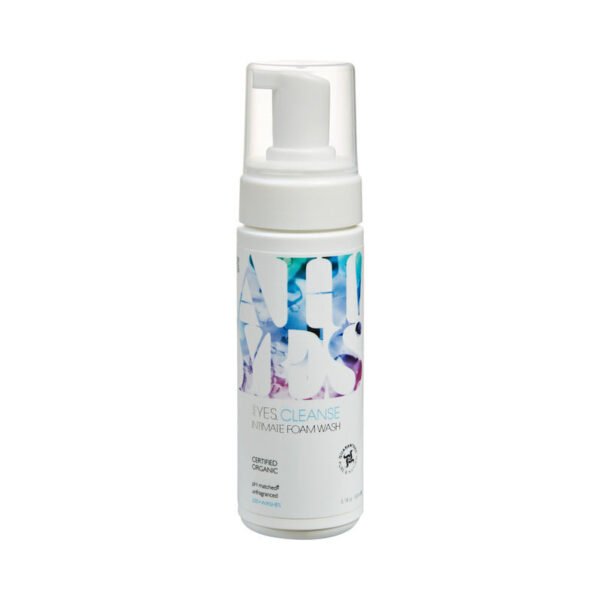
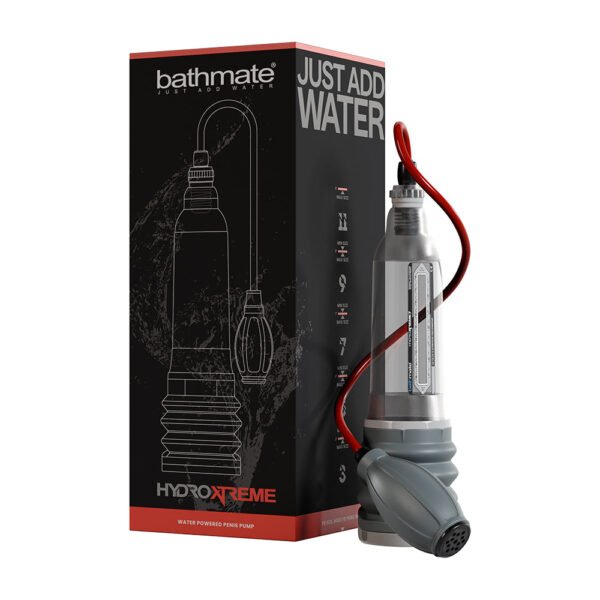

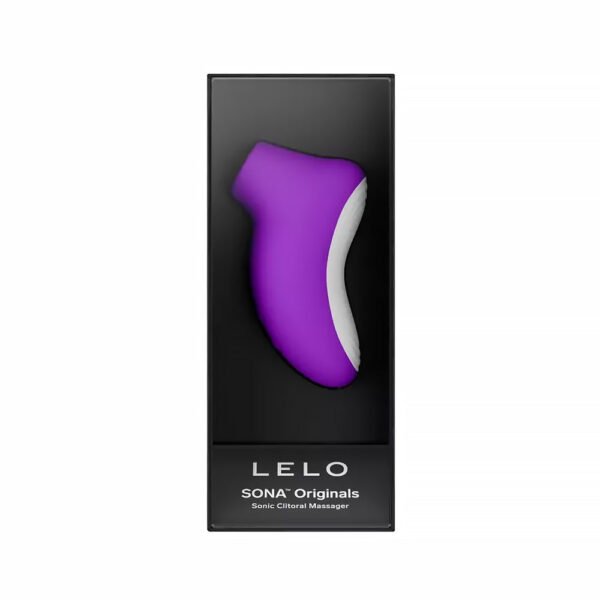

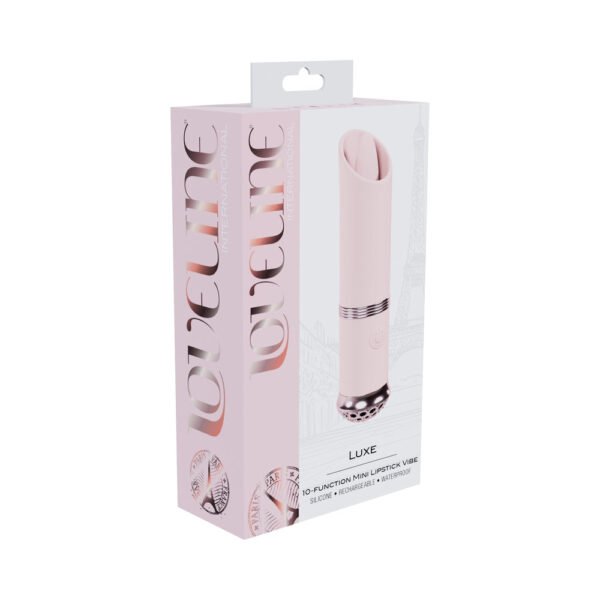




“Body-safe” is a marketing term, not a regulated one. It describes intimate products made from materials that are nonporous, free of known harmful additives like phthalates, and able to be cleaned thoroughly, so they carry a lower risk of chemical exposure and bacterial buildup. The materials generally placed in this category are medical-grade silicone, borosilicate glass, stainless steel, and ABS plastic. What “body-safe” does not mean is that any regulator has verified the claim: in most places, intimate products are not regulated as a distinct category, so the words on the box are the manufacturer’s promise, not a certification.
Which materials actually qualify as body-safe?
Four materials are consistently treated as body-safe because they are nonporous, phthalate-free, and can be sterilized or cleaned well:
- Medical-grade silicone. Nonporous and durable. Pair it with water-based lubricant, since silicone lubricant can degrade a silicone surface over time.
- Borosilicate glass. Nonporous, tolerates any lubricant, and cleans easily.
- Stainless steel. Nonporous, compatible with every lubricant type, and highly durable.
- ABS plastic. A firm, nonporous plastic often used for the body of vibrators and bullets.
The reason nonporous matters: porous “jelly”-type materials trap fluid and bacteria in microscopic pockets that cleaning cannot fully reach, which is why they are best treated as short-lived and single-partner items.
Why “body-safe” on a label doesn’t guarantee anything
Here is the honest part. Terms like “body-safe,” “phthalate-free,” and “medical-grade” are unregulated marketing language with no guaranteed meaning behind them. The US applies general consumer-safety and CPSIA rules, whose phthalate bans center on children’s products, and the EU applies REACH and general product-safety rules, which leaves notable gaps for adult products. That gap matters because phthalates are well-established endocrine-disrupting chemicals with plausible reproductive and developmental effects, and they can leach out of soft plastics.
There is one international reference point worth knowing. ISO 3533:2021 is the first international safety standard for manufactured sex toys, covering material biocompatibility, mechanical and electrical safety, and labeling for products in direct genital or anal contact. Worth understanding: it sets no fixed numeric chemical limits. Instead it asks manufacturers to build their own restricted-substance list and comply with regional laws. So even a standards-aligned product is relying on the maker’s own diligence.
In practice, a few red flags tell you more than the label does: a chemical or plastic odor, a sticky or tacky surface, a price that seems too low for real silicone, and vague descriptors like “novelty material.” When you are unsure, favor the four named materials and match your lubricant to them.