



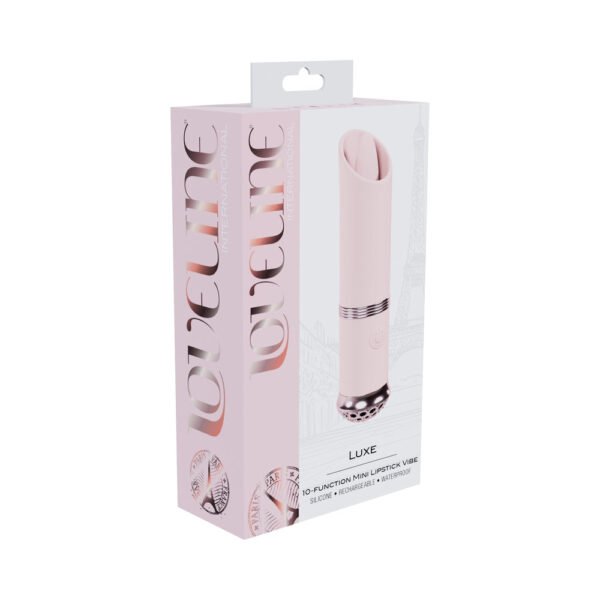
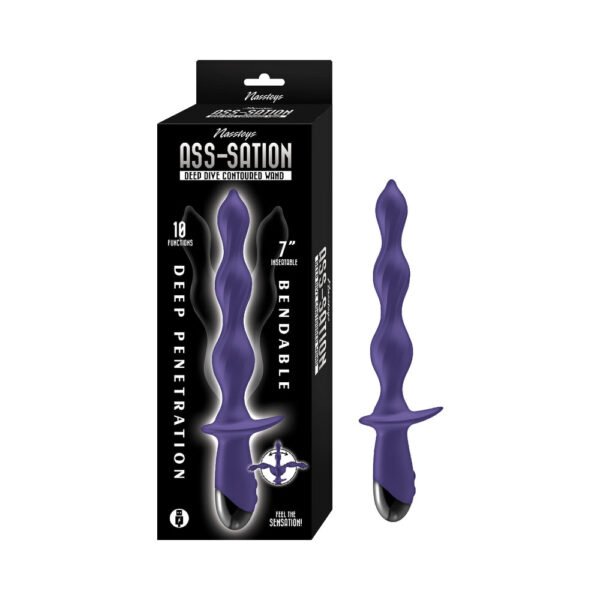




Non-porous describes a material with a sealed, non-absorbent surface: liquids, bacteria, and residue sit on top of it rather than soaking into it. For intimate products this is the single most important material property, because it determines whether a toy can actually be cleaned. Non-porous materials have no microscopic openings for bacteria, fungi, viruses, or lubricant residue to settle into, so they can be washed thoroughly and, where the design allows, fully sterilized. The materials consistently classified as non-porous and body-safe are medical-grade (platinum-cured) silicone, borosilicate glass, surgical stainless steel, and ABS plastic. This is why non-porous is treated as the baseline for any toy you intend to keep and reuse, since porous materials can retain microbes in their surface pores, and viral particles such as HPV have been detected on the surface of sex toys after use.
Why does non-porous material matter for body safety?
The difference comes down to what stays on the surface after use. A non-porous material lets you remove lubricant, bodily fluids, and residue completely, so nothing is left for bacteria or viruses to persist on. A porous material has a texture full of tiny openings that can trap moisture and microbes even after washing, so it can hold pathogens and break down over time. For anything used internally, that is not a cosmetic detail; it is the reason non-porous surfaces can be returned to genuinely clean.
This matters more than product marketing suggests, because intimate products are largely unregulated. Labels like “body-safe” and “medical-grade” are not legally defined, so they are not guarantees on their own. Porosity is one of the few material properties you can reason about directly, which is what makes “non-porous” a useful word rather than a marketing one.
Which materials are non-porous, and how do they differ in use?
All non-porous materials share the same sealed surface, but they feel and behave differently:
- Medical-grade silicone. Platinum-cured silicone is non-porous, flexible, and warms to body temperature. It is the most common body-safe material for soft toys, and silicone dildos are a common example, though silicone should be paired with water-based lubricant, because silicone lubricant can degrade it.
- Borosilicate glass. Fully non-porous and non-absorbent, glass wipes clean completely and holds temperature well for warming or cooling, which is why glass dildos are a clear example of the property; check any glass piece for chips or cracks before use.
- Surgical stainless steel. Non-porous, very durable, and compatible with any lubricant. It is heavier and conducts temperature, which some people specifically want.
- ABS plastic. A hard, non-porous plastic used for rigid toys and bullet vibrators. Smooth and easy to wipe down.
A quick caveat worth knowing: a listing that says only “silicone” or “glass” does not always confirm platinum-cured silicone or borosilicate glass. The material is still non-porous, but the highest safety grade is only assured when the listing states it, so look for that wording.
How do you clean and store a non-porous toy?
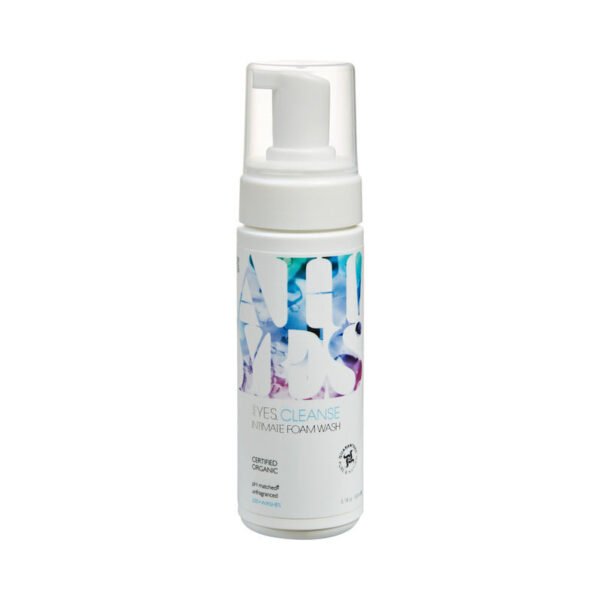
Non-porous does not mean maintenance-free; it means cleaning is actually effective. For most non-porous toys, mild soap and warm water after each use removes residue, and a dedicated toy cleaner helps with everyday upkeep. Non-motorized items made entirely of glass, steel, or 100% silicone can often be sterilized more thoroughly, for example by boiling, while anything with a motor or electronics should only be wiped down and never submerged. Keep pieces apart in dedicated toy storage so surfaces do not sit against each other and degrade. The whole point of choosing non-porous is that this care genuinely works: what you clean off comes off, and stays off.