



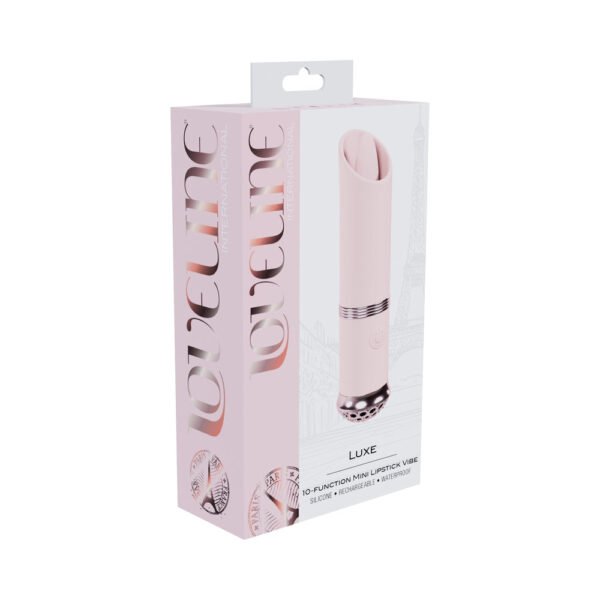
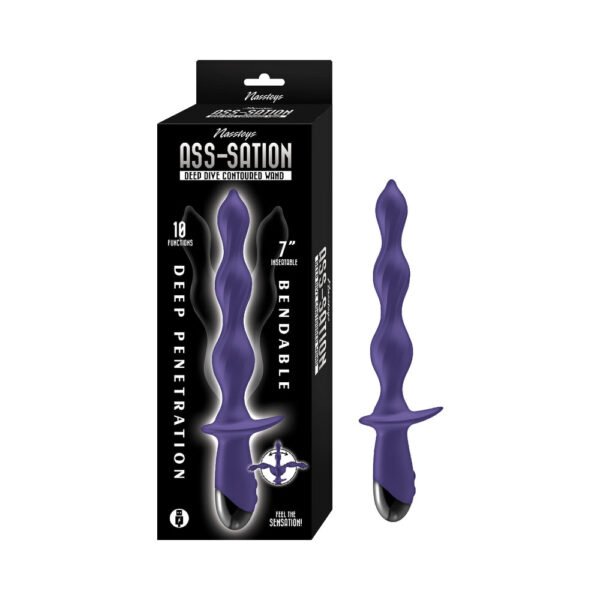




Medical-grade silicone (also called platinum-cured silicone) is a chemically inert, non-porous polymer widely regarded as the gold standard body-safe material for sex toys. It contains no phthalates, no BPA, and no latex. Its sealed, closed-cell surface does not absorb fluids, bacteria, or odors, which means a toy made from it can be genuinely cleaned and, depending on its construction, fully sterilized between uses.
The “medical-grade” designation comes from the curing process: platinum catalysts cross-link the silicone into a stable, low-reactivity compound. This is different from tin-cured silicone, which is lower cost and less chemically stable. In practice, genuine platinum-cured silicone should be odorless, velvety to the touch, and consistent in firmness with no tacky or oily feel.
How to Tell Real Silicone from Blends and Fakes
This is where the terminology gets genuinely useful (and genuinely tricky). The word “silicone” is not regulated in adult product labeling, so it appears on products that contain silicone blended with TPE, PVC, or filler compounds. Those blends do not share the same properties as pure medical-grade silicone. The one voluntary standard written specifically for sex toys, ISO 3533:2021, covers material biocompatibility and labeling but is not independently enforced. A few practical signals:
- The flame test. Pure silicone burns with a white ash and leaves a chalky residue. Blends and porous materials burn black and smell chemical. This is an imperfect field test, not a certification, but it is widely cited among product educators.
- Smell and texture. Medical-grade silicone has no noticeable chemical odor out of the box. A strong synthetic smell (plastic, rubber, or “novelty store”) is a red flag for a porous blend.
- Stickiness over time. Genuine silicone stays consistently velvety. Blended materials often develop a tacky or greasy surface as plasticizers migrate to the exterior.
- Price signal (not a rule). Platinum-cured silicone is more expensive to produce. A toy claiming to be medical-grade silicone at a price well below comparable brands from reputable manufacturers is worth scrutinizing.
- Manufacturer transparency. Brands that routinely use this material will state it explicitly in specs, not bury it in vague phrasing like “body-safe material” or “premium silicone blend.”
Cleaning, Sterilization, and Lubricant Compatibility
- Cleaning. Mild soap and warm water after every use is adequate for day-to-day hygiene. Because the surface is non-porous, pathogens cannot embed inside the material; they sit on the surface and are removed with straightforward washing.
- Sterilization. Non-vibrating, non-electronic silicone toys can be sterilized by boiling for 3–5 minutes, running through a dishwasher (top rack, no detergent), or soaking in a 10% bleach solution followed by a thorough rinse. This makes silicone the only soft toy material that can be safely shared between partners (after sterilization) or used for both anal and vaginal play in the same session with a proper clean in between.
- Lubricant compatibility. Use water-based lubricants with silicone toys. Silicone-based lubricants can cause surface degradation (tackiness, swelling, or pitting), particularly in softer grades of silicone. If you are uncertain whether a product is pure silicone, patch-test a silicone-based lube on a hidden part of the toy, wait a few hours, and check the texture before committing.