


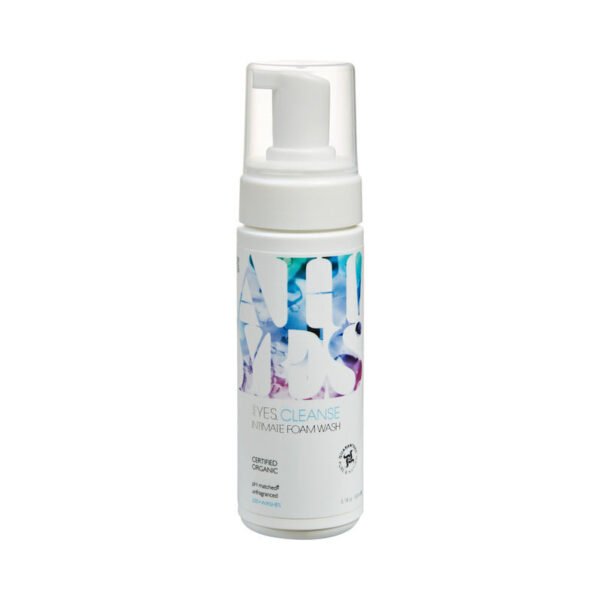
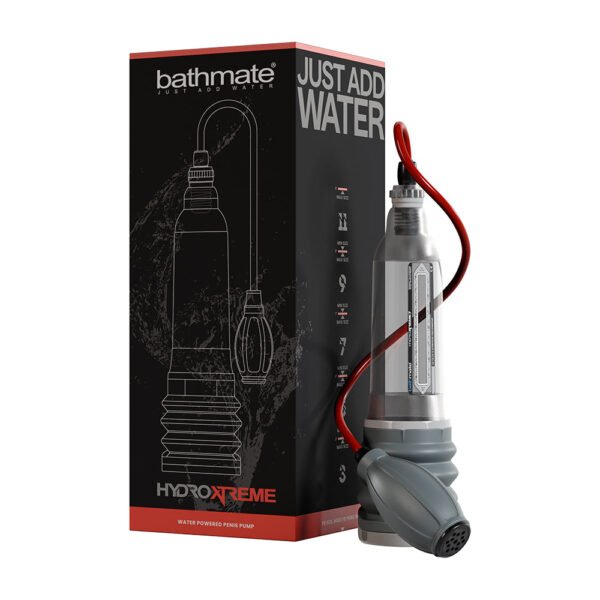
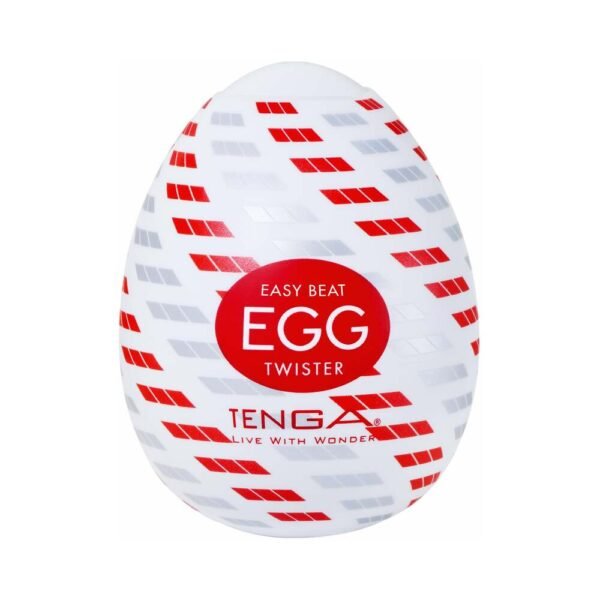
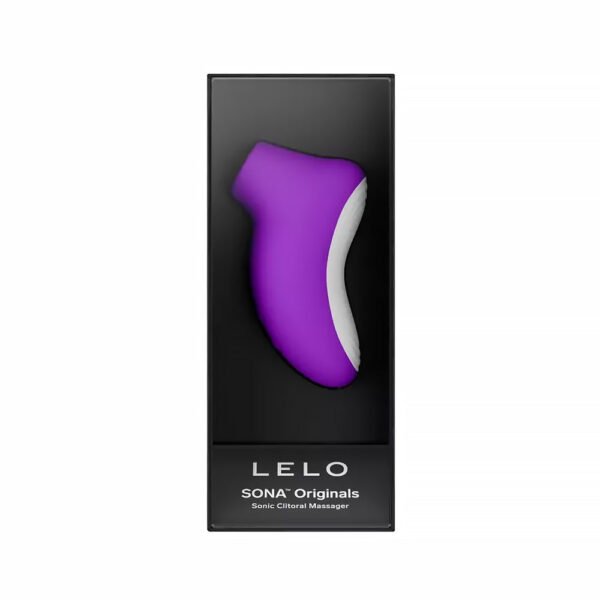

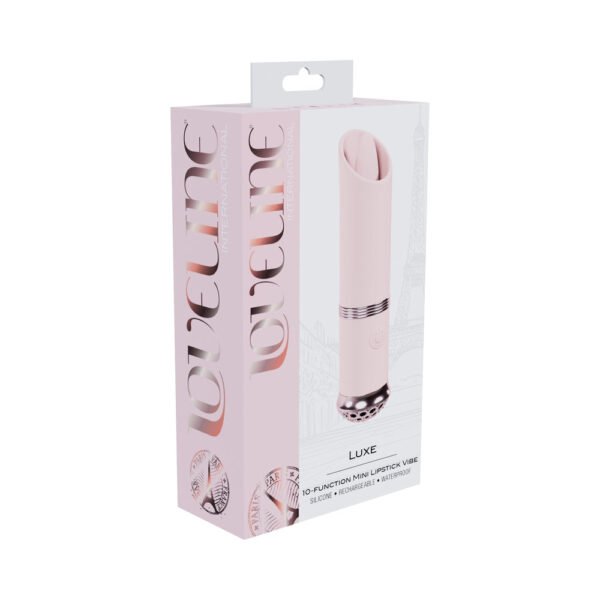
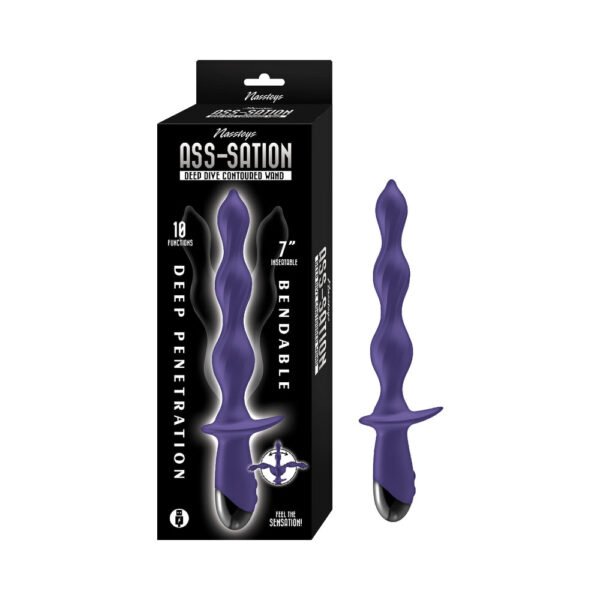




Platinum-cured silicone is silicone that has been cross-linked (cured) using a platinum catalyst. In this process, a platinum compound triggers a chemical reaction between vinyl- and hydrogen-functionalized siloxane chains, forming a dense, stable three-dimensional polymer network. The catalyst is consumed during the reaction, leaving no residual byproduct in the finished material. The result is a non-porous, chemically inert elastomer that does not leach plasticizers, contains no phthalates by formulation, and resists bacterial retention. Because the surface is sealed at a microscopic level, it can be fully sterilized between uses, not just surface-cleaned.
Most sex toys are sold with almost no meaningful material disclosure. “Body-safe” is unregulated marketing language; “medical-grade” can mean virtually anything a manufacturer decides it means. Platinum-cured silicone is one of the few terms in this space that actually corresponds to something specific and verifiable: a manufacturing process with measurable implications for safety, cleanability, and longevity. These properties are why platinum-cured silicone, borosilicate glass, and surgical stainless steel are the three most consistently cited body-safe materials.
How does platinum-cured silicone compare to tin-cured silicone?
The alternative, and historically the more common, method is tin catalysis. Tin-cured silicone uses an organotin compound to drive curing. The reaction is less complete: tin catalyst residues can remain in the finished material, and the resulting polymer network is less fully cross-linked. Over time, tin-cured silicone is more likely to degrade, develop a tacky surface texture, and leach residual tin compounds into contact with skin and mucous membranes. Platinum catalysis produces a more thorough cure, a more stable end product, and leaves no reactive residue behind. This is why manufacturers of medical devices, food-contact products, and higher-end intimate items specify platinum-cured silicone specifically, not silicone in general. The distinction matters because both are technically “silicone,” and labels rarely specify which.
Why the curing method affects cleanability
Porosity is the central hygiene variable for intimate products. Non-porous materials have sealed, closed-cell surfaces that do not absorb fluids; porous materials contain microscopic channels that trap bacteria, fungi, and viruses even after surface washing. Platinum-cured silicone is non-porous. That means:
- Boiling. A non-motorized platinum-cured silicone toy can be submerged in boiling water for 3–5 minutes, which kills surface pathogens.
- Dishwasher (top rack, no detergent). Heat and water pressure together achieve effective disinfection without degrading the material.
- 10% bleach solution soak. Appropriate for thorough disinfection before sharing between partners.
- Soap and warm water. Adequate for routine cleaning after solo use.
Peer-reviewed microbiology confirms that porous toy materials retain bacteria and biofilm that standard surface cleaning cannot dislodge, and that properly sanitized non-porous silicone performs markedly better. A barrier (condom) is still advisable when sharing, even with non-porous materials, because HPV DNA can persist on toy surfaces after cleaning, though retention is substantially lower on sealed surfaces.
The lubricant rule for silicone toys
One rule applies to every platinum-cured silicone product without exception: use water-based lubricant only. Silicone-based lubricants interact with silicone surfaces at a molecular level. The lubricant’s silicone polymers can penetrate and swell the toy’s polymer matrix, degrading texture, creating a sticky or tacky residue, and potentially compromising the surface integrity over time. This isn’t a minor cosmetic issue; surface degradation on an intimate product affects cleanability and longevity. Oil-based lubricants are similarly incompatible with silicone: they can degrade the surface and, separately, make barrier methods unreliable if a condom is being used alongside the toy. Water-based lubricant is the safe, universal choice for platinum-cured silicone.
How to spot a fake silicone claim
Because “silicone” is a popular marketing term, it gets applied loosely. A product labeled “silicone” or even “body-safe silicone” may be a silicone blend (typically silicone mixed with PVC or TPE), which behaves like a porous material regardless of the silicone content. Here are the practical signals that a platinum-cured silicone claim is real:
- The flame test. Pure silicone chars to a white or gray ash when briefly exposed to a lighter flame and self-extinguishes. Porous blends melt, drip, or leave a black residue. Use only on a small, inconspicuous area.
- Chemical smell. Platinum-cured silicone is nearly odorless out of the box. A chemical, rubbery, or sweet smell is a red flag for softeners or plasticizers.
- Sticky or oily surface texture. Genuine platinum-cured silicone feels smooth and slightly matte. A tacky or greasy surface suggests a blend or a poorly cured product.
- Price. Real medical-grade silicone costs more to manufacture. A toy priced suspiciously low and labeled “100% silicone” is worth scrutinizing.
- Brand transparency. Reputable manufacturers name their supplier, share material certifications, or explicitly state platinum-cured (not simply “silicone”).
The terms “body-safe,” “phthalate-free,” and “medical-grade” are unregulated in the US market and cannot be taken at face value without additional evidence.
How to store platinum-cured silicone toys
Store platinum-cured silicone toys away from other silicone products. When two silicone surfaces contact each other for extended periods, their polymer surfaces can bond or transfer texture, a phenomenon sometimes called silicone-on-silicone degradation. Use a breathable cloth pouch, a dedicated storage box, or the original packaging to keep pieces separated and dust-free. Airtight plastic bags are not ideal; they trap residual moisture. Clean and fully dry before storing.