


Article
Beginner Butt Plug Guide: What a Butt Plug Is, How It Works, and How to Use One Safely05/20/2026

Deals
Bestsellers
+39
Most-Loved Picks
Customer favorites for comfort, care, and everyday pleasure
Shop BestsellersSale · up to 40% off
+891
Soft Savings
Limited-time offers on body-safe essentials and feel-good favorites
View SaleSeasonal edit


+267
Seasonal Comfort Edit
Curated picks for holidays, date nights, gifting, and cozy nights in
Explore the EditFeatured
 Discreet Packaging
  Secure Checkout
  Body-Safe Materials
 Body jewelry covers a wide range of styles, and the right one depends on where you’re wearing it, whether you have a piercing, and what you want the piece to do. Here are the main types worth knowing.
Piercing jewelry is body jewelry designed to sit inside a healed or healing piercing, and it comes in several forms: curved and straight barbells, captive bead rings, seamless segment rings, clicker rings, and flat-back labret studs. The form factor matters because different piercings call for different shapes, and gauge size (commonly 14G, 16G, or 18G) needs to match what your piercer used. For new or sensitive piercings, material is the most important decision, with implant-grade titanium (ASTM F136) and implant-grade steel (ASTM F138) being the options professional piercers most consistently recommend.
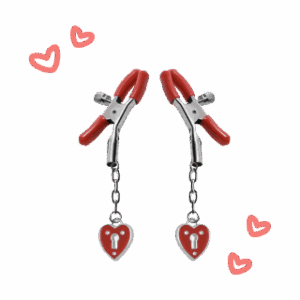
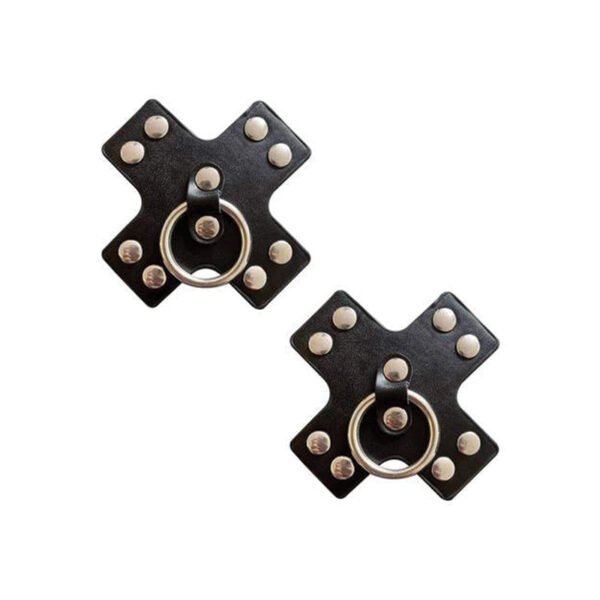
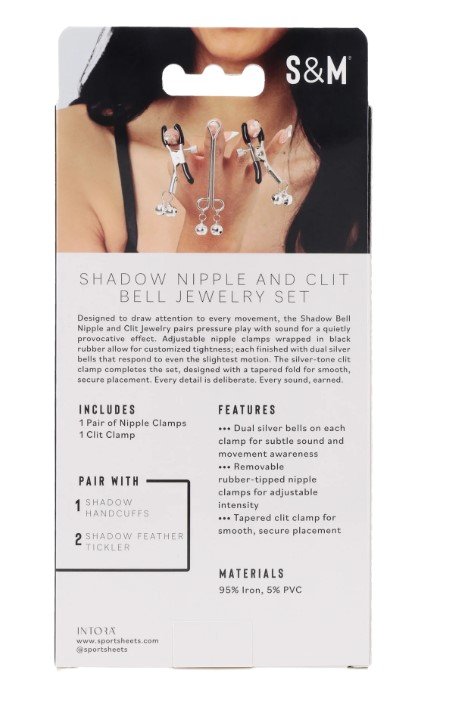
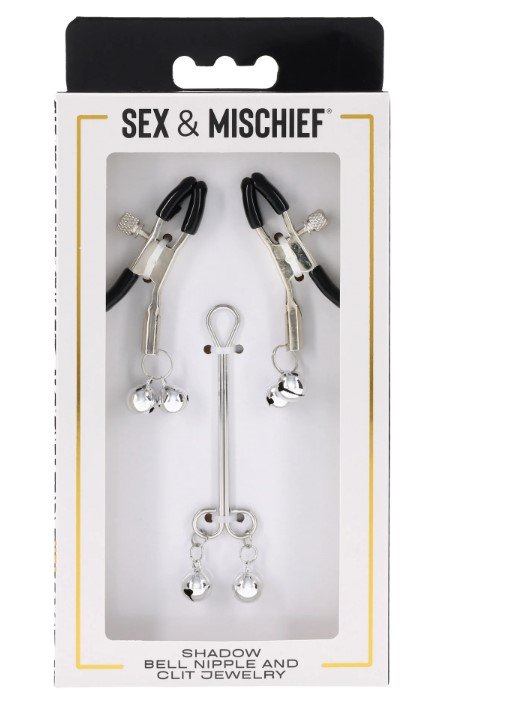
Nipple jewelry is body jewelry made specifically for nipple piercings, typically in the form of straight barbells, captive rings, or decorative nipple shields that frame the piercing with an ornamental outer layer. The shield style sits flat against the skin and adds visual detail without requiring a separate piercing. Non-piercing nipple clamps and adjustable sets also fall under this category for those who want the look without a permanent piercing.
Intimate piercing jewelry is body jewelry worn in genital piercings, including styles like curved barbells for VCH placements and circular barbells for other intimate sites. Fit and comfort matter more here than anywhere else, so curved or flexible PTFE (bioplast) shafts are often preferred for everyday wear. Because skin in these areas is more sensitive, body-safe, implant-grade materials are non-negotiable, especially during healing.
Body chains are non-piercing body jewelry worn draped across the torso, waist, or hips, held in place by the chain’s own weight and structure rather than any piercing. Belly chains sit low at the waist and pair naturally with crop tops, swimwear, or open-back styles, while full body chains layer across the chest and shoulders for a more dramatic effect. They require no commitment and are easy to put on and take off, which makes them a practical starting point for anyone new to body adornment.
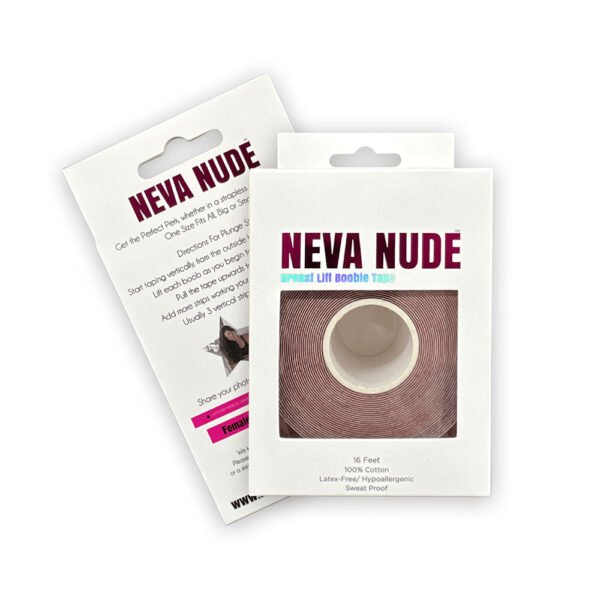
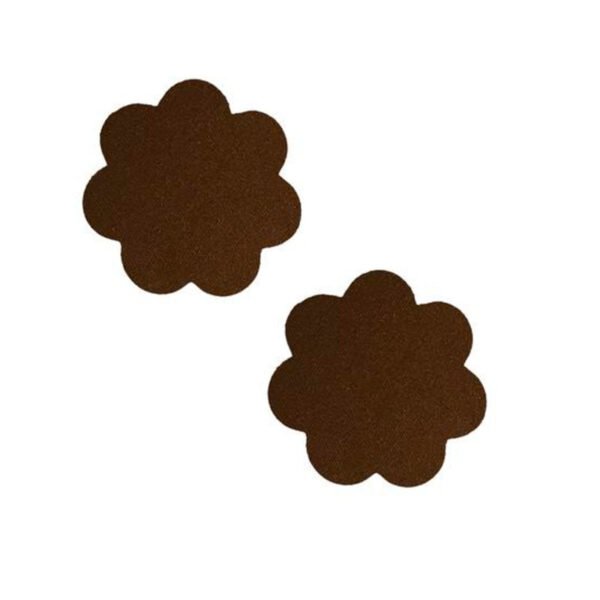
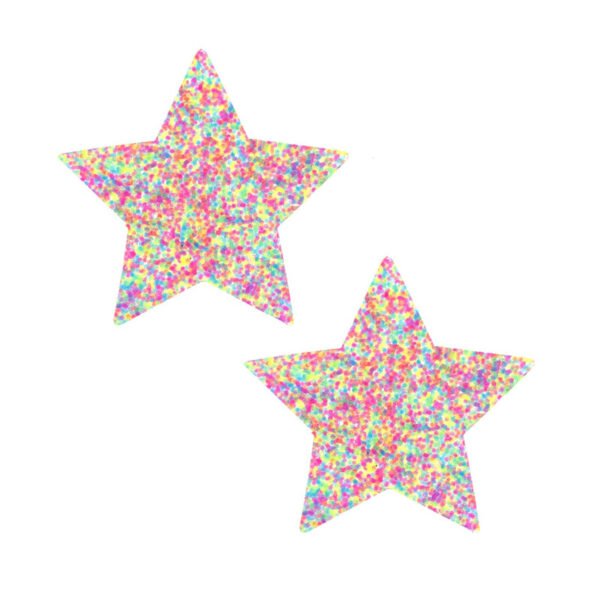
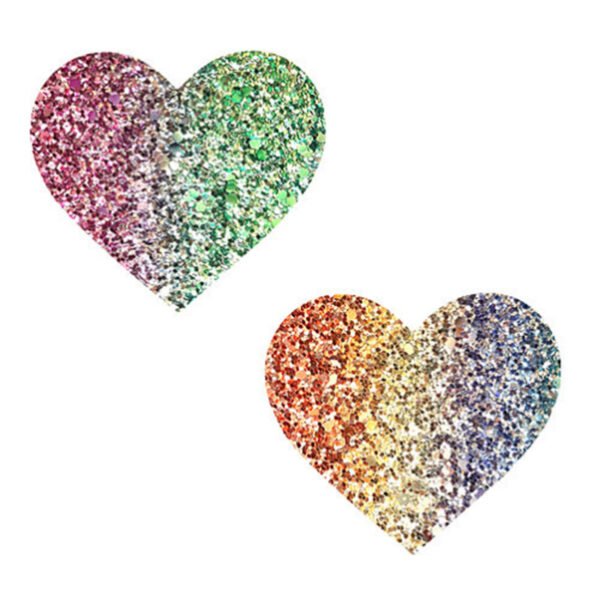
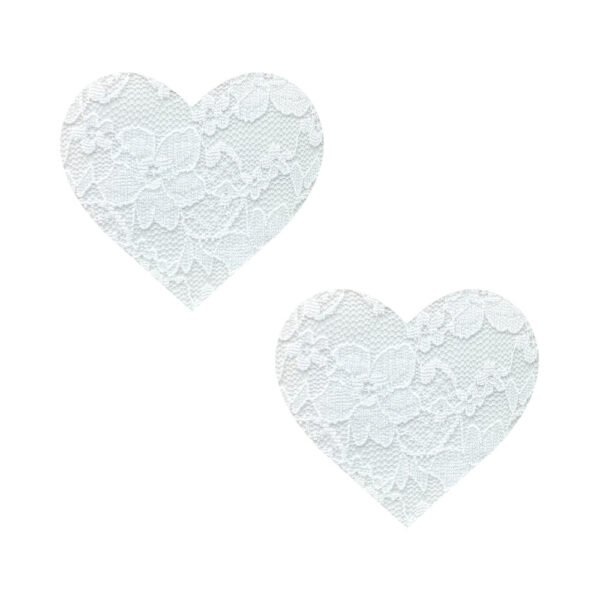
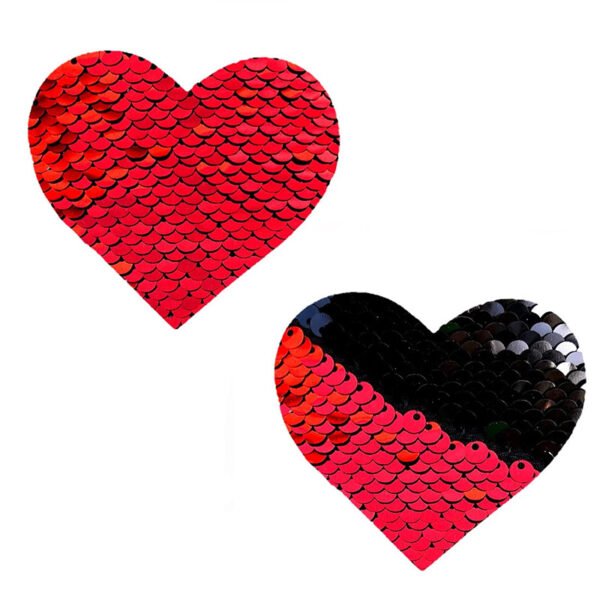
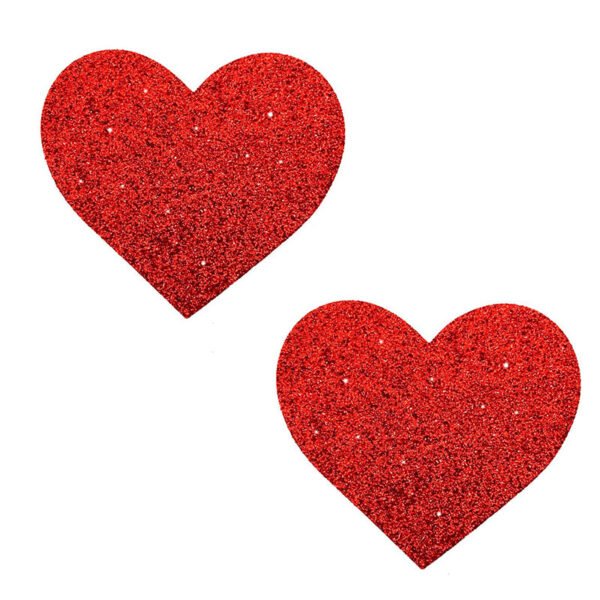
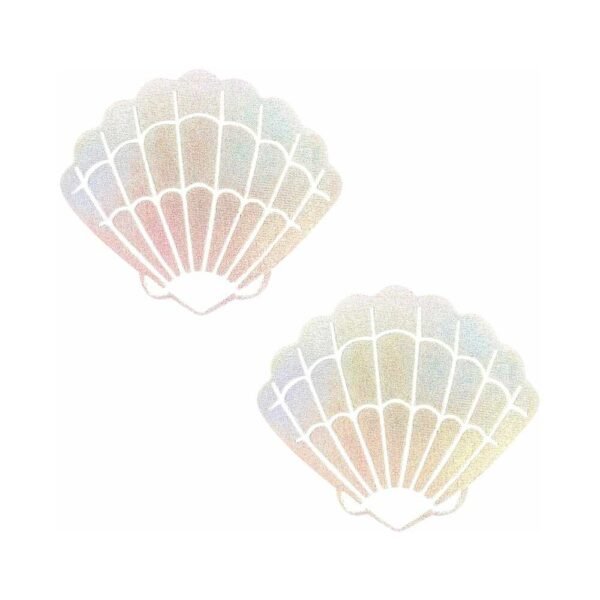
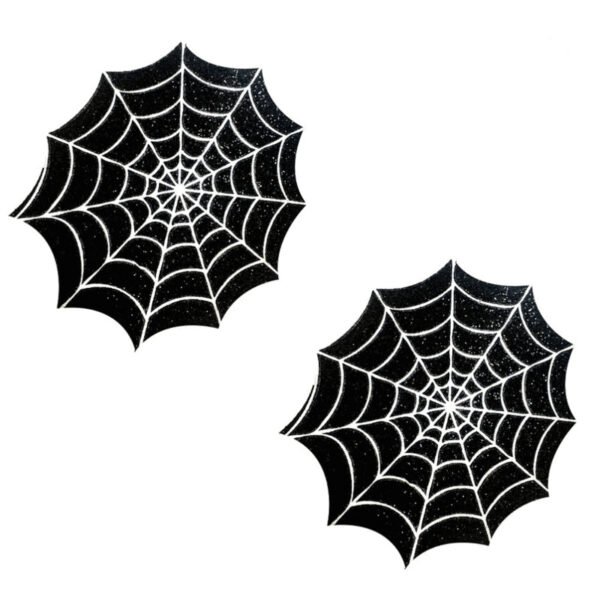
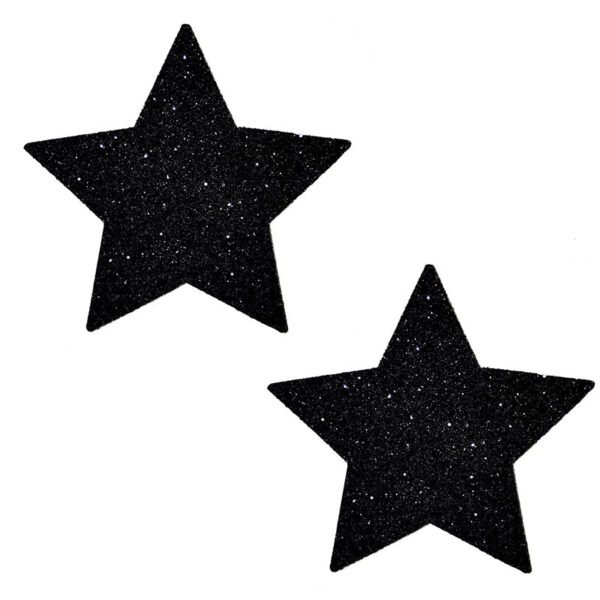
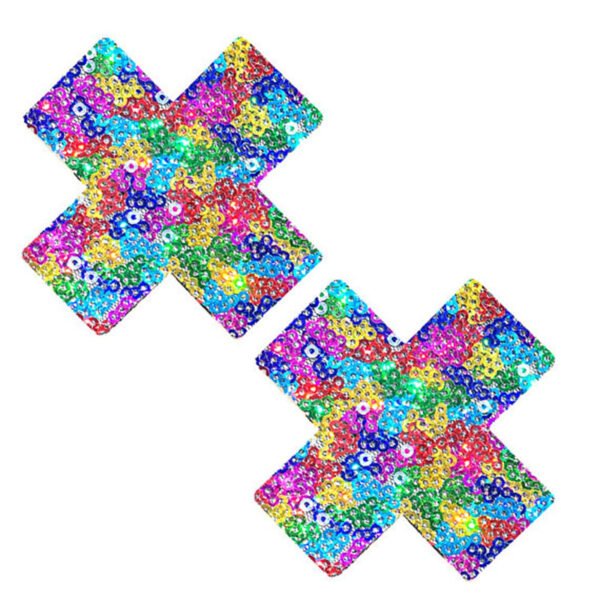
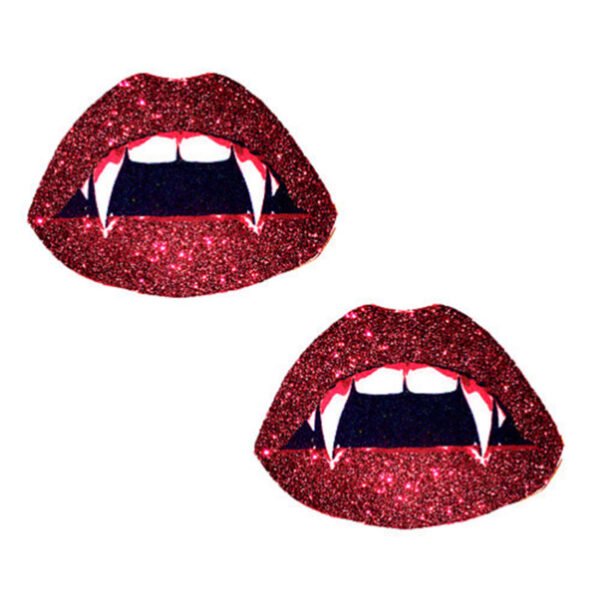
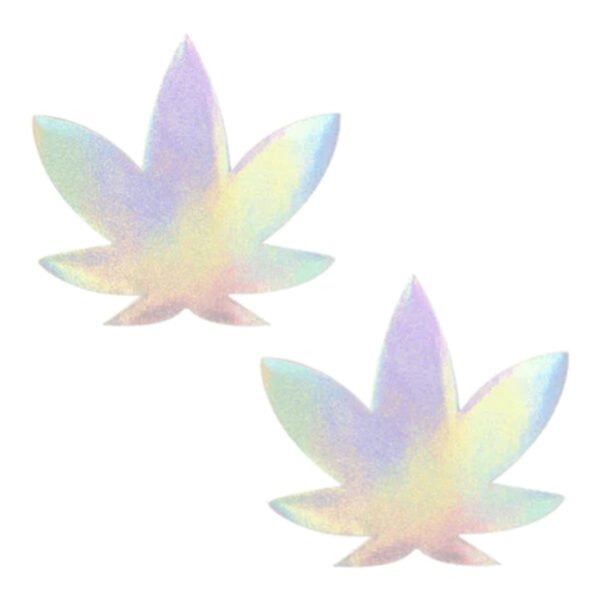
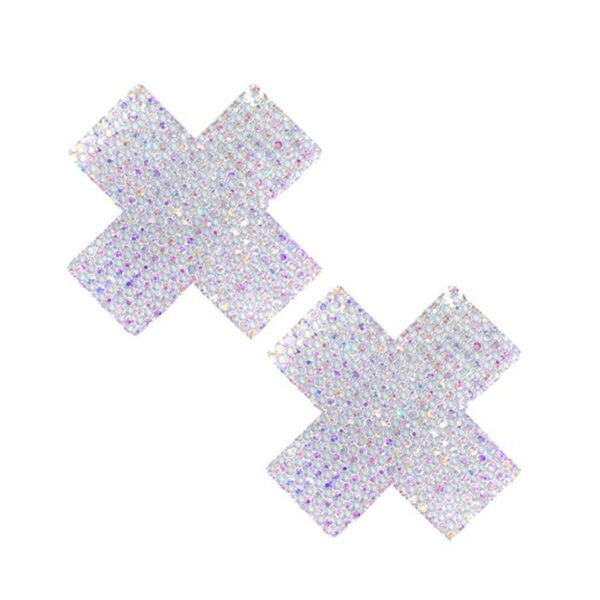
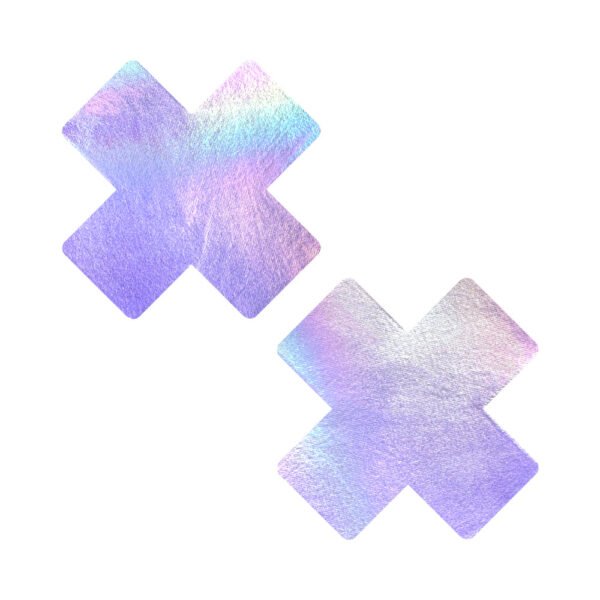
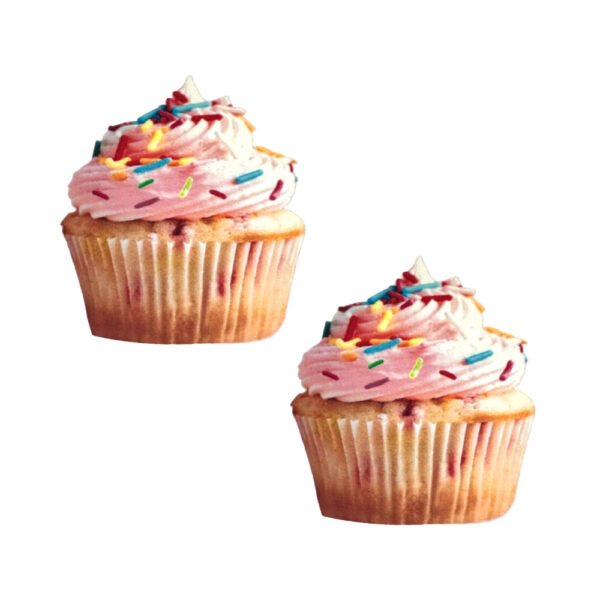
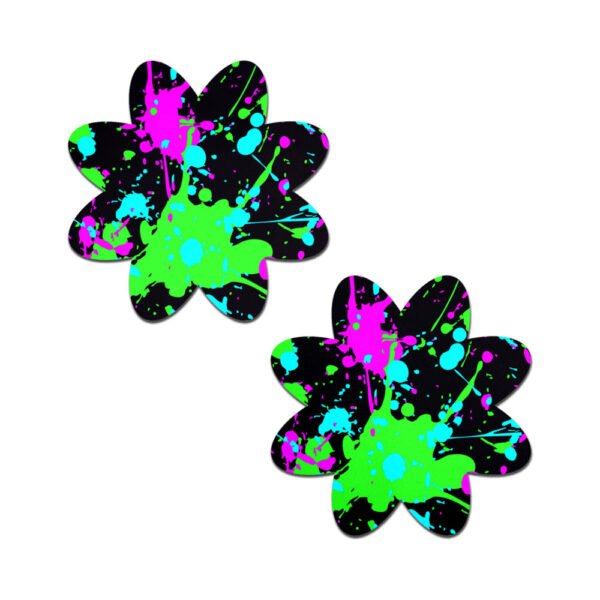
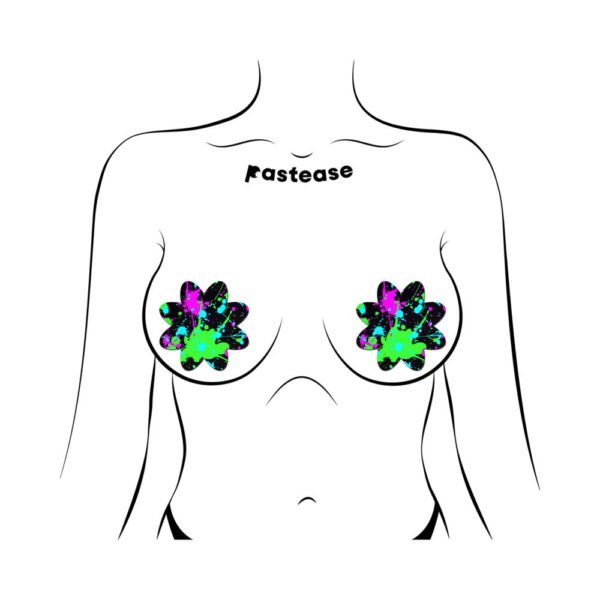
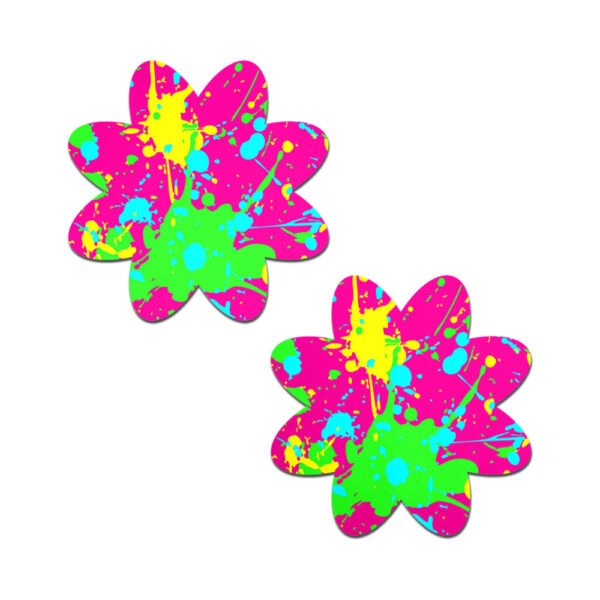
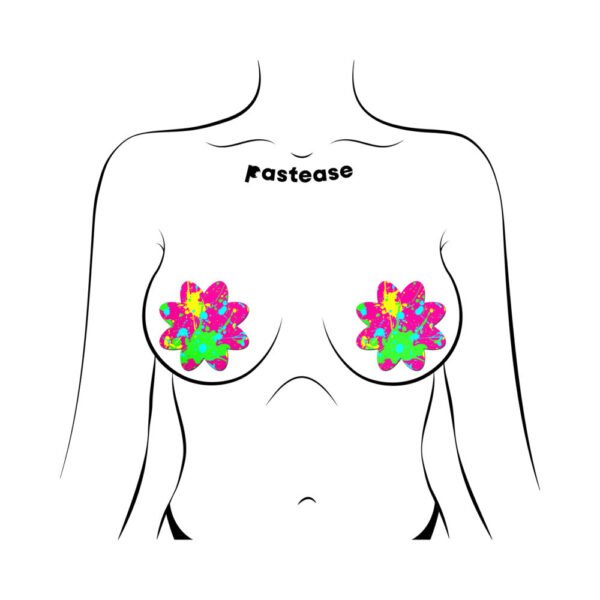
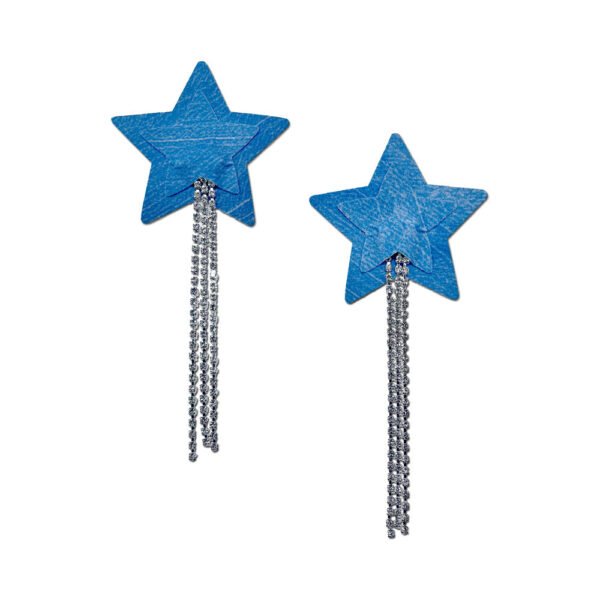
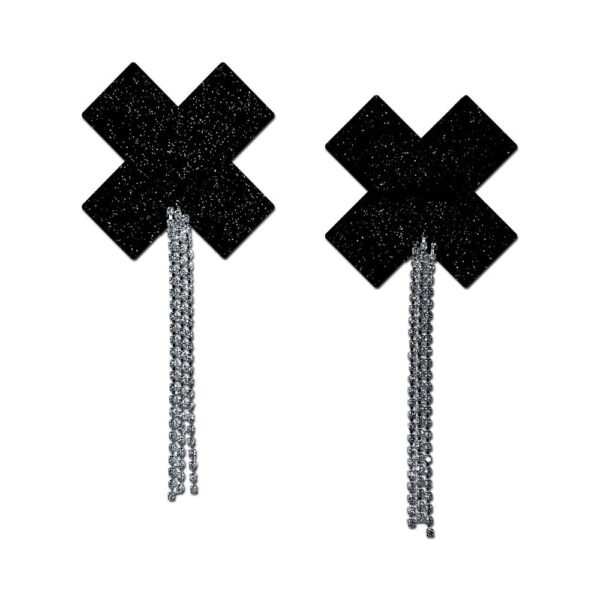
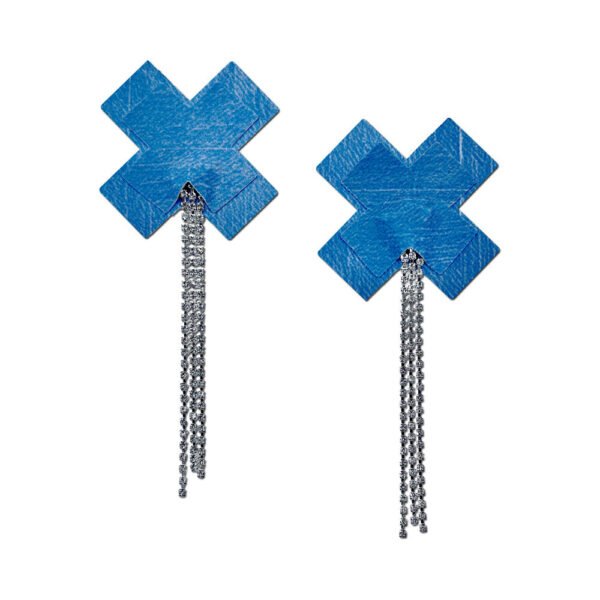
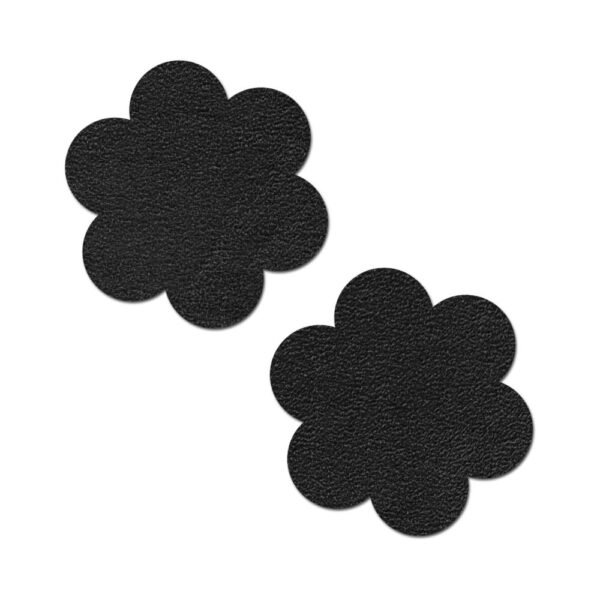
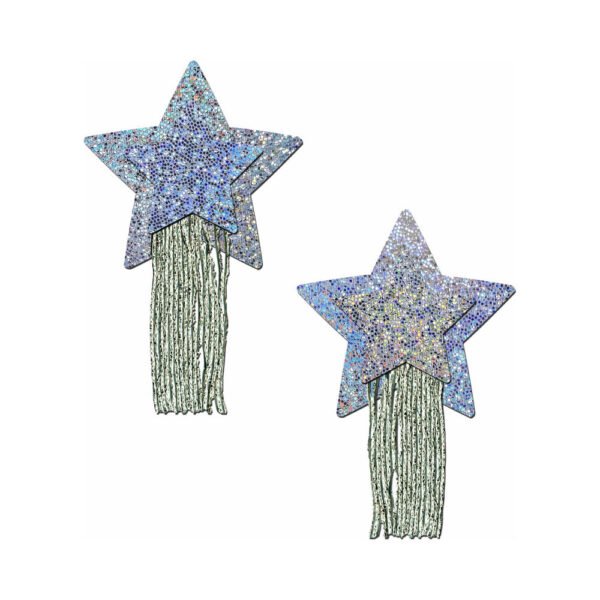
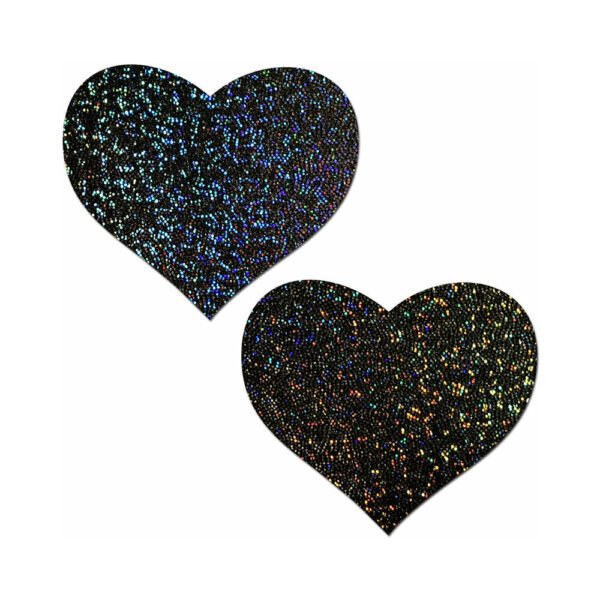
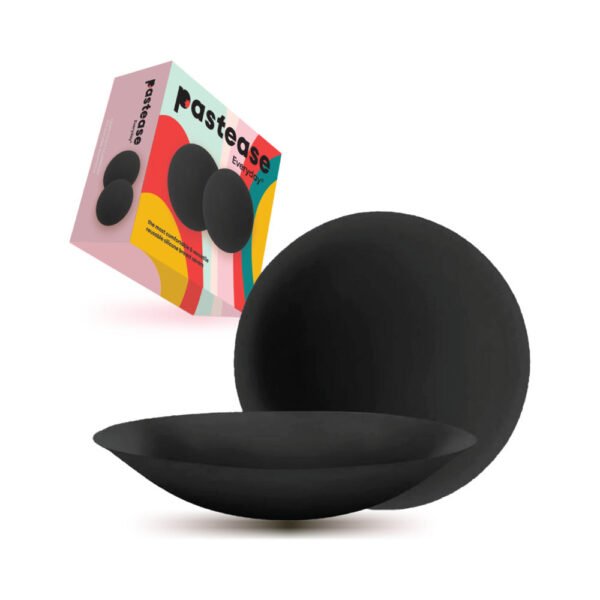
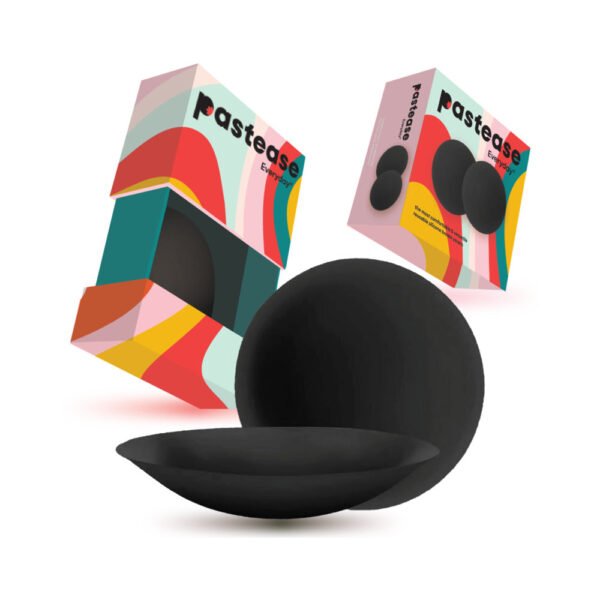
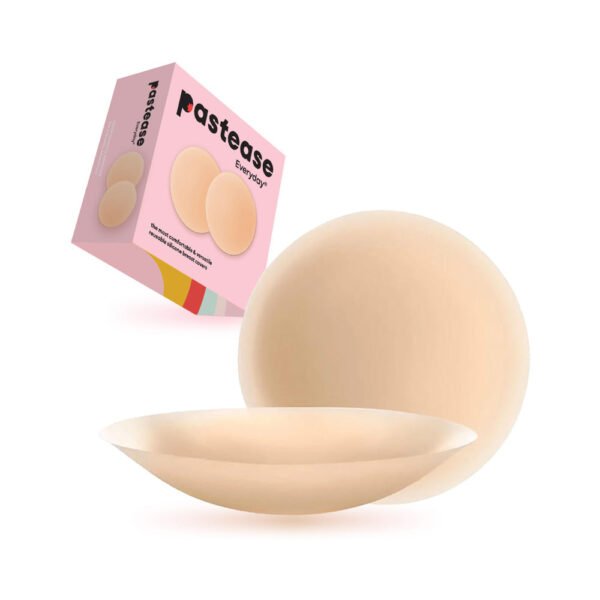
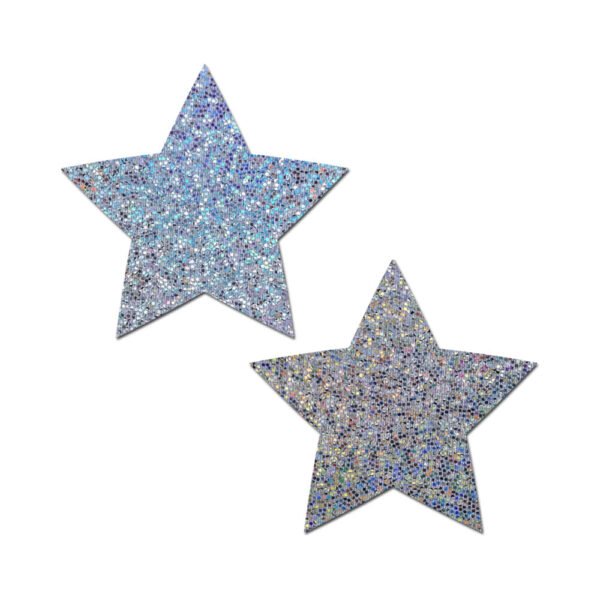
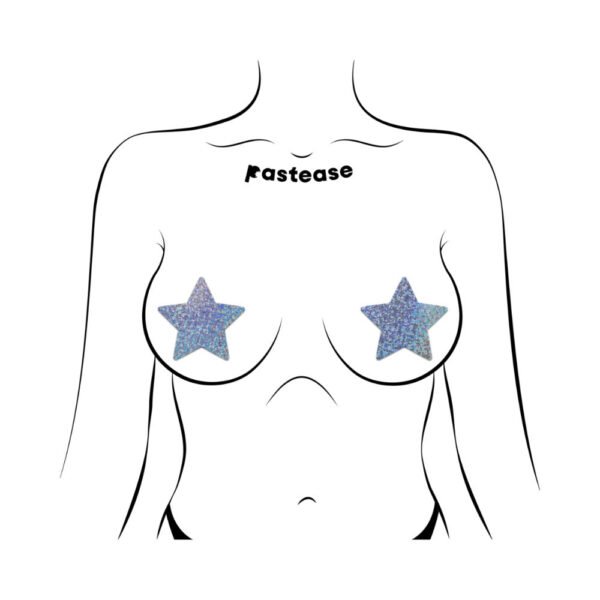
Adhesive body gems and pasties are non-piercing body jewelry that attach directly to skin using skin-safe adhesive, with no hardware required. Body gems typically feature individual rhinestones or crystal clusters applied in patterns across the collarbone, shoulder, or décolletage, while pasties provide nipple coverage in decorative shapes ranging from simple silicone rounds to rhinestone-fringed tassels. Both options work well for events, boudoir styling, or wearing under sheer clothing where a traditional bra or piercing jewelry would not suit the look.
The right piece comes down to four practical questions: where it’s going, whether you have a piercing, what your skin tolerates, and how you plan to wear it. Answer those and the rest falls into place quickly.
Material and closure type matter most for pierced jewelry; style and occasion drive everything else. Here is what to weigh before you buy.
Body jewelry at Claim Night covers a wide range of styles, from adhesive body gems and tassel pasties to intimate clamp sets, so there is something here for every reason to wear it.
Body jewelry works best when you take a moment to check fit and closure before wearing. For piercing jewelry, threadless push-fit pieces press together with a gentle forward click, while internally threaded ends screw in clockwise until snug but not forced. Hinged clicker rings open with a small sideways press and close with an audible snap. Non-piercing pieces, including body chains and waist chains, fasten with standard clasps or adjustable connectors and sit against the skin without any piercing required. For intimate or decorative pieces worn close to sensitive tissue, confirm the closure is fully secured before wear, and remove jewelry before sleep unless the piece is specifically designed for extended use.
Body jewelry made from implant-grade titanium, implant-grade surgical steel, solid gold, niobium, or borosilicate glass can be cleaned with warm water and a small amount of mild, fragrance-free soap, then rinsed thoroughly and patted dry with a clean lint-free cloth. Never leave jewelry sitting in moisture after cleaning, as even body-safe metals can develop surface buildup over time. PTFE and bioplast pieces clean the same way but should not be boiled or autoclaved. Sterling silver benefits from a dry polish after cleaning to slow tarnish. Store each piece separately in a soft pouch or a small lidded container to prevent scratching and tangling.
Body jewelry material matters most when a piercing is new, your skin runs sensitive, or you have a known nickel allergy. Implant-grade titanium (ASTM F136) is the most broadly recommended starting point because it is nickel-free, lightweight, and unlikely to cause a reaction even in freshly pierced tissue. Implant-grade steel (ASTM F138) is also widely trusted, though it contains a trace amount of nickel locked into the alloy; most healed piercings tolerate it well, but those with a true nickel allergy are better served by titanium or niobium.
Solid 14k or 18k gold is a good long-term option for healed piercings, as long as it is solid gold rather than gold-plated or gold-filled. Niobium sits close to titanium in biocompatibility and can be anodized for color without the same allergy concerns as steel. PTFE (sometimes called Bioplast) is a flexible option useful during pregnancy or in piercings that benefit from some give. Acrylic and fashion-grade mystery metals are the ones to avoid, especially in unhealed tissue, because they are harder to sterilize and more likely to cause irritation over time.
Body jewelry sizing uses three measurements that work together, and understanding all three saves you from ordering a piece that does not fit. Gauge refers to the thickness of the post or wire, and the numbering runs counterintuitively: a 14G barbell is thicker than a 20G one. Most navel and nipple piercings are pierced at 14G; nostril and cartilage piercings are commonly 16G or 18G; and very fine piercings may be 20G. Going thinner than your piercing was done at can cause the jewelry to migrate, while going thicker without stretching the piercing first will cause discomfort.
For rings and hoops, inner diameter is the measurement that determines fit, stated in millimeters. A ring with a smaller diameter sits closer to the body; a larger one has more visual presence and movement. For barbells, the shaft length in millimeters needs to match the depth of the piercing, with just enough room that the ends sit flush without pressing into the skin. To measure a piece you already own, use a soft measuring tape or a ruler against the post for length, and measure across the inside of the ring opening for diameter.
Cleaning body jewelry regularly protects both the piece and the skin around it. For most metal jewelry, a brief soak in sterile saline solution or a rinse with mild, fragrance-free soap and warm water is enough to remove buildup. Rinse thoroughly and dry with a clean, lint-free cloth before storing or wearing. Avoid alcohol, hydrogen peroxide, and harsh household cleaners, which can degrade certain materials, dull finishes, and in some cases compromise adhesive coatings on anodized pieces.
Threadless and internally threaded ends can be gently unscrewed or popped apart for a more thorough clean around the closure points. Body chains and non-piercing jewelry made from silver-tone metals benefit from occasional polishing with a soft cloth to prevent tarnish. Store pieces separately in a small pouch or box so they do not scratch each other. If a piece sits against skin for long periods, a quick rinse after each wear keeps both the jewelry and the piercing site in better condition over time.
It depends on the piece. Implant-grade titanium and solid gold hold up well in water and won’t corrode or discolor, making them reliable choices for swimming or beach days. Adhesive body gems and pasties are a different story: most use water-resistant adhesive, but prolonged submersion will shorten their hold, so they’re better suited to poolside wear than actual swimming. If you’re planning a full day in the water, piercing jewelry in a body-safe metal is the more practical option.
Some mild sensitivity after a jewelry change is common, especially if the piercing is still in the later stages of healing. Irritation that persists beyond a day or two, or that comes with swelling or discharge, is worth having a professional piercer look at rather than waiting it out. Switching to implant-grade titanium or niobium often resolves low-grade reactions caused by metal sensitivity rather than an actual infection. When in doubt, a piercer’s opinion costs nothing and saves a lot of guesswork.
Solid gold and implant-grade titanium pieces can last years with basic care, and the metal itself won’t degrade. What tends to wear first is the hardware: gem settings can loosen over time, threadless push-fit tops may lose tension, and small decorative elements like bells or tassels see more stress from movement. Adhesive body gems and pasties are single-use or limited-use by design, so longevity there is measured in hours rather than months. Checking closures and settings every few months is a straightforward habit that catches small issues before they become bigger ones.
Sets vary widely depending on the style. A nipple jewelry set usually includes a matched pair, sometimes with interchangeable decorative tops or a coordinating intimate piece. Adhesive gem sets often come with multiple sizes or shapes so you can mix placements. Some intimate clamp sets combine two or three pieces designed to be worn together, with coordinated finishes across all components. Product listings will spell out exactly what’s in the box, so it’s worth reading the description before assuming a set covers every placement you have in mind.
Flat-back studs and low-profile seamless rings sit close enough to the skin that they’re rarely visible under most fabrics. Larger decorative pieces, shields, or anything with dimensional detail will create some texture under a thin or fitted top. Adhesive pasties with a matte finish tend to disappear under sheer fabric better than glitter or rhinestone styles, which can catch light. If discretion under clothing matters to you, the product’s profile and finish are the two things to check first.
Every Claim Night order ships in plain, unmarked packaging with no indication of the contents on the outside. Your statement will show a neutral billing name rather than anything store-related. Privacy is built into every order by default, so there’s nothing to opt into or request separately. That applies to body jewelry the same as it does to everything else we carry.
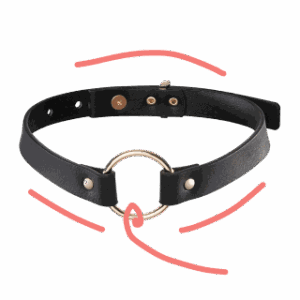
Body jewelry layers well when the metals match or intentionally contrast, and when the scale of each piece is considered. A delicate belly chain reads differently under a bodysuit than over bare skin, and adhesive gems can be scattered around existing piercing jewelry to extend a look without competing with it. Harness lingerie and body chains often work together naturally, with the chain sitting inside or alongside the harness straps. The main thing to avoid is overcrowding one area, which tends to read as busy rather than intentional.
Body jewelry is actually one of the more approachable categories for a first purchase because the commitment level varies so much. Adhesive options require no piercing and no permanent decision, which makes them a low-stakes starting point. Non-piercing clamp styles sit in the middle: easy to try, easy to remove, with no lasting change to your body. If you already have healed piercings, swapping to a higher-quality metal or a more decorative piece is a straightforward upgrade with an immediate payoff.

Helpful guides, product tips, and simple explanations to help you find what feels right.
No account yet?
Create an Account