



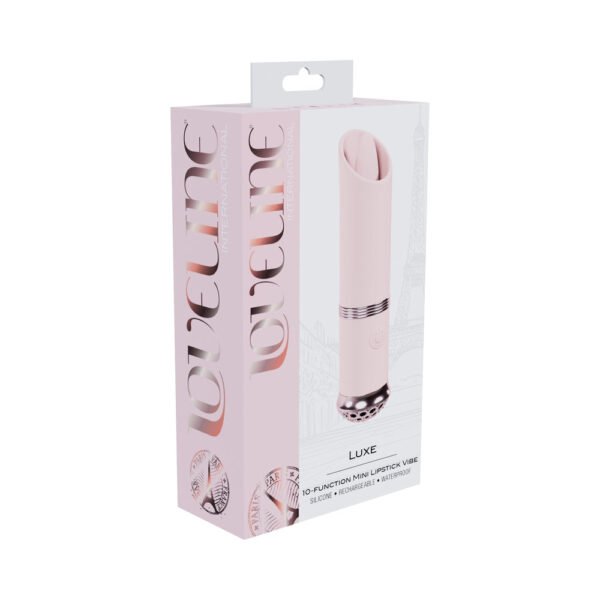
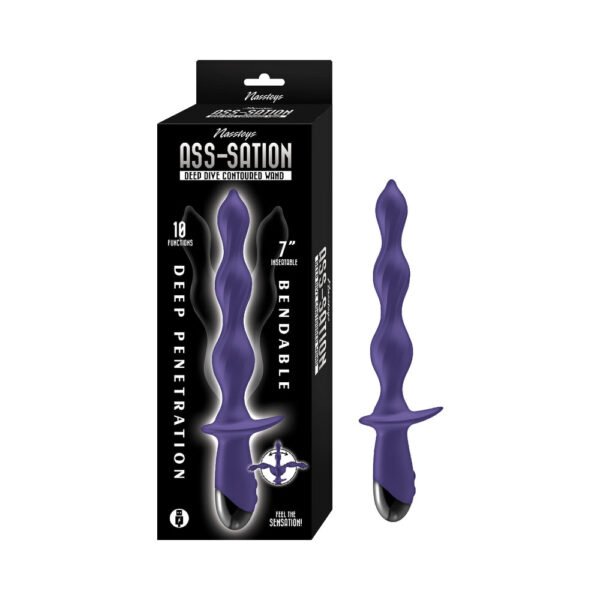




ABS plastic (acrylonitrile butadiene styrene) is a rigid, hard thermoplastic used to make the firm parts of many intimate products: vibrator shells, bullet casings, wand handles, and smooth insertable toys. In plain terms, it is the same family of durable plastic used in things like LEGO bricks and helmet shells, chosen for intimate products because it is hard, holds a smooth polished surface, and does not flex. When it is phthalate-free, ABS is considered a body-safe intimate-product material because it is nonporous and chemically inert. That combination, hardness plus a sealed surface, is why you see it so often on the parts of a toy that need structure rather than softness.
Why is ABS plastic considered body-safe?
The safety of ABS comes down to one property that matters more than almost anything else in an intimate material: it is nonporous. Nonporous materials have sealed surfaces that resist bacterial retention and chemical leaching, while porous materials trap bacteria in microscopic channels that ordinary washing cannot reach. Because ABS has no such channels, it cleans thoroughly, does not absorb fluids, and does not slowly release chemistry into your body during use.
Two conditions matter for that safety to hold:
- Phthalate-free formulation. ABS itself is inert, but some cheap plastics are softened with phthalate plasticizers. Body-safe ABS toys are made without them, which is what keeps the material chemically stable.
- Intact, undamaged surface. The sealed finish is what does the work. A cracked or deeply scratched ABS surface can create the same kind of crevices that make porous materials harder to keep hygienic, so a damaged piece should be retired.
How ABS plastic compares to silicone, glass, and steel
ABS sits among the other genuinely nonporous, body-safe materials. All four resist bacteria and clean well; the practical differences are firmness, temperature behavior, and how they are cleaned.
| Material | Feel | Temperature | Cleaning |
|---|---|---|---|
| ABS plastic | Hard, rigid, smooth | Stays near room temperature | Warm water and mild soap; not boilable (heat can warp it) |
| Glass (borosilicate) | Hard, very smooth | Holds warm or cool temperatures well | Washable; often boilable if solid |
| Stainless steel | Hard, weighty | Strong temperature play | Washable; boilable |
| Medical-grade silicone | Soft, flexible | Warms to body temperature | Washable; often boilable if non-motorized |
The main thing to know: ABS gives you a hard, smooth, budget-friendly nonporous option, but it usually cannot be boiled because heat can deform it, so it is cleaned rather than heat-sterilized.
How to tell body-safe ABS from a vague plastic label
Not every toy labeled simply as “plastic” is body-safe, so the label wording is worth reading carefully.
- Look for “ABS” plus “phthalate-free.” A specific named material with a phthalate-free claim is a much stronger signal than a generic “plastic.”
- Be cautious with soft, squishy, or strong-smelling plastic. ABS is hard and effectively odorless; a rubbery, chemical-smelling material is more likely a porous, plasticized blend rather than true ABS.
- Check for a safety-standard reference. ISO 3533:2021 is the first international safety standard for manufactured sex toys, covering material biocompatibility, mechanical and electrical safety, and labeling, though it does not set fixed numeric chemical limits. A brand that references it is at least engaging with formal safety expectations.