








Sexual arousal is the physiological and psychological state of readiness for sexual activity. In the body, it involves increased blood flow to the genitals, vaginal lubrication, penile or clitoral erection, heightened skin sensitivity, and elevated heart rate. In the mind, it involves attention shifting toward sexual stimuli, a rise in desire to engage, and a lowering of the threshold for pleasure. Both dimensions happen together, but they are not always perfectly in sync, more on that below.
Arousal is the on-ramp, not the destination. Understanding it is practical: knowing what triggers it, what blunts it, and how products can support it helps you make better choices about toys, lubricants, and play.
Why genital response and mental arousal don’t always match
One of the most useful and under-discussed concepts in sexual health is arousal non-concordance: the fact that genital response (lubrication, engorgement) and subjective, felt arousal do not always correspond. Research by sex educator and scientist Emily Nagoski, drawing on work published in the Archives of Sexual Behavior, shows that in women the correlation between genital blood flow and reported desire is relatively low, around 10% to 50% depending on the study. In men it runs higher, but it is still not 100%.
What this means practically:
- Lubrication is not consent. The body can respond to stimulation mechanically without any felt desire present.
- Dryness is not disinterest. Felt arousal can be high while genital response lags, due to stress, hormonal state, or medication side effects.
- Using lubricant makes sense regardless of how wet you feel. It closes the gap between what the body has produced and what comfortable penetration or toy use actually requires.
This distinction is not just academic. It is the reason arousal gels and creams exist as a category: they provide topical sensation input, usually warming or cooling via menthol or peppermint oil, that gives the body a local signal to respond to, which can help mental and physical arousal catch up to each other.
What affects arousal
Arousal is not a switch. It is a system shaped by multiple factors running at once. Research from a biopsychosocial framework (published in PMC via the Journal of Sexual Medicine) consistently points to the same clusters:
- Physical state. Cardiovascular health, hormone levels (estrogen, testosterone), hydration, fatigue, and medications (especially SSRIs, which are associated with arousal and lubrication difficulties in a substantial proportion of users) all affect baseline physiological responsiveness.
- Psychological state. Anxiety is one of the strongest inhibitors of arousal. Body-esteem, sexual self-efficacy, and the ability to stay mentally present during sex consistently predict arousal quality and satisfaction in research on women’s sexual function.
- Context and relationship. Emotional closeness, perceived safety, and novelty all influence the arousal threshold. Desire discrepancy between partners, one person wanting more or less than the other, is one of the most common factors that flattens arousal over time in long-term relationships.
How toys and products interact with arousal
Products do not create arousal from nothing. They lower the input threshold, add physical stimulation, or address a physical barrier (like insufficient lubrication) that is getting in the way.
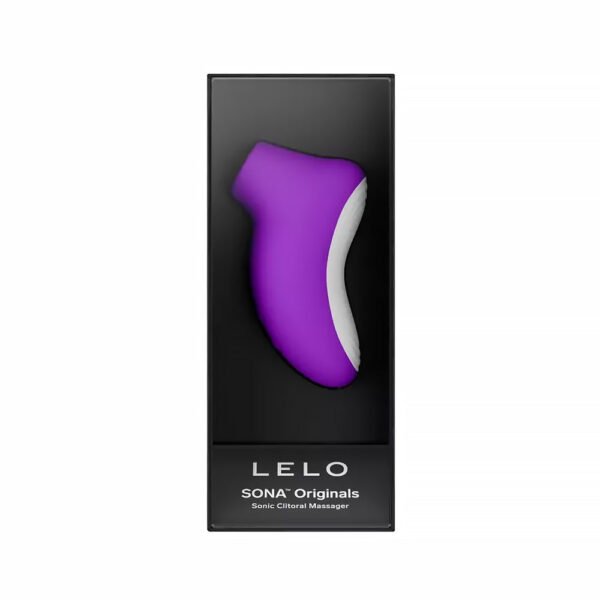
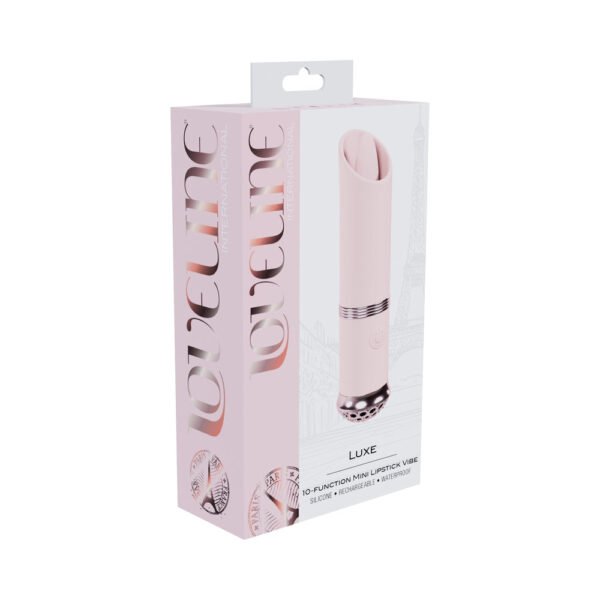
Vibrators provide direct mechanical stimulation that many bodies respond to faster and more reliably than manual touch alone, because vibration bypasses fine motor precision and delivers consistent pressure. Clitoral vibrators and clitoral stimulators are the most research-adjacent category here: clitoral stimulation is the primary arousal pathway to orgasm for most people with vulvas, according to data from the Kinsey Institute and Debby Herbenick’s large-scale survey research.
Arousal gels and creams work topically. The active mechanism is usually menthol or peppermint oil creating a cooling or warming sensation that increases local blood flow and skin sensitivity. They do not affect desire at a hormonal or neurological level; they add a physical signal the body can respond to. Patch testing before use is worth doing, particularly for anyone with sensitive skin or mucosal tissue.
Lubricants matter for arousal indirectly: friction that becomes uncomfortable is one of the fastest ways to interrupt arousal. Water-based lubes are compatible with all toy materials and condoms. Silicone-based lubes last longer and are a better choice for activities where reapplication is inconvenient, though they are not safe with silicone toys.
Couples toys introduce shared stimulation or hands-free options that free attention from logistics. Sex toys for couples and couples vibrators can be useful specifically because they reduce the coordination burden during partnered sex, leaving both people more present.