


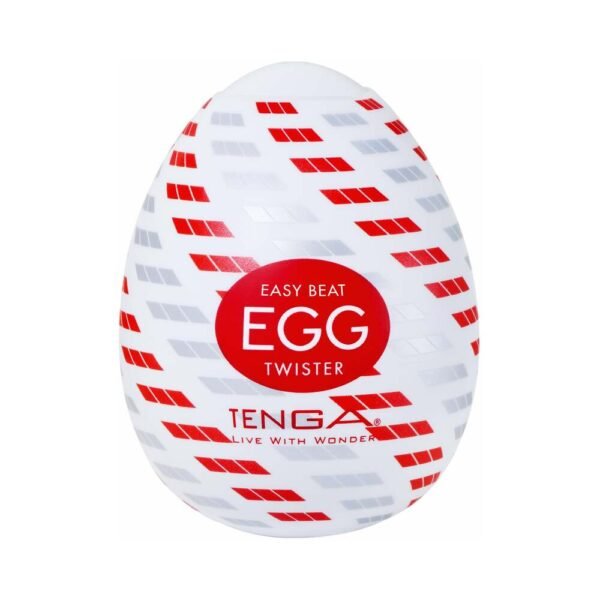

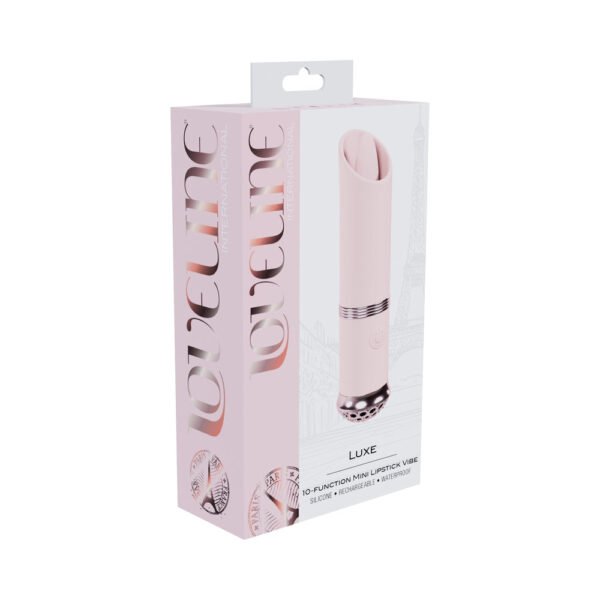
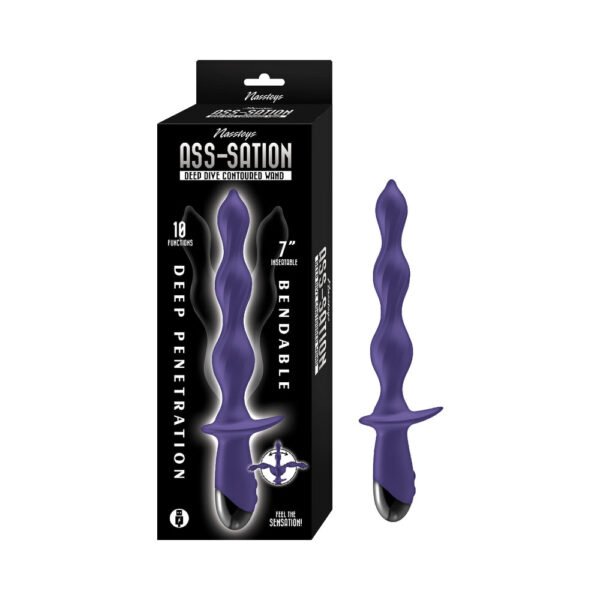




TPE (thermoplastic elastomer) and TPR (thermoplastic rubber) are soft, flexible polymer blends used in a wide range of sex toys: strokers, realistic dildos, realistic vibrators, butt plugs, and cock rings. They are cheap to manufacture, easy to mold into skin-like textures, and they stretch, which is why so many “realistic-feel” and budget products are made from them. The problem is structural: both are porous materials, meaning their surfaces contain microscopic open channels that absorb fluid, trap bacteria, and cannot be fully sterilized no matter how carefully you clean them.
Why porosity is the core issue with TPE and TPR
Non-porous materials (medical-grade silicone, borosilicate glass, surgical stainless steel, ABS plastic) have sealed, closed-cell surfaces. TPE and TPR do not. Their open pore structure means that bacteria, fungi, and viruses work their way below the surface during use, where soap and water cannot reach them. A toy that looks clean may not be.
This matters more in some contexts than others:
- Shared use. Porous toys cannot be reliably sanitized between partners, which makes sharing a genuine transmission risk for bacterial infections and STIs.
- Anal use. Anal tissue is delicate and the bacterial load is high. A porous material toy used anally is particularly difficult to keep clean.
- Solo use, single partner. The risk is lower, but biofilm still accumulates over time and the material itself degrades.
Sexual health educators and materials researchers consistently classify TPE and TPR alongside jelly rubber and PVC in the porous-material category, contrasted with the four generally accepted body-safe materials: medical-grade silicone, borosilicate glass, surgical stainless steel, and ABS plastic.
Chemical leaching and material degradation
TPE and TPR products are often plasticized, meaning chemical additives are mixed in to achieve softness and flexibility. Because these additives are not chemically bonded to the base polymer, they can leach out over time, particularly with heat, oil-based lubricants, and repeated use. Testing of porous adult novelty products has detected phthalates (including DEHP and DINP) and other plasticizers in some formulations.
Two additional practical signs of degradation:
- A chemical or “new shower curtain” smell. Particularly strong on first use and in a warm room. This is the material off-gassing volatile compounds.
- Tackiness or stickiness over time. As plasticizers migrate out of the material, the surface becomes sticky and the toy should be discarded.
Because sex toys in many markets are sold as “novelty” items, they largely sidestep the pre-market safety testing that applies to medical or food-contact materials. ISO 3533:2021, the first international standard specifically addressing intimate products, exists, but adoption is voluntary and inconsistent. This means material claims on packaging are not independently verified for most products.
How to use TPE/TPR toys more safely, if you choose to keep them
Not everyone needs or wants to replace their current toys immediately. If you have TPE or TPR items and want to reduce risk:
- Use a condom over the toy. This is the single most effective step. A condom creates a non-porous barrier and eliminates direct contact between the porous surface and mucous membranes. Use a new condom each time.
- Keep them single-user only. Do not share porous toys between partners even with cleaning.
- Wash with mild, fragrance-free soap and warm water after every use. It will not sterilize the toy, but surface cleaning still matters.
- Dry fully before storage. Moisture trapped against a porous surface accelerates bacterial growth and material breakdown.
- Replace when the texture changes. Stickiness, crumbling, or an intensifying chemical smell means the material is degrading. Discard the toy.
- Use water-based lubricant only. Oil-based lubricants accelerate plasticizer leaching in TPE/TPR materials. Silicone-based lubricants can also degrade the surface.
Non-porous alternatives worth knowing
If you want to move away from porous materials entirely, the practical alternatives are:
- Medical-grade (platinum-cured) silicone. Non-porous, phthalate-free, soft and flexible, available in a wide range of firmness levels. The most direct functional substitute for TPE/TPR in insertable toys. Look for explicit “platinum-cured” or “medical-grade” labeling, since some products labeled “silicone” contain TPE blends.
- Borosilicate glass. Fully non-porous, chemically inert, sterilizable by boiling. Harder and less flexible than TPE, but compatible with any lubricant and essentially impossible to degrade through normal use.
- Surgical stainless steel. Same profile as glass: non-porous, sterilizable, compatible with any lubricant, long-lasting. Heavier than other materials, which some people find desirable for sensation.
- ABS plastic. Non-porous and chemically stable. Common in vibrator housings and hard insertable toys; not flexible like TPE, but body-safe and easy to clean.