


Article
Beginner Butt Plug Guide: What a Butt Plug Is, How It Works, and How to Use One Safely04/04/2026

Deals
Bestsellers
+38
Most-Loved Picks
Customer favorites for comfort, care, and everyday pleasure
Shop BestsellersSale · up to 40% off

+880
Soft Savings
Limited-time offers on body-safe essentials and feel-good favorites
View SaleSeasonal edit


+265
Seasonal Comfort Edit
Curated picks for holidays, date nights, gifting, and cozy nights in
Explore the EditFeatured
 Discreet Packaging
  Secure Checkout
  Body-Safe Materials
 Lubricated condoms come with a factory-applied coating already on the surface, so the barrier and the glide arrive together. What separates one option from another is the lube type and the condom material: latex styles work with water-based or silicone-based formulas only, while polyisoprene and polyurethane options suit anyone with a latex sensitivity and carry the same compatibility rules.
The second thing worth checking is whether the coating contains glycerin, spermicide, or nonoxynol-9. Those additives cause irritation for some people, and spermicidal coatings are not recommended for anal use.
Lubricated condoms come in several distinct types, and the right one depends on material, fit, lube volume, and how your body responds. Here is a straightforward look at the main options.
Standard lubricated latex condoms are the most widely available type, made from natural rubber latex with a factory-applied silicone-smooth coating. They suit most people well for everyday vaginal or partnered use. If you have a latex sensitivity, this is the type to skip in favor of a non-latex alternative.
Extra lubricated condoms carry a heavier coating than a standard pre-lubricated condom, which makes them a practical choice for longer sessions, for anyone who experiences dryness, or for anal use where the body produces no natural lubrication. They are available in both latex and non-latex materials. Adding a compatible personal lubricant on top is still an option if you want even more glide.
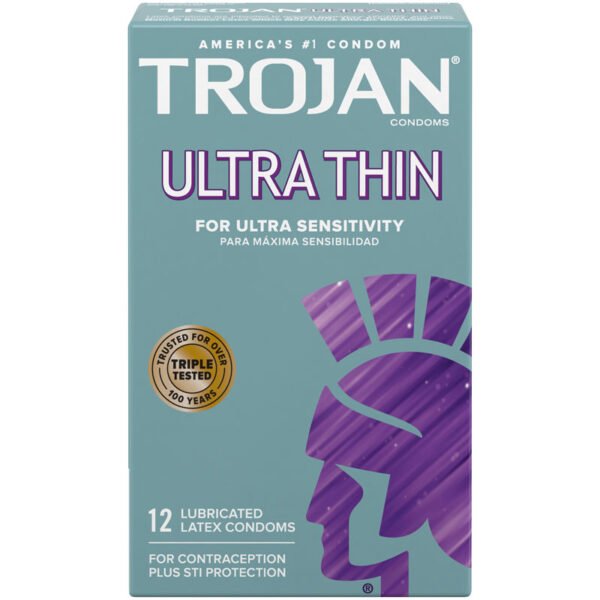
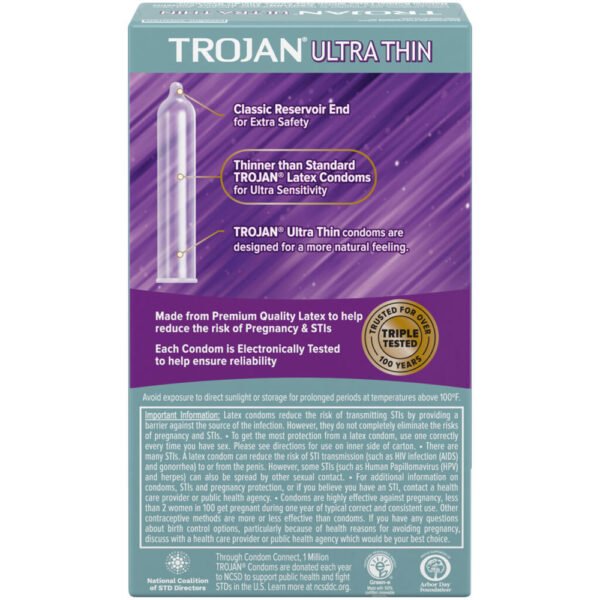
Ultra-thin lubricated condoms are latex condoms built with a thinner wall than standard styles, designed for people who find the barrier reduces sensation noticeably. The pre-applied coating helps compensate for any added friction that a thinner wall might otherwise create. They still meet the same safety standards as regular lubricated latex condoms.
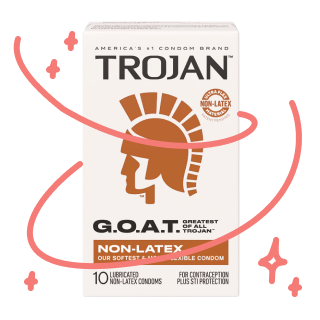
Non-latex lubricated condoms are made from polyisoprene or polyurethane rather than natural rubber, making them the right fit for anyone with a latex allergy or sensitivity. Polyisoprene options tend to feel softer and more flexible, while polyurethane styles are thinner and suit people who are sensitive to both latex and polyisoprene. Both materials are compatible with water-based and silicone-based lubricants, the same rule that applies to latex.
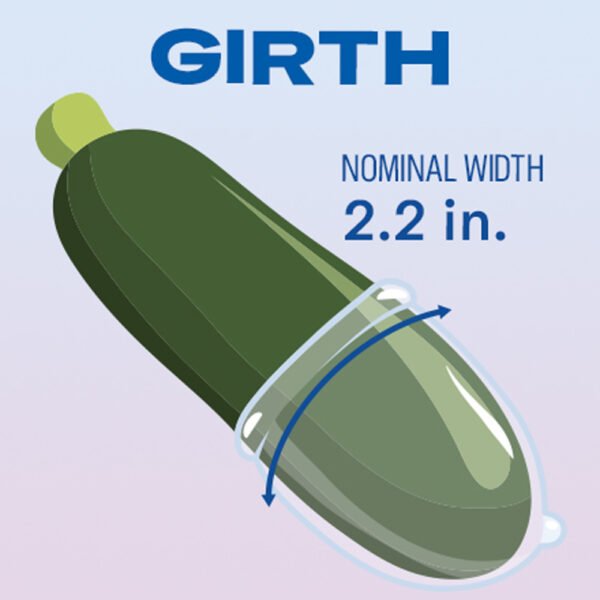
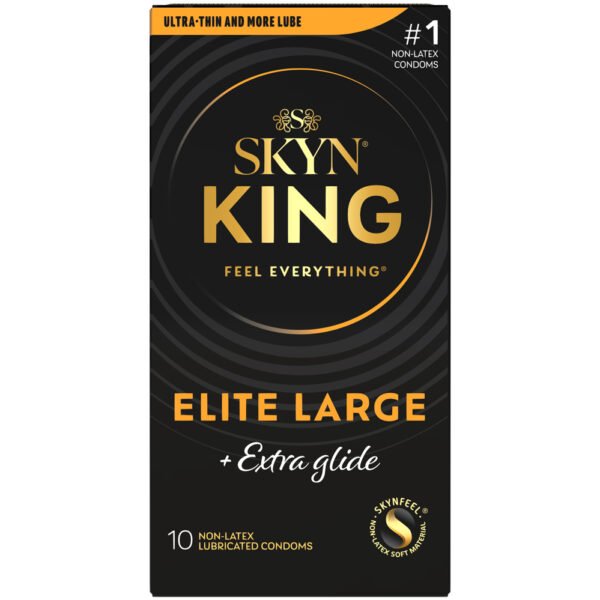
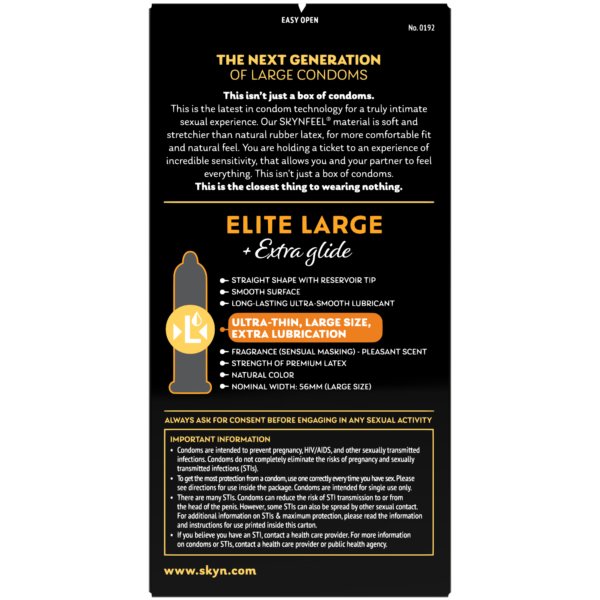
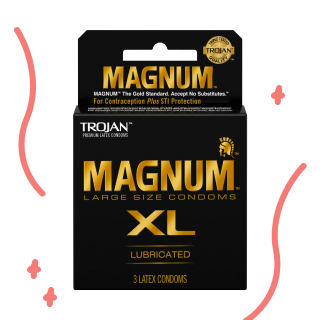
Large-fit lubricated condoms are sized wider and longer than standard condoms, with a tapered base that keeps them in place during use. A condom that fits well is less likely to slip or break, so sizing matters as much as lube type. These come in both standard and extra-lubricated versions, and in latex and non-latex materials.
Some lubricated condoms are formulated without glycerin, nonoxynol-9, or added spermicide, which makes them a gentler option for people with sensitive or reactive skin. Spermicidal coatings in particular can disrupt vaginal flora and are not suitable for anal use, so a spermicide-free style is the cleaner default for most people. Checking the coating ingredients is a small step that can prevent a lot of unnecessary irritation.
Water-based lubricated condoms use a water-based coating rather than a silicone-based one, which makes them a straightforward pairing with water-based personal lubricants if you want to add more. This coating type tends to feel lighter and is less likely to leave residue. It is a practical choice for people who prefer a simpler, easy-to-clean experience.
The best starting point is material, because that single choice affects everything else: fit, feel, and what lubricants you can safely use alongside. From there, a few practical details narrow the field quickly.
Think through these criteria before you buy, and most of the guesswork disappears on its own.
The table below compares a cross-section of options by material, size, lube type, and a key feature, so you can see the practical differences side by side.
| Product | Material | Size | Lube Type / Volume | Key Feature |
|---|---|---|---|---|
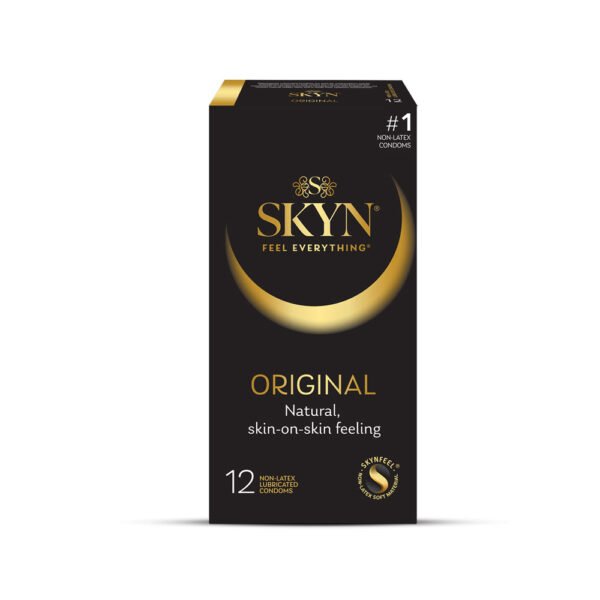
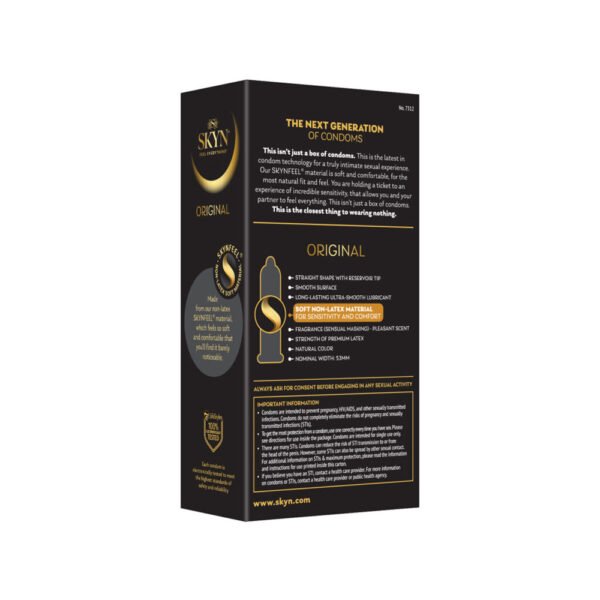
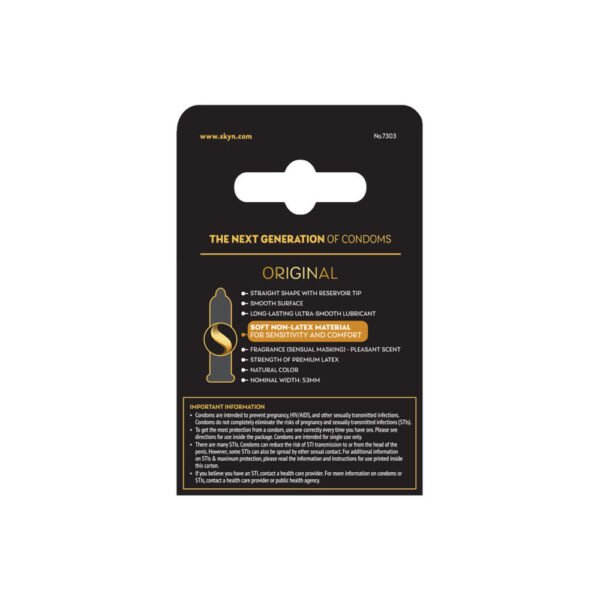
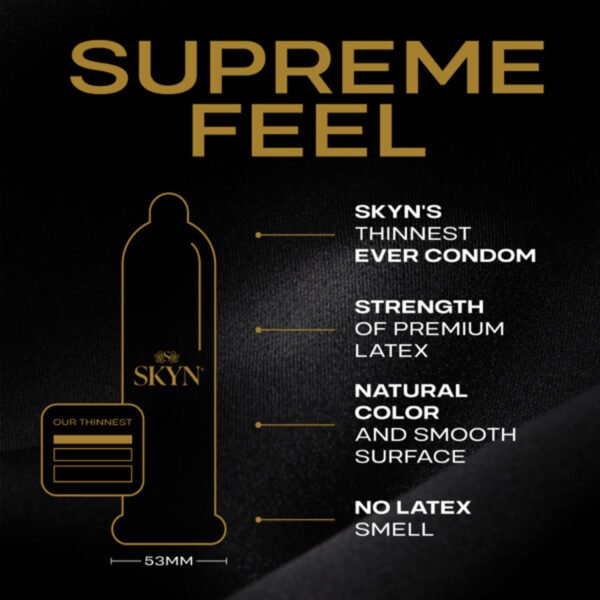
| Skyn Supreme Feel Extra Lube Latex-Free Condoms 8-Pack | Polyisoprene (non-latex) | Standard | 40% more lubricant than standard Skyn; ultra-smooth, long-lasting | Thinnest in the Skyn line; suitable for latex allergies |
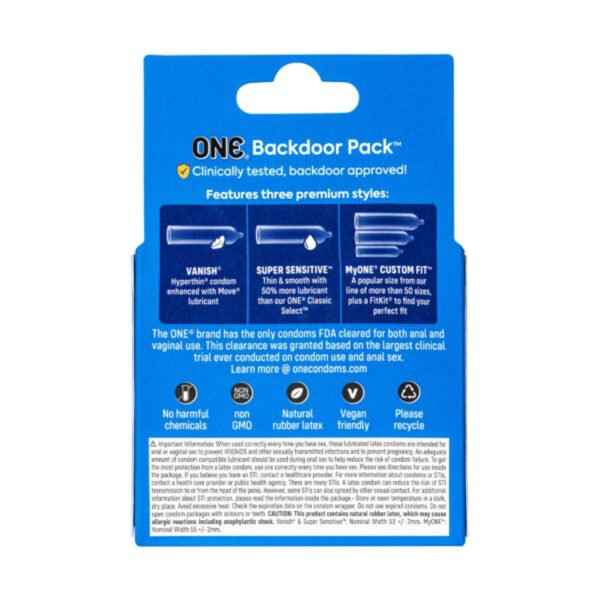
| One Backdoor 3-Count Condoms | Latex | Multiple fit options | 50% more lubricant (Super Sensitive style); extra glide | FDA-cleared for anal and vaginal use |
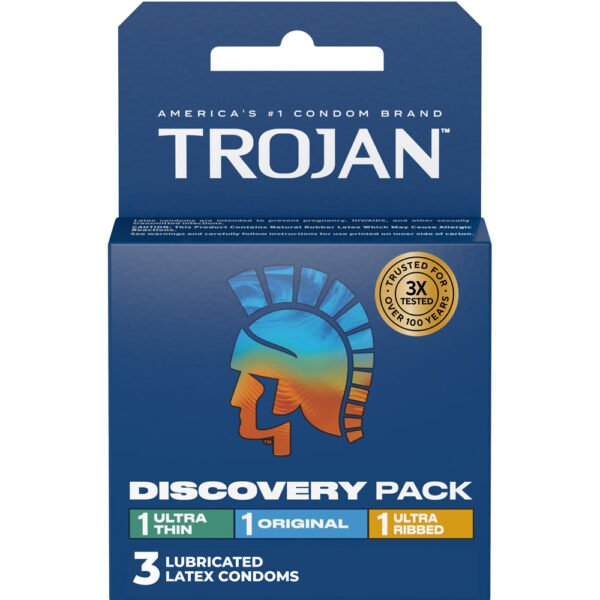
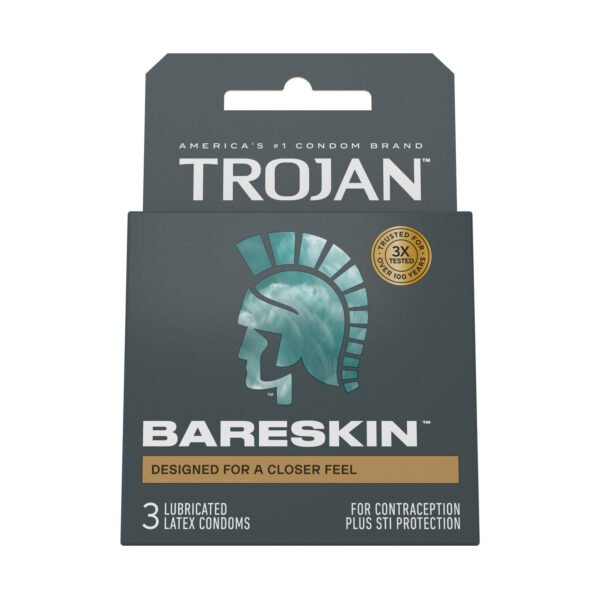
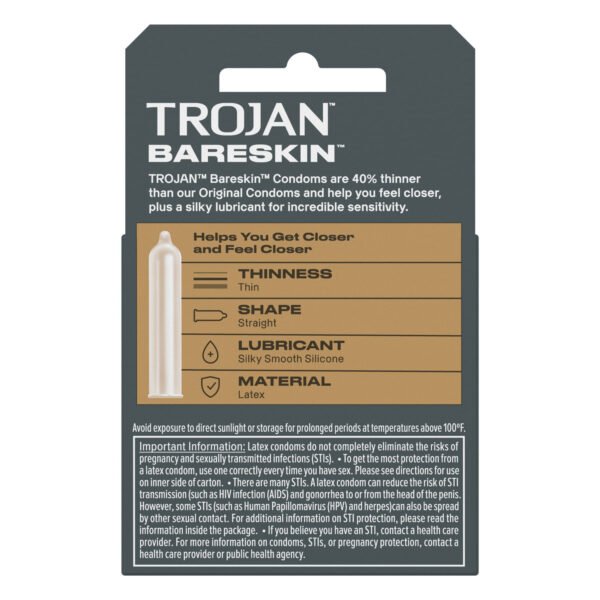
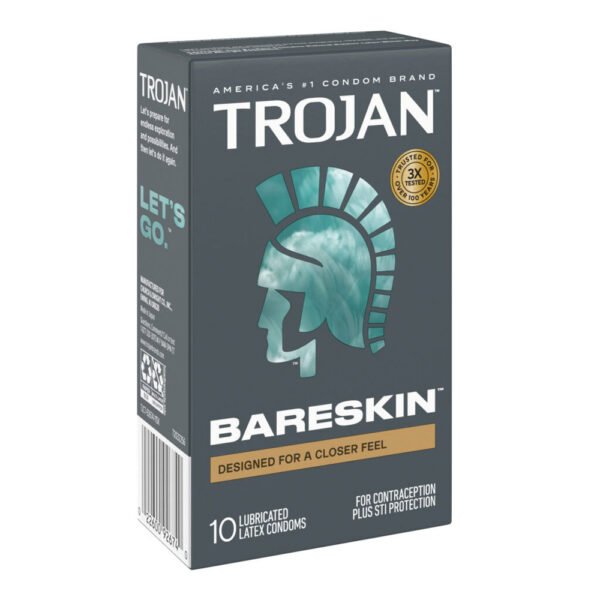
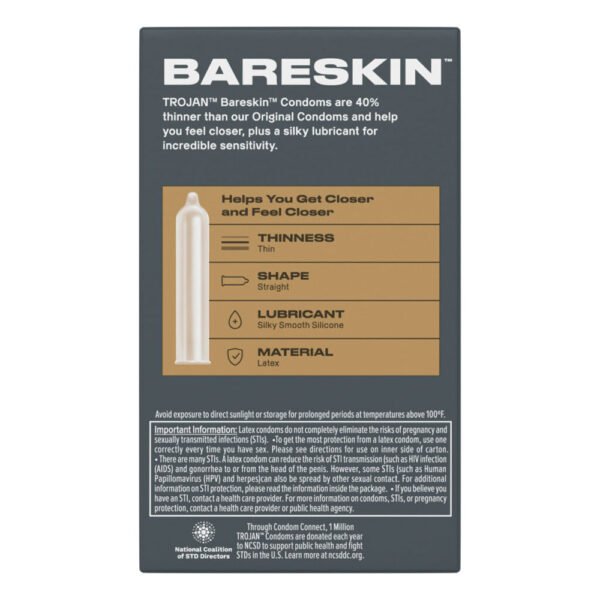
| Trojan Sensitivity Bareskin Lubricated Condoms, 3 Pack | Latex | Standard | Pre-lubricated; standard volume | 40% thinner than standard Trojan condoms |
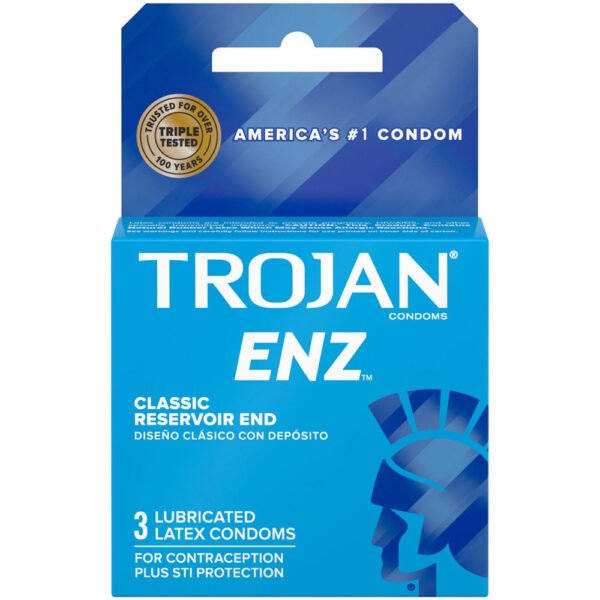
| Trojan Magnum XL Condoms, 3 Pack | Latex | XL (30% larger than original Magnum) | Silky smooth lubricant coating | Tapered base for secure fit; reservoir tip |
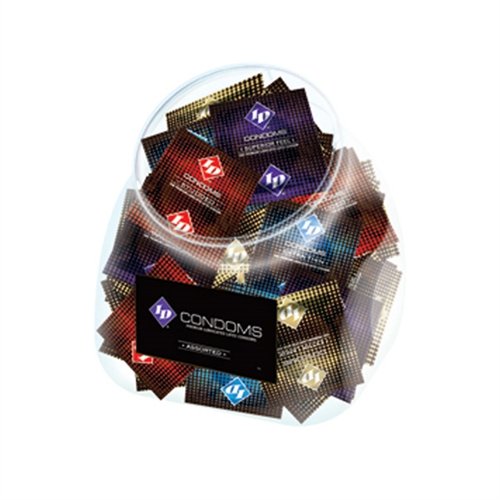
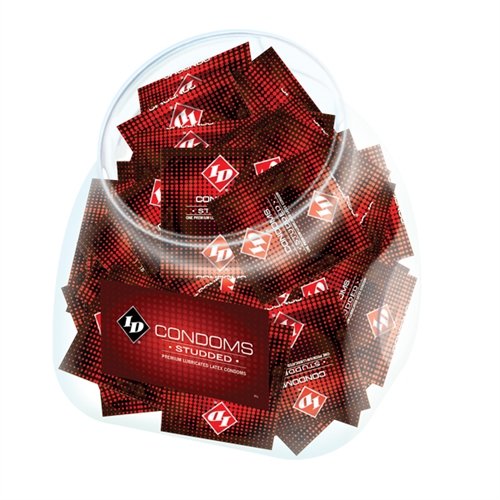
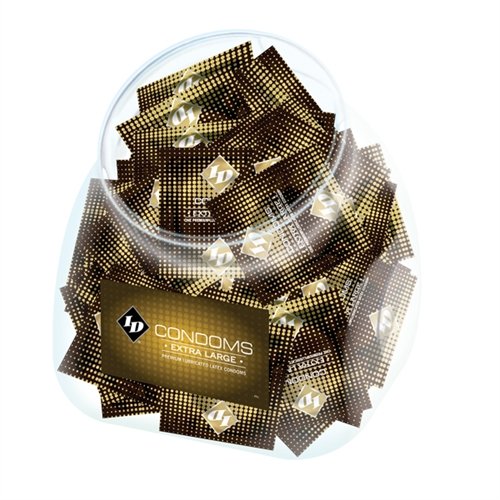
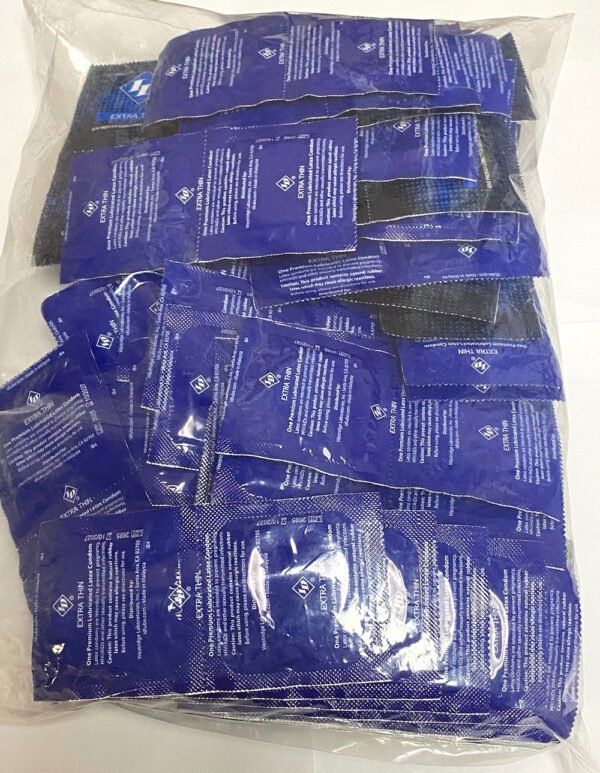
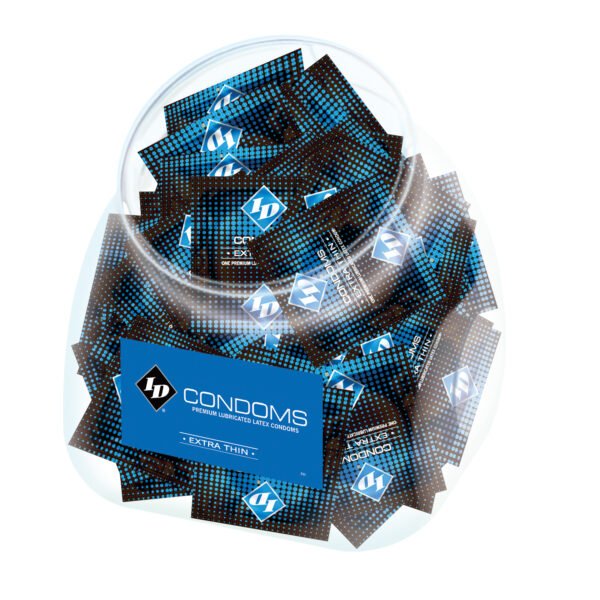
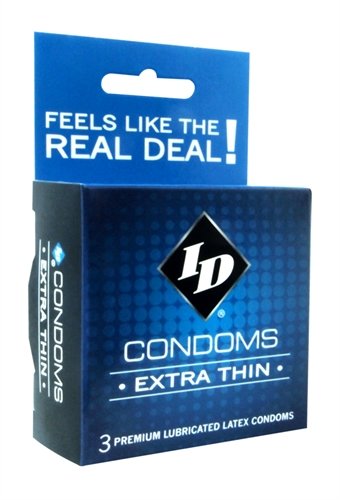
| ID Extra Large Lubricated Condom Jar, 144 Pieces | Natural rubber latex | XL | Pre-lubricated | Bulk 144-piece jar; large fit |
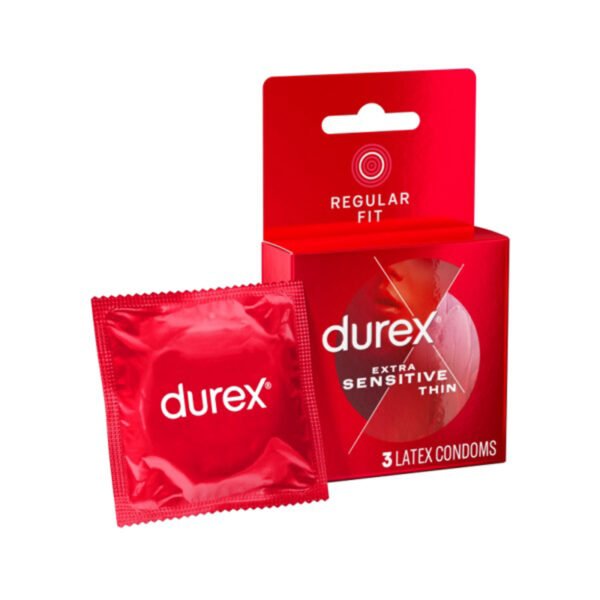
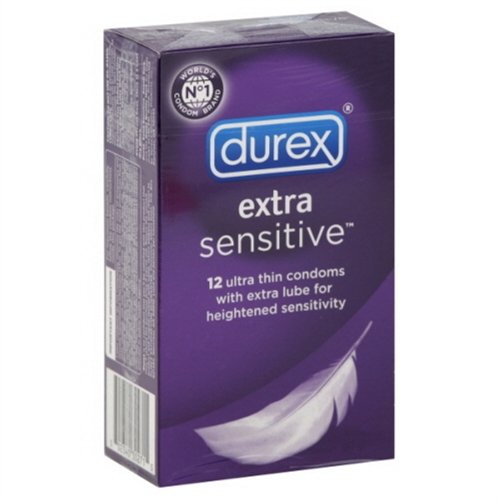
| Durex Extra Sensitive Condoms Lubricated, 12 Pack | Latex | Standard (fitted shape) | Extra lubrication included; ultra-thin construction | 12-count; fitted shape for easy application |
| Trojan Magnum Large Size Lubricated Condoms, 12 Pack | Latex | Large | Silky smooth lubricant; standard volume | Tapered base; reservoir tip; 12-count supply |
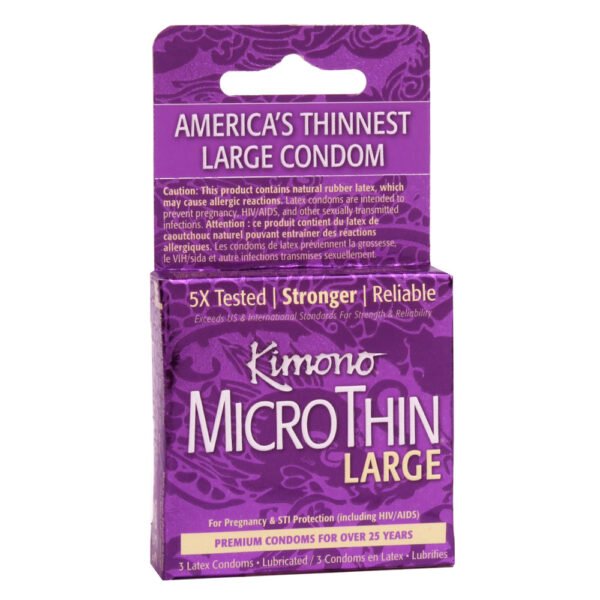
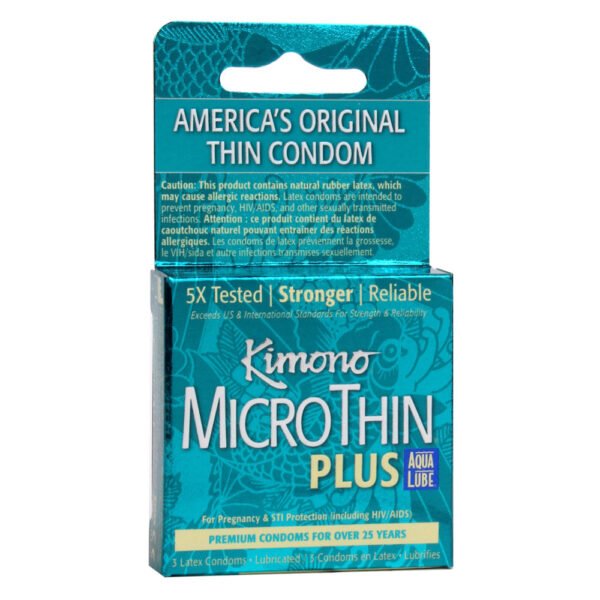
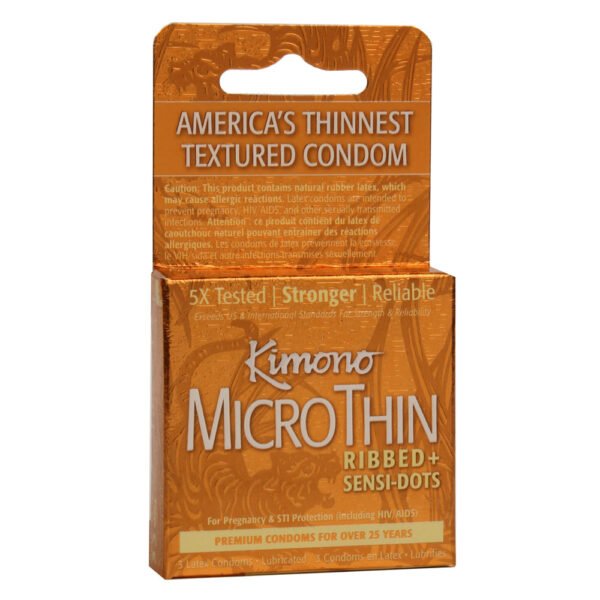
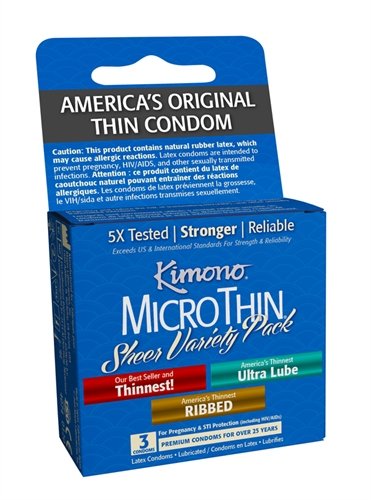
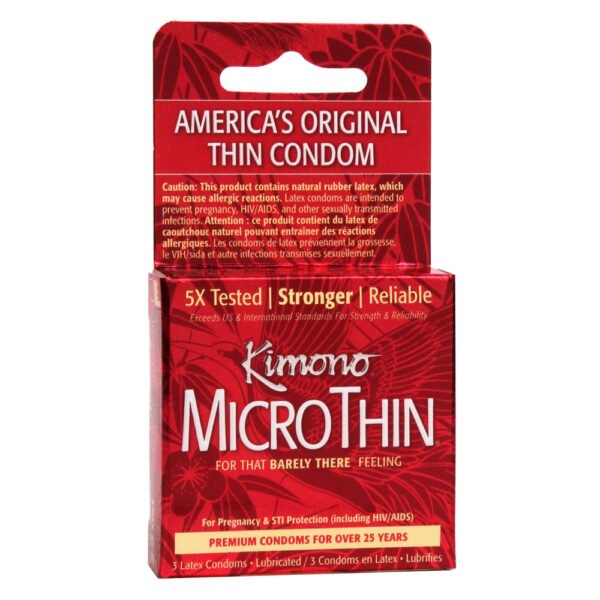
| Kimono Microthin Ultra Thin Condoms, 3 Pack | Latex (Japanese premium) | Standard | Pre-lubricated; standard volume | Among the thinnest profiles available; made in Japan |
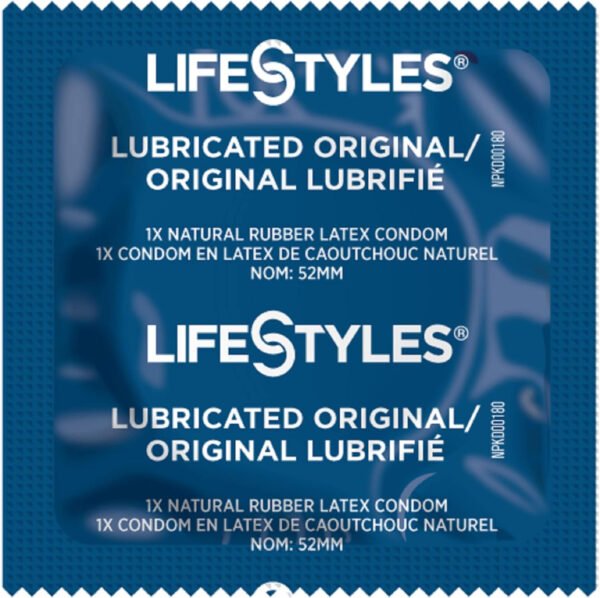
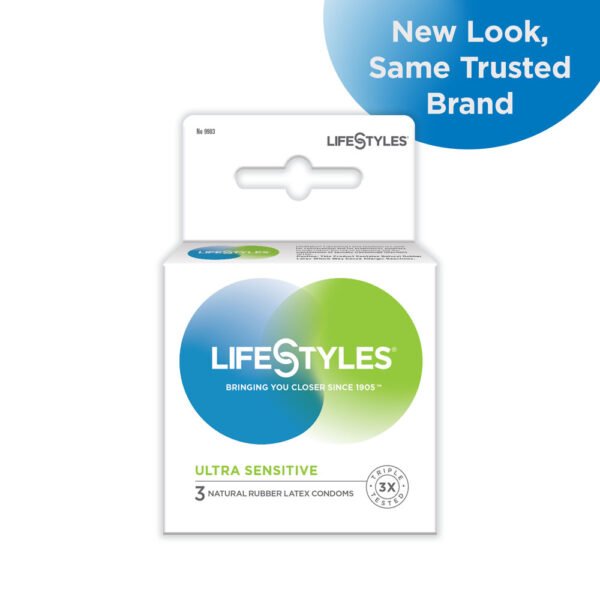
| Lifestyles Lubricated Condoms, 1008 Piece Bulk Case | Latex | Standard | Pre-lubricated; standard volume | 1,008-piece bulk case for high-volume needs |
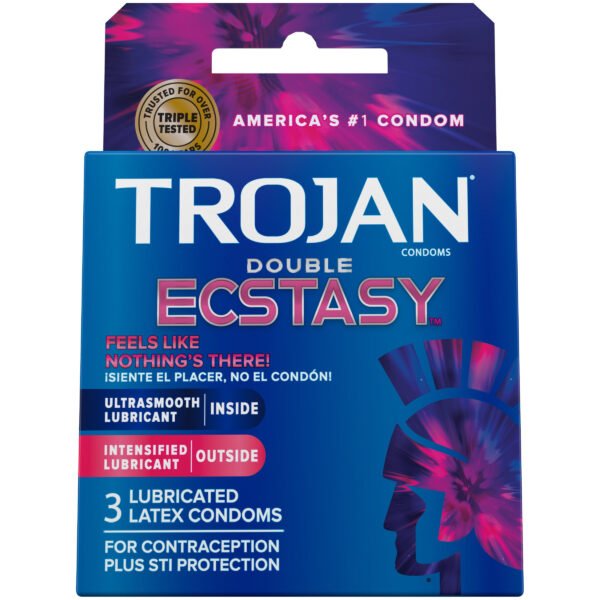
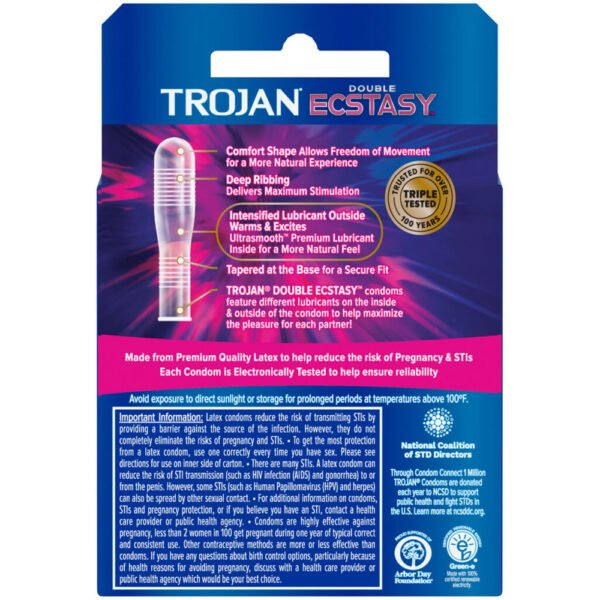
| Trojan Double Ecstasy Condoms, 3 Pack | Latex | Standard | Dual lubricant: different formulas inside and outside | Designed to address sensation for both partners simultaneously |
For the full selection, explore our Condoms.
Lubricated condoms work best when the coating, material, and fit match what you are actually doing. These three collections make it easier to find the right option without sorting through everything at once.
Roll a lubricated condom on correctly before any genital contact, leaving the reservoir tip pinched free of air. The pre-applied coating is ready to go straight from the wrapper, but if you want additional glide mid-session, a compatible personal lubricant applied to the outside works well. A few drops inside the tip before rolling on can also increase sensation for the wearer.
Store condoms somewhere cool and dry, away from wallets, glove compartments, or anywhere that gets warm, since heat and pressure degrade the material over time. Always check the expiry date before use, and discard any condom whose foil is torn, punctured, or has been stored in a back pocket for months. One more point worth keeping close: oil-based products, including coconut oil, body lotion, and petroleum jelly, break down latex and polyisoprene, so reach for a [water-based lube](https://claimnight.com/water-based-lubes/) or silicone-based formula instead.
Lube compatibility with lubricated condoms comes down to one variable: the condom material. Water-based lubricants work with every condom type, latex and non-latex alike, and are the safest default if you are unsure what you have. Silicone-based lubricants are also fully compatible with latex and polyisoprene condoms, and they tend to last longer without reapplication, which makes them a practical choice for longer sessions.
Oil-based products are the one category to avoid with latex and polyisoprene. Oils, including coconut oil, body lotion, and petroleum jelly, break down the polymer structure of those materials, which can weaken the condom during use. Polyurethane condoms are more resistant to oil degradation, but water-based or silicone-based formulas remain the straightforward choice regardless of material. The pre-applied coating on a lubricated condom does not change these rules; whatever lube you add on top still needs to be compatible with the condom itself.
The amount of lubricant on a standard pre-lubricated condom is modest by design: enough to ease application and reduce initial friction, but not a generous coating. For many people and most situations, that baseline is sufficient. Where it tends to fall short is during longer sessions, anal use, or for anyone who experiences dryness, since the factory-applied layer can thin out or distribute unevenly once things are underway.
Extra-lubricated condoms address this directly by applying a noticeably heavier coating at the factory, so the difference is built in rather than something you have to manage mid-session. Adding a compatible personal lubricant to the outside of any condom is always an option and does not compromise protection, provided the lube type matches the condom material. If you find yourself reaching for extra lube regularly, an extra-lubricated style is probably the more practical starting point.
Lubricated condoms do expire, and the expiry date printed on the foil packet applies to both the condom material and the lubricant coating together. In practice, the lube layer can lose its consistency before the latex or polyisoprene shows visible signs of wear, becoming thinner, stickier, or unevenly distributed. A condom that is past its date or has been stored poorly may feel noticeably drier or tackier straight from the wrapper, which is a reasonable sign to discard it.
Storage conditions affect shelf life significantly. Heat, humidity, and pressure all accelerate breakdown of both the material and the coating. A bedside drawer or a cool, dry cabinet is a much better option than a wallet, a car glove compartment, or a gym bag. Before use, check the foil for damage and confirm the expiry date on the packaging.
Lubricated condoms can occasionally cause irritation, and the culprit is usually an ingredient in the coating rather than the condom material itself. Glycerin, fragrances, and spermicidal additives like nonoxynol-9 are the most common triggers, particularly for people with sensitive skin or a tendency toward yeast infections. If you notice recurring discomfort, switching to a glycerin-free and spermicide-free formula is a reasonable first step before assuming latex is the issue. Anyone who suspects a true latex allergy should move to a polyisoprene or polyurethane option and consult a healthcare provider.
The pre-applied coating on most lubricated condoms is water-based or silicone-based, and both can leave a light residue on skin or fabric. Water-based coatings rinse away easily with water and rarely stain. Silicone-based coatings are a little more persistent and may leave a faint mark on some fabrics, so washing promptly is worth doing if it matters to you.
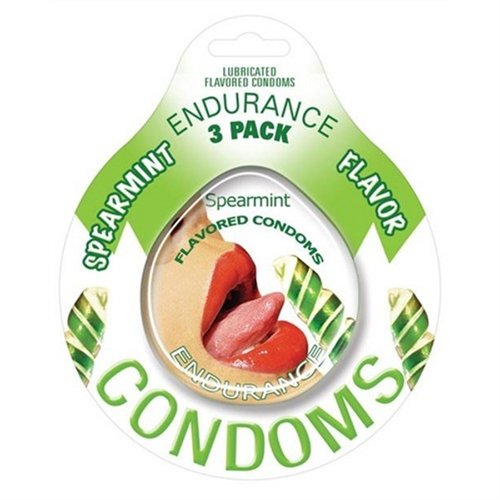
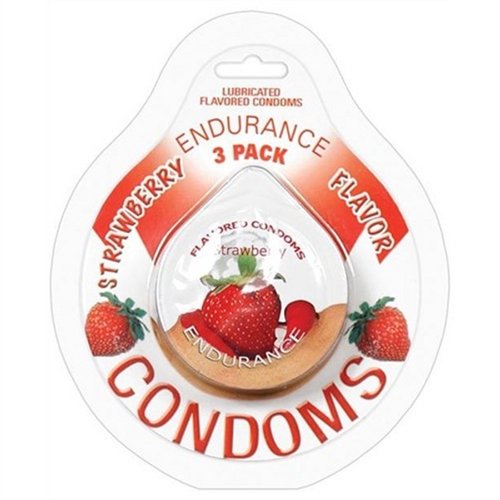
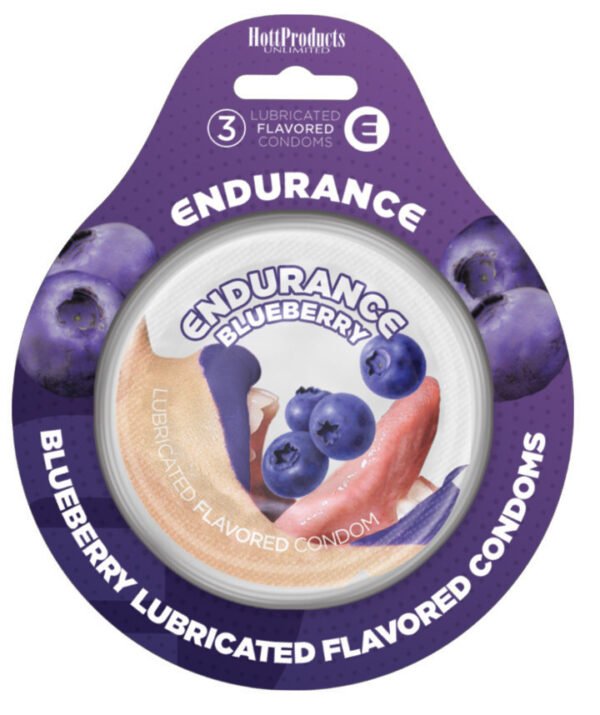
Most lubricated condoms carry a faint latex or chemical scent from the manufacturing process, and the coating itself can have a mild, neutral taste. Some people find this noticeable during oral contact; others do not. If scent or taste is a concern, low-latex-odor styles or flavored condoms are worth looking at, keeping in mind that flavored options are generally designed for oral use rather than penetrative sex.
For many people and most situations, the factory-applied coating holds up well throughout a typical session. That said, the coating can thin out over time, particularly during longer encounters or anal sex where there is no natural lubrication to supplement it. Extra-lubricated styles start with a heavier coating and tend to last longer before any noticeable reduction in glide, though adding a compatible personal lubricant partway through is always an option.
Lubricated condoms in their sealed foil packaging are completely fine to carry in a carry-on or checked bag, and TSA does not flag or restrict them. The small amount of lubricant on the condom itself falls well below any liquid limit. The main travel consideration is heat: leaving condoms in a car, a checked bag sitting on a hot tarmac, or a jacket pocket in direct sun can degrade the material over time, so a cool interior bag pocket is a better spot.
Every Claim Night order ships in plain, unmarked packaging with no indication of the contents on the outside. Your billing statement shows a neutral “XR. LLC” rather than anything related to the store or the products inside. We do not sell or share your personal data, and that is built into how we operate by default, not something you have to opt into.
Using two condoms at the same time is not recommended and actually increases the risk of breakage rather than reducing it. The friction between the two layers causes both to weaken and tear more easily than a single condom used correctly. One condom, used properly and consistently, is the right approach for everyday protection; if more lubrication is the goal, adding a compatible personal lubricant to the outside of a single condom is the safer and more effective route.
Lubricated condoms are commonly used during pregnancy, both for STI protection and because hormonal shifts can affect natural lubrication levels, making the added glide genuinely useful. The main ingredient consideration during pregnancy is the same as at any other time: spermicidal coatings containing nonoxynol-9 are generally not recommended for regular use, and a healthcare provider is the right person to consult about any specific ingredient concerns. Spermicide-free and glycerin-free options are widely available and straightforward to find within this category.

Helpful guides, product tips, and simple explanations to help you find what feels right.
No account yet?
Create an Account