






Lubricants

1912 products
Discreet Packaging
Secure Checkout
Body-Safe Materials

What Is a Personal Lubricant?

A personal lubricant is a body-safe topical formula applied to the skin or genitals to reduce friction during sexual activity, solo play, or toy use. Most are water-based, silicone-based, oil-based, or a hybrid of two of those, and each base behaves differently in terms of texture, longevity, and compatibility with condoms and toys.

Beyond base type, the ingredients in a lubricant matter: pH level, osmolality, and the presence or absence of glycerin, parabens, and fragrances all affect how a formula interacts with sensitive tissue. Knowing what is in a lube, and what it is designed for, is the clearest path to choosing one that actually works for your body.

Types of Lubricants

Lubricants come in several distinct base types, plus a handful of specialized formulas, and the right one depends on what you are using it with, how long you need it to last, and what your skin responds well to.

Water-Based Lubricants

Water-based lubricants are the most versatile type: they are compatible with latex and polyisoprene condoms, safe with silicone toys, and rinse away easily with water. The texture ranges from light and fluid to thicker gel formulas, so there is a lot of variation within this base type. They are a solid starting point for everyday glide and for anyone who wants straightforward cleanup.

Silicone-Based Lubricants

Silicone-based lubricants stay slick far longer than water-based formulas without needing to be reapplied, which makes them well suited for longer sessions or use in water. They are not compatible with silicone toys, because the silicone in the formula can degrade the toy’s surface over time. For use with latex condoms, glass, metal, or hard plastic toys, silicone is a reliable and long-lasting option.

Oil-Based Lubricants

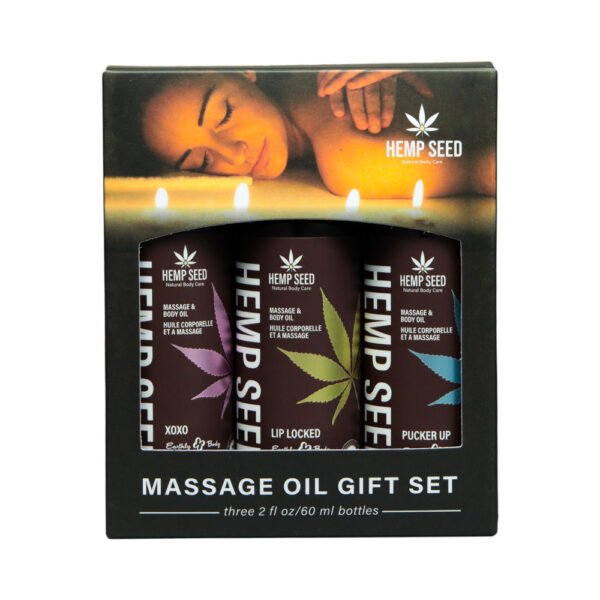
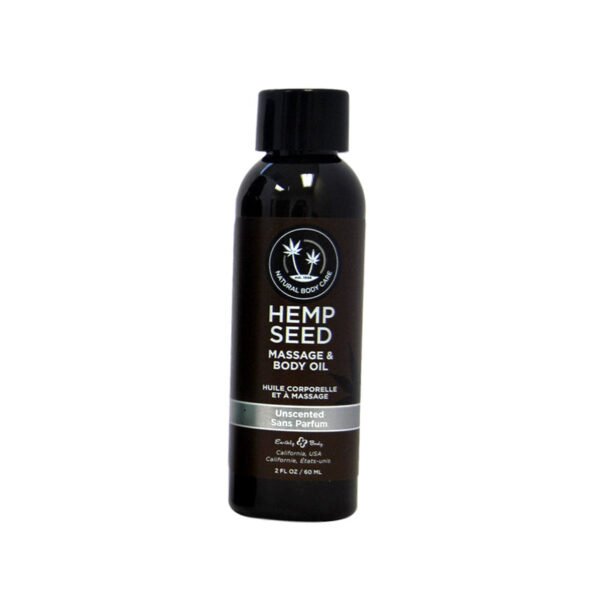
Oil-based lubricants have a rich, cushioning feel and do not dry out quickly, making them a popular choice for solo play or massage. They are not safe to use with latex or polyisoprene condoms, as oil breaks down the material and compromises protection. They are also harder to wash off and can stain fabric, so they suit specific situations rather than all-purpose use.

Hybrid Lubricants

Hybrid lubricants blend a water base with a small amount of silicone to get some of the longevity of silicone without fully giving up water-based cleanup and compatibility. Most hybrid formulas are condom-compatible, and many work with silicone toys, though it is worth checking the label before use. They tend to suit people who find pure water-based formulas dry out too quickly but want something easier to clean up than a full silicone formula.

Natural and Organic Lubricants

Natural and organic lubricants are formulated with plant-based ingredients, often built around aloe vera, organic oils, or other botanicals, and are typically free from parabens, glycerin, and synthetic fragrances. They appeal to people who prioritize clean ingredient lists and body-safe formulas for sensitive skin. Base type still varies within this category, so checking whether a natural lube is water-based or oil-based matters for condom and toy compatibility.

Anal Lubricants

Anal lubricants are formulated with a thicker consistency to provide more cushioning and sustained glide, since the anal tissue does not self-lubricate the way vaginal tissue does. Some are water-based, some are hybrid, and a few contain added ingredients for comfort during extended use. Using enough lubricant, and reapplying as needed, is the most important practical consideration for anal play.

Flavored Lubricants

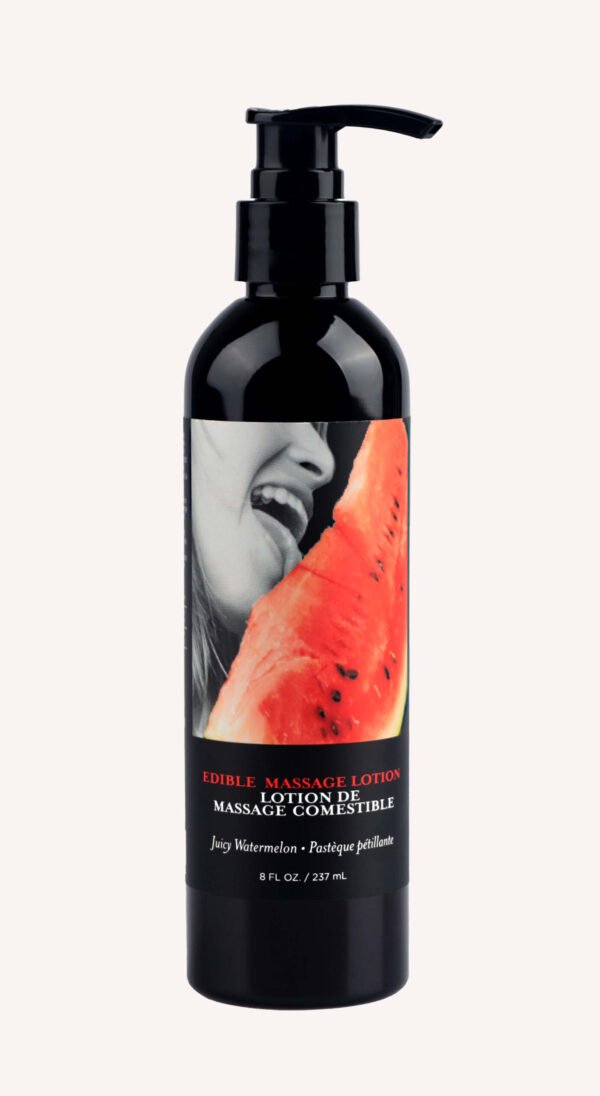
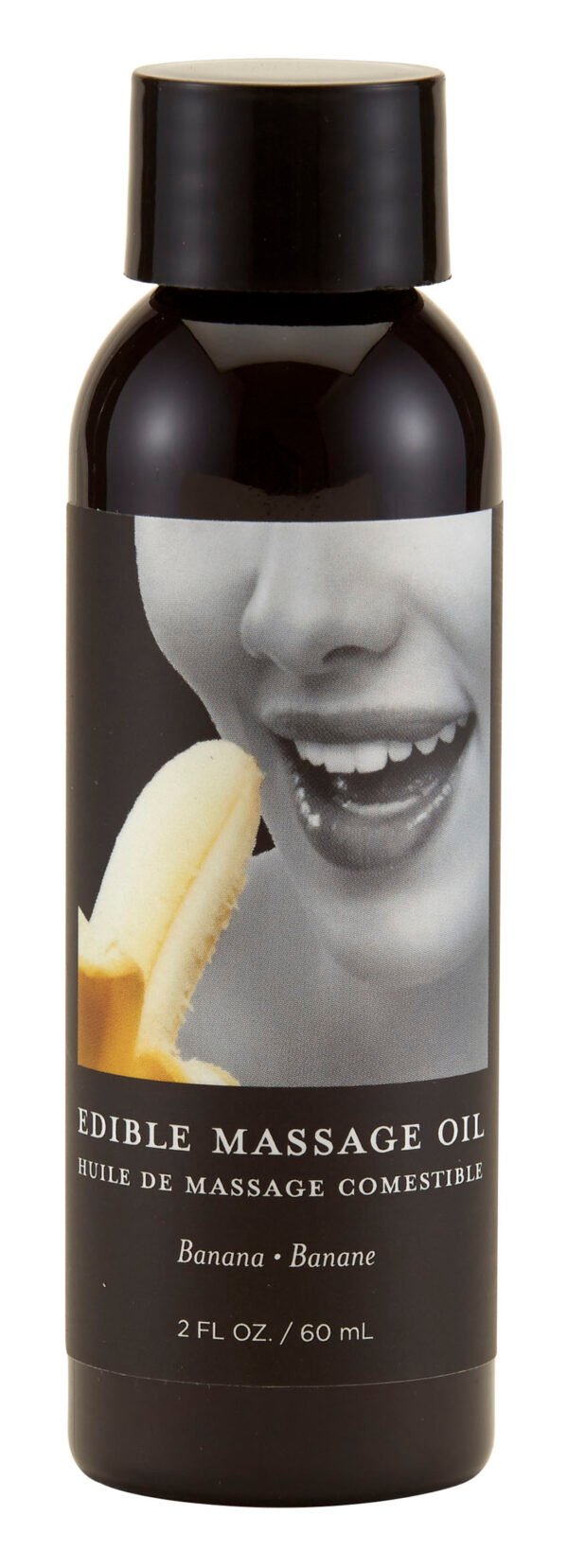
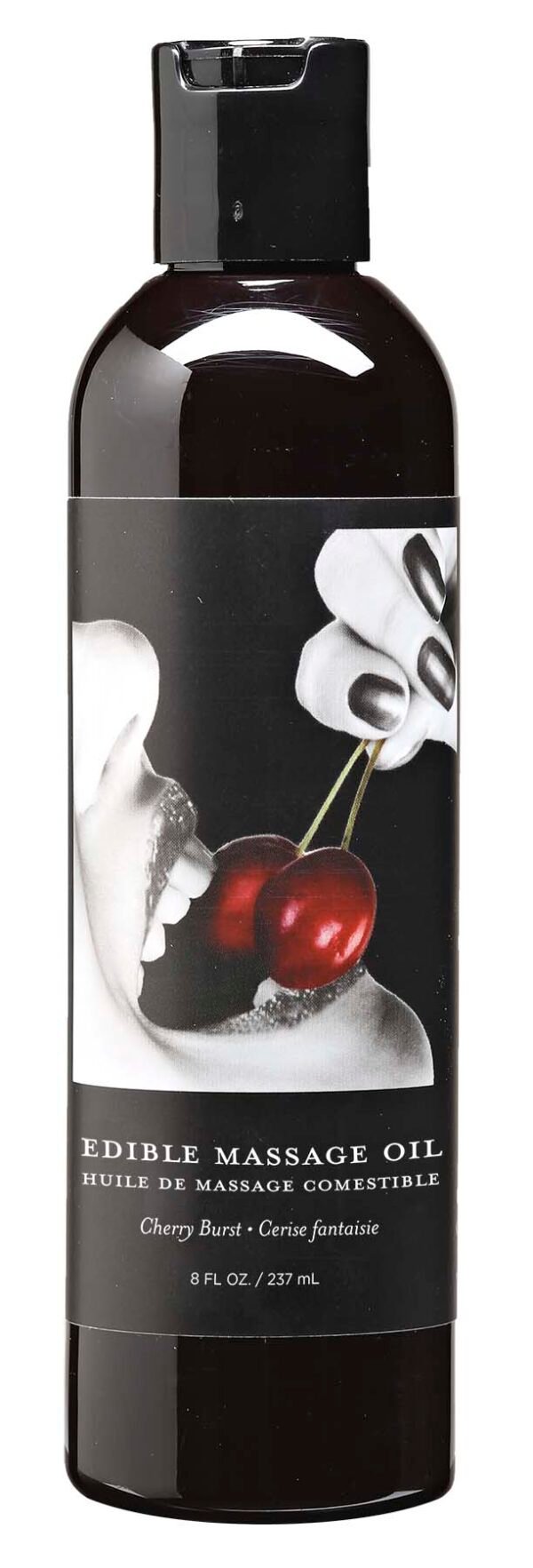
Flavored lubricants are water-based formulas designed primarily for oral use, with added taste and sometimes scent. They are generally not the best choice for internal vaginal use, since many contain sweeteners like glycerin that can disrupt vaginal pH in some people. For oral contact and external play, they add a sensory element without complicating cleanup.

How to Choose the Right Lubricant

The best personal lubricant is the one that fits your body, your activities, and what you are using it with. A few practical questions narrow the field quickly.

Compatibility and ingredient profile tend to matter most, but texture, longevity, and intended use all play a role. Think through these before you browse:

  • Condom and toy compatibility: If you use latex or polyisoprene condoms, you need a water-based or silicone-based formula. Oil-based lubes degrade latex and should not be used with them. Silicone-based formulas are not safe with silicone toys, so check your toy’s material before choosing.
  • How long you need it to last: Water-based formulas are easy to reapply and clean up simply, which suits everyday glide and shorter sessions. Silicone and hybrid formulas stay slicker longer without reapplication, making them a better fit for extended use or water environments.
  • Skin sensitivity and ingredient preferences: For sensitive skin or anyone who wants to keep things simple, look for glycerin-free, paraben-free, and fragrance-free formulas. A pH-balanced formula is a reasonable baseline for vaginal use. Osmolality matters too: formulas closer to the body’s natural range are gentler on delicate tissue.
  • Base type and texture: Water-based lubes range from thin and fluid to thick gel. Silicone is uniformly silky. Hybrid formulas sit between the two. Oil-based options feel rich and cushioning. The texture you prefer is personal, and there is no wrong answer as long as compatibility is covered.
  • Intended use: Anal play benefits from a thicker, longer-lasting formula since the body does not self-lubricate there. Oral use calls for a flavored or tasteless water-based formula. Solo play with a toy points toward a water-based or hybrid option that is confirmed toy-safe.
  • Natural or organic ingredients: If you prefer plant-derived or certified organic formulas, look for aloe vera bases, organic plant-based ingredients, and products free from synthetic fragrances and colorants. These are available across water-based and oil-based options.

The table below compares a cross-section of lubricants from the range by base type, key formula features, and compatibility so you can see how they stack up side by side.

Lubricant Comparison: Base Type, Key Features, and Compatibility
Product Base Type Key Formula Features Condom-Compatible Toy-Safe
Intimate Earth Moonbloom Water-Based, 4 fl oz Water-based Vegan collagen, bisabolol, squalane; unscented, unflavored; extra-sensitive formula Yes (latex and silicone condoms) Yes (silicone toys)
Wicked Simply Natural Water-Based, 4 fl oz Water-based Vitamin E, aloe, olive leaf extract; glycerin-free, paraben-free, propylene glycol-free; pH-balanced; fragrance-free; vegan
Elixir Sensitive Skin Water-Based, 1 fl oz Water-based Hyaluronic acid, aloe vera, cucumber extract, sage extract; fragrance-free, dye-free; pH-balanced Yes Yes
Blush Lube Water-Based, 4 fl oz Water-based Paraben-free, glycerin-free, propylene glycol-free; pH-balanced with citric acid Yes (latex and polyisoprene) Yes
Elixir Silicone Intimate Lubricant, 1 fl oz Silicone-based Water-resistant; long-lasting; no sticky residue; neutral scent; suitable for sensitive skin Not with silicone toys
Intimate Earth Moonbloom Silicone Comfort Glide, 4 fl oz Silicone-based Squalane, bisabolol, shiitake extract, sunflower seed oil, aloe, goji fruit extract; odorless and tasteless; water-environment safe
Elixir Hybrid Personal Lubricant, 1 fl oz Hybrid (water and silicone) Lightweight, silky texture; no greasy or sticky residue; compatible with silicone toys Yes (latex) Yes (silicone toys)
Intimate Earth Moonbloom Hybrid Comfort Glide, 4 fl oz Hybrid (water-based) Vegan collagen, bisabolol, squalane; no smell or taste; extra-sensitive skin formula Yes (latex and silicone) Yes (silicone toys)
Skins Anal Hybrid Silicone and Water-Based, 4.4 fl oz Hybrid (silicone and water) Thicker consistency for anal use; extended glide; water-soluble cleanup Yes (latex) Yes (silicone toys)
Me You Us Glycerin-Free Slix, 8.4 fl oz Water-based Glycerin-free; long-lasting glide; large-format bottle

If you are pairing lube with a new toy, the sex toy cleaners category is worth a look alongside your lubricant choice, since keeping toys clean between uses is part of the same body-safe routine.

Top Lubricants Brands

A few brands stand out in the personal lubricant space for their ingredient honesty, body-safe formulas, and consistent quality.

  1. Intimate Earth
    , known for organic, plant-based lubricant formulas with clean ingredient lists and options for sensitive skin
  2. Sliquid
    , a long-standing favorite for glycerin-free, paraben-free water-based and hybrid lubricants
  3. System JO
    , a broad range covering water-based, silicone-based, and flavored personal lubricants across many use cases
  4. Good Clean Love
    , focused on pH-balanced, organic lubricant formulas designed with vaginal health in mind
  5. Wicked Sensual Care
    , well regarded for natural and aqua-based lubricants free from glycerin, parabens, and propylene glycol
  6. Aloe Cadabra
    , specializes in aloe vera-based personal lubricants formulated to be gentle on sensitive and irritation-prone skin

Best Lubricants for Every Need

Every body and every situation calls for something a little different. These lubricant collections are organized by real use cases so you can find the right formula without sorting through everything at once.

Using and Caring for Your Lubricant

A small amount goes further than most people expect, so start with a little and add more as you go. Lubricant can be applied directly to the body, to a condom before or after it is on, or to a toy before use. Reapplying mid-session is completely normal, especially with water-based formulas, and does not mean something is wrong.

Store lubricant at room temperature, away from direct sunlight and heat, and check the expiration date before use since the formula can break down over time. Oil-based lubricants degrade latex condoms and should never be used with them; silicone-based formulas can damage silicone toy surfaces, so check your toy’s material first. Keep all lubricants away from eyes, and if any formula causes unexpected irritation, stop use and consult a healthcare provider. Most bottles are not designed for internal storage, so cap them tightly after each use.

Ingredients to Avoid in Personal Lubricants

Certain common lubricant ingredients raise real concerns for vaginal health, and knowing what to look for on a label is more useful than any marketing claim on the front of the bottle. Glycerin, a sugar alcohol found in many water-based formulas, can feed yeast in the vaginal environment, which is worth knowing for anyone prone to yeast infections. Parabens are preservatives with a long history of use in personal care products, but many people prefer to avoid them given ongoing questions about their effects on the body. Propylene glycol is another preservative that can cause contact irritation in sensitive individuals, particularly with repeated use. Added fragrances and flavoring agents, even ones described as natural, introduce compounds that have no benefit inside the body and are a common source of irritation. Fragrance-free, glycerin-free, and paraben-free formulas are not a niche preference; for many people, they are simply the more comfortable choice.

What pH-Balanced and Osmolality-Balanced Mean in a Lubricant

A pH-balanced lubricant is one formulated to match the natural acidity of the vagina, which typically sits between 3.8 and 4.5. Using a formula with a significantly higher pH can shift the vaginal environment in ways that affect the microbiome, making pH alignment a practical consideration rather than a marketing term. Osmolality refers to the concentration of dissolved particles in a formula relative to the body’s own tissue fluids. A lubricant with very high osmolality draws moisture out of vaginal and rectal cells, which can cause subtle tissue damage over time, especially with frequent use. The World Health Organization has published guidance recommending lubricants with osmolality close to that of the body’s own fluids. Products that list their osmolality rating or describe themselves as osmolality-balanced are giving you genuinely useful information, not just a selling point.

Using Lubricant During Menopause, Postpartum Recovery, and Vaginal Dryness

Reduced estrogen is the common thread behind vaginal dryness during menopause, perimenopause, and the postpartum period, particularly while breastfeeding. Lower estrogen thins vaginal tissue and reduces natural lubrication, which can make friction more noticeable and intimacy less comfortable. Lubricant does not change hormone levels, but it does address the immediate physical reality of reduced moisture during solo or partnered play. In these contexts, formulation choices carry more weight than they might otherwise: glycerin-free formulas reduce the risk of yeast overgrowth in tissue that is already more sensitive, pH-balanced options support a microbiome that may be more easily disrupted, and fragrance-free formulas avoid adding unnecessary irritants to delicate skin. Silicone-based lubricants are often a practical fit here because they stay slick longer without reapplication, though a well-formulated water-based option works equally well for many people. If dryness is persistent or accompanied by other symptoms, a conversation with a healthcare provider is worth having alongside any product choice.

FAQ

Can lubricant stain sheets or clothing?

Water-based lubricants are generally the least likely to leave a lasting stain and usually wash out of fabric with a normal laundry cycle. Silicone-based formulas can be trickier on some fabrics, so treating the spot promptly with a little dish soap before washing helps. Oil-based lubricants are the most likely to leave a residue on fabric and bedding, similar to any other body oil, so a stain remover applied before washing is a good habit.

Is lubricant safe to use with condom-compatible materials other than latex, like polyisoprene or polyurethane?

Water-based lubricants are broadly compatible with latex, polyisoprene, and polyurethane condoms. Silicone-based lubricants are generally safe with polyurethane condoms, though it is worth checking the condom packaging to confirm. Oil-based lubricants should be avoided with latex and polyisoprene condoms, as they can break down the material regardless of the specific formulation.

Can lubricant be used during oral sex?

Flavored lubricants are specifically formulated with oral use in mind, and most are water-based and edible-safe. Unflavored water-based formulas are generally considered safe for incidental oral contact, though they are not designed for taste. Silicone-based and oil-based lubricants are not intended for oral use, so flavored water-based options are the cleaner choice when oral contact is part of the picture.

Will lubricant show up on a bank statement or arrive in obvious packaging?

At Claim Night, every order ships in plain, unmarked packaging with no indication of what is inside. Your bank or card statement will show “XR. LLC” rather than any store name or product description. Privacy is built into the default experience here, not something you have to request.

Can lubricant cause an allergic reaction, and how would you know?

Reactions to lubricant ingredients do happen, and they most often show up as localized redness, a burning feeling, or itching in the area where the product was applied. Common triggers include added fragrances, certain preservatives, and flavoring agents rather than the base itself. If you have known sensitivities to skin-care ingredients, starting with a fragrance-free, glycerin-free, and paraben-free formula reduces the likelihood of a reaction. Any persistent or unexpected irritation is a reason to stop use and check in with a healthcare provider.

Is lubricant safe to travel with, including through airport security?

Lubricant in liquid or gel form follows the same TSA rules as any other personal care product: containers must be 3.4 oz (100 mL) or under to go in a carry-on, and they count toward your quart-sized liquids bag. Larger bottles are fine in checked luggage with no volume restriction. Travel-sized or single-use packets are a practical option for carry-on use, since they stay well within the limit and take up very little space.

Does using lubricant mean something is wrong with your body?

No. Using lubricant is a normal part of sexual self-care, not a sign that something is off. Natural lubrication varies from person to person and shifts with stress, hormonal changes, medication, hydration, and where you are in your cycle, none of which reflect anything wrong. Many people who have no difficulty with natural lubrication still use lube because it makes sex more comfortable or more enjoyable, and that is a completely valid reason on its own.

Can two different lubricants be mixed or layered together?

Mixing lubricants is not generally recommended, mostly because combining bases can affect both texture and compatibility in unpredictable ways. For example, adding an oil-based product on top of a water-based one changes the formula’s relationship with latex condoms, since the oil component still degrades latex regardless of the mix. If you want the qualities of more than one base type, a purpose-formulated hybrid lubricant is a more reliable choice than layering two separate products.